
Frozen Fruit Purees: The Base for Many Easy Treats

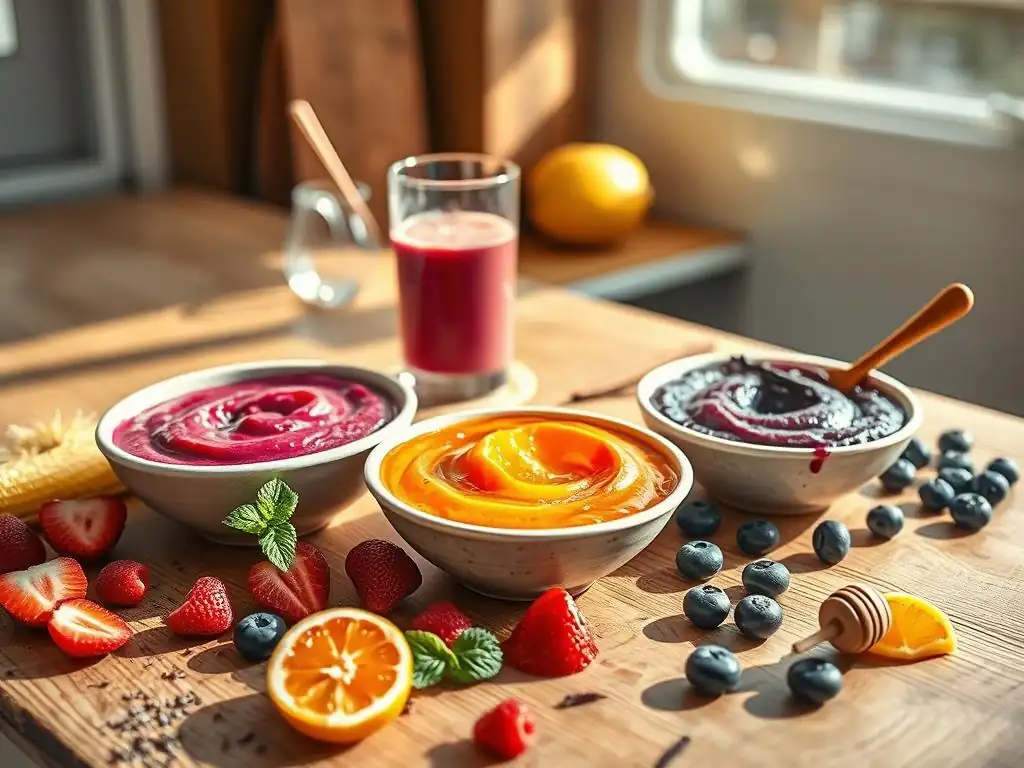
Welcome to BakeWithEase, your guide to unlocking the delicious world of baking! Dive into the secrets of effortless creations, starting with our exploration of easy frozen fruit puree recipes. These vibrant bases are the key to countless pastries and desserts, but what makes them so versatile, and how can you master them at home? Discover the answers and begin your baking adventure now!
- The Magic of Frozen Fruit Purees: Simple Recipes for Delicious Treats
- Introduction to Frozen Fruit Purees in Desserts
- Making Homemade Frozen Fruit Puree
- Frozen Fruit Puree Recipes: Delicious Treats
- Tips and Tricks for Using Frozen Fruit Purees
- Flavor Combinations with Fruit Purees
- Benefits of Using Frozen Fruit Purees
- Troubleshooting Common Issues
- Beyond Recipes: Creative Uses
- Conclusion: Baking with Frozen Fruit Puree
-
Frequently Asked Questions
- What exactly is a frozen fruit puree, and how is it useful in baking?
- How can I use frozen fruit puree in a recipe that doesn't specifically call for it?
- What types of frozen fruit purees work best in baking?
- Are there any potential issues I should be aware of when using frozen fruit purees?
- Where can I find frozen fruit purees if I don't want to make my own?
- Final Reflection: The Sweet Simplicity of Frozen Fruit Purees
- Unlock Your Inner Pastry Chef: Create Delicious Treats Today!
The Magic of Frozen Fruit Purees: Simple Recipes for Delicious Treats
Introduction to Frozen Fruit Purees in Desserts
The Versatility of Fruit Purees in Frozen Desserts
Frozen fruit purees are incredibly versatile players in the world of baking and frozen desserts. They serve as a fantastic base for a myriad of simple treats, from vibrant sorbets and creamy ice creams to refreshing popsicles and elegant mousses.
Unlike using whole frozen fruit, pureeing the fruit beforehand breaks down the cell structure and creates a smooth consistency that translates beautifully into frozen applications, preventing that icy, granular texture you sometimes get. Think of the potential: a single batch of homemade strawberry puree can become a delightful strawberry sorbet, swirled into a cheesecake, or even used as a vibrant sauce for panna cotta.
This adaptability makes creating easy frozen fruit puree recipes accessible to everyone, regardless of their baking experience. Whether you're whipping up a quick batch of frozen yogurt on a hot day or planning a more elaborate layered dessert, having frozen fruit puree on hand simplifies the process significantly. It allows you to capture the peak flavor of seasonal fruits and enjoy them year-round, offering a burst of natural sweetness and color without relying on artificial ingredients. This core ingredient truly unlocks a world of easy, delicious possibilities in your kitchen.
Why Frozen Fruit Purees are Essential
Incorporating frozen fruit purees into your baking repertoire is a game-changer for several key reasons. Firstly, they provide intense, natural flavor. When fruit is pureed at its peak ripeness and then frozen, its vibrant taste is preserved, offering a more authentic and potent fruit flavor compared to using artificial extracts or heavily processed fruit products. This is particularly noticeable in simple recipes where the fruit flavor is the star.
Secondly, they contribute significantly to texture. A well-made fruit puree adds a smooth, creamy element to frozen desserts, helping to prevent excessive ice crystal formation when combined with other ingredients like cream or yogurt. Furthermore, using frozen fruit puree allows you to reduce the amount of added sugar in many recipes, as the fruit provides natural sweetness. This makes many easy frozen fruit puree recipes not only delicious but also a healthier alternative to store-bought options, aligning perfectly with a desire for more wholesome homemade treats.
Making Homemade Frozen Fruit Puree
Selecting the Best Fruits
Choosing the right fruit is the first step to creating a truly exceptional frozen fruit puree for your easy frozen fruit puree recipes. Opt for fruits that are ripe, flavorful, and at their peak season. Ripe fruit contains the most natural sweetness and intense flavor, reducing the need for added sugars later. For instance, a ripe mango will yield a much richer, sweeter puree than an unripe one. Look for fruits that are slightly soft (but not bruised) and fragrant.
Consider fruits like berries (strawberries, raspberries, blueberries), stone fruits (peaches, apricots, cherries), tropical fruits (mango, passion fruit, pineapple), and even some citrus (though often used as an accent). Approximately 2 pounds of fresh strawberries will yield roughly 3-4 cups of puree, depending on the water content. Similarly, about 3 ripe mangoes can produce around 2-3 cups of smooth puree. Using high-quality, flavorful fruit ensures your homemade puree is the perfect foundation for delicious frozen desserts.
Step-by-Step Guide: Homemade Fruit Puree
Making your own fruit puree is a straightforward process that requires minimal equipment. Start with your chosen ripe fruit, ensuring it's washed thoroughly. The quantity will depend on how much puree you need, but starting with 1-2 pounds is a good baseline for small batches. This process is the foundation for many easy frozen fruit puree recipes you'll explore later.
Preparing the Fruit
Begin by preparing the fruit according to its type. For berries like strawberries or raspberries, simply wash them and remove any stems or hulls. For stone fruits like peaches or apricots, you'll need to wash, peel, and remove the pits. A simple blanching method (dipping in boiling water for 30-60 seconds, then immediately in ice water) can help loosen the skin of peaches easily. Mangoes require peeling and removing the flesh from the large pit. Pineapples need to be peeled, cored, and cut into chunks. Ensure all seeds, pits, and tough parts are removed before proceeding.
Blending Techniques
Once the fruit is prepared, place it in a blender or food processor. For softer fruits like berries or ripe peaches, a standard blender works perfectly. For slightly firmer fruits like pineapple or mango, a high-powered blender might yield a smoother result.
Blend the fruit until it reaches a smooth, consistent liquid or thick sauce-like texture. If the fruit is very thick and struggling to blend, you can add a tiny amount of water (perhaps 1-2 tablespoons per pound of fruit) or a splash of fruit juice, but be cautious not to make it too watery, as this can lead to more ice crystals when frozen. Blend until no chunks remain.
Freezing for Optimal Results
After blending, you can strain the puree through a fine-mesh sieve if you desire a completely smooth texture, free of seeds (like raspberry or blackberry seeds) or small fibrous bits. This step is optional but recommended for the smoothest frozen treats. Pour the finished puree into freezer-safe containers, leaving about an inch of headspace as liquids expand when frozen.
For easy portioning later, consider freezing the puree in ice cube trays or muffin tins first, then transferring the frozen cubes to a freezer bag. Properly stored in airtight containers, homemade fruit puree can last in the freezer for 6-12 months, ready to be transformed into easy frozen fruit puree recipes whenever inspiration strikes.
Frozen Fruit Puree Recipes: Delicious Treats
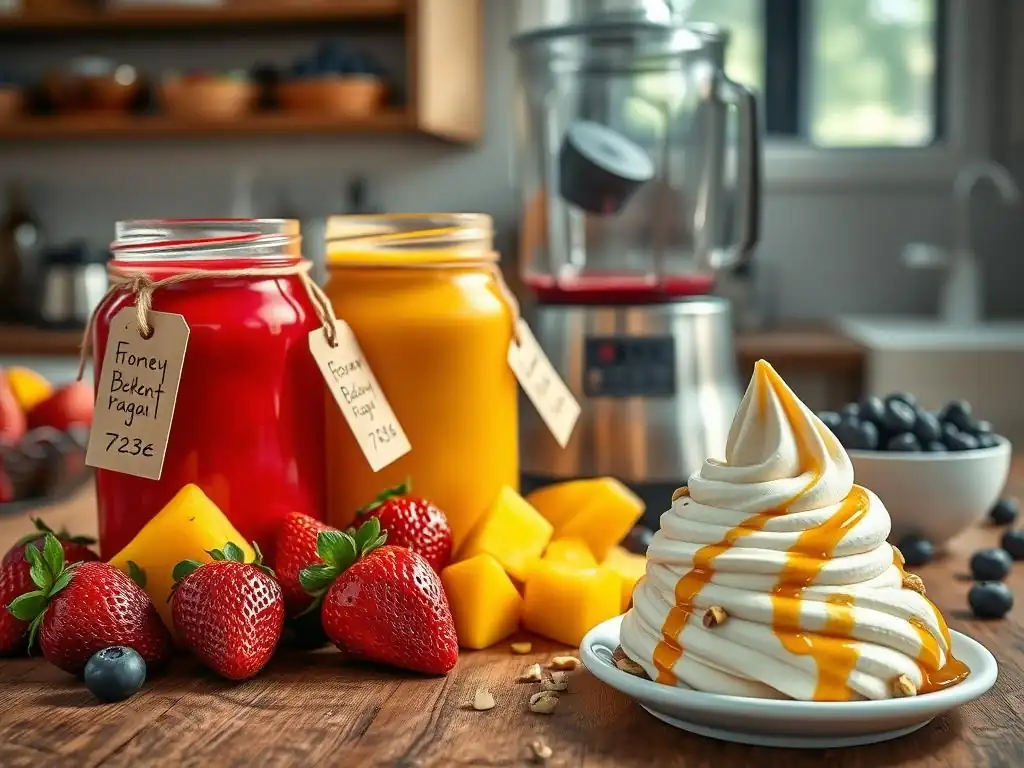
Recipe 1: Strawberry Frozen Yogurt
This easy frozen fruit puree recipe for strawberry frozen yogurt is a simple, refreshing dessert perfect for warm days. It requires minimal ingredients and effort, showcasing the vibrant flavor of the fruit puree. Using homemade or good-quality store-bought frozen strawberry puree is key to its success.
Ingredients for Strawberry Frozen Yogurt
Here's what you'll need for a batch that serves about 4-6 people:
- 2 cups (approx. 16 oz) frozen strawberry puree
- 1 cup (approx. 8 oz) plain Greek yogurt (full-fat works best for creaminess)
- 1/4 cup (approx. 2 oz) honey or maple syrup (adjust to taste)
- 1 teaspoon vanilla extract
- Optional: 1 tablespoon lemon juice (brightens flavor)
Instructions for Making Strawberry Frozen Yogurt
- If your strawberry puree is frozen solid in a block, let it thaw slightly at room temperature for about 10-15 minutes until it's scoopable but still very cold. If using puree frozen in cubes, you can likely proceed directly.
- Combine the slightly thawed frozen strawberry puree, Greek yogurt, honey or maple syrup, vanilla extract, and optional lemon juice in a food processor or high-powered blender.
- Process the mixture, scraping down the sides as needed, until it is completely smooth and has the consistency of soft-serve ice cream. This usually takes 1-3 minutes depending on your machine.
- Serve immediately for a soft-serve texture. For a firmer, scoopable texture, transfer the mixture to a freezer-safe container and freeze for at least 2-3 hours.
- If frozen solid, let it sit at room temperature for 5-10 minutes before scooping. Enjoy your delicious, easy frozen fruit puree creation!
Recipe 2: Mango Frozen Fruit Bars
These mango frozen fruit bars are incredibly simple, requiring just a few ingredients and showcasing the tropical sweetness of mango puree. They are one of the easiest frozen fruit puree recipes you can make at home, perfect for a healthy treat.
Ingredients for Mango Frozen Fruit Bars
To make about 6-8 bars, you will need:
- 2 cups (approx. 16 oz) frozen mango puree
- 1/4 cup (approx. 2 oz) coconut milk (full-fat canned, for creaminess)
- 2 tablespoons lime juice (enhances mango flavor)
- Optional: 1-2 tablespoons agave nectar or honey (if mangoes aren't very sweet)
Instructions for Making Mango Frozen Fruit Bars
- If using frozen mango puree, allow it to soften slightly at room temperature for about 10 minutes.
- In a blender, combine the slightly softened frozen mango puree, coconut milk, lime juice, and optional sweetener.
- Blend until the mixture is completely smooth and well combined. The consistency should be pourable but thick.
- Carefully pour the mixture into popsicle molds. Insert popsicle sticks.
- Freeze for at least 4-6 hours, or until completely solid.
- To unmold, briefly run the outside of the mold under warm water (just for a few seconds!) to loosen the bars. Pull gently to remove. These easy frozen fruit puree bars are ready to enjoy!
Recipe 3: Raspberry Ice Cream
Making raspberry ice cream with frozen fruit puree is a delightful way to enjoy the tangy-sweet flavor of raspberries. While traditional ice cream involves churning, this recipe can be adapted for a no-churn version using frozen raspberry puree for ease.
Ingredients for Raspberry Ice Cream
This recipe yields about 1 quart (approx. 4 cups), serving 6-8:
- 1.5 cups (approx. 12 oz) frozen raspberry puree (strained if you prefer no seeds)
- 1 cup (approx. 8 oz) heavy whipping cream, very cold
- 1/2 cup (approx. 4 oz) sweetened condensed milk (for no-churn method) OR 1/2 cup sugar (for churn method)
- 1 teaspoon vanilla extract
- Optional: 1 tablespoon lemon juice (balances sweetness)
Instructions for Making Raspberry Ice Cream
For No-Churn Method:
- In a large bowl, whip the very cold heavy whipping cream with an electric mixer until stiff peaks form.
- In a separate bowl, whisk together the slightly softened frozen raspberry puree, sweetened condensed milk, vanilla extract, and optional lemon juice until smooth.
- Gently fold the raspberry mixture into the whipped cream until no streaks remain, being careful not to deflate the cream.
- Pour the mixture into a freezer-safe container, cover, and freeze for at least 6 hours or until firm.
For Churn Method:
- In a bowl, whisk together the slightly softened frozen raspberry puree, sugar, heavy whipping cream, vanilla extract, and optional lemon juice until the sugar is dissolved.
- Chill the mixture thoroughly in the refrigerator for at least 2 hours.
- Pour the chilled mixture into your ice cream maker and churn according to the manufacturer's instructions (typically 20-30 minutes) until it reaches a soft-serve consistency.
- Transfer the ice cream to a freezer-safe container and freeze for at least 2-4 hours to firm up.
Both methods result in delicious easy frozen fruit puree ice cream!
Tips and Tricks for Using Frozen Fruit Purees
Achieving the Perfect Consistency
The consistency of your frozen fruit puree is crucial for the final texture of your dessert. If your puree is too watery, it will likely result in ice crystals. Conversely, a very thick puree might make blending difficult.
For the smoothest results in easy frozen fruit puree recipes like sorbets or frozen yogurt, aim for a consistency similar to a thick smoothie or applesauce before freezing. If your homemade puree seems thin after blending, you can gently simmer it in a saucepan over low heat for 10-15 minutes to reduce some of the water content, then cool it completely before freezing.
When using frozen puree directly in recipes (like the frozen yogurt or ice cream), allowing it to soften slightly (just enough to be scoopable or break apart) before blending is key. This prevents overworking your blender or food processor and helps create a smoother, more uniform mixture without introducing too much air or warmth. Approximately 10-15 minutes at room temperature for a solid block, or a quick pulse in the food processor, should suffice.
Sweetness Adjustments
Fruit sweetness varies significantly depending on the type, ripeness, and even the season. Therefore, adjusting the sweetness in your easy frozen fruit puree recipes is often necessary. The best approach is to taste your fruit puree before adding it to the main dessert mixture and again after combining it with other ingredients (like yogurt or cream) but before freezing.
You can use various sweeteners: granulated sugar, powdered sugar (dissolves easily), honey, maple syrup, agave, or even artificial sweeteners if preferred. Start with a smaller amount than the recipe calls for and add more gradually until it reaches your desired level of sweetness. Remember that cold dulls sweetness, so the mixture might taste slightly sweeter before it's fully frozen than it will when served. For approximate guidance, 1 cup of strawberry puree might require 1/4 to 1/2 cup of added sugar, while sweeter mango might need less.
Storing Homemade Fruit Puree
Proper storage is essential to maintain the quality and flavor of your homemade frozen fruit puree, ensuring it's ready for your next easy frozen fruit puree recipe adventure. Always use airtight, freezer-safe containers or heavy-duty freezer bags. This prevents freezer burn, which can cause discoloration and off-flavors. Remove as much air as possible from bags before sealing.
Label the containers with the type of fruit and the date it was made. For convenience, freeze the puree in usable portions – perhaps 1-cup or 2-cup amounts, or even in ice cube trays for small additions to smoothies or sauces. A well-sealed container of fruit puree can last in a deep freezer for up to 12 months, although for optimal flavor and color, using it within 6-9 months is recommended. Thaw frozen puree in the refrigerator overnight or use the microwave on a defrost setting just until scoopable.
Flavor Combinations with Fruit Purees
Combining Berries
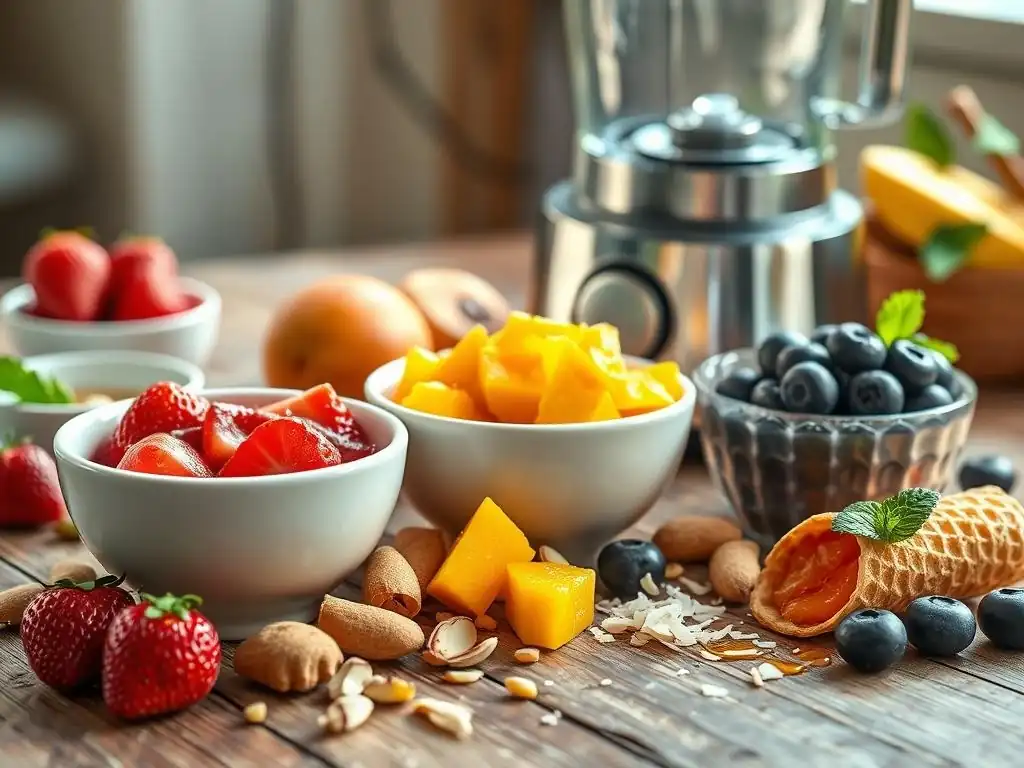
Berry purees are fantastic on their own, but combining them unlocks new dimensions of flavor in easy frozen fruit puree recipes. A classic pairing is strawberry and raspberry, offering a balance of sweetness and tartness. Approximately a 50/50 mix often works well. Another delicious blend is blueberry and lemon puree; the citrus brightens the deep, slightly earthy notes of the blueberries. A ratio of 3 parts blueberry puree to 1 part lemon puree can create a zesty result.
Consider using a mix of three berries, like strawberry, blueberry, and blackberry, for a complex "mixed berry" flavor. A blend of equal parts of each can create a vibrant purple puree perfect for sorbet or swirled into vanilla ice cream. These combinations add depth and interest to simple frozen treats, proving that easy frozen fruit puree recipes can be anything but boring.
Tropical Fruit Puree Blends
Tropical fruits lend themselves beautifully to vibrant, refreshing puree combinations. Mango and passion fruit is a popular pairing, where the creamy sweetness of mango is beautifully contrasted by the intense, tart aroma of passion fruit. A ratio of 2 parts mango puree to 1 part passion fruit puree creates a balanced blend. Pineapple and coconut puree (made from coconut milk or cream) results in a piña colada-inspired flavor profile, perfect for frozen bars or sorbet.
Another exciting blend is a mix of pineapple, mango, and a hint of lime or ginger puree. Approximately equal parts pineapple and mango puree, with a small amount (maybe 1-2 tablespoons per cup) of fresh ginger juice or lime puree, can create a complex, invigorating tropical treat. These tropical easy frozen fruit puree recipes transport your taste buds to sunnier climes.
Stone Fruit Puree Pairings
Stone fruits like peaches, apricots, plums, and cherries make wonderfully fragrant purees. Pairing them can enhance their natural sweetness and aroma. Peach and apricot puree is a natural fit, offering a double dose of fuzzy sweetness. A blend of equal parts provides a lovely golden puree. Cherry puree, which can be quite tart, pairs well with sweeter fruits like peach or banana.
Consider a plum and ginger puree blend; the slightly tart, deep flavor of plum is lifted by the warmth of ginger. A ratio of 4 parts plum puree to 1 part ginger puree can be quite striking. These stone fruit combinations are excellent in sorbets, frozen yogurt, or even layered parfaits, demonstrating the versatility of easy frozen fruit puree recipes.
Benefits of Using Frozen Fruit Purees
Enhancing Flavor and Texture
Using frozen fruit purees is a powerful way to enhance both the flavor and texture of your baked goods and frozen desserts. Pureeing fruit at its peak concentrates its natural flavor, providing a more intense and authentic taste than using extracts or less ripe fruit. When incorporated into recipes, this concentrated flavor shines through, making your easy frozen fruit puree recipes truly delicious.
In terms of texture, the smooth consistency of the puree contributes to a creamier mouthfeel in frozen desserts like ice cream and sorbet. The fruit's natural sugars and solids also help to lower the freezing point slightly and disrupt ice crystal formation, resulting in a smoother, less icy finished product compared to using whole frozen fruit or diluted juices. For instance, adding 1 cup of smooth strawberry puree to a sorbet base significantly improves its texture over just using strawberry juice.
A Healthier Alternative
One of the significant advantages of relying on frozen fruit purees in your easy frozen fruit puree recipes is the health aspect. Fruit purees provide natural sweetness, allowing you to reduce or even eliminate the need for large amounts of added refined sugar in many desserts. A cup of ripe mango puree, for example, contains around 25-30 grams of natural sugars, providing plenty of sweetness without the need for much extra.
Furthermore, fruit purees retain many of the vitamins, minerals, and fiber present in the whole fruit. Using them as a base for frozen treats means you're incorporating real fruit goodness into your diet. This makes homemade frozen yogurt, sorbet, or fruit bars significantly healthier options compared to many store-bought counterparts that rely heavily on sugar, artificial flavors, and colors. It's an easy way to enjoy sweet treats while boosting your nutrient intake.
Cost-Effective Baking
Making your own frozen fruit puree can be a very cost-effective strategy for baking and dessert making, especially when creating a variety of easy frozen fruit puree recipes. Buying fresh fruit when it is in season and abundant is often significantly cheaper than purchasing it out of season or buying pre-made fruit products. For example, strawberries in peak season might cost $2-3 per pound, whereas out of season they could be $5-6 or more.
By purchasing in bulk when prices are low, pureeing the fruit, and freezing it, you lock in those savings. You also reduce waste, as slightly overripe fruit that might not be appealing for eating raw is perfect for pureeing. A large bag of frozen fruit from the grocery store is also often more economical than buying the fresh equivalent for pureeing, offering another budget-friendly option for your easy frozen fruit puree recipes.
Troubleshooting Common Issues
Preventing Ice Crystals
Ice crystals are a common nemesis in homemade frozen desserts made with fruit purees. They occur when water in the mixture freezes into large, noticeable ice shards, resulting in a grainy texture. The best way to prevent this in your easy frozen fruit puree recipes is to ensure your puree is smooth and not too watery from the start. Straining seedy or fibrous fruits helps.
Adding ingredients that interfere with ice formation is also effective. Sugar, alcohol (like a tablespoon of vodka in sorbet), or fats (like cream or coconut milk in ice cream/frozen yogurt) all help create a smoother texture. Churning in an ice cream maker incorporates air and keeps crystals small, while for no-churn methods, using condensed milk or whipping cream provides fat and sugar for smoothness. Freezing the mixture quickly and storing it in an airtight container also minimizes large crystal formation.
Dealing with Runny Purees
If your homemade fruit puree ends up thinner than desired, it can still be used, but you might need to adjust your easy frozen fruit puree recipes. A runny puree will likely result in icier frozen desserts if not compensated for. One option is to reduce the puree further by simmering it gently on the stove until some water evaporates and it thickens. Remember to cool it completely before using or freezing.
Alternatively, you can adjust the other ingredients in your recipe to compensate for the extra liquid. In a sorbet, you might reduce the amount of added water or juice. In a frozen yogurt or ice cream, you might need slightly less yogurt or cream, or add a small amount of a stabilizer like a pinch of xanthan gum (use very sparingly, like 1/8 to 1/4 teaspoon per batch) blended in. Using a recipe specifically designed for a slightly thinner puree is also an option.
Achieving the Perfect Sweetness
Balancing sweetness in easy frozen fruit puree recipes can be tricky because fruit sweetness varies, and cold dulls the perception of sweetness. If your finished frozen dessert isn't sweet enough, you can't easily fix it once frozen. The key is to taste the mixture before freezing.
If it's too tart or not sweet enough, add more sweetener gradually, whisking or blending until dissolved, and taste again. If you've already frozen it and it's not sweet enough, you can serve it with a sweet sauce, a sprinkle of powdered sugar, or mix it into a sweeter dessert. If it's too sweet, adding a splash of lemon or lime juice can sometimes cut through excessive sweetness and brighten the flavor. Making small test batches is also helpful when developing new easy frozen fruit puree recipes.
Beyond Recipes: Creative Uses
Smoothies and Smoothie Bowls
Frozen fruit purees are perfect for boosting the flavor and texture of smoothies and smoothie bowls. Instead of just using frozen fruit chunks, adding a scoop of pre-made frozen fruit puree instantly adds intense flavor and helps create a smoother, creamier consistency. For example, adding a 1/2 cup of frozen mango puree to a banana smoothie enhances the tropical flavor without needing extra ice, which can dilute the taste.
For smoothie bowls, using a thicker fruit puree as a base, perhaps blended with a little yogurt or milk, creates that desirable thick consistency that holds up well to toppings. Approximately 1 cup of frozen berry puree blended with 1/4 cup of liquid yields a good base for a smoothie bowl. These applications are among the simplest and most frequent uses for homemade frozen fruit puree, making healthy and delicious snacks effortless.
Cocktails and Mocktails
Frozen fruit purees can elevate your beverage game, adding natural flavor and a smooth texture to both alcoholic and non-alcoholic drinks. A dollop of vibrant raspberry puree can be swirled into a prosecco or champagne for a Kir Royale twist. Approximately 1-2 tablespoons per glass is usually sufficient. Mango or peach puree can be blended with rum and lime for a quick frozen daiquiri or added to sparkling water for a refreshing mocktail.
For frozen drinks, adding 1/4 to 1/2 cup of frozen puree per serving before blending with ice creates a smoother, more flavorful result than just using fruit chunks. Consider a strawberry puree added to lemonade or a pineapple puree mixed with iced tea. The possibilities for easy frozen fruit puree drinks are vast and delicious.
Sauces and Dressings
While primarily used in desserts, frozen fruit purees can also be transformed into delicious sauces and dressings. Thaw the frozen puree and gently heat it in a small saucepan. You can then simmer it to reduce and thicken it, adding a touch of sugar or lemon juice if needed. A raspberry puree sauce is classic over cheesecake or ice cream. Approximately 1 cup of thawed puree simmered for 5-10 minutes can yield a lovely sauce.
Savory applications are also possible. A tangy plum or cherry puree can be reduced and spiced with ginger or star anise to create a glaze for pork or duck. Peach puree can form the base of a vibrant vinaigrette when whisked with olive oil, vinegar, and herbs. About 1/4 cup of puree per cup of vinaigrette base works well. These creative uses show that the magic of easy frozen fruit puree extends far beyond just frozen treats.
Conclusion: Baking with Frozen Fruit Puree
Embrace Simplicity and Flavor
Embracing frozen fruit purees in your kitchen is about embracing simplicity and unlocking intense, natural flavor. These versatile bases make creating a wide array of delicious treats incredibly accessible, even for beginner bakers. From simple frozen yogurts and fruit bars to more elaborate ice creams and sauces, the ease of working with pre-made or homemade puree streamlines the process and guarantees a burst of vibrant fruit taste in every bite.
The ability to capture the peak flavor of seasonal fruits and preserve it for year-round use means you're never far from creating something wonderful. Whether you're craving a refreshing summer treat or a comforting dessert on a cold day, having a stash of frozen fruit puree ensures that delightful, fruit-forward creations are always within reach. It's an easy and rewarding step towards more flavorful homemade goodness.
Start Your Next Baking Adventure.
Now that you understand the magic and versatility of frozen fruit purees, it's time to start your next baking or dessert-making adventure! With the easy frozen fruit puree recipes and tips shared here, you have the foundation to create simple yet spectacular treats. Don't be afraid to experiment with different fruits and flavor combinations.
Gather your favorite ripe fruits, blend them into smooth purees, and stock your freezer. Whether you whip up a quick batch of strawberry frozen yogurt, craft some refreshing mango bars, or explore creative uses in smoothies and sauces, you'll find that working with frozen fruit puree simplifies the process and elevates the results. Get ready to enjoy the delicious rewards of these easy frozen fruit puree recipes!
Frequently Asked Questions
What exactly is a frozen fruit puree, and how is it useful in baking?
A frozen fruit puree is simply fruit that's been blended and frozen. It's incredibly useful for adding intense fruit flavor and moisture to baked goods, replacing some of the liquid and often reducing the need for added sugar.
How can I use frozen fruit puree in a recipe that doesn't specifically call for it?
You can substitute frozen fruit puree for some of the liquid in a recipe, usually equal parts puree for liquid. Remember to adjust the sugar accordingly, as the fruit puree will add sweetness. It's best to start with small substitutions to gauge the effect on texture and flavor.
What types of frozen fruit purees work best in baking?
Many fruits work well, but berries like strawberries, raspberries, and blueberries are particularly popular. Mango, peach, and other stone fruits are also excellent choices. Consider the flavor profile you're aiming for and choose accordingly.
Are there any potential issues I should be aware of when using frozen fruit purees?
Yes, the added moisture from the puree can affect the texture of your baked goods. Be mindful of over-mixing the batter, as this can lead to a tough result. You may also need to adjust baking times slightly.
Where can I find frozen fruit purees if I don't want to make my own?
Many grocery stores sell frozen fruit purees in the freezer section, often near the frozen fruits or smoothie ingredients. You can also find them at specialty baking supply stores or online retailers. Always check the ingredient list to ensure it's just fruit and nothing else.
Final Reflection: The Sweet Simplicity of Frozen Fruit Purees
The ease and versatility of frozen fruit purees are revolutionizing the way we approach quick and healthy treats. From vibrant popsicles to creamy smoothies, the possibilities are endless, proving that delicious and nutritious desserts don't require hours of complicated preparation. This simple ingredient unlocks a world of culinary creativity, accessible to everyone regardless of skill level.
The impact of readily available frozen fruit on our diets and lifestyles is undeniable. It's democratized healthy eating, making it easier to incorporate fruits into our daily routines, even during the busiest of times. This accessibility has fostered a greater appreciation for fresh, natural flavors, moving away from overly processed alternatives. The best things in life are simple,
a phrase often repeated, rings particularly true when considering the joy and nourishment derived from a simple frozen fruit puree.
Now, consider your own kitchen. What simple, delicious treat can you create using the power of frozen fruit? Experiment with different combinations, explore new flavors, and share your creations with loved ones. Embrace the simplicity, the ease, and the vibrant health that frozen fruit purees bring to your table. Let the sweet simplicity inspire you to create your own culinary masterpieces, one delicious puree at a time.
Unlock Your Inner Pastry Chef: Create Delicious Treats Today!
Thanks for exploring the world of frozen fruit purees with us! We hope you've discovered a whole new level of easy and delicious baking possibilities. Now it's time to put your newfound knowledge into action.
- Dive into your first puree recipe! Pick your favorite fruit and get started on a simple sorbet or smoothie – the possibilities are endless!
- Share your creations: Show us your puree masterpieces on social media using #BakeWithEasePurees – we can't wait to see what you come up with!
- Explore our other easy dessert recipes – many utilize fruit purees! You might find your next favorite recipe.
What exciting treat will you create with your first batch of fruit puree?