
Unlocking Your Bake's Secrets: Why Every Baker Needs a Nutritional Calculator App


Welcome to BakeWithEase, your haven for all things baking! Ever wondered exactly what's inside your delicious creations? This article dives deep into the power of a baking nutritional calculator app – a game-changer for understanding the nutritional profile of your favorite treats. Prepare to unlock a new level of precision and control in your baking, from calorie counts to macronutrient breakdowns. Intrigued? Let's explore how these apps can transform your baking experience!
- Understanding the Power of a Baking Nutritional Calculator App
- The Best Baking Nutritional Calculator Apps: A Comparative Analysis
- Maximizing Your Revenue with a Baking Nutritional Calculator App
- Case Studies: Real-World Examples of Bakers Using Nutritional Calculator Apps
- Choosing the Right Baking Nutritional Calculator App for Your Needs
- Mastering the Art of Baking with Nutritional Awareness
-
Frequently Asked Questions
- What exactly is a baking nutritional calculator app, and why would I need one?
- How can a "Baking nutritional calculator app" from BakeWithEase help me improve my baking?
- I'm a beginner baker. Is a baking nutritional calculator app too complicated for me?
- What kind of nutritional information can I expect to find using this app?
- Will this baking nutritional calculator app from BakeWithEase work with my existing recipes, or only new ones?
- Final Reflection: The Sweet Science of Informed Baking
- Unlock Your Baking Potential: Start Baking Smarter Today!
Understanding the Power of a Baking Nutritional Calculator App
A baking nutritional calculator app is more than just a tool for counting calories; it's an essential partner for anyone serious about understanding and improving their baked goods. Whether you're a home baker experimenting with new recipes, a professional crafting products for a health-conscious market, or a food blogger sharing creations online, knowing the nutritional breakdown of your recipes provides invaluable insight. This technology takes the guesswork out of analyzing complex ingredient lists, offering a detailed window into what goes into every slice, cookie, or loaf. It transforms baking from a purely intuitive art into a data-informed craft.
Utilizing a baking nutritional calculator app allows you to move beyond simple taste and texture to consider the dietary impact of your creations. This is increasingly important in a world where consumers are more aware of their food choices and dietary needs. By accurately calculating nutritional information, you can cater to specific diets, manage allergens, and even optimize recipes for healthier outcomes without sacrificing flavor. It provides the confidence to stand behind your baked goods, knowing exactly what you're offering your customers or family.
Why Accurate Nutrition Information Matters in Baking
Accuracy in nutritional information is paramount in baking for several critical reasons. Firstly, it directly impacts consumers who rely on this data for health management, whether for conditions like diabetes, allergies, or simply for maintaining a balanced diet. Providing incorrect information, even unintentionally, can have serious consequences. For instance, miscalculating the sugar content in a batch of muffins could be problematic for someone managing blood sugar levels. A reliable baking nutritional calculator app helps prevent these errors by using comprehensive and verified databases of ingredient nutrition.
Secondly, accurate nutritional data is often a legal requirement for businesses selling baked goods, especially those packaged for retail. Regulations in many countries, including the US (via the FDA) and the EU, mandate clear and precise nutritional labeling. A professional-grade baking nutritional calculator app can generate compliant nutrition facts panels directly from your recipe, saving significant time and expense compared to laboratory testing.
For example, the FDA requires listing calories, total fat, saturated fat, trans fat, cholesterol, sodium, total carbohydrates, dietary fiber, total sugars, added sugars, protein, Vitamin D, calcium, iron, and potassium. Ensuring these values are correct is crucial for legal compliance and building consumer trust.
From Calorie Counting to Macro Tracking: Using Baking Nutrition Apps Effectively
While many people initially turn to a baking nutritional calculator app for calorie counting, these tools offer much deeper insights, including detailed macronutrient and micronutrient breakdowns. Understanding the grams of protein, carbohydrates, and fats in a recipe allows bakers to modify recipes for specific dietary goals, such as creating high-protein bread or low-carb desserts. For example, a standard chocolate chip cookie might contain around 180 calories, with roughly 9g fat, 24g carbohydrates, and 2g protein. A baking nutrition app can show you how substituting ingredients, like using almond flour instead of wheat flour, changes this profile significantly.
Beyond macronutrients, these apps can also track micronutrients like vitamins and minerals, fiber content, and even cholesterol and sodium levels. This is invaluable for developing recipes that are not just delicious but also contribute positively to a balanced diet. Imagine creating a muffin recipe specifically designed to be high in fiber or a bread enriched with essential minerals. A baking nutritional calculator app makes this level of detailed recipe engineering possible by providing the data needed to make informed ingredient choices and adjustments.
Baking with Precision: The Importance of Ingredient Measurement in Nutritional Calculations
The accuracy of any baking nutritional calculator app hinges entirely on the precision of the ingredient data entered. Baking is inherently a science that relies on accurate measurements, and this is doubly true when calculating nutritional values. Using standardized measurements – weighing ingredients in grams rather than relying on volume measurements like cups – is crucial for consistent and accurate results. For example, a cup of flour can vary significantly in weight depending on how it's scooped and leveled (it might range from 120g to 150g), leading to a potentially large error in carbohydrate and calorie calculations.
Therefore, when using a baking nutritional calculator app, meticulous ingredient measurement is non-negotiable. Ensure you are using accurate kitchen scales and measuring spoons. Most apps allow you to specify units (grams, ounces, milliliters, etc. ), and using weight measurements (grams or ounces) for solid ingredients is always recommended for the highest accuracy. This attention to detail ensures that the nutritional information provided by the app truly reflects the composition of your baked goods, making your baking not only precise in flavor and texture but also in its nutritional profile.
The Best Baking Nutritional Calculator Apps: A Comparative Analysis
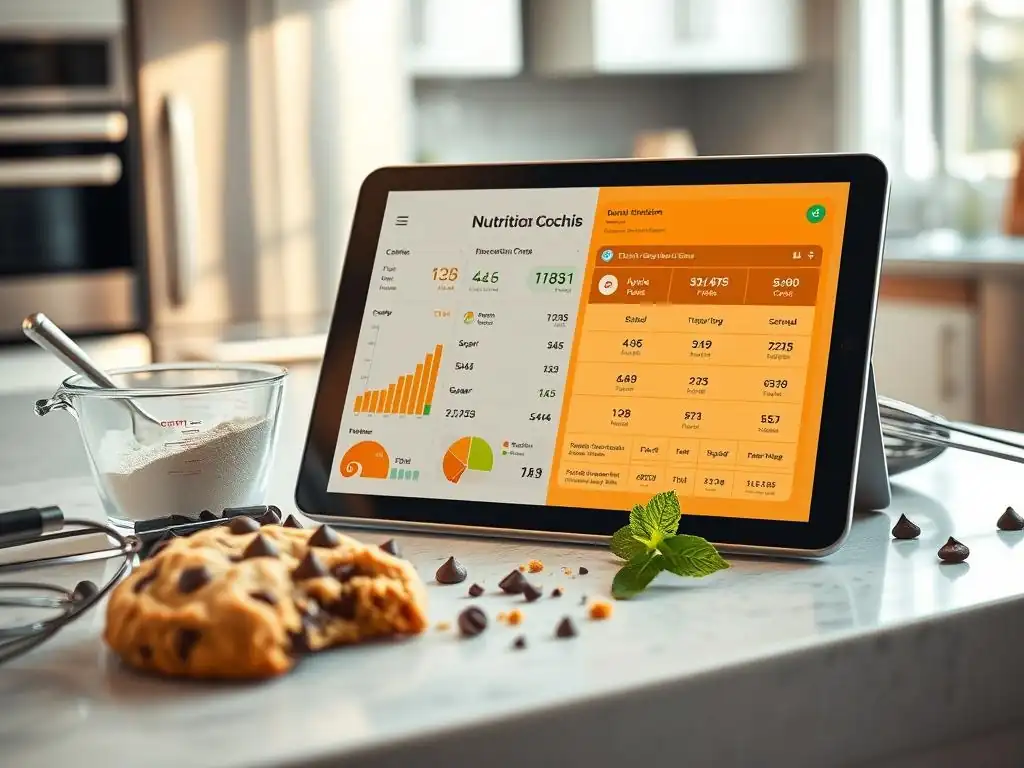
Choosing the right baking nutritional calculator app depends heavily on your specific needs, whether you're a home enthusiast, a professional baker, or a food content creator. Several options exist, each with its own strengths, features, and pricing models. Evaluating these differences is key to finding the tool that best supports your baking goals and helps you unlock the secrets within your recipes.
This section explores a few popular and representative examples, ranging from robust professional tools to more accessible options for beginners. While specific features and pricing can change, understanding the general capabilities and target users of these apps provides a good starting point for making an informed decision about which baking nutritional calculator app is right for you.
NutriCalc Plus: Features, Benefits, and Pricing for Home Bakers
NutriCalc Plus is a hypothetical example of a baking nutritional calculator app designed primarily for serious home bakers and small-scale recipe developers. It aims to provide a good balance of comprehensive features and user-friendliness without the complexity or cost of professional-grade software. Its core strength lies in its extensive ingredient database, which includes common baking ingredients as well as more specialized items, allowing for detailed analysis of a wide range of recipes from simple cookies to complex multi-layered cakes.
Pricing for an app like NutriCalc Plus might typically involve a modest monthly or annual subscription fee, perhaps in the range of $10-$20 per month or $100-$150 per year. Some might offer a limited free trial or a basic free tier with fewer features or a smaller ingredient database. This pricing structure makes it accessible for dedicated home bakers who need more power than free apps but don't require the full suite of tools needed by large commercial operations.
Key Features of NutriCalc Plus for Recipe Analysis
A key feature of NutriCalc Plus would be its intuitive recipe builder interface. Users could easily input ingredients, specify quantities (preferably by weight), and define servings. The app would then automatically calculate the nutritional breakdown per serving, including calories, macros (protein, fat, carbs), and a range of micronutrients. It might offer features like calculating the percentage of daily values for common nutrients based on standard dietary guidelines (e.g., a 2,000-calorie diet).
Another valuable feature for bakers is the ability to handle recipe scaling. NutriCalc Plus could allow users to easily adjust recipe yield (e.g., doubling a batch) and automatically recalculate the nutritional information for the new total and per-serving size. It might also include features for analyzing the cost of ingredients per recipe or per serving, helping home bakers manage their budget or price goods if they sell casually. The ability to save, organize, and export recipes and their nutritional labels in simple formats (like PDF or CSV) would also be essential.
Pros and Cons of Using NutriCalc Plus in Your Baking Workflow
The primary advantage of using a baking nutritional calculator app like NutriCalc Plus is the ability to gain deep insights into the nutritional content of your homemade baked goods. This empowers you to make healthier choices, adapt recipes for dietary needs, and confidently share nutritional information with others. Its user-friendly design makes complex calculations accessible, and the cost is significantly lower than professional software or lab testing. It streamlines the process of understanding calories, macros, and other nutrients in your favorite treats.
However, there can be downsides. While the ingredient database is extensive, it may not be exhaustive, and users might need to manually add custom ingredients or verify data accuracy for highly specific or niche products. The level of regulatory compliance reporting might be less robust than professional alternatives, potentially requiring additional steps if selling commercially. Finally, relying solely on app data means you must be diligent about accurate ingredient measurement and data entry, as errors here will directly impact the output.
Foodzilla: A Professional-Grade Nutritional Analysis Tool for Bakeries
Foodzilla represents a more advanced, professional-grade baking nutritional calculator app designed for commercial bakeries, food manufacturers, and large-scale recipe development. It moves beyond basic nutritional facts to offer sophisticated tools for compliance, production management, and detailed reporting. This type of software is built to handle a high volume of recipes, complex formulations, and the stringent requirements of the food industry.
Pricing for Foodzilla would typically be on a higher tier than home-user apps, likely involving subscription plans based on the size of the business, the number of users, or the feature set required. Costs could range from several hundred to several thousand dollars per year, reflecting the significant investment in database accuracy, compliance features, and enterprise-level support. While a significant expense, it replaces more costly and time-consuming manual processes or laboratory analysis.
Advanced Nutritional Data and Reporting with Foodzilla
Foodzilla's core strength lies in its incredibly comprehensive and regularly updated nutritional database, often sourced from official government databases (like the USDA) and verified supplier data. This allows for highly accurate calculations across a vast range of ingredients, including specific brands and processed items relevant to commercial baking. It provides detailed breakdowns beyond standard macros and micros, potentially including fatty acid profiles, amino acids, sugar types, and more.
Reporting capabilities are also far more advanced. Foodzilla can generate nutrition facts panels formatted specifically for various regulatory bodies (e.g., FDA, EFSA), including allergen declarations, ingredient lists by weight percentage, and claims support (e.g., "high fiber," "low fat") based on calculated data. It can also produce reports useful for internal analysis, such as ingredient cost breakdowns, yield calculations, and batch nutritional consistency.
Streamlining Recipe Development and Labeling Compliance with Foodzilla
For a commercial bakery, Foodzilla streamlines critical workflows. Recipe development becomes more efficient as formulators can instantly see the nutritional impact of ingredient changes, allowing them to optimize recipes for health targets or cost while maintaining desired taste and texture. This iteration process is significantly faster than traditional methods.
Compliance is another major area where Foodzilla excels. Generating accurate, compliant nutrition labels is a complex task, and errors can lead to costly recalls or fines. Foodzilla automates the creation of these labels based on the recipe data, ensuring ingredient lists are ordered correctly by weight, allergens are declared, and nutritional values meet regulatory standards. This not only saves time but also provides peace of mind, ensuring the bakery meets legal requirements for selling their baked goods.
MyFitnessPal: A Simple and User-Friendly Nutritional Calculator for Baking Beginners
MyFitnessPal is widely known as a calorie and activity tracking app, but its extensive food database and recipe creation feature make it a surprisingly useful basic baking nutritional calculator app for beginners or those primarily interested in personal consumption. While not designed specifically for bakers, its ease of use and large community-contributed database offer a simple way to get a quick nutritional estimate for homemade recipes.
The app operates on a freemium model. The core calorie and macro tracking features, including recipe input, are available for free. This makes it highly accessible for anyone starting to think about the nutritional content of their baking. A premium subscription (MyFitnessPal Premium) is available for additional features like detailed nutrient analysis, macronutrient goal setting by gram, and ad removal, typically costing around $10-$20 per month or $80-$100 per year.
Easy Ingredient Input and Recipe Management in MyFitnessPal
One of MyFitnessPal's strengths is its incredibly user-friendly interface for adding ingredients to a recipe. Users can search its vast database (which includes many generic and branded food items) or manually enter custom foods. You simply add ingredients and quantities (using common household measurements or weight), specify the number of servings the recipe yields, and the app calculates the total nutrition and then divides it by the number of servings to give you the per-serving breakdown.
Saving recipes is also straightforward, allowing users to build a personal cookbook within the app. This makes it easy to quickly look up the nutritional information for favorite or frequently made baked goods. While it lacks advanced baking-specific features like yield adjustments or cost analysis, its simplicity makes it ideal for someone who wants to quickly understand the basic calorie and macro content of a cake, cookie, or loaf they've baked.
Free Features and Paid Upgrades: Understanding MyFitnessPal's Pricing Structure
The free version of MyFitnessPal provides a solid foundation for basic baking nutrition analysis. You can create recipes, add ingredients from the database or manually, define servings, and view the calorie, fat, carbohydrate, and protein content per serving. This is sufficient for many home bakers who are simply curious about the general nutritional impact of their recipes or are tracking their personal intake.
MyFitnessPal Premium unlocks more detailed nutritional insights. With Premium, you can see a breakdown of micronutrients (vitamins, minerals), fiber, sugar, cholesterol, and sodium per serving. It also offers more flexibility in setting macronutrient goals and viewing daily or weekly nutritional summaries. For a baker, the main draw of Premium would be access to the more detailed nutrient information beyond just the basic macros, allowing for a slightly deeper understanding of their baked goods' composition.
How MyFitnessPal Helps New Bakers Understand Nutritional Basics
For new bakers, MyFitnessPal serves as an excellent introductory tool to the concept of nutritional analysis in baking. By simply entering the ingredients of a recipe they've followed, they can immediately see the resulting calorie and macronutrient breakdown. This visual feedback helps connect the ingredients used with the nutritional outcome, fostering an early understanding of how different components contribute to the final product's profile.
It demystifies the process of nutritional calculation, making it accessible without requiring specialized knowledge. A beginner might be surprised to see, for instance, that a seemingly small amount of butter or sugar significantly impacts the calorie or fat count per serving. This encourages experimentation with ingredient substitutions or portion sizes, guiding them towards baking choices that align better with their personal health goals, all within a familiar and easy-to-use app environment.
Maximizing Your Revenue with a Baking Nutritional Calculator App
Beyond simply understanding what's in your baked goods, a baking nutritional calculator app can be a powerful tool for increasing profitability, particularly for those selling their creations. By leveraging the data provided by the app, bakers can make smarter business decisions, from pricing strategies to product development, ultimately attracting more customers and growing their business.
Using a baking nutritional calculator app allows you to position your business effectively in a competitive market. It enables you to offer valuable information to your customers and develop products that tap into growing consumer trends, transforming nutritional data from a mere compliance requirement into a strategic business asset.
Calculating Cost Per Serving: Using Nutritional Data for Pricing Strategies
Many advanced baking nutritional calculator apps, or those designed for commercial use, include features that link ingredient cost data with nutritional calculations. By inputting the cost of each ingredient alongside its weight or volume, the app can calculate the total cost of a recipe and, crucially, the cost per serving. This data is invaluable for setting profitable prices for your baked goods.
Knowing the exact cost per serving allows you to set prices that ensure a healthy profit margin after accounting for ingredients, labor, and overhead. Furthermore, comparing the cost per serving alongside the nutritional data can inform product development. For example, you might find that a slight ingredient substitution, while minimally impacting taste or nutrition, significantly reduces the cost per serving, allowing for either a lower price point to attract more customers or a higher profit margin at the current price. This data-driven approach removes guesswork from pricing.
Creating Health-Conscious Recipes: Attracting a Wider Customer Base
Consumer interest in health and wellness continues to grow, and many people actively seek out baked goods that align with their dietary preferences or restrictions. A baking nutritional calculator app empowers you to develop and market health-conscious options, such as gluten-free, dairy-free, low-sugar, high-fiber, or high-protein products. By accurately calculating the nutritional profiles of these modified recipes, you can confidently label and promote them to specific customer segments.
Offering a range of products with clear nutritional information helps you attract a wider customer base that might otherwise avoid traditional baked goods. For instance, a bakery that can reliably offer delicious, clearly labeled gluten-free cupcakes with accurate nutritional data (e.g., "150 calories, 25g carbs, 5g fat per cupcake") will appeal to customers with celiac disease or gluten sensitivity. This opens up new market opportunities and demonstrates a commitment to meeting diverse customer needs, fostering loyalty and driving sales.
Case Studies: Real-World Examples of Bakers Using Nutritional Calculator Apps
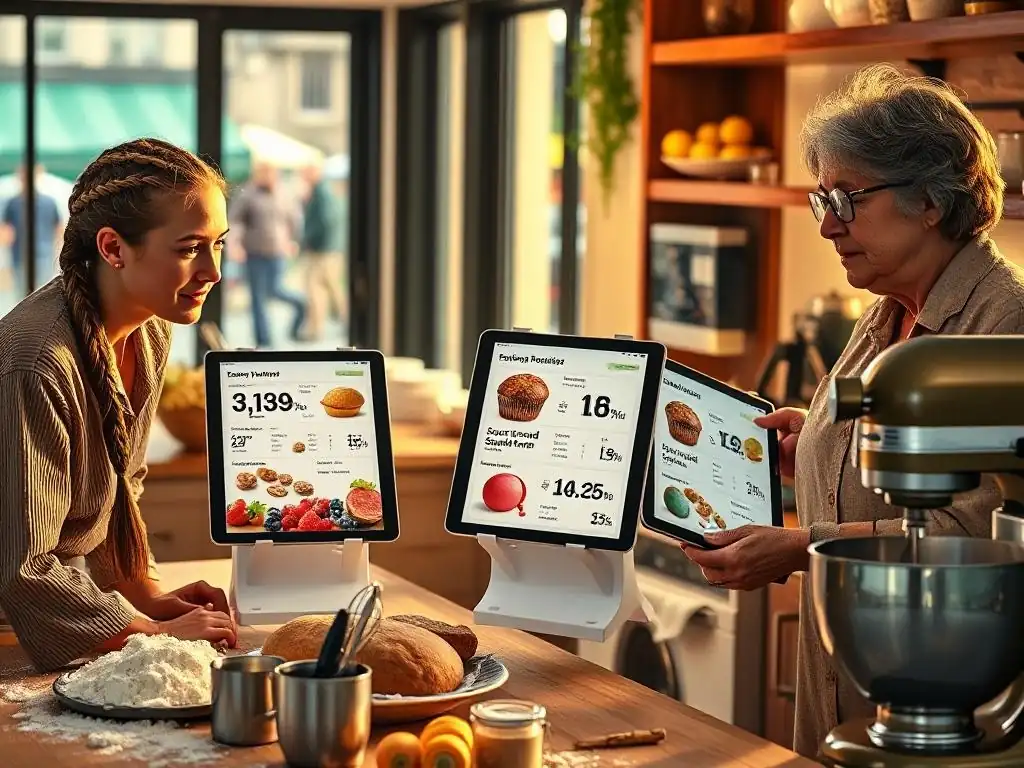
Examining how real bakers and businesses leverage baking nutritional calculator apps provides concrete examples of the benefits discussed. These case studies, while illustrative approximations, highlight how different types of users can apply these tools to achieve specific goals, from increasing sales through transparency to streamlining operations and enhancing content credibility.
These examples demonstrate that whether you're a small home-based business or a larger operation, integrating a baking nutritional calculator app into your workflow can lead to tangible improvements in product development, customer satisfaction, and overall business success.
Case Study 1: Baker Jane Doe Increased Sales by Offering Detailed Nutritional Information
Jane Doe, a home baker selling artisan cookies and muffins at local farmers' markets, decided to invest in a baking nutritional calculator app similar to NutriCalc Plus. Previously, she only provided basic ingredient lists. With the app, she began including small cards with detailed nutritional information for each product, listing calories, macros, and key allergens.
Within three months, Jane reported a noticeable increase in sales, particularly from health-conscious customers and those with specific dietary needs. Customers appreciated the transparency and convenience of having the information readily available. For example, her "Oatmeal Raisin Power Cookies" (approx. 220 calories, 8g protein, 30g carbs, 8g fat) became popular among fitness enthusiasts who could easily fit them into their daily macro goals, boosting sales of that specific product by an estimated 40%. The baking nutritional calculator app allowed her to turn nutritional data into a selling point.
Case Study 2: "The Sweet Spot" Bakery Streamlined Labeling and Compliance with Foodzilla
"The Sweet Spot," a regional bakery supplying packaged goods to local grocery stores, faced challenges with manual nutritional labeling and ensuring compliance with evolving regulations. They implemented a professional-grade baking nutritional calculator app like Foodzilla to manage their extensive recipe catalog and generate labels.
The transition significantly streamlined their process. What previously took hours of manual calculation and cross-referencing for each new product or recipe modification now took minutes. Foodzilla automatically generated compliant nutrition facts panels and ingredient lists, reducing the risk of errors that could lead to costly product recalls. The bakery estimated they saved approximately 15 hours per week in administrative time related to labeling and compliance, allowing staff to focus on production and sales. The baking nutritional calculator app became an indispensable tool for operational efficiency and regulatory peace of mind.
Case Study 3: Food Blogger "Healthy Bakes" Improved Recipe Accuracy and Engagement with MyFitnessPal
"Healthy Bakes," a popular food blog focused on nutritious dessert recipes, used MyFitnessPal's recipe feature to provide estimated nutritional information for her readers. While not requiring the precision of commercial labeling, she wanted to give her audience a general idea of the calorie and macronutrient content of her creations.
By including the estimated nutritional information (e.g., "approx. 180 calories, 12g fat, 15g carbs, 6g protein per serving") generated by the baking nutritional calculator app feature in MyFitnessPal, the blogger saw increased engagement in her comments section and positive feedback from readers who found the data helpful for their dietary tracking. Her audience appreciated the added value and transparency. The ease of use of MyFitnessPal allowed her to quickly analyze new recipes and update older ones, keeping her content fresh and informative, boosting her credibility as a source for "healthy" baking.
Choosing the Right Baking Nutritional Calculator App for Your Needs
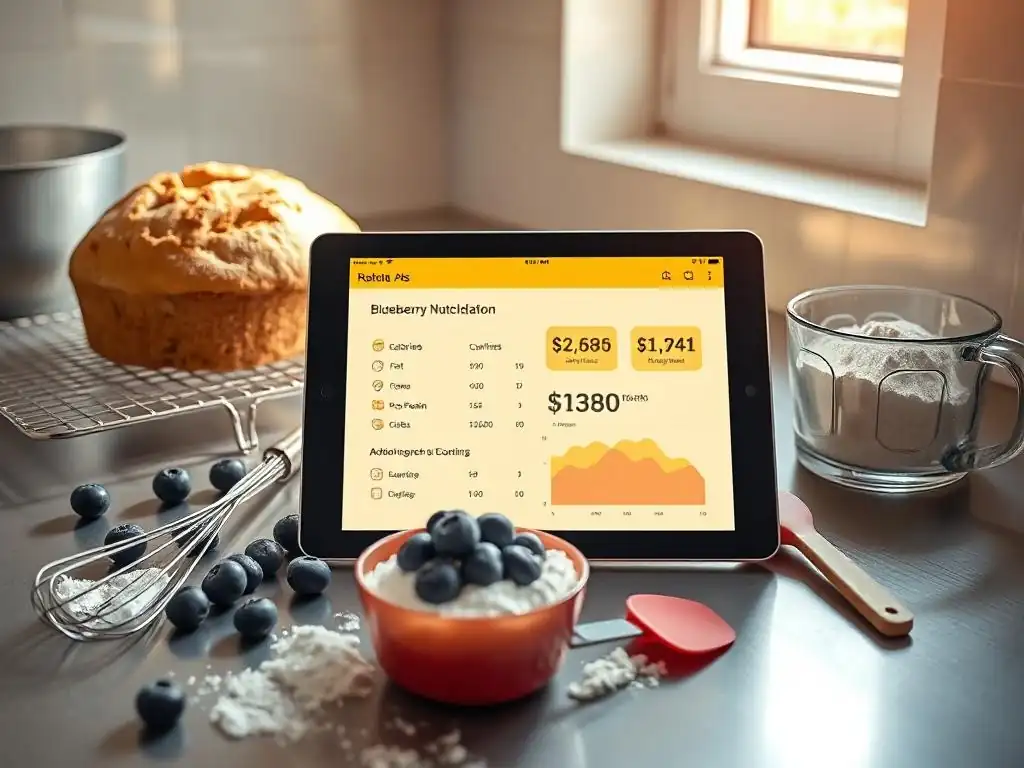
Selecting the ideal baking nutritional calculator app is a crucial step that depends heavily on your specific context and goals. There isn't a one-size-fits-all solution. What works best for a large commercial bakery will likely be overkill and too expensive for a home baking enthusiast, and vice versa. Taking the time to assess your requirements and compare the available options will ensure you choose a tool that provides the necessary features without unnecessary complexity or cost.
Consider your current baking volume, your technical comfort level, your budget, and your future aspirations. Are you baking purely for personal enjoyment and health tracking, selling occasionally, or planning to build a large-scale business? Answering these questions will guide you toward the most appropriate type of baking nutritional calculator app.
Assessing Your Baking Needs: Home Baking, Professional Bakery, or Recipe Blogging?
Your primary baking activity dictates the level of sophistication required from a baking nutritional calculator app.
- Home Bakers: If you bake for personal enjoyment, family, or friends, and are primarily interested in understanding the nutritional impact for personal health or curiosity, a user-friendly app with a good ingredient database and easy recipe entry (like MyFitnessPal or a basic paid app like the hypothetical NutriCalc Plus) is likely sufficient. Accuracy needed is generally for personal tracking, not strict regulatory compliance.
- Professional Bakeries (Small to Large): If you are selling baked goods, especially packaged ones, you will need a baking nutritional calculator app capable of generating accurate, compliant nutrition facts panels for your region (FDA, EU, etc.). Features like allergen tracking, ingredient list generation by weight, and potentially cost analysis are crucial. A professional-grade tool like Foodzilla (or similar software) is necessary to ensure legal compliance and operational efficiency.
- Recipe Bloggers/Content Creators: If you share recipes online and want to provide nutritional information to your audience, accuracy and ease of use are key. You need an app that can handle a variety of ingredients and generate clear, shareable nutritional summaries. Depending on the level of detail you want to provide (basic macros vs. full micronutrient breakdown), a paid home-baking app or even the premium version of a tracking app could work, ensuring you clearly state the data is an estimate.
Comparing Features, Pricing, and User Reviews to Make an Informed Decision
Once you've assessed your needs, create a shortlist of potential baking nutritional calculator apps. Compare their features against your requirements.
- Features: Does it have a comprehensive ingredient database relevant to your baking? Can it handle the types of calculations you need (macros, micros, fiber, sugar, etc.)? Does it offer features important for your use case (e.g., compliance labeling for businesses, easy recipe scaling for bloggers)?
- Pricing: Evaluate the cost relative to the features offered and your budget. Consider whether a subscription model is feasible or if a one-time purchase is preferred (though most robust apps are subscription-based). Look for free trials to test the app before committing.
- User Reviews: Read reviews from other bakers or food professionals using the app. Pay attention to comments on ease of use, accuracy of the database, customer support quality, and reliability. Look for reviews from users with similar needs to your own.
Creating a simple comparison chart listing key features, pricing tiers, and pros/cons based on reviews can help visualize the options and make a data-driven decision about the best baking nutritional calculator app for your specific situation.
Integrating Your Baking Nutritional Calculator App with Other Baking Tools
While a baking nutritional calculator app is a powerful standalone tool, its value can be further enhanced if it integrates with other software or systems you use in your baking workflow. For professional bakeries, this might mean integration with inventory management software or accounting systems to link ingredient costs directly. Some advanced apps offer APIs that allow for custom integrations.
For home bakers or bloggers, integration might be less critical but still beneficial. Some apps allow easy export of data in formats compatible with spreadsheets or document editors, making it simple to include nutritional information on recipe cards or blog posts. While direct integrations might be limited for consumer-level apps, consider how easily you can transfer or use the data the app provides within your existing digital tools and processes. This ensures the baking nutritional calculator app becomes a seamless part of your overall baking operation.
Mastering the Art of Baking with Nutritional Awareness
Incorporating a baking nutritional calculator app into your process elevates your baking beyond just taste and texture. It allows you to bake with intention, creating delicious goods while also being mindful of their nutritional impact. This mastery comes from understanding the relationship between ingredients and their nutritional outcomes, enabling you to make deliberate choices in your recipes.
Embracing nutritional awareness doesn't mean sacrificing flavor or enjoyment. Instead, it's about empowering yourself with knowledge to create balanced recipes, cater to diverse needs, and continuously improve your craft. A baking nutritional calculator app is a key tool on this journey, providing the data needed to innovate and perfect your baked goods from both a culinary and nutritional perspective.
Creating Delicious and Nutritious Baked Goods
The goal of using a baking nutritional calculator app is not to make baking restrictive, but to make it informed. By understanding the nutritional profile of your base recipes, you can strategically modify them to enhance their nutritional value without compromising on deliciousness. For example, if your apple pie recipe is high in added sugars, the app will highlight this. You can then experiment with reducing sugar, using natural sweeteners, or incorporating more fiber-rich ingredients like whole wheat flour or oats, while using the app to track the nutritional changes.
This iterative process of baking, analyzing with the baking nutritional calculator app, and adjusting allows for the creation of recipes that are both indulgent and nourishing. You can explore substitutions like using unsweetened applesauce for some fat, incorporating pureed vegetables (like zucchini in bread) for added moisture and nutrients, or boosting protein with ingredients like Greek yogurt or protein powder, all while keeping track of how these changes affect the final nutritional count per serving.
The Future of Baking: Personalized Nutrition and Data-Driven Recipes
The rise of baking nutritional calculator apps points towards an exciting future for baking, characterized by personalized nutrition and data-driven recipe development. As these tools become more sophisticated and integrated, bakers will be able to create highly customized recipes tailored to individual dietary needs, health goals, or even genetic profiles. Imagine a future where you can easily generate a recipe for a low-FODMAP, high-fiber, moderate-protein cookie perfectly portioned for a specific individual's daily requirements.
Data-driven insights from these apps will also fuel innovation in recipe creation. Bakers can analyze trends in nutritional profiles, identify opportunities for developing new functional baked goods (e.g., items targeting gut health or energy), and optimize existing recipes for specific markets or health claims. The baking nutritional calculator app is not just a current tool for analysis; it's a gateway to the next generation of baking, where every recipe can be a perfect blend of art, science, and personalized wellness.
Frequently Asked Questions
What exactly is a baking nutritional calculator app, and why would I need one?
A baking nutritional calculator app is a tool that helps you calculate the nutritional content of your baked goods. It's useful for understanding calorie counts, macronutrient ratios, and potential allergens in your recipes.
How can a "Baking nutritional calculator app" from BakeWithEase help me improve my baking?
BakeWithEase's app helps you optimize your recipes for health without sacrificing taste. It allows you to experiment with ingredient substitutions while maintaining desired nutritional profiles.
I'm a beginner baker. Is a baking nutritional calculator app too complicated for me?
No, the BakeWithEase app is designed for all levels. It offers simple interfaces and clear calculations, making it accessible even if you're just starting your baking journey.
What kind of nutritional information can I expect to find using this app?
The app provides detailed information including calories, fat, protein, carbohydrates, sugar, and fiber. It can also highlight potential allergens based on your ingredients.
Will this baking nutritional calculator app from BakeWithEase work with my existing recipes, or only new ones?
The app is designed to work with both your existing favorite recipes and any new recipes you create. You can easily input ingredients and quantities to analyze the nutritional content.
Final Reflection: The Sweet Science of Informed Baking
The rise of health-conscious consumers is fundamentally changing the culinary landscape, and baking is no exception. No longer is it enough to simply create delicious treats; understanding the nutritional profile of our creations is becoming increasingly crucial for both bakers and consumers alike. This shift demands a new approach, one that embraces technology to empower informed decision-making in the kitchen.
The impact of readily available nutritional information extends far beyond simple calorie counting. It allows bakers to experiment with healthier ingredients, cater to specific dietary needs (gluten-free, vegan, low-sugar), and ultimately, create baked goods that are both delightful and responsible. This accessibility empowers us to take control of our health and the health of those we bake for. Food is symbolic of love when words are inadequate.
– Alan D. Wolfelt. This sentiment holds true even more powerfully when we consider the love and care that goes into baking, and the responsibility we have to ensure our creations nourish both body and soul.
Now, consider your own baking journey. Are you ready to embrace the precision and insight offered by a nutritional calculator app? Take the next step: Download an app, experiment with different recipes, and discover the joy of creating delicious and nutritious baked goods. The future of baking is informed, empowered, and delicious – and you are invited to be a part of it.
Unlock Your Baking Potential: Start Baking Smarter Today!
Thanks for taking the time to explore the world of nutritional baking with us! We hope you've discovered how a nutritional calculator app can transform your baking journey. Now it's time to put this knowledge into practice.
Here’s how you can elevate your baking game:
- Download our recommended nutritional calculator app today: This is your first step to precise and healthy baking! Take control of your recipes and unlock a whole new level of culinary creativity.
- Share your baking successes (and challenges!) with other BakeWithEase users on our social media channels. Let's inspire each other!
- Experiment with a new recipe using the app – and don't forget to share your results!
What delicious creation will you bake first, now that you have the power of precise nutrition at your fingertips?