
Making Sense of Macros in Baking: How Apps Simplify Nutritional Breakdown

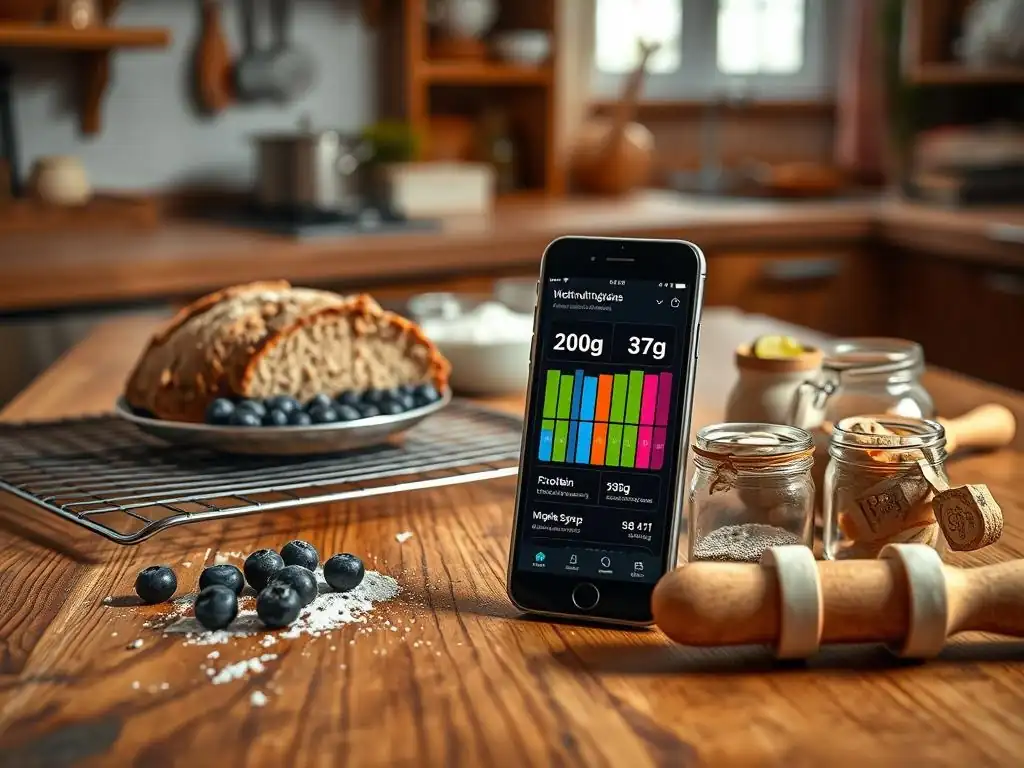
Welcome to BakeWithEase, your partner in baking mastery! Ever wondered how to easily track the nutritional content of your delicious creations? This is where the magic happens. Dive into our latest guide, " Making Sense of Macros in Baking: How Apps Simplify Nutritional Breakdown," and unlock the secrets of baking macros nutrition apps. Discover how these tools can transform your baking, making it not only enjoyable but also nutritionally informed. Intrigued? Let's explore how technology can make your baking healthier and more efficient – read on to discover your baking game changer!
- Optimizing Baking for Health: How Apps Simplify Nutritional Breakdown
- Understanding Baking Nutrition: Why It Matters in Your Treats
- Nutrition Apps for Baking: A Baker's Best Friend
- Top Nutrition Apps Reviewed: Find the Perfect Fit for Baking
- How Nutrition Apps Simplify the Baking Process
- Maximizing Your Baking with Nutrition: Tips and Tricks
- Beyond Macronutrient Counting: Additional Benefits of Baking Nutrition Apps
- Choosing the Right Nutrition App: Factors to Consider
- Monetizing Your Baking with Nutrition-Focused Recipes
- Conclusion: Empowering Your Baking with Nutrition Apps
-
Frequently Asked Questions
- What are baking macros, and why are they important?
- How can baking macros nutrition apps help with recipe development?
- What features should I look for in a good baking macros nutrition app?
- Are baking macros nutrition apps accurate for all types of baked goods?
- Can using baking macros nutrition apps help me bake healthier treats?
- Final Reflection: Unlocking the Power of Macros in Your Baking Journey
- Unlock Your Baking Potential: Master Macros, Effortlessly!
Optimizing Baking for Health: How Apps Simplify Nutritional Breakdown
Understanding Baking Nutrition: Why It Matters in Your Treats
Baking is a beloved pastime for many, offering comfort, creativity, and delicious results. However, as more people become conscious of their dietary intake and health goals, understanding the nutritional content of baked goods has become increasingly important. Whether you're managing a health condition like diabetes, following a specific diet, or simply aiming for a balanced lifestyle, knowing the macros in your muffins or the calories in your cookies empowers you to make informed choices. It's not just about indulgence; it's about enjoying your passion for baking while staying mindful of nutrition.
Historically, home bakers relied on guesswork or complex manual calculations to estimate nutritional values. This often involved looking up individual ingredients in databases and summing them up, a tedious and error-prone process. With the rise of digital tools, however, deciphering the nutritional breakdown of your homemade treats has become significantly more accessible. This shift allows bakers to not only track their intake but also to experiment with healthier ingredient substitutions and recipe modifications, opening up a world of possibilities for guilt-free enjoyment.
The Growing Importance of Nutritional Information in Home Baking
Consumers today are more health-aware than ever before. This trend extends directly to the food they consume, including homemade baked goods. People want to know not just the ingredients in their food, but also the macronutrient composition, calorie count, and even micronutrient details. This desire is driven by various factors, including managing weight, optimizing athletic performance, adhering to dietary restrictions (like low-carb, high-protein, or low-fat), or managing health conditions like type 2 diabetes, where carbohydrate intake is critical.
For the home baker, this means moving beyond just following a recipe to understanding its impact on their diet. A standard chocolate chip cookie, for example, can vary significantly in its nutritional profile depending on the type of flour, sugar, and fat used. Knowing that a typical large cookie might contain around 200-250 calories, with perhaps 25-30g of carbohydrates, 2-3g of protein, and 10-12g of fat, allows a baker to decide if it fits into their daily targets. This level of detail requires accurate calculation, which is where specialized tools become invaluable for understanding baking nutrition.
Decoding Macronutrients: Carbohydrates, Proteins, and Fats in Baking
Macronutrients – carbohydrates, proteins, and fats – are the primary components of food that provide energy. In baking, they play distinct roles and contribute differently to the final nutritional profile. Carbohydrates, primarily from flour and sugar, are often the most abundant macronutrient in baked goods, serving as the main energy source and contributing to structure and sweetness. A cup of all-purpose flour, for instance, contains about 95 grams of carbohydrates, while a cup of granulated sugar contains roughly 200 grams.
Fats, from butter, oil, or eggs, provide richness, moisture, and tenderness, and are calorie-dense. A tablespoon of butter adds about 11-12 grams of fat and roughly 100 calories. Proteins, less dominant in many baked goods but present in flour, eggs, and dairy, contribute to structure and some nutritional value. An egg, for example, provides about 6 grams of protein. Understanding the contribution of each ingredient to the total macros is fundamental to analyzing and modifying baking recipes for specific dietary needs. Tracking baking macros nutrition apps make this complex calculation straightforward.
Semantic Variation: Baking Nutrition Facts and Macronutrient Tracking
When discussing the nutritional content of homemade baked goods, various terms are used interchangeably, such as "baking nutrition facts," "macronutrient breakdown," or simply "tracking macros." While the terminology might differ slightly, the core concept remains the same: analyzing the amounts of carbohydrates, proteins, and fats (and often calories) present in a recipe or a single serving of a baked item. This process is crucial for anyone aiming to monitor their dietary intake closely.
Using baking macros nutrition apps facilitates this tracking by providing a structured way to input ingredients and quantities, and then automatically calculating the total nutritional values. This eliminates the need for manual lookups and calculations, significantly simplifying the process of understanding what's in your food. Whether you call it getting the baking nutrition facts or tracking your macronutrients, the goal is to gain clarity and control over the dietary impact of your delicious homemade creations.
Nutrition Apps for Baking: A Baker's Best Friend
Navigating the nutritional landscape of baking can feel daunting, especially when dealing with complex recipes and ingredient substitutions. Fortunately, dedicated tools have emerged to simplify this process. Nutrition apps designed for tracking food intake and analyzing recipes offer a powerful solution for home bakers looking to understand and manage the nutritional profile of their creations. These apps transform the time-consuming task of manual calculation into a quick and efficient digital process.
Beyond just providing numbers, these apps can offer insights into how ingredient choices impact the overall health profile of a baked good. They can help identify areas where macros might be high (like saturated fat from butter or sugar from sweeteners) or low (like protein or fiber), guiding bakers toward making healthier adjustments. For anyone serious about integrating nutrition awareness into their baking hobby, leveraging the capabilities of baking macros nutrition apps is a logical and beneficial step.
Introducing Nutrition Apps for Home Bakers
For home bakers, nutrition apps serve as digital calculators and databases specifically tailored for food analysis. Instead of manually searching for the nutritional information of every ingredient – flour, sugar, eggs, butter, leavening agents, flavorings, and add-ins like chocolate chips or nuts – and then summing them up, these apps automate the process. You typically input your recipe's ingredients and their quantities, specify the number of servings the recipe yields, and the app does the rest, providing a detailed breakdown per serving.
Consider a simple batch of 12 standard size muffins. Manually calculating the macros for each muffin would involve looking up the nutrition for perhaps 1.5 cups flour, 0.75 cups sugar, 0.5 cups milk, 1 egg, 0.25 cups oil, baking powder, and maybe some fruit. An app allows you to input these values once for the entire recipe and instantly get the total macros and calories, then divides by 12 to show the per-serving breakdown. This saves significant time and reduces the chance of calculation errors, making baking macros nutrition apps incredibly practical for regular use.
The Role of Software & Apps in Simplifying Nutritional Calculations
Software and apps have revolutionized many aspects of our lives, and nutritional tracking is no exception. For bakers, these digital tools provide a centralized platform for managing recipes and their associated nutritional data. The core function is the ingredient database, which contains pre-loaded nutritional information for thousands of common food items. When a baker adds an ingredient like "all-purpose flour" or "unsalted butter" to a recipe within the app, the software pulls the corresponding nutritional data (calories, carbs, protein, fat, and often micronutrients like fiber, sugar, sodium, etc. ).
Once all ingredients and their amounts are entered, the software aggregates the nutritional values for the entire recipe. By specifying the total yield (e.g., weight in grams, number of cookies, slices of bread), the app can then accurately calculate the nutritional information per serving. This seamless process, from ingredient input to per-serving analysis, is the primary way that baking macros nutrition apps simplify what was once a complex and time-consuming task, allowing bakers to focus more on the joy of creating and less on the drudgery of calculation.
Top Nutrition Apps Reviewed: Find the Perfect Fit for Baking
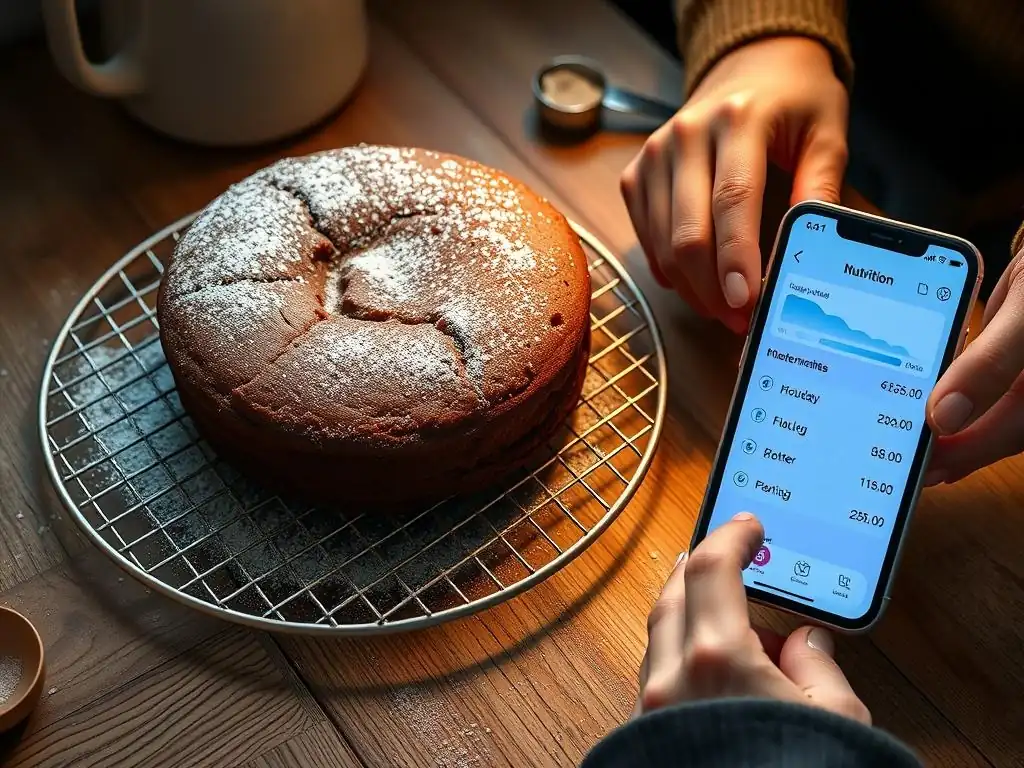
Choosing the right nutrition app depends on individual needs, baking habits, and desired level of detail. While many general nutrition tracking apps exist, some offer features that are particularly useful for analyzing homemade recipes. We'll look at a few popular options and how they perform when applied to the unique challenges of baking macros nutrition.
Review: Cronometer for Baking - A Comprehensive Overview
Cronometer is often praised for its accuracy and extensive database, which includes verified nutritional data. For bakers, this precision is invaluable when calculating the macros and micronutrients of homemade goods. It allows for detailed tracking beyond just the main macros, including vitamins, minerals, and even specific fatty acids.
Features and Benefits for Bakers
Cronometer allows users to create custom recipes by adding individual ingredients and their weights or volumes. Its strength lies in its vast database, which often includes specific brands or generic entries with verified data, reducing uncertainty in calculations. Bakers can easily input flour type (e.g., almond flour vs. wheat flour), different sweeteners, and fats, and see how each impacts the overall nutritional profile.
The ability to track micronutrients is a significant benefit for those focusing on the overall health benefits of their baking. For example, analyzing a recipe made with whole wheat flour and nuts would clearly show the increased fiber, magnesium, and healthy fats compared to a recipe using refined flour and butter.
Another useful feature is the ability to save custom recipes for future use. Once you've analyzed your favorite cookie or bread recipe, it's stored in the app, allowing for quick logging or easy modification and re-analysis. This is particularly helpful for bakers who make the same recipes frequently or who like to tweak existing ones. The detailed charts and graphs provide a clear visual representation of the macronutrient breakdown, making it easy to understand the percentage of calories coming from carbs, protein, and fat in your baked goods.
Potential Drawbacks and Workarounds
While powerful, Cronometer's detailed nature can feel overwhelming for beginners. The extensive database and numerous tracking options might have a steeper learning curve compared to simpler apps. Inputting every ingredient by weight for maximum accuracy can also be more time-consuming than using volume measurements, though the app usually supports both. Sometimes, niche baking ingredients might not be in the database, requiring manual entry or finding a close substitute.
A workaround for missing ingredients is to find the nutritional information on the product packaging or online and create a custom food entry within the app. While this adds an extra step, it maintains the accuracy that Cronometer is known for. For those who find the interface complex, focusing initially only on recipe creation and analysis, rather than daily food logging, can make it more manageable. Using the web version on a computer might also be easier for detailed recipe entry than the mobile app.
Cronometer: Affiliate Opportunities for [Gold Subscription Features]
(As per structure, noting potential for mentioning specific features tied to paid subscriptions) Cronometer offers a Gold subscription tier which unlocks advanced features useful for dedicated bakers. These include more detailed nutritional reports, the ability to share recipes easily, and potentially more advanced analysis tools. Access to these [Gold Subscription Features] can provide deeper insights for those serious about optimizing their baking nutrition.
Review: MyMacros+ for Baking - A Flexible Solution for Advanced Tracking
MyMacros+ is known for its focus on precise macronutrient tracking, often favored by athletes and bodybuilders. Its flexibility in logging and detailed reporting makes it a strong contender for bakers who prioritize hitting specific macro targets with their homemade foods.
Detailed Macronutrient and Micronutrient Tracking
MyMacros+ excels at allowing users to log food quickly and accurately, focusing heavily on grams of carbohydrates, protein, and fat. When applied to baking, this means you can build recipes ingredient by ingredient and get a precise macro breakdown per serving. The app supports logging in various units, including grams, which is ideal for accurate baking measurements. It also tracks micronutrients, though its primary strength is the detailed control it offers over macronutrients.
The app's interface is designed for quick and efficient logging, which translates well to adding recipe components. You can search for ingredients in its database, add custom foods, or create full recipes. For a baker trying to create a high-protein bread recipe or a low-carb cookie, MyMacros+ provides the granular data needed to adjust ingredients and immediately see the impact on the macro count per slice or cookie. The reporting features allow you to see total macros consumed over a day, including those from your baked goods, helping you integrate your baking into your overall dietary plan.
Recipe Import and Analysis Capabilities
MyMacros+ allows users to create and save custom recipes. You input the ingredients and quantities (preferably by weight for accuracy), specify the number of servings, and the app calculates the nutritional information per serving. While it might not have the sheer breadth of verified data that Cronometer boasts for every single obscure ingredient, its database is robust for common baking items. The ability to easily duplicate and modify saved recipes makes it simple to experiment with variations – like swapping sugar for a sugar substitute or using a different type of flour – and compare the nutritional outcomes.
The analysis features allow you to view the total macros for the recipe and the breakdown per serving. This is crucial for portion control and for fitting your baked goods into your daily macro goals. For example, if you bake a batch of 16 brownies and the app calculates 25g carbs, 3g protein, and 15g fat per brownie, you know exactly what one serving contributes to your daily intake.
MyMacros+: Promoting [Advanced Coaching Features and Recipe Templates]
(As per structure, noting potential for mentioning specific features tied to paid subscriptions) MyMacros+ often offers premium features that could appeal to bakers interested in advanced tracking or specific dietary approaches. This might include access to [Advanced Coaching Features] or specialized [Recipe Templates] designed for various dietary needs, providing extra support for those looking to bake with specific nutritional goals in mind.
Review: Lifesum for Baking - Simplicity and User-Friendliness
Lifesum takes a more user-friendly and visually appealing approach to nutrition tracking. While it might not offer the hyper-detailed micronutrient breakdown of Cronometer or the hardcore macro focus of MyMacros+, its ease of use and clean interface make it accessible for everyday bakers who want a straightforward way to understand their baking nutrition.
Easy-to-Use Interface for Tracking Baking Nutrition
Lifesum's design prioritizes simplicity. Logging food is quick, and the process of creating custom recipes is intuitive. You search for ingredients, add quantities (supporting both volume and weight), and the app builds the recipe. The visual presentation of macros – often shown as percentages or clear bar graphs – makes it easy to grasp the nutritional profile of your baked goods at a glance. This user-friendly approach is perfect for bakers who are new to nutrition tracking or who prefer a less data-heavy experience.
For example, inputting a simple banana bread recipe is straightforward. You add bananas, flour, sugar, eggs, oil, etc., and the app calculates the total. Then, you specify how many slices the loaf yields, and it provides the per-slice nutrition. This ease of use encourages regular tracking and analysis of homemade items, making it less of a chore and more of an integrated part of the baking process.
Recipe Integration and Meal Planning Features
Lifesum allows users to save custom recipes, making it easy to log frequently baked items. While it might not have advanced recipe import features from websites, manual entry is simple. The app also integrates recipe analysis into broader meal planning capabilities. You can add your homemade cookie recipe to a specific day's meal plan and see how it fits into your overall daily calorie and macro goals.
This integration with meal planning is a key benefit for bakers who are tracking their entire diet, not just their baked goods. It helps visualize how a serving of your homemade cake impacts your daily targets and allows you to adjust other meals accordingly. For someone trying to maintain a calorie deficit or hit specific macro ratios, seeing their baking fit into the bigger picture is very helpful.
Lifesum: Leveraging Affiliates for [Premium Meal Plans and Recipes]
(As per structure, noting potential for mentioning specific features tied to paid subscriptions) Lifesum offers premium subscriptions that provide access to additional features, including curated [Premium Meal Plans and Recipes]. While these might not always be baking-specific, the underlying platform's recipe analysis tools are enhanced, potentially offering more flexibility or features for analyzing personal baking creations within the premium tier.
How Nutrition Apps Simplify the Baking Process
Beyond just calculating numbers, baking macros nutrition apps streamline the entire process of incorporating nutritional awareness into your baking. They turn a potentially complex analytical task into a simple data entry and review process, allowing bakers to focus on the creative and enjoyable aspects of baking while staying informed about the nutritional impact.
Step-by-Step Guide: Calculating Nutrition for a [Chocolate Cake Recipe]
Calculating the nutrition for a chocolate cake recipe using a nutrition app typically follows a simple process:
- Create a New Recipe: Open the app's recipe or food creation section and select "Create Recipe." Name your recipe (e.g., "My Classic Chocolate Cake").
- Add Ingredients: Go through your recipe ingredient list item by item. For each ingredient (e.g., all-purpose flour, granulated sugar, cocoa powder, butter, eggs, milk, baking soda, vanilla extract), search for it in the app's database.
- Input Quantities: Enter the exact quantity for each ingredient as listed in your recipe. Use the most accurate measurement possible, preferably weight (grams or ounces), as volume measurements (cups, tablespoons) can vary. For example, input "250 grams all-purpose flour," "300 grams granulated sugar," "113 grams unsalted butter," "2 large eggs," etc.
- Specify Yield: Once all ingredients are added with their quantities, tell the app how many servings the recipe yields. This could be a specific number of slices (e.g., "12 slices"), the total weight of the finished cake (e.g., "1500 grams"), or a number of standard portions. Specifying the weight is often the most accurate way to calculate per-serving nutrition, as slice sizes can vary.
- Review and Save: The app will instantly calculate the total calories, macronutrients (carbs, protein, fat), and often micronutrients for the entire recipe. It will then divide these totals by the number of servings you specified to give you the nutritional breakdown per serving. Review the results, ensure all ingredients were entered correctly, and save the recipe in your app for future reference.
This structured approach, facilitated by the app's interface and database, makes analyzing a complex recipe like a chocolate cake far more manageable than doing the calculations manually.
Example: Analyzing the Nutritional Breakdown of [Whole Wheat Bread] with an App
Let's consider analyzing a loaf of homemade whole wheat bread. A typical recipe might use ~400g whole wheat flour, ~300ml water, 10g yeast, 8g salt, and a little honey or sugar (~15g).
Inputting these ingredients and quantities into a baking macros nutrition app would yield the total nutrition for the loaf. For example, the 400g of whole wheat flour alone contributes roughly 1400-1500 calories, about 300g of carbohydrates (with significant fiber, perhaps 45g), around 55g of protein, and minimal fat. The yeast and salt contribute negligible macros. The honey/sugar adds about 60 calories and 15g of carbohydrates. The water adds none. The total loaf might therefore contain around 1500-1600 calories, ~315g carbs, ~55g protein, and ~5g fat (excluding any added oil or butter).
If the recipe yields a loaf that, when sliced, provides 16 slices, the app divides the totals by 16. A single slice would then contain approximately 94-100 calories, about 20g carbohydrates (with ~3g fiber), ~3.5g protein, and less than 1g fat. This detailed breakdown per slice is incredibly useful for anyone tracking their intake, showing the benefits of using whole wheat flour (higher fiber, protein) compared to refined white flour, and allowing for accurate portion control.
Case Study: Using Nutrition Apps for [Vegan Baking]
Vegan baking often involves substituting traditional ingredients like eggs and dairy with plant-based alternatives (e.g., flax eggs, applesauce, plant milk, vegan butter substitutes). These substitutions significantly alter the nutritional profile compared to conventional recipes. Using baking macros nutrition apps is particularly helpful in this scenario.
Consider a standard butter cookie recipe versus a vegan version using a butter substitute and flax eggs. A traditional recipe might be high in saturated fat from butter and cholesterol from eggs. A vegan adaptation, using a plant-based butter alternative (which might have a different fat profile) and flax seeds mixed with water (flax egg), will have zero cholesterol and potentially a different fat composition (more unsaturated fats if the butter substitute is oil-based).
A nutrition app allows a baker to input the vegan ingredients and see the exact macro and calorie differences. For instance, a vegan cookie might have a similar calorie count but lower saturated fat and potentially more fiber (from flax seeds) than its non-vegan counterpart. This enables vegan bakers to fine-tune their recipes for desired nutritional outcomes and accurately communicate the nutrition facts to others.
Maximizing Your Baking with Nutrition: Tips and Tricks
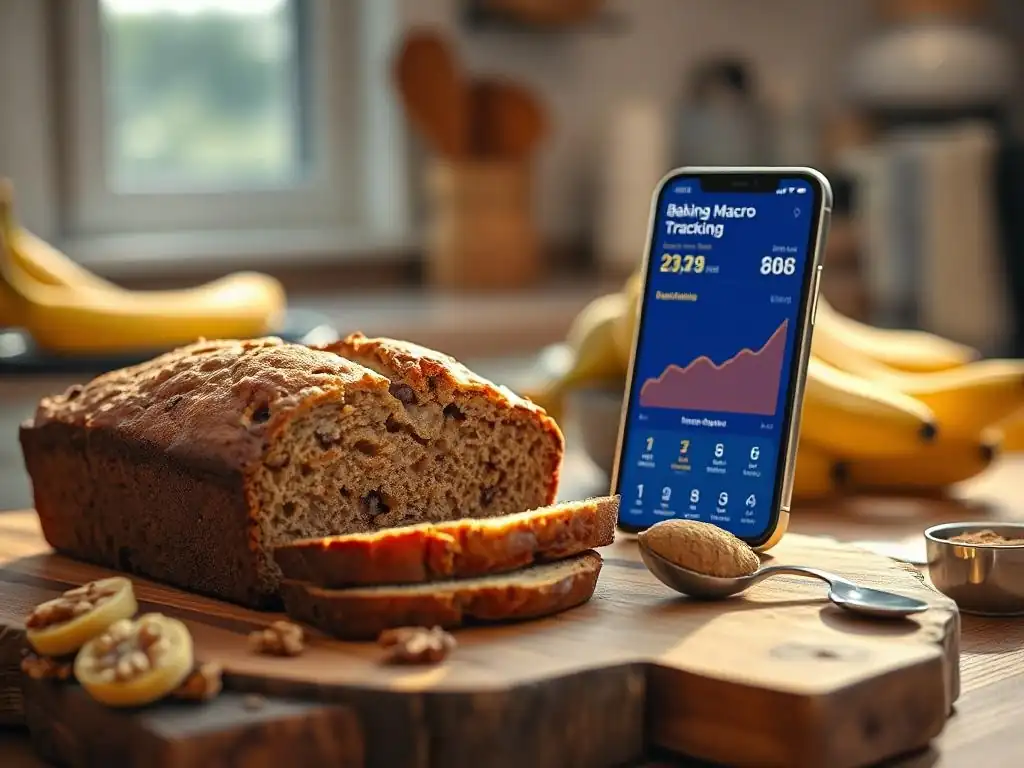
Using baking macros nutrition apps is just the first step. To truly maximize the benefits, bakers can adopt certain practices that enhance the accuracy of their calculations and allow for informed recipe adjustments.
Accurate Measurement: The Key to Precise Nutritional Calculations
The accuracy of the nutritional data provided by any app is entirely dependent on the accuracy of the ingredient quantities entered. Using precise measurements is paramount. While volume measurements (cups, tablespoons) are common in home baking, they can vary significantly based on how ingredients are scooped or packed. For example, a cup of flour can weigh anywhere from 120g to 150g depending on density and packing.
Using a digital kitchen scale to weigh ingredients in grams is the gold standard for accurate baking and, consequently, accurate nutritional calculation. Most nutrition databases provide values per 100 grams or per specific gram weight. Inputting "140g all-purpose flour" into the app provides a much more reliable nutritional contribution than "1 cup all-purpose flour." Investing in a simple kitchen scale is the single best step a baker can take to improve the accuracy of their baking macros nutrition tracking.
Adjusting Recipes for Optimal Nutritional Balance
Once you have the nutritional breakdown of a recipe, you can start making informed adjustments to align it with health goals. Want less sugar? Reduce the amount or swap some sugar for a non-nutritive sweetener (remembering to check the app for the nutritional impact of the substitute). Need more protein? Consider adding protein powder (checking the app for its macros), using a higher-protein flour blend, or incorporating ingredients like Greek yogurt or cottage cheese into batters where appropriate.
Looking to increase fiber? Substitute some or all of the refined flour with whole wheat flour, oat flour, or add ingredients like flax seeds, chia seeds, or nuts. Worried about fat? Experiment with reducing butter/oil or substituting with options like applesauce or pureed banana in certain recipes, and analyze the change in fat content using the app. Using the baking macros nutrition app as a feedback tool allows for iterative recipe development focused on improving nutritional balance while maintaining delicious results.
Customizing Recipes to Meet Specific Dietary Needs
Nutrition apps are powerful tools for tailoring recipes to meet specific dietary requirements, whether for personal needs or for baking for others. If you need to bake gluten-free, you can use the app to analyze how a gluten-free flour blend impacts the macros compared to wheat flour. For a low-carb diet, you can analyze recipes using almond flour, coconut flour, and alternative sweeteners, comparing their carb counts to traditional ingredients.
For someone managing blood sugar, understanding the total carbohydrate and sugar content per serving of a baked item is critical. The app provides these specific numbers, allowing bakers to create lower-sugar or lower-net-carb versions of their favorite treats. Similarly, for those needing higher protein, analyzing the protein content and experimenting with additions like protein powder or high-protein flours becomes easy with the app's calculation capabilities. Baking macros nutrition apps empower bakers to confidently customize recipes for specific health and dietary needs.
Beyond Macronutrient Counting: Additional Benefits of Baking Nutrition Apps
While tracking carbs, protein, and fat is a primary use, baking macros nutrition apps offer several other valuable benefits that contribute to healthier and more informed baking practices.
Tracking Calories and Micronutrients in Baking Recipes
Every nutrition app provides a total calorie count for recipes, which is fundamental for weight management goals. Beyond calories and macros, many apps, like Cronometer, offer detailed breakdowns of micronutrients – vitamins and minerals. While baked goods aren't typically primary sources of many micronutrients, analyzing recipes can reveal surprising contributions. For example, using whole wheat flour adds fiber, B vitamins, and minerals like magnesium and iron. Adding nuts or seeds contributes healthy fats, fiber, vitamins (like Vitamin E), and minerals (like zinc and selenium).
Tracking these micronutrients provides a more complete picture of the nutritional value of your baking. It highlights how ingredient choices can boost the overall health profile of a treat. While a cookie is still a treat, choosing ingredients that contribute some beneficial micronutrients, revealed by the app's analysis, can make it a slightly more nourishing indulgence.
Identifying Potential Allergens and Intolerances
Although not their primary function, baking macros nutrition apps can indirectly help in identifying potential allergens and intolerances by providing a clear list of all ingredients and their components. While the app won't necessarily flag "contains nuts" directly from a generic "flour" entry, when you input specific ingredients like "almond flour" or "peanut butter," the app lists these clearly.
For bakers creating items for individuals with allergies (like gluten, dairy, nuts, soy, or eggs), the app serves as a detailed ingredient ledger for the final product. By carefully inputting each ingredient, including sub-components (e.g., checking if your chocolate chips contain soy lecithin or dairy), you can use the app's ingredient list as a double-check against known allergens, complementing careful label reading of the original ingredients.
Creating Healthier Baking Alternatives
Perhaps one of the most empowering benefits is the ability to experiment with and quantify the nutritional impact of healthier ingredient swaps. Want to reduce saturated fat? Analyze your recipe, swap butter for a plant-based oil in appropriate quantities, and see the fat profile change. Trying to lower sugar? Replace some sugar with mashed fruit or a non-nutritive sweetener and compare the carbohydrate and calorie counts.
Baking macros nutrition apps provide the data needed to confidently create "healthier" versions of classic recipes. You can compare your original chocolate chip cookie recipe side-by-side with a version using whole wheat flour, less sugar, and added oats or nuts, and see the tangible improvements in fiber, sugar content, and potentially protein or healthy fats. This makes the process of developing healthier baking alternatives data-driven and effective.
Choosing the Right Nutrition App: Factors to Consider
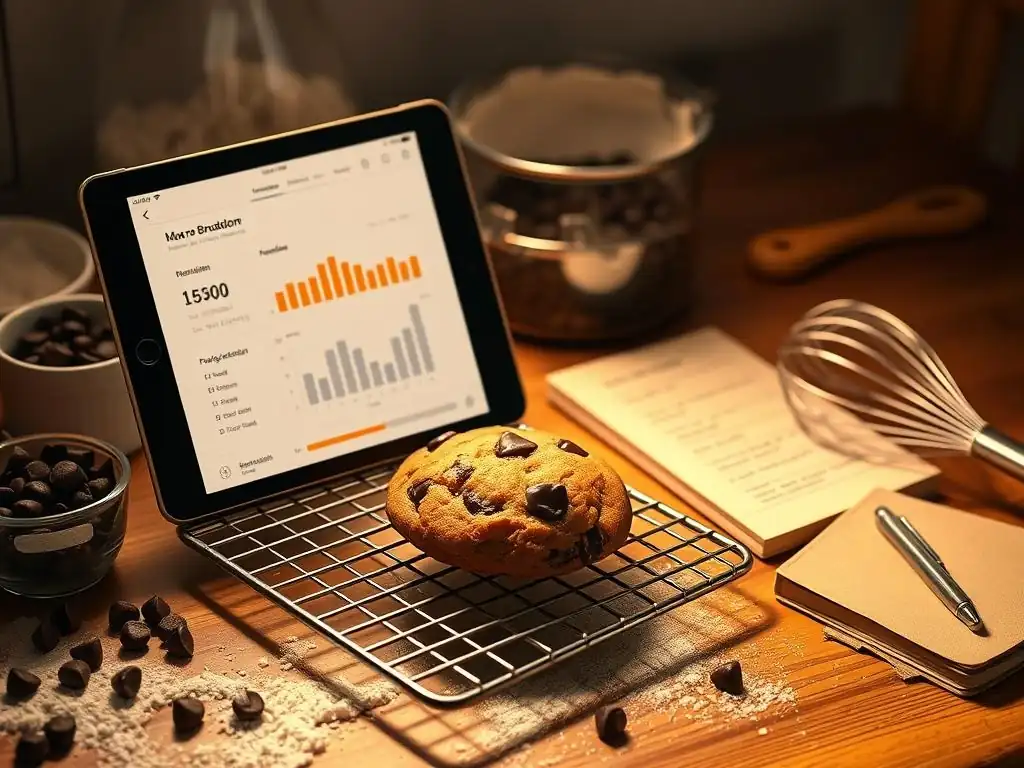
Selecting the best baking macros nutrition app involves considering several factors that align with your baking habits, nutritional goals, and technical comfort level.
Ease of Use and Interface
The most powerful app is useless if you find it frustrating to navigate. Consider how intuitive the recipe creation process is. Can you easily search for ingredients? Is inputting quantities straightforward? Is the resulting nutritional information displayed clearly and easy to understand?
Some apps have very clean, modern interfaces, while others are more data-dense. If you're new to tracking, an app like Lifesum might be a good starting point due to its simplicity. If you're comfortable with technology and want maximum detail, Cronometer or MyMacros+ could be better fits. Most apps offer free trials or free versions, allowing you to test the interface before committing.
Ingredient Database and Accuracy
The quality and breadth of the app's ingredient database are crucial for baking. Does it include a wide variety of common and less common baking ingredients? How accurate is the data? Apps that rely on user-submitted data can sometimes have inaccuracies. Apps like Cronometer, which emphasize verified data sources, offer higher confidence in the calculations. Consider if the database includes specific brands you use regularly, as nutritional information can vary slightly between products. The ability to easily add custom ingredients with their nutritional information is also important for those using unique or local products.
Cost and Subscription Options
Many nutrition apps operate on a freemium model, offering basic tracking for free but gating advanced features behind a subscription (monthly or annual). Free versions are often sufficient for basic recipe creation and macro tracking. Paid tiers might offer features like detailed micronutrient reports, advanced analysis tools, recipe sharing, or integration with other health devices.
Evaluate which features are essential for your baking needs and compare the costs of the subscription plans. Some apps are a one-time purchase, while others are subscription-only. Factor in the cost when deciding which baking macros nutrition app is the best long-term fit for you.
Monetizing Your Baking with Nutrition-Focused Recipes
Understanding and accurately calculating the nutrition of your baked goods using apps can open up avenues for monetizing your passion, particularly in a market increasingly interested in health-conscious options.
Creating and Selling Nutrition-Conscious Baking Recipe eBooks
With the ability to provide accurate nutritional information per serving, you can create specialized recipe eBooks focused on specific dietary needs or health goals. Imagine an eBook titled "High-Protein Bakes for Active Lifestyles," "Low-Sugar Treats for Sweet Cravings," or "Gluten-Free & Fiber-Rich Baking." Each recipe in the book could prominently feature the calorie count and macronutrient breakdown per serving, verified using your nutrition app.
This adds significant value for customers following specific diets or tracking macros. You can market these eBooks to niche audiences actively searching for recipes that fit their nutritional criteria. Your ability to provide reliable baking nutrition facts, backed by app analysis, builds trust and positions your recipes as a valuable resource.
Offering Personalized Nutrition Coaching for Bakers
If you develop expertise in modifying recipes for nutritional outcomes and are knowledgeable about dietary principles, you could offer personalized coaching services. This might involve helping other bakers adjust their favorite recipes to be lower in sugar, higher in fiber, or fit specific macro goals. You would use your baking macros nutrition app skills to analyze their existing recipes and propose modifications, providing the updated nutritional data.
This service could be offered online, where clients submit their recipes and goals, and you provide tailored adjustments and analysis. This leverages your baking skills and nutritional tracking knowledge into a valuable service, appealing to home bakers who want to make their treats healthier but lack the know-how or tools to do the nutritional analysis themselves.
Partnering with [Local Bakeries] to Promote Healthier Baking Options
(As per structure, noting potential for mentioning partnerships) Your expertise in baking macros nutrition analysis could be valuable to local bakeries looking to cater to health-conscious customers. You could partner with a [Local Bakery] to help them develop and analyze the nutritional content of a line of "healthier" baked goods.
This could involve creating recipes for lower-sugar muffins, higher-fiber bread, or gluten-free pastries, and then using your nutrition app skills to provide accurate nutrition labels for these new products. This partnership allows the bakery to attract a new customer base while leveraging your specialized knowledge in baking nutrition facts and analysis, creating a mutually beneficial arrangement.
Conclusion: Empowering Your Baking with Nutrition Apps
Embracing nutrition tracking in your home baking is a powerful way to align your passion with your health goals. What once required tedious manual calculations is now readily accessible through intuitive and powerful baking macros nutrition apps. These tools demystify the nutritional content of your homemade goods, providing clear data on calories, macronutrients, and even micronutrients.
Taking Control of Your Baking Nutrition
By using these apps, you move from guessing to knowing the baking nutrition facts of your creations. This knowledge empowers you to make deliberate choices about ingredients, portion sizes, and recipe modifications. Whether you're aiming to reduce sugar, increase fiber, manage calorie intake, or simply understand the macros in your favorite cookie, these apps provide the control you need. They transform the abstract concept of "healthy baking" into concrete, measurable outcomes, allowing you to enjoy your treats mindfully.
The Future of Baking and Nutritional Awareness
The integration of nutritional analysis tools into the home kitchen reflects a broader trend towards greater awareness and control over our food. As technology continues to evolve, baking macros nutrition apps may become even more sophisticated, potentially offering features like AI-driven recipe suggestions based on nutritional goals or seamless integration with smart kitchen devices. For now, the current generation of apps provides an invaluable service, making detailed nutritional analysis accessible to every home baker. By utilizing these tools, bakers can continue to create delicious goods while making informed choices that support a balanced and healthy lifestyle.
Frequently Asked Questions
What are baking macros, and why are they important?
Baking macros refer to the macronutrients – protein, carbohydrates, and fats – present in baked goods. Understanding them is crucial for managing dietary intake and making informed choices about your baking.
How can baking macros nutrition apps help with recipe development?
These apps allow you to easily calculate the macronutrient content of your recipes. This helps you adjust ingredients to achieve desired nutritional profiles, whether you're aiming for high-protein or low-carb options.
What features should I look for in a good baking macros nutrition app?
Look for apps with a comprehensive food database, the ability to input custom recipes, and features for tracking macronutrient goals. User-friendliness is also key!
Are baking macros nutrition apps accurate for all types of baked goods?
While generally accurate, the accuracy depends on the quality of the app's database and the precision of your ingredient measurements. Always double-check if possible, especially for complex recipes.
Can using baking macros nutrition apps help me bake healthier treats?
Yes! By tracking and adjusting macros, you can make healthier substitutions, such as using whole wheat flour or reducing sugar, while still enjoying delicious baked goods. This allows for informed and healthier baking choices.
Final Reflection: Unlocking the Power of Macros in Your Baking Journey
Understanding macronutrients is no longer a niche skill for professional bakers; it's a crucial element for anyone striving to create delicious and healthy baked goods. The rise of readily available nutritional information, particularly through dedicated apps, has democratized this knowledge, empowering home bakers to take control of their recipes and their diets. This shift represents a significant change in how we approach baking, moving beyond simple recipes to a more mindful and personalized approach.
The impact of readily accessible macro tracking apps on the baking landscape is profound. It's not just about calorie counting; it's about understanding the interplay of carbohydrates, proteins, and fats in creating texture, flavor, and nutritional value. This newfound awareness has fostered a community of bakers who are experimenting with healthier ingredients and innovative techniques, pushing the boundaries of what's possible. The best baker is the one who is always learning and adapting,
a wise baker once said, and this rings truer than ever in our macro-conscious era. This shift reflects a broader cultural movement towards healthier eating habits, and baking is no longer exempt from this trend.
Now, it's your turn. Consider how you can integrate this knowledge into your own baking. Experiment with different flour types, sweeteners, and fats to see how they impact your macros. Don't be afraid to tweak existing recipes or create your own, using a macro tracking app as your guide. Embrace the journey of mindful baking – the delicious results, and the positive impact on your well-being, will be well worth the effort. Let's bake a healthier, happier future, one macro at a time.
Unlock Your Baking Potential: Master Macros, Effortlessly!
Thanks for exploring the world of macro counting in baking! We hope you now feel confident to create delicious and nutritious treats. Are you ready to put your new knowledge into practice?
- Start tracking your macros today! Download a food tracking app and begin logging your baking ingredients and finished products to see the nutritional breakdown firsthand. This approach will help you bake healthier, more informed treats.
- Share your baking creations and macro insights! Join our BakeWithEase community on social media and inspire others with your delicious, data-driven bakes. Let’s learn and grow together!
- Explore new recipes that align with your macro goals. It’s a fun way to expand your baking horizons while staying on track.
What exciting macro-friendly recipe will you bake first? Let us know in the comments!