
Invest Wisely: Quality Baking Tools That Last a Lifetime

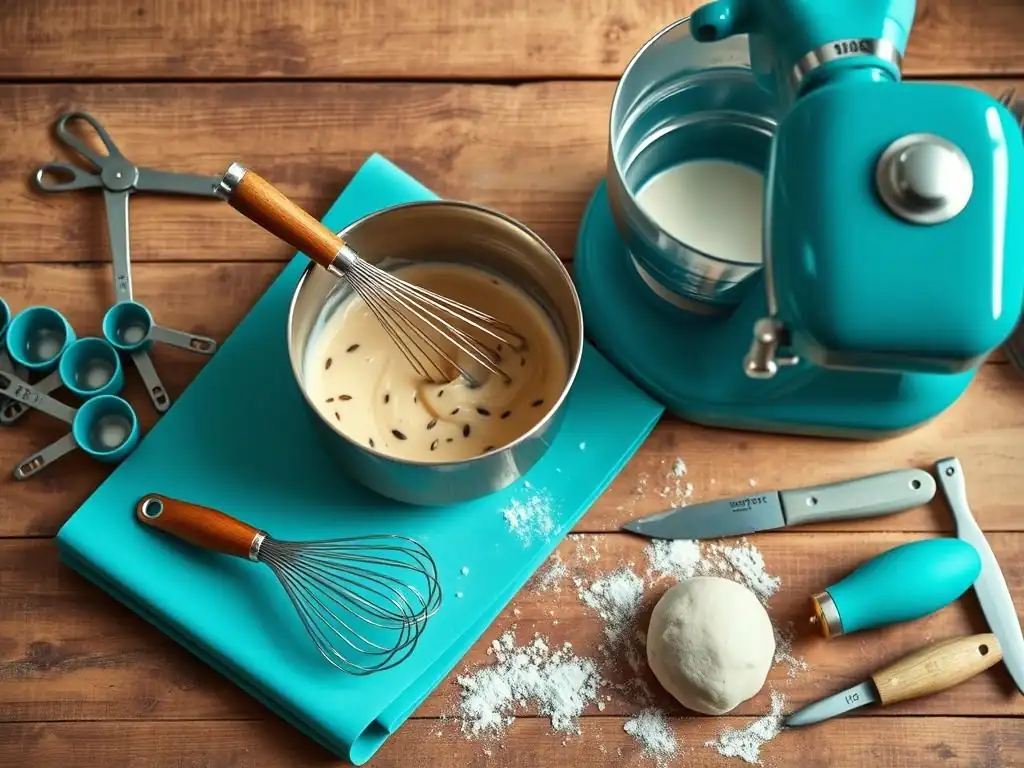
Welcome to BakeWithEase, your haven for all things baking! Are you ready to transform your kitchen into a delightful bakery? Discover the secrets to effortless baking and unlock a world of delectable creations. If you're just starting your baking journey, you might be wondering where to begin. That's why we've compiled a curated list of the best baking tools for beginners that will set you up for success. Curious about which essentials will truly stand the test of time? Let's explore!
- Choosing the Best Baking Tools: A Beginner's Guide
- Why Invest in Quality Baking Equipment?
- Essential Baking Tools for Beginners
- Advanced Baking Tools
- Baking Tool Maintenance and Longevity
- Where to Buy Quality Baking Tools
- Conclusion: Baking Legacy with Quality Tools
-
Frequently Asked Questions
- What are the most essential baking tools for beginners to invest in first?
- How important is it to buy expensive baking tools when just starting out?
- What kind of mixing bowl is best for a beginner baker?
- Are there any beginner-friendly baking tools that can simplify complex techniques?
- How can I ensure my baking tools last a lifetime?
- Final Reflection: The Sweet Rewards of Investing in Quality
- Unleash Your Inner Baker: Take the Next Step!
Choosing the Best Baking Tools: A Beginner's Guide
Embarking on the journey of baking is an exciting adventure, filled with delicious possibilities from flaky pies to crusty bread. For anyone just starting out, the array of available tools can seem overwhelming. Knowing which pieces of equipment are truly essential and worth investing in is key to building a foundation for success in the kitchen. The right tools can make the difference between a frustrating experience and a smooth, enjoyable baking process, helping you achieve consistent results and build confidence with every recipe you try.
Selecting the best baking tools for beginners doesn't have to be complicated. It's about focusing on versatile, durable items that will serve you well as you learn and grow your skills. Think of these initial purchases not just as utensils, but as partners in your culinary exploration. Investing in quality from the start ensures you won't need to replace items frequently, saving money and reducing waste in the long run. This guide will walk you through the essential gear, explaining why certain tools stand out and how they can elevate your baking from day one.
Why Invest in Quality Baking Equipment?
The Value of Durable Baking Tools
Investing in durable baking tools is akin to investing in the longevity and joy of your baking hobby. High-quality tools are typically made from superior materials like heavy-gauge stainless steel, sturdy silicone, or seasoned cast iron, designed to withstand frequent use and high temperatures without warping, rusting, or breaking down. For example, a well-maintained stand mixer can last 15-20 years or even longer, representing a significant return on investment compared to replacing a cheaper model every few years. This durability means consistent performance, which is crucial for reliable baking results where precision matters.
Beyond mere survival, durable tools often offer better performance. A heavy-duty baking sheet distributes heat more evenly, preventing burnt edges and undercooked centers, which is vital for cookies and roasted goods. A sharp, well-balanced knife or scraper makes prep work safer and more efficient. While the initial cost might be higher, the cost per use over the lifetime of a quality tool is significantly lower than constantly buying replacements for flimsy items. This focus on quality makes them some of the best baking tools for beginners looking to establish good habits and enjoy baking without equipment failure.
Opting for the cheapest baking tools available might seem like a budget-friendly choice initially, but this often leads to hidden costs and frustrations. Low-quality materials can degrade quickly; non-stick coatings on pans might scratch or peel after only a few uses, posing potential health risks and rendering the pan useless. Thin metal baking sheets can warp dramatically when heated, leading to uneven baking and spoiled batches of cookies or pastries. Plastic handles on spatulas or whisks can snap under moderate pressure, especially when dealing with stiff doughs or batters.
The frustration of tools failing mid-recipe, the cost of frequently replacing broken items, and the disappointment of inconsistent baking results all add up. Imagine trying to cream butter and sugar with a flimsy whisk that bends, or pulling a cake from a pan where half of it stuck because the non-stick surface failed. These experiences can be discouraging for a beginner.
While it's not necessary to buy the most expensive item in every category, understanding that extremely low prices often signal poor quality is important. Choosing reliable, even moderately priced, equipment is part of selecting the best baking tools for beginners who want to learn without added obstacles.
Essential Baking Tools for Beginners
Mixing Bowls
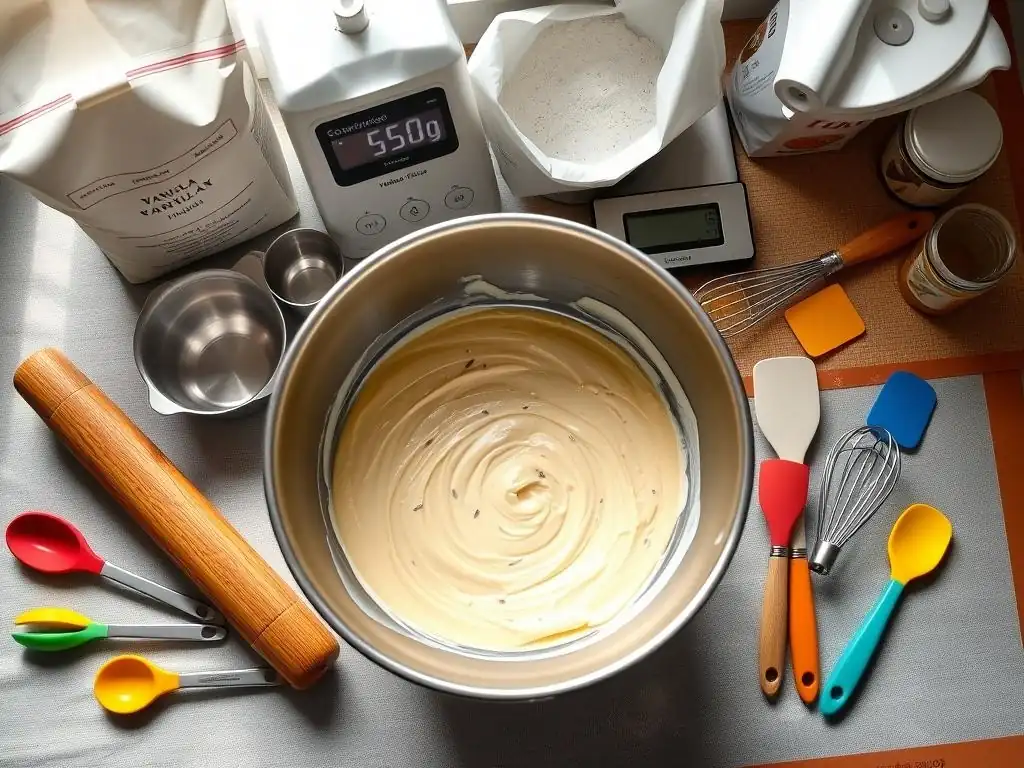
Mixing bowls are fundamental to almost every baking task, serving as the primary vessel for combining ingredients. A good set of mixing bowls in various sizes is invaluable, allowing you to whisk small amounts of eggs or mix large batches of dough comfortably. Look for bowls with stable bottoms and perhaps a lip for easy pouring. Having multiple bowls is helpful for recipes requiring separate wet and dry ingredients or different stages of mixing.
The material of your mixing bowls impacts their weight, durability, and how they perform with different ingredients. While plastic bowls are lightweight and inexpensive, they can retain odors and grease over time and may scratch, harboring bacteria. Stainless steel and glass are preferred by many bakers for their non-reactive surfaces and longevity, making them top contenders for the best baking tools for beginners.
Stainless Steel Mixing Bowls
Stainless steel mixing bowls are a staple in many kitchens due to their durability and light weight. They are non-reactive, meaning they won't interact with acidic ingredients like lemon juice or vinegar, which is important for delicate batters and meringues. A set typically includes bowls ranging from about 1.5 quarts to 8 quarts, covering most baking needs.
These bowls are easy to clean, resistant to rust and staining, and can often withstand being dropped without breaking. They are also relatively inexpensive compared to glass or ceramic. While they don't offer visibility like glass bowls, their robustness and ease of handling make them an excellent choice for beginners tackling everything from whipping cream to mixing cookie dough.
Glass Mixing Bowls
Glass mixing bowls offer the distinct advantage of transparency, allowing you to see exactly what's happening inside – crucial for techniques like emulsifying or ensuring ingredients are fully combined at the bottom. They are non-reactive, like stainless steel, and are generally heavier, providing good stability on the counter while mixing.
Many glass mixing bowls are made from tempered glass, making them resistant to thermal shock and breakage. They can often be used in a microwave or oven (check manufacturer specifications) for melting butter or chocolate. While heavier and more prone to breakage if dropped compared to stainless steel, their stability and visibility make them a favorite for specific tasks, earning them a spot among the best baking tools for beginners.
Measuring Cups and Spoons
Accurate measurement is perhaps the most critical aspect of successful baking, as it relies on precise ratios. Unlike cooking, where you can often adjust ingredients on the fly, baking is a science where proportions matter. Having reliable sets of both dry measuring cups and liquid measuring cups, along with a complete set of measuring spoons, is absolutely non-negotiable for consistent results.
Investing in sturdy, clearly marked measuring tools will save you from countless potential baking disasters. Look for sets where the measurements are etched or stamped into the material rather than just printed, as printing can wear off over time. Stainless steel or heavy-duty plastic are good choices for durability and accuracy, making them essential components of any list of best baking tools for beginners.
Dry Measuring Cups
Dry measuring cups are designed to be leveled off for precise measurement of ingredients like flour, sugar, oats, and cocoa powder. A standard set typically includes 1/4 cup, 1/3 cup, 1/2 cup, and 1 cup sizes. For accuracy, always spoon dry ingredients lightly into the cup and level off the excess with a straight edge, like the back of a knife or a bench scraper.
Look for cups that are sturdy and have flat bottoms so they can stand on their own. Stainless steel is highly recommended as it won't stain or retain odors and is very durable. Some sets include less common sizes like 2/3 cup or 3/4 cup, which can be convenient but aren't strictly necessary when starting out. These are fundamental items among the best baking tools for beginners.
Liquid Measuring Cups
Liquid measuring cups are designed differently than dry cups – they have a spout for easy pouring and headspace above the highest measurement line to prevent spills. They also have measurement markings on the side. To measure liquids accurately, place the cup on a flat surface and read the measurement at eye level. Standard sizes include 1 cup, 2 cup (pint), and 4 cup (quart).
Glass or clear plastic are the common materials, allowing you to easily see the liquid level. Pyrex is a popular brand known for durable glass measuring cups. Having at least a 2-cup liquid measuring cup is highly useful for recipes calling for larger volumes of milk, water, or oil. Their specific design for liquids makes them distinct and essential among the best baking tools for beginners.
Measuring Spoons
Measuring spoons are used for smaller quantities of both dry and liquid ingredients, particularly leaveners like baking powder and baking soda, spices, and extracts. A standard set usually includes 1/4 teaspoon, 1/2 teaspoon, 1 teaspoon, and 1 tablespoon. Some sets also include 1/8 teaspoon or 1/2 tablespoon.
Like measuring cups, look for spoons made from durable material, preferably stainless steel, with markings that won't fade. Spoons that are connected by a ring are easy to keep together, but also consider sets where the spoons can be easily detached for washing or using multiple sizes at once. Accurate measuring spoons are non-negotiable and belong firmly in the category of best baking tools for beginners.
Baking Sheets and Pans
Baking sheets and pans are the vessels that hold your creations as they transform in the heat of the oven. Having a few reliable pieces is crucial for baking anything from cookies and scones to cakes and muffins. The material and finish of the pan significantly impact how evenly your baked goods cook and how easily they release.
Investing in sturdy, warp-resistant pans will contribute greatly to consistent baking results. Thin, cheap pans can heat unevenly and buckle in the oven, leading to frustrating outcomes. For beginners, starting with a couple of good quality baking sheets and a few essential cake/muffin pans is a smart approach, making them key components of the best baking tools for beginners.
Aluminum Baking Sheets
Natural aluminum baking sheets are a favorite among professional bakers for their excellent heat conductivity and even cooking. They are typically made from a relatively thick gauge of aluminum, which resists warping at high temperatures. These sheets are best used with parchment paper or silicone baking mats to prevent sticking and make cleanup easier.
Standard half-sheet pans (approximately 18x13 inches) are versatile and fit most home ovens, making them ideal for baking cookies, roasting vegetables, or holding items being prepped. While they can discolor over time (this doesn't affect performance), their even heating and durability make them a top choice for the best baking tools for beginners.
Non-Stick Baking Sheets
Non-stick baking sheets offer the convenience of easy food release and quicker cleanup. They are usually made from metal (often aluminum or steel) with a durable non-stick coating. While convenient, the non-stick coating can be susceptible to scratching from metal utensils and may degrade over time, especially if exposed to very high heat or aggressive cleaning.
When choosing non-stick, look for pans with a robust coating and solid construction. Using parchment paper or silicone mats can help extend the life of the non-stick surface. For beginners prioritizing easy cleanup, a non-stick sheet can be a good starting point, though some prefer the pure performance of natural aluminum with a liner.
Cake Pans
Cake pans come in various shapes and sizes, but a couple of round pans (typically 8 or 9 inches in diameter) are essential for layer cakes. Look for pans made from aluminum or aluminized steel, as these materials conduct heat well for even baking. Pans with straight sides ensure your cake layers are uniform.
Quality cake pans are usually made from a heavier gauge metal to prevent warping and promote even browning. Some feature a non-stick coating, while others are plain metal requiring greasing and flouring or parchment paper. Having two matching round pans is ideal for baking simultaneous layers, making them a necessary part of the best baking tools for beginners interested in cakes.
Muffin Tins
Muffin tins, also known as muffin pans or cupcake pans, are essential for baking individual portions like muffins, cupcakes, and even mini quiches. A standard muffin tin has 12 cups, but 6-cup versions are also available. Look for a tin made from sturdy metal that won't warp.
Most muffin tins come with a non-stick coating for easy release. Darker pans can bake faster and result in darker bottoms, so lighter-colored metal is often preferred for more even results. Using paper liners is common and further aids in release and cleanup. A reliable muffin tin is definitely one of the best baking tools for beginners who love baking cupcakes or muffins.
Whisks and Spatulas
Whisks and spatulas are indispensable for mixing, folding, scraping, and smoothing batters and doughs. A good set of each will cover a wide range of tasks, from whipping air into egg whites to gently folding delicate ingredients or scraping down the sides of a mixing bowl.
Investing in heat-resistant spatulas and sturdy whisks ensures they can handle various temperatures and consistencies without melting or bending. Silicone spatulas and stainless steel whisks are standard choices for their durability and performance, making them essential items on the list of best baking tools for beginners.
Wire Whisks
Wire whisks are designed to incorporate air into mixtures, emulsify liquids, and break up lumps. A balloon whisk, with its many wires, is excellent for whipping egg whites or cream to create volume. A French whisk, which is narrower, is good for getting into the corners of pans or bowls and for thicker sauces or batters.
Look for whisks made with stainless steel wires and a comfortable, sturdy handle (often silicone or sturdy plastic). The wires should be flexible but resilient. Having at least one good quality balloon whisk is crucial for tasks like making meringues or whipped cream, solidifying its place among the best baking tools for beginners.
Rubber Spatulas
Rubber or, more commonly now, silicone spatulas are incredibly versatile. They are used for scraping down the sides of bowls, folding delicate ingredients together (like folding whipped egg whites into batter), and transferring batters or doughs. Silicone is preferred over traditional rubber as it is heat-resistant (often up to 400-500°F or 200-260°C), odorless, and stain-resistant.
A good set includes various sizes and shapes – a smaller one for scraping jars, a larger one for mixing, and a spatula with a pointed tip can be useful for getting into tight corners. Look for spatulas where the head is securely attached to the handle, ideally molded as one piece or with a very tight seal to prevent food and water from getting trapped. These are workhorses among the best baking tools for beginners.
Offset Spatulas
Offset spatulas, also called palette knives, have a thin, flexible blade that is angled up from the handle. They are primarily used for spreading frosting or glazes smoothly and evenly over cakes and other baked goods. The offset handle keeps your knuckles from dragging through the frosting.
They come in various sizes, from small ones for cupcakes to larger ones for sheet cakes. While perhaps not the very first purchase for a beginner focused solely on mixing and baking, an 8 or 10-inch offset spatula is invaluable once you start decorating and is considered one of the best baking tools for beginners moving beyond the basics.
Rolling Pins
Rolling pins are used to flatten and shape doughs, from pie crusts and cookie doughs to pastry doughs and bread doughs. The type of rolling pin you choose can affect how easily and evenly you can roll out dough. While simple in concept, a good rolling pin makes a significant difference in achieving uniform thickness.
Different styles exist, including the traditional American style with handles and the French style which is a tapered dowel. The material also varies, commonly wood or silicone-coated. Selecting a comfortable and appropriately weighted rolling pin is key, making it an important piece of equipment among the best baking tools for beginners working with dough.
Wooden Rolling Pins
Traditional wooden rolling pins, often made from maple or beech wood, are a classic choice. They can be a single, heavy cylinder or have handles and a rotating barrel. Wooden pins require minimal flouring if properly cared for and can develop a smooth, non-stick surface over time with use.
A solid, handleless wooden dowel (like a French rolling pin) allows you to feel the dough more directly, giving you better control over thickness. A standard American-style rolling pin with handles can be easier for some beginners to maneuver. Whichever style you choose, look for a well-made, solid wood pin that feels balanced in your hands.
Silicone Rolling Pins
Silicone rolling pins feature a silicone surface wrapped around a core (often wood or metal). The silicone is naturally non-stick, which means you might need less flour when rolling dough, potentially resulting in a more tender baked good. The silicone surface is also very easy to clean.
Some silicone pins have handles and a rotating barrel, similar to American-style wooden pins. The non-stick property is a significant advantage for sticky doughs. While some traditionalists prefer the feel of wood, a silicone rolling pin can be a very practical and easy-to-maintain option, making it a strong contender among the best baking tools for beginners.
Mixers: Stand vs. Hand
Mixing is a fundamental step in baking, and while you can do a lot by hand, a mixer can significantly reduce effort and improve results, especially for tasks requiring prolonged beating or kneading. The choice between a hand mixer and a stand mixer often comes down to budget, space, and the type of baking you plan to do most frequently.
Both types of mixers have their place in the kitchen, and either can be considered among the best baking tools for beginners depending on their needs. A hand mixer is more affordable and compact, while a stand mixer is more powerful and versatile for larger or tougher jobs like bread dough.
Stand Mixers
A stand mixer is a powerful appliance with a motor that drives various attachments (whisk, paddle, dough hook) in a stationary bowl. They are ideal for tasks that require significant power or time, such as kneading bread dough, whipping large quantities of cream or egg whites, or making heavy batters. A good stand mixer is a significant investment but can handle almost any mixing task with ease.
High-quality stand mixers are built with durable metal gears and powerful motors (e.g., 300 watts or more for typical home use). They offer hands-free operation once the ingredients are added, allowing you to multitask. While they take up counter space and are more expensive, for a beginner who plans to bake frequently, especially bread or large batches, a stand mixer is arguably one of the best baking tools for beginners to invest in for the long term.
Hand Mixers
A hand mixer is a smaller, more portable, and less expensive alternative to a stand mixer. It consists of a handheld motor unit with detachable beaters. Hand mixers are excellent for lighter tasks like whipping cream, beating eggs, mixing cake batter, or making frosting. They are easy to store and clean.
While not as powerful as stand mixers, a good quality hand mixer (look for models with 200-250 watts or more and multiple speeds) can handle most everyday baking needs. They are perfect for beginners who have limited space or budget, or who primarily bake cakes, cookies, and lighter batters. A reliable hand mixer is a very practical and accessible option among the best baking tools for beginners.
Advanced Baking Tools
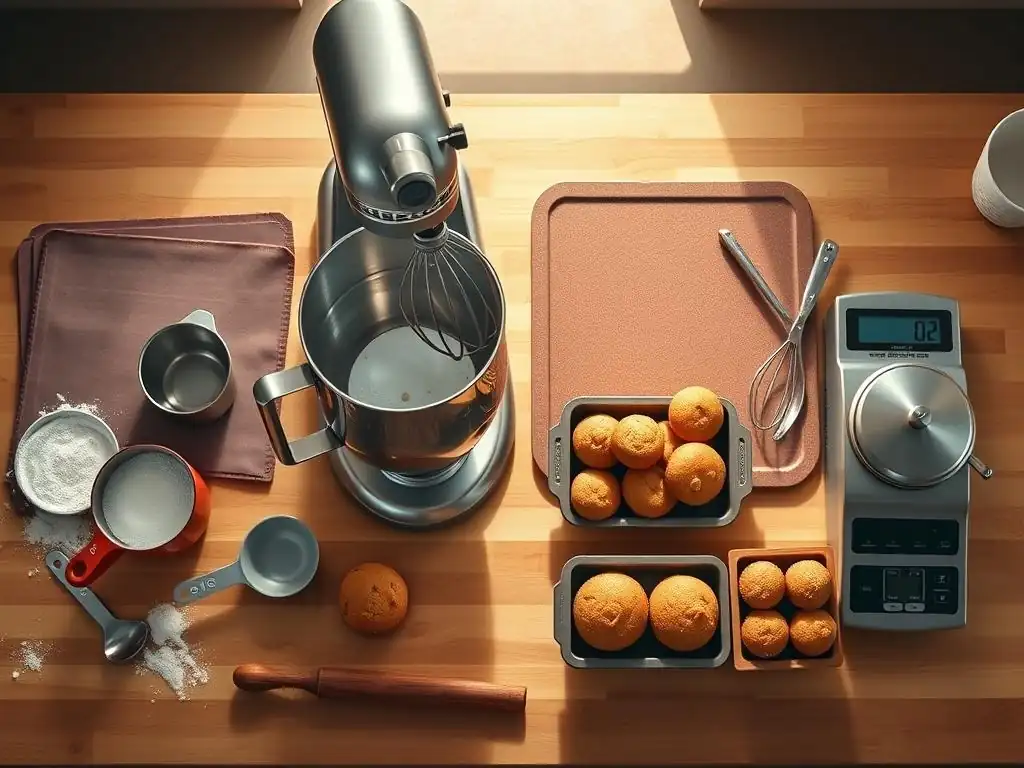
As you gain confidence and explore more complex recipes, you might find certain specialized tools helpful. These aren't strictly necessary when you're first learning the basics, but they can improve efficiency, precision, and the finish of your baked goods.
Adding these to your collection can expand your baking repertoire and make certain techniques easier. While not part of the initial list of best baking tools for beginners, they become valuable as your skills advance.
Dough Scrapers
Dough scrapers, also known as bench scrapers, are simple but incredibly useful tools, especially for bread bakers and pastry makers. They are typically a rectangular blade (metal or plastic) with a handle along one edge. They are used to portion dough, scrape dough from a floured surface without damaging it, and clean up sticky residue from your workspace.
A metal dough scraper is often preferred for its rigidity and ability to cleanly cut dough and scrape surfaces. Look for one with a comfortable handle. They are also great for transferring chopped ingredients. While simple, a dough scraper can significantly tidy up your workspace and make handling dough much easier, becoming one of the best baking tools as you progress.
Pastry Brushes
Pastry brushes are used for applying washes and glazes to baked goods, such as egg wash on bread or melted butter on pastry layers. They can also be used for greasing pans. Traditional brushes have natural bristles, while modern ones often use silicone bristles.
Silicone pastry brushes are generally easier to clean and don't shed bristles, which can be a problem with natural brushes. Look for a brush with heat-resistant bristles and a comfortable handle. Having a clean, dedicated pastry brush ensures even application of washes, contributing to the professional look of your baked goods.
Kitchen Scales
While many recipes use volume measurements (cups and spoons), measuring ingredients by weight using a kitchen scale is significantly more accurate, especially for dry ingredients like flour and sugar. Different flours can compact differently in a cup, leading to inconsistent results, whereas a gram of flour is always a gram.
A digital kitchen scale that can measure in both grams and ounces is highly recommended. Look for one with a tare function (to zero out the weight of the container) and a capacity of at least 5-10 pounds (2-5 kg). Measuring by weight leads to more consistent and reliable baking outcomes and is considered one of the best baking tools for beginners serious about improving accuracy.
Baking Tool Maintenance and Longevity
Proper care and maintenance are crucial for ensuring your quality baking tools last a lifetime. Neglecting cleanup or storing tools improperly can lead to rust, damage, or reduced performance, undoing the benefit of investing in durable equipment.
Taking a few simple steps after each baking session will keep your tools in top condition, ensuring they remain among the best baking tools you own for years to come.
Cleaning Techniques
Cleaning your baking tools promptly after use is key. For most metal tools like baking sheets, mixing bowls, and measuring cups, washing with warm, soapy water and drying thoroughly is sufficient. Avoid harsh abrasive scrubbers on non-stick surfaces or polished metals. For stubborn baked-on messes on metal pans, soaking or using a paste of baking soda and water can help.
Wooden tools, like rolling pins or wooden spoon handles, should not be soaked for extended periods, as this can cause cracking or warping. Wash them quickly with mild soap and water and dry immediately. Silicone tools are generally dishwasher safe and easy to clean. Always check manufacturer instructions, but gentle hand washing is often the best way to preserve the finish and life of your tools.
Storage Solutions
Storing your baking tools properly protects them from damage and keeps them organized and easily accessible. Baking sheets and cutting boards can be stored vertically in a rack or cabinet. Mixing bowls can often be nested to save space. Measuring cups and spoons are best kept together, perhaps on a ring or in a dedicated drawer organizer.
Sharp items like knives or bench scrapers should be stored safely to protect both the blade and your hands – a knife block, magnetic strip, or drawer insert works well. Keeping tools dry before storing prevents rust. Proper storage prevents scratches, dents, and warping, ensuring your investment in the best baking tools remains worthwhile.
Where to Buy Quality Baking Tools
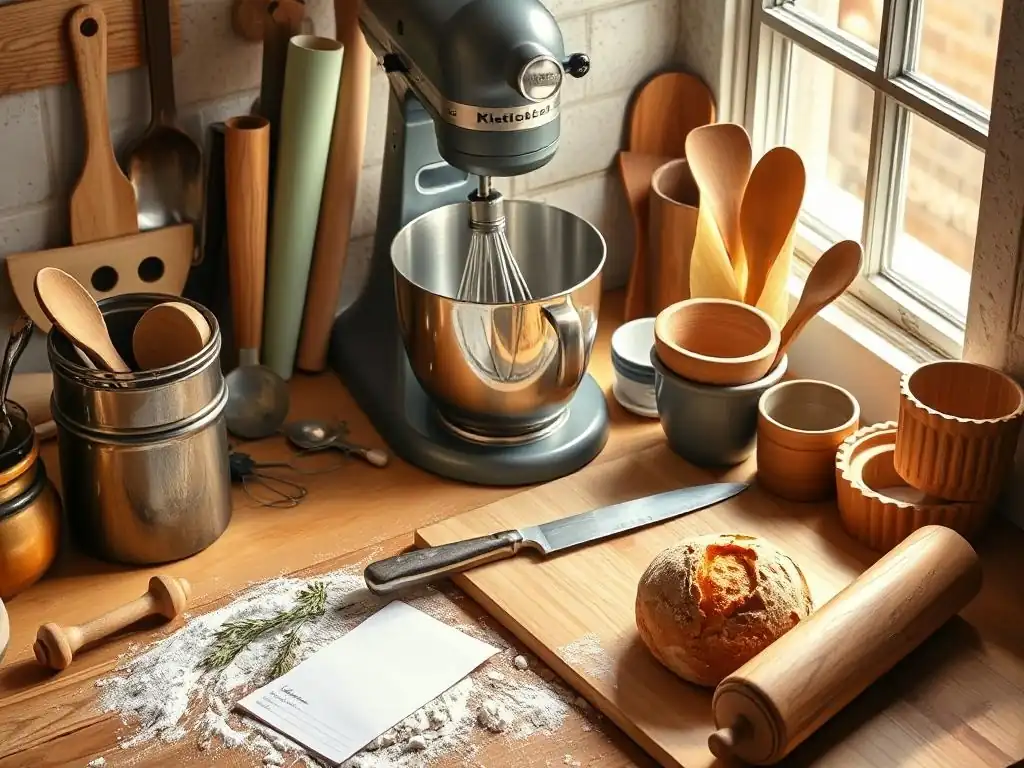
Finding reliable sources for purchasing baking tools is important. While you can find baking equipment in many places, some retailers specialize in kitchenware or baking supplies and offer a wider selection of high-quality, durable options.
Knowing where to look ensures you're getting genuine quality items that will stand up to repeated use, helping you build your collection of the best baking tools for beginners.
Online Retailers
Large online marketplaces offer a vast selection of baking tools from numerous brands, often at competitive prices. You can easily compare features, read customer reviews, and find specialized items that might not be available locally. Websites dedicated specifically to kitchenware or baking supplies also provide curated selections of higher-end tools.
When buying online, pay close attention to product descriptions, materials used, and customer feedback regarding durability and performance. Look for reputable brands known for quality kitchenware. While the sheer volume of options can be daunting, online platforms offer convenience and access to a wide range of the best baking tools.
Specialty Baking Stores
Specialty baking supply stores or kitchenware shops often carry a curated selection of high-quality tools preferred by professionals and serious home bakers. Store staff can provide expert advice on choosing the right tools for your needs and demonstrate their features. While prices might sometimes be slightly higher than online giants, the quality and service can be worth it.
These stores are great places to physically inspect the weight, feel, and construction of tools like rolling pins, spatulas, and pans. They may also carry unique items or commercial-grade equipment built for heavy use. Visiting a specialty store can be an excellent way for beginners to get hands-on experience and guidance in selecting the best baking tools to start their collection.
Conclusion: Baking Legacy with Quality Tools
Starting your baking journey with a focus on acquiring quality, durable tools is one of the smartest decisions you can make. While it might require a slightly larger initial investment compared to buying the cheapest options, the long-term benefits in terms of performance, longevity, and baking success are immeasurable. The frustration of dealing with tools that break, warp, or fail to perform correctly can quickly dampen enthusiasm.
By choosing the best baking tools for beginners – essential items like sturdy mixing bowls, accurate measuring tools, reliable pans, and versatile spatulas – you set yourself up for a more enjoyable and rewarding experience in the kitchen. These tools become trusted companions, helping you master techniques, experiment with confidence, and create delicious treats for yourself and others. Investing wisely from the start builds a foundation for a lifetime of baking, ensuring your tools are ready for every recipe you tackle.
Frequently Asked Questions
What are the most essential baking tools for beginners to invest in first?
The absolute essentials include a good mixing bowl, a reliable measuring cup and spoons set, and a sturdy baking sheet. These form the foundation for most baking recipes.
How important is it to buy expensive baking tools when just starting out?
It's not always necessary! Focus on quality over quantity initially. Start with durable, mid-range options that will last, avoiding flimsy, very cheap tools.
What kind of mixing bowl is best for a beginner baker?
A set of stainless steel mixing bowls in various sizes is ideal. They're durable, easy to clean, and don't react with ingredients.
Are there any beginner-friendly baking tools that can simplify complex techniques?
A digital kitchen scale can significantly improve accuracy, especially when baking. Also, a silicone spatula helps to easily scrape the batter.
How can I ensure my baking tools last a lifetime?
Proper cleaning and storage are crucial. Avoid harsh chemicals and store tools in a dry place. Investing in durable materials initially also helps.
Final Reflection: The Sweet Rewards of Investing in Quality
The pursuit of baking excellence isn't just about the perfect recipe; it's about the tools that empower you to achieve it. A well-equipped kitchen, stocked with durable, high-quality baking tools, is the foundation for years of culinary creativity and delicious memories. This isn't just about spending more money; it's about making a smart investment in your passion.
The impact of quality baking tools extends far beyond the functionality itself. It's about the joy of using tools that feel good in your hand, that perform flawlessly, and that inspire confidence in your baking abilities. The best things in life are homemade,
a sentiment often echoed, is amplified by the pleasure derived from using tools that elevate the process. This isn't just about the end product; it's about the journey, the satisfaction of creating something beautiful and delicious with tools you can rely on for years to come. This investment in quality reflects a deeper investment in oneself and one's passion.
Now, consider your own baking journey. What tools do you cherish? What tools have let you down? Take this opportunity to evaluate your current equipment and consider upgrading to tools that will not only improve your baking but also bring you lasting satisfaction. Don't just bake; invest in your baking, and discover the sweet rewards that await. Embrace the journey, and may your kitchen always be filled with the aroma of freshly baked goods, created with tools you love.
Unleash Your Inner Baker: Take the Next Step!
Thanks for spending time with us and exploring the world of quality baking tools! We hope you now feel more confident in choosing equipment that will elevate your baking game. Ready to transform your kitchen and create delicious memories?
- Invest in your favorite tool: Take the leap and order that high-quality stand mixer, rolling pin, or baking sheet you've been eyeing. Imagine the amazing creations you'll make!
- Share your baking journey: Post a picture of your favorite baking tool on social media and tag us – we love to see what you bake!
- Explore our recipe section for inspiration to use your new tools. We've got something for every skill level.
What's the first delicious treat you're going to bake with your upgraded equipment?