
LowSugar Treats That Still Taste Like a Celebration

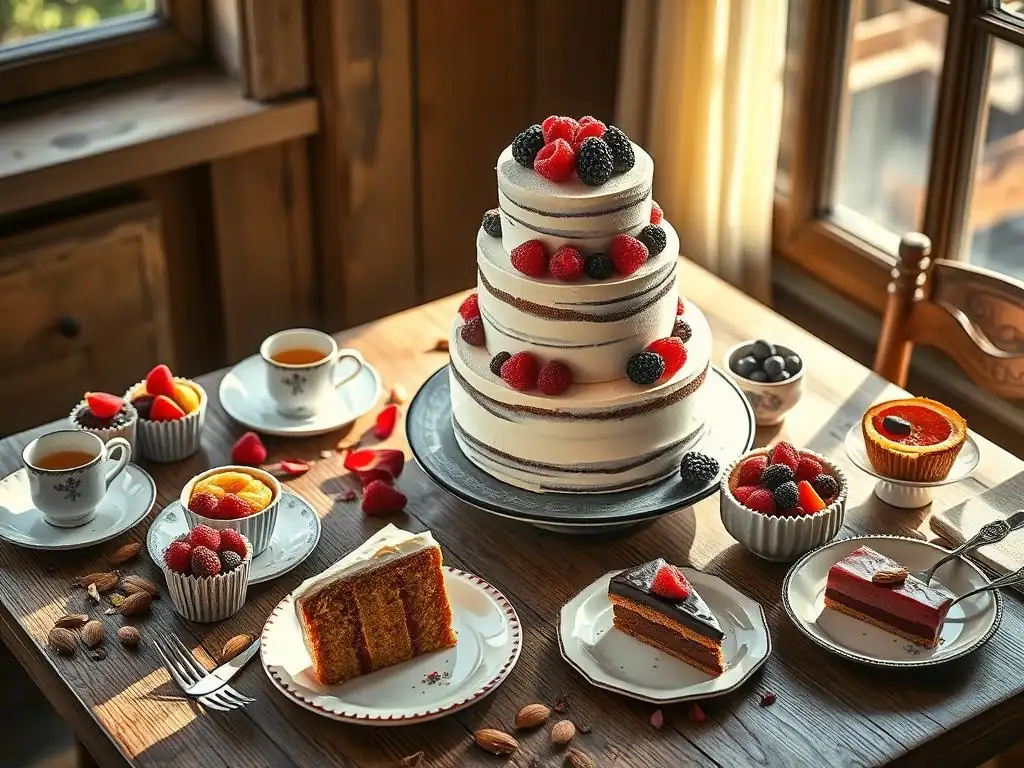
Welcome to BakeWithEase, your haven for all things baking!
Are you craving a slice of deliciousness but watching your sugar intake? You've come to the right place. Discover how to indulge without the guilt as we dive into a world of flavour with our specially curated low sugar cake recipes. Get ready to create treats that are both wholesome and celebratory, proving that you don't have to sacrifice taste for health. What secrets are hidden within these delectable recipes? Let's find out!
- Healthier Celebration Cakes: Delicious Recipes with Reduced Sugar
- Introduction: Celebrating Joyfully with Lower Sugar Baking
- Understanding Reduced Sugar Baking for Celebrations
- Delicious Reduced Sugar Cake Recipes for Children's Parties
- Tips and Tricks for Successful Reduced Sugar Cakes
- Adapting Classic Cake Recipes for Lower Sugar Content
- Reduced Sugar Frosting and Filling Ideas
- Serving and Storing Your Reduced Sugar Treats
- Conclusion: Guilt-Free Celebrations with Delicious Reduced Sugar Cakes
- Frequently Asked Questions
- Final Reflection: The Sweetness of Moderation
- Unleash Your Inner Pastry Chef: Delightful Low-Sugar Baking Awaits!
Healthier Celebration Cakes: Delicious Recipes with Reduced Sugar
Introduction: Celebrating Joyfully with Lower Sugar Baking
- Baking for Health: Delicious Treats with Less Sugar
- Why Choose Reduced Sugar Cakes for Children's Parties?
Baking is a wonderful way to celebrate, share joy, and create lasting memories. While traditional cakes are often at the heart of these celebrations, many contain significant amounts of refined sugar. Opting for low sugar cake recipes doesn't mean sacrificing flavor or fun; it's about creating delicious treats that are a little kinder to our bodies, allowing everyone to enjoy the celebration more fully. Healthier cake recipes can be just as delightful and satisfying, offering a different kind of sweetness derived from natural sources or carefully chosen alternatives.
When it comes to children's parties, the appeal of reduced sugar cake recipes becomes even clearer. Kids are often exposed to high amounts of sugar in various forms throughout the day, and party treats can add significantly to this intake. Choosing a lower sugar cake helps manage sugar consumption during the festivities, potentially leading to fewer sugar crashes and a more balanced energy level among young guests. Furthermore, introducing children to treats with reduced sugar content from a young age can help shape their palate and preferences towards less intensely sweet foods in the future.
Understanding Reduced Sugar Baking for Celebrations
The Benefits of Reducing Sugar in Baked Goods
Reducing the amount of sugar in baked goods offers several health advantages without necessarily compromising on taste or texture when done correctly. Lowering sugar intake is widely recognized for its positive impact on dental health, reducing the risk of cavities, which is particularly important for children. Less sugar also helps in managing blood sugar levels, avoiding the sharp spikes and subsequent crashes often associated with sugary treats.
Beyond the immediate health benefits, baking with less sugar can also highlight the natural flavors of other ingredients. Fruits, spices, and even cocoa can shine through more prominently when they aren't overwhelmed by excessive sweetness. This approach encourages a deeper appreciation for the complex flavors that good quality ingredients bring to a cake, transforming a simple treat into a more nuanced culinary experience. It's a fantastic way to explore new dimensions in your low sugar cake recipes.
Natural Sweeteners vs. Refined Sugar: A Baker's Guide
Refined sugar, typically granulated white sugar, provides sweetness but also contributes to moisture, tenderness, and browning in baked goods. When reducing it, bakers often turn to alternatives. Natural sweeteners like honey, maple syrup, date paste, or fruit purees (such as applesauce or mashed bananas) can add sweetness along with moisture and unique flavors. For instance, substituting applesauce for some sugar can reduce the overall sugar content while adding moistness, though it may affect texture and browning compared to using refined sugar alone.
Other options include sugar alcohols like erythritol or xylitol (use xylitol with caution around pets) or high-intensity sweeteners like stevia or monk fruit. These alternatives provide sweetness with fewer calories and often have less impact on blood sugar. However, they don't behave exactly like sugar in baking; they may not provide the same structure, moisture, or browning.
Often, a blend of sweeteners or a careful combination with other ingredients is needed to achieve the desired result in reduced sugar cake recipes. For example, using a sugar alcohol might require adding a bit more liquid or fat to compensate for the lost moisture from sugar.
Delicious Reduced Sugar Cake Recipes for Children's Parties
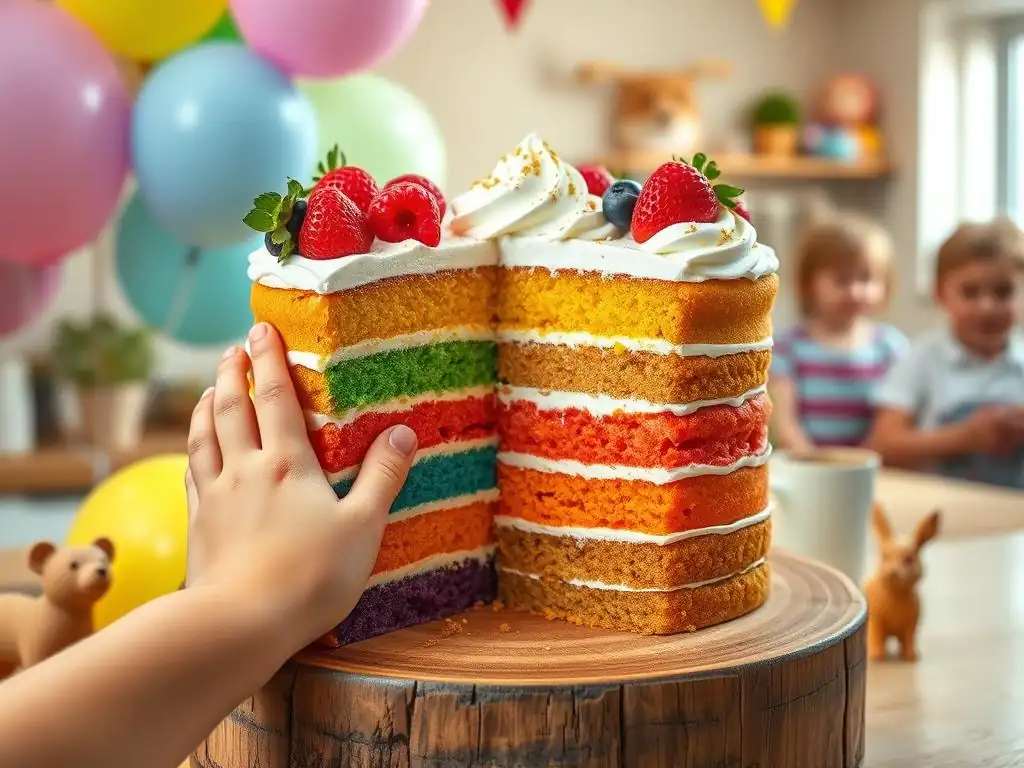
Recipe 1: Strawberry Swirl Reduced Sugar Cake
This delightful cake uses the natural sweetness and moisture of strawberries to reduce the need for added sugar, creating a beautiful swirl effect that kids love. It's a perfect example of a vibrant low sugar cake recipe.
Ingredients for Strawberry Swirl Cake
- 1 and 3/4 cups all-purpose flour
- 1 teaspoon baking powder
- 1/2 teaspoon baking soda
- 1/4 teaspoon salt
- 1/2 cup unsalted butter, softened
- 1/2 cup granulated sugar alternative (like erythritol blend)
- 1/4 cup unsweetened applesauce
- 2 large eggs
- 1 teaspoon vanilla extract
- 1/2 cup buttermilk
- 1 cup fresh strawberries, pureed
Step-by-Step Baking Instructions
- Preheat your oven to 180°C (350°F). Grease and flour an 8-inch round cake pan.
- In a medium bowl, whisk together the flour, baking powder, baking soda, and salt.
- In a large bowl, cream the softened butter and sugar alternative until light and fluffy, about 3 minutes. Beat in the applesauce.
- Add the eggs one at a time, beating well after each addition. Stir in the vanilla extract.
- In a small bowl, combine the buttermilk and strawberry puree.
- Alternately add the dry ingredients and the wet ingredients to the butter mixture, beginning and ending with the dry ingredients. Mix until just combined, being careful not to overmix.
- Pour about two-thirds of the batter into the prepared pan. Add the remaining strawberry puree to the remaining batter and gently swirl with a spoon. Pour the swirled batter over the plain batter in the pan.
- Gently swirl the two batters together a few times with a knife or skewer, being careful not to overmix.
- Bake for 30-35 minutes, or until a toothpick inserted into the center comes out clean.
- Let the cake cool in the pan for 10 minutes before inverting it onto a wire rack to cool completely.
Tips for Perfecting Your Strawberry Swirl Cake
Using fresh, ripe strawberries will yield the best flavor and natural sweetness. Ensure the puree is relatively smooth but doesn't need to be strained unless you prefer a completely smooth texture. If the puree seems too thick, you can add a tablespoon of water or milk.
When swirling the batter, less is more. Over-swirling will mix the colors completely, losing the beautiful marble effect. Just a few gentle passes with a knife are enough to create defined swirls. This recipe is a fantastic foundation for various low sugar cake recipes featuring fruit.
Recipe 2: Chocolate Zucchini Reduced Sugar Cake
This moist and decadent chocolate cake cleverly incorporates zucchini to boost moisture and nutrients while reducing the need for added fats and some sugar. It's one of those healthier cake recipes that surprises everyone.
Ingredients for Chocolate Zucchini Cake
- 2 cups all-purpose flour
- 1/2 cup unsweetened cocoa powder
- 1 teaspoon baking soda
- 1/2 teaspoon baking powder
- 1/2 teaspoon salt
- 1 teaspoon ground cinnamon (optional, enhances chocolate)
- 1/2 cup unsalted butter, melted
- 1/2 cup granulated sugar alternative
- 1/4 cup brown sugar alternative (optional, for depth)
- 2 large eggs
- 1 teaspoon vanilla extract
- 1/2 cup buttermilk or plain yogurt
- 1 and 1/2 cups grated zucchini, lightly squeezed to remove excess water
Step-by-Step Baking Instructions
- Preheat oven to 175°C (340°F). Grease and flour a 9x13 inch baking pan.
- In a large bowl, whisk together the flour, cocoa powder, baking soda, baking powder, salt, and cinnamon (if using).
- In a separate bowl, whisk together the melted butter, sugar alternative, and brown sugar alternative (if using).
- Beat in the eggs one at a time, then stir in the vanilla extract.
- Whisk in the buttermilk or yogurt.
- Add the wet ingredients to the dry ingredients and mix until just combined. Do not overmix.
- Gently fold in the grated zucchini.
- Pour the batter into the prepared pan and spread evenly.
- Bake for 30-35 minutes, or until a toothpick inserted into the center comes out with moist crumbs (not wet batter).
- Let the cake cool in the pan for about 15 minutes before cutting or removing.
Making Zucchini Cake Appealing to Children
The magic of zucchini in this chocolate cake is that its flavor is completely masked by the cocoa. Kids won't even know it's there! The zucchini simply adds incredible moisture, resulting in a tender, fudgy texture that is highly appealing. This helps create a delicious low sugar cake recipe that also sneaks in a vegetable.
To make it visually appealing for a party, consider a simple dusting of powdered sugar alternative, a light glaze, or a reduced-sugar frosting. You can also add sugar-free chocolate chips to the batter for extra chocolatey goodness that kids will love. Highlighting the rich chocolate flavor and moist texture is key to winning over young critics.
Recipe 3: Spiced Carrot Reduced Sugar Cake
Carrots naturally add sweetness and moisture, making them an excellent base for a reduced sugar cake. The addition of warming spices creates a comforting and festive flavor profile. This is a staple among healthier cake recipes.
Ingredients for Spiced Carrot Cake
- 2 cups all-purpose flour
- 1 teaspoon baking soda
- 1/2 teaspoon salt
- 1 teaspoon ground cinnamon
- 1/2 teaspoon ground nutmeg
- 1/4 teaspoon ground cloves
- 1/2 cup vegetable oil
- 1/2 cup unsweetened applesauce or crushed pineapple (drained)
- 1/2 cup granulated sugar alternative
- 1/4 cup maple syrup alternative (sugar-free) or honey (use sparingly for lower sugar)
- 2 large eggs
- 1 teaspoon vanilla extract
- 1 and 1/2 cups grated carrots
- 1/2 cup chopped walnuts or pecans (optional)
- 1/4 cup raisins or dried cranberries (optional, adds natural sweetness)
Step-by-Step Baking Instructions
- Preheat oven to 175°C (340°F). Grease and flour a 9x13 inch baking pan or two 8-inch round pans.
- In a large bowl, whisk together the flour, baking soda, salt, cinnamon, nutmeg, and cloves.
- In a separate bowl, whisk together the oil, applesauce/pineapple, sugar alternative, and maple syrup alternative/honey.
- Beat in the eggs one at a time, then stir in the vanilla extract.
- Add the wet ingredients to the dry ingredients and mix until just combined.
- Fold in the grated carrots, nuts (if using), and raisins/cranberries (if using).
- Pour the batter into the prepared pan(s) and spread evenly.
- Bake for 30-40 minutes for a 9x13 pan, or 25-35 minutes for round pans, or until a toothpick inserted into the center comes out clean.
- Let the cake cool in the pan for about 15 minutes before inverting it onto a wire rack to cool completely.
Customizing Your Spiced Carrot Cake for Dietary Needs
This spiced carrot cake is naturally adaptable. For a nut-free version, simply omit the walnuts or pecans. To make it even lower in sugar, you can increase the sugar alternative slightly and omit the raisins or dried cranberries, relying more on the carrots and spices for flavor.
Using crushed pineapple instead of applesauce adds a tropical twist and extra moisture while still contributing natural sweetness. This flexibility makes it a great addition to your repertoire of low sugar cake recipes suitable for various preferences or needs at a party.
Tips and Tricks for Successful Reduced Sugar Cakes
Choosing the Right Reduced Sugar Ingredients
Selecting appropriate ingredients is crucial for achieving delicious results when baking with less sugar. Not all sugar substitutes are created equal; some are better suited for baking than others. Granulated sugar alternatives that measure cup-for-cup like sugar often work well for bulk and texture, although they may lack the browning properties of sugar. Liquid sweeteners like sugar-free maple syrup alternatives or small amounts of honey can add moisture but need careful adjustment of other liquids in the recipe.
Consider ingredients that naturally contribute sweetness and moisture, such as ripe bananas, applesauce, pumpkin puree, or dates. These can replace some of the sugar and fat, enhancing the nutritional profile and flavor. For instance, using mashed banana in a muffin or cake can cut down on added sugar significantly while keeping the product moist and tender. Experimenting with different combinations of natural sweetness and sugar alternatives is key to perfecting your low sugar cake recipes.
Adjusting Baking Times for Reduced Sugar Recipes
Reducing sugar content in a cake can affect its baking time and how it browns. Sugar contributes to the Maillard reaction, which causes browning, and also helps keep baked goods moist. Cakes with less sugar may take slightly longer to bake through and may not brown as deeply on the crust. It's important to rely on visual cues and the toothpick test rather than just the clock or the color of the crust.
Monitor your reduced sugar cakes closely towards the end of the baking time. They might look pale but could be fully cooked inside. Check for doneness by inserting a toothpick into the center; it should come out clean or with only a few moist crumbs. If the cake seems to be cooking unevenly or drying out, you might need to slightly lower the oven temperature or cover the top loosely with foil for the last portion of baking time. Patience and observation are key when adapting to baking these healthier cake recipes.
Decorating Reduced Sugar Cakes for a Festive Look
Creating a festive look for reduced sugar cakes for children's parties is entirely possible with a little creativity. Instead of heavy, sugary buttercream, consider lighter options like a simple glaze made with powdered sugar alternative and a touch of milk or lemon juice. A cream cheese frosting made with less sugar or a sugar substitute is also a popular and delicious choice that pairs well with many low sugar cake recipes like carrot or zucchini cake.
Fresh fruit is a fantastic way to add color and natural sweetness to decorations. Sliced strawberries, raspberries, blueberries, or mango can create vibrant patterns. You can also use edible flowers, sprinkles made with natural colors, or even create designs using stencils and a dusting of cocoa powder or powdered sugar alternative. Fun cake toppers or candles also instantly add a party feel without adding extra sugar.
Adapting Classic Cake Recipes for Lower Sugar Content
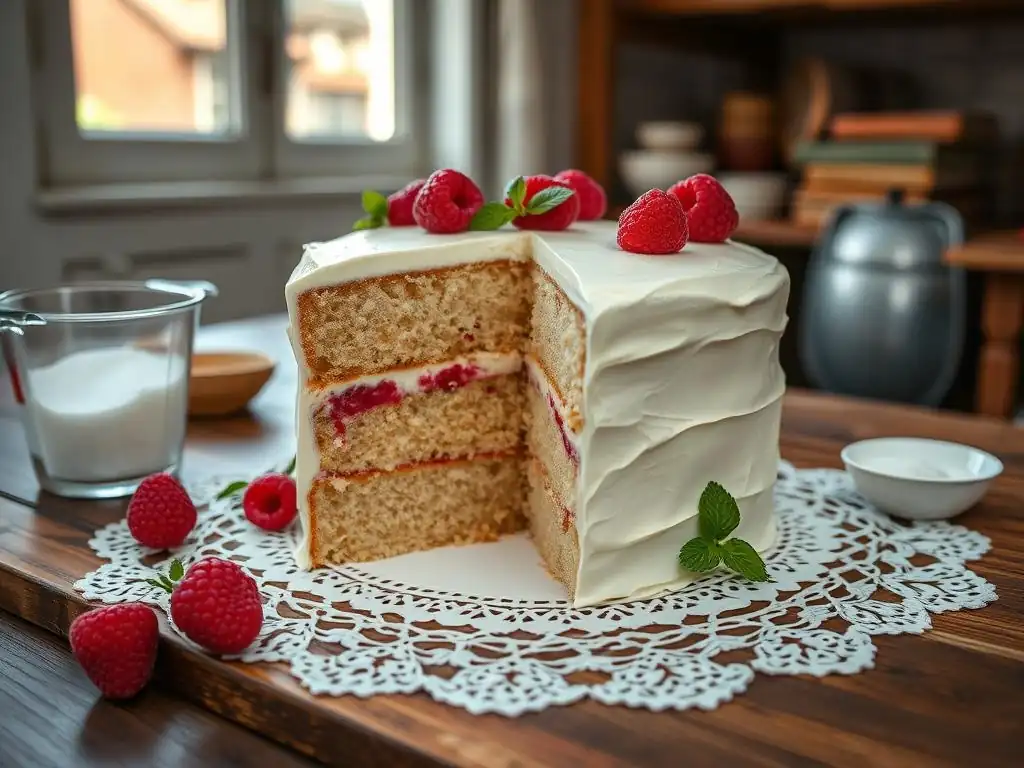
Reducing Sugar in Chocolate Cake
Traditional chocolate cake recipes often call for a significant amount of sugar, which contributes to sweetness, moisture, and that desirable tender crumb. When adapting a classic chocolate cake to be lower in sugar, you can typically reduce the sugar by 25-50% without drastically altering the structure, especially if the recipe already uses moist ingredients like oil or buttermilk. Using high-quality unsweetened cocoa powder is essential, as its natural bitterness requires less sweetness to balance.
Incorporating ingredients like unsweetened applesauce, mashed banana, or even pureed black beans (a surprising but effective trick!) can add moisture and replace some of the sugar and fat. If using a sugar substitute, choose one designed for baking to help maintain structure. Remember that less sugar might result in a slightly less tender crumb and paler color, but the rich chocolate flavor will often become more prominent. This approach helps turn a classic into a healthier cake recipe.
Lowering Sugar in Vanilla Cake
Vanilla cake relies heavily on sugar for its structure, moisture, and delicate texture, making it one of the trickier low sugar cake recipes to adapt. Sugar helps create a fine crumb and keeps the cake soft. Reducing sugar significantly can result in a tougher, drier cake. Start by reducing the sugar gradually, perhaps by no more than 25% initially, to see how the recipe responds.
To compensate for the lost moisture and tenderness, consider adding ingredients like full-fat yogurt, sour cream, or extra egg yolks. Using a sugar substitute that provides bulk, like an erythritol blend, is important. Ensure your vanilla extract is high quality to provide ample flavor even with reduced sweetness. You might find that a slightly denser texture is unavoidable, but focusing on using moist ingredients helps keep it palatable.
Modifying Red Velvet Cake for Less Sugar
Red velvet cake is known for its vibrant color, slight tang from buttermilk and vinegar, and often, a substantial amount of sugar. Adapting this to a lower sugar version involves careful balancing. The acidity from the buttermilk and vinegar reacts with baking soda to provide lift, which is less dependent on sugar. However, sugar still plays a major role in moisture and tenderness.
Reduce the granulated sugar by about 30-40% and consider using a sugar substitute for the remainder. Ensure you use unsweetened cocoa powder; the traditional recipes often use only a small amount, but increasing it slightly can boost flavor without adding sweetness. The red food coloring (or a natural alternative like beet powder) will still provide the signature hue. Pair it with a reduced-sugar cream cheese frosting for the classic combination in a healthier package.
Reduced Sugar Frosting and Filling Ideas
Greek Yogurt Frosting: A Healthy Alternative
Greek yogurt frosting is a wonderfully tangy and lighter alternative to traditional buttercream, perfect for low sugar cake recipes. It's made by combining thick Greek yogurt (full-fat works best for stability) with a small amount of powdered sugar alternative and vanilla extract. The natural tang of the yogurt provides a pleasant contrast to the cake's sweetness.
To make it thicker and more stable for piping, you can strain the Greek yogurt through cheesecloth for a few hours to remove excess whey, or add a small amount of cream cheese (also softened) to the mixture. This frosting is best used immediately or kept chilled, as it is less stable than butter-based frostings, particularly in warm conditions.
Fruit Puree Fillings for Added Sweetness
Using fruit purees as fillings adds natural sweetness, moisture, and vibrant flavor to reduced sugar cakes. Options include raspberry, strawberry, blueberry, or even apricot puree. Simply cook down fresh or frozen fruit with a tiny splash of water until soft, then mash or blend until smooth. You can strain out seeds if desired.
These purees can be used as a simple layer between cake layers. For a thicker filling, you can cook the puree down further to reduce moisture or stir in a small amount of chia seeds or cornstarch slurry while heating to thicken it. These fillings are naturally sweet and pair beautifully with many healthier cake recipes, enhancing the fruit flavors already present in the cake.
Sugar-Free Chocolate Ganache
A sugar-free chocolate ganache provides a rich, decadent topping or filling without the added sugar of traditional versions. It's typically made with sugar-free chocolate chips (sweetened with alternatives like erythritol or stevia) and hot heavy cream. The ratio of chocolate to cream can be adjusted to achieve different consistencies, from a pourable glaze to a thicker frosting.
Heat the heavy cream just until it simmers, then pour it over the sugar-free chocolate chips in a bowl. Let it sit for a few minutes to melt the chocolate, then whisk until smooth and glossy. For a thicker ganache, use a higher ratio of chocolate to cream (e.g., 1:1 or 1.5:1 chocolate to cream by weight). For a thinner glaze, use more cream (e.g., 1:1.5 or 1:2). This adds a touch of luxury to your low sugar cake recipes.
Serving and Storing Your Reduced Sugar Treats
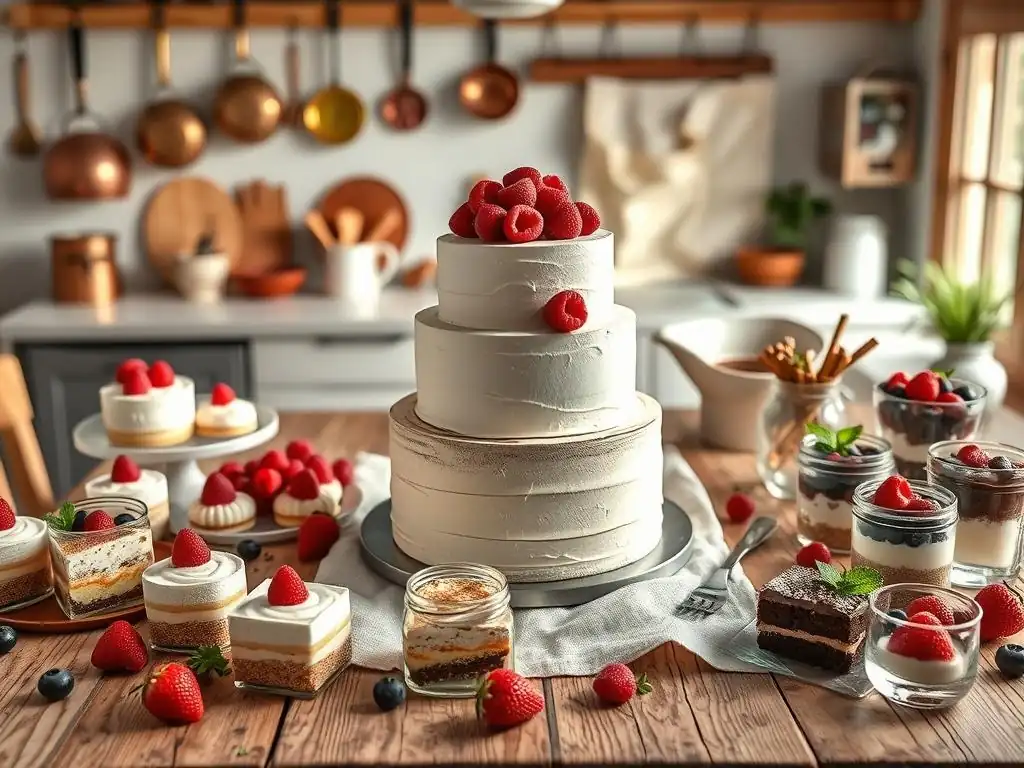
Presentation Ideas for Children's Parties
Making reduced sugar cakes visually appealing is key for a child's party. Use colorful, sugar-free sprinkles, fresh fruit cut into fun shapes, or edible decorations like sugar-free candies or fondant shapes (made with alternative sweeteners if possible). A simple dusting of powdered sugar alternative through a stencil can create a fun design.
Consider using fun cake pans or cookie cutters to create unique shapes if baking smaller treats or cupcakes. Cupcakes are often easier for parties and can be topped with colorful, fruit-based frostings or simple glazes. Presenting the cake or treats on a colorful platter or cake stand, perhaps surrounded by fresh berries, adds to the festive atmosphere.
Proper Storage to Maintain Freshness
Reduced sugar cakes, especially those using fruit purees or alternative sweeteners that attract moisture, may have slightly different storage needs than traditional cakes. Cakes using ingredients like applesauce or zucchini tend to be very moist and should be stored in an airtight container at room temperature for 1-2 days, or in the refrigerator for up to 4-5 days, especially if they have a frosting or filling that requires refrigeration (like yogurt or cream cheese-based ones).
Ensure the cake is completely cooled before storing to prevent condensation, which can make the cake soggy. If refrigerating, it's best to let slices come closer to room temperature before serving to improve texture and flavor. Freezing is also an option for longer storage; wrap the cake tightly in plastic wrap and then in foil for up to 2-3 months. Proper storage helps maintain the deliciousness of your low sugar cake recipes.
Conclusion: Guilt-Free Celebrations with Delicious Reduced Sugar Cakes
- Baking for Health: Inspiring Healthier Baking Habits
- Enjoying Celebrations with Less Sugar
Embracing reduced sugar cake recipes is a wonderful way to enjoy celebrations while making healthier choices. By using natural sweetness from fruits, incorporating moistening ingredients like vegetables or yogurt, and exploring alternative sweeteners, you can create delicious, festive cakes that everyone can enjoy with less guilt. These healthier cake recipes prove that you don't need excessive sugar to have a truly celebratory treat.
Baking low sugar cakes encourages creativity in the kitchen and inspires a greater awareness of the ingredients we use. It's a journey towards developing healthier baking habits that can extend beyond special occasions. With the variety of low sugar cake recipes available and the tips for adapting classics, you're well-equipped to bake delightful treats that contribute to joyous and health-conscious celebrations. Enjoy the process and the delicious results!
Frequently Asked Questions
What makes a cake recipe "low sugar"?
A low sugar cake recipe typically reduces the amount of sugar traditionally used and may incorporate sugar substitutes or naturally sweet ingredients like fruit purees.
Are low sugar cakes less flavorful than regular cakes?
Not necessarily! With the right recipe and ingredients, you can achieve delicious flavor using natural sweeteners, spices, and extracts to compensate for the reduced sugar.
What are some common sugar substitutes used in low sugar cake recipes?
Common substitutes include erythritol, stevia, monk fruit, and even fruit purees like applesauce, which add moisture and sweetness.
Can I use any cake recipe and simply reduce the sugar to make it low sugar?
While you can attempt this, it's not recommended. Reducing sugar drastically can affect the cake's texture and structure. It's better to use a recipe specifically designed for low sugar baking.
Will low sugar cakes still rise properly?
Yes, if the recipe is properly formulated. Some sugar substitutes can impact rising, so look for recipes that incorporate binding agents or adjustments to ensure proper leavening.
Final Reflection: The Sweetness of Moderation
The pursuit of healthier alternatives doesn't mean sacrificing joy; it's about redefining what "celebration" tastes like. This article explored a range of low-sugar cake recipes, proving that deliciousness and mindful indulgence can coexist. We've shown that reducing sugar doesn't necessitate a compromise on flavor, texture, or the overall celebratory experience.
The impact of refined sugar on our health and well-being is undeniable, yet the cultural significance of sweet treats, especially cakes, remains deeply ingrained. These recipes represent a shift in perspective, a conscious choice to prioritize both pleasure and health. The best things in life are worth waiting for, and sometimes, a little less sugar makes the sweetness that much more profound.
This sentiment encapsulates the journey we've undertaken together, exploring how mindful baking can enhance, not diminish, our enjoyment of life's special moments.
Now, consider your own baking habits. Are you ready to experiment with these low-sugar alternatives? Perhaps you'll discover a new favorite recipe, or maybe you'll be inspired to adapt your existing ones. The journey towards healthier choices is a personal one, and this article is merely a starting point. Embrace the challenge, explore the possibilities, and savor the sweetness of moderation—it's a celebration in itself.
Unleash Your Inner Pastry Chef: Delightful Low-Sugar Baking Awaits!
Thanks for joining us on this delicious journey into the world of low-sugar baking! We hope you discovered some inspiring recipes and techniques to create guilt-free treats that still taste amazing. Now it's time to put your newfound knowledge into action.
- Bake your favorite low-sugar treat today! Choose one recipe from the article and get baking. Let the sweet aroma fill your kitchen!
- Share your baking triumphs (or challenges!) with us on social media. Use #BakeWithEaseLowSugar and tag us – we'd love to see your creations!
- Explore more low-sugar recipes on BakeWithEase.com. Discover even more delicious possibilities beyond what we've covered here!
Ready to transform your baking and enjoy sweet treats without the sugar rush? What low-sugar recipe are you most excited to try first?