
Baking Vanilla Cakes at High Altitude: Tips for Success

Welcome to BakeWithEase!
Ever wondered how to achieve that perfect, light and airy vanilla cake when baking at high altitude? You're in the right place! Unlock the secrets to a delicious high altitude vanilla cake with our expert tips and tricks. Discover the simple adjustments that will transform your baking, ensuring a moist and flavorful cake every time. Let's get baking!
- Baking Cakes at High Altitude: A Guide to Success
- The Challenge of High Altitude Baking
- Recipe Adjustments for High Altitude Baking: A Comprehensive Guide
- Essential Ingredients for High Altitude Cake Baking
- Mastering the High Altitude Baking Process
- Troubleshooting Common High Altitude Cake Problems
- High Altitude Vanilla Cake Recipe: A Tested and Proven Method
- Variations on High Altitude Cake: Exploring Flavors and Textures
- High Altitude Cake Frosting and Decoration
-
Frequently Asked Questions
- What are the main challenges when baking vanilla cake at high altitude?
- What ingredient adjustments are typically needed for a high altitude vanilla cake recipe?
- Why is it important to adjust oven temperature when baking at high altitude?
- Can I use my regular vanilla cake recipe at high altitude, or do I need a specific high altitude recipe?
- What are some signs that my high altitude vanilla cake needs further adjustment?
- Final Reflection: The Sweet Science of High-Altitude Baking
- Unlock Your High-Altitude Baking Secrets!
Baking Cakes at High Altitude: A Guide to Success
Baking a delicious cake, especially a classic vanilla cake, can feel like magic. But when you're baking at higher elevations, that magic can sometimes turn into a frustrating science experiment gone wrong. The good news is that with a little understanding and a few simple adjustments, you can consistently bake moist, perfectly risen cakes, including that perfect high altitude vanilla cake recipe, no matter how high up you are.
The Challenge of High Altitude Baking
Baking at sea level is the standard for most recipes. As you ascend, the environment changes in ways that significantly impact how baked goods behave. Understanding these changes is the first step to mastering high altitude baking.
Understanding Atmospheric Pressure and its Impact on Baking
At higher altitudes, the atmospheric pressure is lower than at sea level. This reduced pressure has a direct effect on the gases within your cake batter. Leavening agents, like baking powder and baking soda, produce carbon dioxide gas. In a high-altitude environment, there's less pressure pushing down on the batter, allowing these gases to expand more rapidly and to a greater volume than they would at sea level.
Consider baking a high altitude vanilla cake recipe at 5,000 feet. The atmospheric pressure is roughly 2.5 psi lower than at sea level. This lower pressure means the air trapped in your batter and the gases from leavening agents face less resistance as they expand during baking. While initial rapid expansion might seem good, it can cause the cake structure to stretch too quickly before it has set, leading to a coarse crumb, tunnels, or even collapse.
Additionally, water and other liquids evaporate faster at lower pressures because their boiling point is reduced. At 5,000 feet, water boils around 203°F (95°C), compared to 212°F (100°C) at sea level. This increased evaporation can result in a dry cake if not accounted for.
The Science Behind Altitude Adjustments
Adjusting a standard high altitude vanilla cake recipe involves counteracting the effects of lower atmospheric pressure and increased evaporation. It's a delicate balance of managing gas expansion, ensuring sufficient moisture, and building a strong enough structure to support the rise.
The primary scientific principles at play involve the gas laws (specifically, how gas volume changes with pressure and temperature) and the physical chemistry of baking ingredients. Reducing leavening agents slows down gas production, preventing the batter from over-expanding before the cake structure sets. Adding extra liquid compensates for the increased evaporation, keeping the cake moist.
Increasing structural elements like flour or eggs provides more protein and starch to create a stronger framework that can better withstand the rapid expansion of gases and prevent collapse. These adjustments work together to create a stable environment within the oven for your vanilla cake to bake evenly and set properly at high altitude.
Recipe Adjustments for High Altitude Baking: A Comprehensive Guide
Adapting your favorite high altitude vanilla cake recipe requires careful consideration of several key components. These adjustments are not one-size-fits-all and may require slight tweaking based on your specific altitude and oven.
Reducing Leavening Agents: Baking Powder and Baking Soda
The most common issue at high altitude is excessive leavening, leading to rapid, uncontrolled rise and potential collapse. To combat this in a high altitude vanilla cake recipe, you'll need to reduce the amount of chemical leaveners (baking powder and baking soda).
A general guideline for baking powder is to reduce it by 1/4 teaspoon for every teaspoon called for in the original recipe when baking between 3,000 and 5,000 feet. Above 5,000 feet, you might need to reduce it by 1/3 or even 1/2 teaspoon per teaspoon. For baking soda, which is often used in conjunction with an acidic ingredient, a similar reduction is usually necessary, often proportional to the baking powder reduction.
For example, if a standard vanilla cake recipe calls for 2 teaspoons of baking powder and 1/2 teaspoon of baking soda, at 5,000 feet you might start by reducing the baking powder to 1.5 teaspoons and the baking soda to about 1/3 teaspoon. This slower, more controlled rise allows the cake's structure more time to set before it reaches its full height, resulting in a stable, evenly textured cake.
Increasing Liquid: Hydrating Your Batter
Due to the lower boiling point of water at high altitude, liquids in your batter evaporate more quickly during baking. This can result in a dry, crumbly cake. To counteract this, you need to add extra liquid to your high altitude vanilla cake recipe.
The amount of extra liquid needed varies with altitude. A common starting point is to add 1 to 2 tablespoons of liquid (usually milk, water, or buttermilk, depending on the recipe) for every cup of flour in the recipe when baking above 3,500 feet. For instance, if your vanilla cake recipe uses 2 cups of flour, you might add an extra 2 to 4 tablespoons of liquid.
At even higher altitudes, like 7,000 feet or more, you might need to increase the liquid by 3 or 4 tablespoons per cup of flour. This added moisture helps to keep the cake tender and prevents it from drying out during the extended baking time that is sometimes necessary at altitude.
Strengthening the Structure: Adding Gluten or Protein
With the increased expansion of gases and faster evaporation, the structure of a cake batter is under more stress at high altitude. A weak structure can lead to a sunken center or a coarse, crumbly texture. Strengthening the batter helps it withstand these forces.
One way to strengthen the cake is by adding a small amount of extra flour, which provides more gluten protein. Adding 1 to 2 tablespoons of all-purpose flour per cup of flour in the original recipe is a common adjustment starting around 4,000 feet. For a high altitude vanilla cake recipe, this extra flour helps build a sturdier network to support the rising batter.
Another effective method is to add an extra egg or egg yolk. Eggs contribute protein (albumin in the white, protein and fat in the yolk) which helps create a more stable structure as the cake bakes. Increasing the egg content is often preferred in recipes where adding more flour might make the cake too dense.
Adjusting Oven Temperature: Preventing Dryness
While not always necessary, some bakers find that increasing the oven temperature slightly can help set the cake's structure more quickly before the leavening gases over-expand and liquids evaporate excessively.
A typical adjustment is to increase the oven temperature by 15-25°F (approximately 8-14°C) compared to the sea-level recipe, particularly for altitudes above 3,500 feet. For instance, if a standard high altitude vanilla cake recipe calls for baking at 350°F (175°C), you might try baking it at 365°F or 375°F (185°C or 190°C). This hotter temperature helps the cake form a crust and set faster, locking in moisture and providing more support. However, be cautious, as too high a temperature can cause the outside to burn before the inside is cooked. Always monitor your cake closely.
Essential Ingredients for High Altitude Cake Baking
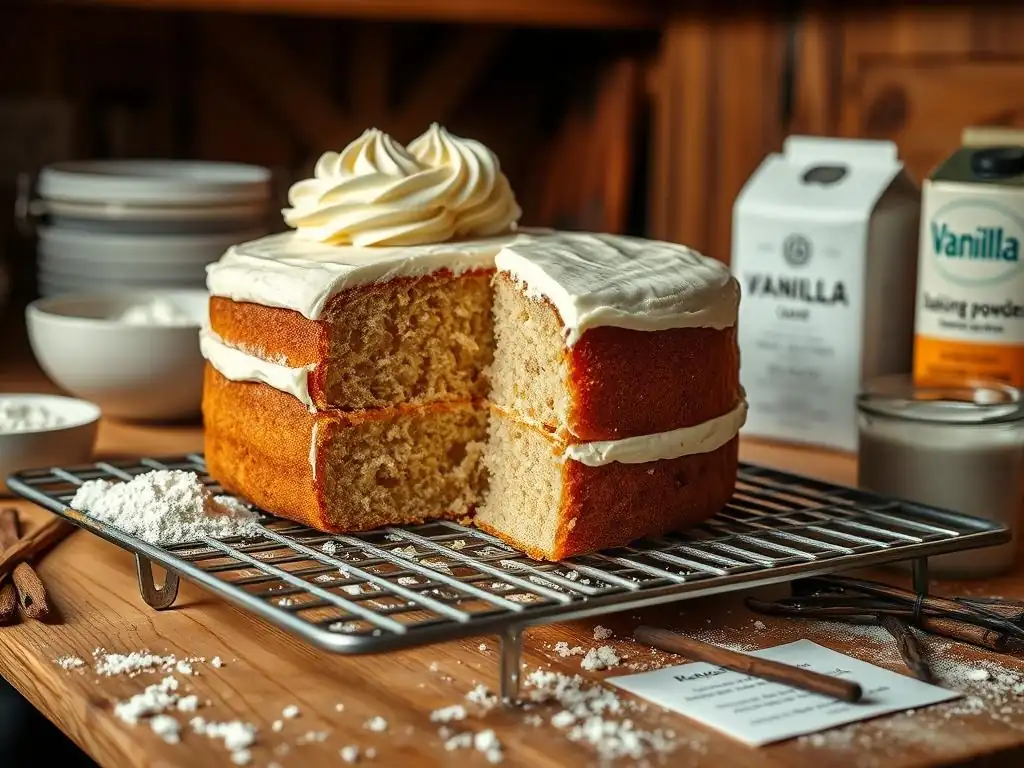
The quality and type of ingredients you use can also play a role in the success of your high altitude vanilla cake recipe. Selecting the right components can provide a better foundation for making necessary adjustments.
Choosing the Right Flour: Protein Content and Its Role
Flour provides the structural framework for your cake through its protein content, specifically gluten. Different types of flour have varying protein levels, which affects how strong and elastic the batter becomes when mixed.
For most cakes, including a high altitude vanilla cake recipe, all-purpose flour with a protein content of around 10-12% is standard. However, some high-altitude bakers find that using a flour with a slightly higher protein content, or even adding a small amount of vital wheat gluten (be cautious, too much can make it tough), can help build a stronger structure.
Conversely, cake flour, with its lower protein content (around 7-9%), results in a very tender cake but might not provide enough structure on its own at higher altitudes without other adjustments. If using cake flour in a high altitude vanilla cake recipe, you will definitely need to rely more heavily on other structural adjustments like adding extra eggs or slightly increasing the amount of cake flour itself.
Fat Content: Butter vs. Oil
Fats, like butter and oil, contribute to tenderness, moisture, and flavor in cakes. Their behavior during baking can also be subtly affected by altitude, though the impact is less direct than that of leavening or liquid.
Butter, being a solid fat at room temperature, contributes structure and flavor through the Maillard reaction during baking. Oil, being liquid, tends to create a more moist and tender crumb. In a high altitude vanilla cake recipe, ensuring sufficient fat content is important for maintaining moisture, especially given the increased evaporation.
Some high-altitude recipes might slightly increase the fat content, although this adjustment is less common than modifying leavening or liquid. The choice between butter and oil often comes down to desired flavor and texture profile, but both can work well at high altitude when other adjustments are made correctly.
Sugar's Impact: Balancing Sweetness and Moisture
Sugar does more than just sweeten your cake; it also affects tenderness, moisture retention, and browning. At high altitude, where liquids evaporate faster, sugar's ability to hold onto moisture becomes particularly valuable.
Sugar is a humectant, meaning it attracts and retains moisture. In a high altitude vanilla cake recipe, maintaining adequate sugar levels helps keep the cake from becoming dry. However, reducing leavening agents can sometimes lead to a cake that tastes too sweet if the sugar amount isn't also slightly adjusted.
Some high-altitude bakers find that reducing the sugar by a tablespoon or two per cup of sugar in the recipe helps balance the flavor profile after other adjustments are made. This also slightly reduces the weight of the batter, which can help prevent collapse. It's a balance between ensuring moisture and managing sweetness.
Mastering the High Altitude Baking Process
Beyond ingredient adjustments, the techniques you use during mixing, preparing your pan, and monitoring baking time are equally important for a successful high altitude vanilla cake.
Mixing Techniques: Achieving the Right Consistency
How you mix your batter can significantly impact the final texture and structure of your high altitude vanilla cake. Overmixing can develop too much gluten, resulting in a tough cake, while undermixing can lead to an uneven crumb.
For most vanilla cake recipes, the creaming method (beating butter and sugar until light and fluffy) is common. At high altitude, it's crucial not to over-aerate the batter during this step, as excessive air bubbles will expand too much in the oven. Beat just until the mixture is lightened and combined, not for extended periods. When adding dry and wet ingredients, mix only until just combined.
A few streaks of flour are acceptable; they will incorporate during the final seconds of mixing. Overmixing after adding flour develops gluten unnecessarily, which, combined with the structural stresses of high altitude, can lead to a less tender cake. Aim for a smooth, well-combined batter without excessive beating.
Pan Preparation: Preventing Sticking and Ensuring Even Baking
Proper pan preparation is essential at any altitude, but perhaps even more so at high altitude where cakes are prone to sticking and drying. A well-prepared pan ensures your high altitude vanilla cake releases cleanly and bakes evenly.
Always grease your cake pan thoroughly. Use butter, shortening, or a non-stick baking spray. For extra insurance against sticking, especially with a delicate high altitude vanilla cake recipe, line the bottom of the pan with parchment paper after greasing.
Then, lightly flour the greased sides of the pan, tapping out any excess flour. This creates a barrier that prevents the cake from adhering to the pan edges as it rises and cools. Some bakers at very high altitudes also recommend using baking strips (wet fabric strips wrapped around the outside of the pan) to help the cake bake more evenly and prevent the edges from setting too quickly and forming a dome.
Baking Time: Monitoring for Doneness
Despite the potential for faster initial rise and evaporation, the overall baking time for a high altitude vanilla cake recipe may not be significantly shorter than at sea level, and can sometimes even be slightly longer depending on the adjustments made. Relying solely on the time specified in a sea-level recipe is risky.
Instead, monitor your cake closely for visual and tactile cues of doneness. The edges of the cake should pull slightly away from the pan. The top should be golden brown and spring back lightly when gently pressed.
The most reliable test is inserting a wooden skewer or toothpick into the center of the cake; it should come out clean with no wet batter attached (a few moist crumbs are fine). Start checking for doneness a few minutes before the original recipe's minimum baking time. Baking too long will result in a dry cake, a common issue at high altitude due to increased evaporation.
Troubleshooting Common High Altitude Cake Problems
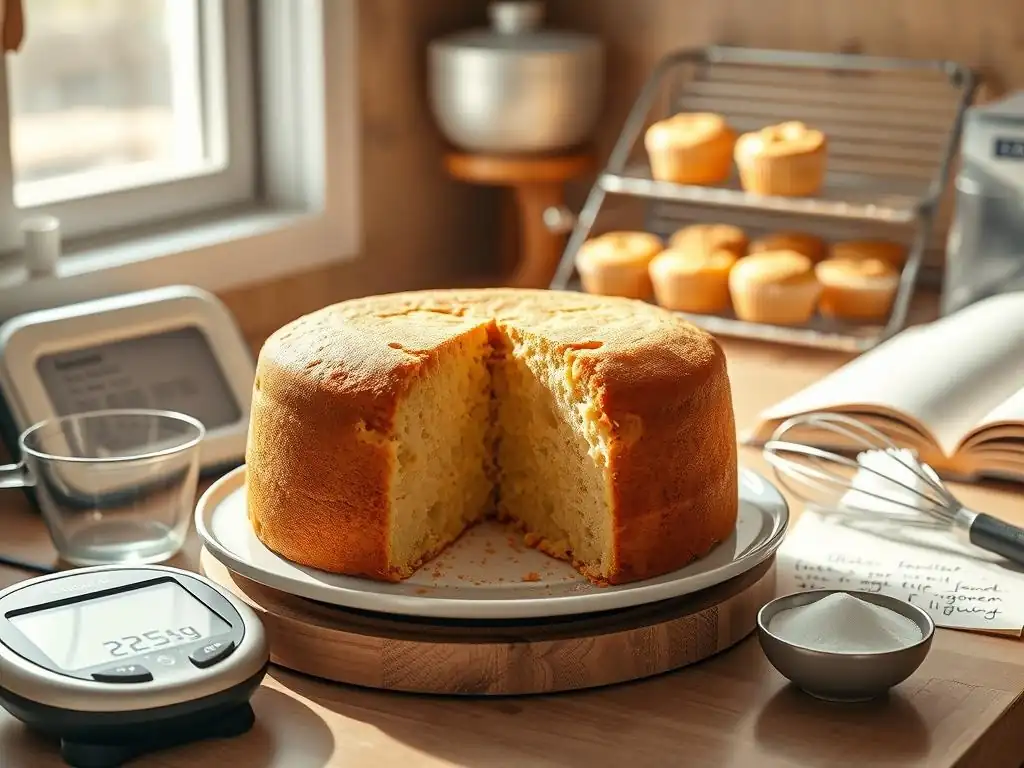
Even with careful adjustments, baking at high altitude can sometimes present challenges. Knowing how to identify and fix common issues will save you frustration and help you perfect your high altitude vanilla cake recipe.
Cake Collapse: Causes and Prevention
Cake collapse is one of the most disheartening problems in high altitude baking. It typically occurs when the cake rises too quickly due to excessive leavening or insufficient structure, and the fragile cell walls break before they set, causing the cake to sink, often in the center.
The primary cause is usually too much leavening agent (baking powder or baking soda) for the lower atmospheric pressure. To prevent this in your high altitude vanilla cake recipe, ensure you have reduced the leavening agents adequately based on your altitude. Another factor can be a weak structure, addressed by adding a bit more flour or an extra egg/yolk.
Additionally, opening the oven door too early can cause a sudden drop in temperature and pressure, leading to collapse, so avoid checking the cake until it's close to the expected doneness time. If your cake consistently collapses, try slightly increasing the oven temperature to help the structure set faster.
Dry Cake: Hydration Solutions
A dry, crumbly cake is another frequent complaint from high altitude bakers. This is primarily due to the increased rate of liquid evaporation during baking at lower atmospheric pressure.
The most direct solution is to increase the liquid content in your high altitude vanilla cake recipe, as discussed earlier (adding 1-4 tablespoons per cup of flour, depending on altitude). Using ingredients that add moisture, such as buttermilk (which is also acidic and reacts with baking soda), sour cream, or yogurt, can also help. Ensuring adequate fat content (butter or oil) contributes to moisture retention.
Additionally, baking at a slightly higher temperature for a shorter time can help set the crust and interior quickly, trapping moisture inside. Avoid over-baking, which is a surefire way to end up with a dry cake.
Uneven Texture: Achieving a Smooth Crumb
Sometimes a high altitude cake might have a coarse texture, large tunnels, or an uneven crumb rather than a fine, even one. This relates to how the gases expand and how the structure forms.
Large tunnels are often a sign of over-mixing the batter after adding flour, which develops too much gluten, or using too much leavening which causes gases to push through the batter violently. To achieve a smoother crumb in your high altitude vanilla cake recipe, ensure you are mixing gently and only until ingredients are just combined. Reduce leavening agents appropriately. If the cake is coarse but doesn't have tunnels, it might still be due to over-aeration during the creaming stage or slightly too much leavening causing overly rapid expansion. Adjusting mixing technique and leavening amounts are key here.
Sunken Center: Addressing Leavening Issues
A sunken center is a classic sign that the cake's structure wasn't strong enough to support the rise, often linked back to leavening or insufficient structural ingredients.
This issue is very similar to overall cake collapse and is usually caused by having too much leavening for your altitude. The center, being the last part to set, sinks as the over-expanded gases escape or the weak structure gives way. Reducing baking powder and/or baking soda is the primary fix. Ensuring you have enough structural support (flour, eggs) is also important. Make sure your oven temperature is accurate and that you are not opening the oven door too early, as temperature fluctuations can weaken the setting structure in the center of your high altitude vanilla cake.
High Altitude Vanilla Cake Recipe: A Tested and Proven Method
Here is a foundational high altitude vanilla cake recipe, adapted for altitudes between 5,000 and 7,000 feet. Remember that slight adjustments may still be needed based on your specific location and oven. This recipe focuses on the classic flavor profile with adjustments for elevation.
Ingredients List
- 1 ½ cups (180g) All-Purpose Flour (measured correctly by spooning into cup and leveling)
- 1 ¼ teaspoons Baking Powder (reduced from standard)
- ¼ teaspoon Salt
- ½ cup (1 stick, 113g) Unsalted Butter, softened
- 1 ¼ cups (250g) Granulated Sugar
- 2 Large Eggs + 1 Egg Yolk, at room temperature (extra yolk for structure)
- 1 teaspoon Pure Vanilla Extract
- ¾ cup (180ml) Whole Milk + 2 tablespoons extra milk, at room temperature (increased liquid)
Step-by-Step Instructions
- Preheat oven to 365°F (185°C). Grease and flour a 9-inch round cake pan or line a muffin tin with liners.
- In a medium bowl, whisk together the flour, baking powder, and salt. Set aside.
- In a large bowl, cream the softened butter and sugar together using an electric mixer on medium speed until light and fluffy, about 3-4 minutes. Do not over-cream.
- Add the eggs and egg yolk one at a time, beating well after each addition. Scrape down the sides of the bowl as needed. Beat in the vanilla extract.
- In a small bowl, whisk together the milk and the extra 2 tablespoons of milk.
- With the mixer on low speed, gradually add the dry ingredients to the wet ingredients in three additions, alternating with the milk mixture in two additions, beginning and ending with the dry ingredients. Mix just until combined; do not overmix.
- Pour the batter evenly into the prepared pan.
- Bake for 30-35 minutes for a 9-inch pan, or 18-22 minutes for cupcakes, or until a wooden skewer inserted into the center comes out clean.
- Let the cake cool in the pan for 10-15 minutes before inverting it onto a wire rack to cool completely.
Baking Tips for Optimal Results
- Use room temperature ingredients; they emulsify better, leading to a smoother batter.
- Measure your flour accurately. Too much or too little flour will significantly impact the structure of your high altitude vanilla cake.
- Avoid opening the oven door during the first 20-25 minutes of baking to prevent collapse.
- Oven temperatures can vary; consider using an oven thermometer to ensure accuracy.
- Altitude effects can vary even within the same general elevation range; keep notes on your results and adjust ingredients slightly for future baking. For instance, if your cake still sinks slightly, try reducing the baking powder by another 1/8 teaspoon next time you bake this high altitude vanilla cake recipe. If it's dry, add another tablespoon of milk.
Variations on High Altitude Cake: Exploring Flavors and Textures
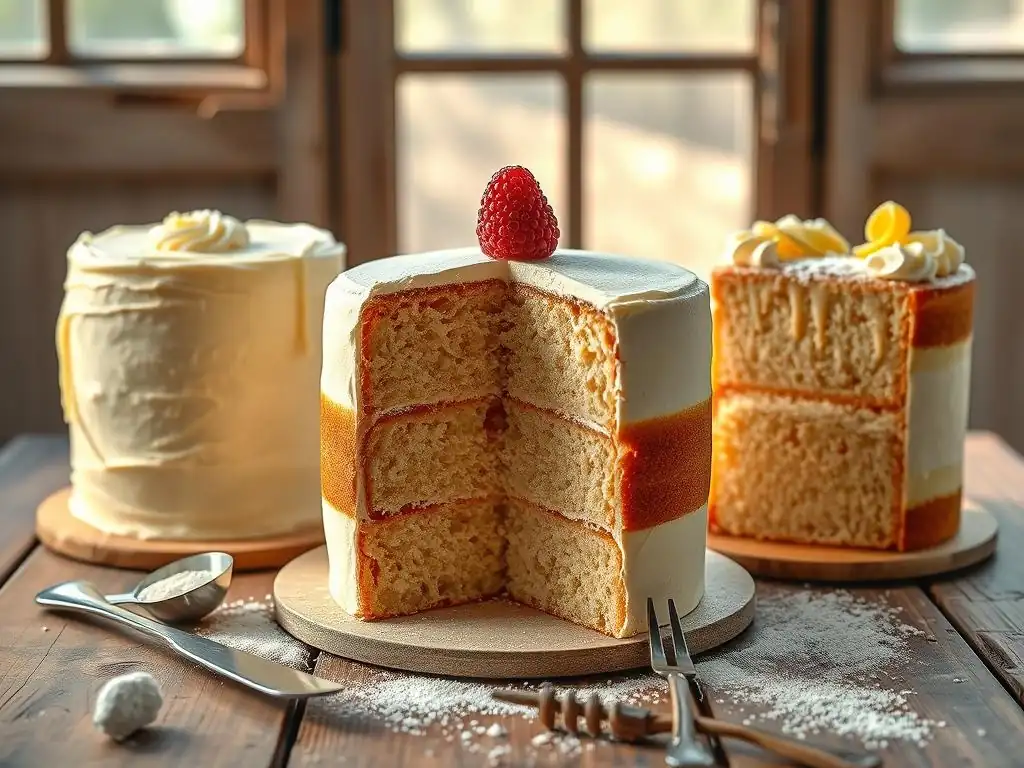
Once you've mastered a basic high altitude vanilla cake recipe, you can explore adding different flavors and textures to create exciting variations while still applying your high altitude baking knowledge.
Adding Coffee or Espresso: Enhancing Vanilla Flavor
While coffee is often associated with chocolate cake, a small amount of instant espresso powder or strongly brewed coffee can actually deepen and enhance the flavor profile of a vanilla cake, adding complexity without making it taste like coffee.
For a subtle hint, dissolve 1-2 teaspoons of instant espresso powder in the liquid portion of your high altitude vanilla cake recipe. Alternatively, replace 2-4 tablespoons of the milk with strongly brewed coffee (cooled). This slight addition brings out the richness of the vanilla and sugar, creating a more nuanced flavor that's surprisingly delightful. The added liquid from the coffee will need to be accounted for in your overall liquid adjustment for high altitude.
Incorporating Nuts or Chocolate Chips: Adding Texture
Adding mix-ins like chopped nuts or chocolate chips can provide a delightful textural contrast to the soft crumb of a high altitude vanilla cake. These additions should be folded in gently at the end of mixing.
For nuts, finely chop pecans, walnuts, or almonds. A common ratio is ½ to ¾ cup of chopped nuts for a standard 9-inch cake. For chocolate chips, use ½ to 1 cup of chips. Toss the nuts or chips with a tablespoon or two of the dry flour mixture before folding them into the batter; this helps prevent them from sinking to the bottom during baking. When incorporating mix-ins into a high altitude vanilla cake recipe, ensure you fold them in carefully without overmixing the batter.
Creating a Swirl Cake Effect: Combining Different Flavors
A swirl cake is visually appealing and allows you to combine two flavors within a single cake. You can create a vanilla and chocolate swirl, or perhaps vanilla and a fruit-based swirl (like raspberry or strawberry puree thickened slightly).
To make a swirl high altitude vanilla cake, prepare the vanilla batter as usual. Then, take about 1/3 to 1/2 of the batter and mix in a contrasting flavor element, such as melted chocolate, cocoa powder mixed with a bit of hot liquid, or a thickened fruit puree. Alternate dollops of the vanilla batter and the flavored batter in your prepared pan. Then, gently swirl the two batters together using a knife or skewer, being careful not to overmix into a solid color. Bake according to the high altitude vanilla cake recipe instructions.
High Altitude Cake Frosting and Decoration
While altitude primarily affects the baking process, it can also subtly influence frosting consistency. Decorating a cake baked at high altitude requires a stable base and potentially adjusted frosting recipes.
Choosing the Right Frosting: Buttercream, Ganache, and More
The type of frosting you choose can complement the flavor and texture of your high altitude vanilla cake. Common choices include buttercream (American, Swiss, Italian, French), cream cheese frosting, or ganache.
American buttercream, made from butter, powdered sugar, and liquid, is popular for its simplicity but can be very sweet. Swiss, Italian, and French buttercreams involve making a meringue or custard base and are generally lighter and less sweet. Cream cheese frosting offers a tangy contrast, perfect for vanilla cakes. Ganache, a simple mixture of chocolate and cream, provides a rich, decadent topping. Any of these can work well on a high altitude vanilla cake, but consider the stability needed if you plan elaborate decorations.
Adjusting Frosting Recipes for High Altitude
While frosting is less sensitive to altitude than cake batter, you might notice some slight differences, particularly with buttercreams. The main issue can be consistency due to differences in air pressure and humidity.
American buttercream might feel slightly softer at high altitude due to lower air pressure affecting volume, or if your environment is less humid, the powdered sugar might seem drier. If your buttercream is too soft, add a little more powdered sugar (a tablespoon at a time) or chill it briefly. If it's too stiff, add a tiny amount of milk or cream.
For meringue-based buttercreams (Swiss, Italian), ensure your meringue is whipped to firm, stable peaks. The lower boiling point of sugar syrups at altitude should be factored in if you are making Italian or French buttercream; the syrup temperature might need to be slightly lower than a sea-level recipe specifies to achieve the correct consistency.
Decorating Tips for a Stunning Cake
Decorating a high altitude vanilla cake is the final touch. Ensure your cake is completely cooled before frosting to prevent the frosting from melting. Apply a thin crumb coat first to trap any loose crumbs, then chill the cake before applying the final layer of frosting.
When piping or creating intricate designs, especially with buttercream, work efficiently as the frosting can soften from the heat of your hands or the room temperature. If the frosting becomes too soft, pop it back in the fridge for a few minutes. For a smooth finish, use a warm offset spatula or bench scraper.
Remember that a cake baked at high altitude might have a slightly different dome or structure than a sea-level cake, so be prepared to level layers if stacking. With practice and patience, you can create a beautiful and delicious high altitude vanilla cake that looks as good as it tastes.
Frequently Asked Questions
What are the main challenges when baking vanilla cake at high altitude?
The primary challenges are lower air pressure causing cakes to rise too quickly and collapse, and faster evaporation leading to dryness. You'll need to adjust your recipe accordingly.
What ingredient adjustments are typically needed for a high altitude vanilla cake recipe?
Common adjustments include reducing the amount of baking powder and sugar, and increasing the liquid in the recipe to compensate for faster evaporation. Flour may also need to be increased slightly.
Why is it important to adjust oven temperature when baking at high altitude?
A higher oven temperature can cause the cake to bake too quickly on the outside while remaining undercooked inside. Lowering the temperature allows for more even baking.
Can I use my regular vanilla cake recipe at high altitude, or do I need a specific high altitude recipe?
While you can adapt your regular recipe, a specifically designed high-altitude recipe will generally yield better and more consistent results. It takes the guesswork out of adjustments.
What are some signs that my high altitude vanilla cake needs further adjustment?
If your cake is doming excessively, collapsing in the center, or is dry and crumbly, it likely needs further adjustments to the leavening, sugar, or liquid content. These are telltale signs.
Final Reflection: The Sweet Science of High-Altitude Baking
Baking a perfect vanilla cake at high altitude isn't just about following a recipe; it's about understanding the science behind the batter. The subtle shifts in air pressure and boiling point drastically alter baking dynamics, demanding adjustments that go beyond simply adding more flour. Mastering these adjustments unlocks a world of delicious possibilities, proving that even the most challenging baking environments can yield extraordinary results.
The journey of perfecting a high-altitude vanilla cake has been a personal one, filled with both triumphs and flour-dusted failures. It's a testament to the enduring power of culinary experimentation and the satisfaction of overcoming a seemingly insurmountable challenge. The pursuit of the perfect texture, the ideal rise, the delicate balance of flavors – these are all elements that resonate far beyond the kitchen. The best things in life are worth fighting for,
and a flawlessly baked vanilla cake at high altitude is certainly one of them.
Now, it's your turn. Take the knowledge gained from this article and apply it to your own baking adventures. Don't be afraid to experiment, to adjust, to embrace the challenges that high-altitude baking presents. The reward? A cake so light, so fluffy, so undeniably delicious, that it will redefine your expectations and inspire you to conquer even greater culinary heights. The perfect high-altitude vanilla cake awaits – go bake it!
Unlock Your High-Altitude Baking Secrets!
Thanks for joining us on this baking adventure! We hope you now feel confident tackling those tricky high-altitude vanilla cakes. Ready to put your newfound knowledge to the test?
- Bake your perfect high-altitude vanilla cake today! Experiment with the tips we shared and see the amazing results. Don't forget to adjust those baking times!
- Share your baking triumphs (and challenges!) with our community on social media using #BakeWithEaseHighAltitude. Let's inspire each other!
- Try a variation – experiment with different extracts or frostings to create your signature high-altitude cake.
What unique flavor combination will you create for your next high-altitude masterpiece?