
Easy Vanilla Bean Paste Substitutes for Cakes

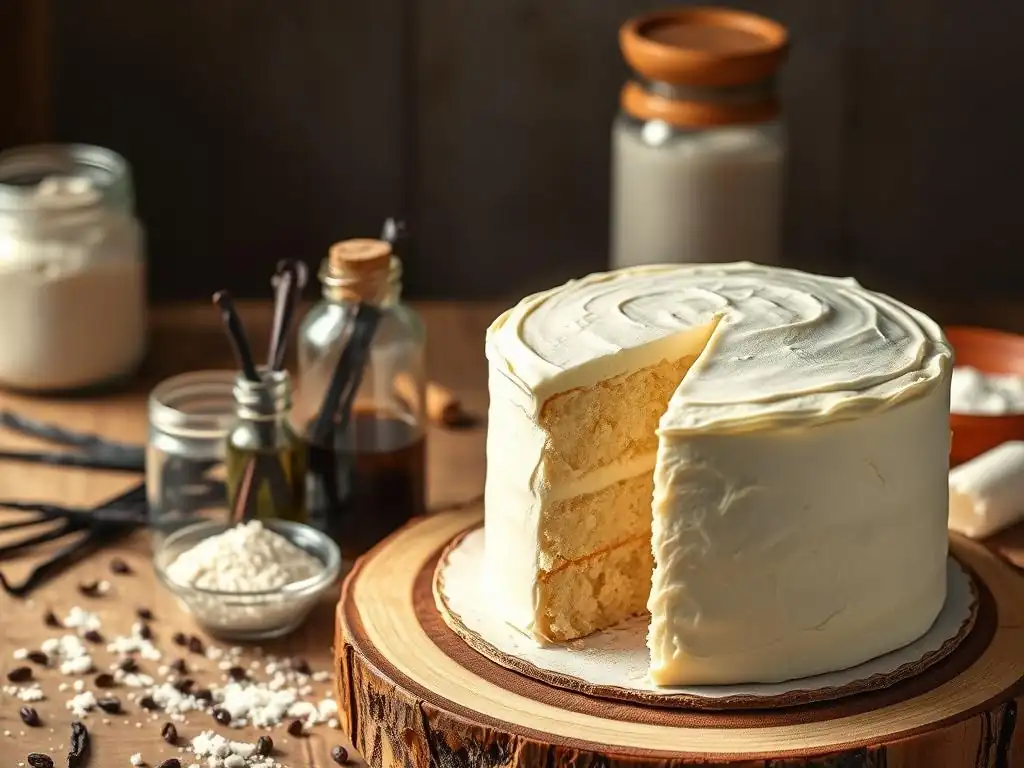
Welcome to BakeWithEase, your trusted guide to effortless baking! Ever run out of vanilla bean paste while in the middle of creating the perfect cake? Don't panic! This article dives into a world of delicious and readily available vanilla bean paste alternatives for cakes, ensuring your baking creations never suffer a flavor setback. Discover the secrets to achieving that rich vanilla taste without the premium ingredient and keep that baking momentum going!
- Understanding Vanilla Bean Paste and Its Role in Cakes
- Vanilla Bean Paste Alternatives for Cakes: Your Best Options
- Choosing the Right Vanilla Bean Paste Alternative for Your Cake
- Tips for Successfully Using Vanilla Bean Paste Substitutes in Cake Recipes
- Conclusion: Baking Delicious Cakes Without Vanilla Bean Paste
-
Frequently Asked Questions
- What exactly is vanilla bean paste and why is it used in cakes?
- Why might someone look for vanilla bean paste alternatives for cakes?
- What are some readily available and affordable vanilla bean paste alternatives for cakes?
- How does the flavor of vanilla extract compare to vanilla bean paste in cakes?
- Can I use other flavor extracts alongside vanilla alternatives to enhance my cake?
- Final Reflection: The Sweet Symphony of Flavor Alternatives
- Unlock Even More Delicious Cakes!
Understanding Vanilla Bean Paste and Its Role in Cakes
What is Vanilla Bean Paste?
Vanilla bean paste is a concentrated form of vanilla flavor made from vanilla bean extract and finely ground vanilla bean seeds. It typically has a thick, syrupy consistency and contains the tiny black specks characteristic of vanilla beans. The paste offers a more intense and complex vanilla flavor compared to standard vanilla extract, while also providing the visual appeal of the bean seeds speckled throughout the batter or frosting. It's a popular choice for bakers seeking a strong, authentic vanilla presence in their creations, especially delicate items like custards, panna cotta, and, of course, cakes.
This paste is often made from high-quality vanilla beans, such as Madagascar Bourbon or Tahitian varieties, which are known for their distinct flavor profiles. The extraction process captures the full spectrum of volatile compounds responsible for vanilla's aroma and taste. Combining this potent extract with the seeds ensures that both the soluble flavor compounds and the visual appeal of the seeds are present, making it a versatile ingredient for both flavor and aesthetics in many baking applications. Its viscosity also makes it easier to measure and incorporate into batters compared to scraping individual beans.
Why Vanilla Bean Paste Matters for Flavor and Texture in Cake Baking
Vanilla bean paste contributes significantly to both the flavor and aroma of cakes. The presence of vanilla seeds provides a visual cue of quality and authenticity, suggesting a richer, more natural vanilla taste. Flavor-wise, the paste delivers a deeper, more nuanced profile than many extracts, often described as creamy, sweet, and slightly floral, depending on the bean origin. This richness is particularly noticeable in recipes where vanilla is a primary flavor, such as classic vanilla sponge cakes or butter cakes, where it complements the other ingredients without being overpowered.
Furthermore, while its impact on texture is less direct than ingredients like flour or fat, the small amount of liquid and sugar (if present in the paste formulation) can have a subtle effect. More importantly, the perception of flavor richness contributed by the paste can influence how we experience the cake's overall texture and moisture.
A cake with a pronounced, high-quality vanilla flavor can feel more luxurious and satisfying. When seeking vanilla bean paste alternatives for cakes, bakers often aim to replicate this specific depth of flavor and the visual appeal of the seeds to maintain the intended quality of the original recipe.
Vanilla Bean Paste Alternatives for Cakes: Your Best Options
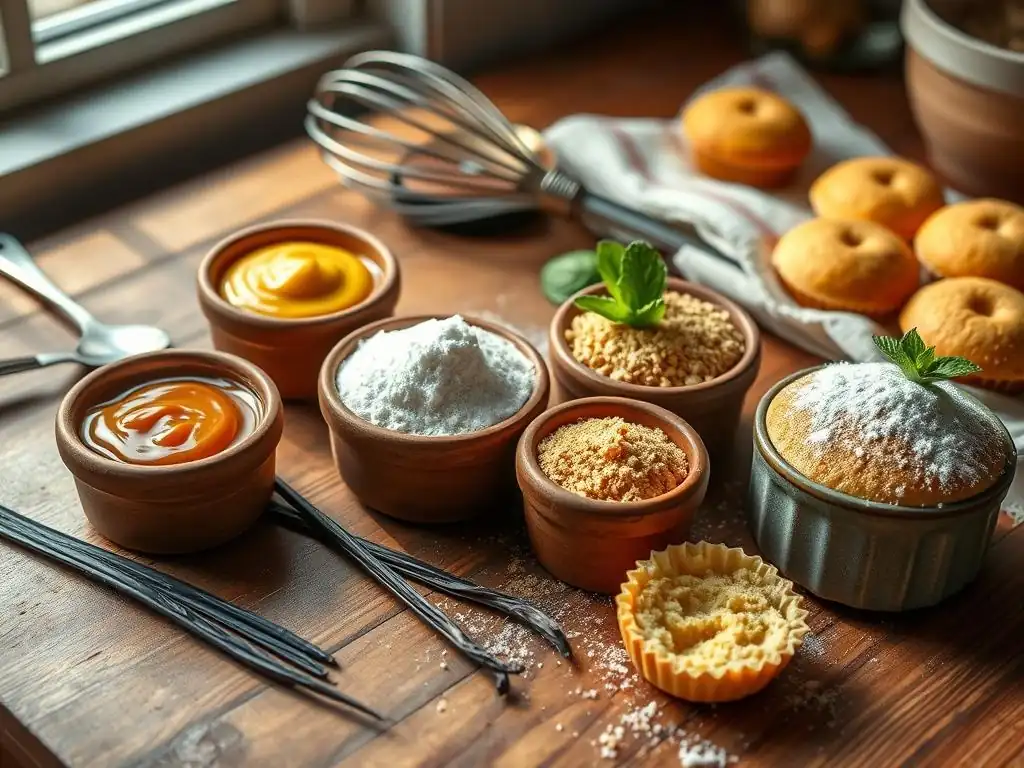
Vanilla Extract: A Classic and Reliable Substitute for Vanilla Bean Paste
Vanilla extract is perhaps the most common and readily available vanilla product, made by macerating vanilla beans in alcohol and water. It provides a pure vanilla flavor and is a staple in virtually all baking kitchens. While it lacks the visual seeds of the paste and often has a less complex flavor profile, high-quality pure vanilla extract can be an excellent and reliable vanilla substitute for cake recipes. It integrates smoothly into batters and liquids without altering texture significantly, making it a straightforward swap in most cases.
Pure vanilla extract, especially those labeled "double-strength" or made from specific bean origins like Madagascar or Mexican vanilla, offers a clean and potent vanilla note. For example, a typical 8-ounce bottle of pure vanilla extract might contain the extract from several vanilla beans per cup of liquid. This concentration ensures that even a small amount can impart noticeable flavor. It's a practical choice when the visual speckling of seeds is not a priority, or when working with large batches where using paste might be cost-prohibitive.
How to Use Vanilla Extract in Cake Recipes Instead of Vanilla Bean Paste
Substituting vanilla extract for vanilla bean paste in cakes is quite simple. A common guideline is to use an equal amount of vanilla extract as the recipe calls for vanilla bean paste. For instance, if a recipe requires 1 tablespoon of vanilla bean paste, you would typically use 1 tablespoon of pure vanilla extract. This 1:1 ratio works well in most standard cake batters, frostings, and sauces, ensuring a sufficient level of vanilla flavor without significantly altering the liquid balance of the recipe.
However, some bakers recommend using slightly less extract, perhaps 2/3 or 3/4 the amount of paste, especially if using a very high-quality, potent extract or if the paste formulation in the original recipe was particularly mild. Conversely, if using a weaker or imitation extract, you might need slightly more to achieve the desired flavor intensity. Always start with the 1:1 ratio and adjust in future bakes based on your preference and the strength of your specific extract.
Adjusting Vanilla Extract Dosage for Optimal Flavor
Achieving the perfect vanilla flavor when using extract as a vanilla substitute for cake baking depends heavily on the extract's quality and concentration. Standard single-fold pure vanilla extract is the most common. If your recipe calls for paste and you're using a standard extract, the 1:1 substitution is a good starting point. For example, in a classic 8-inch vanilla cake recipe calling for 1 tablespoon of paste, using 1 tablespoon of standard extract will provide a noticeable vanilla presence.
If you are using a double-fold or concentrated vanilla extract, you will likely need less. A ratio of 1 teaspoon of double-fold extract per 1 tablespoon of paste called for is often appropriate. This is because double-fold extract has approximately twice the concentration of flavor compounds.
For instance, if your recipe requires 1 tbsp paste, try 1 tsp of double-fold extract. It's always better to start with a slightly lower amount and taste (if possible, like in frosting or custard base) before adding more, as adding too much extract can sometimes introduce a slightly bitter or alcoholic note, especially in delicate cake batters.
Vanilla Beans: The Real Deal for Intense Vanilla Flavor
Using whole vanilla beans is the most direct way to infuse your cakes with authentic, intense vanilla flavor and the coveted visual speckles. Vanilla beans contain thousands of tiny seeds, often called "caviar," packed with flavor compounds. Scraping these seeds directly into your batter or infusing them into liquids provides the purest form of vanilla. While more expensive than paste or extract, a single high-quality vanilla bean can yield a significant amount of flavor.
A standard 6-7 inch vanilla bean typically contains approximately 1/2 to 1 teaspoon of vanilla seeds (caviar) and pulp, equivalent in flavor intensity to roughly 1 to 1.5 teaspoons of high-quality vanilla extract or about 1 tablespoon of vanilla bean paste. For example, using the seeds from one plump Madagascar vanilla bean in a 9x13 inch sheet cake recipe will provide a robust vanilla flavor and visible seeds, acting as an excellent vanilla option for cakes.
Extracting Vanilla Flavor Directly from Vanilla Beans for Cakes
To use vanilla beans as a vanilla substitute for cake baking, you need to extract the seeds. Start by splitting the bean lengthwise with a sharp knife. Then, using the back of the knife or a spoon, gently scrape the seeds and pulp from inside the pod. This "caviar" is where most of the flavor resides. The scraped seeds can be added directly to your wet ingredients, such as whisking them into eggs, milk, or melted butter, ensuring they are evenly distributed throughout the batter.
For recipes that involve heating liquids, like custards or syrups used in cake preparation, you can also infuse the whole scraped pod along with the seeds. For example, if making a vanilla simple syrup to moisten a cake layer, simmer the sugar and water with the scraped bean pod and seeds. Remove the pod before use. This infusing method extracts even more flavor from the pod itself, maximizing the use of the precious vanilla bean and providing a deeper, more complex vanilla taste for your cake.
Using Vanilla Bean Seeds in Cake Batter
Adding vanilla bean seeds directly to cake batter is a straightforward way to use this potent vanilla option for cakes. Once the seeds are scraped from the pod, they can be added along with other liquid ingredients, such as eggs, milk, or vanilla extract (if using in combination). Whisking the seeds into a small amount of liquid first helps to disperse them evenly, preventing clumps and ensuring that the characteristic black speckles are spread throughout the finished cake crumb.
For instance, if a recipe calls for creaming butter and sugar, you can add the vanilla bean seeds directly to this mixture to help break up any clumps and distribute the flavor early in the process. In a standard vanilla cupcake recipe yielding 12 cupcakes, the seeds from one vanilla bean would typically be sufficient to provide a strong flavor and visible speckles. Be mindful that while the seeds add flavor and appearance, they don't contribute significant moisture, so no liquid adjustments are usually needed when substituting paste with seeds from an equivalent amount of bean.
Vanilla Powder: A Concentrated Vanilla Flavor Boost
Vanilla powder is made from whole, dried vanilla beans that have been finely ground into a powder. Unlike extract or paste, it contains no alcohol or liquid. This makes it ideal for dry mixes or recipes where adding liquid is undesirable. Vanilla powder offers a potent, pure vanilla flavor and retains the full spectrum of flavor compounds found in the bean, including those that are not alcohol-soluble. It also retains the characteristic dark color of the bean, though not necessarily the distinct speckles of the paste.
Because it's a concentrated form of vanilla, a little goes a long way. The flavor profile tends to be slightly different from extract, often described as more robust and less sweet. Vanilla powder can withstand higher temperatures than extract without losing flavor, making it excellent for baked goods cooked for longer periods or at higher heat. It's a versatile vanilla substitute for cake recipes, especially useful in dry mixes or as a finishing touch.
Baking with Vanilla Powder: Tips and Tricks
When using vanilla powder as a vanilla substitute for cake baking, remember its concentration. A typical substitution ratio is 1/2 teaspoon of vanilla powder for every 1 tablespoon of vanilla bean paste called for in a recipe. For example, if your recipe needs 1 tbsp paste, start with 1/2 tsp powder. Since it's a dry ingredient, it's best incorporated with other dry ingredients like flour, sugar, or baking powder to ensure even distribution throughout the batter.
Because vanilla powder is dry, it doesn't add any moisture to the recipe. This is usually not an issue when substituting for paste, as the amount is small. However, its flavor can be more potent and slightly different than paste or extract. It performs exceptionally well in recipes baked at higher temperatures or for longer times, where the alcohol in extract might evaporate. For instance, in a sturdy pound cake baked for over an hour, vanilla powder can maintain its flavor better than extract, making it a great vanilla option for cakes requiring extended baking times.
Vanilla Powder vs. Vanilla Extract: Which is Better for Cakes?
Choosing between vanilla powder and vanilla extract as vanilla bean paste alternatives for cakes depends on the desired outcome and recipe specifics. Vanilla extract is liquid, easy to measure, and integrates seamlessly into most wet ingredients, providing a classic vanilla flavor profile. It's widely available and generally more affordable than high-quality vanilla powder or paste. It works well in most standard cake recipes and frostings.
Vanilla powder, on the other hand, offers a more concentrated, pure vanilla flavor without added liquid or alcohol. It's excellent for recipes where moisture balance is critical or for items baked at high heat. It also provides a more direct vanilla flavor that some bakers prefer. While it doesn't offer the distinct speckles of paste, it's a powerful vanilla option for cakes seeking intense flavor. For many home bakers, pure vanilla extract is the more practical and versatile substitute, while vanilla powder is a specialist ingredient for specific applications or flavor preferences.
Vanilla Sugar: Adding Sweetness and Vanilla Aroma
Vanilla sugar is granulated sugar that has been infused with the aroma and flavor of vanilla beans. It's not a direct substitute for the intensity of vanilla bean paste, but it can add a lovely background vanilla note and aroma, along with sweetness. It's particularly useful in recipes where sugar is a significant component, allowing the vanilla flavor to be dispersed along with the sweetener. While it won't provide the deep, complex flavor or the speckles of paste, it's a simple way to enhance the vanilla profile of a cake.
Vanilla sugar is commonly made by burying a used (or fresh) vanilla bean pod in a container of granulated sugar and letting it infuse over time. The porous sugar crystals absorb the volatile vanilla compounds from the bean, resulting in fragrant vanilla-scented sugar. Commercially available vanilla sugar often contains vanilla extract or ground vanilla mixed with sugar, offering a more immediate but potentially less nuanced flavor than homemade versions.
How to Make Vanilla Sugar at Home for Cake Baking
Making vanilla sugar at home is incredibly easy and a great way to repurpose scraped vanilla pods. Simply place 1-2 used, dried vanilla bean pods (or fresh ones) into a jar or airtight container filled with 2-4 cups of granulated sugar. Seal the container and let it sit for at least one to two weeks, shaking it occasionally. The sugar will gradually absorb the vanilla aroma and some flavor from the pods. For a stronger infusion, you can chop the pods into smaller pieces before adding them to the sugar.
This homemade vanilla sugar can then be used in place of some or all of the regular sugar called for in your cake recipes. For example, in a vanilla cake recipe requiring 1.5 cups of sugar, you could substitute 1 cup of vanilla sugar and 0.5 cups of regular sugar. This adds a subtle vanilla note throughout the cake. While it doesn't replace the primary vanilla flavoring agent (like extract or paste), it enhances the overall vanilla experience and serves as a lovely, aromatic vanilla option for cakes.
Using Vanilla Sugar as a Vanilla Bean Paste Alternative
Using vanilla sugar as a direct vanilla substitute for cake paste requires some nuance. It's best used in combination with another vanilla flavoring agent (like extract) to get a significant vanilla flavor, while the vanilla sugar primarily contributes aroma and sweetness. For instance, if a recipe calls for 1 tablespoon of vanilla bean paste, you could use 1 teaspoon of vanilla extract and substitute 1/4 cup of the regular sugar with vanilla sugar. This combines the flavor potency of the extract with the aromatic sweetness of the vanilla sugar.
Substituting all the sugar with vanilla sugar will certainly impart vanilla aroma, but it won't provide the depth or intensity that 1 tablespoon of vanilla bean paste would. Therefore, think of vanilla sugar as a flavor enhancer rather than a direct 1:1 replacement for paste. It works particularly well in lighter cakes, cookies, or whipped cream toppings where a delicate vanilla note is desired. It's a fragrant vanilla option for cakes where subtlety is key.
Honey: A Unique and Flavorful Vanilla Substitute
While not a traditional vanilla substitute, honey can serve as a creative vanilla bean paste alternative for cakes, particularly in recipes where its distinct flavor profile complements the other ingredients. Honey offers sweetness, moisture, and its own complex aromatic notes, which can sometimes echo the floral or caramel undertones found in certain vanilla beans. It won't replicate the pure vanilla flavor or the visual seeds, but it can add a delicious depth and unique character to your cake.
Different types of honey offer varying flavor profiles, from the mild sweetness of clover honey to the robust, slightly spicy notes of buckwheat honey or the floral complexity of orange blossom honey. For example, using a light, floral honey like acacia or orange blossom honey in a vanilla cake batter can introduce complementary aromatic notes that work surprisingly well. This substitution works best in recipes where a slight deviation from pure vanilla flavor is acceptable or even desired.
Substituting Vanilla Bean Paste with Honey: Considerations
Substituting vanilla bean paste with honey in cakes requires careful consideration due to honey's unique properties. Honey is a liquid sweetener, so it will add moisture and change the sugar balance of your recipe.
A general guideline is to substitute honey at a ratio of 1:1 for the paste, but you will also need to slightly reduce the amount of other liquids (like milk or water) in the recipe and potentially reduce the amount of sugar. For every 1 tablespoon of paste substituted with honey, you might need to reduce other liquids by about 1 teaspoon and potentially decrease the granulated sugar by 1-2 teaspoons, depending on the desired sweetness and the honey's viscosity.
For example, if a recipe calls for 1 tablespoon of vanilla bean paste, you could try using 1 tablespoon of honey, reducing the milk by 1 teaspoon, and reducing the granulated sugar by 2 teaspoons. This adjustment helps maintain the overall moisture and sweetness levels. The flavor of the honey will be prominent, so choose a honey whose flavor profile complements your cake. This vanilla substitute for cake is best suited for recipes where honey's flavor is a welcome addition rather than a distraction from a pure vanilla goal.
Honey and Vanilla Flavor Pairing in Cakes
The combination of honey and vanilla is a classic pairing that works beautifully in many desserts. Even if you're using honey as a primary vanilla substitute for cake, you might consider adding a small amount of vanilla extract (perhaps 1/2 teaspoon per 1 tablespoon of honey used) to bridge the flavor gap and provide a hint of traditional vanilla alongside the honey notes. This creates a complex and harmonious flavor profile.
Think of cake types that pair well with honey, such as almond cakes, spice cakes, or simple butter cakes. A lemon-honey-vanilla cake, for instance, could use honey as the main "vanilla" component, complemented by lemon zest and a touch of vanilla extract. This approach treats honey not just as a substitute, but as a key flavoring ingredient that works with vanilla notes. It's a creative vanilla option for cakes when you want to explore flavors beyond pure vanilla.
Choosing the Right Vanilla Bean Paste Alternative for Your Cake
Factors to Consider When Selecting a Substitute
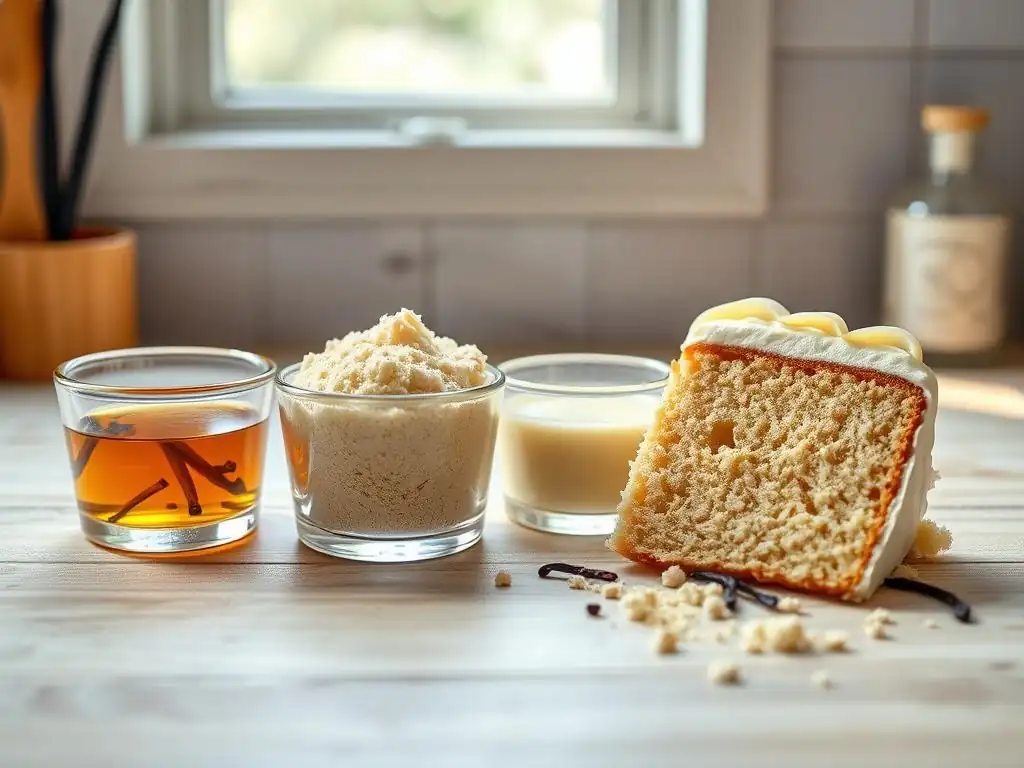
Selecting the best vanilla bean paste alternative for your cake involves weighing several factors. The most crucial is the desired flavor profile. Do you need the deep, complex, pure vanilla taste of paste, or is a simpler vanilla note sufficient? Vanilla beans offer the purest flavor, followed closely by high-quality vanilla powder, then extract. Vanilla sugar adds aroma and sweetness, while honey introduces a completely different set of flavors.
Another key consideration is the visual appearance. If the signature black speckles are essential for your cake (e.g., a classic vanilla bean cheesecake or panna cotta frosting), then scraped vanilla beans or vanilla bean paste are the only options that truly provide this. Vanilla powder might darken the batter slightly but won't give speckles, and extract, sugar, or honey won't provide any color or speckles related to vanilla.
Flavor Profile: Matching the Vanilla Intensity
Matching the intended vanilla intensity is paramount when choosing vanilla bean paste alternatives for cakes. Vanilla bean paste is known for its robust and multi-layered flavor. To approximate this, high-quality pure vanilla extract is the most common substitute, aiming for a similar potency. For example, substituting 1 tbsp paste with 1 tbsp high-quality extract is a standard approach.
If you want an even more intense and pure vanilla flavor than paste, using the scraped seeds from a whole vanilla bean is the best option. One vanilla bean typically yields enough flavor for a standard cake. Vanilla powder also offers high intensity, often requiring only half the amount of paste (e.g., 1/2 tsp powder for 1 tbsp paste).
Vanilla sugar provides a subtle background note, while honey introduces its own distinct sweetness and aroma, fundamentally changing the flavor profile from pure vanilla. Consider the other flavors in your cake – will your vanilla substitute complement or clash with them?
Texture and Moisture: Maintaining Cake Consistency
Most vanilla bean paste alternatives for cakes have minimal impact on texture and moisture when used in typical baking quantities. Vanilla extract is a liquid, but the small amount used (e.g., 1 tablespoon in a cake recipe using cups of flour) is unlikely to significantly alter the batter's consistency. Similarly, the small amount of liquid in vanilla bean paste itself is negligible in most cake recipes.
When using vanilla powder, which is dry, there is no addition of liquid, which is usually fine. However, if substituting honey, which is a liquid sweetener, you must adjust other liquid and sugar components in the recipe to maintain the correct balance.
For example, substituting 1 tbsp paste with 1 tbsp honey requires reducing other liquids by about 1 tsp and sugar by 1-2 tsp to prevent the cake from being too moist or dense. Always consider the form of the substitute – liquid, dry, or syrupy – and how it might interact with your specific cake batter's composition, especially in delicate recipes.
Cost and Availability of Alternatives
The cost and availability of vanilla bean paste alternatives for cakes vary significantly. Pure vanilla extract is the most widely available and generally the most budget-friendly option for home bakers. It can be found in almost any grocery store. High-quality vanilla extract, especially those from specific regions or labeled organic/pure, will be more expensive than imitation extract but still typically less costly than paste or beans.
Vanilla beans are usually the most expensive option per use, although they can be purchased online or in specialty stores. Vanilla bean paste falls somewhere in the middle, being more expensive than extract but often less per use than whole beans. Vanilla powder is less common than extract but available in specialty spice shops or online; its price is comparable to or slightly higher than paste.
Honey is readily available and its cost varies depending on the type, making it a potentially affordable alternative if its flavor profile fits. Consider your budget and access to ingredients when choosing your vanilla substitute for cake.
Tips for Successfully Using Vanilla Bean Paste Substitutes in Cake Recipes
Adjusting Liquid Ratios for Different Substitutes
When using vanilla bean paste alternatives for cakes, particularly liquid or syrupy ones like extract or honey, pay attention to the overall liquid balance. While substituting paste with an equal amount of vanilla extract (1:1) usually requires no liquid adjustments, it's good practice to be mindful. Extract is mostly alcohol and water.
If using honey as a substitute (e.g., 1 tbsp honey for 1 tbsp paste), you will need to adjust other liquids. As mentioned earlier, reduce other liquids in the recipe by approximately 1 teaspoon for every tablespoon of honey used. This compensates for the moisture added by the honey.
For instance, if your recipe calls for 1 cup of milk and 1 tbsp of paste, and you use 1 tbsp of honey instead, reduce the milk to about 1 cup minus 1 tsp. Vanilla powder, being dry, typically requires no liquid adjustments. Always consider the physical form of your vanilla substitute for cake baking.
Enhancing Vanilla Flavor with Other Ingredients [e.g., Almond Extract]
Sometimes, vanilla bean paste provides a depth and complexity that's hard to replicate with a single substitute. To enhance the flavor profile when using vanilla bean paste alternatives for cakes, consider pairing them with complementary extracts or spices. For example, adding a tiny amount of almond extract (just a drop or two, as it's potent) can amplify the perceived vanilla flavor in a cake, especially when using vanilla extract as the primary substitute.
Other flavor enhancers include a pinch of salt, which brightens sweetness and flavor, or even a touch of lemon zest, which can make vanilla flavor pop. If using honey as a substitute, consider adding a small amount of pure vanilla extract alongside it to ensure there's still a recognizable vanilla note. Experimenting with small additions of complementary flavors can help achieve a more complex and satisfying taste when you don't have vanilla bean paste on hand.
Testing and Adjusting: The Key to Perfect Vanilla Cake
Baking is a science, but it's also an art, especially when making substitutions. The best way to find your preferred vanilla bean paste alternatives for cakes is through testing and adjusting. Start with the recommended substitution ratios (e.g., 1:1 for extract, 1:2 for powder) and make note of the outcome. Did the cake have enough vanilla flavor? Was the texture right?
If the vanilla flavor was too weak when using extract, try increasing the amount slightly in your next bake (e.g., from 1 tbsp to 1.5 tbsp per recipe). If using vanilla beans, try a plumper bean or infuse the pod as well. If using honey and the cake was too moist, reduce the other liquids slightly more next time. Keep a baking journal to track your substitutions and their results. Over time, you'll discover which vanilla substitute for cake works best for your specific recipes and preferences, allowing you to bake delicious cakes even without the paste.
Conclusion: Baking Delicious Cakes Without Vanilla Bean Paste
Finding effective vanilla bean paste alternatives for cakes is straightforward with the right knowledge. Whether you opt for the classic reliability of vanilla extract, the pure intensity of vanilla beans or powder, the aromatic sweetness of vanilla sugar, or the unique twist of honey, there are several excellent options available. Each substitute offers a different combination of flavor, appearance, and ease of use.
Understanding the characteristics of each vanilla substitute for cake recipes – how it affects flavor intensity, visual appeal, and potentially texture – allows you to make an informed choice based on your recipe's requirements and your personal preferences. By following simple substitution guidelines, adjusting where necessary, and embracing a little experimentation, you can confidently bake delicious, flavorful vanilla cakes that will impress every time, even when vanilla bean paste isn't in your pantry.
Frequently Asked Questions
What exactly is vanilla bean paste and why is it used in cakes?
Vanilla bean paste is a thick, concentrated form of vanilla extract that contains real vanilla bean specks. It's used in cakes to provide a strong vanilla flavor and visual appeal.
Why might someone look for vanilla bean paste alternatives for cakes?
Vanilla bean paste can be expensive and sometimes difficult to find. Bakers may also need alternatives due to allergies or dietary restrictions.
What are some readily available and affordable vanilla bean paste alternatives for cakes?
Good alternatives include vanilla extract, vanilla powder, and vanilla sugar. These offer varying levels of vanilla flavor and can be easily substituted.
How does the flavor of vanilla extract compare to vanilla bean paste in cakes?
Vanilla extract provides a pure vanilla flavor but lacks the visual appeal of vanilla bean specks. You might need to use more extract to achieve a similar intensity.
Can I use other flavor extracts alongside vanilla alternatives to enhance my cake?
Yes, combining vanilla alternatives with other extracts like almond or lemon can create unique and delicious flavor profiles in your cakes. Experiment to find your favorite combination.
Final Reflection: The Sweet Symphony of Flavor Alternatives
The quest for the perfect vanilla bean flavor in cakes transcends mere ingredient substitution; it's a journey into the heart of culinary creativity. Finding the right alternative to vanilla bean paste, as explored throughout this article, isn't just about convenience; it's about unlocking a world of flavor possibilities and adapting to ingredient availability. This is especially relevant today, with increasing interest in sustainable and accessible baking practices.
The exploration of vanilla bean paste substitutes has profoundly impacted my own baking journey, highlighting the interconnectedness of flavor profiles and the surprising versatility of seemingly simple ingredients. The best flavor is the one that sings to your soul.
This quote, while not directly about baking, perfectly encapsulates the personal and emotional connection we have with food and the creative process of finding the right flavor combination. The subtle nuances of each substitute, from vanilla extract to vanilla powder, have broadened my understanding of how different ingredients interact to create a harmonious whole.
Now, it's your turn to embark on this delicious adventure. Don't be afraid to experiment! Try out the various substitutes discussed, tweak the recipes to your liking, and discover your own signature vanilla cake. The journey of flavor exploration is ongoing, and each successful bake is a testament to your culinary creativity and resourcefulness. Let the sweet symphony of flavor guide you!
Unlock Even More Delicious Cakes!
Thanks for taking the time to explore the world of vanilla bean paste substitutes! We hope you now feel confident in creating those amazing cake flavors, even without readily available paste. Ready to bake something incredible?
- Try your favorite substitute today: We’ve shown you several options; pick one and put your newfound knowledge to the test! Which one will you use first?
- Share your baking triumph!: Post a picture of your creation on social media using #BakeWithEaseSubstitutes and let us see your masterpiece.
- Explore other BakeWithEase recipes: Dive deeper into our recipe collection for more baking inspiration and tips!
What surprising flavor combination will you try next using your chosen substitute? Let us know in the comments below!