
Best Sourdough Books for Baking Completely From Scratch

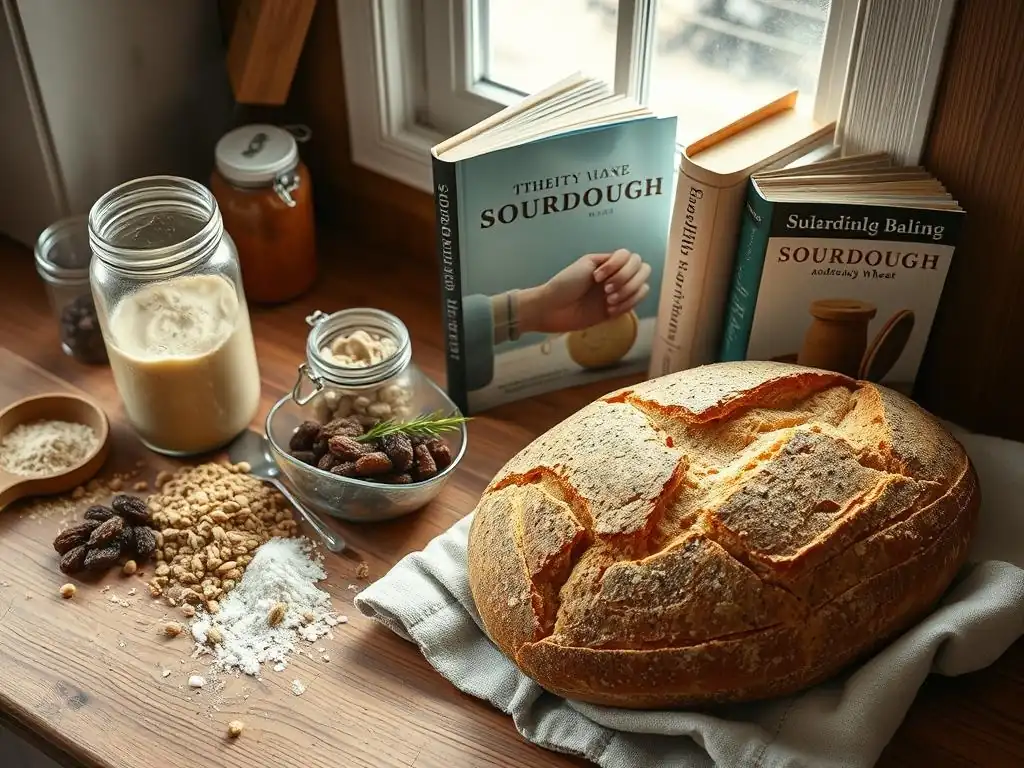
Welcome to BakeWithEase, where baking dreams come true! Are you ready to embark on a sourdough adventure? Unlocking the secrets to that perfect tangy loaf starts with the right guidance. This is why we've compiled our top picks for the best sourdough baking books for beginners, providing you with the knowledge and confidence to bake completely from scratch. Curious which books made the cut and how they can transform your kitchen into a sourdough sanctuary? Let's dive in!
- Mastering Sourdough: Top Baking Books for All Skill Levels
- Top Sourdough Baking Books for Beginners
- Level Up Your Sourdough: Intermediate Baking Books
- Sourdough Baking Books: Beyond the Loaf - Specialized Recipes
- Comparing the Best Sourdough Baking Books
- Essential Sourdough Baking Tools
- Maximizing Your Sourdough Journey
- Conclusion: Your Sourdough Journey
-
Frequently Asked Questions
- What are the best sourdough baking books for beginners?
- What kind of information will I find in a sourdough baking book for beginners?
- Do I need prior baking experience to use a sourdough baking book for beginners?
- What makes a sourdough baking book suitable for someone who wants to bake "completely from scratch?"
- Where can I find the best sourdough baking books for beginners?
- Final Reflection: The Ever-Rising Crust of Sourdough Knowledge
- Unleash Your Inner Baker: Sourdough Success Awaits!
Mastering Sourdough: Top Baking Books for All Skill Levels
Embarking on the sourdough journey is an exciting step into the world of fermentation and artisan bread. Whether you're just nurturing your first starter or aiming to perfect your open crumb, the right guidance is invaluable. While online resources abound, there's a unique depth and structure found in dedicated sourdough baking books that can truly accelerate your learning and skill development. These texts offer curated knowledge, tested recipes, and often, detailed explanations of the science behind the bake, making them indispensable companions for anyone serious about mastering baking completely from scratch.
Finding the ideal sourdough baking books can feel overwhelming given the vast number of options available today. For beginners, the focus is often on clear, step-by-step instructions and foundational knowledge about maintaining a starter and baking a simple loaf. More experienced bakers might seek advanced techniques like high-hydration doughs, intricate shaping, or incorporating various grains. This guide explores some of the most highly regarded sourdough baking books, catering to different levels of expertise and interests, ensuring you find the perfect literary tool to enhance your skills and bake delicious, naturally leavened bread.
Choosing Sourdough Baking Books
Selecting the right sourdough baking books, particularly among the many sourdough baking books for beginners, requires considering your current skill level and what you hope to achieve. Are you looking for a simple guide to bake your first successful loaf? Do you want to understand the microbial activity in your starter?
Or perhaps you're interested in using sourdough discard in creative ways? Different books emphasize different aspects, from the scientific principles to practical, foolproof methods. It's helpful to read reviews, preview contents online if possible, and consider the author's background – are they a renowned baker, a food scientist, or a passionate home baker?
Furthermore, the structure and presentation of the book are key. For those new to sourdough, books with clear photographs, detailed timelines, and explicit instructions on tasks like stretching and folding or shaping can make a significant difference. Some sourdough baking books for beginners even include troubleshooting sections addressing common issues like a sluggish starter or a dense crumb.
Consider if the book's approach aligns with your learning style – some are very prescriptive, while others offer more flexibility once you understand the core concepts. Don't hesitate to start with a fundamental text and build your library as your skills and interests grow.
Resources for Sourdough Success
While sourdough baking books form a cornerstone of learning, successful sourdough baking often involves leveraging a variety of resources. Online communities and forums, for example, offer real-time support and the opportunity to learn from the experiences of thousands of other bakers. You can ask specific questions about your starter's behavior or share photos of your bakes for feedback, receiving diverse perspectives on common challenges. Many experienced bakers maintain blogs or YouTube channels that visually demonstrate techniques discussed in books, such as shaping a batard or transferring dough to a Dutch oven.
Beyond digital resources, understanding the ingredients themselves is crucial. Experimenting with different types of flour – from basic bread flour to whole wheat, rye, or spelt – will significantly impact your bread's flavor and structure. Pay attention to the protein content of flours, as this affects gluten development. Water quality can also play a role; some bakers prefer filtered water. Keeping detailed notes of your bakes, including temperatures (ambient and dough), timings, and ingredient hydration, can help you identify what works and replicate successful results, complementing the knowledge gained from sourdough baking books.
Top Sourdough Baking Books for Beginners
For those just starting out, navigating the world of sourdough can seem daunting. The process involves cultivating a living ingredient – the starter – and understanding fermentation, which differs significantly from commercial yeast baking. Fortunately, several excellent sourdough baking books are specifically geared towards beginners, breaking down the process into manageable steps and explaining the fundamentals clearly. These books prioritize accessibility and success with your first few loaves, providing a solid foundation before you explore more complex techniques.
Choosing among the numerous sourdough baking books for beginners can be the first challenge. The books highlighted here are widely recommended for their clarity, reliability, and ability to guide newcomers through the essential stages: creating and maintaining a starter, understanding fermentation, and baking a delicious, rustic loaf. They demystify terms like "hydration," "autolyse," and "bulk fermentation," turning potentially intimidating concepts into understandable steps.
1. Tartine Bread by Chad Robertson: The Foundational Sourdough Guide
Chad Robertson's Tartine Bread is often cited as the book that sparked a global interest in artisan sourdough baking. While not exclusively marketed as one of the sourdough baking books for beginners, its detailed step-by-step photo guides for the basic country loaf make it an incredibly valuable resource for those willing to invest time and attention. Robertson's philosophy centers on understanding the dough and responding to its needs, rather than strictly adhering to rigid timelines.
The book provides comprehensive instructions for cultivating and maintaining a healthy starter, a critical first step for any beginner. It then walks through the process of mixing, bulk fermentation (including crucial folding techniques), shaping, and baking the signature country loaf. The emphasis on observation and feel helps beginners develop an intuition for dough handling, a skill that transcends specific recipes and is fundamental to mastering sourdough. The book's influence is undeniable, having shaped the techniques of countless home and professional bakers.
Tartine Bread: Key Features
- Detailed, photo-illustrated guide to baking the basic country loaf.
- Emphasis on understanding dough development and fermentation signs.
- Comprehensive instructions for creating and maintaining a sourdough starter.
- Recipes for variations on the basic loaf, including whole wheat and seeded bread.
- Focus on minimal ingredients: flour, water, salt, and leaven (starter).
Why Tartine Bread is Great for Starters
Although it requires patience and attention, Tartine Bread provides beginners with a deep dive into the 'why' behind the 'how.' It teaches observation skills essential for adapting to variables like room temperature and flour type. The detailed photos demystify techniques like stretching and folding or shaping a boule, making them less intimidating. While some may find the process lengthy, the foundational knowledge gained is invaluable for building confidence and achieving consistently good results, making it a cornerstone among sourdough baking books for beginners seeking a thorough education.
2. Flour Water Salt Yeast by Ken Forkish: The Science of Sourdough
Ken Forkish's Flour Water Salt Yeast takes a slightly different approach, emphasizing process control and temperature. While it covers various bread types, its sourdough sections are particularly strong, offering clear schedules and explanations that help beginners understand the timing and environmental factors crucial for success. Forkish's methods are often seen as highly reliable for achieving consistent results, which is incredibly encouraging for someone just starting out with sourdough.
This book provides precise instructions and timelines, which can be very helpful for beginners who prefer a more structured approach. Forkish explains the role of temperature in fermentation and provides guidance on adjusting schedules based on your kitchen environment. His detailed instructions for mixing, bulk fermentation, and shaping, combined with specific baking temperatures and times, reduce guesswork and help beginners build confidence by following a proven path to a beautiful loaf.
Flour Water Salt Yeast: Demystifying Science
Forkish excels at explaining the science of bread baking in an accessible way. He discusses the impact of hydration levels, the importance of dough temperature, and the function of salt. While not overly academic, the book provides enough scientific context for beginners to understand why certain steps are necessary, empowering them to make informed decisions as they gain experience. This understanding is key to moving beyond simply following a recipe.
Step-by-Step Instructions
The book features very clear, step-by-step instructions, often with specific timings or visual cues to look for during fermentation. For example, he might suggest proofing until the dough has increased by a certain percentage or shows specific surface bubbles. This level of detail is a major plus for beginners who need concrete guidance throughout the process, making Flour Water Salt Yeast a highly practical choice among sourdough baking books for beginners focused on repeatable results.
3. The Perfect Loaf by Maurizio Leo: Detailed Guides and Troubleshooting
Maurizio Leo's The Perfect Loaf, derived from his popular website of the same name, offers a modern, highly detailed approach to sourdough baking. Leo is known for his meticulous testing, clear explanations, and extensive troubleshooting advice, making this book an exceptional resource, especially among sourdough baking books for beginners who appreciate thoroughness and support.
The book provides detailed schedules, often including specific temperatures and visual indicators for each stage of the process. Leo's recipes are tested rigorously, and he offers variations and alternative timelines to accommodate different schedules and environments. His focus on precision and consistency helps beginners understand the factors that influence a successful bake and provides the tools to replicate good results.
The Perfect Loaf: A Modern Approach
Leo's book incorporates modern techniques and a deep understanding of the variables home bakers face. He provides guidance on using different flours, adjusting hydration, and optimizing fermentation based on ambient temperature. The book feels like having a patient mentor guiding you through each step, making complex processes understandable and achievable for newcomers.
Troubleshooting with Maurizio Leo
One of the standout features of The Perfect Loaf is its extensive troubleshooting section. Leo addresses common problems faced by beginners, such as dense crumbs, pale crusts, or flat loaves, explaining the likely causes and providing practical solutions. This proactive approach to common pitfalls makes it an incredibly supportive resource for those just starting out, solidifying its place among essential sourdough baking books for beginners.
Level Up Your Sourdough: Intermediate Baking Books
Once you've mastered the basic country loaf and feel comfortable maintaining your starter, you might be ready to explore more complex techniques and recipes. Intermediate sourdough baking books delve deeper into concepts like dough hydration, flour types, lamination, and achieving specific crumb structures. These books assume a foundational understanding of the sourdough process and challenge you to refine your skills and expand your repertoire.
Moving beyond basic sourdough baking books for beginners opens up a world of possibilities. Intermediate texts often explore the nuances of fermentation control, the impact of different mixing methods, and the art of shaping more elaborate loaves or pastries. They push you to experiment and develop a deeper intuition for how dough behaves under various conditions.
1. Advanced Bread and Pastry by Michel Suas: For Advanced Bakers
Michel Suas's Advanced Bread and Pastry is a comprehensive textbook used in professional baking schools. While certainly not one of the sourdough baking books for beginners, it's an invaluable resource for intermediate to advanced home bakers looking to understand the scientific principles and professional techniques behind a wide range of baked goods, including sourdough. Its depth and breadth are unparalleled.
The sourdough sections within the book cover topics like building and maintaining various types of pre-ferments (including liquid and stiff levains), understanding pH changes during fermentation, and scaling recipes for larger batches. It provides detailed formulas for classic sourdough loaves and explores more complex applications, offering a rigorous education in the craft.
Advanced Bread and Pastry: Mastering Complex Techniques
This book provides detailed explanations of complex techniques like autolyse, bassinage, and different mixing methods (e.g., intensive vs. improved). It delves into the science of gluten development and the role of enzymes, giving intermediate bakers a deeper understanding of how ingredients interact and how to manipulate processes for desired outcomes. It's a reference book you'll return to repeatedly.
Perfecting Lamination with Michel Suas
While covering sourdough, Advanced Bread and Pastry also provides extensive instruction on lamination, a technique crucial for pastries like croissants and Danish. Understanding lamination, even if applied to sourdough-based pastries (like sourdough croissants), builds valuable dough-handling skills that translate back to loaf baking, improving strength and structure.
2. Open Crumb Mastery by Trevor J Wilson: Achieving Open Crumb
Trevor J Wilson's Open Crumb Mastery is a highly focused book dedicated specifically to the techniques required to achieve the coveted open, airy crumb structure in sourdough bread. This is a common goal for intermediate bakers and this book provides a deep dive into the variables that influence crumb development, making it a valuable resource once you've moved past sourdough baking books for beginners.
Wilson meticulously explores topics such as starter health, dough hydration (often focusing on higher hydration levels, like 80% or more), mixing techniques optimized for strength and extensibility, and precise fermentation control. He provides detailed guidance on shaping and tensioning the dough to support a good oven spring and open crumb.
Open Crumb Mastery: Crumb Structure
The book dedicates significant attention to explaining why certain actions result in an open crumb. Wilson discusses the role of yeast activity, bacterial fermentation, gluten development, and proper shaping in trapping gas and creating large, irregular holes. Understanding these factors allows bakers to troubleshoot issues and adjust their methods.
Wilson's Method for Open Crumb
Wilson outlines a specific methodology focused on gentle handling, sufficient fermentation, and developing adequate dough strength. His techniques often involve minimal kneading, emphasizing folds and rest periods to build gluten structure. The book provides detailed steps and visual cues to guide bakers in achieving an open crumb consistently.
Sourdough Baking Books: Beyond the Loaf - Specialized Recipes
Sourdough isn't just for rustic loaves! Once you're comfortable with the basics, a whole world of sourdough-based recipes opens up, from pastries and pizzas to pancakes and pasta. Specialized sourdough baking books explore how to incorporate your starter (both active and discard) into a wide variety of applications, adding unique flavor and texture profiles.
Exploring these specialized sourdough baking books allows you to utilize your starter in new and exciting ways, reducing waste and expanding your culinary skills. They offer creative recipes that go far beyond the standard boule or batard, showcasing the versatility of naturally leavened dough.
1. Sourdough Culture by Eric Rusch: Versatile Sourdough Recipes
Eric Rusch's Sourdough Culture is an excellent example of a book that showcases the versatility of sourdough beyond traditional bread. It features recipes for a wide array of baked goods and other dishes that utilize sourdough starter, making it a great resource once you've mastered the fundamentals from sourdough baking books for beginners and have an active, healthy starter.
The book includes recipes for items like sourdough pizza dough, pancakes, waffles, crackers, muffins, and even fried chicken batter. It provides guidance on using both active starter and discard, offering practical ways to incorporate sourdough into your daily cooking and baking routines.
Sourdough Culture: Pizza, Pancakes, and More!
This book's strength lies in its diverse collection of recipes. Imagine making a tangy sourdough pizza crust that's both chewy and crisp, or fluffy sourdough pancakes with a hint of fermented flavor. Rusch provides clear instructions for adapting standard recipes to incorporate sourdough, adding complexity and depth of flavor.
Expanding Your Repertoire with Rusch
Sourdough Culture encourages bakers to think creatively about how they use their starter. It offers practical tips for storing discard and incorporating it into various batters and doughs, ensuring that no part of your active starter goes to waste. It's a valuable resource for expanding your sourdough skills beyond just baking loaves.
2. Alternative Flour Bread: Explore the Nutritional Benefits and Unique Flavors of Whole Grain Flours by Naomi Duguid: Gluten-Free and Alternative Flour Options
Naomi Duguid's Alternative Flour Bread explores baking with a variety of whole and alternative grains. While not solely focused on sourdough, it includes sections and recipes that demonstrate how to use sourdough starters with flours beyond standard wheat, including gluten-free options. This is particularly relevant for bakers interested in nutrition or catering to dietary needs after mastering basic techniques from sourdough baking books for beginners.
The book delves into the unique characteristics of flours like rye, spelt, buckwheat, and various gluten-free blends, explaining how their different protein and starch structures affect dough handling and fermentation. It provides guidance on adjusting techniques when working with these flours, which often require different hydration levels and handling compared to strong bread flour.
Gluten-Free Sourdough: Baking for Dietary Needs
Baking gluten-free sourdough presents unique challenges due to the absence of a strong gluten network. Duguid's book offers insights into how to build structure using alternative ingredients and techniques, providing recipes and guidance for creating naturally leavened breads suitable for those avoiding gluten. This opens up sourdough baking to a wider audience.
Alternative Flour Bread: Gluten-Free Baking
The book includes recipes for gluten-free sourdough loaves, often utilizing blends of rice flour, sorghum flour, tapioca starch, and psyllium husk. It provides specific instructions for managing gluten-free starters and handling these often stickier, less elastic doughs, offering a valuable resource for bakers exploring this niche area.
Comparing the Best Sourdough Baking Books
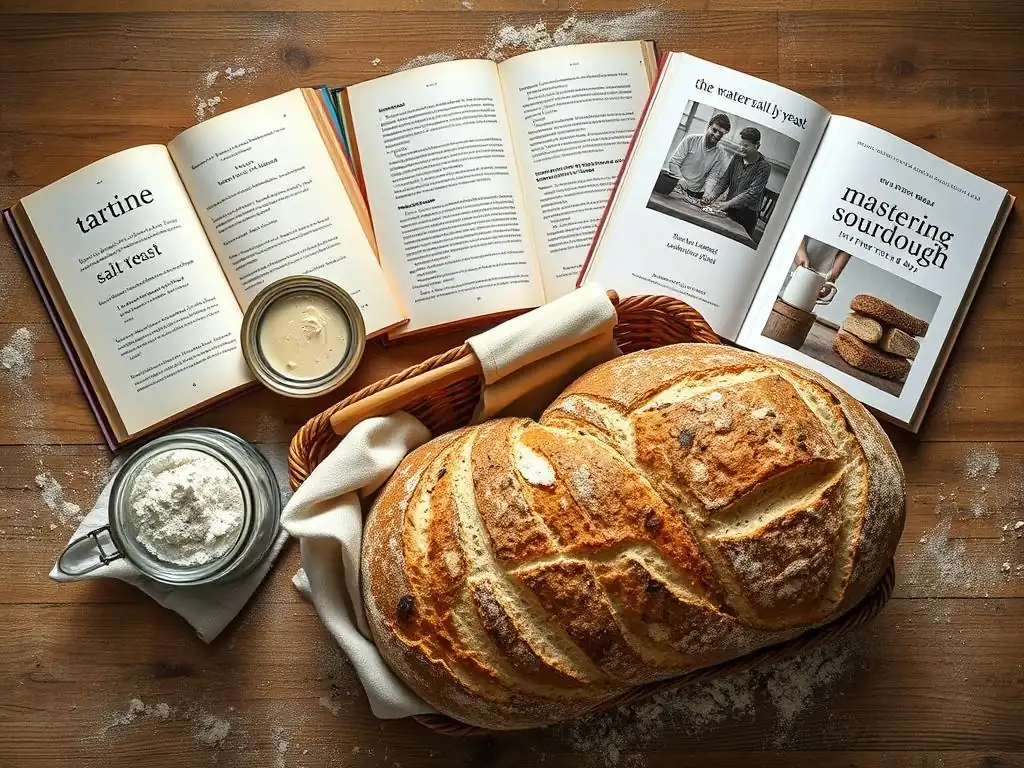
When deciding which sourdough baking books to add to your collection, consider your goals and learning style. For absolute newcomers, books like Flour Water Salt Yeast or The Perfect Loaf might offer the clearest, most structured path, making them excellent sourdough baking books for beginners. Tartine Bread is foundational but requires more intuitive understanding.
Intermediate bakers looking to refine techniques and understand the science should look towards resources like Advanced Bread and Pastry or Open Crumb Mastery. If you're keen to use your starter in diverse recipes beyond loaves, Sourdough Culture is a fantastic addition. And for those interested in alternative flours, Alternative Flour Bread provides crucial guidance. Many bakers benefit from owning several books to gain different perspectives and techniques.
Choosing the Best Book Based on Your Experience
- Beginners: Start with books known for clear steps, troubleshooting, and foundational knowledge. Flour Water Salt Yeast or The Perfect Loaf are highly recommended sourdough baking books for beginners. Tartine Bread is also excellent if you're patient and eager to learn by observation.
- Intermediate: Look for books that delve into hydration, fermentation control, and specific techniques like lamination or achieving an open crumb. Open Crumb Mastery is specialized, while Advanced Bread and Pastry offers broad knowledge.
- Expanding Repertoire: If you want to use sourdough in other recipes, books like Sourdough Culture are perfect. For alternative flours or gluten-free options, Alternative Flour Bread is invaluable.
Essential Sourdough Baking Tools
While you can start sourdough baking with minimal equipment, certain tools significantly improve the process and results. Having the right gear can make dough handling easier, fermentation more consistent, and baking more successful, complementing the knowledge gained from sourdough baking books.
Investing in a few key tools can elevate your sourdough game from the start. These items are frequently mentioned and utilized in sourdough baking books and are considered standard equipment by experienced bakers.
Banneton Baskets: Shaping Sourdough
Banneton baskets, typically made of rattan or cane, are used for the final proofing of shaped sourdough loaves. Dusting them heavily with rice flour (about 2-3 tablespoons for a medium basket) prevents sticking. They support the dough as it expands during proofing, helping it maintain its shape and structure before baking.
The spiral pattern characteristic of many bannetons also imparts a rustic design on the crust, though their primary function is structural support. Using a banneton allows the dough to develop surface tension, which contributes to a better oven spring when baked. They come in various shapes and sizes (e.g., 9-inch round, 10-inch oval) to accommodate different loaf styles.
Dutch Ovens: Achieving Oven Spring
Baking sourdough in a preheated Dutch oven is a widely recommended technique for home bakers. The heavy pot and lid trap steam released by the dough during the initial phase of baking. This trapped steam keeps the surface of the dough moist, allowing it to expand rapidly before a crust forms – this expansion is known as "oven spring."
Typical Dutch ovens used for sourdough are cast iron or enameled cast iron, usually 5 to 7 quarts in size. The ability to bake at high temperatures (often 450-500°F or 230-260°C) within the contained environment of the Dutch oven mimics the conditions of a professional steam-injected oven, resulting in a well-risen loaf with a crisp crust.
Digital Kitchen Scales: Precise Measurements
Sourdough baking, like most bread baking, relies heavily on precise ingredient ratios, often expressed in baker's percentages. Measuring by weight using a digital kitchen scale is far more accurate than using volume measures (cups and spoons) because flour density can vary significantly. Most sourdough recipes in reliable sourdough baking books provide ingredient weights.
A good digital scale that measures in grams is essential for consistent results. Even a difference of 20-30 grams of flour can alter the hydration and handling of a dough significantly, impacting the final outcome. Using a scale ensures you are following the recipe's intended hydration and ingredient balance accurately.
Maximizing Your Sourdough Journey
Beyond following recipes from sourdough baking books, success in sourdough requires consistent practice and attention to detail. Understanding how to maintain a healthy starter and effectively troubleshoot common issues are skills that develop over time and through experience.
These practical aspects are just as crucial as the theoretical knowledge gained from books. A vibrant, active starter is the heart of sourdough, and knowing how to keep it happy is fundamental. Likewise, being able to diagnose and fix problems is key to turning baking mishaps into learning opportunities.
Maintaining Your Sourdough Starter
A healthy sourdough starter is bubbly, active, and smells pleasantly tangy, often described as yogurty or slightly alcoholic. It requires regular feeding with flour and water to remain vigorous. For frequent bakers, keeping the starter at room temperature and feeding it daily (e.g., 1:2:2 ratio of starter:water:flour) is common. If you bake less often, storing it in the refrigerator and feeding it weekly is usually sufficient, though it will need a few revitalization feedings at room temperature before baking.
Signs of a healthy starter include reliable doubling or tripling in volume after feeding (often within 4-8 hours at room temperature, around 70-75°F or 21-24°C), a consistent rise-and-fall cycle, and a texture that is spongy or airy. An inactive starter might not rise much, develop a layer of hooch (liquid) on top, or smell strongly of acetone. Regular feeding and proper storage are key to its longevity and effectiveness.
Troubleshooting Common Problems
Sourdough baking involves living organisms, so it's natural to encounter issues. A common problem is a dense or gummy crumb, which can result from an inactive starter, insufficient fermentation (bulk proofing or final proofing), or under-baking. If your starter isn't doubling reliably, try more frequent feedings or using warmer water (around 80°F or 27°C). For fermentation issues, allow more time based on dough activity, not just the clock, and ensure your dough temperature is adequate.
Another frequent issue is a lack of oven spring or a flat loaf. This might be due to weak dough structure (insufficient gluten development through mixing and folding), over-proofing (the dough has already used up its leavening power before hitting the oven), or inadequate steam during baking. Review your kneading/folding technique, pay close attention to fermentation signs (like the 'poke test'), and ensure your baking environment (like a preheated Dutch oven) is providing sufficient initial steam. Reference the troubleshooting sections in your sourdough baking books for beginners or advanced guides for specific advice.
Conclusion: Your Sourdough Journey
Embarking on your sourdough journey is a rewarding experience that connects you to ancient baking traditions. By choosing the right sourdough baking books, especially foundational sourdough baking books for beginners, you equip yourself with the knowledge and techniques needed to succeed. Remember that patience and practice are key.
Your first loaf might not be perfect, but with each bake, you'll learn more about your starter, your dough, and your process. Supplementing your reading with practical tools like bannetons and a Dutch oven, and learning to maintain your starter and troubleshoot, will further enhance your skills. Enjoy the process, the delicious aroma of baking bread, and the incredible satisfaction of creating something wonderful completely from scratch.
Frequently Asked Questions
What are the best sourdough baking books for beginners?
Several books are excellent for beginners, focusing on basic techniques and easy-to-follow recipes. Look for books that clearly explain the sourdough starter process.
What kind of information will I find in a sourdough baking book for beginners?
Beginner sourdough books will usually cover creating and maintaining a sourdough starter, basic mixing and shaping techniques, and troubleshooting common problems. They often include recipes for simple loaves and other sourdough goods.
Do I need prior baking experience to use a sourdough baking book for beginners?
No, sourdough baking books for beginners are written with no prior experience assumed. They will guide you through each step, from starter creation to the final bake.
What makes a sourdough baking book suitable for someone who wants to bake "completely from scratch?"
These books emphasize using whole grains and natural ingredients from the start. They often teach you how to mill your own flour and understand the entire baking process from grain to loaf.
Where can I find the best sourdough baking books for beginners?
Many online retailers like Amazon and Barnes & Noble carry a wide selection. You can also find them at local bookstores or specialty baking shops.
Final Reflection: The Ever-Rising Crust of Sourdough Knowledge
The journey to perfect sourdough, once a mystical art, is now more accessible than ever, thanks to the wealth of resources available. But navigating the world of sourdough baking books can feel overwhelming for beginners. This article aimed to simplify that process, providing a curated list of the best guides to help you confidently embark on your own sourdough adventure.
The enduring appeal of sourdough lies not just in the delicious, tangy bread it produces, but in the process itself. It's a journey of patience, observation, and connection with the natural world. Bread is the staff of life,
they say, and in the case of sourdough, it's a staff crafted with time, care, and a healthy dose of happy accidents. The books highlighted here represent different approaches, catering to various learning styles, but they all share a common thread: a passion for sharing the magic of sourdough baking. This shared passion is what continues to shape our culinary landscape, fostering a community of bakers who appreciate the artistry and science behind this ancient craft.
Now, it's your turn. Don't be intimidated by the seemingly complex process. Choose a book that resonates with you, gather your ingredients, and embrace the journey. Each loaf, whether perfectly risen or slightly imperfect, represents a step forward in your understanding of this rewarding craft. Remember the lessons learned, celebrate the successes, and learn from the setbacks. The world of sourdough awaits – begin your baking adventure today!
Unleash Your Inner Baker: Sourdough Success Awaits!
Thanks for joining us on this sourdough journey! We hope you've gained valuable insights and inspiration to tackle baking completely from scratch. Now it's time to put that knowledge into action.
Here's how you can take the next step:
- Dive into your chosen sourdough book: Grab your favorite recipe and begin your baking adventure! Don't be afraid to experiment and adjust—that's part of the fun!
- Share your baking triumphs (and even your mishaps!) on social media using #BakeWithEaseSourdough – let's build a supportive community!
- Explore other resources on BakeWithEase.com for more tips and tricks to elevate your sourdough skills.
What unique ingredient are you most excited to experiment with in your next sourdough creation?