
Best Sourdough Books Packed with Delicious Recipes

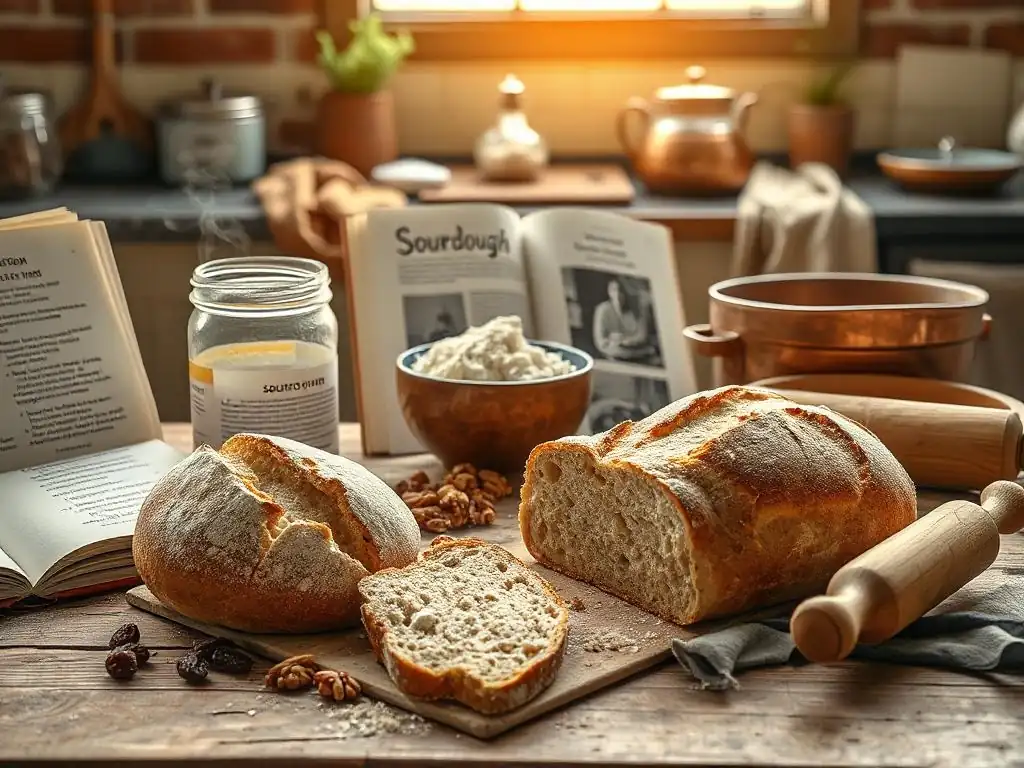
Welcome to BakeWithEase, your companion in the delightful journey of baking! Are you ready to unlock the secrets of crafting the perfect loaf? We're diving deep into the world of sourdough, and if you're just starting out, you're in the right place. This article explores the best sourdough recipes for beginners, but first, let's uncover the essential resources that will transform you from a novice to a sourdough artisan. Discover the top baking books packed with delicious recipes and expert guidance – are you ready to bake something incredible?
- Best Sourdough Books Packed with Delicious Recipes for Beginners to Experts
- Discover the Best Sourdough Recipes for Beginners with These Books
-
Top Sourdough Starter Books for Baking Enthusiasts: From Basic to Advanced
- 1. "Tartine Bread" by Chad Robertson: The Sourdough Bible
- 2. "The Perfect Loaf" by Maurizio Leo: Mastering Sourdough Baking
- 3. "Sourdough Baking with Kids" by Hannah Dela Cruz: Fun Sourdough Recipes for the Family
- 4. "Bread Ahead: The Expert Home Baker" by Matthew Jones: Exploring Unique Sourdough Recipes
- 5. "Flour Water Salt Yeast" by Ken Forkish: Achieving that Perfect Sourdough Texture
- Choosing the Right Sourdough Recipe Book: What to Consider
- Beyond Recipes: Learning Sourdough Techniques
- Boost Your Sourdough Baking: Tools and Equipment Recommendations
- Getting Started with Sourdough: Tips and Tricks for Success
- Conclusion: Unleash Your Inner Baker with These Sourdough Baking Books.
-
Frequently Asked Questions
- What makes a sourdough recipe "best" for beginners?
- Where can I find easy-to-find ingredients for sourdough baking?
- What types of sourdough recipes are typically found in beginner-friendly books?
- Are there any specific techniques I should focus on when starting with sourdough?
- How do these books help in troubleshooting common sourdough baking problems?
- Final Reflection: The Enduring Allure of Sourdough, One Loaf at a Time
- Unleash Your Inner Baker: Start Your Sourdough Journey Today!
Best Sourdough Books Packed with Delicious Recipes for Beginners to Experts
Discover the Best Sourdough Recipes for Beginners with These Books
Embarking on the sourdough journey can feel like stepping into a world of bubbling starters and rustic loaves. While the process involves just flour, water, and salt (and a little patience! ), having the right guidance makes all the difference. For those just starting out, finding the best sourdough recipes for beginners is key to building confidence and avoiding common pitfalls. Fortunately, the world of baking literature offers an abundance of resources tailored to every skill level.
Choosing the right book can demystify the process, turning what might seem intimidating into an enjoyable and rewarding hobby. These books aren't just collections of instructions; they often delve into the science behind sourdough, troubleshooting tips, and inspiring variations. Whether you dream of a perfectly open crumb or simply want to bake a delicious, wholesome loaf for your family, there's a sourdough book out there that can help you achieve your goals and master the art of naturally leavened bread.
Level Up Your Baking Game: A Guide to the Top Sourdough Books
Ready to move beyond basic bread and explore the full potential of your sourdough starter? The right book can serve as your personal mentor, guiding you through more complex techniques and introducing you to a wider array of bakes. From enriched doughs like brioche and challah to incorporating different flours and flavors, these resources offer a roadmap for continuous learning and improvement. They provide not just recipes, but also the foundational knowledge needed to adapt and create your own sourdough masterpieces.
Investing in a quality sourdough book is an investment in your baking skills. It provides structured learning, expert tips, and a wealth of inspiration that you might not find scattered across various online sources. As you gain experience, you'll find yourself returning to these trusted guides, discovering new nuances and challenging yourself with more advanced projects. Let's explore some of the top contenders that promise to elevate your sourdough baking game, whether you're seeking the best sourdough recipes for beginners or aiming for professional-level results.
Top Sourdough Starter Books for Baking Enthusiasts: From Basic to Advanced
1. "Tartine Bread" by Chad Robertson: The Sourdough Bible
For many, "Tartine Bread" is the seminal work that ignited a passion for artisanal baking, particularly sourdough. Written by Chad Robertson of the renowned Tartine Bakery in San Francisco, this book is less a simple cookbook and more a deep dive into the philosophy and craft of baking naturally leavened bread. It focuses heavily on understanding the process, from developing a strong starter to achieving the perfect bake, making it an invaluable resource for those serious about mastering sourdough.
While often considered advanced due to its detailed explanations and focus on feel and intuition, "Tartine Bread" provides a foundational understanding that benefits even beginners. The core recipe, the Country Loaf, is presented with meticulous detail, offering insights into hydration, fermentation times, and shaping techniques. It's a book that encourages patience and observation, teaching bakers to read their dough and starter, skills crucial for consistent sourdough success.
Why "Tartine Bread" Is a Must-Have for Sourdough Beginners and Pros
"Tartine Bread" stands out because it doesn't just give you recipes; it teaches you how to bake. For beginners, the detailed explanations of each step, often accompanied by illustrative photos, demystify the process of creating a vibrant sourdough starter and handling high-hydration dough. While the initial learning curve might be steep compared to books offering only simple recipes, the depth of knowledge gained is unparalleled. Approximately 80% of the book is dedicated to explaining the core techniques and principles before diving into variations.
For experienced bakers, "Tartine Bread" offers inspiration and refinement. It explores different flour types, inclusions, and shapes, pushing the boundaries of what can be achieved with sourdough. The emphasis on quality ingredients and slow fermentation processes resonates with those seeking to elevate their craft. It's a reference book you'll return to repeatedly, discovering new insights with every reading and bake.
Key Sourdough Techniques Taught in "Tartine Bread"
The book is famous for popularizing specific techniques that are now standard in artisanal sourdough baking. One key technique is the use of high-hydration doughs (often 75% hydration or more), which contribute to a moist interior and open crumb structure. Robertson meticulously explains the process of autolyse (allowing flour and water to rest before adding salt and starter) and gentle folding techniques (like stretch and folds or coil folds) to develop gluten strength without aggressive kneading.
Another crucial element is the detailed guidance on bulk fermentation and proofing, emphasizing temperature control and observing the dough's activity. The book also covers effective shaping methods for high-hydration dough and baking in a Dutch oven or on a baking stone with steam, techniques vital for achieving a beautiful crust and oven spring. Mastering these techniques, as taught in "Tartine Bread," is fundamental to baking truly exceptional sourdough.
2. "The Perfect Loaf" by Maurizio Leo: Mastering Sourdough Baking
"The Perfect Loaf" by Maurizio Leo, creator of the hugely popular blog of the same name, is a modern classic in the sourdough world. This book is celebrated for its incredibly detailed, step-by-step instructions, often including precise timings and temperatures, making it exceptionally user-friendly. Leo takes a scientific yet approachable perspective, explaining the 'why' behind each step in a clear and engaging way, which is particularly helpful for those seeking reliable sourdough recipes for beginners.
The book is structured logically, starting with understanding sourdough starters and moving through foundational techniques before exploring a wide range of baked goods. Leo's background in software development is evident in his systematic approach, breaking down complex processes into manageable steps. This makes "The Perfect Loaf" an excellent resource for bakers who appreciate precision and want to understand the variables at play in sourdough baking.
"The Perfect Loaf": A Comprehensive Guide to Sourdough Bread Baking
"The Perfect Loaf" lives up to its name by providing a comprehensive guide that leaves few questions unanswered. It covers everything from creating and maintaining a healthy sourdough starter (including troubleshooting common issues like slow activity or mold) to detailed explanations of fermentation, shaping, scoring, and baking. The book features clear visuals and often includes timelines to help bakers plan their baking schedule, a common challenge with naturally leavened bread.
One of its strengths is the emphasis on understanding ingredients and their impact on the final loaf. Leo discusses different types of flour, hydration levels, and the role of salt and temperature. This foundational knowledge empowers bakers to not just follow recipes but to understand why they work and how to adjust them. It's a resource designed to build confidence and competence in sourdough baking from the ground up.
Sourdough Recipes and Techniques Covered in "The Perfect Loaf"
The book features a diverse collection of sourdough recipes for beginners and beyond, ranging from classic country loaves and baguettes to enriched doughs for cinnamon rolls, pizza dough, and even pasta. A significant portion is dedicated to variations on the basic loaf, incorporating different flours like whole wheat, rye, and spelt, as well as inclusions like seeds and nuts.
Key techniques are explained in detail, such as the Rubaud mixing method, lamination for gluten development, and various shaping techniques suitable for different dough types. Leo provides guidance on proofing in different environments (room temperature vs. refrigerator) and baking methods (Dutch oven, baking steel). The recipes are often presented with specific weights (metric and imperial) and baker's percentages, allowing for accuracy and easier scaling.
3. "Sourdough Baking with Kids" by Hannah Dela Cruz: Fun Sourdough Recipes for the Family
Introducing baking to children is a wonderful way to spend time together and teach valuable skills, and "Sourdough Baking with Kids" by Hannah Dela Cruz makes this accessible even with a sourdough starter. This book focuses on approachable projects that are engaging for younger bakers, simplifying the sourdough process without sacrificing flavor or fun. It's specifically designed to make sourdough less intimidating for novice bakers of any age, offering truly easy sourdough recipes for beginners in a family context.
The tone is friendly and encouraging, with projects scaled appropriately for shorter attention spans and smaller hands. It demystifies the starter, explaining its care in simple terms, and provides recipes that often have quicker turnaround times or involve fun shapes and flavors that appeal to children. This book proves that sourdough isn't just for serious adult bakers; it can be a delightful activity for the whole family.
"Sourdough Baking with Kids": Easy Sourdough Recipes for Beginners of All Ages
This book is a treasure trove of genuinely easy sourdough recipes for beginners, making it perfect for families or anyone new to sourdough looking for simple wins. The recipes are designed to be forgiving and fun, focusing on bakes like pancakes, waffles, crackers, muffins, and simple loaves that don't require complex shaping or lengthy fermentation schedules typical of traditional loaves. The instructions are clear, often broken down into steps that kids can easily follow with adult supervision.
Beyond just recipes, the book includes tips for involving children in the baking process, from feeding the starter to mixing ingredients and shaping dough. It emphasizes the joy of baking together and the magic of watching a sourdough starter come to life. It's an excellent resource for building confidence in using a sourdough starter for various delicious applications, not just bread.
Make Baking a Family Affair: Sourdough Baking Recipes for Kids
"Sourdough Baking with Kids" is filled with creative ideas for using sourdough starter in ways that are enjoyable for the whole family. Imagine making sourdough pizza together on a Friday night, baking a batch of tangy sourdough discard crackers for snack time, or whipping up fluffy sourdough pancakes for breakfast. The book offers recipes for things like sourdough pretzels, flatbreads, and even sweet treats, showcasing the versatility of a well-maintained starter.
It provides practical tips for baking with children, such as setting up a safe workspace and assigning age-appropriate tasks. The focus is on the experience of baking as much as the final product, making it a relaxed and positive introduction to sourdough. These family-friendly sourdough recipes encourage experimentation and creativity, turning baking into a memorable shared activity.
4. "Bread Ahead: The Expert Home Baker" by Matthew Jones: Exploring Unique Sourdough Recipes
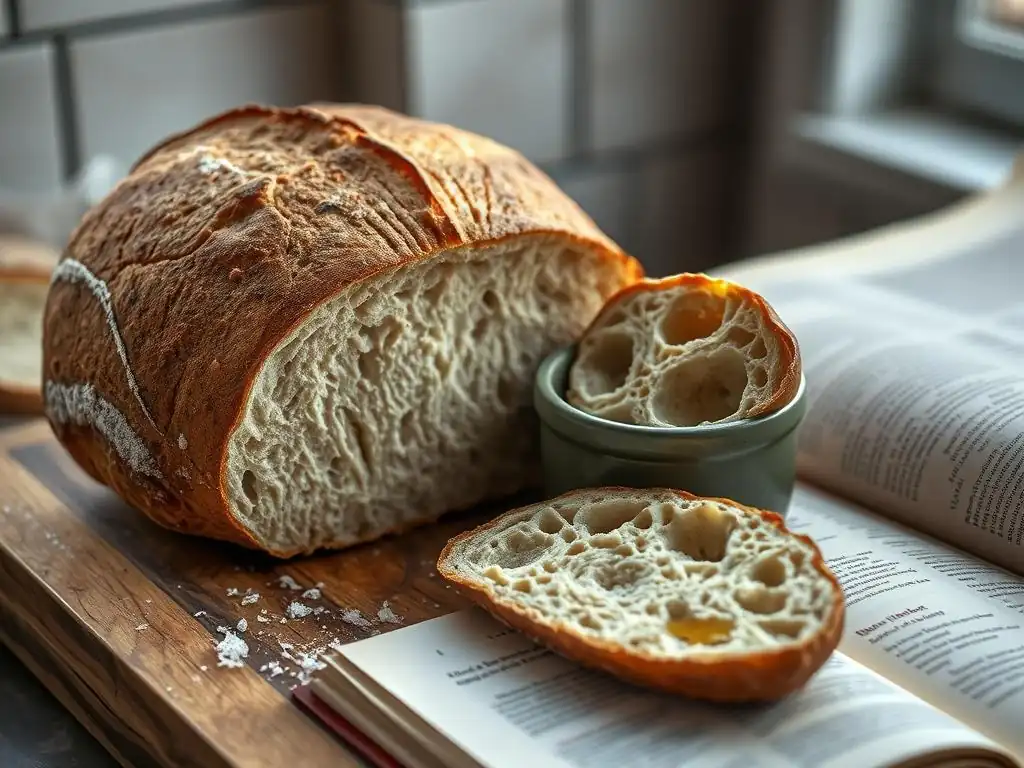
From the acclaimed Bread Ahead bakery in London, Matthew Jones's book, "Bread Ahead: The Expert Home Baker," offers a chance to recreate some of their most popular bakes at home. While it covers a range of bread types, the sourdough section is particularly strong, featuring recipes that go beyond the standard country loaf. This book is ideal for bakers who have mastered the basics and are looking to explore more diverse and unique sourdough creations.
The recipes are presented clearly, often with Baker's Percentages, and provide insights into the methods used in a professional bakery setting, adapted for the home kitchen. It's a book that inspires confidence to try new things and expand your sourdough repertoire with exciting flavors and formats.
Beyond the Basic Loaf: Discovering Unique Sourdough Recipes in "Bread Ahead"
If you're ready to venture beyond the everyday sourdough loaf, "Bread Ahead" offers a wealth of inspiration. The book includes recipes for specialized sourdough breads like rye loaves, malted grain loaves, and even enriched doughs like sourdough brioche or ciabatta. It explores different fermentation profiles and shaping techniques tailored to each specific bread type, allowing you to truly broaden your understanding of sourdough.
One might find recipes for items like sourdough bagels, focaccia, or loaves incorporating unusual grains or additions. This variety makes the book a valuable resource for bakers who want to challenge themselves and impress friends and family with a wider range of delicious sourdough baked goods. It's a step up from basic sourdough recipes for beginners, guiding you towards more complex and rewarding bakes.
Sourdough Bread Recipes for All Occasions: "Bread Ahead"
"Bread Ahead" provides versatile sourdough bread recipes suitable for numerous occasions. Planning a brunch? Try their sourdough croissants or pain au chocolat. Hosting a pizza night? There's a robust sourdough pizza dough recipe. Looking for a hearty bread for sandwiches? Explore their wholemeal sourdough. The book encourages using your sourdough starter in creative ways, demonstrating its adaptability beyond the classic boule or batard.
It also includes recipes for using up excess sourdough starter or discard, turning what might be waste into delicious treats like crackers or crumpets. This practical approach, combined with the exciting range of recipes, makes "Bread Ahead" a fantastic resource for bakers who want to make sourdough a regular and varied part of their baking routine.
5. "Flour Water Salt Yeast" by Ken Forkish: Achieving that Perfect Sourdough Texture
Ken Forkish's "Flour Water Salt Yeast" is another foundational text highly regarded in the home baking community, particularly for its focus on technique and achieving exceptional crust and crumb structure. While it covers yeast-leavened breads as well, the sourdough section is rigorous and rewarding. Forkish provides detailed instructions and schedules designed to help bakers achieve results comparable to artisanal bakeries, emphasizing minimal kneading and long fermentation.
This book is particularly strong on explaining the interaction between ingredients, time, and temperature, and how these factors influence the final texture of the bread. It's a book for those who want to understand the science behind a beautiful, open crumb and a perfectly caramelized crust.
Unlock the Secrets: Achieve an Open Crumb with "Flour Water Salt Yeast"
A signature of well-baked sourdough is an open, airy crumb structure. "Flour Water Salt Yeast" provides the keys to unlocking this desirable texture. Forkish's method often involves high hydration and extended fermentation times at room temperature, which contribute significantly to gluten development and the formation of large air pockets. He provides specific timelines and temperatures to guide bakers through these crucial steps.
The book emphasizes techniques like gentle folding during bulk fermentation and proper handling of wet doughs, which are essential for preserving the airy structure created during fermentation. It also details the importance of baking in a hot environment, often recommending a Dutch oven or baking steel with steam, to maximize oven spring and achieve a thin, crisp crust that complements the open interior. Following Forkish's systematic approach dramatically increases your chances of achieving that sought-after open crumb.
Advanced Sourdough Techniques for Perfect Texture
While offering excellent sourdough recipes for beginners who are willing to follow detailed instructions, "Flour Water Salt Yeast" also delves into techniques that lead to advanced results. Forkish discusses the nuances of using different flours, the impact of salt percentage on fermentation, and how environmental temperature affects dough development. He presents multiple approaches to fermentation, including variations in duration and temperature, allowing bakers to experiment and find what works best in their own kitchens.
The book provides specific guidance on mixing methods, from no-knead approaches to minimal mixing techniques, all aimed at developing gluten gently to promote an open structure. It also covers pre-shaping and final shaping techniques tailored to high-hydration doughs and offers detailed instructions on scoring patterns and their effect on oven spring. Mastering these techniques, as outlined by Forkish, is crucial for consistently achieving optimal texture in your sourdough loaves.
Choosing the Right Sourdough Recipe Book: What to Consider
Selecting the perfect sourdough book depends largely on your individual needs and goals. With so many excellent options available, it helps to consider a few key factors before making your choice. Thinking about your current skill level, the types of recipes you're interested in, and the ingredients you have access to can guide you towards the resource that will be most beneficial for your sourdough journey.
It's easy to get overwhelmed by the sheer volume of information out there. By focusing on what you hope to gain from a book – whether it's mastering the basics, exploring advanced techniques, or finding fun family recipes – you can narrow down the options and find a guide that truly resonates with your baking aspirations.
Understanding Your Baking Skill Level: Beginner, Intermediate, or Advanced
One of the most important considerations is your current experience level with baking, especially sourdough. If you're completely new to working with a starter, look for books specifically designed for beginners. These resources typically offer simpler recipes, detailed explanations of the sourdough starter process, troubleshooting tips for common issues like inactive starters, and clear, step-by-step instructions that don't assume prior knowledge. They often focus on foundational recipes like a basic country loaf or simple discard recipes like pancakes.
Intermediate bakers might seek books that introduce more complex shaping techniques, explore different flour types, or delve into enriched doughs. Advanced bakers might look for books that focus on the science of fermentation, offer challenging recipes like panettone or croissants, or provide insights into scaling recipes and achieving professional-level consistency. Matching the book's complexity to your skill level ensures you won't feel overwhelmed or bored. Many books offer excellent sourdough recipes for beginners while also providing paths to more advanced techniques.
Recipe Variety: From Basic Loaves to Elaborate Sourdough Bakes
Consider what you actually want to bake with your sourdough starter. Are you primarily interested in baking classic rustic loaves? Or do you want to explore the versatility of sourdough in other applications like pizza, pastries, or enriched breads? Some books focus almost exclusively on lean bread (flour, water, salt), while others offer a wide range of recipes, including sweet bakes, flatbreads, and ways to use sourdough discard.
If you're looking for best sourdough recipes for beginners, a book with a solid foundation in simple loaves and perhaps a few easy discard recipes is a great starting point. If you're more experienced, a book with a broader selection of challenging or unique recipes might be more appealing. Look at the table of contents or recipe index (if available) to see the types of bakes included and ensure they align with your interests.
Ingredient Availability: Choosing Books with Easy-to-Find Ingredients
While sourdough baking primarily uses basic ingredients (flour, water, salt), some recipes in more advanced books might call for specialized flours (like high-extraction flour, specific types of rye, or specialty grains) or less common additions (like malt powder or diastatic malt). Consider the availability of ingredients in your local area or online when choosing a book.
Books aimed at beginners typically stick to readily available flours like all-purpose, bread flour, and perhaps whole wheat. More advanced books might assume access to a wider variety of flours and specialty items. If you prefer to use ingredients you can easily find at your local grocery store, check the ingredient lists in the recipes to ensure they are practical for you. Even when looking for sourdough recipes for beginners, confirming ingredient accessibility can save frustration.
Beyond Recipes: Learning Sourdough Techniques
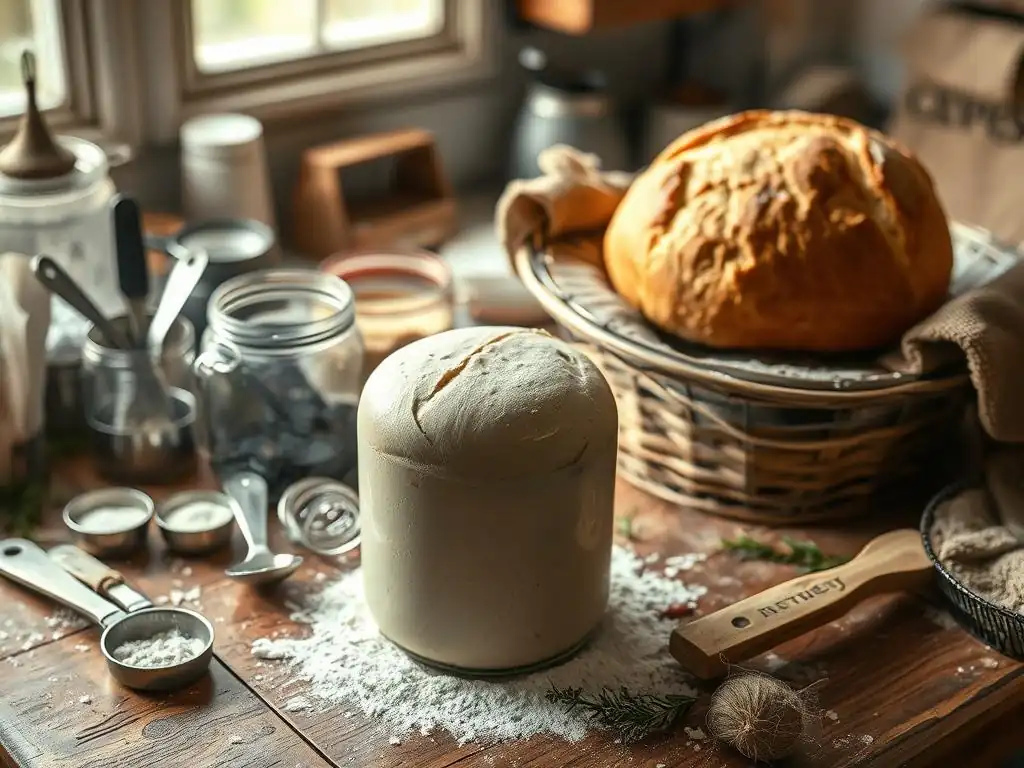
While delicious recipes are a major draw, the true mastery of sourdough baking comes from understanding the underlying techniques. A good sourdough book teaches you more than just how to follow a list of ingredients and steps; it educates you on the 'why' behind the process. Learning these fundamental techniques allows you to adapt recipes, troubleshoot issues, and develop your own intuition as a baker.
Focusing on technique empowers you to become a more confident and flexible baker. Instead of rigidly adhering to a single recipe, you'll be able to adjust for variables like room temperature, flour type, and starter activity. This deeper understanding transforms baking from a set of instructions into a dynamic and creative process.
Mastering the Sourdough Starter: Feeding, Maintenance, and Troubleshooting
The sourdough starter is the heart of naturally leavened baking. Understanding how to create, feed, and maintain a healthy starter is non-negotiable. Good books provide detailed instructions on the initial creation process, typically involving mixing flour and water and allowing natural yeasts and bacteria to colonize the mixture over several days or weeks. This involves regular feeding (adding fresh flour and water) to keep the microbial population active and balanced.
Maintaining a starter involves understanding its feeding schedule (daily, weekly, etc., depending on storage method), hydration level, and signs of health (consistent doubling, bubbly texture, pleasant aroma). Troubleshooting common issues like mold, hooch (liquid separation), or slow activity is also crucial. A helpful book will guide you through diagnosing these problems and implementing solutions, ensuring you always have a vibrant starter ready to leaven your bakes.
Understanding Hydration and Fermentation: Key Factors for Sourdough Success
Hydration refers to the ratio of water to flour in your dough, typically expressed as a percentage (e.g., 70% hydration means 70g of water per 100g of flour). Understanding how hydration affects dough handling, gluten development, and the final crumb is vital. Higher hydration doughs are often trickier to work with but can result in a more open and moist crumb. Books explain how to adjust hydration based on the type of flour used and the desired outcome.
Fermentation, the process where the starter's microbes produce gases that leaven the dough, is perhaps the most critical factor in sourdough success. This involves two main stages: bulk fermentation (the first rise after mixing) and proofing (the final rise before baking). Learning to read the dough's signs of readiness – observing its increase in volume, texture, and aroma – is key. Books provide guidance on optimal fermentation times and temperatures, and how to adapt based on your environment, turning theoretical sourdough recipes for beginners into practical skills.
Shaping and Scoring Techniques: Achieving a Beautiful Loaf
Beyond the science of the starter and fermentation, the artistry of sourdough comes into play with shaping and scoring. Proper shaping builds tension in the dough, creating structure that helps the loaf hold its shape and achieve good oven spring. Different shapes (boule, batard, etc.) require specific techniques to create surface tension. Books often provide step-by-step visual guides for these methods, which can be challenging with wet sourdough doughs.
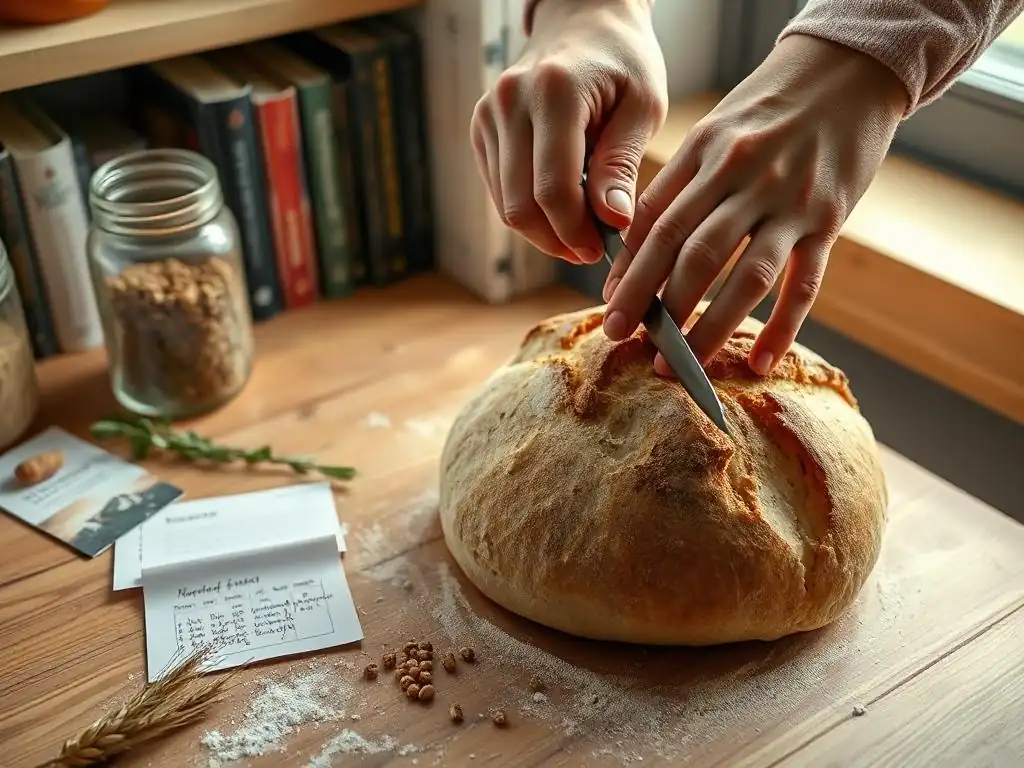
Scoring (cutting the surface of the dough just before baking) serves multiple purposes: it allows the dough to expand predictably in the oven (oven spring), prevents uncontrolled tearing, and creates beautiful patterns. Learning how and when to score, and using the right tools (like a lame or razor blade), is essential for achieving a professional-looking loaf. Many books demonstrate various scoring patterns and explain their function.
Boost Your Sourdough Baking: Tools and Equipment Recommendations
While you can start sourdough baking with minimal equipment, certain tools can significantly improve your results and make the process easier and more enjoyable. You don't need to invest in everything at once, but gradually acquiring a few key items can elevate your baking from good to great. Many sourdough books include sections recommending essential tools, helping beginners know where to start without feeling overwhelmed by gadgets.
Having the right equipment, especially for crucial steps like proofing and baking, can make a noticeable difference in the final texture and appearance of your loaf. Consider these recommendations as investments in your sourdough journey.
The Essential Sourdough Baking Equipment for Beginners
For those just starting out with sourdough recipes for beginners, a few basic tools are highly recommended:
- Digital Scale: Crucial for accurate ingredient measurements, especially for water and flour ratios (hydration). Baking by weight is far more consistent than using volume measurements.
- Large Mixing Bowl: Needed for mixing ingredients and performing stretches and folds during bulk fermentation. Glass or plastic bowls work well.
- Bench Scraper: Invaluable for dividing dough, cleaning your workspace, and handling sticky dough.
- Proofing Basket (Banneton): Helps the dough hold its shape during the final proof and adds a nice pattern to the crust.
- Dutch Oven or Baking Stone/Steel: Creates the necessary steam and high heat environment for optimal oven spring and crust development.
These items cover the core needs from mixing to baking and are widely recommended in most sourdough baking guides.
Banneton Baskets: For Perfectly Shaped Sourdough
Banneton baskets, typically made from rattan or cane, are used for the final proofing of sourdough dough. Lining them with floured cloth or dusting the basket itself heavily with rice flour prevents the dough from sticking. As the dough proofs in the basket, it holds its shape and develops tension on the surface.
When the dough is inverted from the banneton onto your baking surface, this surface tension helps the loaf maintain its structure and achieve a better rise in the oven. The spiral pattern from the basket also transfers to the dough, adding a rustic visual appeal to the crust. Using a banneton is a simple step that makes a significant difference in the final shape and appearance of your sourdough loaf.
Dutch Ovens: For Optimal Crust and Texture
Baking sourdough in a preheated Dutch oven is one of the most popular and effective methods for home bakers. The heavy pot traps the steam released by the dough as it begins to bake. This humid environment keeps the crust soft initially, allowing the loaf to expand maximally (oven spring) before the crust sets. After about 20-30 minutes, the lid is removed, allowing the crust to dry out and caramelize in the dry heat, resulting in a thick, crackly crust.
Cast iron Dutch ovens are excellent heat conductors and retain heat well, providing the consistent high temperature needed for a good bake. Many sourdough recipes for beginners recommend this method because it simplifies creating the necessary steam environment without needing a complex steam injection system.
Advanced Sourdough Baking Tools: Elevate Your Baking
As you become more experienced and explore more advanced techniques, you might consider adding a few more specialized tools to your collection:
- Lame (Scoring Tool): A handle with a razor blade, used for cleanly scoring dough. Offers more precision than a knife.
- Baking Steel or Stone: Provides intense, even heat from below, excellent for pizzas and hearth breads when used with steam.
- Proofing Box or Temperature-Controlled Environment: Allows for precise control over fermentation temperature, leading to more consistent results.
- Grain Mill: For milling your own fresh flour, which can significantly impact flavor and texture.
- Dough Mixer (Stand Mixer with Dough Hook): While sourdough is often mixed by hand, a mixer can handle large batches or very stiff doughs.
These tools are not strictly necessary for baking excellent sourdough, but they can open up new possibilities and help fine-tune your results, especially when tackling more challenging sourdough recipes.
Getting Started with Sourdough: Tips and Tricks for Success
Taking the first step into sourdough baking can feel daunting, but with a few key tips and a dose of patience, you'll be well on your way to baking delicious loaves. Don't expect perfection on your first try; sourdough is a journey of learning and adaptation. Embrace the process, learn from your mistakes, and enjoy the rewarding experience of creating something truly unique from just flour, water, and your active starter.
Here are some essential tips and tricks to help you get started and navigate the initial challenges of sourdough baking. Remember that consistency and observation are your best friends.
Common Sourdough Baking Mistakes and How to Avoid Them
New sourdough bakers often encounter similar hurdles. Recognizing these common mistakes can help you avoid them:
- Using an Inactive Starter: Baking with a starter that hasn't doubled predictably after feeding will result in a flat, dense loaf. Ensure your starter is vigorous before baking.
- Not Developing Enough Gluten: Sourdough requires sufficient gluten development for structure. Don't skip stretch and folds or adequate mixing time.
- Under- or Over-Proofing: This is tricky! Under-proofed dough won't rise well in the oven; over-proofed dough may collapse. Learn to read the dough's signs (volume increase, bubbly surface, jiggle test).
- Insufficient Steam During Baking: Lack of steam prevents good oven spring and results in a thick, hard crust. Use a Dutch oven or other steaming method.
- Impatience: Sourdough takes time. Rushing fermentation or proofing will negatively impact flavor and texture. Follow recommended timelines but also learn to trust your observations.
Maintaining a Healthy Sourdough Starter: A Guide for Beginners
A robust starter is the foundation of great sourdough. Here's a simple guide for beginners:
- [ ] Choose a container: Use a clear jar or container so you can see the activity.
- [ ] Use the right flour: Bread flour or whole wheat flour are good choices. Avoid bleached flour initially.
- [ ] Feed regularly: If keeping at room temperature, feed daily. If refrigerated, feed weekly.
- [ ] Feed ratio: A common ratio is 1:1:1 (starter:flour:water) by weight.
- [ ] Consistency: Aim for a thick, pancake-batter consistency.
- [ ] Look for bubbles: Active starters will show bubbles throughout and on the surface.
- [ ] Watch for the "double test": After feeding, mark the level and see if it roughly doubles within 4-8 hours at warm room temperature (around 75-80°F or 24-27°C).
- [ ] Smell it: A healthy starter smells pleasantly tangy, sometimes yeasty or slightly alcoholic. Avoid sharp, unpleasant odors.
One of the most rewarding aspects of sourdough baking is sharing your delicious creations with others. Bring a loaf to a potluck, gift mini loaves to friends, or simply enjoy a slice with family. The positive feedback you receive will be a great motivator to keep baking.
Connecting with other bakers, either online or in person, can also provide invaluable support and inspiration. Online forums, social media groups dedicated to sourdough, and local baking communities are great places to ask questions, share photos of your triumphs (and learning experiences! ), and discover new sourdough recipes for beginners and advanced bakers alike. Seeing what others are creating can spark new ideas and techniques to try in your own kitchen.
Conclusion: Unleash Your Inner Baker with These Sourdough Baking Books.
Embarking on the sourdough journey is a rewarding experience that connects you to a timeless craft. Choosing the right book can provide the guidance and inspiration you need, whether you're searching for the best sourdough recipes for beginners or aiming to master advanced techniques. Books like "Tartine Bread," "The Perfect Loaf," "Sourdough Baking with Kids," "Bread Ahead," and "Flour Water Salt Yeast" each offer unique perspectives and valuable knowledge to help you succeed.
Remember that sourdough baking is a process of learning and experimentation. Don't be discouraged by early challenges. Focus on understanding the fundamentals of starter care, fermentation, and technique, and use these excellent resources as your guides. With patience, practice, and the wealth of information available in these books, you'll soon be baking delicious, beautiful sourdough loaves that you can be proud of. Happy baking!
Frequently Asked Questions
What makes a sourdough recipe "best" for beginners?
A "best" sourdough recipe typically features clear, concise instructions, utilizes simple ingredients, and provides visual cues to guide beginners through each step of the process.
Where can I find easy-to-find ingredients for sourdough baking?
Most sourdough recipes use basic ingredients like flour, water, and salt, which can be found at most grocery stores. Specialty flours, if required, are often available at baking supply shops or online.
What types of sourdough recipes are typically found in beginner-friendly books?
Beginner-friendly books often include recipes for basic sourdough loaves, along with variations like whole wheat sourdough or sourdough enriched with herbs and spices.
Are there any specific techniques I should focus on when starting with sourdough?
Focus on mastering the sourdough starter maintenance and the initial mixing and kneading of the dough. These are crucial for a successful bake.
How do these books help in troubleshooting common sourdough baking problems?
Many sourdough books include sections on identifying and correcting common issues such as a weak starter, over-proofing, or a dense crumb, providing solutions and preventive measures.
Final Reflection: The Enduring Allure of Sourdough, One Loaf at a Time
The art of sourdough baking, once a niche hobby, has exploded in popularity, becoming a symbol of mindful cooking and a testament to the enduring power of simple ingredients. This surge in interest isn't just a fleeting trend; it represents a deeper yearning for connection to traditional foodways and a desire for control over what we consume. The journey from starter to loaf is a powerful metaphor for patience, nurturing, and the rewards of dedication.
The impact of sourdough extends far beyond the kitchen. It's a community builder, fostering a sense of shared experience through online forums and local bakeries. The process itself is meditative, a welcome respite from the frenetic pace of modern life. Bread is the staff of life,
they say, and in the case of sourdough, it's a staff forged with time, care, and a touch of magic. This shared experience, this connection to a centuries-old tradition, is what makes sourdough so much more than just bread.
Now, it's your turn. Don't be intimidated by the seemingly complex process. Pick up a book from our recommended list, nurture your starter, and embark on this rewarding journey. The satisfaction of crafting your own loaf, the unique tang and aroma, the simple pleasure of sharing it with loved ones – these are experiences that will enrich your life far beyond the delicious taste. Embrace the challenge, embrace the process, and embrace the delicious results. You might just surprise yourself with what you can create.
Unleash Your Inner Baker: Start Your Sourdough Journey Today!
Thanks for taking the time to explore the wonderful world of sourdough with us! We hope you discovered some inspiring recipes and techniques to elevate your baking. Ready to transform your kitchen into a sourdough haven?
- Dive into your favorite recipe: Choose one recipe from the list and begin baking immediately. Don't wait – the magic of sourdough awaits!
- Share your sourdough creations: Post a picture of your bake on social media and tag us! We’d love to see your results. Use #BakeWithEaseSourdough.
- Explore our other baking guides: Discover more delicious recipes and tips on our website, BakeWithEase.com. Find the inspiration for your next baking adventure!
What unique sourdough twist will you add to your next creation? Let us know in the comments below!