
Essential Baking Cookbooks That Teach You the 'Why' Behind Baking

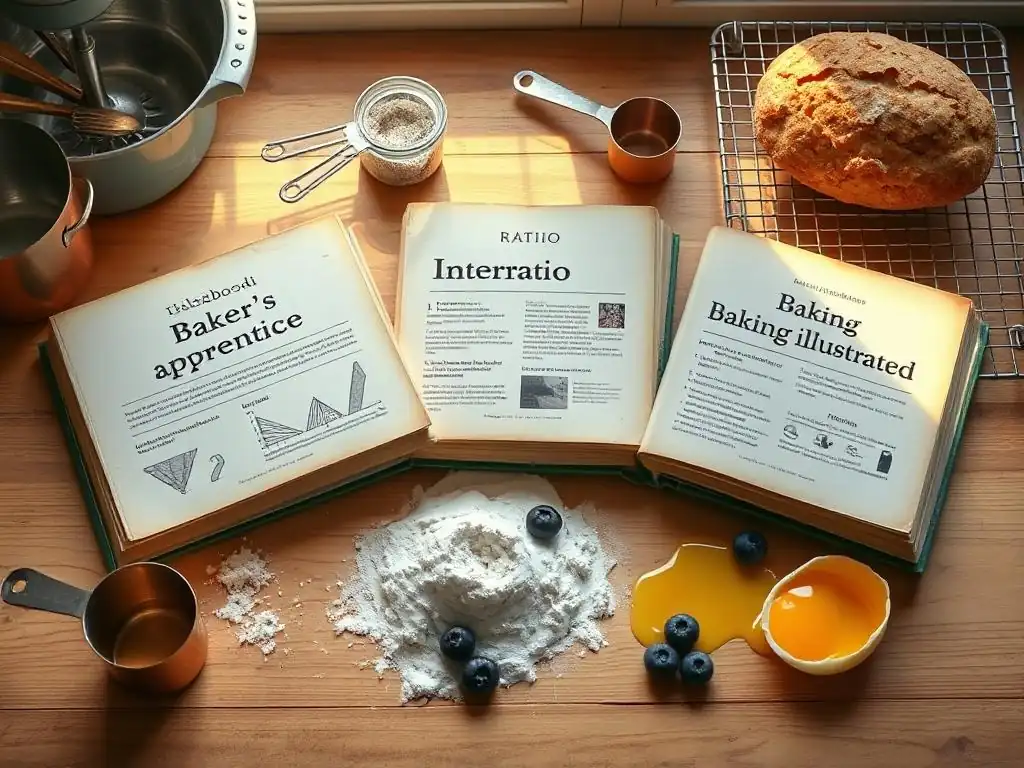
Welcome to BakeWithEase, your trusted companion in the delightful world of baking! Ever wondered why some baking recipes magically work, while others fall flat? This guide dives deep into the essential baking cookbooks that not only provide delicious recipes, but also unlock the science and techniques behind them. Get ready to understand the 'why' behind baking and transform your kitchen into a haven of perfectly risen cakes and flawlessly textured breads. Intrigued? Let's explore the books that will revolutionize your baking journey...
- Understanding the Science of Baking: Why Baking Recipes Work
-
The Best Baking Cookbooks for Understanding Baking Principles
- #1: The Food Lab: Better Home Cooking Through Science by J. Kenji López-Alt – Mastering the Fundamentals of Baking Science
- #2: Baking Illustrated by Cook's Illustrated – A Comprehensive Guide to Baking Success and Recipe Rationale
- #3: Ratio: The Simple Codes Behind the Craft of Everyday Cooking by Michael Ruhlman – Demystifying Baking Ratios and Their Impact
- #4: Bread Baker's Apprentice by Peter Reinhart – Mastering Bread Baking with Scientific Precision
- #5: Advanced Bread and Pastry: A Professional Approach by Michel Suas – Diving Deep into the Science of Advanced Baking Techniques
- Choosing the Right Cookbook to Understand the Science Behind Baking Recipes
- Applying Your Knowledge: Putting the 'Why' Into Practice
-
Frequently Asked Questions
- What makes a baking cookbook "essential" according to BakeWithEase?
- How do these cookbooks help beginners understand baking better?
- What kind of "why" questions do these cookbooks typically answer?
- Are these cookbooks only for bread baking, or do they cover other baked goods?
- If I follow a recipe perfectly, why is understanding the "why" still important?
- Final Reflection: Unlocking the Magic: Why Understanding Baking Truly Matters
- Unlock Your Inner Baking Maestro!
Understanding the Science of Baking: Why Baking Recipes Work
Baking is often seen as a precise science, and for good reason. Unlike cooking, where improvisation is common, baking relies on chemical reactions and physical processes to achieve the desired outcome. Understanding the why baking recipes work is the key to consistent success and the ability to troubleshoot when things go wrong. It’s not just about following steps; it's about knowing what each ingredient does, how temperature affects structure, and why mixing methods matter. Delving into the science transforms baking from a set of instructions into a fascinating exploration of culinary chemistry.
When you understand the fundamental principles – like how gluten develops in bread dough, why sugar acts as a tenderizer in cakes, or how leavening agents produce lift – you gain control. For instance, knowing that gluten forms when proteins in flour (glutenin and gliadin) combine with water and are agitated helps you understand why overmixing can lead to tough muffins but is essential for chewy bread.
Similarly, recognizing that baking soda requires an acid to react fully explains why recipes using it often include buttermilk, yogurt, or citrus juice. This deeper comprehension allows you to adapt recipes, fix mistakes, and even create your own baked goods with confidence, truly grasping why baking recipes work.
Unlocking the Secrets: Exploring the Science Behind Successful Baking
The success of a baking recipe hinges on the interplay of ingredients and techniques, governed by scientific principles. Consider the Maillard reaction and caramelization, two crucial processes responsible for the delicious browning and complex flavors in baked goods. The Maillard reaction occurs between amino acids and reducing sugars at temperatures typically above 280°F (140°C), creating hundreds of new flavor compounds. Caramelization, on the other hand, involves the browning of sugars themselves at even higher temperatures (around 320°F/160°C for sucrose), resulting in nutty, buttery, and slightly bitter notes. Understanding these reactions helps bakers control crust color and flavor development.
Furthermore, the role of fats and liquids is critical to texture. Fats, whether solid (like butter) or liquid (like oil), shorten gluten strands, leading to tender crumb structures in cakes and cookies. In pastries, solid fats cut into flour create layers that expand during baking as water turns to steam, resulting in flakiness.
Liquids, primarily water or milk, are essential for hydrating flour proteins to form gluten, dissolving sugar and salt, and activating leavening agents. The ratio of liquid to dry ingredients significantly impacts the consistency of doughs and batters, directly influencing the final texture and volume, fundamentally explaining why baking recipes work in achieving specific results.
The Best Baking Cookbooks for Understanding Baking Principles

#1: The Food Lab: Better Home Cooking Through Science by J. Kenji López-Alt – Mastering the Fundamentals of Baking Science
The Food Lab takes an investigative approach to cooking, and its baking sections are no exception. J. Kenji López-Alt uses rigorous testing and scientific inquiry to break down traditional techniques and explain the why behind each step. While not exclusively a baking book, its deep dive into the physics and chemistry of cooking provides an invaluable foundation for understanding how ingredients behave under heat and during preparation. The book often presents multiple variations of a recipe, systematically altering variables like temperature, ingredient ratios, or mixing methods, and then clearly explains the scientific reason for the observed differences in outcome.
This cookbook excels at demonstrating why baking recipes work by illustrating the impact of small changes. For example, it might show how chilling pie dough affects flakiness by keeping fat solid until baking, allowing steam pockets to form. It explains emulsion science in vinaigrettes, which translates directly to understanding how fats and liquids combine in batters. By focusing on the scientific principles governing cooking broadly, The Food Lab equips bakers with a powerful analytical mindset that can be applied to any recipe, helping them understand the underlying mechanisms rather than just following instructions blindly.
Why The Food Lab Explains Why Baking Recipes Work So Well
The Food Lab's strength lies in its empirical approach. López-Alt doesn't just state that something works; he shows you why through side-by-side comparisons and detailed explanations grounded in physics and chemistry. This methodology is particularly effective for understanding baking, a process so reliant on precise measurements and controlled reactions. The book demystifies common baking wisdom, sometimes confirming it with scientific proof, and other times debunking myths based on experimental results. This evidence-based perspective helps bakers move beyond simple technique to a true understanding of ingredient function and structural development.
The book's exploration of heat transfer, phase changes (like water turning to steam), and the properties of proteins, carbohydrates, and fats directly addresses the core questions of why baking recipes work. For instance, understanding how radiant versus convection heat affects crust formation in bread or how protein denaturation impacts egg cookery (relevant for custards and meringues) provides actionable knowledge. This scientific rigor makes The Food Lab an exceptional resource for any baker seeking a deeper understanding of their craft, moving beyond surface-level instructions to the fundamental science.
Key Baking Principles Covered in The Food Lab
The Food Lab covers a range of principles applicable to baking, often within the context of broader cooking experiments.
- Heat Transfer and Temperature: Explains how different types of heat (convection, radiation, conduction) impact baking outcomes, crucial for understanding oven function and recipe temperatures.
- Protein Denaturation and Coagulation: Details how proteins, particularly in eggs and flour, change structure when heated or mixed, affecting texture and binding.
- Emulsions: Discusses how to create stable mixtures of oil and water, relevant for batters, sauces, and some doughs.
- Leavening: Touches upon the principles behind steam leavening, chemical leaveners, and yeast fermentation in various contexts.
- Sugar's Role: Explores how sugar affects tenderness, moisture retention, browning, and structure.
- Fat's Role: Details how fats contribute to tenderness, flakiness, and flavor.
These principles are illustrated through various recipes, including explanations of why techniques for perfect roasted potatoes or crispy fried chicken are scientifically sound, and how those same principles apply to achieving a flaky biscuit or a tender cake.
Affiliate Opportunity: Buy The Food Lab on Amazon
#2: Baking Illustrated by Cook's Illustrated – A Comprehensive Guide to Baking Success and Recipe Rationale
Baking Illustrated is a testament to the power of systematic testing in the kitchen. Produced by the editors of Cook's Illustrated magazine, known for their meticulous approach, this book provides not just recipes but detailed explanations of why baking recipes work. Each recipe is the result of numerous tests, with variations documented and the reasoning behind the final chosen method clearly articulated. This cookbook is designed to eliminate guesswork, offering reliable recipes alongside the knowledge needed to understand the logic behind them.
The book covers a vast range of baking categories, from quick breads and cookies to pies, tarts, cakes, and pastries. For each recipe, a section often titled "Why This Recipe Works" or similar provides insights into ingredient choices, proportions, and technique. For example, when discussing pie crusts, it might explain why using cold butter is essential for flakiness or why a specific type of flour yields better results. This focus on rationale makes it an excellent resource for bakers who want to move beyond simple instruction following and truly understand the mechanics of baking.
Baking Illustrated: Learning the 'Why' Through Tried-and-True Techniques
The core philosophy of Baking Illustrated is rooted in experimentation and comparison. The book doesn't just give you a recipe; it takes you through the process of how that recipe was developed, highlighting the common pitfalls and how to avoid them. This empirical approach is perfect for understanding why baking recipes work because it demonstrates the impact of different variables. For instance, they might test five different methods for creaming butter and sugar for a cake and explain which yielded the best crumb structure and why (often related to air incorporation).
Through detailed illustrations and clear prose, Baking Illustrated demystifies complex techniques and ingredient interactions. They explain the science behind tempering chocolate, the perfect temperature for proofing yeast dough, or why sifting flour can sometimes be detrimental. This focus on the practical application of scientific principles, backed by extensive testing, makes Baking Illustrated a highly educational tool for bakers looking to deepen their understanding and ensure consistent, high-quality results.
Understanding Ingredient Interactions with Baking Illustrated
A significant strength of Baking Illustrated is its detailed exploration of how ingredients interact. The book frequently explains the specific roles of different flours (e.g., why cake flour's lower protein content is ideal for tender cakes, typically containing 7-9% protein compared to all-purpose flour's 10-12%), various types of sugar (granulated, brown, confectioners'), and different fats (butter, shortening, oil). It explains how these ingredients behave chemically and physically during mixing, resting, and baking.
For example, the book might explain how the acidity in brown sugar reacts with baking soda, or how the melting point of different fats affects the texture of cookies. It often provides data from their test kitchen, such as optimal dough temperatures or specific gravity measurements for batters, to illustrate the precise conditions required for success. This level of detail in explaining ingredient function makes Baking Illustrated an invaluable resource for understanding the foundational reasons why baking recipes work.
Affiliate Opportunity: Purchase Baking Illustrated at Cook's Illustrated
#3: Ratio: The Simple Codes Behind the Craft of Everyday Cooking by Michael Ruhlman – Demystifying Baking Ratios and Their Impact
Michael Ruhlman's Ratio presents a revolutionary way to think about cooking and baking: through simple, foundational ratios. Ruhlman argues that many classic recipes are based on consistent proportions of key ingredients, and understanding these ratios unlocks the ability to create countless variations without needing a specific recipe. This approach fundamentally explains why baking recipes work by revealing the underlying mathematical relationships that govern successful outcomes for categories like doughs, batters, and custards.
The book isn't a traditional cookbook filled with hundreds of specific recipes. Instead, it provides core ratios, such as the 3:2:1 ratio for pie dough (3 parts flour, 2 parts fat, 1 part liquid, by weight), or the 1:1:1:1 ratio for pound cake (equal parts butter, sugar, eggs, and flour, by weight). Ruhlman explains the function of each component within the ratio and how adjusting the proportions impacts the final product. This framework provides a deep understanding of recipe structure and allows for significant creative freedom once the basic principles are grasped.
The Power of Ratios: Grasping the Foundation of Baking with Ruhlman
Ruhlman's ratio concept is powerful because it highlights the essential relationships between ingredients that dictate texture and structure in baking. For instance, understanding the bread ratio (typically 5 parts flour to 3 parts water, or 5:3, plus yeast and salt) teaches you that hydration level is critical to dough handling and crumb structure. A higher ratio of water results in a wetter, more open crumb, while a lower ratio yields a denser loaf. This principle explains why baking recipes work differently depending on the amount of liquid used.
By focusing on these foundational ratios, Ratio helps bakers see the underlying patterns in diverse recipes. A scone, a biscuit, and even some quick breads can be understood as variations on a basic dough ratio with different leaveners and mixing methods. This perspective shifts the focus from memorizing steps to understanding the fundamental balance of ingredients, empowering bakers to improvise and adapt with confidence, knowing the core principles that make a recipe successful.
How Ratio Simplifies Baking and Explains Recipe Success
Ratio simplifies baking by reducing complex recipes to their fundamental components and relationships. Once you understand the basic ratios for categories like cookies (e.g., 3 parts flour, 2 parts fat, 1 part sugar, by weight, with egg and leavening variations), you can intuitively understand why different cookie recipes yield different textures. A higher fat-to-sugar ratio might produce a crispier cookie, while more egg could result in a chewier one. This framework provides a scientific lens through which to view and modify recipes.
The book explains the science behind these ratios – why a certain amount of fat is needed to shorten gluten strands in a pie crust, or why the balance of sugar and eggs in a custard is crucial for setting. By teaching the "codes" behind the craft, Ratio gives bakers a robust mental model for understanding why baking recipes work and the confidence to experiment. It's a book that teaches you to think like a baker, focusing on the principles that underpin countless successful recipes.
Affiliate Opportunity: Get Ratio on Bookshop.org
#4: Bread Baker's Apprentice by Peter Reinhart – Mastering Bread Baking with Scientific Precision
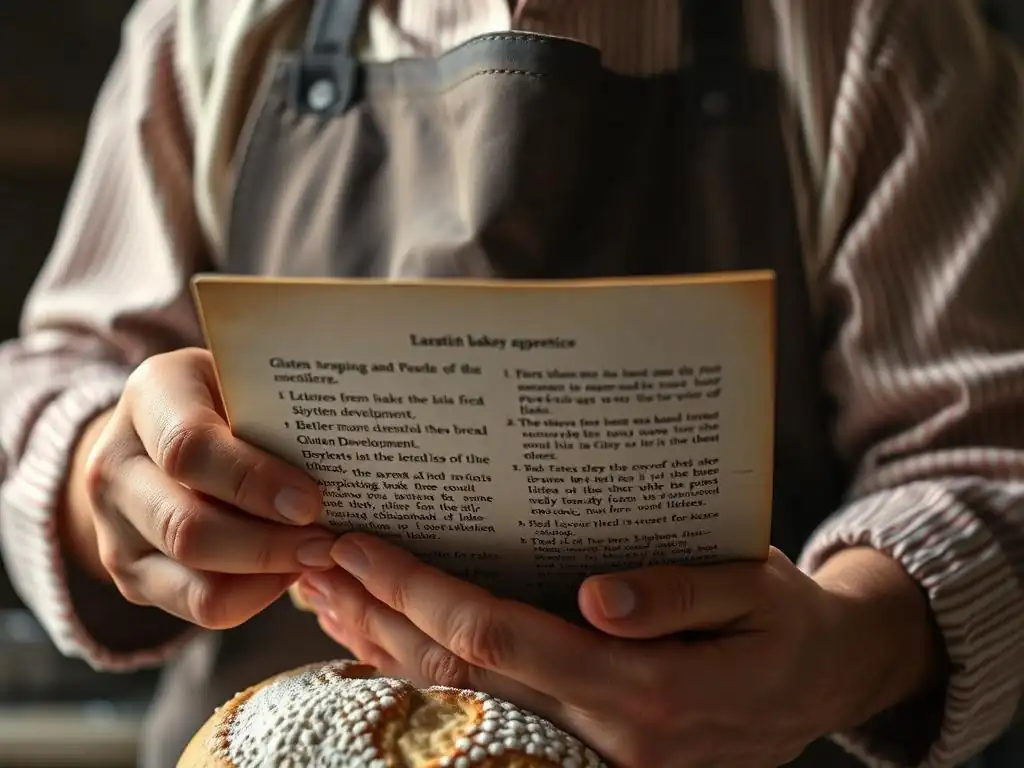
Peter Reinhart's The Bread Baker's Apprentice is a seminal work for anyone serious about understanding the science and craft of bread baking. While it provides detailed recipes for classic and artisan breads, its true value lies in its comprehensive explanations of the bread-making process, particularly focusing on fermentation, gluten development, and the role of various ingredients. Reinhart delves deep into the "why" behind every step, from mixing and kneading to proofing and baking, making it an essential guide for understanding why baking recipes work specifically in the context of bread.
The book covers a wide array of bread types, including lean artisan loaves, enriched breads, and sourdoughs. For each, Reinhart explains the specific techniques required and the scientific reasons for them. He details the different stages of fermentation, the impact of temperature on yeast activity (e.g., yeast activity doubles for approximately every 15°F increase between 50°F and 130°F), and how varying hydration levels affect dough handling and crumb structure. This depth of knowledge empowers bakers to control the process and achieve consistent, high-quality results.
Bread Baker's Apprentice: Unveiling the Secrets of Artisan Bread Baking
The Bread Baker's Apprentice demystifies the seemingly complex world of artisan bread. Reinhart explains the importance of autolyse (a resting period after mixing flour and water, allowing gluten to hydrate without kneading), the nuances of different kneading techniques (from intensive machine mixing to gentle stretch-and-fold methods), and the critical role of fermentation time and temperature. He explains how these steps influence the development of flavor, aroma, and texture in the final loaf, providing the scientific basis for traditional techniques.
The book also explores the use of pre-ferments like poolish, biga, and sourdough starters, explaining the microbiological processes occurring within them and how they contribute complexity and structure to the bread. By detailing the life cycle of yeast and bacteria in dough, Reinhart provides bakers with the knowledge to manage fermentation effectively, adapting to different environmental conditions. This focus on the biological and chemical processes makes the book invaluable for understanding why baking recipes work to produce a perfect loaf.
Understanding Fermentation and Gluten Development: The Science of Bread
A significant portion of The Bread Baker's Apprentice is dedicated to the science of fermentation and gluten development – the twin pillars of successful bread baking. Reinhart explains how yeast consumes sugars in the dough and produces carbon dioxide gas (which causes the dough to rise) and alcohol and organic acids (which contribute flavor). He details how controlling factors like temperature and time allows bakers to manage the rate and extent of fermentation, profoundly impacting the final bread.
Simultaneously, he provides clear explanations of how gluten forms from the interaction of flour proteins and water during mixing and kneading. He describes how this elastic network traps the gases produced by fermentation, giving bread its structure and volume. The book explains how different flours (e.g., high-protein bread flour, typically 12-14% protein, versus lower-protein all-purpose) affect gluten development and how techniques like long, slow fermentation can build strength even in wetter doughs. This deep dive into these core processes provides the definitive explanation for why baking recipes work in creating everything from a crusty baguette to a soft challah.
Affiliate Opportunity: Buy Bread Baker's Apprentice on Amazon
#5: Advanced Bread and Pastry: A Professional Approach by Michel Suas – Diving Deep into the Science of Advanced Baking Techniques
For bakers looking to move beyond the fundamentals and explore more complex techniques used in professional kitchens, Michel Suas' Advanced Bread and Pastry is an unparalleled resource. Written by the founder of the San Francisco Baking Institute, this textbook-style volume provides an exhaustive look at the science, techniques, and formulas behind a vast range of baked goods, from artisan breads and laminated pastries to cakes, tarts, and confections. It offers a truly scientific and professional perspective on why baking recipes work.
The book is structured logically, often starting with the foundational science and then applying it to specific product categories. It includes detailed explanations of ingredient function, dough rheology, fermentation processes, and the physics of baking in professional ovens. While dense, the information is presented clearly, often with charts, graphs, and diagrams illustrating concepts like the stages of gluten development or the temperature curves for different baking processes. It is designed for serious students of baking who want a deep, technical understanding.
Advanced Bread and Pastry: For the Serious Baker Seeking Scientific Expertise
This book is not for the casual baker; it's a comprehensive reference for those who want a professional level of understanding. Suas provides detailed scientific background for every topic. For instance, when discussing laminated doughs (like croissants or puff pastry), he explains the precise melting points of different fats and how the alternating layers of fat and dough create steam during baking, resulting in hundreds of flaky layers (a well-made puff pastry can have over 1,000 layers). This level of scientific detail explains why baking recipes work at a molecular level.
The book includes extensive sections on ingredient specifications (e.g., different types of flour, malt, enzymes), providing insights into how subtle variations impact the final product. It covers advanced topics like preferment management, pH levels in sourdough, and the controlled crystallization of sugar in confectionery. This rigorous, science-based approach makes Advanced Bread and Pastry an essential volume for anyone seeking mastery in the field and a deep understanding of the technical reasons behind baking success.
Exploring Complex Baking Processes with Michel Suas' Expertise
Advanced Bread and Pastry breaks down complex baking processes into understandable scientific principles. For example, it provides detailed information on the optimal temperature ranges and humidity levels for proofing different types of bread, explaining the biological activity of yeast and bacteria under these conditions. It discusses the science of emulsification in cake batters, explaining how ingredients like eggs and fats create a stable structure that can hold air and expand during baking.
The book also delves into the physics of heat transfer within the oven and how factors like steam injection affect crust development and oven spring in bread. It provides formulas and calculations for adjusting recipes based on desired outcomes or different ingredient properties. By offering this level of technical detail and scientific explanation, Suas equips bakers with the knowledge to execute even the most challenging recipes successfully and to truly understand why baking recipes work at an advanced level.
Affiliate Opportunity: Purchase Advanced Bread and Pastry at Amazon
Choosing the Right Cookbook to Understand the Science Behind Baking Recipes
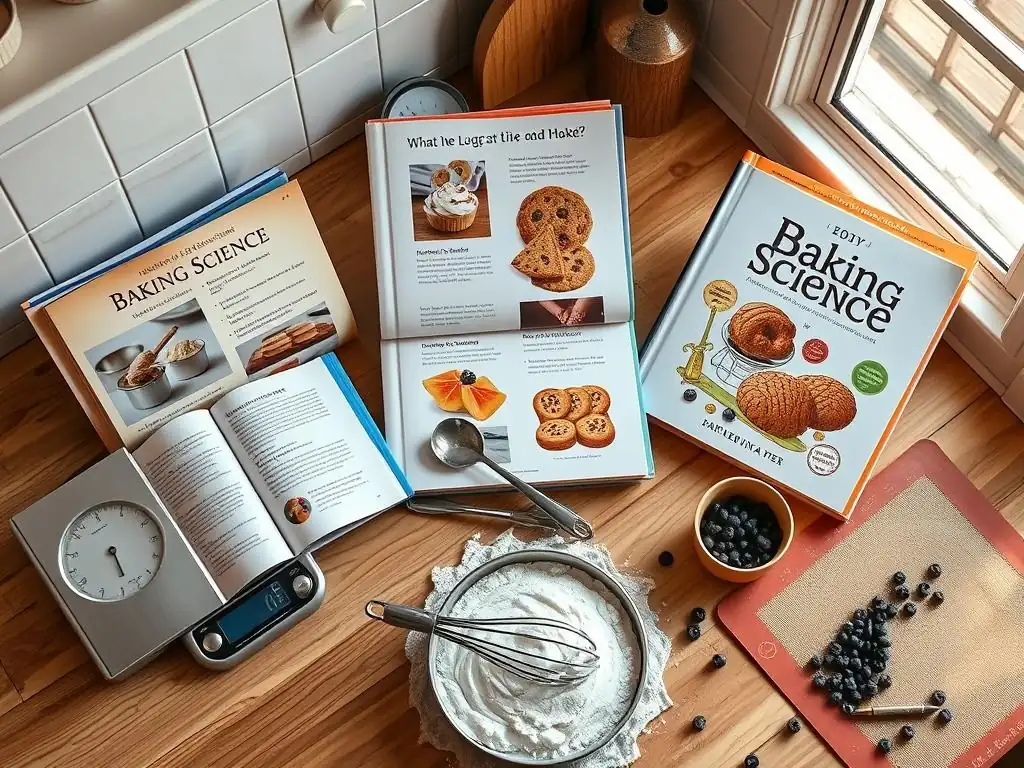
Selecting the perfect cookbook to deepen your understanding of why baking recipes work depends heavily on your current skill level, your baking interests, and how you prefer to learn. Are you a complete beginner looking for reliable recipes with simple explanations? Or are you an experienced baker aiming to master complex techniques and understand the underlying chemistry in detail? Consider what you hope to gain from the book before making your choice.
Think about the types of baked goods you are most interested in. If bread is your passion, a book dedicated specifically to bread science will be more beneficial than a general baking science book. If you're curious about everything from cookies to croissants, a comprehensive guide covering multiple categories might be a better fit. Also, consider the book's style – some are more textbook-like, while others are more accessible and recipe-driven.
Consider Your Skill Level and Baking Goals
Your current proficiency in the kitchen should be a primary factor in choosing a science-focused baking book.
- Beginners: May prefer books like Baking Illustrated, which offer thoroughly tested recipes alongside clear, practical explanations of why baking recipes work. The focus is on reliable outcomes with enough scientific background to build foundational knowledge without being overwhelming.
- Intermediate Bakers: Might find The Food Lab or Ratio particularly insightful. The Food Lab encourages an experimental mindset, while Ratio provides a powerful framework for understanding recipe structure. Both help bridge the gap between following instructions and understanding principles.
- Advanced/Professional Bakers: The Bread Baker's Apprentice (for bread specialists) or Advanced Bread and Pastry offer the deep, technical, and scientific explanations required for mastery. These books assume a certain level of existing skill and delve into complex concepts and formulas.
Consider what your goals are. Do you want to troubleshoot common problems, adapt existing recipes, create your own, or simply gain more consistent results? Aligning the book's approach with your personal baking objectives will ensure you choose a resource that is both informative and practical for your needs.
Comparing Cookbooks Based on Scientific Depth and Explanations
The cookbooks discussed vary in the depth of scientific explanation they provide and how they integrate it with recipes.
- The Food Lab and Baking Illustrated use scientific inquiry and testing to explain why baking recipes work within the context of practical recipes. They are strong on demonstrating the impact of variables.
- Ratio is unique in its focus on the mathematical relationships between ingredients as the core scientific principle, offering a different but powerful lens.
- The Bread Baker's Apprentice and Advanced Bread and Pastry offer the most detailed scientific explanations, particularly concerning microbiology (fermentation), chemistry (ingredient reactions), and physics (heat transfer, dough rheology). Advanced Bread and Pastry is the most technically rigorous.
Evaluate how much scientific detail you want. Are you satisfied with understanding the practical reason behind a technique, or do you want to know the chemical reaction or physical process occurring? Reading reviews or previewing sections of the books can help you gauge the level of scientific depth.
Making an Informed Decision: Investing in Your Baking Education
Choosing one of these cookbooks is an investment in your baking education. It's about gaining the knowledge to understand why baking recipes work, which ultimately leads to more confidence, consistency, and creativity in the kitchen. Don't hesitate to start with a book that aligns with your current level and interests, and perhaps progress to more advanced texts as your skills and curiosity grow.
To make an informed decision, consider:
- [ ] What types of baking do I enjoy most? (Bread, pastry, cakes, etc.)
- [ ] What is my current baking skill level? (Beginner, Intermediate, Advanced)
- [ ] How much scientific detail do I want? (Practical explanations vs. deep chemistry/physics)
- [ ] What is my preferred learning style? (Recipe-driven, experimental, theoretical/ratio-based)
- [ ] What are my goals? (Consistency, troubleshooting, recipe development, mastery)
By reflecting on these questions and considering the strengths of each book discussed, you can select the best resource to help you unlock the science behind successful baking.
Applying Your Knowledge: Putting the 'Why' Into Practice
Reading about the science of baking is just the first step; the real learning happens when you apply that knowledge in the kitchen. Understanding why baking recipes work empowers you to be a more intuitive and adaptable baker. Instead of blindly following steps, you can anticipate outcomes, troubleshoot issues, and even confidently make minor adjustments to recipes based on your understanding of ingredient functions and baking principles.
Putting the "why" into practice means observing, experimenting, and reflecting on your results. Pay attention to how changes in temperature affect dough rise, how substituting one type of sugar for another impacts texture, or how different mixing methods influence crumb structure. Each baking session becomes an opportunity to reinforce the scientific concepts you've learned and refine your skills.
Experimenting with Recipes and Understanding Ingredient Functions
Armed with knowledge about why baking recipes work, you can start experimenting with recipes in a more informed way. Try making a cookie recipe using different types of fat (butter vs. shortening vs. oil) to see how the melting point and composition of the fat affect spread and texture. Bake a simple cake recipe using different leavening agents (baking soda with acid vs. baking powder) to observe the differences in rise and crumb structure.
Understanding the specific function of each ingredient is key to successful experimentation.
- Flour: Provides structure (gluten) and absorbs liquid. Different types have varying protein levels (e.g., bread flour ~12-14%, cake flour ~7-9%).
- Sugar: Sweetens, tenderizes (interferes with gluten development), retains moisture, aids browning (Maillard reaction, caramelization), and can contribute to spread.
- Fats: Tenderize (shorten gluten), contribute flavor and moisture, aid in leavening (creating steam pockets or trapping air), and promote flakiness.
- Liquids: Hydrate dry ingredients (essential for gluten development and activating leaveners), dissolve sugar and salt, and contribute to steam leavening.
- Eggs: Provide structure (coagulated protein), emulsify fats and liquids, contribute to leavening (whipped eggs), add richness, and aid browning.
- Leaveners (Yeast, Baking Soda, Baking Powder): Produce gases (CO2, steam) that cause doughs and batters to rise, creating a light texture. Baking soda requires an acid; baking powder contains both acid and base.
By intentionally varying one element at a time and observing the results, you solidify your understanding of why baking recipes work and gain the confidence to adapt recipes to your preferences or available ingredients.
Troubleshooting Common Baking Problems with Scientific Insight
Understanding the science behind baking is perhaps most valuable when troubleshooting. When a cake sinks in the middle, a cookie spreads too much, or bread doesn't rise, knowing the why helps you diagnose the problem. Instead of guessing, you can draw on your knowledge of ingredient interactions, temperature effects, and mixing principles to identify potential causes.
For example:
- Problem: Cake sinks in the middle.
- Scientific Insight: Could be underbaking (structure not set), oven temperature too high (crust sets before interior rises), too much leavening (rises too quickly, collapses), or too much liquid/sugar/fat (weakens structure).
- Problem: Cookies spread too much.
- Scientific Insight: Could be butter too soft (should be cool, solid), too much sugar (especially granulated), oven not hot enough, or insufficient flour/leavening.
By systematically considering the scientific factors at play, you can narrow down the possibilities and adjust your technique or recipe accordingly. This analytical approach, guided by your understanding of why baking recipes work, transforms frustrating failures into valuable learning opportunities.
BakeWithEase Resources: Complementing Your Cookbook Learning Experience
As you delve into the science of baking with these excellent cookbooks, remember that BakeWithEase.com is here to complement your learning journey. Our website offers a wealth of resources designed to support bakers of all levels, from simple step-by-step recipes that put scientific principles into practice to articles explaining specific techniques and ingredient roles.
We provide:
- Easy-to-follow recipes for various baked goods.
- Guides explaining fundamental techniques like creaming butter and sugar or kneading dough.
- Articles detailing the functions of common baking ingredients.
- Tips for troubleshooting common baking issues.
- Resources for adapting recipes and experimenting in your kitchen.
Combining the deep theoretical knowledge gained from these scientific cookbooks with the practical, accessible resources on BakeWithEase.com will empower you to become a truly confident and skilled baker, fully understanding and applying the principles of why baking recipes work.
Frequently Asked Questions
What makes a baking cookbook "essential" according to BakeWithEase?
An essential baking cookbook not only provides recipes, but also explains the science and techniques behind them, helping you understand why baking recipes work. It empowers you to troubleshoot and adapt.
How do these cookbooks help beginners understand baking better?
They break down complex concepts into easy-to-understand language, explaining the role of each ingredient and the impact of different methods. This builds a strong foundation.
What kind of "why" questions do these cookbooks typically answer?
They address questions like why you need to use specific types of flour, why certain ingredients need to be at room temperature, and why certain mixing techniques are crucial.
Are these cookbooks only for bread baking, or do they cover other baked goods?
No, they cover a wide range of baked goods, including pastries, cakes, cookies, and more, always emphasizing the fundamental principles that apply across various recipes.
If I follow a recipe perfectly, why is understanding the "why" still important?
Understanding the "why" allows you to troubleshoot issues, make adjustments based on your ingredients or equipment, and ultimately become a more confident and creative baker.
Final Reflection: Unlocking the Magic: Why Understanding Baking Truly Matters
Understanding the why behind baking recipes isn't just about following instructions; it's about unlocking a deeper appreciation for the art and science of creating delicious treats. This exploration into essential baking cookbooks that prioritize explanation over mere instruction reveals a crucial truth: mastering baking requires understanding the fundamental principles that govern the transformation of ingredients into delectable masterpieces. This knowledge empowers bakers of all levels to troubleshoot, innovate, and ultimately, create truly exceptional baked goods.
The impact of understanding the "why" extends far beyond the kitchen. It fosters a sense of empowerment and creativity, encouraging experimentation and a deeper connection with the process. The best bakers are not just those who follow recipes precisely, but those who understand the science behind them and can adapt and improve upon them.
This quote encapsulates the spirit of this article, highlighting the transformative power of knowledge in the baking world. It's a journey of discovery, one where each successful bake is not just a delicious reward, but a testament to the understanding gained.
Now, consider your own baking journey. Do you approach recipes as rigid instructions, or as a starting point for exploration? I encourage you to delve deeper into the "why" behind your favorite recipes. Explore the science of leavening, the role of fat and sugar, and the magic of gluten development. By understanding the underlying principles, you'll not only improve your baking skills but also unlock a whole new level of creativity and satisfaction in the kitchen. Embrace the challenge, experiment fearlessly, and discover the joy of truly understanding the art of baking.
Unlock Your Inner Baking Maestro!
Thanks for taking the time to explore the world of baking with us! We hope you've discovered some truly inspiring cookbooks to elevate your baking skills. Now it's time to put that knowledge into action.
- Dive into your chosen cookbook: Start with one recipe that excites you – don't be afraid to experiment and make it your own! This is your chance to truly master a new technique or flavor profile.
- Share your baking journey: Post a picture of your creation on social media and tag us #BakeWithEase – we love seeing your delicious results!
- Explore our website: Discover more articles and resources at BakeWithEase.com to further enhance your baking knowledge and skills.
Ready to transform your kitchen into a haven of deliciousness? What's the first recipe you're going to tackle?