
Secrets to Flaky Pie Crusts: Online Baking Courses for Perfect Pastry

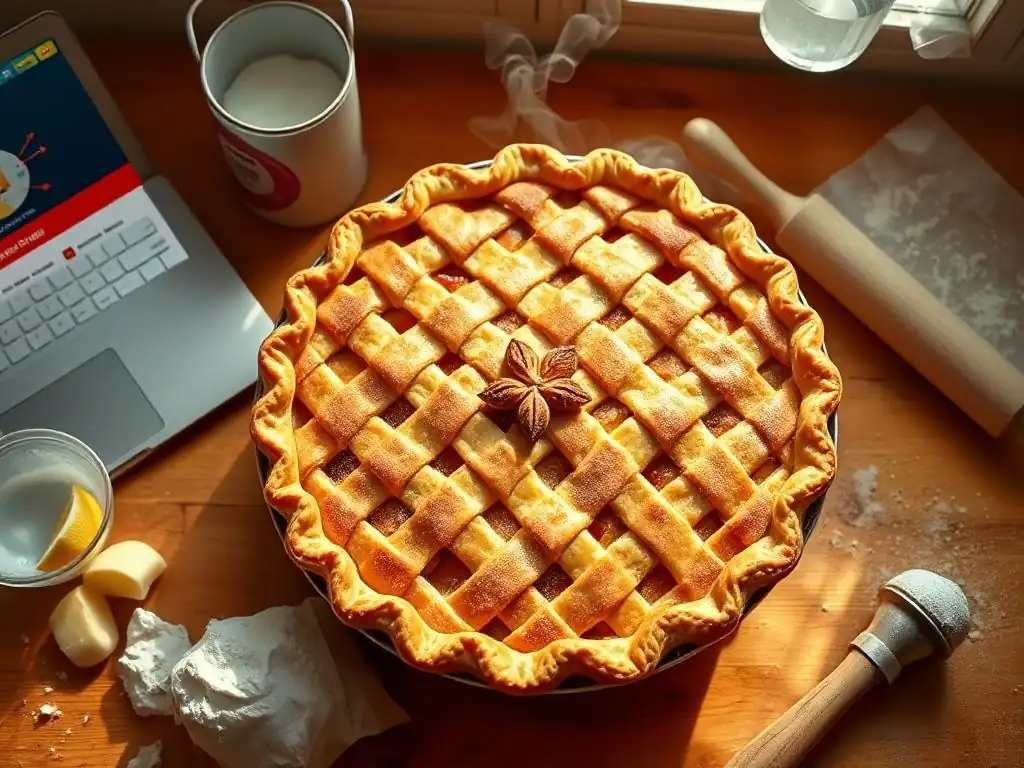
Welcome to BakeWithEase, your guide to baking brilliance! Ever wondered what separates a good pie crust from a truly exceptional, melt-in-your-mouth one? Discover the secrets to achieving that perfect, flaky pie crust you've always dreamed of. We're diving deep into essential techniques and offering insights that will elevate your baking game – and it all starts right here. Intrigued? Explore our baking courses and unlock the secrets to perfect pastry!
- Achieve the Perfect Flaky Pie Crust: Mastering the Technique
- Top Online Baking Courses for Mastering Flaky Pie Crust Baking Tips
- Essential Flaky Pie Crust Baking Tips: Beyond the Courses
- Comparing Online Pie Crust Courses: Choosing the Right One for You
- Monetizing Your Pie Crust Skills: From Hobby to Side Hustle
- Beyond the Basics: Experimenting with Flavors and Ingredients in Your Flaky Pie Crust
- Frequently Asked Questions
- Final Reflection: The Enduring Allure of the Perfect Flaky Crust
- Unleash Your Inner Pastry Chef: Master Flaky Perfection!
Achieve the Perfect Flaky Pie Crust: Mastering the Technique
Why Flaky Pie Crusts Matter: The Key to Baking Success
A truly exceptional pie starts with a perfect crust. That desirable flaky texture isn't just about aesthetics; it's fundamental to the overall eating experience. When you bite into a pie with a wonderfully flaky crust, you get layers that shatter delicately, providing a delightful contrast to the filling.
This texture is created by tiny pockets of steam formed when the water in the dough evaporates during baking, separating the fat layers. Without this flakiness, a crust can be dense, tough, or simply uninteresting, detracting significantly from even the most delicious filling. Mastering this skill elevates your baking from good to truly memorable.
Achieving this sought-after flakiness is often considered a benchmark of a skilled baker. It requires understanding the science behind dough creation, the role of ingredients, and precise technique. Many home bakers struggle with tough or crumbly crusts, feeling frustrated by inconsistent results. Learning the key "flaky pie crust baking tips" is crucial for consistency and success. A great crust provides the structural integrity for the pie, holds the filling beautifully, and offers that essential textural counterpoint, making every slice a delightful experience. It's the foundation upon which pie greatness is built.
Common Pie Crust Problems and How Online Courses Can Help
Bakers frequently encounter several challenges when aiming for a flaky pie crust. One of the most common issues is a tough crust, often resulting from overworking the dough and developing too much gluten. Another problem is a crumbly crust that falls apart, which can happen if there isn't enough moisture or if the fat isn't properly incorporated. Soggy bottoms are also a persistent frustration, especially with wet fillings, often due to insufficient pre-baking (blind baking) or improper heat distribution during baking. Getting the fat-to-flour ratio and the hydration level just right can feel like a constant battle.
This is where dedicated online baking courses become invaluable. They offer structured learning environments that break down complex techniques into manageable steps. Unlike simply following a recipe, these courses provide detailed explanations, visual demonstrations, and often troubleshooting guides. Instructors can explain why certain steps are important, like keeping ingredients cold or handling the dough gently, reinforcing the "flaky pie crust baking tips" needed for success. They cover common pitfalls and offer solutions, helping bakers understand the 'how' and 'why' behind achieving that perfect texture, reducing guesswork and increasing confidence.
Top Online Baking Courses for Mastering Flaky Pie Crust Baking Tips
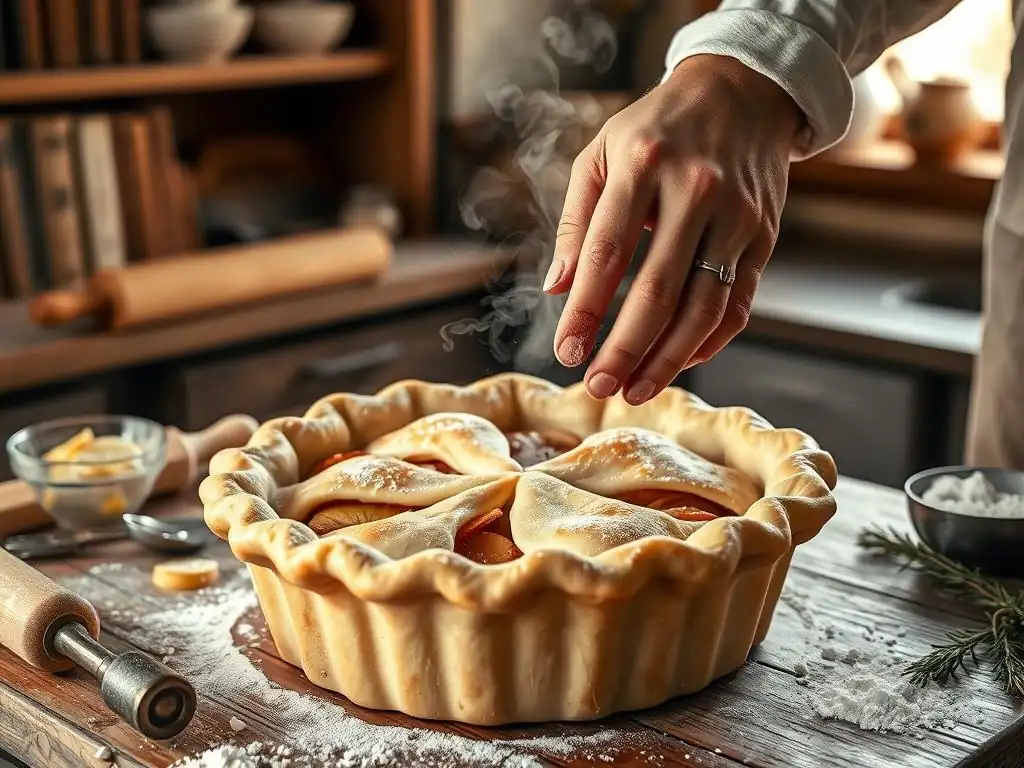
America's Test Kitchen Baking School: Pie & Tart Edition
Focus: Achieving Flaky Layers Through Precise Techniques and Ingredient Ratios
This course delves deep into the science and technique required for consistently flaky pie crusts. It emphasizes the importance of ingredient ratios, explaining how slight variations in flour, fat, and liquid can dramatically impact the final texture. Students learn the precise measurements and methods America's Test Kitchen has perfected through extensive testing. The focus is on understanding the role of gluten development and how to minimize it while maximizing the creation of distinct fat layers crucial for flakiness.
The instruction provides detailed explanations behind each step, ensuring students don't just follow a recipe but understand the underlying principles. It covers how to achieve a tender crumb while maintaining that desirable flaky shatter. They meticulously explain how the size and distribution of fat pieces within the dough are critical for steam creation during baking, which is the engine driving flakiness. This foundational knowledge is key to applying "flaky pie crust baking tips" effectively in any recipe.
Key Techniques Taught: Food Processor Method, Handling and Shaping Techniques
A significant portion of the course is dedicated to mastering specific techniques. The food processor method is taught as an efficient way to cut fat into flour quickly while keeping ingredients cold, a vital step for flakiness. Detailed instruction covers how to pulse correctly to achieve the ideal texture – a mix of coarse meal with some pea-sized pieces of fat. This method is demystified, making it accessible even to beginners.
Beyond mixing, the course provides extensive guidance on handling and shaping the dough. It covers chilling times, rolling techniques to ensure even thickness and minimal shrinkage, and how to transfer the delicate dough into the pie plate without stretching or tearing. These practical, hands-on techniques, demonstrated clearly, are essential "flaky pie crust baking tips" that prevent common issues like tough or misshapen crusts.
King Arthur Baking School: Classic Pie Baking
Focus: Working with Different Types of Flour and Fats for Optimal Crust Textures
King Arthur Baking School takes a comprehensive approach by exploring how different ingredients influence pie crust texture. They provide insights into how various types of flour, from all-purpose to pastry flour, affect gluten development and the final crumb. The course also gives significant attention to the role of different fats – butter, lard, shortening, or combinations – explaining how each contributes uniquely to flakiness, flavor, and tenderness.
Understanding the properties of these ingredients allows bakers to make informed choices based on the desired outcome. The course teaches how to adjust techniques slightly depending on the fat used, for example, how to work with butter versus lard to maximize flakiness. This nuanced understanding of ingredients is a core component of their "flaky pie crust baking tips" philosophy, empowering bakers to adapt recipes.
Key Techniques Taught: All-Butter Crust, Lard Crust, Gluten Development Control
The curriculum features in-depth lessons on creating classic crusts using different fats, with a strong focus on the all-butter crust, a favorite for its flavor and potential for flakiness. It also covers traditional lard-based crusts, known for exceptional tenderness and flakiness. Students learn the specific methods for incorporating butter or lard to achieve the ideal distribution of fat pieces.
A central theme is controlling gluten development. The course teaches gentle mixing techniques, recognizing when the dough has come together without overworking it, and the importance of rest periods to allow gluten to relax. Practical demonstrations show how to handle the dough minimally during rolling and shaping. These techniques are fundamental "flaky pie crust baking tips" for preventing toughness and ensuring a tender, layered crust.
Focus: Gluten control and hydration for a tender and flaky crust
Zoë François' course on Skillshare emphasizes the critical balance between hydration and gluten development. She explains how adding just the right amount of cold liquid is essential for bringing the dough together without activating too much gluten, which leads to toughness. The course highlights techniques that minimize mixing and handling, preserving the distinct layers of fat needed for flakiness.
Understanding how gluten forms and how to inhibit its development through careful handling and ingredient temperature is a core lesson. Zoë provides clear explanations of the science in an accessible way, making it easy for bakers to grasp why certain steps are crucial. This focus on the interplay of hydration and gluten is a key part of her "flaky pie crust baking tips."
Key Techniques Taught: Vodka Pie Crust, Using Ice Water Effectively, Troubleshooting
A standout technique covered is the "Vodka Pie Crust." Zoë explains the science behind using vodka in place of some of the water – because alcohol doesn't promote gluten development like water does, it allows for a wetter, easier-to-roll dough that remains tender and flaky. Students learn the specific ratio and method for incorporating vodka effectively.
The course also reinforces the classic "flaky pie crust baking tips" like using ice-cold water and keeping ingredients chilled. Zoë provides practical advice for troubleshooting common issues that arise during the pie-making process, such as dough that is too sticky or too dry, or cracks during rolling. Her friendly approach makes learning these techniques engaging and less intimidating for bakers of all levels.
Essential Flaky Pie Crust Baking Tips: Beyond the Courses
The Importance of Cold Ingredients: Butter, Water, and Equipment
Maintaining cold temperatures is arguably the most crucial factor in achieving a flaky pie crust. Cold butter, cut into pieces, is essential because it remains solid during the initial mixing. As the dough bakes, these cold pockets of butter melt, release steam, and create air pockets between the layers of dough, resulting in flakiness. If the butter is too warm, it incorporates too fully into the flour, leading to a more cookie-like or mealy texture instead of distinct layers.
Equally important is using ice-cold water (or a combination of water and vodka, as some techniques suggest). Cold liquid helps keep the fat solid and minimizes gluten development. Some bakers even chill their flour and tools, like mixing bowls and rolling pins, before starting. Working in a cool kitchen environment is also beneficial. The goal is to keep everything as cold as possible until the pie hits the hot oven, maximizing the chance for those essential steam pockets to form and create that desired flaky texture.
Mastering the Gluten Development: Mixing Techniques for Tenderness
Gluten is a protein network that develops when flour and water are mixed and agitated. While essential for structure in bread, too much gluten in pie crust results in toughness. The key is to mix the dough just enough to bring it together and distribute the fat, but not so much that a strong gluten network forms. Different mixing methods, like using a pastry blender, food processor, or even your hands, require slightly different approaches to achieve the right balance.
Techniques like cutting cold fat into the flour until it resembles coarse meal with some pea-sized pieces help coat the flour particles, inhibiting gluten development. Adding the liquid gradually and mixing minimally until the dough just clumps together is vital. Resting the dough in the refrigerator after mixing allows the gluten that has developed to relax, making the dough easier to roll and contributing to tenderness. These careful mixing and resting practices are fundamental "flaky pie crust baking tips."
Rolling and Shaping the Pie Crust: Preventing Shrinkage and Tears
Rolling and shaping pie dough can be challenging, but mastering a few techniques prevents common issues like shrinkage, cracking, and tearing. Always start with well-chilled dough that has rested adequately. Lightly flour your work surface and rolling pin, but avoid excessive flour, which can make the crust dry and tough. Roll from the center outwards, rotating the dough frequently to prevent sticking and ensure an even thickness, aiming for about 1/8 inch.
If the dough cracks, you can often patch it by wetting the edges slightly and pressing the dough together or using a small piece of scrap dough. To transfer the rolled dough to the pie plate without stretching (which causes shrinkage), gently roll the dough around your rolling pin and then unroll it over the plate, or carefully fold it into quarters and unfold it in the plate. Easing the dough into the corners of the plate without stretching is crucial. Trimming and crimping the edges seals the pie and adds a beautiful finish.
Blind Baking Techniques: Avoiding a Soggy Bottom Crust
A soggy bottom crust is a common pie disaster, especially with wet fillings like fruit or custard. Blind baking, or pre-baking the bottom crust before adding the filling, is often the solution. Start by fitting the chilled dough into the pie plate and crimping the edges. Then, line the crust with parchment paper or foil and fill it with pie weights, dried beans, or rice right up to the edges. This prevents the crust from puffing up or shrinking during baking.
Bake the weighted crust at a relatively high temperature (often around 375-400°F or 190-200°C) for 15-20 minutes until the edges are set. Then, carefully remove the weights and parchment/foil. Continue baking for another 5-10 minutes, or until the bottom is lightly golden and appears dry. For pies with very wet fillings, some bakers even brush the bottom crust with a thin layer of egg wash or melted butter before the second bake to create a moisture barrier. Proper blind baking is one of the most critical "flaky pie crust baking tips" for ensuring a crisp bottom.
Comparing Online Pie Crust Courses: Choosing the Right One for You
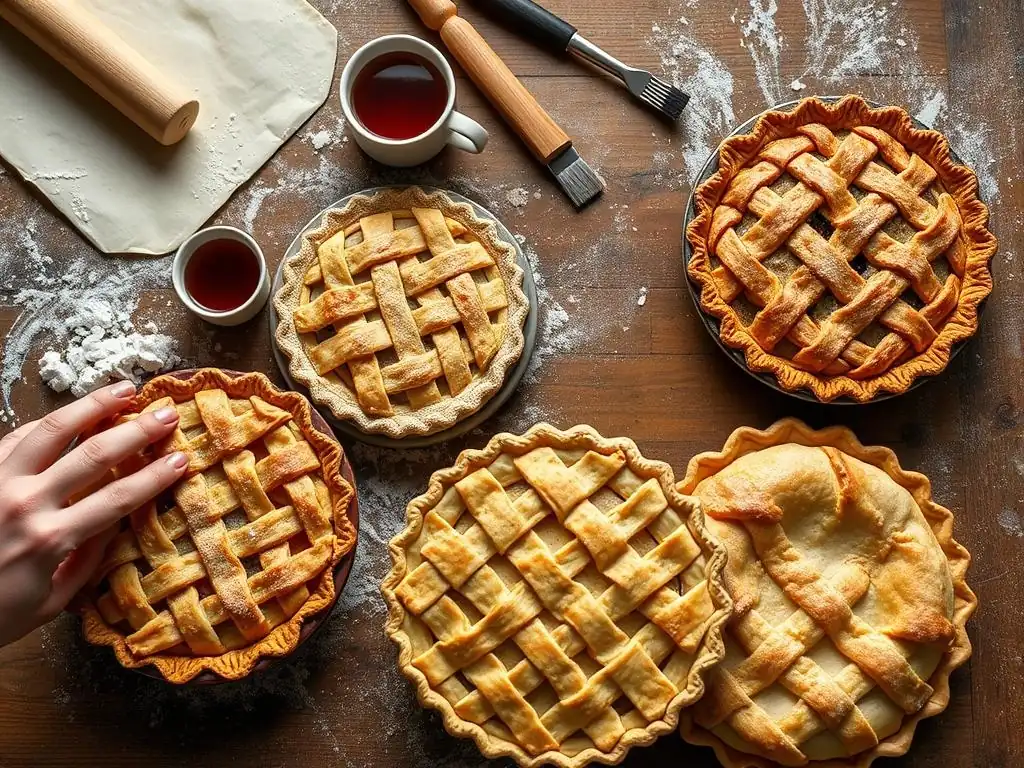
America's Test Kitchen vs. King Arthur Baking School: A Detailed Comparison
When comparing America's Test Kitchen (ATK) and King Arthur Baking School (KAB), both offer high-quality instruction on achieving flaky pie crusts, but they approach it slightly differently. ATK is known for its rigorous, scientific testing approach. Their course is likely to be very precise, focusing on repeatable techniques and specific ingredient ratios derived from extensive experimentation. Expect detailed explanations of the why behind each step, backed by test kitchen data. Their methods are often streamlined for efficiency and consistency.
KAB, with its long history as a flour company, brings a deep understanding of ingredients, particularly flour and different fats. Their courses tend to explore variations more, discussing how different types of flour or fat impact the final texture and flavor. While also precise, their approach might feel slightly more traditional or craft-focused, offering insights into a wider range of classic techniques and ingredient combinations. Choosing between them might depend on whether you prefer a highly tested, standardized approach (ATK) or a slightly broader exploration of ingredient variations and classic methods (KAB).
Matching Your Skill Level to the Right Pie Crust Course
Selecting the right online course depends heavily on your current baking experience and learning style. If you are a complete beginner who has struggled with pie crusts before, look for courses specifically designed for novices. These courses often start with the very basics: explaining the role of each ingredient, demonstrating foundational techniques like cutting in fat and rolling dough slowly, and providing detailed troubleshooting for common mistakes. A course with clear, step-by-step video demonstrations is particularly helpful for beginners.
Intermediate or advanced bakers might seek courses that delve into more nuanced techniques, explore different types of crusts (like hot water crust or specific pastry variations), or focus on the science behind the process. Courses that compare different fats or flours, discuss gluten development on a deeper level, or teach advanced shaping and decorative techniques might be more appealing. Reading course descriptions and watching preview lessons can help determine if the content matches your current skill set and learning goals for mastering "flaky pie crust baking tips."
Monetizing Your Pie Crust Skills: From Hobby to Side Hustle
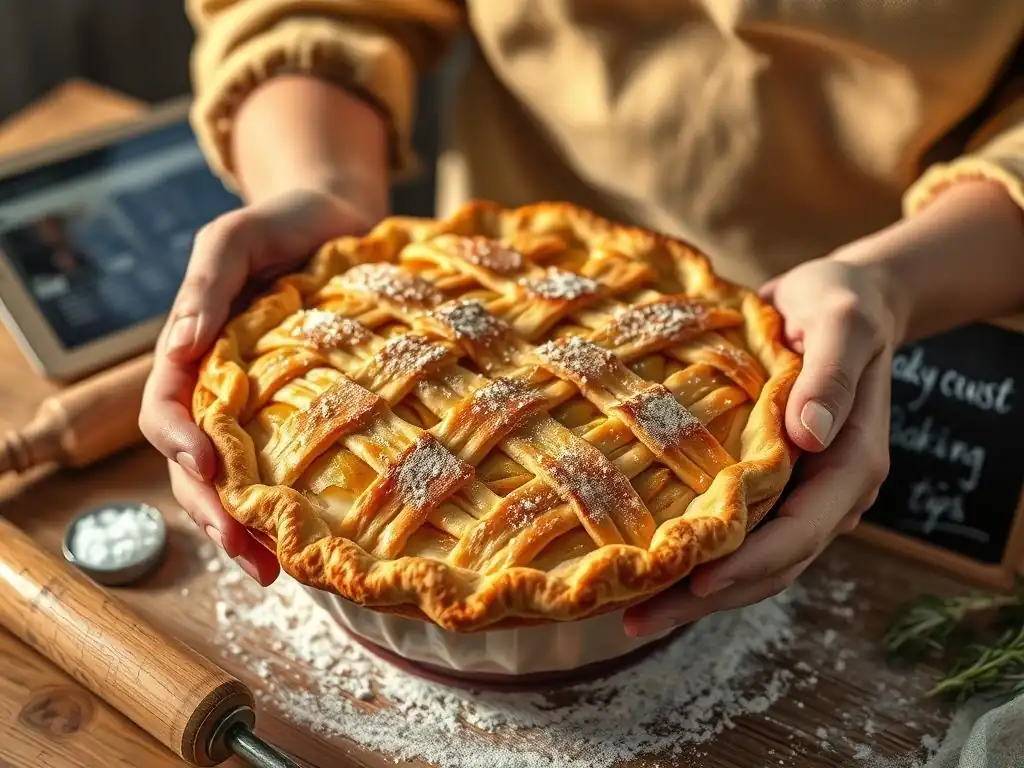
Selling Your Pies: Pricing Strategies and Marketing Tips
Turning your skill for baking perfect flaky pie crusts into a side hustle by selling pies requires careful planning. Pricing your pies correctly is crucial; you need to account for the cost of high-quality ingredients (flour, butter, fruit, etc. ), your time, packaging, and overhead like electricity. Research local market prices for similar artisanal pies to ensure you are competitive but also valuing your skill. A common approach is to calculate total ingredient cost, add an hourly rate for your time (or a fixed rate per pie), and then add a percentage for profit and overhead.
Marketing your pies involves showcasing that beautiful, flaky crust! High-quality photos are essential. Use social media platforms to share images of your pies, focusing on the texture of the crust and the delicious fillings. Consider offering special flavors or using seasonal ingredients to create buzz. Participating in local farmers' markets, community events, or online local food groups can help you reach customers. Word-of-mouth is powerful, so encourage satisfied customers to share their experience. Clearly communicating that you specialize in pies with exceptional flaky crusts can be a unique selling point.
Creating Custom Pie Crusts for Events: Expanding Your Baking Business
Beyond selling whole pies, offering custom pie crusts or unbaked pies with your signature flaky crust can be a niche market for events. Many people love homemade pie but lack the time or skill to make the crust from scratch. You can offer to bake and crimp empty crusts for customers to fill and bake themselves, or provide completely unbaked, filled pies ready for the customer to bake fresh at their event. This saves them significant effort while still providing that desired homemade quality, especially the perfect flaky texture.
This service is particularly appealing for holidays, parties, or special gatherings. You could offer different sizes (tartlets, standard pies, slab pies) and even decorative crust options (lattice tops, cutouts). Marketing this service would involve targeting event planners, busy hosts, or local businesses needing desserts for functions. Highlighting the convenience and the superior quality of your "flaky pie crust baking tips" in action would be key.
If you enjoy teaching and interacting with others, sharing your mastery of flaky pie crusts through workshops or classes can be a rewarding way to monetize your skills. You can host hands-on workshops in your own kitchen (if suitable), rent space in a community center or commercial kitchen, or even offer virtual classes online. Structure the workshop to cover the essential "flaky pie crust baking tips" – ingredients, mixing techniques, rolling, and shaping.
Provide participants with clear instructions, demonstrate the techniques step-by-step, and offer personalized feedback as they work on their own dough. You could offer different levels, from beginner basics to advanced techniques like decorative crimping or using alternative fats. Charging a fee per participant covers your costs (ingredients, materials, space rental) and provides income. This allows you to share your passion and help others overcome their pie crust challenges.
Beyond the Basics: Experimenting with Flavors and Ingredients in Your Flaky Pie Crust
Adding Herbs and Spices to Your Pie Dough
Once you've mastered the foundational techniques for a consistently flaky pie crust, you can begin to experiment with adding flavors directly into the dough. Herbs like rosemary, thyme, or black pepper work wonderfully in savory pie crusts, complementing fillings like quiches, meat pies, or vegetable tarts. Finely chopped fresh herbs or dried herbs can be lightly mixed into the flour before cutting in the fat.
For sweet pies, consider adding warm spices like cinnamon, nutmeg, ginger, or cardamom to the dough, especially when pairing with fruit fillings like apple or pumpkin. Citrus zest (lemon, orange, or lime) can also add a bright, aromatic note. Start with small amounts, perhaps a teaspoon of dried herbs per standard double crust recipe or a half teaspoon of ground spice, tasting and adjusting in future batches. These additions enhance the overall flavor profile and make your flaky pie crusts even more special.
Using Different Types of Flour for Unique Textures
While all-purpose flour is the standard for many pie crust recipes, experimenting with other flours can introduce unique textures and flavors. Pastry flour, with its lower protein content, can yield an exceptionally tender crust, though it might be slightly less flaky than one made with all-purpose. Some bakers enjoy the slightly nutty flavor and coarser texture that a small percentage of whole wheat flour (perhaps replacing 1/4 of the all-purpose) brings to a savory crust.
Using a blend of flours, such as combining all-purpose with a bit of rye or spelt flour, can add depth of flavor. Gluten-free flour blends designed for pastry are also available and, when combined with specific techniques often taught in specialized courses, can achieve surprisingly flaky results. Be aware that different flours absorb liquid differently and may require slight adjustments to hydration. Experimenting with flour types is an advanced "flaky pie crust baking tips" application that pushes creative boundaries.
Sweet vs. Savory: Adapting Your Pie Crust Recipe
While the basic technique for creating a flaky crust remains similar, subtle adaptations make a dough suitable for sweet or savory applications. For sweet pies, a small amount of sugar is typically added to the dough. This not only contributes a hint of sweetness but also aids in browning and can slightly tenderize the crust. The amount of sugar can be adjusted based on the sweetness of the filling, but usually ranges from one to three tablespoons per double crust recipe.
For savory pies, omit the sugar entirely. Instead, consider adding a pinch of salt (beyond the standard amount) and perhaps some of the herbs or spices mentioned earlier. Some savory crusts benefit from using a fat blend that includes lard or shortening for maximum tenderness and flakiness, which can handle heartier fillings. Understanding these minor tweaks allows you to create a perfectly balanced flaky crust, whether it's destined for a sweet apple pie or a savory quiche Lorraine.
Frequently Asked Questions
What makes a pie crust "flaky"?
Flakiness comes from layers of fat separating layers of dough during baking. This process creates pockets of steam, resulting in a light and airy texture.
What are some common mistakes that prevent a flaky pie crust?
Overworking the dough, using warm ingredients, or not keeping the butter cold are frequent culprits. These can lead to gluten development and a tough crust.
How does BakeWithEase help bakers achieve a flaky pie crust?
BakeWithEase offers online baking courses dedicated to pie crust mastery. These courses provide step-by-step guides and detailed instructions to avoid common pitfalls.
What kind of fat is best for achieving flakiness in a pie crust?
Typically, cold butter is favored for its ability to create distinct layers. Lard or shortening can also be used, sometimes in combination with butter, for a different texture.
Are there specific techniques BakeWithEase teaches for working with the dough?
Yes! We emphasize techniques like the cut-in method for incorporating fat, and minimal handling to prevent gluten development. This leads to a tender and flaky result.
Final Reflection: The Enduring Allure of the Perfect Flaky Crust
The pursuit of the perfect flaky pie crust transcends mere culinary skill; it's a testament to our enduring desire for both comfort and artistry in the kitchen. In a world increasingly dominated by convenience foods, the act of creating something beautiful and delicious from scratch, like a flawlessly flaky pie crust, offers a powerful counterpoint.
This article explored the burgeoning world of online baking courses, highlighting their role in democratizing access to this seemingly elusive skill. The accessibility of these courses, coupled with the detailed instructions and visual aids they provide, is transforming the way we approach baking, one perfectly golden, shatteringly flaky crust at a time.
The impact of readily available online baking education extends far beyond the individual pie baker. It fosters a sense of community, connecting aspiring pastry chefs across geographical boundaries. Sharing tips, tricks, and triumphs online creates a vibrant ecosystem of learning and mutual support. This shared passion for perfecting the craft reminds me of a quote by Julia Child: Find something you're passionate about and keep tremendously interested in it.
This applies not only to baking but to any pursuit that brings joy and a sense of accomplishment. The dedication to mastering the flaky pie crust, whether through online courses or years of practice, embodies this spirit of passionate pursuit.
Now, consider your own baking journey. Perhaps you've wrestled with a stubbornly tough crust, or maybe you've already achieved flaky perfection. Regardless of your skill level, remember that the journey itself is as rewarding as the destination.
Embrace the challenges, celebrate the successes, and never stop exploring the endless possibilities within the world of baking. The next time you reach for a rolling pin, remember the power of knowledge, the joy of creation, and the enduring satisfaction of a perfectly flaky pie crust. Let the lessons learned here inspire you to embark on your own baking adventure, one delicious slice at a time.
Unleash Your Inner Pastry Chef: Master Flaky Perfection!
Thanks for taking the time to explore the secrets of flaky pie crusts! You're now one step closer to baking masterpieces. Ready to put your new knowledge into action?
- Enroll in our beginner's pie crust course: This comprehensive course will guide you step-by-step through creating the perfect pastry, from selecting the right ingredients to mastering blind baking techniques.
- Share your baking triumphs (and challenges!) on our BakeWithEase community forum – let's learn together!
- Challenge yourself: Try baking a pie using a completely new fruit filling this week – you'll be amazed at what you can achieve.
What unique flavor combination will you create with your perfectly flaky pie crust?