
Top 10 Best Sourdough Baking Books You Need

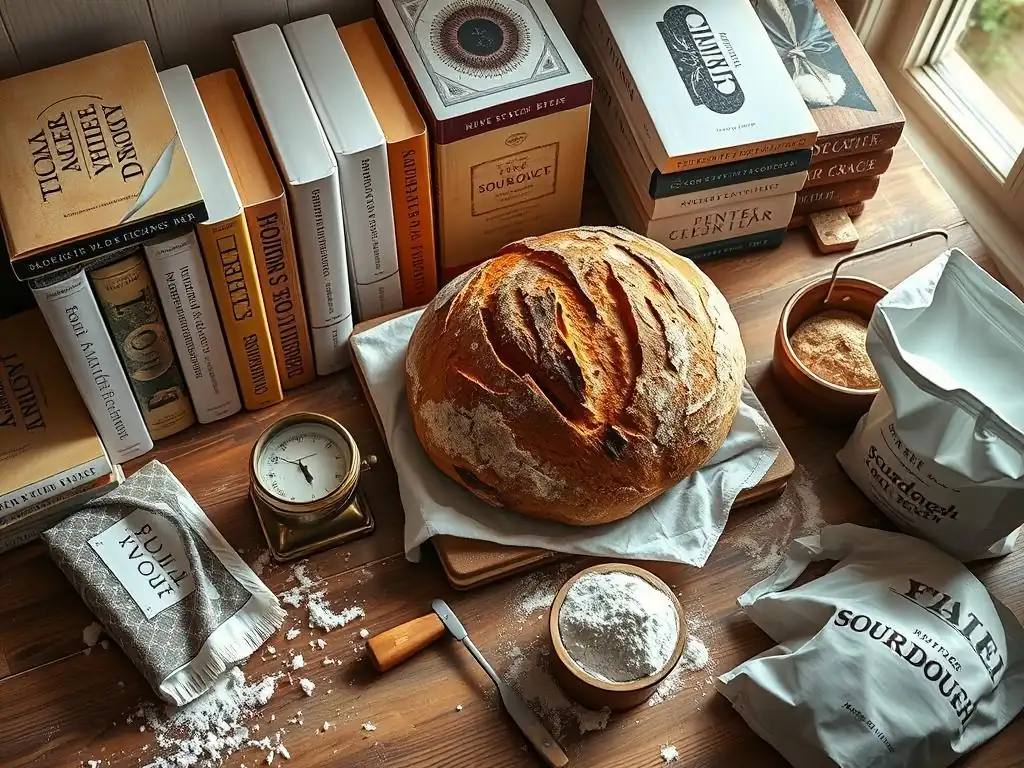
Welcome to BakeWithEase, where the joy of baking is just a whisk away! Whether you're a novice eager to knead your first loaf or a seasoned baker looking to refine your sourdough skills, you’ve come to the right place. In our latest feature, we dive into the Top 10 Best Sourdough Baking Books You Need, offering insightful reviews that will elevate your baking game and inspire your culinary creativity.
Get ready to uncover the secrets of perfecting your sourdough while discovering invaluable tips and techniques that will transform your kitchen into a haven of delightful aromas! Ready to embark on this delicious journey? Let’s explore together!
- Top 10 Best Sourdough Baking Books
- Discover the Best Sourdough Baking Books: A Comprehensive Review
- #1: Tartine Bread by Chad Robertson - The Foundational Sourdough Guide
- #2: The Perfect Loaf by Maurizio Leo - Sourdough Science and Art
- #3: Sourdough Revolution by Andrew Whitley - A Back-to-Basics Approach
- #4: Bread Baking for Beginners by Bonnie Ohara - Easing into Sourdough
- #5: Flour Water Salt Yeast by Ken Forkish - The Elements of Great Bread
- #6: Advanced Bread and Pastry by Michel Suas - Sourdough Mastery
- #7: Open Crumb Mastery by Trevor J Wilson - Achieve the Perfect Crumb
- #8: Josey Baker Bread by Josey Baker - Simple, Rustic Sourdough
- #9: The Sourdough School by Vanessa Kimbell - Baking for Gut Health
- #10: Living Bread: Tradition and Innovation in Artisan Bread Making by Daniel Leader and Lauren Chattman - A Global Exploration of Bread
-
Frequently Asked Questions
- What makes a sourdough baking book "best"?
- Are sourdough baking books only for experienced bakers?
- Do I need a lot of special equipment to bake sourdough bread using these books?
- What if I'm having trouble with a recipe from one of these books?
- Where can I find the ingredients mentioned in these sourdough baking books?
- Final Reflection: The Ever-Rising Crust of Sourdough Knowledge
- Unleash Your Inner Baker: Start Your Sourdough Journey Today!
Top 10 Best Sourdough Baking Books
Discover the Best Sourdough Baking Books: A Comprehensive Review
Embarking on the sourdough journey is incredibly rewarding, leading to loaves with complex flavors and beautiful textures. However, navigating the nuances of starter maintenance, fermentation times, and shaping techniques can feel daunting without the right guidance. That's where the best sourdough baking books come in. They serve as invaluable companions, offering structured lessons, proven recipes, and the scientific understanding needed to consistently produce fantastic bread. Our comprehensive review explores the top contenders, helping you find the perfect resource to match your skill level and baking aspirations.
Choosing among the many available resources can be tough, but finding a book that resonates with your learning style is crucial for success. Whether you're just starting out and need a gentle introduction or you're looking to refine advanced techniques like achieving an open crumb or working with high hydration doughs, there's a book tailored for you. This review aims to highlight the unique strengths of each title, providing insights into their methodologies, recipe styles, and overall value, making your search for the best sourdough baking books a little easier.
Unlock Sourdough Success with the Right Baking Book
Finding the right guide is paramount when diving into the world of sourdough. A well-structured book can demystify complex processes, turning potential frustrations into rewarding learning experiences. The best sourdough baking books review their methods thoroughly, explaining the 'why' behind each step, which is essential for adapting recipes and troubleshooting common issues like dense crumbs or flat loaves. They provide foundational knowledge on topics such as building and maintaining a vigorous starter, understanding dough development through mixing and folding, and mastering the art of fermentation.
Moreover, the right book offers more than just recipes; it builds confidence. By presenting clear, step-by-step instructions and often including visual aids, these resources empower bakers to tackle challenges and celebrate successes. Many of the top-rated books also delve into ingredient quality, equipment recommendations, and even the history and culture surrounding sourdough, enriching the baking experience. Whether your goal is a simple daily loaf or an elaborate enriched bread, investing in one of the best sourdough baking books can dramatically shorten your learning curve and elevate your baking results.
#1: Tartine Bread by Chad Robertson - The Foundational Sourdough Guide
Chad Robertson's Tartine Bread is often cited as a seminal work in the modern artisan bread movement, particularly for sourdough. Published in 2010, it quickly became a cornerstone for serious home bakers and professionals alike, detailing the methods used at the renowned Tartine Bakery in San Francisco. The book's approach is focused on a high-hydration dough and a specific fermentation schedule tailored to achieve a light, open crumb and a deeply flavorful crust. It emphasizes understanding the dough through touch and observation rather than strict adherence to timing, which can vary with ambient temperature.
The core of Tartine Bread revolves around a basic country loaf recipe, which is then adapted and expanded upon. Robertson breaks down the process into manageable steps: mixing the dough, bulk fermentation with several folds, shaping, and baking. He advocates for baking in a Dutch oven or on a baking stone with steam, techniques now widely adopted by home bakers for replicating professional oven conditions. While the hydration levels and fermentation times require attention and practice, mastering the Tartine method provides a robust foundation applicable to many other sourdough recipes.
Mastering the Tartine Sourdough Method
Mastering the Tartine method involves understanding its key principles, starting with the leaven (starter). The book provides clear instructions for maintaining a healthy, active starter, crucial for successful leavening and flavor development. Robertson's basic country dough formula typically uses a high hydration level, often around 75-80%, which contributes to the characteristic open crumb. The mixing process is minimal, followed by an extended bulk fermentation (often 3-4 hours) with regular folds every 30 minutes or so to build strength.
Following bulk fermentation, the dough is divided, pre-shaped, and then given a final shape before a cold proof in the refrigerator, usually overnight. This cold proof slows fermentation, developing more complex flavors and making the dough easier to handle for scoring and baking. Baking is done at a high temperature, initially covered to trap steam for oven spring, then uncovered to brown the crust. The detailed instructions, coupled with photographs illustrating dough consistency and technique, make this process accessible, though it requires dedication and practice to perfect.
Key Features and Benefits of Tartine Bread
One of the primary benefits of Tartine Bread is its comprehensive coverage of the foundational sourdough process. It doesn't just give recipes; it teaches you how to bake sourdough by explaining the 'why' behind each step. The book includes detailed sections on understanding flour, water, and salt, as well as troubleshooting common issues. Its focus on a single, versatile dough allows bakers to build confidence and intuition before moving on to variations.
The book features stunning photography that serves both as inspiration and a visual guide to dough development and shaping. Beyond the basic country loaf, it includes recipes for other breads like baguettes, whole wheat loaves, and even some pastries, all utilizing the sourdough starter. While some might find the high hydration and hands-on approach challenging initially, the rewards are significant: consistently producing beautiful, flavorful, professional-quality sourdough bread at home. It's a cornerstone text for anyone serious about mastering artisan sourdough.
#2: The Perfect Loaf by Maurizio Leo - Sourdough Science and Art
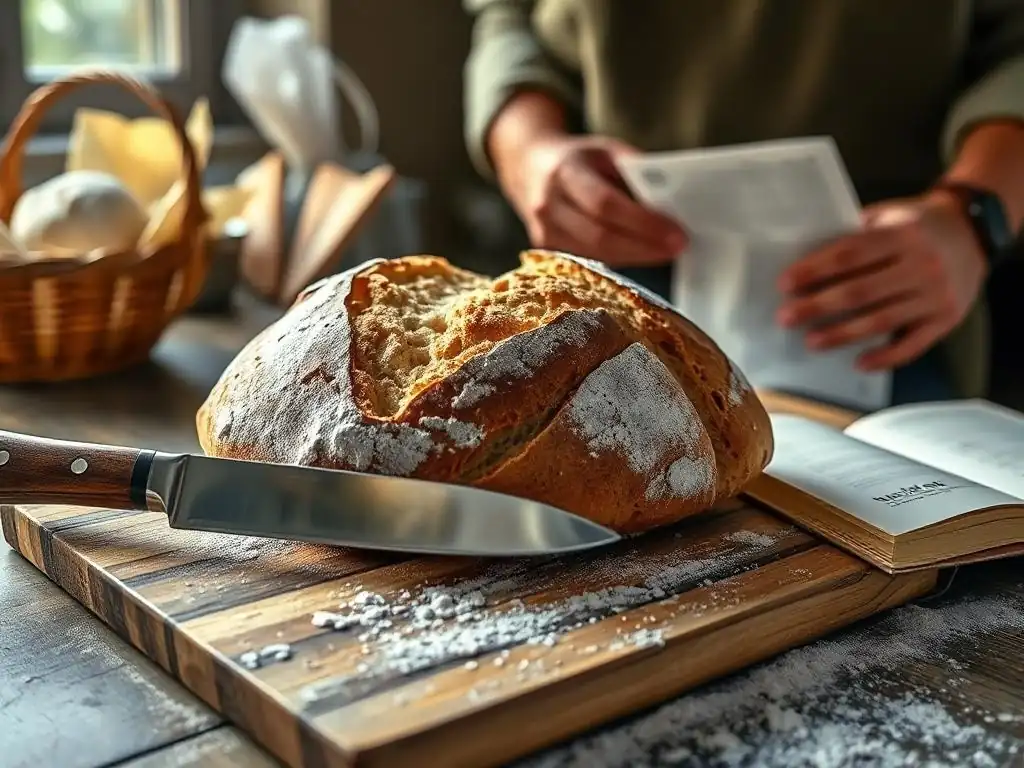
Maurizio Leo's The Perfect Loaf emerged from his highly popular website of the same name, known for its meticulous attention to detail and scientific approach to baking. The book lives up to its online reputation, offering incredibly detailed recipes, explanations, and troubleshooting guides that appeal to both intermediate and advanced bakers looking to deepen their understanding. Leo breaks down complex concepts like fermentation pathways, flour types, and hydration in an accessible manner, blending scientific rigor with practical, hands-on advice.
The recipes in The Perfect Loaf are known for their precision, often specifying exact temperatures, times, and ingredient ratios. Leo provides multiple variations for many recipes, allowing bakers to experiment and find what works best in their environment. He covers a wide range of sourdough baked goods, from classic country loaves and enriched breads like challah and brioche to pizzas, pastries, and even pasta using sourdough discard. The book is heavily illustrated with helpful process photos and stunning shots of finished bakes.
Understanding the Science Behind Sourdough Baking
A significant strength of The Perfect Loaf lies in its emphasis on the science behind sourdough. Leo explains the microbiology of the starter, detailing the symbiotic relationship between wild yeast and lactic acid bacteria and how their activity impacts flavor and leavening. He delves into the chemistry of fermentation, discussing the role of time and temperature in enzymatic activity and dough development. This scientific foundation empowers bakers to understand why certain steps are taken and how to adjust variables based on their specific conditions.
The book also provides detailed guidance on understanding flour characteristics, water quality, and the impact of salt. Leo often includes hydration percentages, protein content recommendations for flour, and specific temperature targets for dough during different stages. This level of detail allows bakers to replicate results more consistently and troubleshoot effectively when things don't go as planned. For those who appreciate understanding the 'how and why,' this scientific approach makes the review of best sourdough baking books incomplete without mentioning The Perfect Loaf.
Why The Perfect Loaf is Ideal for Intermediate Bakers
While beginners can certainly learn from The Perfect Loaf, its detailed nature and exploration of nuanced techniques make it particularly well-suited for intermediate bakers looking to elevate their skills. If you've successfully baked a few sourdough loaves using simpler recipes and are ready to understand the process more deeply and tackle more complex doughs, this book is an excellent resource. Leo's recipes often involve multi-day schedules, incorporating techniques like autolyse, preferments, and specific folding regimens tailored to different dough types.
The book's extensive troubleshooting section is invaluable for intermediate bakers encountering common issues like gummy crumb, weak dough, or inconsistent oven spring. Leo offers specific diagnoses and solutions based on his scientific understanding. Furthermore, the variety of recipes, extending beyond basic loaves to enriched doughs and pastries, provides ample opportunity for intermediate bakers to expand their repertoire and apply their growing knowledge to different types of baking. It's a comprehensive guide for moving beyond the basics.
#3: Sourdough Revolution by Andrew Whitley - A Back-to-Basics Approach
Andrew Whitley, founder of The Village Bakery in Cumbria, UK, and co-founder of the Real Bread Campaign, offers a different perspective in Sourdough Revolution. While Tartine Bread and The Perfect Loaf focus on refined artisan techniques, Whitley champions a simpler, more accessible approach to sourdough, emphasizing the use of diverse flours and the connection between bread, health, and sustainability. His method is less about achieving a specific aesthetic like an open crumb and more about producing flavorful, nourishing bread with minimal fuss.
Sourdough Revolution encourages bakers to embrace the natural variation that comes with using a live culture and different grains. Whitley provides straightforward recipes for basic loaves using various flours, including rye, spelt, and ancient grains, alongside wheat. The emphasis is on understanding the dough's feel and responsiveness rather than strict timing, making it forgiving for beginners. He also delves into the history of bread and the benefits of long fermentation for digestibility and nutrient availability.
Sourdough Simplicity: Baking with Natural Leaven
Whitley's approach in Sourdough Revolution demystifies sourdough baking, presenting it as a natural, almost intuitive process. He simplifies the steps, often using fewer folds during bulk fermentation and advocating for simpler shaping methods. The recipes typically involve a longer, cooler bulk fermentation, which allows the dough to develop flavor slowly while requiring less active intervention from the baker. This 'hands-off' period makes sourdough more manageable for those with busy schedules.
The book's focus on using a variety of flours is a key aspect of its simplicity and philosophy. Whitley provides guidance on working with less conventional flours, which can sometimes be trickier than strong white bread flour but offer unique flavors and textures. He encourages bakers to experiment and trust their instincts, fostering a sense of connection to the ingredients and the process. This back-to-basics philosophy makes sourdough feel less like a precise science experiment and more like a traditional craft.
Benefits of Sourdough Revolution for Beginners
Sourdough Revolution is arguably one of the best sourdough baking books for beginners who might feel intimidated by complex instructions and precise measurements. Whitley's forgiving methods and emphasis on feel make the initial learning curve less steep. The simpler recipes and techniques build confidence quickly, allowing beginners to achieve successful loaves relatively early in their journey.
The book also introduces beginners to the benefits of incorporating different grains and understanding the link between fermentation and health, broadening their perspective beyond just technique. While it may not provide the deep scientific dive found in other books, its focus on simplicity, flexibility, and the joy of baking real bread makes it a welcoming entry point into the world of sourdough. It's a refreshing perspective in any review of best sourdough baking books.
#4: Bread Baking for Beginners by Bonnie Ohara - Easing into Sourdough
Bonnie Ohara's Bread Baking for Beginners is specifically designed for those with little to no prior baking experience, including a dedicated section on sourdough. Ohara, known for her approachable teaching style through her blog and workshops, breaks down the fundamentals of bread making into incredibly simple, easy-to-follow steps. The sourdough section is presented as a natural progression from yeasted breads, making the transition less intimidating.
The sourdough recipes in this book are intentionally straightforward, focusing on building core skills and understanding basic dough handling. Ohara uses relatively low hydration levels compared to some other popular sourdough books, which results in dough that is easier for beginners to mix, fold, and shape. She provides clear explanations for maintaining a starter and guides the reader through each stage of the baking process with minimal jargon.
Sourdough for the Absolute Beginner: A Gentle Introduction
For someone who has never touched sourdough starter or kneaded dough, Bread Baking for Beginners offers a truly gentle introduction. The book starts with the absolute basics, covering essential equipment and ingredients before introducing the concept of a sourdough starter. Ohara provides a clear, week-by-week guide to creating and maintaining a starter, addressing common beginner questions and concerns.
The sourdough recipes themselves are designed for success on the first few tries. They often involve simpler mixing methods and less frequent folds during bulk fermentation. The shaping instructions are clear and easy to execute. By focusing on fundamental techniques and offering forgiving recipes, Ohara helps beginners build confidence and avoid the frustration that can sometimes accompany early sourdough attempts. It's a prime example of how the best sourdough baking books can cater specifically to novices.
Why Choose Bread Baking for Beginners?
Choosing Bread Baking for Beginners is ideal for anyone who wants a step-by-step, non-intimidating guide to learning sourdough. If the thought of complex schedules, high hydration doughs, or scientific explanations feels overwhelming, this book provides a welcoming entry point. Ohara's friendly tone and clear instructions make the process feel achievable.
The book's structure, moving from basic yeasted breads to sourdough, helps beginners build a foundational understanding of dough dynamics before tackling the added variable of a wild culture. While it may not delve into advanced techniques or a wide variety of complex recipes, its strength lies in its ability to get absolute beginners successfully baking their first sourdough loaves, setting them up for future exploration. It's a fantastic starting point in any review of best sourdough baking books for novices.
#5: Flour Water Salt Yeast by Ken Forkish - The Elements of Great Bread
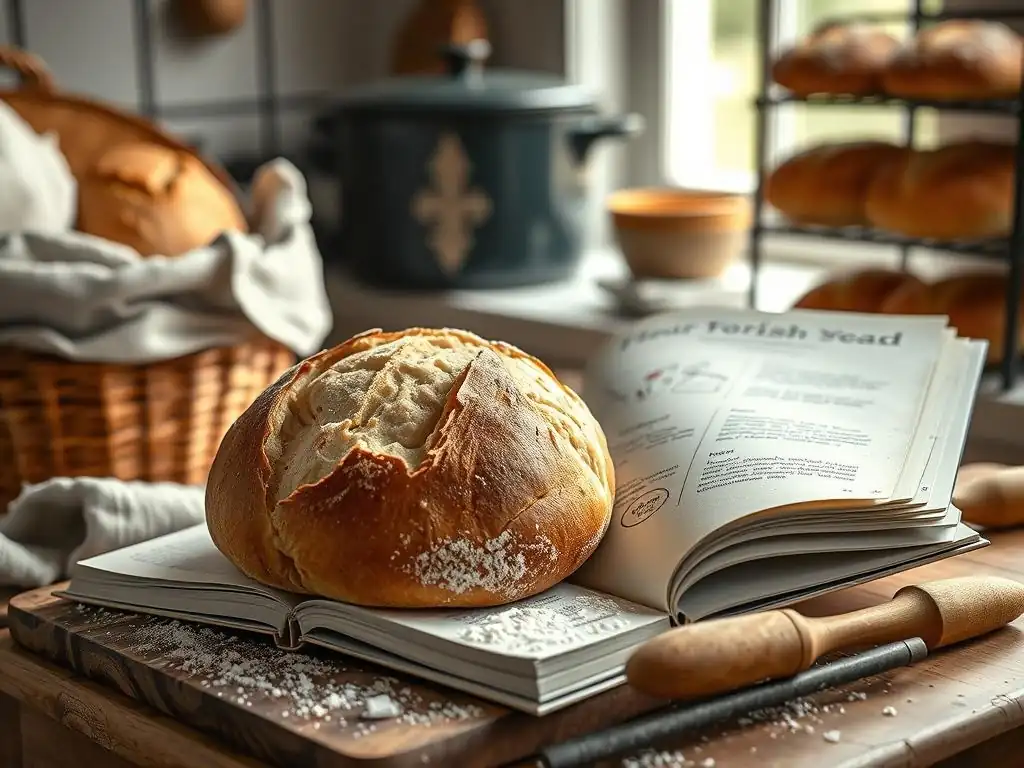
Ken Forkish's Flour Water Salt Yeast (FWSY) is another highly influential book in the artisan bread world, known for its emphasis on simple ingredients, long fermentation times, and high temperatures. While not exclusively a sourdough book, a significant portion is dedicated to sourdough methods, alongside recipes using commercial yeast and hybrid techniques. Forkish's philosophy centers on allowing time and minimal intervention to develop flavor and structure.
FWSY provides detailed, schedule-based recipes that guide the baker through each step, often over a 24-hour or longer period. The sourdough section introduces methods for maintaining a starter and then applies it to various doughs, including country loaves, pain de campagne, and whole wheat breads. Forkish is known for his specific instructions on mixing, folding, and baking in a Dutch oven, advocating for very high oven temperatures (often 475°F or 245°C).
Sourdough and the Four Essential Ingredients
Forkish's approach underscores the transformative power of the four basic ingredients: flour, water, salt, and yeast (or wild yeast in the case of sourdough). He dedicates significant attention to understanding how variations in these simple components, combined with time and temperature, impact the final bread. The sourdough recipes in FWSY rely on a strong, active starter to provide the leavening and complex flavors that develop during long fermentation.
The book provides specific guidelines on ingredient ratios and temperatures to achieve desired outcomes. For example, recipes often call for water at a specific temperature to help regulate the final dough temperature, which is crucial for controlling fermentation speed. This focus on the fundamental elements and their interactions is a key takeaway from the book and helps bakers understand the core principles governing all bread making, including sourdough.
The Forkish Approach to Sourdough
The Forkish approach to sourdough, as presented in FWSY, is characterized by relatively high hydration levels and long, often overnight, fermentation periods at room temperature or in a cooler environment. He uses minimal kneading, relying instead on time and a few sets of folds to develop gluten structure. The detailed schedules provided for each recipe are a hallmark of the book, making it suitable for bakers who appreciate structure and planning.
Forkish's baking method involves preheating the oven and Dutch oven to very high temperatures before carefully transferring the shaped dough. Baking covered for the first portion creates steam for maximum oven spring, followed by baking uncovered to achieve a dark, flavorful crust. While the high temperatures and handling of hot Dutch ovens require caution, this method consistently produces loaves with excellent crust development and oven spring, making FWSY a valuable resource in any review of best sourdough baking books.
#6: Advanced Bread and Pastry by Michel Suas - Sourdough Mastery
Michel Suas's Advanced Bread and Pastry is a comprehensive textbook often used in professional culinary programs. While it covers a vast range of topics in bread and pastry, its sections on sourdough (referred to as "levain" or "sourdough base") are incredibly detailed and scientifically grounded, offering a deep dive into the principles and techniques for experienced bakers or those seeking a thorough academic understanding. This is not a casual read but an in-depth reference.
The book explains the microbiology and chemistry of sourdough fermentation in significant detail, providing formulas for various types of starters (liquid, firm, rye, etc.) and discussing their maintenance. It covers advanced techniques for dough development, fermentation control, and troubleshooting complex issues. The sourdough recipes presented are often classic professional formulas, requiring precision and a solid understanding of bread science.
Mastering Advanced Sourdough Techniques
For bakers looking to move beyond basic loaves and truly master the nuances of sourdough, Advanced Bread and Pastry offers unparalleled depth. It explains how to manage starters for different desired outcomes (e.g., more acidic, less acidic), how to calculate dough temperatures precisely, and how to adjust fermentation times based on environmental factors and desired flavor profiles. The book delves into techniques like using autolyse, bassinage (adding water late in mixing), and managing multi-stage levain builds.
Furthermore, it covers advanced shaping techniques, scoring patterns, and the principles of baking in various oven types. The level of detail on topics such as preferments (including sourdough-based ones), dough rheology, and the impact of ingredients like enrichments (fats, sugars, eggs) on sourdough doughs is extensive. This book is for the serious student of bread who wants to understand the process at a professional level.
Taking Your Sourdough to the Next Level
If you've mastered the basics and intermediate techniques and are ready to delve into the scientific underpinnings and advanced practices of sourdough, Advanced Bread and Pastry is an essential resource. It provides the theoretical knowledge required to understand why certain methods work and how to innovate or troubleshoot complex problems. While the recipes may seem less 'home-baker friendly' due to their format and scale, the principles taught are universally applicable.
Using this book means committing to a serious study of bread science. It's ideal for those who want to understand the 'why' behind every step and gain the knowledge to confidently adapt formulas and techniques. For the dedicated sourdough enthusiast seeking comprehensive mastery, this textbook offers the most in-depth review of sourdough principles available in book format, positioning it uniquely among the best sourdough baking books.
#7: Open Crumb Mastery by Trevor J Wilson - Achieve the Perfect Crumb
Trevor J Wilson's Open Crumb Mastery focuses specifically on one of the most sought-after characteristics of artisan sourdough: the open, airy crumb structure. Based on his popular online courses and extensive experimentation, this book is dedicated to the techniques and principles required to consistently achieve this result. It's a highly specialized guide, making it ideal for bakers who have a solid foundation in sourdough but want to refine their skills for optimal crumb development.
The book dissects the factors influencing crumb structure, including starter health, mixing techniques, dough strength development, fermentation management, and shaping methods. Wilson provides detailed explanations and specific exercises designed to help bakers understand and control these variables. While it covers the entire process, the emphasis is heavily placed on understanding dough behavior and manipulating it to encourage large, irregular holes.
Unlocking the Secrets to Open Crumb Sourdough
Open Crumb Mastery delves deep into the specific techniques that promote an open crumb. This includes detailed guidance on building dough strength through effective mixing (often using a stand mixer or specific hand-mixing techniques) and precise folding regimens. Wilson emphasizes the importance of proper fermentation and proofing, explaining how to judge the dough's readiness for baking to maximize oven spring and crumb development.
The book also covers scoring techniques specifically aimed at encouraging expansive oven spring and revealing the internal structure. It provides insights into managing dough hydration and temperature to achieve the desired outcome. For bakers who have struggled with dense or uniform crumbs despite following standard recipes, this book offers targeted solutions and a framework for understanding the specific variables that need adjustment.
Why This Book is Essential for Sourdough Enthusiasts
For sourdough enthusiasts who are captivated by the aesthetics and texture of a truly open crumb, Open Crumb Mastery is an essential addition to their library. It provides a focused, in-depth exploration of the factors that make the biggest difference in achieving this specific result. While not a general sourdough guide covering all aspects, its specialization is its strength for those with this particular goal.
The book's practical exercises and detailed explanations of dough behavior empower bakers to develop an intuitive understanding of their dough. It moves beyond simply following a recipe and teaches you how to read your dough and make adjustments based on its condition. If achieving an open crumb is your primary sourdough ambition, this book offers the most direct path to mastering that specific skill, making it a valuable entry in any review of best sourdough baking books for enthusiasts.
#8: Josey Baker Bread by Josey Baker - Simple, Rustic Sourdough
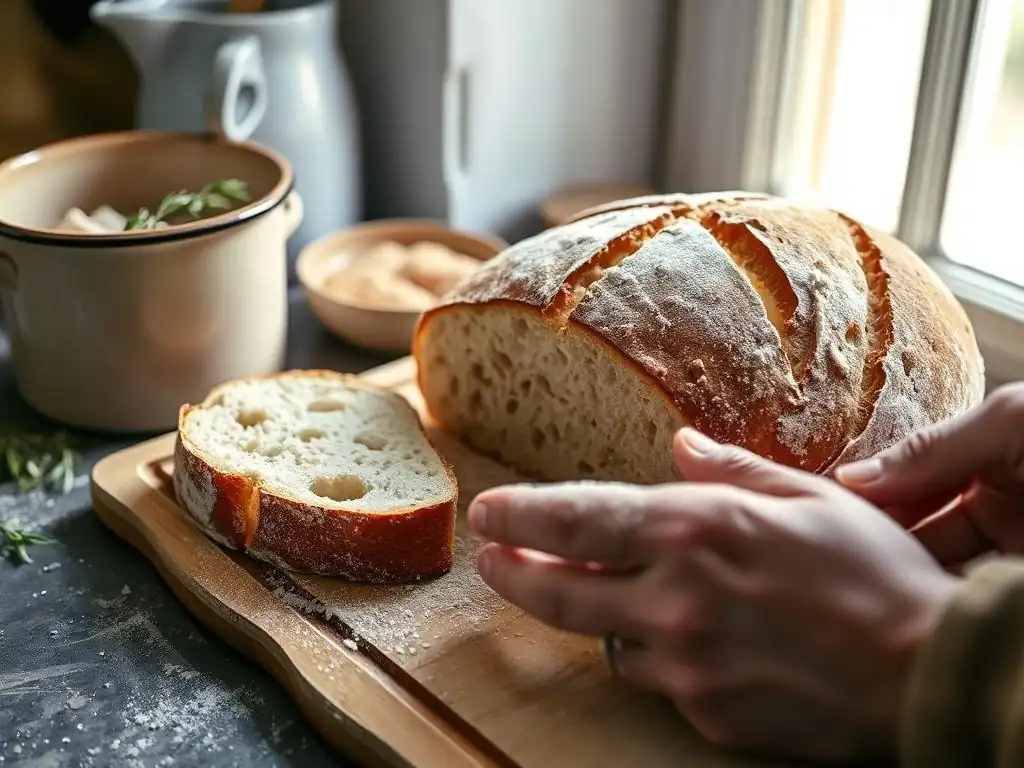
Josey Baker, founder of The Josey Baker Bread bakery in San Francisco, presents a warm, inviting, and decidedly unfussy approach to baking in Josey Baker Bread. The book reflects the ethos of his bakery: making delicious, rustic bread accessible to everyone. While it includes recipes for yeasted breads and other baked goods, its sourdough section is a highlight, offering straightforward methods that emphasize simplicity and flavor over technical perfection.
Baker's style is personal and encouraging, sharing his own learning journey and demystifying the process for home bakers. The sourdough recipes use relatively simple ingredient lists and techniques, focusing on developing a good starter and understanding the basics of fermentation and shaping. The book features hand-drawn illustrations and a friendly narrative voice that makes learning enjoyable.
Baking Rustic Sourdough with Ease
The core of Josey Baker Bread's sourdough section is its emphasis on baking rustic, flavorful loaves without requiring specialized equipment or overly complex techniques. Baker provides clear instructions for creating and maintaining a starter, often using whole wheat flour, which he favors for its flavor. The dough recipes are designed to be manageable for home bakers, often using simpler mixing methods and forgiving fermentation schedules.
Baker encourages bakers to embrace the imperfections that come with rustic baking, focusing instead on the joy of the process and the delicious result. Recipes might include instructions like "mix with your hands" or "shape it however feels right," fostering a less rigid approach than some other books. This ease of approach makes sourdough feel less intimidating and more like a rewarding craft accessible to anyone.
The Charm of Josey Baker's Approach
The charm of Josey Baker Bread lies in its accessibility and genuine passion for baking. Baker's friendly narrative and hand-drawn illustrations create a welcoming atmosphere that makes learning sourdough feel less like a chore and more like an adventure. He shares personal anecdotes and troubleshooting tips based on his own experiences, making the guidance feel relatable and practical.
This book is ideal for those who appreciate a less technical, more intuitive approach to baking. If you're looking for a guide that feels like learning from a friend rather than a textbook, Josey Baker Bread fits the bill. It provides solid, reliable recipes for delicious sourdough while instilling confidence and encouraging experimentation. It's a delightful option in any review of best sourdough baking books, especially for those seeking a friendly, rustic style.
#9: The Sourdough School by Vanessa Kimbell - Baking for Gut Health
Vanessa Kimbell, founder of The Sourdough School in the UK, offers a unique perspective on sourdough baking, focusing on its potential health benefits, particularly for gut health. The Sourdough School book delves into the science behind why long-fermented sourdough can be more digestible and nutritious than commercially produced bread, exploring the interaction between fermentation, grains, and our microbiome.
The book provides detailed information on maintaining a diverse and active starter, emphasizing the importance of using a variety of flours to feed it. Kimbell presents recipes and techniques specifically designed to maximize the health benefits of sourdough, often involving extended fermentation times and the use of whole and ancient grains. It's a holistic approach that connects the craft of baking with nutritional science.
Sourdough and Gut Health: A Holistic Approach
The Sourdough School explores the fascinating connection between sourdough fermentation and gut health. Kimbell explains how the long fermentation process breaks down phytic acid, making minerals more bioavailable, and predigests some starches and gluten, potentially making the bread easier to digest for some individuals. She discusses the role of lactic acid bacteria in producing beneficial compounds and contributing to the bread's flavor and texture.
The book provides practical guidance on how to bake sourdough specifically with gut health in mind. This includes recommendations for using specific types of flour (e.g., heritage grains, stone-ground flours) that support microbial diversity in the starter and the dough, as well as techniques for achieving optimal fermentation to enhance nutritional profiles. It's a deep dive into the functional aspects of sourdough baking.
Sourdough for a Healthier You
Choosing The Sourdough School is ideal for bakers who are interested in the nutritional benefits of sourdough and want to bake bread that is not only delicious but also potentially healthier. Kimbell provides the scientific background to understand why these benefits exist and practical methods to achieve them. It adds a new dimension to the baking process, making it about nourishment as well as craft.
While the book includes recipes, its primary value lies in the wealth of information it provides on the science of fermentation and health. It empowers bakers to make informed choices about their ingredients and techniques based on their health goals. For anyone seeking to understand the health implications of sourdough and incorporate them into their baking practice, this book is an invaluable resource and a distinct entry in any review of best sourdough baking books.
#10: Living Bread: Tradition and Innovation in Artisan Bread Making by Daniel Leader and Lauren Chattman - A Global Exploration of Bread
Daniel Leader, founder of Bread Alone Bakery, and co-author Lauren Chattman take readers on a global journey through the world of bread in Living Bread. While not solely focused on sourdough, the book features significant sections and recipes utilizing sourdough starters, exploring traditional methods from bakeries around the world. It combines recipes with inspiring narratives and stunning photography from various locations.
The sourdough content in Living Bread includes maintaining starters and applying them to a diverse range of breads, from classic country loaves to regional specialties and enriched doughs. The book highlights the variations in sourdough practices across different cultures and climates, offering a broader perspective than books focused on a single method. It's a blend of practical recipes and cultural exploration.
Frequently Asked Questions
What makes a sourdough baking book "best"?
A "best" sourdough baking book typically offers clear instructions, reliable recipes, and valuable insights into sourdough science and techniques. It should cater to different skill levels and provide troubleshooting advice.
Are sourdough baking books only for experienced bakers?
No, many sourdough baking books are designed for beginners. They often include step-by-step guides and explanations of basic techniques to get you started successfully.
Do I need a lot of special equipment to bake sourdough bread using these books?
While some specialized equipment can be helpful, many sourdough recipes can be made with basic kitchen tools. The books often provide alternatives and suggestions for budget-friendly options.
What if I'm having trouble with a recipe from one of these books?
Most good sourdough baking books include troubleshooting sections that address common issues like starter activity, dough consistency, and baking problems. You can also find online communities for sourdough bakers.
Where can I find the ingredients mentioned in these sourdough baking books?
Most ingredients for sourdough baking, like flour, water, and salt, are readily available at local grocery stores. Some recipes may call for specialized flours or grains, which can be found at specialty food stores or online retailers.
Final Reflection: The Ever-Rising Crust of Sourdough Knowledge
The art of sourdough baking, once a niche pursuit, has exploded in popularity, transforming from a culinary curiosity to a widespread passion. This surge in interest reflects a deeper yearning for connection to traditional foodways and a desire for mindful, hands-on creation in a fast-paced world. The ten books highlighted in this review represent a significant slice of this burgeoning community, offering diverse approaches and levels of expertise to guide aspiring and experienced bakers alike.
The journey of sourdough baking is as much about the process as the product. It's a testament to patience, precision, and the symbiotic relationship between human and microbe. The sourdough starter is a living thing, a tiny ecosystem thriving in your kitchen, mirroring the delicate balance of life itself.
This simple truth, often overlooked in the pursuit of a perfect loaf, speaks volumes about the enduring appeal of sourdough. The books reviewed here not only provide technical instruction but also foster an appreciation for this living process, encouraging a deeper understanding of the craft and its rich history.
Now, consider your own kitchen. Do you feel the pull of the wild yeast, the allure of the slow fermentation? This isn't just about baking bread; it's about embracing a mindful practice, connecting with nature, and creating something beautiful from simple ingredients. Pick up one of the books highlighted in this review, choose a recipe that speaks to you, and embark on your own sourdough journey. The rewards – a crusty, tangy loaf and a newfound appreciation for the magic of fermentation – await.
Unleash Your Inner Baker: Start Your Sourdough Journey Today!
Thanks for diving into the world of sourdough with us! We hope you've discovered some incredible baking resources to elevate your bread-making skills. Now it's time to put that knowledge into action.
- Order your favorite book from the list and start baking! This is your chance to create amazing sourdough loaves from scratch. Don't just read about it – do it!
- Share your baking adventures on social media using #BakeWithEaseSourdough – we'd love to see your creations!
- Try a sourdough recipe you've never attempted before – push your baking boundaries and surprise yourself!
Ready to transform your kitchen into a sourdough haven? What unique sourdough recipe are you most excited to try?