
Why Every Baker Needs a Custom Engraved Rolling Pin

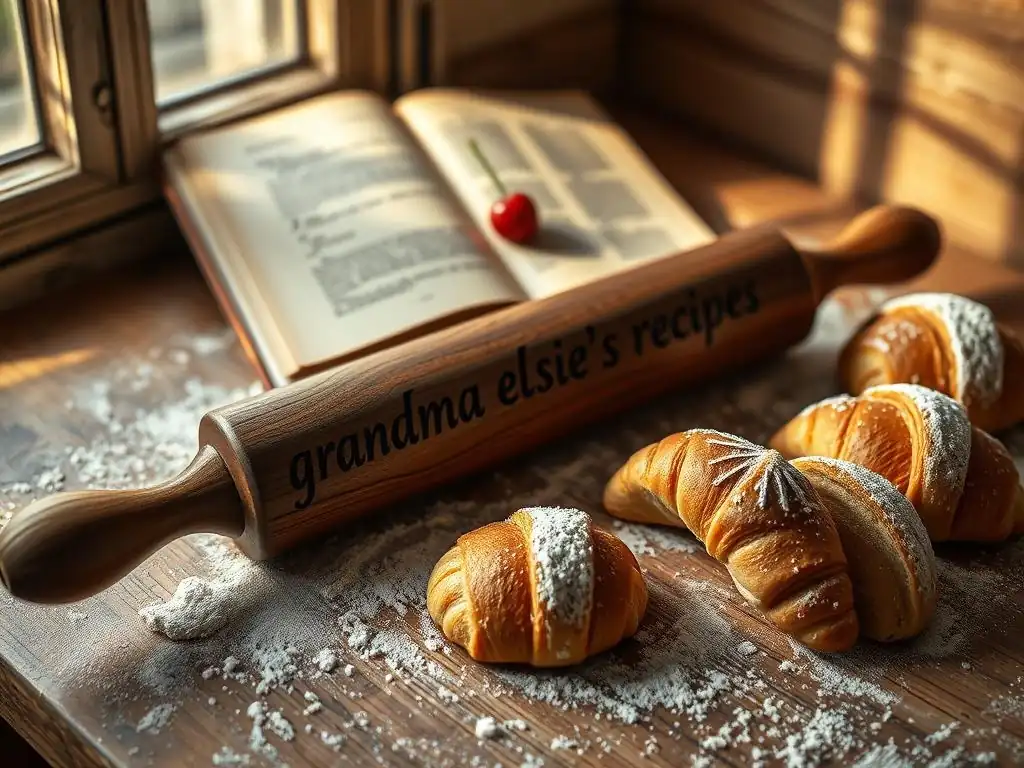
Welcome to BakeWithEase, your haven for all things baking! Ever wished you could imprint your favorite family recipes directly onto your dough? Our latest article delves into the delightful world of custom engraved rolling pin recipes, revealing how this unique baking tool can transform your creations and add a personal touch to every bake. Discover the magic and unlock a world of culinary creativity – the possibilities are endless!
- Elevate Your Baking: Custom Engraved Rolling Pins
- Unleash Your Creativity: Personalized Baking with Custom Rolling Pins
- Speculaas Cookie Recipe: A Baker's Delight with a Custom Rolling Pin
- The Benefits of Using a Custom Engraved Rolling Pin
- Choosing the Right Custom Engraved Rolling Pin
- Where to Find the Best Custom Engraved Rolling Pins
- More Than Just a Tool: The Sentimental Value of Personalized Baking Gifts
- Cleaning and Maintaining Your Custom Engraved Rolling Pin
- Maximizing Your Investment: Beyond Rolling Out Dough
- Exploring Advanced Techniques with Custom Rolling Pins
- The Future of Baking: Customization and Personalization
-
Frequently Asked Questions
- What exactly is a custom engraved rolling pin, and how does it relate to baking recipes?
- How can a custom engraved rolling pin help me with my recipes from BakeWithEase.com?
- Are custom engraved rolling pins only for cookie dough, or can they be used with other types of dough featured on BakeWithEase?
- Where can I find suitable recipes on BakeWithEase.com that are ideal for using with a custom engraved rolling pin?
- How do I clean and maintain a custom engraved rolling pin to ensure it lasts and continues to work effectively with BakeWithEase's recipes?
- Final Reflection: The Sweet Legacy of a Personalized Rolling Pin
- Unleash Your Inner Pastry Artist!
Elevate Your Baking: Custom Engraved Rolling Pins
Unleash Your Creativity: Personalized Baking with Custom Rolling Pins
Beyond Functionality: The Art of Personalized Baking
Baking is often seen as a precise science, but at its heart, it's a vibrant art form. Beyond the perfect crumb or the ideal rise, there's the opportunity to infuse your personality and passion into every creation. A standard rolling pin is a fundamental tool, essential for flattening dough, but a custom engraved rolling pin transforms this utility into a canvas for expression.
Imagine rolling out cookie dough to reveal a intricate pattern, a personal message, or a unique design that tells a story. This personalized touch elevates simple baked goods into memorable works of art, making them perfect for gifts, special occasions, or simply adding joy to your everyday baking.
Using a custom engraved rolling pin allows bakers to go beyond basic shapes and textures. It's about adding a layer of detail and sophistication that's difficult to achieve with traditional tools. Whether it's a repeating geometric pattern, delicate florals, or even a logo, the engraving presses directly into the dough, creating a consistent, beautiful design across the surface.
This not only enhances the visual appeal of cookies, pastries, and other dough-based items but also adds a unique tactile element. It turns the act of baking from a routine task into a delightful creative process, where the tool itself becomes part of the artistic expression.
Elevate Your Baking Game: Adding Value with a Custom Engraved Rolling Pin
A custom engraved rolling pin isn't just a novelty; it's a valuable addition to any baker's collection, significantly enhancing both the process and the outcome of baking. For those selling baked goods, a unique, consistent design applied with an engraved rolling pin can become a signature element, instantly recognizable and adding perceived value to their products.
Think of a small bakery using a custom pattern on shortbread – it differentiates their cookies in a crowded market. For home bakers, it allows for the creation of impressive, professional-looking treats that are perfect for gifting or entertaining, often eliciting "wows" from recipients.
The value extends beyond aesthetics. A well-made custom engraved rolling pin, typically crafted from dense hardwoods like maple or beech, provides the necessary weight and smooth surface for even dough rolling, while the deep engraving ensures a clear, crisp impression. This combination of functionality and specialized design makes it a tool that saves time on intricate decorating later, allowing bakers to produce beautiful results efficiently. Investing in a quality custom engraved rolling pin is an investment in creativity, efficiency, and the ability to consistently produce stunning baked goods that stand out.
Speculaas cookies, traditionally enjoyed around the Sinterklaas holiday in the Netherlands and Belgium, are known for their crisp texture and warm, spicy flavor profile, featuring cinnamon, nutmeg, cloves, and sometimes cardamom and ginger. They are also famous for their intricate designs, often depicting figures, windmills, or scenes.
While traditionally made with carved wooden molds, a custom engraved rolling pin offers a modern, efficient way to impart beautiful patterns onto the dough. The firm, slightly crumbly dough of Speculaas is particularly well-suited for retaining the detail pressed in by an engraved pin, making this a perfect custom engraved rolling pin recipe to try.
Mastering Speculaas involves careful attention to ingredients and technique. The dough often benefits from resting, sometimes overnight, to allow the flavors to meld and the texture to firm up, which aids in rolling and cutting. Using room temperature butter, but chilling the dough thoroughly before rolling, is key to preventing sticking and ensuring the pattern transfers cleanly. The spices are crucial – a good Speculaas spice mix is essential for that authentic taste. Once the dough is perfectly chilled and spiced, the custom engraved rolling pin becomes the star, transforming simple dough into patterned masterpieces ready for baking.
Here is a classic Speculaas cookie recipe adapted for use with a custom engraved rolling pin.
Yields: Approximately 3-4 dozen cookies Prep time: 30 minutes, plus chilling time Bake time: 10-12 minutes
Ingredients:
- 2 cups (250g) all-purpose flour
- 1 tsp baking powder
- 1/2 tsp salt
- 2 tsp ground cinnamon
- 1 tsp ground nutmeg
- 1/2 tsp ground cloves
- 1/4 tsp ground ginger (optional, but recommended)
- 1/4 tsp ground cardamom (optional)
- 1 cup (225g) unsalted butter, softened
- 3/4 cup (150g) granulated sugar
- 1/4 cup (50g) light brown sugar, packed
- 1 large egg
- 1 tsp vanilla extract
Equipment:
- Large mixing bowls
- Electric mixer (stand or hand)
- Plastic wrap
- Rolling pin (standard)
- Custom engraved rolling pin
- Cookie cutters (if needed for edges)
- Baking sheets
- Parchment paper
Instructions:
- In a medium bowl, whisk together the flour, baking powder, salt, cinnamon, nutmeg, cloves, ginger, and cardamom. Set aside.
- In a large bowl, cream together the softened butter and both sugars until light and fluffy, about 2-3 minutes.
- Beat in the egg and vanilla extract until well combined.
- Gradually add the dry ingredients to the wet ingredients, mixing on low speed until just combined. Do not overmix. The dough will be soft.
- Divide the dough into two equal portions. Flatten each portion into a disc, wrap tightly in plastic wrap, and refrigerate for at least 2 hours, or preferably overnight, until firm.
- Preheat oven to 350°F (175°C). Line baking sheets with parchment paper.
- On a lightly floured surface, roll out one disc of chilled dough using a standard rolling pin to about 1/4 inch thickness.
- Lightly flour your custom engraved rolling pin. Starting from the center and rolling outwards with even pressure, roll the engraved pin across the dough to imprint the pattern.
- Using a knife or cookie cutters, cut the cookies along the edges of the imprinted patterns. Carefully transfer the patterned cookies to the prepared baking sheets. Gather scraps, gently re-knead, chill briefly, and re-roll.
- Bake for 10-12 minutes, or until the edges are lightly golden brown.
- Let cookies cool on the baking sheets for a few minutes before transferring to a wire rack to cool completely.
- Store cooled cookies in an airtight container at room temperature.
This custom engraved rolling pin recipe highlights how a specialized tool can simplify the creation of beautifully patterned cookies.
The Benefits of Using a Custom Engraved Rolling Pin
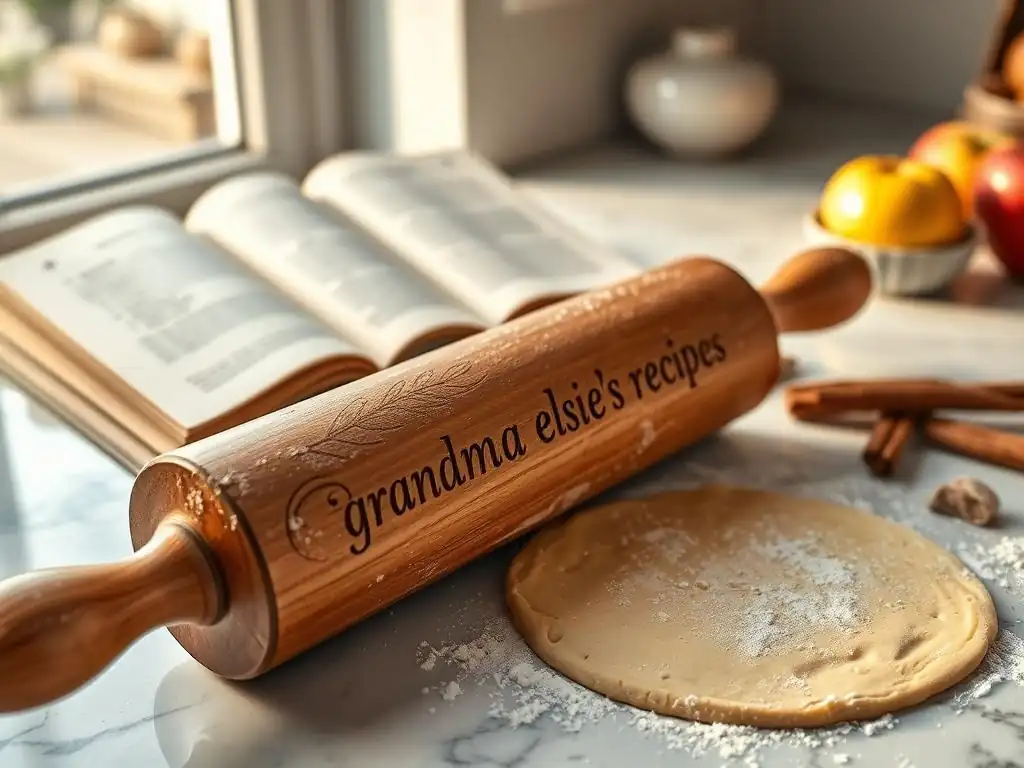
Consistent Design & Texture: Achieve Professional-Looking Speculaas
One of the primary benefits of using a custom engraved rolling pin, especially for recipes like Speculaas, is the unparalleled consistency it brings to your designs. Unlike hand-decorating or using individual molds which can vary in depth and clarity, the rolling pin applies the pattern evenly across the entire surface of the dough with a single pass (or a few overlapping passes).
This results in cookies that are visually uniform, with sharp, clear patterns that look professionally made. The even pressure applied also contributes to a consistent dough thickness, which in turn helps the cookies bake uniformly, achieving that desired crisp texture without burnt edges or soft centers.
Furthermore, the consistent indentation created by the engraving ensures that the pattern remains visible after baking. The depth of the engraving is designed to leave a clear mark that withstands the slight puffing that occurs during baking. This reliability is particularly important for cookies where the visual pattern is a key feature, such as Speculaas or gingerbread. It removes the guesswork and potential for variation that comes with less precise methods, guaranteeing beautiful results every time you use your engraved rolling pin on a suitable dough.
Time-Saving Baking: Create Intricate Patterns Quickly & Efficiently
Using a custom engraved rolling pin is a significant time-saver when you want to produce a large batch of intricately patterned cookies. Imagine trying to hand-stamp or individually mold dozens of cookies; it would be a laborious and time-consuming process. With an engraved rolling pin, you can pattern an entire sheet of rolled-out dough in just moments. A quick pass over the surface, and voilà, the dough is covered in your chosen design, ready to be cut and baked. This efficiency is invaluable for holiday baking, preparing treats for events, or fulfilling larger orders if you bake commercially.
The speed doesn't come at the expense of detail. Modern engraving techniques allow for incredibly fine and complex patterns to be etched into the wood. This means you can achieve intricate designs quickly, without needing advanced decorating skills or spending hours on individual pieces. For bakers looking to maximize output without sacrificing aesthetic appeal, incorporating a custom engraved rolling pin into their workflow for custom engraved rolling pin recipes is a smart and efficient choice. It streamlines the process, allowing you to produce beautiful, patterned cookies in a fraction of the time traditional methods might require.
Durable & Long-Lasting: Investing in a Quality Rolling Pin (Walnut Wood Example)
A high-quality custom engraved rolling pin is an investment that can last for years, even decades, with proper care. They are typically crafted from dense, durable hardwoods known for their longevity and resistance to wear, such as maple, beech, or even walnut. Walnut, for instance, is a beautiful, dark wood that is both hard and stable, making it an excellent material for rolling pins. Its density means it's less likely to warp or crack over time compared to softer woods, and it can withstand the pressure of rolling without the engraving losing its sharpness.
The durability of these materials, combined with precise engraving techniques, means the pattern will remain crisp and effective through countless baking sessions. Unlike some kitchen gadgets that have a limited lifespan, a well-maintained wooden rolling pin can become a cherished heirloom, passed down through generations of bakers. While the initial cost might be slightly higher than a basic smooth rolling pin, the long-term value, consistent performance, and ability to create unique baked goods make a durable, quality custom engraved rolling pin like one made from walnut wood a worthwhile addition to any serious baker's arsenal.
Choosing the Right Custom Engraved Rolling Pin
Wood Selection: Maple vs. Beech for Engraving
The type of wood used for a custom engraved rolling pin significantly impacts its performance and durability. Two popular choices for engraved pins are maple and beech, both hardwoods known for their fine grain and stability. Maple, often sugar maple, is incredibly hard and dense. This density makes it resistant to dents and scratches, and its tight grain takes engraving exceptionally well, resulting in very crisp, clean lines and intricate details. Maple rolling pins tend to be slightly heavier due to their density, which can be advantageous for applying even pressure when rolling.
Beech wood is another excellent option, widely used for kitchen tools in Europe. It is also a hardwood, though typically slightly less dense and hard than maple. Beech has a fine, even grain that is smooth and durable, making it suitable for engraving patterns that are perhaps slightly less intricate than those possible on the densest maple, but still beautifully detailed.
Beech is generally more readily available and might be a more economical choice than premium maple. Both woods are non-toxic and food-safe when properly finished (usually with mineral oil), and the choice often comes down to preference for weight, grain pattern, and budget.
Design Considerations: Selecting the Perfect Pattern
Selecting the perfect pattern for your custom engraved rolling pin is a fun and creative process, but there are practical considerations to keep in mind to ensure the best results. The complexity of the design should match the type of dough you plan to use most often. For instance, very intricate patterns with fine lines work best on firm, low-moisture doughs like shortbread or Speculaas that hold their shape and detail well.
Softer or higher-moisture doughs might cause fine details to blur or stick. Repeating patterns are generally easier to use than large, single images, as they cover the dough more efficiently.
Consider the spacing and depth of the engraving. Deeper, wider grooves tend to transfer patterns more reliably, especially if you are new to using engraved pins. Patterns with too much solid surface area can sometimes stick to the dough.
Think about the overall aesthetic you want to achieve – geometric, floral, whimsical, or perhaps a specific theme related to holidays or personal interests. Many artisans offer pre-designed patterns, but the beauty of a custom engraved rolling pin is the ability to create something truly unique, perhaps incorporating initials, dates, or inside jokes, making it perfect for personalized gifts or signature bakes.
Size and Weight: Finding the Ideal Rolling Pin
The size and weight of a custom engraved rolling pin are important factors for comfort and effectiveness. Rolling pins come in various lengths and diameters. A longer barrel (the engraved section), perhaps 10-12 inches, is useful for rolling larger sheets of dough, which is efficient if you're baking in batches. Shorter pins might be easier to handle for smaller tasks or if kitchen space is limited. The overall length, including handles (if it's a handled pin), also matters for storage.
The weight of the rolling pin, influenced by the wood type and diameter, affects the ease of applying even pressure. A heavier pin requires less manual effort to press the design into the dough, letting the weight do some of the work. Lighter pins offer more control, which might be preferred by some bakers.
A pin with a diameter of around 2.5 to 3 inches is common and provides a good balance of surface area for rolling and comfortable grip. Ultimately, the ideal size and weight depend on your personal preference, strength, and the types of baking projects you typically undertake with your custom engraved rolling pin.
Where to Find the Best Custom Engraved Rolling Pins
[Artisan's Etsy Shop]: Unique and Handcrafted Rolling Pins
For truly unique and handcrafted custom engraved rolling pins, online marketplaces like Etsy are excellent resources. Numerous independent artisans specialize in creating beautiful, functional rolling pins, often offering a wide range of wood types, engraving patterns, and customization options. Searching for "custom engraved rolling pin" on such platforms reveals makers who hand-turn the wood, design intricate patterns, and offer personalized engraving services, allowing you to add names, dates, or custom logos.
Shopping from an artisan often means supporting a small business and receiving a product made with attention to detail and quality craftsmanship. While the turnaround time might be slightly longer than from a large retailer, the ability to communicate directly with the maker about specific requests ensures you get exactly the custom engraved rolling pin you envision. Many artisans also provide guidance on wood choice and design feasibility for the best results with custom engraved rolling pin recipes. It's a great way to find a unique piece that feels special and is made with passion.
[Rolling Pin Company]: High-Quality Custom Rolling Pins
Dedicated rolling pin companies or specialized kitchenware manufacturers are another reliable source for high-quality custom engraved rolling pins. These companies often have streamlined production processes, allowing for consistent quality and potentially faster delivery times compared to individual artisans. They typically offer a curated selection of popular wood types (like maple or beech) and a catalog of pre-designed patterns optimized for engraving.
While the level of bespoke customization might be less extensive than with an independent artisan, these companies often provide robust online design tools or clear options for adding personalized text or selecting from a wide library of patterns. They focus on producing durable, effective rolling pins designed specifically for tasks like imprinting dough. Looking for companies with good reviews and a focus on using quality materials is key when seeking a durable and effective custom engraved rolling pin from this type of vendor.
[Online Baking Supply Store]: A Wide Selection of Rolling Pins
General online baking supply stores or large kitchenware retailers may also carry a selection of custom engraved rolling pins. These platforms offer convenience and often competitive pricing, providing access to various brands and styles in one place. While the truly unique, deeply customizable options might be limited compared to specialized sources, you can often find rolling pins with popular holiday themes, classic patterns, or basic personalization options like adding a name.
These stores are a good starting point if you're looking for a readily available engraved rolling pin without needing highly specific customization. They typically stock pins made from common woods like beech or birch, with standard engraved patterns. Checking customer reviews on the specific product and brand is advisable to gauge the quality of the engraving and the durability of the wood when purchasing a custom engraved rolling pin from a larger online retailer.
More Than Just a Tool: The Sentimental Value of Personalized Baking Gifts
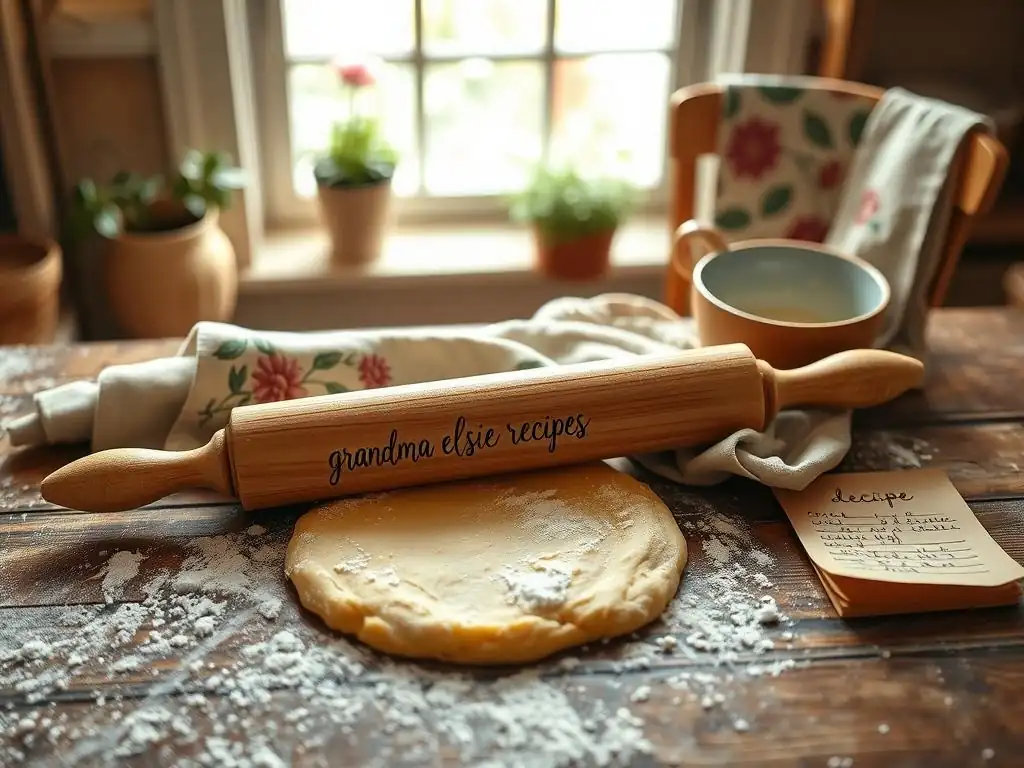
Perfect for Special Occasions: Anniversaries and Housewarmings
A custom engraved rolling pin transcends its function as a baking tool to become a deeply meaningful gift, perfect for celebrating special occasions. For anniversaries, an engraved rolling pin could feature the couple's names and wedding date, symbolizing the warmth and comfort of a shared home and future baking adventures. Imagine a couple using their personalized rolling pin year after year to make holiday cookies – it becomes a part of their tradition.
For housewarmings, a custom engraved rolling pin with the new homeowners' family name or initials is a thoughtful and practical present. It helps them equip their new kitchen while adding a personal touch that makes the space feel more like home. Unlike generic kitchen gadgets, a custom engraved rolling pin shows that you've put extra thought into the gift, tailoring it specifically to the recipient's passion for baking and the significance of the occasion. It's a gift that is both useful and sentimental.
A Unique and Thoughtful Gift for the Baker
Finding the perfect gift for someone who loves to bake can sometimes be challenging, especially if they seem to have every gadget imaginable. A custom engraved rolling pin offers a unique and thoughtful solution. It's not just another whisk or mixing bowl; it's a personalized piece of equipment that speaks directly to their hobby and allows them to express their creativity in new ways. The ability to customize the design, whether it's a pattern they adore, a quote that inspires them, or their name, makes it truly one-of-a-kind.
This level of personalization shows that you understand and appreciate their passion. It's a gift that encourages them to try new custom engraved rolling pin recipes and techniques, adding an exciting dimension to their baking. Receiving a beautiful, custom-made tool feels special and valued. It's a gift that is practical for everyday use but also holds significant emotional weight, making it far more memorable than a standard store-bought item.
The Legacy of Baking: Passing Down a Custom Rolling Pin
One of the most beautiful aspects of baking is its ability to connect generations. Recipes, techniques, and even tools are often passed down, carrying with them memories and traditions. A durable, quality custom engraved rolling pin has the potential to become such an heirloom. Engraved with a family name, a significant date, or a pattern associated with a cherished family recipe, it can tell a story and serve as a tangible link to the past.
Imagine a grandparent using their custom engraved rolling pin to bake holiday cookies with their grandchildren, sharing stories and techniques. Years later, that rolling pin, with its worn handles and familiar pattern, might be passed down, carrying the legacy of family baking. It's more than just wood and engraving; it's a vessel for memories, love, and shared experiences in the kitchen. A custom engraved rolling pin is an investment in a potential family heirloom, fostering a sense of connection and continuity through the art of baking.
Cleaning and Maintaining Your Custom Engraved Rolling Pin
Proper Care for Longevity: Tips for Cleaning Wood
Proper cleaning is essential to maintain the longevity and performance of your custom engraved rolling pin, particularly since it's made of wood. After each use, it's best to clean it as soon as possible, especially if working with sticky doughs. Avoid soaking the rolling pin in water, as this can cause the wood to swell, crack, or warp, and can damage the engraving. Instead, use a stiff pastry brush or a dry toothbrush to remove any stuck-on dough from the engraved areas.
For more thorough cleaning, wipe the rolling pin with a damp cloth (not wet) and a small amount of mild dish soap if necessary. Immediately rinse the cloth and wipe again to remove soap residue. Dry the rolling pin thoroughly with a clean towel, paying extra attention to the engraved grooves.
Allow it to air dry completely in a well-ventilated area, standing it upright if possible, before storing. Periodically, you can condition the wood with food-grade mineral oil to prevent it from drying out, which helps maintain its smoothness and prevents cracking. Apply a small amount with a cloth, let it soak in for a few hours, and then wipe off any excess.
Avoiding Damage: Best Practices for Storing Your Rolling Pin
How you store your custom engraved rolling pin is almost as important as how you clean it in preventing damage. Wooden rolling pins should be stored in a cool, dry place away from direct heat sources like stoves or radiators, which can dry out and damage the wood. Avoid storing it in damp environments, like under the sink, as moisture can lead to mold or mildew.
Ideally, store your rolling pin where it won't be knocked around or have heavy items placed on top of it. Hanging it from hooks or storing it in a dedicated drawer organizer can help protect the surface and the engraving from dings and scratches. If storing it flat in a drawer, ensure it's not crammed in with other heavy utensils that could damage the fine details of the engraving. Proper storage ensures the wood remains stable and the engraved pattern stays sharp and ready for your next custom engraved rolling pin recipe.
Preserving the Design: Keeping Your Engraving Sharp
The key feature of a custom engraved rolling pin is its design, and preserving the sharpness of this engraving is crucial for achieving clear patterns on your dough. Regular cleaning is the first step, ensuring that dough residue doesn't build up and fill the grooves over time, which would make the pattern less distinct. Using a brush immediately after rolling is the most effective way to keep the engravings clear.
When rolling, ensure the dough is properly chilled and lightly floured. Dough that is too warm or sticky is more likely to cling to the engraving and be difficult to remove. Avoid using excessive force when rolling, as this isn't necessary with a quality engraved pin and could potentially stress the wood or the engraving over many uses. Conditioning the wood with mineral oil not only protects the wood but also keeps the surface smooth, which helps prevent dough from sticking firmly in the first place, thus preserving the crispness of the design.
Maximizing Your Investment: Beyond Rolling Out Dough
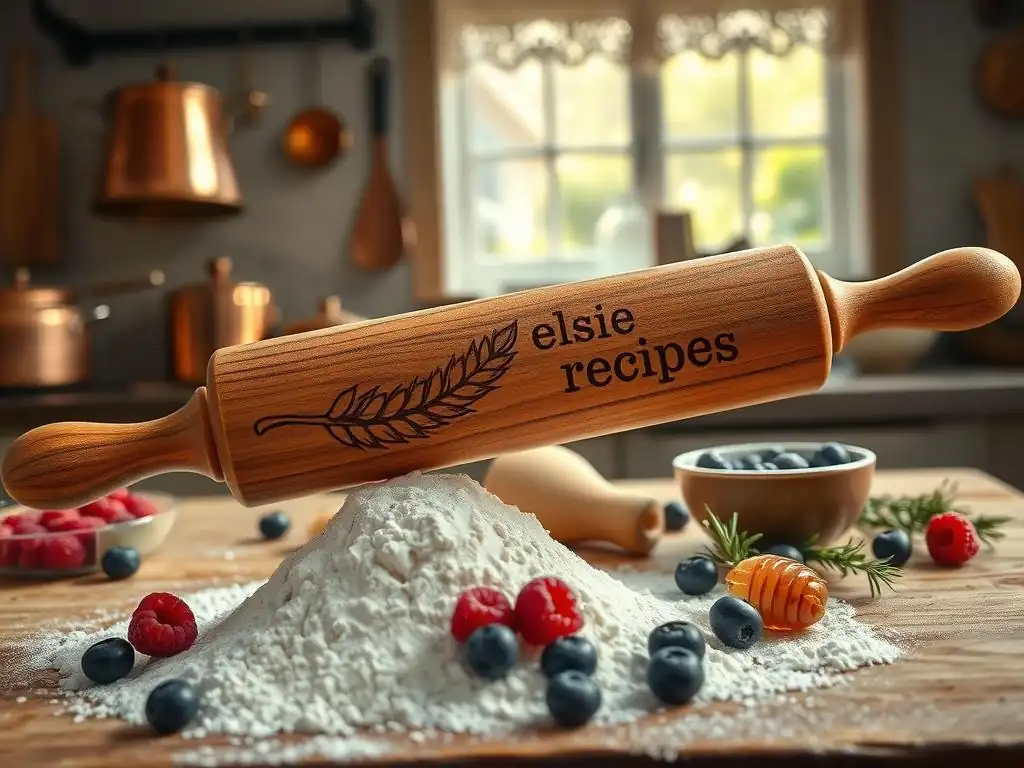
While perfect for rolling out sheets of dough for cutting, a custom engraved rolling pin is particularly fantastic for embossing cookies and gingerbread. The firm texture of gingerbread dough, much like Speculaas, is ideal for holding intricate patterns. Simply roll out your dough to the desired thickness using a standard pin, then give it a final pass with your custom engraved rolling pin to press the design into the surface.
Once embossed, you can cut around the patterns or simply cut the dough into rectangles or squares, allowing the repeating pattern to be the star. For gingerbread houses or decorative pieces, using an engraved pin can add incredible detail to walls and roofs quickly and uniformly. This application truly highlights the value of having a unique, custom engraved rolling pin design – it transforms simple dough into decorative elements that are both delicious and visually stunning.
Creating Decorative Pie Crusts
Think beyond cookies! A custom engraved rolling pin can add a beautiful, rustic, or elegant touch to pie crusts. While you typically wouldn't roll the entire crust with an engraved pin (as it might make it too thin or difficult to transfer), you can use it for decorative elements. Roll out excess pie dough scraps using a standard pin, then emboss the surface with your custom design using the engraved pin.
These embossed scraps can then be cut into strips, shapes (like leaves or stars), or used to create a patterned lattice top. This simple technique elevates a basic pie crust into a work of art, adding a personalized flourish that complements your filling. It's a clever way to utilize your custom engraved rolling pin for different types of baked goods and impress your friends and family with your attention to detail.
Even if you're not making fully patterned cookies, a custom engraved rolling pin can be used to add unique touches to various types of cookie dough. For drop cookies, you can gently press the top of each dough ball with a small section of the engraved pin before baking, creating a subtle design on the surface. This works well for shortbread buttons or even peanut butter cookies where you want a pattern other than the traditional fork marks.
For slice-and-bake cookies, you can roll the log of dough with the engraved pin before chilling and slicing. This will imprint a pattern around the outer edge of each cookie slice. While the pattern might distort slightly during baking, it adds a unique, handmade touch that distinguishes your cookies. Experimenting with different dough types and techniques allows you to discover new ways to incorporate your custom engraved rolling pin into your baking repertoire.
Exploring Advanced Techniques with Custom Rolling Pins
Achieving Even Impression Depths
Achieving consistent and even impression depths across your dough is key to a professional-looking result when using a custom engraved rolling pin. The most common challenge is applying uniform pressure. Start by rolling your dough to a consistent thickness using a standard, smooth rolling pin before you use the engraved one. This provides a uniform base.
When using the engraved pin, apply firm, even pressure as you roll. Some bakers find it helpful to roll from the center outwards in different directions to ensure the entire surface is covered. If your pin has handles, ensure you are gripping them evenly. For handleless pins, distribute your hand pressure evenly across the top. Practicing on scrap dough can help you find the right amount of pressure needed for your specific dough consistency and rolling pin design. Starting with dough that is well-chilled but not frozen is also crucial, as it holds the pattern better.
Working with Different Dough Temperatures
The temperature of your dough significantly impacts how well the custom engraved pattern transfers and holds its shape. Cold, firm dough is generally best for achieving crisp, detailed patterns. Dough that is too soft or warm will tend to stick to the engraving and might lose its shape or pattern definition when cut and transferred. Aim for dough that has been chilled for at least 30 minutes in the refrigerator, or longer for richer, softer doughs like some shortbreads.
However, dough that is too cold or frozen can be difficult to roll and may crack, preventing an even impression. The ideal temperature is chilled but still pliable enough to roll smoothly without excessive force. If your dough cracks, let it sit at room temperature for a few minutes to soften slightly before attempting to roll again. Experimenting with chilling times for your specific custom engraved rolling pin recipes will help you find the perfect dough consistency for optimal results.
Mastering Flour Application for Clean Designs
Proper flour application is critical to prevent dough from sticking to the intricate engravings of your custom rolling pin, ensuring a clean and sharp pattern transfer. Use a very light dusting of flour on both your work surface and the rolling pin itself. Too much flour can obscure the pattern details and leave a powdery residue on your baked cookies.
Instead of dusting the entire rolling pin heavily, you can lightly flour the dough surface after you've rolled it to the initial thickness with a standard pin. Then, roll the engraved pin over this lightly floured surface. You can also use a pastry brush to apply a thin, even layer of flour specifically into the engraved grooves of the pin before rolling.
If dough starts to stick, stop, gently remove the dough from the pin using a brush or toothpick, lightly re-flour the pin and dough, and continue. A clean pin and a lightly floured surface are your best friends for mastering custom engraved rolling pin recipes.
The Future of Baking: Customization and Personalization
The Rise of Personalized Baking Tools
The trend towards customization and personalization is growing across many industries, and baking is no exception. Home bakers are increasingly seeking ways to make their creations unique and reflective of their personality or brand. This has led to a rise in the popularity of personalized baking tools, with the custom engraved rolling pin being a prime example. Beyond rolling pins, we see customized cookie cutters, personalized aprons, and even custom cake stencils becoming more widely available.
This shift reflects a desire to move away from mass-produced uniformity towards craftsmanship and individuality in the kitchen. Bakers want tools that not only perform well but also feel special and inspiring. The accessibility of custom manufacturing and online marketplaces has made it easier than ever for individuals to acquire tools tailored to their specific needs and aesthetic preferences, fueling the demand for personalized items in the baking world.
The Impact of Custom Rolling Pins on Baking Trends
Custom engraved rolling pins are not just following trends; they are actively influencing them. They have made it easier and more accessible for home bakers to produce cookies and pastries with intricate, professional-looking patterns that were previously only achievable with expensive, specialized equipment or significant artistic skill. This has contributed to the popularity of highly decorated cookies and pastries shared widely on social media platforms like Instagram and Pinterest.
The ease of creating beautiful patterns encourages bakers to experiment with different designs and dough types, potentially leading to new custom engraved rolling pin recipes and techniques. They also play a role in the growing popularity of themed baking for holidays, events, and personal milestones, as custom designs can be tailored perfectly to any occasion. As technology allows for even more detailed and complex engravings, we can expect custom rolling pins to continue pushing the boundaries of what's possible in home baking aesthetics.
Embrace the Art of Unique and Creative Baking
Ultimately, the rise of custom engraved rolling pins and other personalized tools is about embracing the art of unique and creative baking. It's about seeing your kitchen as a studio and your baked goods as a form of self-expression. A custom engraved rolling pin provides a unique avenue for this creativity, allowing you to imprint your personal style directly onto your dough.
Whether you're making cookies for a special event, gifting homemade treats, or simply baking for the joy of it, using a tool that is uniquely yours adds an extra layer of satisfaction to the process. It encourages experimentation, sparks imagination, and helps you create baked goods that are not only delicious but also visually stunning and deeply personal. So, embrace the opportunity to add a custom touch to your baking and explore the endless creative possibilities that a custom engraved rolling pin can unlock.
Frequently Asked Questions
What exactly is a custom engraved rolling pin, and how does it relate to baking recipes?
A custom engraved rolling pin features unique designs or patterns carved onto its surface. These designs are transferred onto dough when rolled, creating decorative cookies or pastries without needing individual decorations.
How can a custom engraved rolling pin help me with my recipes from BakeWithEase.com?
It simplifies recipes by adding visual appeal with minimal extra effort. Instead of decorating each cookie by hand, the rolling pin imprints a design, saving time and ensuring consistency, perfect for BakeWithEase's easy recipes.
While popular for cookies, they work well with any dough that holds its shape after being rolled, such as pie crusts or even some types of shortbread, expanding the possibilities for recipes on BakeWithEase.
Where can I find suitable recipes on BakeWithEase.com that are ideal for using with a custom engraved rolling pin?
Look for recipes involving rolled doughs, especially those focused on cookies, biscuits, or pastries. Recipes that call for a smooth, rolled surface are prime candidates for using a custom engraved rolling pin.
How do I clean and maintain a custom engraved rolling pin to ensure it lasts and continues to work effectively with BakeWithEase's recipes?
Clean it gently with a brush to remove dough from the engravings. Avoid soaking it in water, and condition it with food-safe oil to prevent cracking and maintain its surface for optimal use with BakeWithEase recipes.
Final Reflection: The Sweet Legacy of a Personalized Rolling Pin
The art of baking is more than just following a recipe; it's about creating lasting memories, and a custom engraved rolling pin becomes a tangible symbol of that legacy. These aren't just kitchen tools; they're heirlooms in the making, passed down through generations, each roll carrying the imprint of cherished moments and family recipes.
The impact of personalized tools on the baking experience is profound. It elevates the craft from a simple task to a deeply personal expression. It's about connecting with tradition, adding a unique touch to every creation, and leaving a lasting mark on those who share in the delicious results. The best things in life are homemade,
and a custom engraved rolling pin helps make those things even more special.
Now, consider your own baking journey. What recipes hold a special place in your heart? What memories do you want to preserve? Imagine the joy of using a rolling pin engraved with your grandmother's signature recipe, or a design that reflects a cherished family tradition. Take a moment to envision your own custom-engraved rolling pin, a beautiful and functional heirloom that will continue to inspire generations of bakers to come. Let the legacy begin.
Unleash Your Inner Pastry Artist!
Thanks for taking the time to explore the world of custom engraved rolling pins! We hope you now see how they can transform your baking from ordinary to extraordinary. Ready to take the next step?
- Design your dream rolling pin: Head over to our design studio and bring your baking vision to life. Imagine the possibilities – personalized cookies for every occasion, intricate patterns for show-stopping pies, even your own custom logo!
- Share your creations: Show off your beautifully decorated treats on social media using #BakeWithEase and tag us! We love seeing your baking masterpieces.
- Explore our inspiration gallery: For more ideas and inspiration, check out our gallery of custom rolling pin designs created by other bakers.
What unique design will you create to impress your friends and family with your next baking project?