
The Ultimate Checklist: Essential Baking Accessories for Beginners

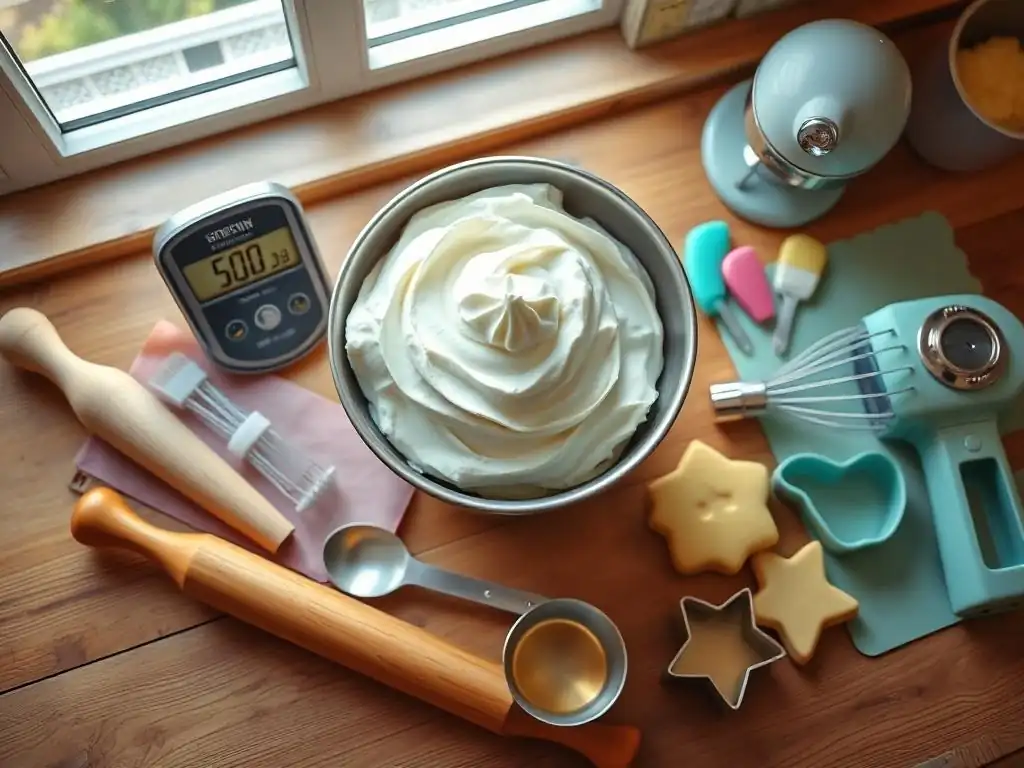
Welcome to BakeWithEase, your guide to confident baking! Ready to transform your kitchen into a baking haven? Before you preheat that oven, ensure you have the essentials. This article dives into the baking accessories beginner checklist – discover the must-have tools that will set you up for success and avoid common baking pitfalls. But the checklist is just the beginning... explore our collection of easy-to-follow recipes and expert tips to elevate your baking game!
Baking can seem daunting at first, with countless recipes and techniques to master. But every great baker starts somewhere, and having the right tools is the first step. Think of your kitchen as your workshop and these baking accessories beginner checklist items as your essential toolkit.
Starting with a solid foundation of reliable equipment makes the process smoother, more enjoyable, and sets you up for consistent results. You don't need every gadget under the sun right away, but focusing on the core baking accessories for beginners will build your confidence and capability. This guide is designed to help you identify those must-have items to get you baking delicious treats from day one.
- Baking Accessories Beginner Checklist: Your Starter Kit
- Must-Have Mixing and Measuring Tools for Beginner Bakers
- Essential Baking Pans and Bakeware for First-Time Bakers
- Important Baking Utensils and Gadgets for Beginners
- Aprons and Kitchen Accessories for Baking: Elevate Your Baking Style
- Budget-Friendly Baking Accessories for New Bakers
- Maintaining Your Baking Tools: Tips for Longevity
- Next Steps: Mastering Basic Baking Techniques with Your New Accessories
-
Frequently Asked Questions
- What are the most essential baking accessories a beginner should invest in first?
- What type of measuring tools are best for beginners to ensure accurate baking?
- Are there any specific baking sheet materials that are better for beginners than others?
- What's the importance of a good mixing bowl for beginner bakers?
- Besides the basics, what's one slightly more advanced baking accessory that can significantly improve a beginner's results?
- Final Reflection: The Sweetness of Beginnings and the Joy of Baking
- Ready to Bake Your Dream Treats?
Baking Accessories Beginner Checklist: Your Starter Kit
Embarking on your baking journey is exciting! To make it less intimidating, we've compiled a foundational list of baking accessories perfect for beginners. This isn't about filling your kitchen drawers with rarely used items, but rather equipping you with the fundamental tools necessary for most basic baking recipes, from simple cookies to classic cakes and breads. Having these essential baking accessories for beginners on hand ensures you can tackle popular recipes without frustration, focusing instead on learning techniques and enjoying the process.
Building your initial collection of baking accessories for beginners is an investment in your culinary future. It allows you to practice fundamental skills like accurate measuring, proper mixing, and achieving even baking. While fancy equipment can be added later, this starter baking accessories beginner checklist covers the absolute necessities to ensure successful outcomes in your first baking adventures. Getting these basics right is key to developing your passion and skill in the kitchen.
Must-Have Mixing and Measuring Tools for Beginner Bakers
Accuracy is paramount in baking. Unlike cooking, where a pinch of this or a dash of that often works, baking relies on precise ratios to achieve the desired texture and rise. Having the right mixing and measuring tools is non-negotiable for any aspiring baker. These essential baking accessories for beginners are used in virtually every recipe, making them foundational components of your collection.
Proper measuring ensures your ingredients are balanced correctly, preventing common issues like flat cookies or dense cakes. Similarly, effective mixing incorporates ingredients evenly and develops necessary structures like gluten or aerated batters. Investing in reliable, easy-to-use mixing and measuring tools from the start will significantly improve your baking results and make the learning process much more rewarding.
Mixing Bowls: Stainless Steel vs. Glass
Mixing bowls are fundamental to almost every baking process. You'll need a set of varying sizes to handle different quantities of ingredients, from whisking a couple of eggs to mixing a large batch of cookie dough. A common recommendation for a beginner set is one large (around 5-6 quarts), one medium (around 3-4 quarts), and one small (around 1-2 quarts) bowl. This range covers most standard recipes you'll encounter as a beginner.
When choosing materials, stainless steel and glass are popular options for baking accessories for beginners. Stainless steel bowls are lightweight, durable, non-reactive (meaning they won't interact with acidic ingredients), and easy to clean. They also conduct temperature quickly, which can be useful for tasks like chilling dough.
Glass bowls, while heavier and potentially breakable, are microwave-safe and allow you to see the ingredients from all angles, which is helpful for tasks like melting chocolate or observing dough development. Many bakers prefer glass for whisking egg whites as the smooth surface is less likely to harbor grease residue, which can prevent whites from whipping properly.
Measuring Cups and Spoons: Accuracy is Key
Precise measuring is the cornerstone of successful baking. You'll need two main types of measuring cups: dry measuring cups and liquid measuring cups. Dry measuring cups are designed to be leveled off with a straight edge (like a knife or spatula) to ensure accurate volume for ingredients like flour, sugar, and leavening agents. A standard set typically includes 1/4, 1/3, 1/2, and 1 cup sizes.
Liquid measuring cups, usually made of glass or clear plastic, have a spout for easy pouring and markings on the side. They are designed to be read at eye level on a flat surface to ensure accurate measurement for liquids like milk, water, oil, and extracts. A 2-cup or 4-cup liquid measuring cup is a good starting point. Measuring spoons, typically sold in sets including 1/4 teaspoon, 1/2 teaspoon, 1 teaspoon, and 1 tablespoon, are crucial for small quantities of ingredients like salt, baking soda, baking powder, and spices. Ensure they are sturdy and clearly marked.
Essential Baking Pans and Bakeware for First-Time Bakers
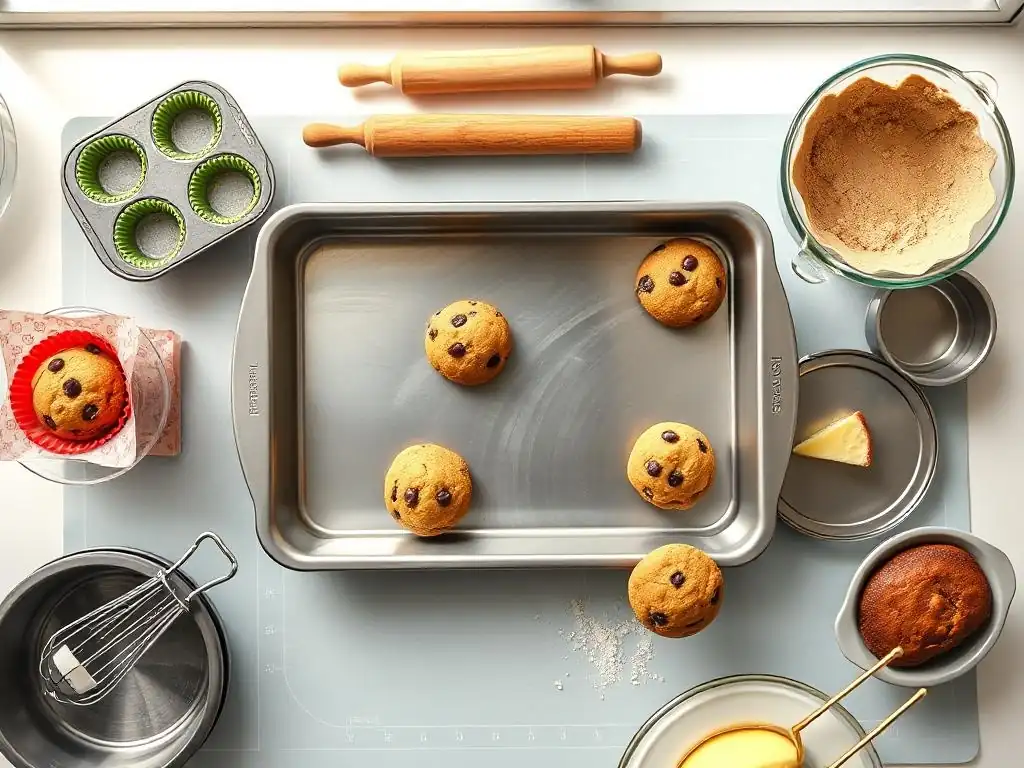
Once your ingredients are measured and mixed, you need something to bake them in! Bakeware comes in countless shapes and sizes, but a few key pieces are essential for any beginner's baking accessories beginner checklist. These items will allow you to bake a wide variety of popular recipes, from classic cakes and brownies to homemade bread and cookies.
Choosing good quality bakeware, even as a beginner, can make a significant difference in how your baked goods turn out. Even heat distribution is key to preventing burnt edges and raw centers. Look for sturdy materials that won't warp in the oven and have non-stick properties or are easy to prepare with grease and flour or parchment paper.
Cake Pans: Round, Square, and Beyond
Cake pans are a fundamental item for baking desserts. The most common sizes for beginners are 8-inch or 9-inch round pans, often used in pairs for layer cakes. A standard yellow cake recipe designed for two 8-inch pans typically uses about 6 cups of batter total. Having at least one or two of these is essential for classic layer cakes.
Square pans, typically 8x8 inch or 9x9 inch, are perfect for brownies, bar cookies, and some smaller cakes or casseroles. An 8x8 inch pan usually holds about 8-10 servings of brownies. While there are many other types like bundt pans or specialty shapes, starting with standard round and square pans covers a vast range of beginner-friendly recipes. Look for pans made of aluminum or steel for good heat conductivity.
Baking sheets, also often called cookie sheets (though true cookie sheets have only one raised edge for easy sliding, while baking sheets have four), are incredibly versatile. They are essential for baking cookies, roasting vegetables, making sheet pan dinners, and baking pastries. A standard size is typically 13x18 inches, often called a "half sheet pan," which fits comfortably in most home ovens.
For a beginner's baking accessories beginner checklist, having at least one, preferably two, good quality baking sheets is highly recommended. This allows you to bake multiple batches of cookies efficiently or handle different components of a recipe. Look for heavy-gauge aluminum or steel pans for even heating. Lining your baking sheet with parchment paper or a silicone baking mat is an excellent way to prevent sticking and make cleanup easier, extending the life of your pan.
Loaf Pan: For Breads and Quick Breads
A loaf pan is indispensable for baking yeasted bread loaves, quick breads like banana bread or zucchini bread, and even meatloaf (though separate pans for sweet and savory are recommended!). The standard size is 9x5 inches, which typically holds about 6-8 cups of batter or dough.
Having one sturdy loaf pan allows you to easily bake many popular and relatively simple recipes that are great for beginners. Look for a pan made of aluminized steel or non-stick coated metal for durability and easy release. Properly greasing and flouring or lining your loaf pan with parchment paper ensures your baked goods slide out cleanly after cooling slightly.
Important Baking Utensils and Gadgets for Beginners
Beyond the basic pans and bowls, a few key utensils and gadgets make the baking process much smoother and more efficient. These tools are designed for specific tasks, from scraping down bowls to incorporating air into batters. Adding these items to your baking accessories beginner checklist will equip you to handle various recipe steps with ease.
While the world of baking gadgets is vast, these selected items represent the most frequently used and beneficial tools for someone just starting out. They help you achieve better consistency in your mixes, handle doughs more effectively, and ensure your ingredients are properly prepared before combining them.
Spatulas: Rubber and Offset
Spatulas are workhorses in the baking kitchen. A flexible rubber or silicone spatula (often called a scraper spatula) is essential for scraping down the sides of mixing bowls, folding ingredients gently, and transferring batter or dough. Silicone spatulas are heat-resistant, making them suitable for use with warm ingredients or even stirring on the stovetop (like making pastry cream). Having at least two of these in different sizes is very useful.
An offset spatula, with its thin, flat blade bent at an angle from the handle, is crucial for frosting cakes and spreading batters evenly in pans. The offset design keeps your knuckles clear of the surface you're working on, allowing for smoother application. A small (4-6 inch blade) and a medium (8-10 inch blade) offset spatula are excellent additions to a beginner's baking accessories checklist.
Whisks: For Incorporating Air into Batter
A whisk is used to beat ingredients together, particularly to incorporate air. This is vital for tasks like whipping cream, beating egg whites into meringue, or making light and airy batters for pancakes or cakes. A standard balloon whisk, with its many wires forming a bulb shape, is the most versatile type for general whisking tasks and is a must-have baking accessory for beginners.
Having one medium-sized balloon whisk (around 10-12 inches long) is sufficient for most beginner needs. The wires should be flexible but sturdy enough to effectively beat ingredients. Regular whisking ensures that ingredients like sugar and eggs are thoroughly combined and aerated, contributing to the final texture and volume of your baked goods.
Rolling Pin: For Rolling Out Dough
If you plan to make cookies, pie crusts, biscuits, or pastries, a rolling pin is essential for flattening and shaping dough. Rolling pins come in various styles, but a simple barrel-style pin with handles or a handle-less French-style pin are both suitable for beginners. A standard length is typically between 10 and 12 inches for the rolling surface.
A good rolling pin helps you achieve uniform thickness in your dough, which is crucial for even baking. For instance, cookies of uneven thickness will bake inconsistently, resulting in some being burnt while others are underbaked. Look for a rolling pin made of wood, marble (which stays cool, helpful for pastry dough), or non-stick plastic.
Sifter: Essential for Fluffy Baked Goods
A sifter is used to aerate ingredients like flour and powdered sugar, remove lumps, and combine dry ingredients evenly. While some modern flours are pre-sifted, sifting is still recommended for many recipes to achieve a lighter texture in cakes, muffins, and pastries. It also helps distribute leavening agents like baking powder and baking soda evenly throughout the flour.
A simple mesh sieve can serve as a sifter for beginners, or you can opt for a crank-style or squeeze-handle sifter for easier operation. Using a sifter is a simple step that can significantly improve the texture of your baked goods, making them lighter and fluffier. It's a worthwhile addition to your baking accessories beginner checklist if you plan on tackling recipes that call for sifting.
Aprons and Kitchen Accessories for Baking: Elevate Your Baking Style
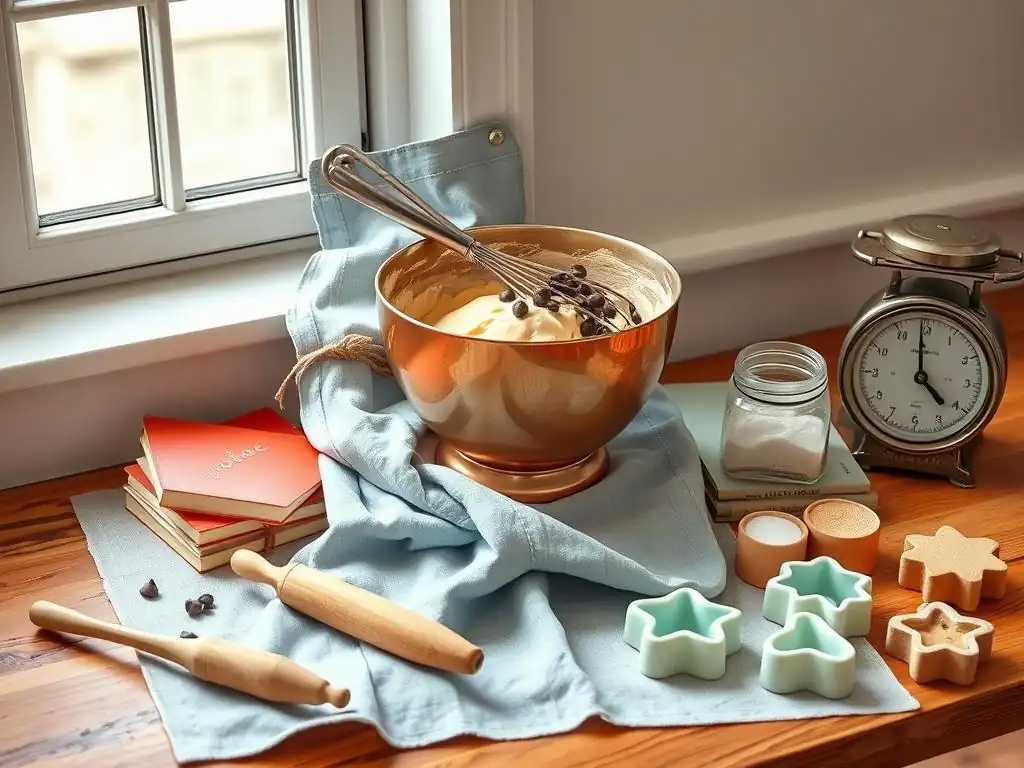
While not directly involved in the chemical reactions of baking, certain kitchen accessories are essential for comfort, safety, and keeping your workspace tidy. These items might seem less critical than measuring cups or pans, but they play a vital role in making your baking experience more pleasant and safe. Adding these practical items to your baking accessories beginner checklist is a smart move.
Beyond functionality, these accessories can also add a touch of personal style to your baking endeavors. Choosing an apron you love or colorful oven mitts can make spending time in the kitchen even more enjoyable. Safety and comfort should always come first, but there's no harm in adding a bit of flair to your baking ensemble.
Aprons: Protect Your Clothes in Style
Baking can be messy! Flour dust, splatters of batter, and sticky dough are all part of the process. An apron is your best friend for protecting your clothes from spills and stains. It also provides a convenient place to wipe your hands (though a separate kitchen towel is better for hygiene! ).
Aprons come in various styles, from full bib aprons that cover your chest and lap to waist aprons. Look for one made from durable, washable fabric like cotton or linen. Many aprons also feature pockets, which are handy for keeping a towel, thermometer, or recipe card close by. Choose a design that fits your personality – whether it's a classic plain apron or one with a fun pattern, it's a practical and stylish addition to your baking accessories beginner checklist.
Oven Mitts and Pot Holders: Safety First!
Handling hot pans and trays from the oven is one of the most critical moments for kitchen safety. High-quality oven mitts or pot holders are non-negotiable baking accessories for beginners (or any baker!). They protect your hands and forearms from severe burns. Standard oven temperatures for baking often range from 325°F to 400°F (around 160°C to 200°C), and contact with hot metal at these temperatures can cause instant injury.
Look for oven mitts made from heat-resistant materials like silicone, thick cotton, or aramid fibers. They should offer good insulation and provide a secure grip. Ensure they are long enough to protect your wrists and forearms. Pot holders are useful for gripping hot pot handles or placing hot dishes on surfaces, but mitts offer more comprehensive protection when reaching into a hot oven. Having a reliable set is paramount for safe baking.
Budget-Friendly Baking Accessories for New Bakers
Starting a new hobby doesn't have to break the bank. Many essential baking accessories for beginners are relatively inexpensive, and you can build your collection gradually. Focusing on multi-purpose tools and looking for value can help you get started without a large initial investment. Remember, the goal is to acquire the tools that enable you to bake, not necessarily the most expensive or specialized versions.
Many kitchen supply stores and online retailers offer affordable options for basic baking equipment. You can often find starter sets that bundle several necessary items at a lower cost than buying them individually. Prioritizing the items on your baking accessories beginner checklist based on the recipes you want to try first is a smart way to manage your budget.
Starter Baking Kit Options
For those looking for a convenient and budget-conscious way to acquire essential baking accessories for beginners, consider purchasing a pre-assembled starter baking kit. These kits vary widely in content and quality, but many include core items like mixing bowls, measuring cups and spoons, spatulas, and perhaps a basic baking sheet or muffin tin.
A typical starter kit might include a set of three mixing bowls (approximate retail value $20-$40), a set of dry measuring cups and spoons ($10-$20), two spatulas ($10-$20), and a baking sheet ($15-$30). Buying these items bundled in a kit could potentially offer a slight cost saving compared to purchasing each item separately, sometimes ranging from $50 to $100 for a decent beginner set. Research kit contents to ensure they align with your baking accessories beginner checklist and read reviews to gauge quality.
Maintaining Your Baking Tools: Tips for Longevity
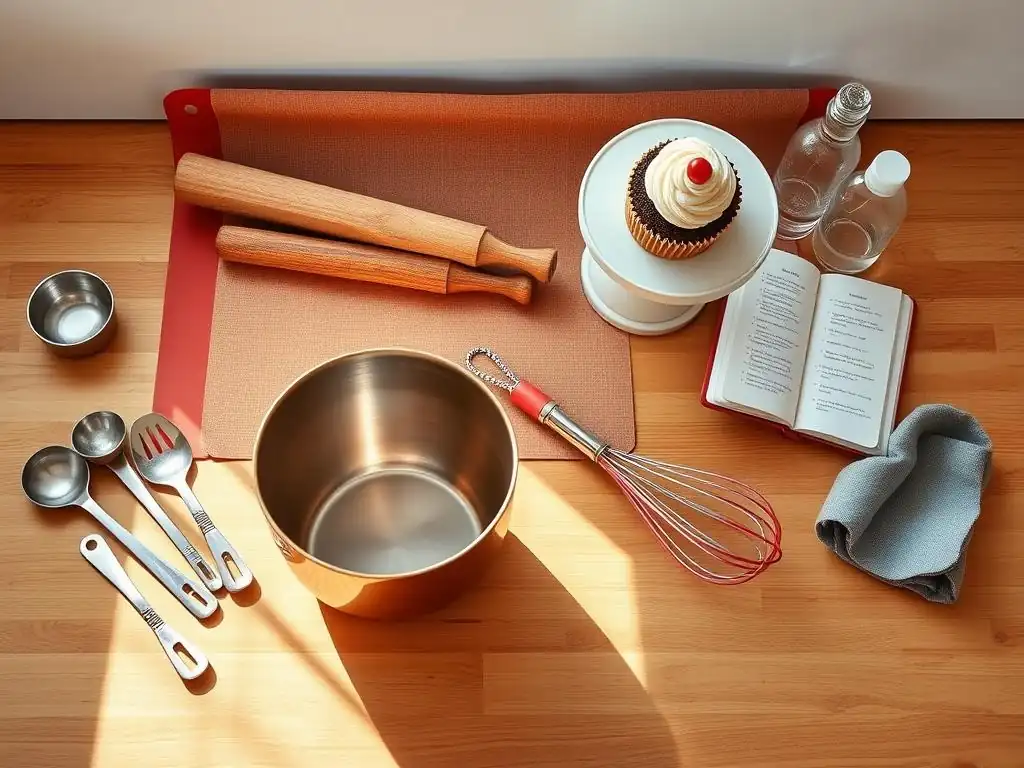
Once you've invested in your essential baking accessories for beginners, taking good care of them will ensure they last for years of baking enjoyment. Proper cleaning and storage not only keep your tools in good working condition but also maintain hygiene in your kitchen. A well-maintained set of tools makes the baking process smoother and more sanitary.
Neglecting your baking equipment can lead to rust, warped pans, damaged non-stick coatings, and overall decreased performance. Simple maintenance habits can prevent these issues and protect your investment. Integrating these cleaning and storage tips into your routine is just as important as mastering your baking techniques.
Cleaning and Storage Tips for Baking Equipment
Most baking accessories for beginners are best washed by hand with warm, soapy water. This is particularly true for non-stick bakeware, as harsh dishwasher detergents and high heat can degrade the non-stick coating over time. For stubborn baked-on residue, soaking pans for a short period can help. Avoid abrasive scrubbers on non-stick surfaces. Dry all metal items thoroughly immediately after washing to prevent rust, especially around seams and handles.
Store your baking equipment in a way that prevents scratching and warping. Stack baking sheets vertically in a rack or place a sheet of paper towel or a thin cloth between stacked pans. Store mixing bowls nested together, perhaps with a paper towel between them to prevent scratches. Keep measuring cups and spoons together in a drawer or on a ring for easy access. Proper storage keeps your kitchen organized and protects your baking accessories beginner checklist items from damage.
Next Steps: Mastering Basic Baking Techniques with Your New Accessories
With your essential baking accessories for beginners acquired and ready, you are now well-equipped to start practicing! Begin with simple recipes that utilize the tools on your baking accessories beginner checklist, such as basic cookies, muffins, or a simple loaf of quick bread. Focus on understanding each step of the recipe and how your tools help you achieve the desired results.
Don't be discouraged if your first few attempts aren't perfect – baking is a skill that improves with practice. Use your new tools to become comfortable with fundamental techniques like creaming butter and sugar, folding dry ingredients into wet, and recognizing when dough or batter has reached the correct consistency. As you gain confidence, you can gradually explore more complex recipes and techniques, building upon the foundation you've established with your essential baking accessories for beginners. Happy baking!
Frequently Asked Questions
What are the most essential baking accessories a beginner should invest in first?
The absolute must-haves are a good mixing bowl, a measuring cup and spoons set, and a baking sheet. These form the foundation for most basic recipes.
What type of measuring tools are best for beginners to ensure accurate baking?
Beginners should focus on having both dry measuring cups (for flour, sugar) and a liquid measuring cup. Accurate measurements are crucial for baking success.
Are there any specific baking sheet materials that are better for beginners than others?
A light-colored aluminum baking sheet is a great starting point. It heats evenly and prevents over-browning of baked goods.
What's the importance of a good mixing bowl for beginner bakers?
A sturdy, non-slip mixing bowl is essential for combining ingredients efficiently. Look for one made of stainless steel or glass for easy cleaning.
Besides the basics, what's one slightly more advanced baking accessory that can significantly improve a beginner's results?
A kitchen scale can dramatically improve consistency and accuracy, especially when working with European recipes that often use weight measurements.
Final Reflection: The Sweetness of Beginnings and the Joy of Baking
The pursuit of baking mastery doesn't begin with complex recipes; it starts with the right tools. This checklist isn't just a list of items; it's a gateway to a world of creative expression and delicious possibilities, accessible to everyone. The joy of baking, once considered an exclusive skill, is now within reach, thanks to readily available resources and a supportive community.
The impact of accessible baking knowledge is profound. It's more than just creating cakes and cookies; it's about fostering connection, building confidence, and finding solace in a creative process. Baking is at once child's play and adult joy. And love, of course.
This quote perfectly encapsulates the experience, highlighting the simple pleasure and profound satisfaction found in the act of baking. The rise in baking blogs, online courses, and social media sharing demonstrates a collective yearning for this connection, a desire to create something tangible and share it with others.
So, what's next? Don't just read this checklist; use it. Gather your essential tools, choose a simple recipe that excites you, and embark on your baking journey. Embrace the inevitable mistakes—they are part of the learning process—and savor the sweet rewards of your efforts. Remember, the most important ingredient isn't flour or sugar; it's your passion and willingness to learn. Let the aroma of freshly baked goods fill your home, and share the joy with those you love. Your baking adventure awaits!
Ready to Bake Your Dream Treats?
Thanks for taking the time to explore the essential baking accessories for beginners! We hope you now feel confident and equipped to embark on your baking journey. Ready to transform your kitchen into a sweet haven?
- Start your baking adventure now! Grab your notepad and create your personal shopping list based on the checklist above. Prioritize the must-have items and gradually expand your collection.
- Share your baking aspirations with us! Tell us what treat you're most excited to bake first!
- Challenge yourself: Try a new recipe from a trusted source this week— even if it seems a little beyond your current skillset.
What's the first delicious treat you plan to conquer? Let's hear your baking dreams in the comments below!