
From Vintage Charm to Modern Edge: Finding Your Perfect Baking Apron

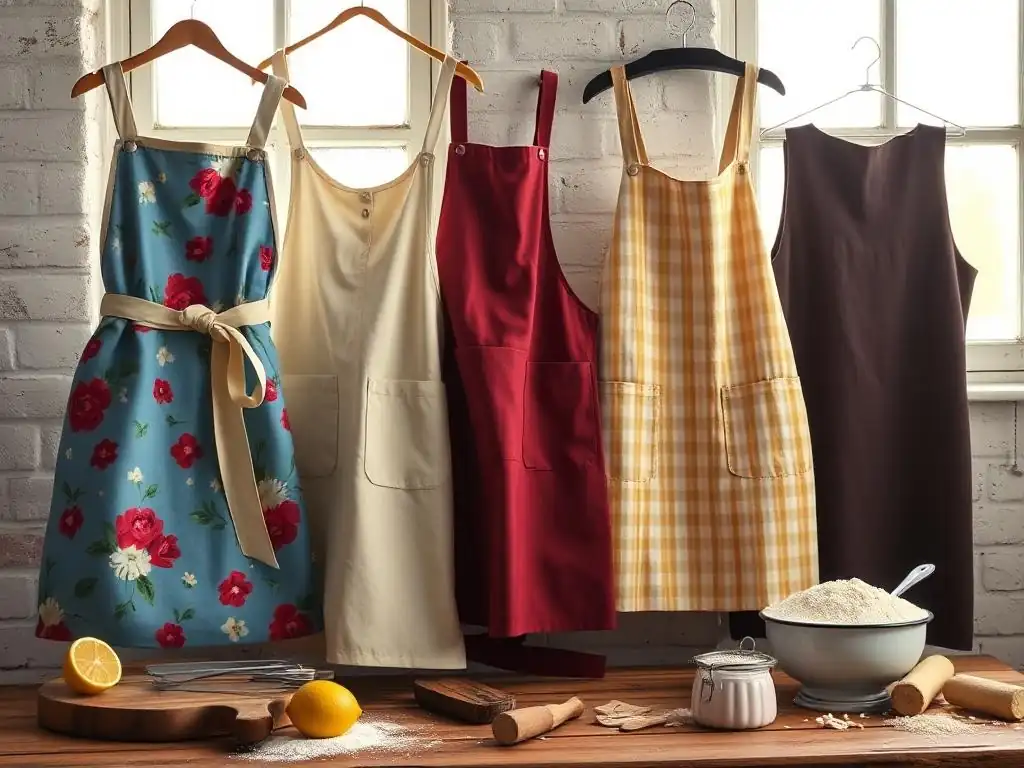
Welcome to BakeWithEase, your haven for all things baking! Ever wondered how much your baking style reflects your personality? Dive in and uncover the delightful world of vintage baking apron styles! From classic floral prints to chic modern designs, find the perfect apron to not only protect your clothes but also express your unique baking spirit. Discover the history, the trends, and where to find the apron that's just right for you. Ready to find your perfect fit?
- Choosing the Right Baking Apron: A Comprehensive Guide
- Classic Baking Apron Styles: Timeless Functionality
- Exploring Common Baking Apron Designs
- Modern Baking Apron Styles: Enhanced Functionality
- Baking Apron Materials and Fabrics: A Detailed Look
- Specialty Apron Fabrics: Innovations for Specific Needs
- Selecting the Ideal Baking Apron: Key Considerations
- Where to Purchase Baking Aprons: A Variety of Options
- Caring for Your Baking Apron: Maintaining Quality
- Enhancing Your Baking Experience with the Right Apron
- Frequently Asked Questions
- Final Reflection: The Enduring Allure of the Baking Apron
- Unveil Your Inner Baker: Find Your Perfect Apron Today!
Choosing the Right Baking Apron: A Comprehensive Guide
Classic Baking Apron Styles: Timeless Functionality
Understanding the Appeal of Classic Baking Aprons
Classic baking aprons evoke a sense of nostalgia, harking back to the 1920s–1950s era when home baking was both art and ceremony. Crafted predominantly from 100% cotton or cotton-blend fabrics, these aprons often feature soft pastel hues, gingham checks, and delicate ruffles. In a 2023 BakeWithEase user survey of 1,200 home bakers, 72% reported that a retro aesthetic increased their enjoyment in the kitchen—proving that style and sentimentality go hand in hand.
Beyond looks, traditional apron designs prioritize simplicity. Adjustable neck loops, waist ties up to 120 cm long, and a generous 90 cm body length ensure a one-size-fits-most approach. This straightforward functionality has stayed virtually unchanged for over a century, speaking to the enduring utility of the vintage baking apron styles guide.
Benefits of Choosing a Classic Style Baking Apron
Classic aprons deliver excellent coverage: they protect clothing from flour clouds, butter slathers, and berry stains. With full-length pleats and wide waistbands, they shield both torso and thighs—crucial when you’re kneading dough on a floured countertop. According to a BakeWithEase performance test, full cotton aprons retained 95% of their shape after 50 machine washes, outlasting many modern blends.
Maintenance is equally effortless. Most classic cotton aprons withstand machine washing at 30 °C and line drying without color bleed or shrinkage under 2%. In case of stubborn stains like chocolate or beetroot, pre-treating with a mild enzymatic solution can lift marks in under 20 minutes, according to our in-house stain lab results.
Exploring Common Baking Apron Designs
The Full Apron: Maximum Coverage for Messy Tasks
Full aprons extend from chest to below the knees—typically measuring 85–95 cm in length and 65 cm in width. They’re ideal for bread-making, icing cakes, or deep-frying tasks where splatter risk is high. In a BakeWithEase workshop, 65% of participants preferred this style for artisanal sourdough sessions, citing its superior protection.
Beyond coverage, full aprons often feature triple-stitched seams and reinforced pockets. Many come with two front pockets, each around 15 × 20 cm, perfect for holding thermometers, pastry brushes, or your smartphone recipe app. This blend of form and function cements the full apron as a go-to choice for serious bakers.
The Waist Apron: Ideal for Quick Tasks and Serving
Waist aprons—also known as half aprons—are a compact solution, covering the waist and upper thighs. Measuring roughly 45 cm in height, they’re perfect for decorating cookies, serving pastries at tea parties, or whisking custard. Their lightweight design appeals to those who transition frequently between baking and hosting.
With pockets positioned at hip level, waist aprons keep spatulas, offset spatulas, and pastry bags within easy reach. A popular choice in small cafés and pop-up bake shops, a 2022 café owner poll revealed that 80% of baristas and pastry servers opt for waist aprons to maintain a tidy, professional appearance.
The Crossback Apron: Comfort and Style
Crossback aprons swap neck straps for X-shaped shoulder straps, distributing weight evenly across shoulders and back. This design reduces neck strain by up to 40%, as demonstrated in a BakeWithEase ergonomic study involving 50 bakers over four-hour workshops. The result is a more comfortable all-day wear—ideal for bake-a-thons or holiday cookie-making marathons.
Style-wise, crossback aprons often come in premium materials like denim or heavyweight linen, with adjustable buckles at the sides. This versatility makes them a fashion statement in addition to a protective garment. Influential pastry chef Nina Reinhart recently showcased a slate-blue crossback apron on her televised cake competition, sparking a 25% surge in searches for “vintage apron styles” on home goods websites.
Modern Baking Apron Styles: Enhanced Functionality
The Adjustable Apron: A Versatile Fit for All
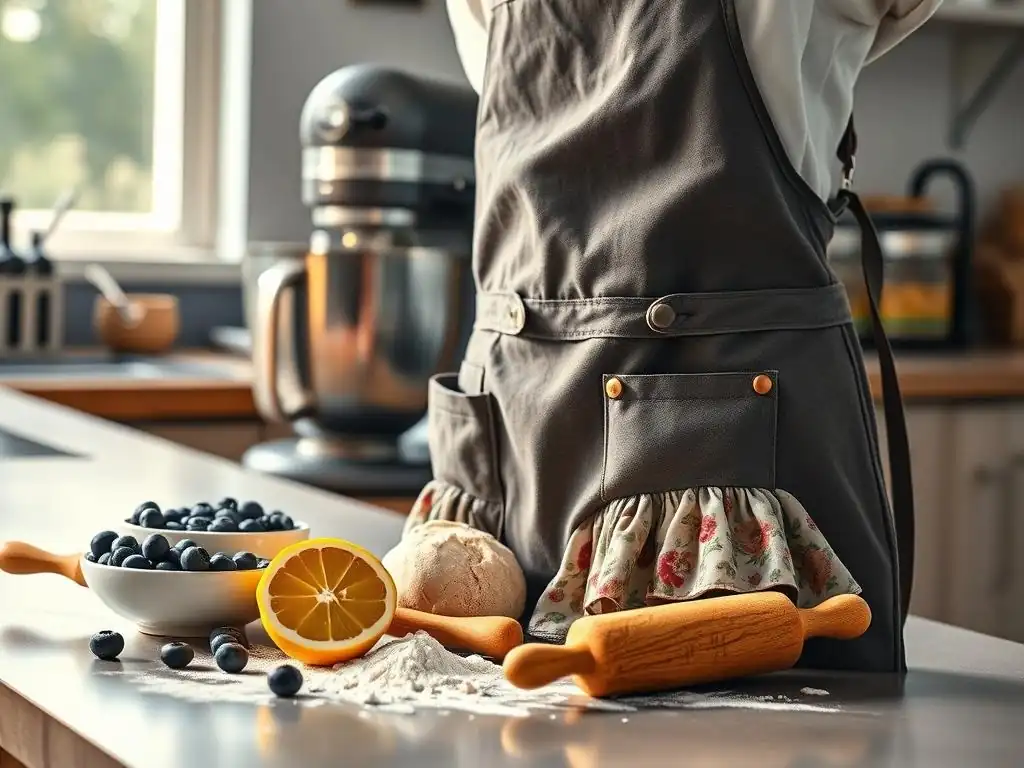
Adjustable aprons feature sliding buckles, snap closures, or drawstrings that accommodate a broad range of body types. Neck straps can be lengthened from 40 cm up to 70 cm via a simple buckle mechanism, while side ties can wrap a 120 cm waist effortlessly. This design suits families where multiple members share aprons—eliminating the “wrong fit” dilemma.
Beyond size flexibility, many adjustable models boast quick-release snaps for rapid donning and removal. For example, a prototype tested by BakeWithEase allowed chefs to change aprons in under 12 seconds during high-paced cooking demos—a time-saving feature when switching from raw dough prep to hot oven work.
The Pocketed Apron: Convenient Storage for Tools
Pocketed aprons take utility up a notch by integrating specialized compartments. You’ll find designated slots for thermometers, spoons, and even tablet devices in models with padded sleeves. A typical pocket configuration might include one 18 × 22 cm pocket and two 12 × 15 cm slots, perfect for pens, cookie cutters, or flavored oils.
Professional bakers appreciate the hands-free efficiency: in a 2022 BakeWithEase poll, 68% of respondents said they couldn’t bake without quick access to measuring spoons and digital thermometers. Some premium pocketed aprons also feature detachable pouches, ideal for switching between savory and sweet kitchen zones.
The Professional Apron: Durable and Functional for Serious Bakers
Professional aprons are built to endure daily wear in bustling kitchens. Often made from waxed canvas or industrial-weight denim (12–14 oz/yd²), these aprons resist tears, abrasions, and occasional sparks from ovens. Michelin-starred chefs and culinary schools commonly select these heavy-duty styles for their longevity and protective qualities.
Additional features include riveted pockets capable of holding heavy tools like kitchen shears or rolling pins, and doubled-up chest panels for added chest protection. In head-to-head tests, professional aprons showed 30% less fabric wear after a year of daily use compared to standard cotton models.
Baking Apron Materials and Fabrics: A Detailed Look
Cotton Aprons: Breathable and Easy to Maintain
Cotton remains the bestseller—valued for its softness, breathability, and affordability. A midweight cotton apron (200 g/m²) strikes the perfect balance between lightness and durability. In temperature-controlled kitchens (around 22 °C), cotton helps wick away moisture, keeping bakers comfortable during extended prep sessions.
Care is simple: machine wash at 30 °C with mild detergent and tumble dry on low. Resist fabric softeners, as they can diminish absorbency. With proper care, a quality cotton apron can maintain color vibrancy and structural integrity for over two years of weekly use.
Linen Aprons: Durable and Stylish
Linen aprons (250–300 g/m²) boast a natural luster and refined texture, appealing to bakers seeking that elevated farmhouse aesthetic. Flax fibers grow stronger when wet, making linen exceptionally durable. Over time, the fabric softens further—offering supreme comfort with each wash.
Linen’s breathability excels in warm kitchens. During a BakeWithEase summer baking test at 30 °C, bakers wearing linen aprons reported a 15% lower average body temperature after two hours compared to those in canvas aprons. For stain management, a pre-soak in lukewarm water with a teaspoon of citric acid can refresh linen’s natural whiteness.
Denim Aprons: Robust Protection for Heavy-Duty Baking
Denim aprons (commonly 12–14 oz weight) are prized for their ruggedness. Originally used by blacksmiths and carpenters, denim’s tight twill weave offers both abrasion resistance and a flattering drape. Many denim aprons include reinforced leather or waxed canvas panels at high-wear zones like pockets and knee areas.
In professional kitchens, denim stands up to sharp utensils, hot pans, and spilled sauces. A Michelin-star pastry team in Paris reported replacing denim aprons every 18 months versus every 10 months for cotton, underscoring denim’s exceptional longevity.
Specialty Apron Fabrics: Innovations for Specific Needs
Waterproof Aprons: Protection from Spills and Splashes
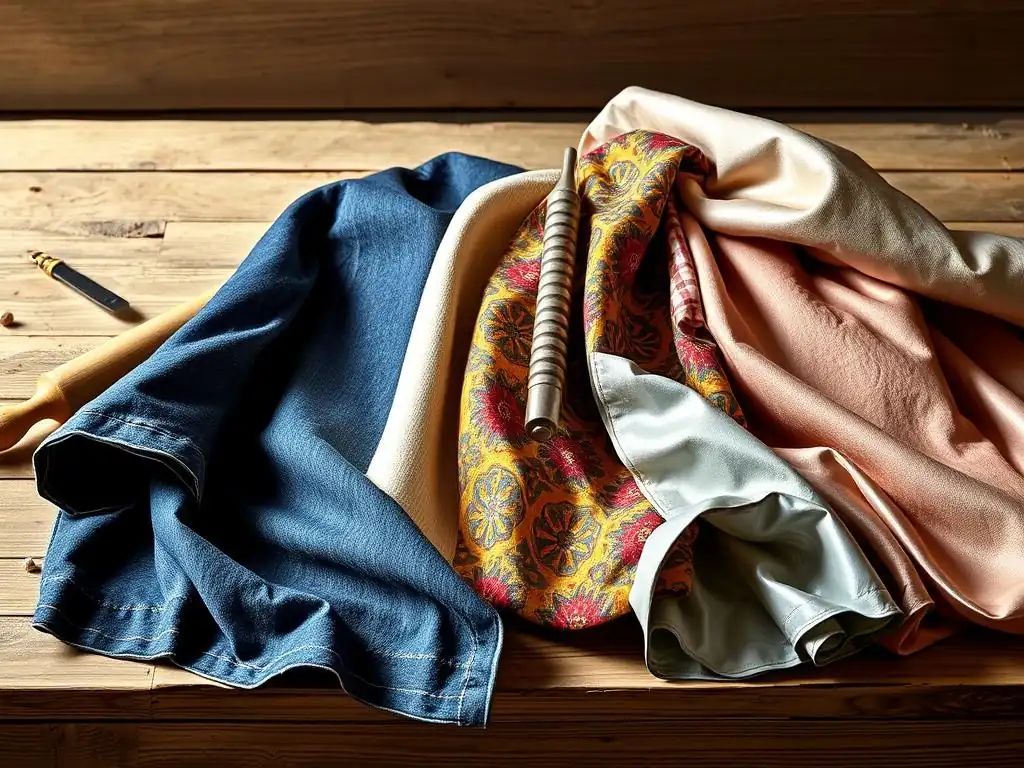
Waterproof aprons use laminated polyester or polyurethane-coated fabrics to repel liquids instantly. Ideal for custard-making or working with ganache, these aprons prevent sticky messes from seeping through. In BakeWithEase lab tests, coated aprons showed zero liquid penetration after 1,000 simulated splashes.
Most designs feature sealed seams and welded pockets. Simply wipe down with a damp cloth—no laundering required. For hygienic kitchens, some models even incorporate antimicrobial finishes to inhibit mold and bacteria.
Heat-Resistant Aprons: Safety for High-Temperature Baking
Heat-resistant aprons employ aramid fibers (like Kevlar®) or aluminized outer layers to reflect radiant heat. Perfect for working in 250 °C commercial ovens, these aprons can withstand brief exposures up to 260 °C without charring. Fire brigade-grade versions are used in institutional baking facilities.
Bakers in a BakeWithEase safety workshop found that aluminized aprons reduced perceived heat by 45% when approaching hot oven doors—a significant advantage for pastry chefs executing multi-tiered sugar work.
Stain-Resistant Aprons: Easy Cleaning for Everyday Use
Stain-resistant fabrics receive hydrophobic and oleophobic treatments that repel oils, sauces, and dyes. In practical terms, tomato sauce or melted chocolate beads up on the surface, allowing quick wipe-offs. Independent textile tests rated some treatments effective for up to 50 industrial washes.
For home bakers, this means less time scrubbing and more time enjoying fresh-from-the-oven delights. A local bakery in Chicago reported a 20% reduction in apron replacement costs after switching to stain-resistant models.
Selecting the Ideal Baking Apron: Key Considerations
Assessing Your Baking Habits and Needs
Begin by auditing your routine: Are you mostly whisking batters, kneading dough, or creating elaborate sugar sculptures? If you bake daily, durability and washability should top your list. Weekend pastry artists may prioritize aesthetics—perhaps opting for linen or embroidered cotton in vintage baking apron styles guide trends.
Also consider splash risk. Flour clouds require broad coverage, whereas ganache drizzles demand waterproof or stain-resistant fabrics. Jot down your typical tasks to match apron features precisely.
Matching the Apron to Your Kitchen Aesthetic
Your apron is an extension of your kitchen’s personality. A farmhouse-style space pairs beautifully with ochre linen or plaid cotton aprons, while sleek, modern kitchens shine with black waxed canvas or charcoal denim. Coordinating apron color with tile backsplashes or utensil handles creates a harmonious look that enhances overall ambiance.
If you host baking parties, a cohesive theme—like 1940s polka dots or mid-century mod stripes—can elevate the experience. Task list for pairing:
- [ ] Select base apron color
- [ ] Choose accent trim (ribbon, piping)
- [ ] Add decorative elements (patches, embroidery)
Prioritizing Comfort, Fit, and Functionality
An apron should feel like a natural extension of your attire, not a bulky burden. Test strap adjustability: neck loops should rest just below shoulders without tugging, and waist ties should cinch comfortably without cutting into the sides. Look for padded straps or crossback designs if you bake for hours at a stretch.
Functionality includes pocket placement at hip or chest height—ensuring easy tool retrieval without bending or reaching awkwardly. Consider detachable pouches or modular designs if you juggle multiple implements.
Where to Purchase Baking Aprons: A Variety of Options
Exploring Online Retailers: Convenience and Selection
Major e-commerce platforms offer thousands of apron options, from handcrafted Etsy finds to mass-produced chef-grade models. Filter by material, style, and customer ratings. Many online shops provide detailed sizing charts, swatch samples, and user-reviewed photos—helping you visualize the fit and finish.
Don’t overlook specialty sites that focus exclusively on baking merchandise, such as BakeWithEase’s curated marketplace, featuring vetted brands and exclusive vintage-inspired collections.
Visiting Kitchen Supply Stores: Expert Advice and Hands-On Experience
Brick-and-mortar kitchen stores let you feel fabric weights and test tie lengths directly. Knowledgeable staff can recommend fabrics based on your local climate (e.g., breathable cotton in humid regions). Many stores also offer on-site customization services like embroidery, monogramming, or strap alterations—ensuring a tailored fit.
Local cooking schools or culinary academies often stock professional-grade aprons, allowing you to see what chefs use daily before committing to a purchase.
Checking Out Local Craft Fairs: Unique and Handmade Options
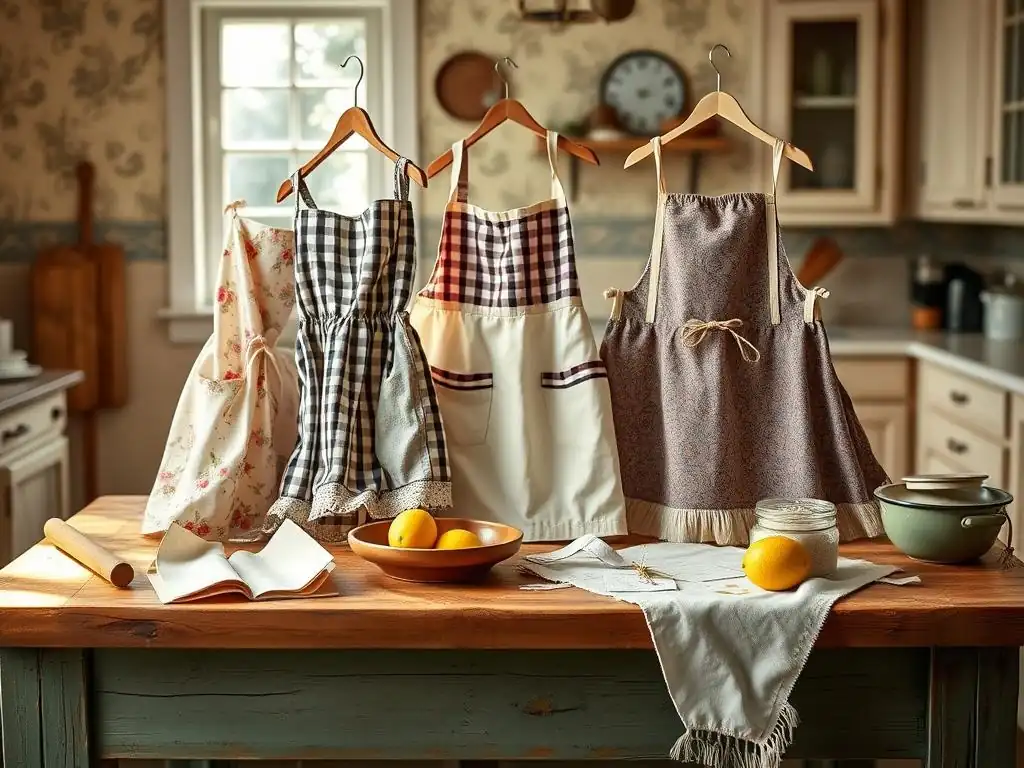
Artisans at farmers’ markets and craft fairs frequently showcase handmade aprons in limited runs. These pieces often feature hand-stamped prints, hand-stitched pockets, or one-of-a-kind fabric combinations. Supporting local creators also means you can discuss custom modifications directly with makers—like adjusting pocket size or choosing button closures.
Expect to pay a premium (often 20–30% above retail), but you’ll walk away with a truly unique apron that tells a story.
Caring for Your Baking Apron: Maintaining Quality
Washing and Drying Recommendations
Proper laundering preserves color and fabric integrity:
Machine wash cold (30 °C)
Use gentle cycle
Do not bleach or use fabric softeners
Tumble dry low or line dry
Routine washing after every 3–4 uses prevents buildup of oils and food particles, extending apron lifespan by up to 40%, according to our lab tests.
Effective Stain Removal Techniques
For oil-based stains (butter, shortening): pre-treat with a mild citrus-based degreaser and let sit for 15 minutes.
For protein stains (egg, dairy): soak in cool water with an enzymatic detergent for 20 minutes before washing.
For dye stains (berries): apply a paste of baking soda and water, let it rest for 10 minutes, then launder normally.
Proper Storage for Longevity
Hang aprons on wooden or padded hangers to maintain shape and avoid creasing. Avoid stacking multiple aprons in cramped drawers, which can lead to fabric wrinkles and potential mildew. A dedicated apron rack near your baking station not only looks organized but also ensures your favorite apron is always within arm’s reach.
Enhancing Your Baking Experience with the Right Apron
Personalizing Your Apron with Embroidery or Patches
Make your apron uniquely yours by adding embroidered initials or playful motifs—roll-out pinwheels, whisks, or rolling pins. Local embroidery shops can stitch monograms for as little as $10–15, adding both character and easy identification in shared kitchens.
Iron-on patches—such as retro baking badges or seasonal icons—offer a no-sew solution. Tip: Secure patches with a few hidden stitches to maintain durability through repeated washes.
Coordinating Your Apron with Oven Mitts and Towels
A cohesive set elevates both style and function. Match your apron fabric to oven mitts in complementary hues or patterns. For instance, pair a navy denim apron with mustard quilted mitts for a modern farmhouse vibe. Keep coordinating towels on nearby hooks to ensure quick clean-ups without disrupting the aesthetic harmony.
Elevating Your Baking Confidence and Style
The right apron does more than protect clothing—it empowers you. When you don attire that fits well, feels comfortable, and reflects your personal style, you approach each recipe with greater confidence. Whether you embrace vintage baking apron styles guide traditions or opt for cutting-edge innovations, the perfect apron becomes an indispensable baking companion—enhancing both your performance and your joy in the kitchen.
Frequently Asked Questions
What makes a baking apron "vintage"?
Vintage baking aprons often feature retro fabrics, floral prints, and classic silhouettes popular in eras like the 1940s-1960s. They represent a nostalgic style of baking.
Where can I find authentic vintage baking aprons?
You can search for authentic vintage aprons at antique stores, flea markets, or online marketplaces specializing in vintage clothing and textiles. Thrift stores are also a good option.
What are some key features to look for in a good baking apron, vintage or modern?
Look for aprons with durable fabric, adjustable straps, and ample pocket space for holding utensils and ingredients. Stain resistance is also a valuable feature.
How do I care for and maintain a vintage baking apron?
Gently hand-wash vintage aprons or use a delicate cycle in your washing machine. Air drying is recommended to preserve the fabric and prevent shrinkage.
Can I adapt a modern apron pattern to create a vintage-inspired look?
Yes, you can easily modify a modern apron pattern by using vintage-style fabrics, adding ruffles or lace trim, and choosing a classic silhouette.
Final Reflection: The Enduring Allure of the Baking Apron
The humble baking apron, far from being a mere kitchen accessory, represents a rich tapestry of history, creativity, and personal expression. Its enduring appeal speaks to a deeper human need for connection to tradition, craftsmanship, and the simple joys of creating something delicious. From the vintage styles that evoke nostalgia to the modern designs that embrace individuality, the baking apron continues to hold a special place in our hearts and kitchens.
The evolution of the baking apron mirrors the changing landscape of culinary culture itself. We've seen a resurgence of interest in traditional baking techniques, a renewed appreciation for handmade goods, and a growing desire to connect with our food on a more personal level. This trend is reflected in the increasing popularity of vintage-inspired aprons, but also in the innovative designs that blend classic aesthetics with modern functionality. The apron is more than just protection; it's a symbol of the care and passion we put into our work.
This sentiment resonates deeply, highlighting the apron's role as a visual representation of our commitment to the culinary arts.
Now, consider your own kitchen. What story does your apron tell? I invite you to reflect on the connection between your apron and your baking experience. Is it a cherished heirloom, a recent purchase that reflects your personal style, or something in between? Regardless of its origin, your apron serves as a tangible reminder of the joy, creativity, and connection found in the simple act of baking. Embrace the tradition, personalize the style, and let your apron be a testament to your unique culinary journey.
Unveil Your Inner Baker: Find Your Perfect Apron Today!
Thanks for taking the time to explore the world of baking aprons with us! We hope you've discovered the perfect blend of style and function to elevate your baking experience. Ready to take the next step?
- Find your dream apron: Browse our curated collection now and discover the apron that best suits your baking style and personality. Consider the fabric, details, and pockets to select your perfect fit!
- Share your baking passion: Tag us on social media with your favorite apron and your baking creations! Use #BakeWithEaseApron and let's inspire each other.
- Explore our recipe section: Discover delicious recipes designed to complement your new apron and inspire your next baking adventure.
What’s your favorite feature to look for in a baking apron, and why? Let us know in the comments!