
Beyond the Recipe Card: Calculating Nutrition for Every Slice with Ease

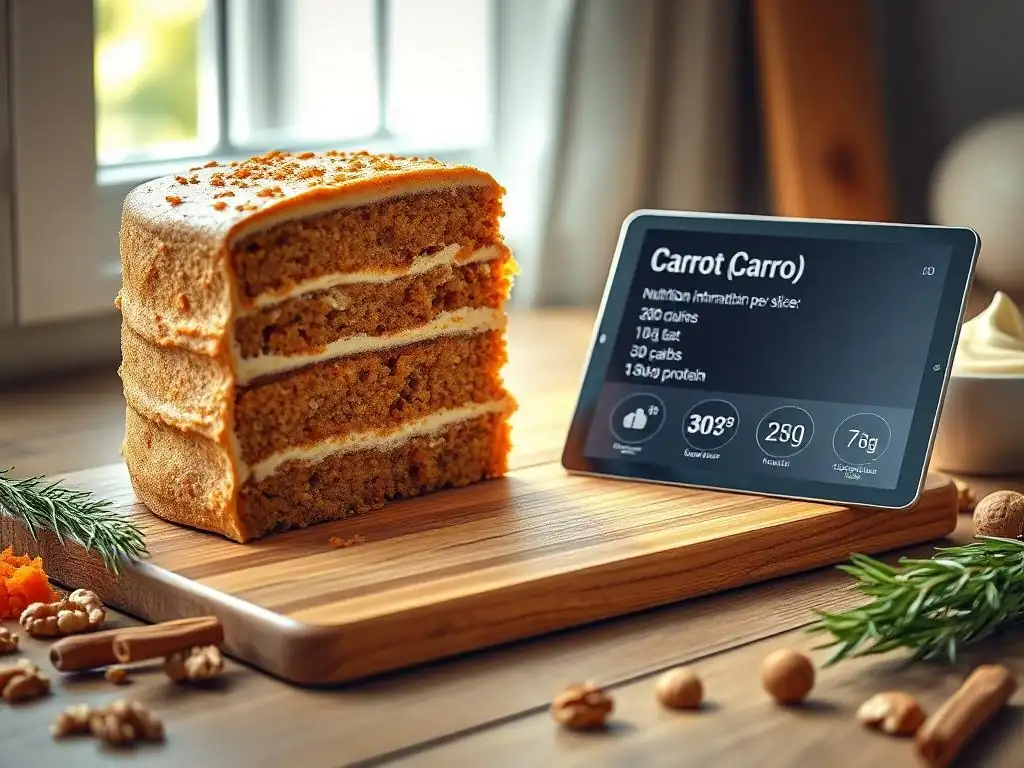
Welcome to BakeWithEase, your trusted guide to confident baking! Ever wondered exactly what you're serving – and eating – with each delightful creation? This time, we're diving deep into the often-overlooked world of baking calculations. Stick around as we unlock the secrets of determining nutritional information per slice, empowering you to bake with both passion and precision. Ready to understand the nutritional profile of your favorite treats? Let's get started!
- Understanding Nutritional Information per Slice: Why It Matters for Bakers
- Top Nutritional Calculator Apps for Baking Recipes: A Baker's Guide
- Comparing Nutritional Calculator Apps: Features and Pricing
- Optimizing Your Baking Recipes for Nutrition: Tips and Tricks
- Maximizing Revenue: Affiliate Links and Potential CPC Keywords
- Conclusion: Empowering Bakers with Nutritional Knowledge
-
Frequently Asked Questions
- How do I calculate nutritional information per slice of my baked goods?
- What tools can I use to accurately calculate nutritional information?
- Why is calculating nutritional information per slice important?
- What factors can affect the accuracy of nutritional information per slice?
- Where can I find reliable databases for the nutritional content of ingredients?
- Final Reflection: Unlocking the Power of Portion Control
- Unlock Your Baking's Nutritional Potential!
Understanding Nutritional Information per Slice: Why It Matters for Bakers
The Growing Demand for Accurate Baking Nutrition Data
Today's consumers are more health-conscious than ever before, scrutinizing ingredient lists and nutritional labels with increasing detail. This extends beyond packaged goods right into the home kitchen. People want to understand exactly what they are eating, whether it's a slice of homemade banana bread or a carefully crafted cookie. For home bakers, this means there's a rising expectation, perhaps from family, friends, or even customers if you sell your baked goods, to provide accurate nutritional information per slice. This transparency builds trust and caters to dietary needs, allergies, or health goals like managing calorie intake or monitoring macronutrients.
This trend is evident in the popularity of recipes that include detailed nutritional breakdowns online. Many recipe blogs now routinely provide estimates for calories, protein, carbs, and fat per serving. A baker sharing their creations, whether through a blog or community group, often receives questions about the nutritional impact of their treats.
Being able to confidently answer these questions, perhaps stating that a slice of your apple pie contains approximately 350 calories and 15g of fat, demonstrates a level of professionalism and care that resonates with health-aware individuals. Providing reliable nutritional information per slice is becoming less of a niche offering and more of a standard practice.
Common Challenges in Calculating Baking Recipe Nutrition
Calculating nutritional information for homemade baked goods presents unique challenges compared to analyzing a single ingredient. A recipe involves multiple ingredients, each with varying nutritional profiles. The process of baking itself can sometimes slightly alter nutrient availability, though for most macronutrients (calories, fat, carbs, protein), these changes are minimal and often negligible for home baking purposes. The primary difficulty lies in accurately accounting for every ingredient, including fats used to grease pans, flour dusted on surfaces, or even residual ingredients left in bowls.
Furthermore, determining the precise serving size is crucial and often subjective in baking. Is a "slice" of cake a standard 1/12th cut, or something more generous? Does a cookie recipe yield exactly 24 cookies every time? Variations in how dough is portioned or how a cake is sliced directly impact the final nutritional information per slice.
For example, if a cake recipe calculated to be 2400 calories total is cut into 12 slices, each is 200 calories. But if it's cut into only 10 slices, each jumps to 240 calories. This variability makes consistent and accurate calculation tricky without dedicated tools.
Why "Eyeballing It" Isn't Enough: Precision in Baking Nutrition
Simply guessing or "eyeballing" the nutritional content of your baked goods is insufficient and can be misleading. While you might know that nuts add healthy fats or whole wheat flour increases fiber, quantifying these contributions accurately is impossible without calculation. For someone tracking macros for fitness, managing blood sugar levels due to diabetes, or adhering to specific dietary restrictions, an inaccurate estimate can have real consequences. For instance, misjudging the carbohydrate content in a slice of bread could lead to incorrect insulin dosing for a diabetic individual.
Relying on guesswork also hinders your ability to modify recipes effectively for specific dietary goals. If you want to reduce the fat in a cookie recipe, you need to know the current fat content per cookie to understand the impact of substituting applesauce for some butter. Without precise nutritional information per slice, you're flying blind. Using a systematic approach, whether manual calculation or a dedicated app, ensures that the nutritional data you provide is reliable, empowering you and those who enjoy your baking to make informed dietary choices based on accurate figures, not just assumptions.
Top Nutritional Calculator Apps for Baking Recipes: A Baker's Guide
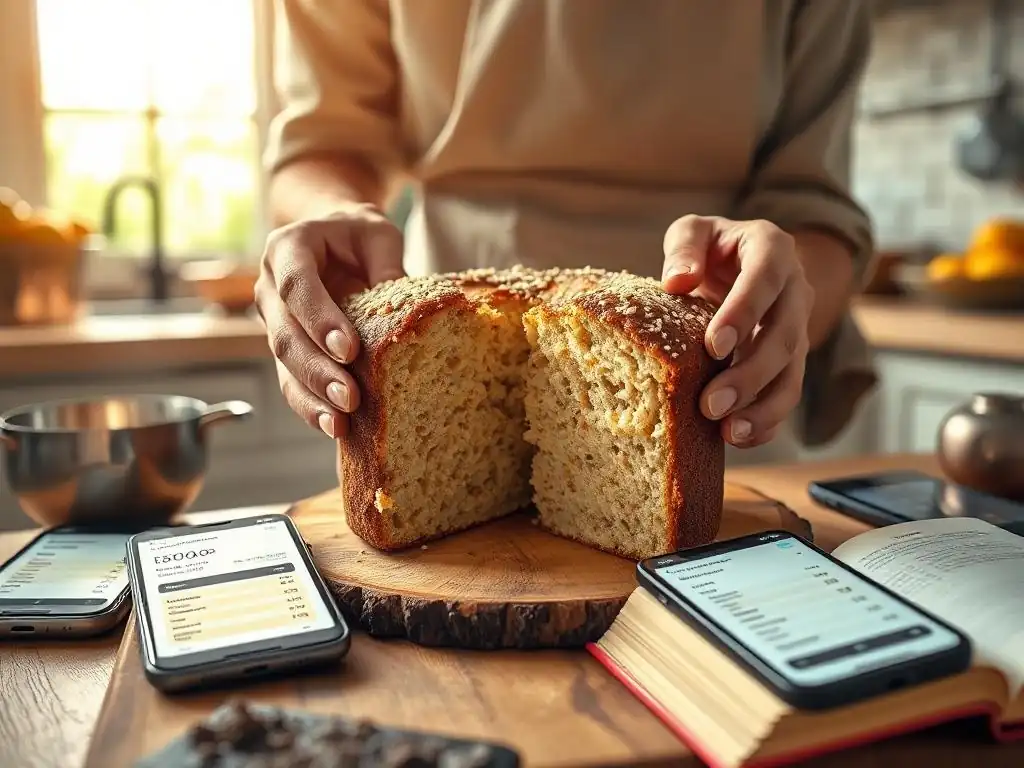
Best Overall: MyFitnessPal (for Baking Recipe Integration)
MyFitnessPal is arguably one of the most popular nutrition and calorie tracking apps globally, with a vast database of foods. While primarily designed for logging individual meals, its robust recipe creation feature makes it surprisingly effective for calculating nutritional information per slice for baked goods. Users can enter their custom recipes by adding each ingredient from the extensive database, specifying quantities in grams, cups, pounds, or other common units. The app then compiles the total nutritional values for the entire recipe.
Once the total nutrition for the batch is calculated, MyFitnessPal allows you to specify the number of servings the recipe yields. You simply input how many slices, cookies, or servings your recipe makes, and the app automatically divides the total nutritional values (calories, macros, and often key micronutrients like fiber, sugar, and sodium) by that number to give you the nutritional information per slice or serving. Its widespread use also means many common baking ingredients and even pre-made mixes are already in its database, simplifying the entry process.
Features and Benefits for Bakers: MyFitnessPal
MyFitnessPal offers several features beneficial for bakers focused on nutritional information per slice. Its massive food database, boasting millions of items, includes a wide array of common and less common baking ingredients, from different types of flour and sugar to various nuts, seeds, and leavening agents. The recipe builder is intuitive: you add ingredients and quantities, and it calculates the total nutrition. This is then easily converted to per-serving data by simply entering the total yield (e.g., "12 slices," "24 cookies").
Another benefit is the ability to save your custom recipes. Once you've entered a cake recipe, you can easily access its nutritional information per slice anytime you bake it again, without re-entering everything. The app also tracks macronutrient breakdowns (protein, carbohydrates, fat) and provides details on sugar, fiber, cholesterol, and sodium. While not as detailed on micronutrients as some specialized apps, it covers the essentials that most people look for when asking about the nutritional information per slice of their favorite baked goods.
Pricing and Subscription Options: MyFitnessPal
MyFitnessPal operates on a freemium model. The basic version is free and provides access to the core features needed for calculating nutritional information per slice: the food database, recipe builder, and serving size calculation. This free tier is sufficient for most home bakers who simply want to know the calorie and macro breakdown of their recipes.
A premium subscription is available, which unlocks additional features like detailed macronutrient breakdowns by percentage, food analysis insights, and ad-free usage. As of late 2023, the premium plan costs around $19.99 per month or $79.99 per year. While these extra features can be helpful for personal diet tracking, they are generally not necessary just for calculating nutritional information per slice for your baking recipes. The free version adequately serves this specific purpose.
How to Use MyFitnessPal for "Nutritional Information per Slice" Calculations
To calculate nutritional information per slice for your baking recipe using MyFitnessPal, start by navigating to the "Recipes, Meals, & Foods" section. Choose "Create a Recipe" and then "Enter Ingredients Manually." Give your recipe a name (e.g., "Grandma's Chocolate Chip Cookies"). Then, add each ingredient from your recipe, searching the database for the specific type (e.g., "all-purpose flour," "unsalted butter," "granulated sugar"). Enter the exact quantity and unit used in your recipe (e.g., "2 cups," "1 cup," "3/4 cup").
After adding all ingredients, MyFitnessPal will show the total nutritional summary for the entire recipe. The crucial next step is to tell the app how many servings your recipe yields. If your cake makes 12 slices, enter "12" in the "Number of Servings" field. If your cookie recipe makes 24 cookies, enter "24." MyFitnessPal will then automatically calculate and display the nutritional information per slice (or per cookie/serving), giving you the calories, fat, protein, carbs, and other details for a single portion. You can then save this recipe for future reference.
Best for Detailed Ingredient Analysis: Cronometer
Cronometer stands out for its emphasis on micronutrients in addition to the standard macronutrient and calorie tracking. While often used by individuals following specific diets (like keto or paleo) or those focused on nutrient density, its detailed ingredient database makes it excellent for bakers who want a deeper understanding of the vitamins and minerals contributed by their ingredients. This can be particularly useful when experimenting with alternative flours, seeds, or fruits in baking.
The app allows users to add custom recipes ingredient by ingredient, similar to MyFitnessPal, but provides a more exhaustive breakdown of vitamins, minerals, and even amino acids. This level of detail goes far beyond just calories and macros, offering a comprehensive view of the nutritional profile of your baked goods. For a baker passionate about creating nutrient-rich treats, understanding that a slice of your whole-grain bread contains specific amounts of B vitamins, magnesium, and selenium, for example, can be very insightful.
Cronometer's Strengths: Focus on Micronutrients in Baking
Cronometer's main advantage for bakers is its extensive database's focus on micronutrients. While other apps might list fiber and sugar, Cronometer often provides data for dozens of vitamins and minerals, including Vitamin C, Vitamin K, various B vitamins, calcium, iron, potassium, and many trace minerals. When building a recipe, you can see how each ingredient contributes to the overall micronutrient profile of the batch.
This detailed view is powerful when trying to bake healthier versions of classics or incorporate nutrient-dense ingredients. For instance, calculating the nutritional information per slice of a muffin made with almond flour and blueberries in Cronometer will not only show you the calories and fat but also the Vitamin E from almonds and Vitamin C from blueberries. For bakers creating recipes for specific health needs or simply wanting to maximize the nutritional value of their treats, Cronometer provides the data to back up those efforts.
Cronometer's Pricing and User Interface: Is it Right for You?
Cronometer offers a free version ("Cronometer") and a paid subscription ("Cronometer Gold"). The free version is quite capable and allows users to create custom recipes and view a wide range of nutritional data, including calories, macros, and many micronutrients. This free tier is sufficient for most bakers wanting to calculate nutritional information per slice.
The Gold subscription, priced around $9.99 per month or $69.99 per year, adds features like more detailed custom charts, the ability to share recipes more easily, and advanced analysis tools. While the user interface is functional, some users find it slightly less intuitive or visually appealing than MyFitnessPal, though this is subjective. If your primary goal is a deep dive into micronutrients for your baking, even the free version of Cronometer offers significantly more detail than most competitors for calculating nutritional information per slice.
Calculating Macronutrients and Micronutrients per Slice with Cronometer
To get the full nutritional information per slice using Cronometer, you'll use its "Recipes" feature. Select "Add Recipe" and then begin adding ingredients. You can search for ingredients in their database, which pulls from sources like the USDA and NCCDB, known for their detailed nutrient profiles. Enter the quantity and unit for each ingredient from your baking recipe. Cronometer will aggregate the data for the entire batch.
Once all ingredients are added, you'll specify the total number of servings your recipe yields. If your loaf of bread makes 15 slices, input "15." Cronometer will then divide the total calories, macronutrients (protein, carbs, fat), and the extensive list of micronutrients by 15 to show you the nutritional information per slice. This gives you a detailed breakdown, for example, showing not just the 200 calories and 30g of carbs per slice, but also potentially 2mg of Iron, 50mg of Calcium, and specific amounts of different B vitamins, providing a complete picture of the nutritional value per slice.
Best for Custom Recipe Creation: Lose It!
Lose It! is another popular calorie and weight loss tracking app that includes a robust recipe builder feature. While its core focus is on helping users manage their weight, the ability to easily create and modify recipes makes it a strong contender for bakers who frequently adapt recipes or create their own and want to understand the nutritional impact of their changes.
The app's recipe feature allows you to enter ingredients and quantities, just like MyFitnessPal and Cronometer. However, its interface for building and adjusting recipes is particularly user-friendly. It also offers insights into how your custom recipes fit into overall daily calorie or macro goals, which can be helpful if you're baking for someone tracking their intake. Calculating nutritional information per slice is a straightforward process once the recipe is entered.
Lose It! 's Advantages: Adapting Recipes for Healthier Baking
Lose It! shines when you are actively experimenting with recipe modifications to make them healthier. Its recipe builder makes it easy to swap ingredients (e.g., replace sugar with a substitute, use applesauce instead of oil) and immediately see how these changes impact the total calories and macronutrient breakdown of the batch. This allows you to calculate the new nutritional information per slice based on your adjustments, making it a powerful tool for optimizing recipes.
For example, if you have a standard brownie recipe and want to create a lower-fat version, you can enter the original recipe into Lose It! to get the baseline nutritional information per slice. Then, you can duplicate the recipe, modify the amount of butter or oil, and see the updated nutritional values instantly. This iterative process is very efficient for bakers who are health-conscious and want to bake treats that align with specific dietary goals, providing clear data on the nutritional value per serving of their modified creations.
Lose It! 's Community Features and Recipe Sharing
Lose It! has a strong community aspect, allowing users to share recipes they've created within the app (though this might require a premium subscription). While this feature is more geared towards users sharing personal diet recipes, bakers could potentially share their lower-calorie or modified baking recipes with others using the app, including the calculated nutritional information per slice.
The app also has social features and challenges, which aren't directly relevant to calculating baking nutrition but contribute to the overall user experience if you are also using it for personal tracking. The availability of user-contributed recipes can sometimes provide a shortcut if another baker has already entered a similar recipe, though it's always best to double-check the ingredients and quantities against your own to ensure the calculated nutritional value per serving is accurate.
Using Lose It! to Determine "Nutritional Value per Serving"
To find the nutritional value per serving for your baked goods using Lose It!, you'll use the "Recipes" section. Choose to create a new recipe and add each ingredient from your baking list, specifying the amount and unit. Lose It! has a large food database that generally covers common baking ingredients.
After adding all ingredients, the app will calculate the total nutritional information for the entire recipe batch. You then need to tell Lose It! how many servings your recipe makes. If your loaf yields 16 slices, input "16." The app will then divide the total calories, protein, carbs, fat, and other tracked nutrients by 16 to give you the nutritional value per serving (or per slice). This process is quick and provides a clear summary of the nutritional information per slice based on your specific recipe and intended yield.
Best Free Option: Nutritionix Track
Nutritionix Track is another solid option for calorie and macro tracking, and it offers a capable recipe builder in its free version, making it a strong contender if you're looking for a no-cost way to calculate nutritional facts per slice for your baking. Nutritionix is known for having one of the largest verified food databases, which can be particularly helpful for finding accurate data for specific branded ingredients you might use.
The app allows you to build custom recipes by adding ingredients and quantities. It then calculates the total nutritional information for the recipe and allows you to specify the number of servings to get the nutritional facts per slice. While the free version has limitations compared to its paid counterpart or the premium versions of other apps, it provides the essential functionality needed to get a reliable estimate of calories, macros, and basic nutrients for your baked goods.
Features and Limitations of Free Baking Nutrition Apps
Free nutrition calculator apps like Nutritionix Track offer core features essential for bakers: a food database, a recipe builder, and the ability to specify serving sizes to get nutritional facts per slice. They are excellent starting points and sufficient for most home bakers who want a general understanding of their creations' nutritional profile. The key benefit is zero cost, making nutritional calculation accessible to everyone.
However, free versions often come with limitations. The food database might be less comprehensive than premium services for very specific or obscure ingredients. They usually provide less detailed micronutrient information compared to apps like Cronometer. There might be fewer features for saving, organizing, or sharing recipes, and the interface might be less polished or contain advertisements. While you can calculate basic nutritional facts per slice, you might lack the deep insights or advanced tracking capabilities of paid apps.
Calculating Basic "Nutritional Facts per Slice" Without a Subscription
Using a free app like Nutritionix Track to calculate basic nutritional facts per slice is straightforward. First, access the recipe creation feature. Add each ingredient from your baking recipe, searching the database for the closest match and specifying the exact quantity and unit used. Nutritionix's database is quite extensive, so you should find most common ingredients.
Once all ingredients are added, the app compiles the total calories, protein, carbohydrates, and fat for the entire recipe batch. You then input the total number of servings your recipe yields (e.g., "1 loaf, sliced into 14 servings"). Nutritionix Track will then divide the total nutritional values by your specified number of servings to give you the basic nutritional facts per slice. This process provides a good estimate of the key nutritional components without requiring any payment.
Nutritionix Track vs. Paid Options: Which is Best for Your Needs?
Deciding between a free app like Nutritionix Track and a paid option depends on your specific needs as a baker. If you primarily want to know the calorie and macronutrient count for your standard recipes and occasionally calculate the nutritional facts per slice, a free app is likely sufficient. It provides a solid estimate using reliable database information.
However, if you require detailed micronutrient breakdowns, frequently modify recipes and need advanced tools to compare nutritional profiles, want a slicker interface, or need features like easier recipe sharing or integration with other health tracking devices, a paid app like Cronometer Gold, MyFitnessPal Premium, or Lose It! Premium might be worth the investment. For the core task of calculating nutritional information per slice for most common baked goods, Nutritionix Track's free offering is a very capable tool.
Comparing Nutritional Calculator Apps: Features and Pricing
Feature Comparison Table: Side-by-Side Analysis
| Feature | MyFitnessPal (Free) | MyFitnessPal (Premium) | Cronometer (Free) | Cronometer (Gold) | Lose It! (Free) | Lose It! (Premium) | Nutritionix Track (Free) | Nutritionix Track (Premium) |
|---|---|---|---|---|---|---|---|---|
| Large Food Database | ✅ Yes | ✅ Yes | ✅ Yes | ✅ Yes | ✅ Yes | ✅ Yes | ✅ Yes | ✅ Yes |
| Custom Recipe Builder | ✅ Yes | ✅ Yes | ✅ Yes | ✅ Yes | ✅ Yes | ✅ Yes | ✅ Yes | ✅ Yes |
| Nutritional Info per Slice | ✅ Yes | ✅ Yes | ✅ Yes | ✅ Yes | ✅ Yes | ✅ Yes | ✅ Yes | ✅ Yes |
| Detailed Micronutrients | Basic | Basic | ✅ Yes (Many) | ✅ Yes (More) | Basic | Basic | Basic | Basic |
| Recipe Modification Analysis | Manual | Manual | Manual | Manual | ✅ Yes (Good) | ✅ Yes (Excellent) | Manual | Manual |
| Recipe Sharing | No | Limited | No | ✅ Yes | No | ✅ Yes | No | ✅ Yes |
| Ad-Free Experience | No | ✅ Yes | No | ✅ Yes | No | ✅ Yes | No | ✅ Yes |
| Estimated Price (Annual) | Free | ~$80/year | Free | ~$70/year | Free | ~$40/year | Free | ~$60/year |
Pricing Breakdown: Which App Offers the Best Value for Bakers?
When evaluating the best value for calculating nutritional information per slice, it really depends on what you need beyond the basic calculation. All listed apps offer the core functionality in their free versions: enter ingredients, specify servings, get per-slice nutrition. For simple calorie and macro counts, the free tiers of MyFitnessPal, Cronometer, Lose It!, or Nutritionix Track provide excellent value – they cost nothing and deliver the essential nutritional information per slice.
If you need more advanced features, the value proposition changes. For detailed micronutrient analysis, Cronometer Gold offers the most comprehensive data at a reasonable annual price (~$70). For seamless recipe modification analysis and a user-friendly interface specifically for adapting recipes, Lose It! Premium is competitively priced (~$40-$60/year, often with sales).
MyFitnessPal Premium (~$80/year) is best if you are already heavily invested in the MyFitnessPal ecosystem for personal tracking and want an ad-free experience with some added insights. Nutritionix Track Premium (~$60/year) offers a robust database and a clean interface if you prefer their platform. For most bakers focused solely on getting reliable nutritional information per slice, starting with a free option is the best value.
User Reviews and Ratings: Real-World Experiences
User reviews generally reflect the strengths and weaknesses discussed. MyFitnessPal is often praised for its large database and ease of use for calorie tracking, though some users find the recipe builder slightly less intuitive than dedicated cooking apps. Its free tier is widely appreciated for its core functionality, including calculating nutritional information per slice.
Cronometer receives high marks from users who prioritize detailed nutritional data, particularly micronutrients. While some find the interface less polished, its accuracy and comprehensive data are frequently highlighted as major positives, especially by those with specific dietary needs. Bakers using it for detailed nutritional information per slice often commend its precision.
Lose It! is frequently lauded for its user-friendly interface and motivational aspects for weight loss. Its recipe builder is often mentioned positively for its ease of use in creating and modifying recipes. Users calculating nutritional value per serving appreciate how quickly they can see the impact of ingredient changes.
Nutritionix Track is often praised for its extensive and verified food database. Users find it reliable for finding nutritional information for specific products. The free version is seen as a very capable tool for basic tracking and calculating nutritional facts per slice, though some advanced features are locked behind the premium paywall.
Optimizing Your Baking Recipes for Nutrition: Tips and Tricks
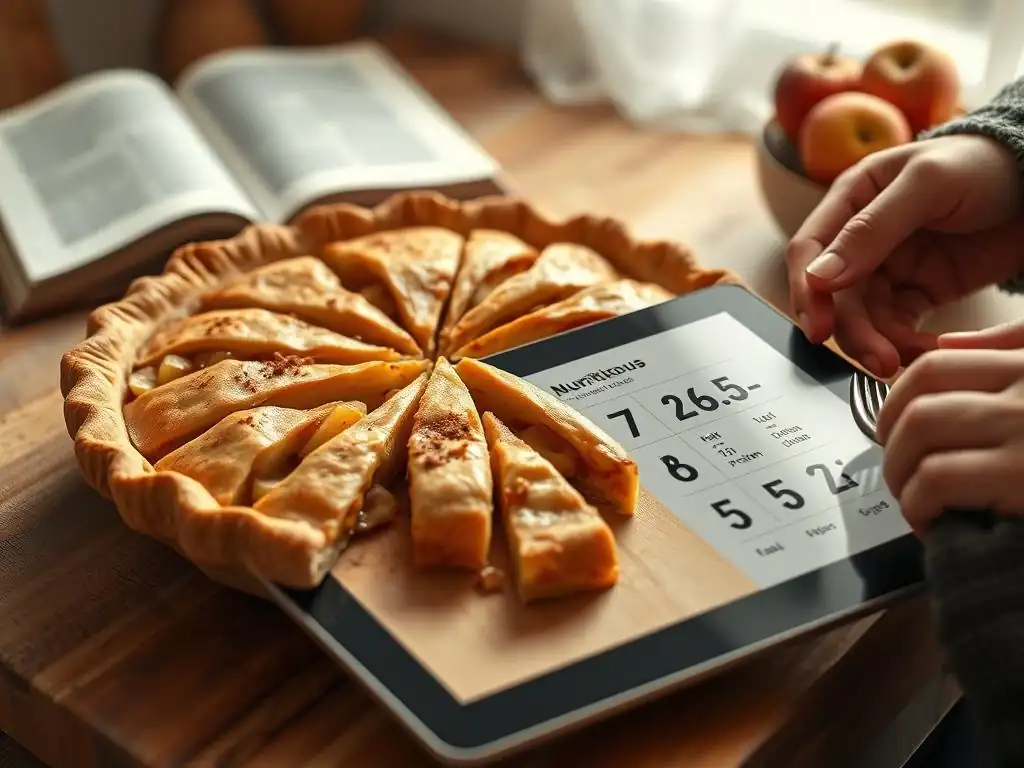
Substituting Ingredients for Lower Calories and Fat
Once you can accurately calculate nutritional information per slice, you gain the power to strategically modify your recipes to align with health goals. One common strategy is substituting ingredients to reduce calories and fat. For example, in many muffin or quick bread recipes, you can replace some or all of the oil or butter with unsweetened applesauce, mashed banana, or Greek yogurt. Using an app to calculate the nutritional information per slice before and after this substitution will show you the precise reduction in fat and calories.
Similarly, replacing some all-purpose flour with whole wheat flour or oat flour can increase fiber content and sometimes slightly reduce the glycemic impact, affecting the nutritional information per slice. Substituting some sugar with natural sweeteners like honey, maple syrup (use less liquid elsewhere), or artificial/natural sugar substitutes can drastically lower carbohydrate and calorie counts. Using a nutrition calculator app allows you to experiment with these substitutions and see the real impact on the nutritional value per serving, empowering you to make informed choices.
Adjusting Serving Sizes for Better Portion Control
Understanding the nutritional information per slice also enables better portion control. A large slice of cake might contain 500 calories, while a smaller, reasonable slice (perhaps half the size) might be only 250. By clearly defining the serving size and calculating the nutritional information per slice for that defined portion, you can help yourself and others consume your baked goods mindfully.
For instance, if a recipe makes a loaf of bread that you typically slice into 10 thick pieces, calculating the nutritional information per slice for 10 servings might reveal a high calorie count. By deciding to slice it into 14 thinner pieces instead, you can recalculate and show that the nutritional information per slice is significantly lower. This isn't about reducing the total nutrition of the batch, but about managing how much is consumed in one sitting, making it easier to fit your delicious baking into a balanced diet.
Using Online Resources to Find Nutritional Information for Common Baking Ingredients
While nutrition calculator apps have extensive databases, occasionally you might encounter an ingredient that isn't listed or need to verify data. Reliable online resources are invaluable for this. The USDA FoodData Central database is a primary source for detailed nutritional information on thousands of raw and processed foods, including many basic baking ingredients like flours, sugars, fats, eggs, and dairy.
Websites of ingredient manufacturers often provide nutritional information for their specific products, which can be more accurate than generic entries in an app database. For instance, the nutritional panel on a bag of a specific brand of almond flour or a container of a particular type of yogurt will give you precise data. Using these resources to find accurate data for each ingredient before entering it into your chosen nutrition calculator app ensures that the final nutritional information per slice you calculate is as accurate as possible.
Maximizing Revenue: Affiliate Links and Potential CPC Keywords

(Note: As per instructions, no actual links will be included. This section discusses the strategy.)
How to Use Affiliate Links to Promote Nutritional Calculator Apps
For website owners like BakeWithEase.com, discussing tools like nutritional calculator apps presents an opportunity to generate revenue through affiliate marketing. Once you've reviewed and recommended specific apps, you can join their affiliate programs (if available). When a reader clicks on a special tracking link from your site and subsequently signs up for a paid subscription to the app (or sometimes even downloads it), you earn a commission.
The strategy involves integrating these recommendations naturally within the content, such as within the "Top Nutritional Calculator Apps" section. You would explain the benefits of each app for calculating nutritional information per slice and then, ideally, provide a call to action using your affiliate link, encouraging readers to check out the app. Transparency is key; it's good practice to disclose that you may earn a commission if they sign up through your link. This provides value to your readers by recommending useful tools while creating a revenue stream for your website.
High CPC Keywords for Baking and Nutrition Content
Targeting high Cost Per Click (CPC) keywords can be beneficial if you plan to monetize your website through advertising (like Google AdSense) or are running paid search campaigns. While "Nutritional information per slice" is a relevant long-tail keyword for this article, related terms with potentially higher CPCs often revolve around specific dietary needs, health conditions, or premium ingredients.
Examples of potentially high CPC keywords related to baking and nutrition might include:
- "keto baking recipes nutrition"
- "gluten-free baking nutrition facts"
- "low carb bread nutrition"
- "diabetic friendly desserts calories"
- "macro friendly baking"
- "vegan protein baked goods"
- "best sugar substitutes for baking"
- "high fiber flour nutrition"
Integrating these keywords naturally into your content where relevant, alongside your primary keyword "Nutritional information per slice," can attract valuable traffic and potentially increase ad revenue or the effectiveness of paid marketing efforts. For instance, when discussing substituting ingredients, mentioning "low carb" or "keto" options and their impact on nutritional information per slice aligns well with these keywords.
Creating Engaging Content that Drives Affiliate Sales
Simply listing apps and adding links isn't enough to drive affiliate sales. The content itself must be engaging, informative, and build trust with the reader. For an article like this, focusing on the why and how of calculating nutritional information per slice is crucial. Explain why it matters to bakers and their audience. Provide clear, step-by-step instructions on how to use the recommended apps, demonstrating their value proposition.
Use real-world examples or approximations (e.g., "Calculating the nutritional information per slice for a standard chocolate chip cookie recipe shows it contains roughly 150 calories and 8g of fat. Substituting applesauce for half the butter reduces this to about 120 calories and 5g of fat per cookie."). Address common pain points (like the challenges of manual calculation).
By providing genuine value and demonstrating how these apps solve a real problem for bakers, you build credibility. Readers who trust your recommendations are much more likely to click on your affiliate links and make a purchase, maximizing your potential revenue from discussing nutritional information per slice tools.
Conclusion: Empowering Bakers with Nutritional Knowledge
Choosing the Right Nutritional Calculator App for Your Baking Needs
Selecting the ideal nutritional calculator app depends entirely on your individual requirements as a baker. If you are a home baker primarily interested in getting a quick estimate of calories and macronutrients (protein, carbs, fat) for your standard recipes to provide basic nutritional information per slice, a free app like MyFitnessPal, Lose It!, or Nutritionix Track will likely suffice. They are easy to use and provide the essential data points most people look for.
However, if you are passionate about understanding the full nutritional profile, including a wide range of vitamins and minerals, perhaps because you bake for specific dietary needs or focus on nutrient density, Cronometer's free or paid version offers unparalleled detail in micronutrient analysis when calculating nutritional information per slice. If you frequently modify recipes to make them healthier and want a tool that makes comparing the nutritional impact of ingredient swaps easy, Lose It!
(especially premium) is particularly strong. Consider starting with a free option, experiment with its features for calculating nutritional information per slice, and upgrade only if you find you need the capabilities offered by a premium tier.
Baking with Confidence: Knowing What's in Every Slice
Mastering the ability to calculate nutritional information per slice moves you beyond simply following a recipe. It empowers you to bake with confidence, armed with the knowledge of exactly what goes into (and what nutrients are present in) every single serving of your creations. This knowledge is valuable whether you're baking for health-conscious family members, accommodating dietary restrictions, or even considering selling your baked goods.
Being able to say definitively that a slice of your whole-grain bread contains 'X' grams of fiber and 'Y' calories, or that your sugar-free cookies have 'Z' grams of net carbs per cookie, adds a layer of professionalism and care to your baking. It allows you to make informed decisions about your ingredients, adjust recipes effectively for specific nutritional goals, and communicate clearly with those who enjoy your treats.
By utilizing the tools available, like the nutritional calculator apps discussed, you can transform your baking from an art form into a science, providing accurate nutritional information per slice and enhancing the value of everything you bake.
Frequently Asked Questions
How do I calculate nutritional information per slice of my baked goods?
To calculate nutritional information per slice, first, determine the total nutritional value of the entire recipe. Then, divide that total by the number of slices the recipe yields.
What tools can I use to accurately calculate nutritional information?
Many online nutrition calculators and apps are available. These tools allow you to input ingredients and quantities to get a detailed nutritional breakdown.
Why is calculating nutritional information per slice important?
Providing nutritional information allows bakers to cater to specific dietary needs and health concerns of their customers or family members. It promotes informed choices.
What factors can affect the accuracy of nutritional information per slice?
Variations in ingredient brands, measuring techniques, and slicing sizes can impact the accuracy. Always strive for consistency.
Where can I find reliable databases for the nutritional content of ingredients?
The USDA FoodData Central is a reliable source for nutritional information on a wide variety of ingredients. Many other databases are built upon this authoritative resource.
Final Reflection: Unlocking the Power of Portion Control
Understanding the nutritional content of each slice of our food isn't just about numbers; it's about empowering ourselves to make informed choices that support our well-being. This article has explored the often-overlooked importance of calculating nutritional information per slice, highlighting the ease with which we can achieve accurate portion control and, ultimately, healthier eating habits. The simplicity of the methods presented belies their profound impact on our daily lives.
The journey from a simple recipe to a fully understood nutritional profile per serving is a powerful one. It's a journey that shifts our relationship with food, moving beyond blind consumption to mindful engagement. Knowing what you're eating is the first step to eating well.
This simple truth underscores the transformative potential of understanding nutritional information per slice. It allows us to appreciate the subtle nuances of our diets, to celebrate the good and adjust the less-than-ideal, all with a newfound clarity.
Now, consider your own kitchen. Think about the recipes you prepare regularly. Will you take the time to calculate the nutritional information per slice? Will you use this knowledge to make even small adjustments to your meals, ensuring you're nourishing your body with intention? This isn't about restriction; it's about empowerment. It's about taking control of your health, one delicious, informed slice at a time. Embrace the power of knowledge and unlock a healthier, happier you.
Unlock Your Baking's Nutritional Potential!
Thanks for diving deep into the world of precise baking nutrition! We hope you now feel confident tackling those tricky calculations. Ready to take your baking to the next level?
- Master your next recipe: Use the techniques we outlined to calculate the nutritional information for your favorite recipe – and impress your friends and family!
- Create a personalized nutrition tracking sheet for your go-to bakes; This will make healthy baking a breeze for every occasion.
- Share your newfound knowledge! Tell us about your experience calculating the nutrition for your favorite recipe and encourage your fellow bakers to join the precision baking revolution.
What delicious recipe will you analyze first, and what nutritional goals are you hoping to achieve with this new skill?