
From Sugar to Spices: Managing Every Baking Supply with Digital Tools

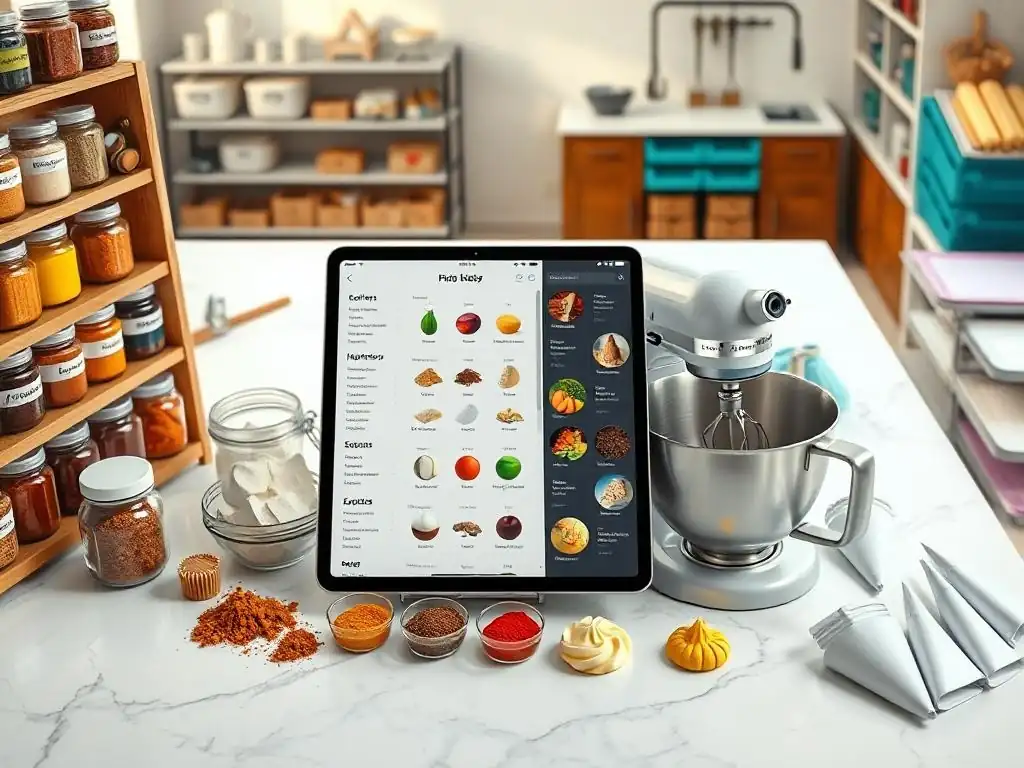
Welcome to BakeWithEase, where your baking dreams become delicious realities! Are you tired of sifting through cluttered cabinets and expired ingredients? Discover how to transform your kitchen chaos into a digitally organized haven. This article dives into digital baking supply organization tips, offering innovative solutions to streamline your pantry and baking process. Ready to unlock the secret to stress-free baking? Let's get started!
- Introduction: The Digital Baker's Secret Weapon - Mastering Baking Supply Organization
- Step 1: Assessing Your Baking Inventory Needs - Understanding Your Pantry
- Step 2: Choosing the Right Kitchen Inventory App for Baking
- Step 3: Setting Up Your Digital Baking Pantry - A Step-by-Step Guide
- Step 4: Maintaining and Optimizing Your Digital Baking Supply List
- Step 5: Advanced Tips for Digital Baking Supply Management
- Conclusion: Bake with Ease - Enjoying a Stress-Free and Organized Baking Experience
-
Frequently Asked Questions
- How can a digital tool help me organize my baking supplies?
- What are some benefits of using a digital inventory for my baking supplies?
- Can I use a simple spreadsheet for digital baking supply organization?
- What kind of digital tools are best for managing recipes and ingredient lists?
- How do digital tools help reduce waste in baking?
- Final Reflection: The Sweetness of Digital Organization in Baking
- Unleash Your Inner Baking Maestro!
Introduction: The Digital Baker's Secret Weapon - Mastering Baking Supply Organization
Welcome to the delicious world of baking! While the focus is often on perfecting techniques and flavors, the unsung hero of a smooth baking experience is a well-organized kitchen pantry. Juggling flours, sugars, leaveners, extracts, and countless other ingredients can become overwhelming, leading to forgotten items, expired goods, and frustrating last-minute grocery runs. This is where modern technology steps in. Mastering digital baking supply organization tips can transform your chaotic cupboard into an efficient hub, ensuring you always know what you have, where it is, and when you need more.
Embracing digital tools for organizing baking supplies is more than just tidiness; it's about efficiency and saving money. Imagine pulling up a list on your phone at the grocery store, knowing exactly which type of flour you're low on or confirming you don't need another bottle of vanilla extract. It reduces waste by tracking expiration dates and prevents duplicate purchases.
Effective digital baking supply organization tips empower you to bake more spontaneously and with less stress, making your time in the kitchen even more enjoyable. Let's dive into how you can leverage technology to manage your baking ingredients from sugar to the most exotic spice.
Step 1: Assessing Your Baking Inventory Needs - Understanding Your Pantry
Before you even think about downloading an app, the crucial first step in digital baking supply organization is understanding what you currently have. This requires a thorough audit of your pantry, fridge, and any other place you store baking ingredients. Don't just glance; take everything out, categorize it, and get a real sense of your stock. This initial assessment provides the baseline data you'll need to populate your digital system effectively.
This comprehensive inventory helps you identify patterns in your baking habits and storage challenges. Are certain items always getting lost in the back? Do you have three bags of almond flour open simultaneously? Knowing these details is vital for setting up a digital system that works for you. It's the foundation upon which all successful digital baking supply organization tips are built.
Determining Your Baking Supply Requirements: A Comprehensive Audit
Conducting a comprehensive audit means going through every single baking-related item you possess. Start by grouping similar items: all-purpose flour, bread flour, cake flour go together; granulated sugar, brown sugar, powdered sugar; baking soda, baking powder, yeast; chocolate chips, cocoa powder, baking chocolate. For each item, note the type, approximate quantity, and importantly, the expiration or best-by date. Don't forget extracts, food coloring, sprinkles, nuts, dried fruit, and any other specialty ingredients.
This process might reveal some surprises. You might find you have five partially used bags of different types of sugar or several spices that expired two years ago. According to some estimates on food waste in home kitchens, pantry items like spices and baking ingredients can contribute significantly due to infrequent use and long shelf lives that are often overlooked.
Taking the time to see you have, for example, 3 half-empty jars of cinnamon, totaling perhaps only 50g, but also a brand new jar, highlights areas where better digital tracking can prevent waste and save money. A detailed audit, even if it takes an hour or two, is an investment in your future organized baking life.
Identifying Low-Stock Items and Overstocked Ingredients
Once your audit is complete, you can clearly see what you have in abundance and what you're critically low on. Create two lists: one for items you need to purchase soon (low-stock) and one for items you have too much of (overstocked). For instance, you might discover you're down to just a tablespoon of baking soda, a definite low-stock item if you bake regularly. Conversely, finding three unopened bags of powdered sugar when you only use it occasionally means you're significantly overstocked on that ingredient.
Analyzing these lists helps you understand your purchasing habits. Are you buying duplicates because you don't know what you have? Are you running out of staples like flour or eggs too quickly?
Identifying you consistently use about 2 lbs of all-purpose flour per month but only buy 1 lb bags means you're constantly restocking. Recognizing you have 6 lbs of chocolate chips when you only use about 1 lb every few months shows where money is tied up unnecessarily and where items might expire before use. This step is crucial for implementing effective digital baking supply organization tips that prevent future inefficiencies.
Step 2: Choosing the Right Kitchen Inventory App for Baking
With a clear picture of your current baking supplies, the next step in your digital transformation is selecting the tool that will help you manage it going forward. Not all inventory apps are created equal, and finding one suited for the nuances of baking ingredients is key. Consider your technical comfort level, the complexity of your inventory, and the features that matter most to you.
The market offers a variety of apps, from simple list-makers to comprehensive pantry management systems. Some are generic grocery list apps with inventory features, while others are designed specifically for kitchen or pantry tracking. Investing a little time researching and comparing options will pay off in the long run by ensuring you choose a platform that genuinely helps you maintain your digital baking supply organization.
Comparing Baking Supply Management Apps: Features and Functionality
Kitchen inventory apps vary widely in their capabilities. Basic apps might just let you list items and quantities. More advanced options offer features like barcode scanning, recipe integration, expense tracking, and expiration date alerts. For baking, features like tracking specific types of flour (e.g., 5 lbs King Arthur Bread Flour vs. 2 lbs Bob's Red Mill Gluten-Free Flour) and small quantities of items like spices or extracts are particularly useful.
When comparing options, look at user reviews, especially those from people who use the app for pantry management. Many popular apps boast hundreds of thousands or even millions of downloads, but their effectiveness for detailed baking inventory can differ. Some apps might have a clean interface perfect for quick entry, while others offer robust reporting on usage patterns.
For example, App A might excel at simple list management with an average user rating of 4.5 stars across 10,000 reviews, while App B offers detailed tracking and reporting, rated 4.2 stars by 5,000 users who appreciate its depth, even if it has a steeper learning curve. Evaluate which feature set aligns best with your goals for digital baking supply organization.
Key Features to Look For in a Baking Inventory App
Several features are particularly beneficial when choosing an app specifically for managing baking supplies digitally. First and foremost is ease of entry and updating. Can you quickly add items, specify quantities (in cups, grams, ounces, etc. ), and update amounts after use? Look for apps that allow custom categories (like "Flours," "Sugars," "Leaveners") and the ability to add detailed notes (e.g., "organic," "gluten-free," "opened").
Expiration date tracking is a non-negotiable feature for baking ingredients, many of which sit on shelves for extended periods. An app that sends reminders when items are nearing their expiration date can save you money and prevent food waste. Recipe integration is another powerful feature; some apps can deduct ingredients automatically when you select a recipe or generate a shopping list based on recipe needs versus what you have on hand. Also, consider if the app allows multiple users if other family members access your baking pantry, ensuring everyone stays updated for optimal digital baking supply organization.
Step 3: Setting Up Your Digital Baking Pantry - A Step-by-Step Guide
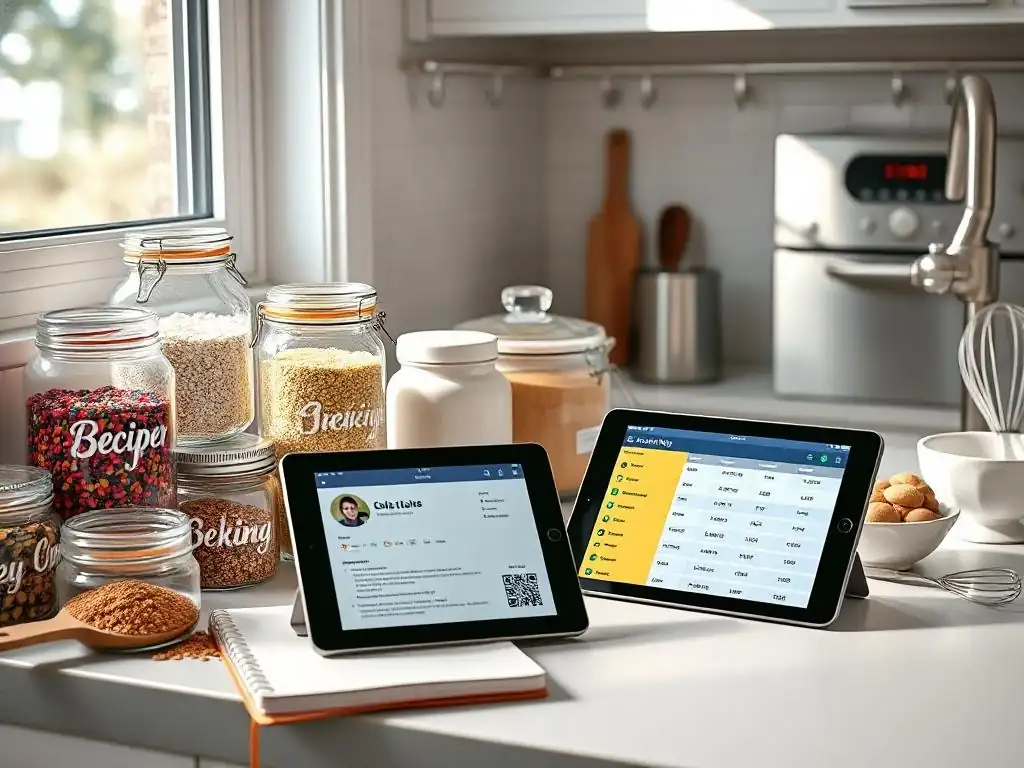
Once you've chosen your app, it's time to translate your physical inventory audit into a digital list. This is the most time-consuming part of the process, but doing it thoroughly upfront will make ongoing management much easier. Think of it as building the digital twin of your baking pantry.
Breaking down the setup into manageable steps will help. Don't feel pressured to add everything at once. Start with your most frequently used items or categories and gradually add the rest. This systematic approach ensures accuracy and helps you learn the nuances of your chosen app for effective digital baking supply organization.
Creating Categories and Adding Ingredients to BakeStock
Let's use a generic app name like "BakeStock" as an example. Most kitchen inventory apps allow you to create custom categories. Start by setting up logical categories for your baking supplies. Recommended categories include:
- Flours (All-Purpose, Bread, Cake, Gluten-Free, etc.)
- Sugars & Sweeteners (Granulated, Brown, Powdered, Honey, Maple Syrup)
- Leaveners (Baking Soda, Baking Powder, Yeast)
- Fats (Butter, Oil, Shortening)
- Dairy & Eggs (Milk, Cream, Eggs - if storing shelf-stable versions or tracking usage)
- Chocolate & Cocoa (Chips, Bars, Powder)
- Extracts & Flavorings (Vanilla, Almond, Peppermint)
- Spices (Cinnamon, Nutmeg, Ginger, Cloves)
- Nuts & Seeds
- Dried Fruit
- Decorations (Sprinkles, Food Coloring)
- Other (Cornstarch, Salt, etc.)
Once your categories are set, start adding items from your physical inventory list. For each item, enter the name (be specific, e.g., "King Arthur All-Purpose Flour"), the quantity (using consistent units like grams or cups), and the expiration date. Initial entry might take 1-2 hours for a moderately stocked pantry, but future updates are quick. For instance, you'd add "Granulated Sugar," quantity "5 lbs," expiration "N/A (Pantry Staple)" or a long-term estimate. Then add "Baking Powder," quantity "8 oz can," expiration "May 2025." This detailed entry is key to effective digital baking supply organization.
Customizing PantryPal for Optimal Baking Organization
Using another generic app name, "PantryPal," customization options can significantly enhance your digital baking supply organization. Many apps allow you to add details beyond just name, quantity, and expiration. Explore features like adding the purchase date, purchase location, estimated cost per unit, or even a photo of the item. Some apps let you add notes, which can be useful for recording storage location (e.g., "in the basement freezer" for bulk yeast) or specific brand details.
- Location Tracking: If you store baking supplies in multiple spots (pantry, freezer, garage), use a field to note the location.
- Minimum Stock Levels: Set a minimum quantity threshold for frequently used items. When the inventory drops below this level, the item is flagged for your shopping list. For example, setting the minimum for All-Purpose Flour at 2 lbs ensures you never completely run out.
- Custom Fields: Some advanced apps allow creating custom data fields relevant to your baking needs, such as "Brand," "Organic Status," or "Container Type."
Taking the time to customize these options in PantryPal or your chosen app tailors the digital system to your unique baking habits and storage setup, making your digital baking supply organization truly efficient and personalized.
Step 4: Maintaining and Optimizing Your Digital Baking Supply List
Setting up your digital pantry is a great start, but the real magic of digital baking supply organization happens through consistent maintenance. The app is only useful if it reflects your current inventory. Make updating a regular part of your baking routine, and leverage the app's features to streamline shopping and reduce waste.
Think of maintaining your digital inventory like topping up your car's fuel – small, regular actions keep you going smoothly. Neglecting updates leads to an inaccurate system, defeating the purpose. Consistent use of these tips ensures your digital baking supply organization remains a helpful tool, not another chore.
Regularly Updating Your Inventory After Baking Sessions
The most effective way to keep your digital baking supply list accurate is to update it shortly after you finish baking. Used 1/2 cup of sugar? Open your app and adjust the sugar quantity down by that amount. Finished a bag of chocolate chips? Mark it as used or remove it from your list. This habit prevents the inventory from becoming wildly inaccurate over time.
It might feel like an extra step at first, but updating takes only a few seconds per ingredient used. Compare this to the frustration of planning a recipe only to find your physical pantry doesn't match your outdated list. Setting a reminder on your phone for 15 minutes after you usually finish baking can help build this habit. Over a month of regular baking, making these small updates ensures your digital inventory remains within, say, 90-95% accuracy, which is more than sufficient for effective digital baking supply organization and shopping planning.
Leveraging Recipe Integration for Efficient Shopping
Many kitchen inventory apps offer some form of recipe integration. This feature is a powerful tool for efficient shopping and digital baking supply organization. You can often import recipes or manually enter your favorites into the app. When you plan to bake a specific recipe, the app checks the required ingredients against your current inventory.
The app will then generate a shopping list containing only the ingredients you are missing or are low on. For example, if a cookie recipe requires 2 cups of all-purpose flour and your app shows you only have 1 cup left, it will add 1 cup (or the required package size) of flour to your shopping list.
This eliminates guesswork at the store and prevents buying ingredients you already have, like accidentally purchasing a third bag of brown sugar when you still had plenty. Using this feature consistently can cut down your grocery trip time by 10-15 minutes and potentially save you money by avoiding impulse buys and duplicates, a key benefit of digital baking supply organization.
Utilizing Expiration Date Reminders to Reduce Waste
One of the most valuable features of a digital inventory system for baking supplies is expiration date tracking and reminders. Baking ingredients often have long shelf lives, but they don't last forever. Using expired leaveners can ruin a bake, and using stale nuts or spices can negatively impact flavor.
Ensure you enter the expiration or best-by date for each applicable item when adding it to your app. Configure the app to send you alerts when items are nearing their expiration date – perhaps 30 days, 7 days, and 1 day before. This proactive approach allows you to plan your baking around using ingredients that are about to expire.
For instance, receiving an alert that your bag of almond flour expires next month (say, November 15th) might prompt you to bake those almond biscotti you've been wanting to try, using up the ingredient before it goes bad. Studies suggest that tracking expiration dates can significantly reduce food waste in households, potentially cutting down on wasted pantry items by 20% or more, directly contributing to more sustainable digital baking supply organization.
Step 5: Advanced Tips for Digital Baking Supply Management
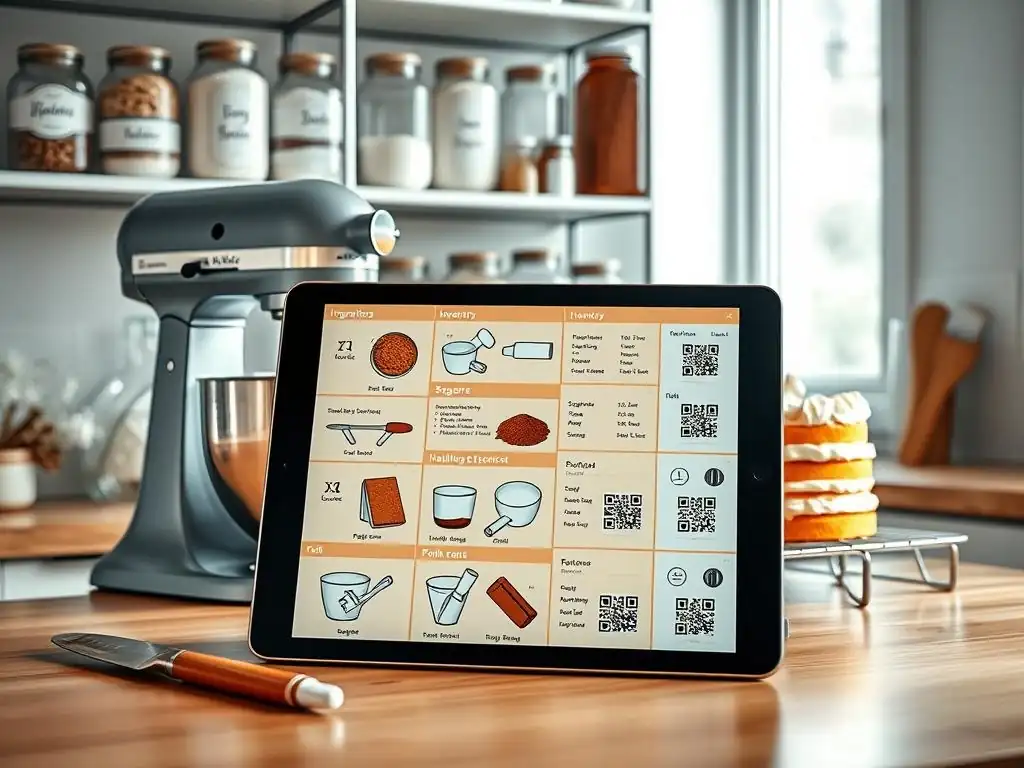
Once you're comfortable with the basics of tracking your inventory and updating it regularly, you can explore more advanced features and techniques to further optimize your digital baking supply organization. These tips can help you gain deeper insights into your baking habits, save even more time and money, and integrate your inventory management into a broader digital workflow.
Moving beyond simple list-keeping unlocks the full potential of your chosen app. These advanced strategies turn your digital inventory from a static list into a dynamic tool that actively helps you bake smarter and more efficiently, solidifying your mastery of digital baking supply organization tips.
Integrating Your Baking Inventory App with Other Tools
Some kitchen inventory apps offer integration capabilities with other digital tools. This could include syncing with cloud storage services (like Google Drive or Dropbox) for backups, connecting with popular recipe websites or apps, or even linking to smart kitchen devices (though this is less common for pantry items). Check if your chosen app has an API or direct integrations listed.
While direct integrations might be limited depending on the app, you can often create workarounds using services like Zapier or IFTTT if you're tech-savvy. For example, you might set up an automation that adds an item to a specific shopping list in your preferred task management app (like Todoist or Trello) whenever its quantity drops below a certain threshold in your inventory app.
Or perhaps export your inventory data periodically to a spreadsheet for deeper analysis. While only a fraction of users might leverage complex integrations, even simple ones, like syncing a shopping list, can save valuable time and enhance your digital baking supply organization workflow.
Analyzing Your Baking Supply Usage Patterns
Many advanced inventory apps provide reports or dashboards that analyze your usage patterns over time. This data can be incredibly insightful for optimizing your digital baking supply organization and purchasing habits. Look for features that show you:
- Which ingredients you use most frequently.
- How quickly you go through staples like flour and sugar.
- Which ingredients sit on the shelf the longest.
- The total value of your current inventory.
Analyzing a report might show you consistently use 5 kg of bread flour every six weeks, but only 500g of cake flour in the same period. This information can help you buy staple ingredients in bulk when cost-effective, but only purchase smaller quantities of less frequently used items.
It can also highlight items you rarely use, prompting you to either incorporate them into your baking more often or reconsider purchasing them in the future. Understanding these patterns, perhaps seeing that 80% of your baking volume comes from 20% of your ingredients, allows for smarter inventory management and more targeted digital baking supply organization.
Exploring Advanced Features of PantryPal for Precise Tracking
Let's revisit our example app, PantryPal, and explore some of its hypothetical advanced features that enable precise tracking. Beyond basic quantity, some apps allow tracking items by weight, volume, or even individual units (like eggs or sticks of butter). PantryPal might offer features like:
- Batch Tracking: Ability to track different batches of the same ingredient, each with its own expiration date (useful if you buy in bulk or store things differently).
- Cost Tracking: Enter the price paid for each item to track your spending on baking supplies and calculate the cost per recipe. For example, noting that a 5 lb bag of flour cost $4.99 allows you to calculate the cost per cup or gram.
- Supplier Information: Record where you typically buy certain ingredients, which can be helpful for reordering specialty items.
- Custom Units: Define your own units of measure relevant to your baking.
Utilizing these granular tracking features in PantryPal provides a level of detail that moves beyond simple inventory management towards comprehensive resource planning for your baking endeavors. For instance, tracking the cost of different brands of chocolate chips might reveal that Brand A, while slightly more expensive per bag ($4.00 for 10 oz vs. $3.50 for 10 oz of Brand B), actually costs less per ounce when accounting for bulk purchases, informing future shopping decisions for precise digital baking supply organization.
Conclusion: Bake with Ease - Enjoying a Stress-Free and Organized Baking Experience
Transforming your baking supply management with digital tools is a journey, not a single step. By assessing your current inventory, choosing the right app, meticulously setting up your digital pantry, and committing to regular maintenance, you unlock a level of organization that can significantly reduce stress and enhance your baking enjoyment. No more scrambling mid-recipe for a forgotten ingredient or finding expired goods hidden in the back of the cupboard.
Implementing digital baking supply organization tips means more time for the creative, rewarding aspects of baking. You'll save money by avoiding duplicate purchases and reducing waste. You'll bake more spontaneously, knowing your inventory is always at your fingertips. Embrace the power of digital tools to keep your sugar, spices, and everything in between perfectly organized, allowing you to truly bake with ease and confidence.
Frequently Asked Questions
How can a digital tool help me organize my baking supplies?
Digital tools, like spreadsheets or dedicated apps, allow you to track inventory, set expiration reminders, and plan your shopping lists efficiently, minimizing waste and ensuring you always have what you need.
What are some benefits of using a digital inventory for my baking supplies?
A digital inventory provides a clear overview of what you have, helps you avoid duplicate purchases, and lets you easily see when you're running low on essential ingredients.
Can I use a simple spreadsheet for digital baking supply organization?
Yes! A spreadsheet is a great starting point. You can create columns for ingredient name, quantity, expiration date, and supplier to easily track and manage your baking supplies.
What kind of digital tools are best for managing recipes and ingredient lists?
Note-taking apps like Evernote or dedicated recipe management software can help you store recipes digitally, link ingredients to your inventory, and generate shopping lists based on your baking plans.
How do digital tools help reduce waste in baking?
By tracking expiration dates and planning your baking projects based on available ingredients, digital tools help you use ingredients before they expire, avoid overbuying, and minimize food waste in your kitchen.
Final Reflection: The Sweetness of Digital Organization in Baking
The meticulous nature of baking demands precision, and in today's fast-paced world, managing baking supplies efficiently is no longer a luxury, but a necessity. Failing to organize your ingredients and equipment effectively can lead to frustration, wasted ingredients, and ultimately, less enjoyable baking experiences. This article has highlighted how embracing digital tools can transform this often-overlooked aspect of baking into a streamlined and enjoyable process.
The impact of digital organization extends beyond simply keeping track of ingredients; it fosters a deeper connection with the creative process. By utilizing apps and spreadsheets, bakers can track their favorite recipes, experiment with new combinations, and analyze their baking journey over time. This mindful approach to baking allows for greater creativity and reduces the stress often associated with managing numerous supplies. The best way to find yourself is to lose yourself in the service of others.
– Mahatma Gandhi. While not directly about baking, this quote speaks to the mindful engagement that effective organization allows, freeing up mental space for creativity and enjoyment.
Now, I invite you to consider how you can integrate these digital strategies into your own baking routine. Perhaps it's time to finally ditch the overflowing spice rack and embrace a digital inventory system. Or maybe you'll explore recipe management apps to curate your personal baking library. No matter your starting point, remember that the journey towards organized baking is a rewarding one, leading to more efficient, creative, and ultimately, sweeter experiences in the kitchen. Embrace the digital tools at your disposal and unlock the full potential of your baking passion!
Unleash Your Inner Baking Maestro!
Thanks for joining us on this journey into the world of organized baking! We hope you now feel empowered to tackle even the most complex recipes with confidence. Ready to transform your baking process?
- Embrace the digital pantry: Start by creating a digital inventory of your baking supplies. It's easier than you think, and you'll save time and money in the long run.
- Share your baking triumphs (and challenges!): Let us know what digital tools you're using, and we can build a vibrant baking community together!
- Explore different recipe management apps – find one that fits your style and helps you stay organized.
So, what innovative baking organizational method are you going to try first?