
Get the Most From Your GF Baking Box: Expert Tips

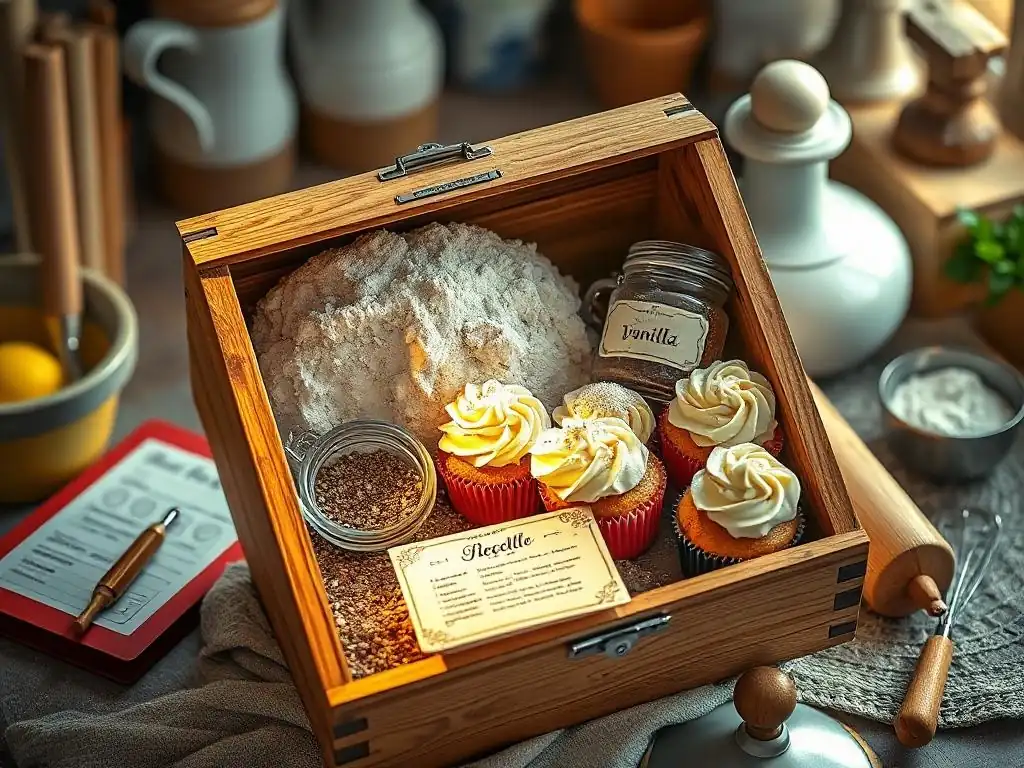
Welcome to BakeWithEase, where delicious baking becomes effortless! Curious about unlocking the full potential of your gluten-free baking adventures? This month, we're diving deep into making the most of your subscription box. Discover expert tips for your Glutenfree baking box, ensuring every treat is a triumph. But that's just the beginning – keep reading to uncover secrets that will transform your baking and leave you craving more!
- Unlock the Full Potential of Your Gluten-Free Baking Box
- Deciphering Your Gluten-Free Baking Box: Ingredient Insights
- Mastering Gluten-Free Baking Techniques: Tips for Perfect Results
- Recipe Adaptations and Customization: Making Your Box Your Own
- Troubleshooting Common Gluten-Free Baking Issues: Expert Solutions
- Maximizing Your Baking Box Value: Beyond the Recipes
- Share Your Creations and Connect with the BakeWithEase Community.
-
Frequently Asked Questions
- What is a gluten-free baking box, and who is it for?
- How can I ensure the best results when using a gluten-free baking box?
- What are some common challenges when baking gluten-free, and how do baking boxes help?
- Are gluten-free baking boxes suitable for people with other dietary restrictions or allergies?
- What should I do if my gluten-free bake turns out dry or crumbly, even when using a baking box?
- Final Reflection: Unlocking the Joy of Gluten-Free Baking
- Unlock Your Inner Baker: Level Up Your GF Baking!
Unlock the Full Potential of Your Gluten-Free Baking Box
Receiving a Glutenfree baking box tips kit is like getting a treasure chest of culinary possibilities delivered right to your door. These boxes are designed to make gluten-free baking accessible and enjoyable, providing pre-measured ingredients and carefully crafted recipes. However, to truly get the most out of your GF baking box experience, a little insider knowledge can go a long way.
This guide from BakeWithEase is packed with expert insights, practical tips, and creative ideas to help you transform those box contents into delicious gluten-free masterpieces every time. We'll dive into understanding the unique ingredients, mastering specific techniques, troubleshooting common hurdles, and even finding ways to extend the value of your box beyond the initial bake.
Whether you're a complete beginner or looking to refine your skills, these Glutenfree baking box tips will empower you to bake with confidence and creativity. We aim to demystify the process, turning potential challenges into opportunities for learning and delicious success. Get ready to explore the wonderful world of gluten-free baking, guided by the convenience and inspiration provided by your curated baking box.
Deciphering Your Gluten-Free Baking Box: Ingredient Insights
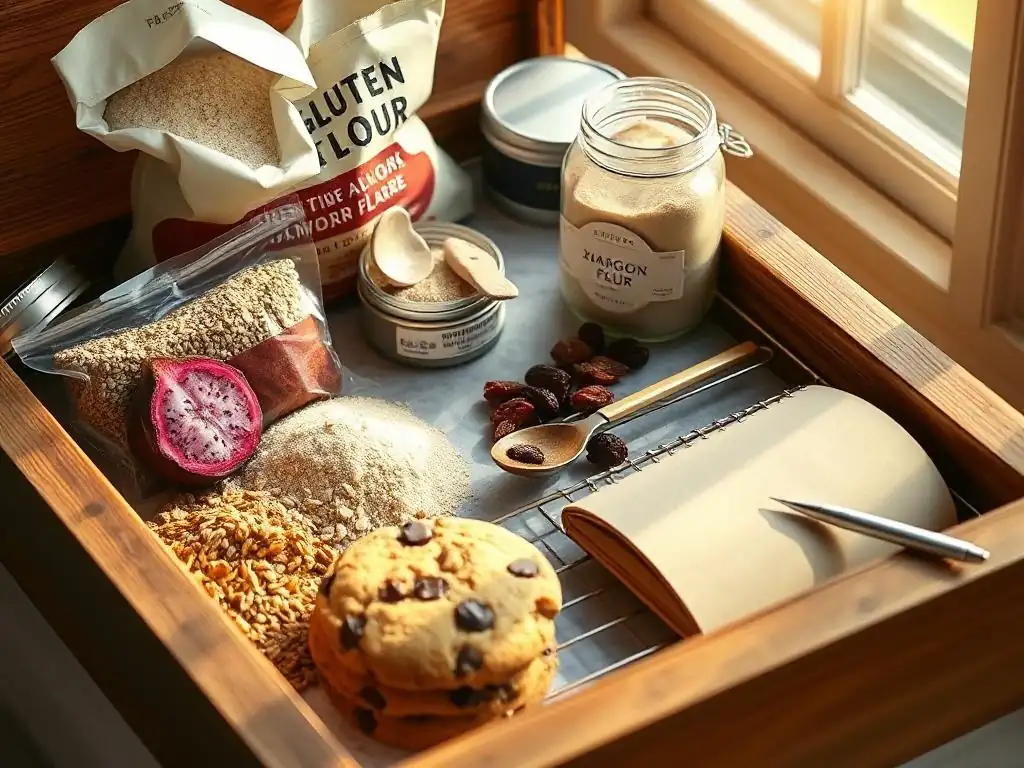
Understanding the components inside your Glutenfree baking box tips is the first step to successful baking. Unlike traditional wheat-based baking, gluten-free recipes rely on a different set of ingredients to achieve structure, texture, and flavor. Becoming familiar with these key players will help you anticipate how they behave during mixing and baking, leading to better results.
Your GF baking box likely contains a blend of flours, various starches and gums, and possibly some specialty items. Each ingredient plays a specific role, working together to mimic the properties that gluten provides in conventional baking. Let's break down these essential components found in many gluten-free baking kits.
Understanding Gluten-Free Flour Blends: A Key to Success
Gluten-free baking relies heavily on carefully formulated flour blends, as no single gluten-free flour can perfectly substitute for wheat flour. These blends typically combine several different flours and starches to achieve a balanced texture and flavor profile. Common components include rice flour (brown and white), sorghum flour, millet flour, and sometimes buckwheat or oat flour (certified gluten-free). Each contributes different characteristics: rice flours provide structure, sorghum offers a tender crumb and mild flavor, while millet adds a slightly sweet note and fine texture.
The ratio of these flours in a blend significantly impacts the final baked good. A blend heavy in white rice flour might be lighter but can sometimes result in a slightly gritty texture, while a blend with more whole grains like brown rice or sorghum will offer more nutrients and a richer flavor but can be denser. Understanding the typical makeup of the blend in your GF baking box recipe is crucial.
For example, a blend designed for cakes might have a higher proportion of white rice flour and starches for tenderness, while a blend for bread might incorporate more whole grains and protein flours for structure. Pay attention to the ingredient list on your baking box recipe card or packaging; it often reveals the dominant flours used.
Starches and gums are indispensable in gluten-free baking, acting as binders and structure builders that replace the function of gluten. Common starches found in gluten-free flour blends or included separately in your Glutenfree baking box tips might include tapioca starch, cornstarch, potato starch, and arrowroot starch. These starches help create a tender crumb and improve browning.
Tapioca starch, for instance, provides chewiness, which is particularly desirable in things like pizza crusts or chewy cookies. Using the correct proportion of starch is vital; too little can result in a crumbly texture, while too much can make baked goods gummy or dense.
Gums like xanthan gum or guar gum are powerful binders that provide elasticity and structure, preventing gluten-free baked goods from falling apart. Xanthan gum is produced by fermenting sugar with a microorganism, while guar gum comes from the guar bean. They are used in very small amounts, typically ranging from about ¼ teaspoon per cup of flour blend for cakes and muffins to ¾ to 1 teaspoon per cup for breads and pizza dough, depending on the specific gum and recipe.
Your GF baking box recipe will specify the exact amount needed. It's important to measure gums precisely, as using too much can lead to a gummy or unpleasant texture.
Decoding Specialty Ingredients: From Vegan Egg Replacers to Unique Flours
Beyond the standard flours, starches, and gums, your Glutenfree baking box tips might introduce you to specialty ingredients that serve specific purposes, often catering to additional dietary needs like veganism or adding unique flavor profiles. Examples include psyllium husk, ground flaxseed, or chia seeds, which can be used as egg replacers when mixed with water, forming a gelatinous binder.
Psyllium husk, in particular, is excellent for providing structure and chewiness in gluten-free breads, sometimes used in conjunction with or instead of gums. A common ratio for a "flax egg" is 1 tablespoon of ground flaxseed mixed with 3 tablespoons of water, allowed to sit for 5-10 minutes until gelled, replacing one chicken egg.
Other specialty ingredients might include unique flours like almond flour or coconut flour, which are low in carbohydrates and add distinct flavors and textures. Almond flour provides moisture and a rich taste, often used in cakes and cookies, while coconut flour is highly absorbent and requires significantly more liquid, adding a subtle coconut flavor.
Sweeteners like coconut sugar, maple sugar, or alternative liquid sweeteners might also appear. Each specialty ingredient is chosen to enhance the recipe's flavor, texture, or cater to specific dietary requirements, making your GF baking box a great way to experiment with new ingredients without buying large quantities.
Mastering Gluten-Free Baking Techniques: Tips for Perfect Results
Successfully baking with a Glutenfree baking box tips kit requires not just understanding the ingredients but also adapting your techniques. Gluten-free doughs and batters behave differently than their wheat-based counterparts because they lack the elastic network that gluten provides. Paying close attention to hydration, mixing, and baking conditions is crucial for achieving optimal results.
These techniques are designed to compensate for the absence of gluten, focusing on building structure through other means and ensuring the final product is moist, tender, and well-baked. Let's explore some key techniques that will elevate your gluten-free baking game.
Hydration is Key: Ensuring Proper Moisture in Your Bakes
One of the most common challenges in gluten-free baking is preventing dryness. Gluten-free flours and starches absorb liquid differently and often require more moisture than wheat flour. The batter or dough consistency specified in your Glutenfree baking box tips recipe is a critical indicator of proper hydration. Often, gluten-free batters will appear looser or wetter than their wheat counterparts. For instance, a gluten-free muffin batter might look more like a thick cake batter than a traditional muffin mix.
Ensuring adequate hydration is vital for a tender crumb. If the batter or dough seems too dry or crumbly based on the recipe description, you might need to add a tiny bit more liquid (like milk, water, or oil) until it reaches the desired consistency. However, be cautious not to add too much, as this can lead to a gummy texture. Visual cues are important: a well-hydrated cake batter should pour or scoop easily, while cookie dough should hold its shape but not be stiff. The recipe in your GF baking box should provide guidance on the expected consistency.
The Art of Mixing: Avoiding Overmixing and Achieving the Right Consistency
Mixing techniques in gluten-free baking differ significantly from traditional baking where developing gluten is the goal. Since there's no gluten to develop, the focus shifts to properly combining ingredients and incorporating the right amount of air for leavening. For most gluten-free recipes from a Glutenfree baking box tips, the key is gentle mixing until the ingredients are just combined. Overmixing gluten-free batters or doughs won't make them tough (as there's no gluten network to overwork), but it can negatively impact the texture by developing starches too much or knocking out air.
When mixing cakes, muffins, or quick breads from your GF baking box, mix the wet and dry ingredients separately first, then combine them and mix only until no dry streaks remain. A few small lumps are often acceptable. For cookies or denser items, mix until the dough comes together. Using a stand mixer on low speed or mixing by hand is often sufficient. Avoid high speeds or prolonged mixing unless specifically instructed by the recipe. Proper mixing ensures even distribution of leavening agents and creates a tender, not gummy, texture.
Baking Temperatures and Times: Adjusting for Gluten-Free Goodness
Baking temperatures and times provided in your Glutenfree baking box tips recipe are usually a good starting point, but it's wise to monitor your baked goods closely as oven temperatures can vary. Gluten-free items can sometimes brown faster on the outside while remaining undercooked inside, or they might take longer to bake through than you expect. Using an oven thermometer is highly recommended to ensure your oven is heating accurately.
For cakes, muffins, and quick breads, the toothpick test is a reliable indicator of doneness: insert a toothpick into the center, and it should come out with moist crumbs attached, but not wet batter. For cookies, look for the edges to be set and lightly golden. Breads will have a hollow sound when tapped on the bottom and should reach an internal temperature of around 200-210°F (93-99°C).
If you notice your baked goods browning too quickly, you can loosely tent them with foil. If they seem to take longer, trust the doneness tests over the clock, but be mindful of overbaking, which can lead to dryness.
Recipe Adaptations and Customization: Making Your Box Your Own
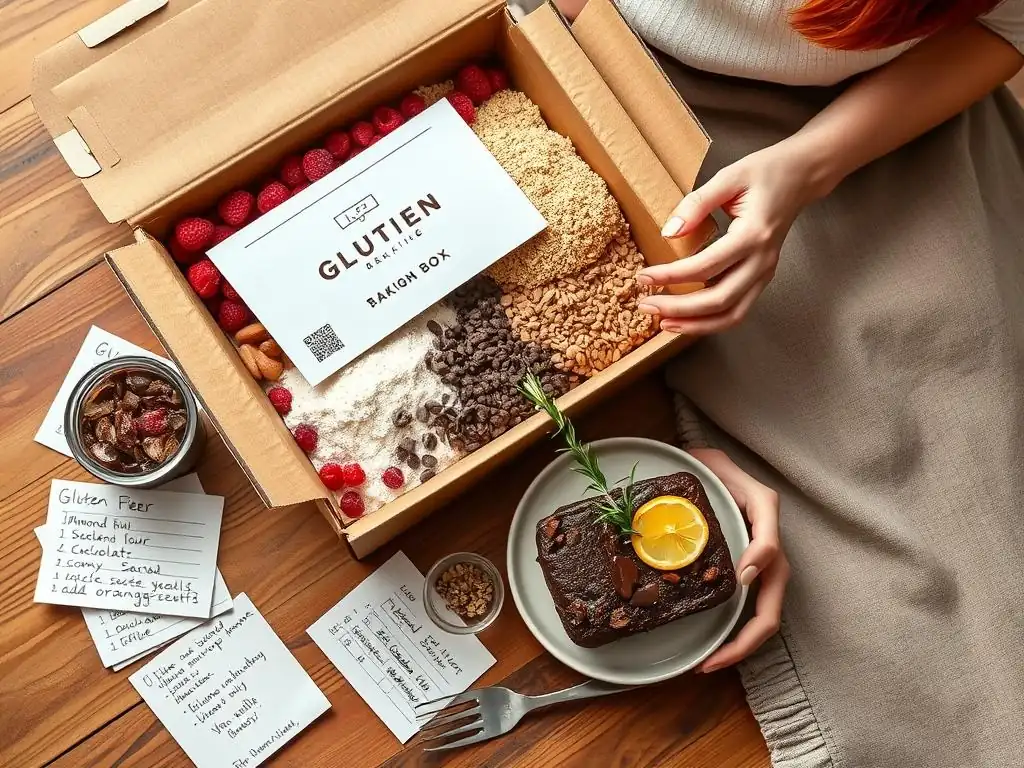
While your Glutenfree baking box tips provides a complete recipe and ingredients, don't feel confined to follow it exactly every time. Part of the fun of baking is adding your personal touch and adapting recipes to suit your preferences or available ingredients. Learning how to make simple swaps and enhancements can unlock even more possibilities from your GF baking kit.
Customization allows you to experiment with flavors, textures, and even adjust serving sizes. These tips will help you confidently modify the recipes provided in your box while maintaining successful gluten-free results.
Swapping Ingredients: Gluten-Free Substitutions That Work
Sometimes you might want to make a recipe from your Glutenfree baking box tips vegan, dairy-free, or simply swap out an ingredient you don't care for. Many simple substitutions work well in gluten-free baking. For dairy milk, you can typically substitute non-dairy alternatives like almond milk, soy milk, or oat milk in a 1:1 ratio. Similarly, melted vegan butter or oil can often replace melted dairy butter. For solid fats like butter used in creaming methods, a solid block-style vegan butter substitute usually works best.
If the recipe calls for eggs and you need a vegan option, consider using the flax or chia egg method mentioned earlier (1 tbsp ground seed + 3 tbsp water per egg). Applesauce or mashed banana can sometimes replace some of the fat or egg, adding moisture and a subtle flavor (start by replacing about half the fat or one egg).
For sweeteners, granulated sugar can often be swapped with coconut sugar or a granulated sugar substitute, though this might slightly alter the texture and color. Always consider the consistency and moisture content when making substitutions in your GF baking box recipes.
Adding Your Personal Touch: Flavor Enhancements and Creative Twists
Elevating the flavor of your Glutenfree baking box tips creation is easy and fun! Once you've mastered the basic recipe, consider adding flavor enhancements or creative twists. Extracts like vanilla, almond, lemon, or peppermint can be added to batters and doughs for extra depth of flavor – typically adding ½ to 1 teaspoon per batch is sufficient. Spices like cinnamon, nutmeg, ginger, or cardamom are also excellent additions, especially in muffins, quick breads, or cookies. A pinch of salt, even in sweet recipes, enhances the overall flavor profile.
Beyond extracts and spices, think about mix-ins. Chocolate chips (dark, milk, or white), chopped nuts (pecans, walnuts, almonds), dried fruit (cranberries, raisins, cherries), or fresh fruit (berries, diced apple) can be folded into batters and doughs. Citrus zest (lemon, orange, lime) adds a bright, fresh note. Just be mindful that adding significant amounts of wet ingredients like fresh fruit might require a slight adjustment to baking time. These simple additions can transform the standard GF baking box recipe into something uniquely yours.
Scaling Recipes: Adjusting for Different Serving Sizes
While your Glutenfree baking box tips recipe is designed for a specific yield, you might sometimes want to make a smaller batch or double it. Scaling gluten-free recipes requires careful attention, particularly with leavening agents and binders. For dry ingredients like flour blend, sugar, and mix-ins, you can usually halve or double them straightforwardly. Liquid ingredients can also typically be scaled proportionally.
However, leavening agents (baking soda, baking powder) and binders (gums, eggs or egg replacers) can be tricky. When halving a recipe, you might not need exactly half of the leavening; sometimes slightly less than half works better to prevent a metallic taste or excessive rising followed by sinking. For eggs, you can measure them by weight or volume (a large egg is about 50-55 grams or ¼ cup liquid); halving might mean using half an egg, which you can achieve by whisking an egg and using half, or using a smaller egg.
Doubling usually works fine, but monitor your bake closely. Always measure accurately, especially when scaling, to maintain the delicate balance required in gluten-free baking.
Troubleshooting Common Gluten-Free Baking Issues: Expert Solutions
Even with the best Glutenfree baking box tips and careful technique, sometimes things don't turn out exactly as planned. Gluten-free baking can present unique challenges, but most common issues have straightforward solutions. Learning to identify the problem and understand its likely cause is key to improving your results next time.
Don't get discouraged by imperfect bakes! Each experience is a learning opportunity. Here are some common problems encountered in gluten-free baking and how to address them.
Dry and Crumbly Baked Goods: Identifying and Addressing the Problem
A common complaint about gluten-free baked goods is that they can be dry and crumbly. This often happens because gluten-free flours absorb moisture differently and can dry out quickly if overbaked or if the initial hydration wasn't sufficient. If your cake is dry or your cookies crumble excessively, the culprit might be too little liquid in the batter/dough or baking for too long.
To address this in future bakes from your Glutenfree baking box tips, first ensure you are measuring liquids accurately. Pay attention to the batter or dough consistency described in the recipe and add a tiny bit more liquid if it seems too stiff or dry before baking. Secondly, monitor baking time closely.
Use visual cues and doneness tests (like the toothpick test) rather than strictly adhering to the clock, especially if your oven temperature varies. Removing baked goods just as they are done is crucial for retaining moisture. Store finished goods properly in airtight containers to prevent them from drying out.
Dense and Gummy Textures: Preventing and Correcting Issues
On the other end of the spectrum are baked goods that turn out dense, heavy, or even gummy. This can be caused by several factors, including using too much gum (xanthan or guar), insufficient leavening, or improper mixing. Gummy textures often result from starches becoming gelatinous due to excess moisture or over-handling. If your bread is heavy or your muffins are dense and chewy in a bad way, these are likely the reasons.
To prevent dense or gummy textures in your Glutenfree baking box tips creations, first double-check your gum measurement – a little goes a long way! Ensure your leavening agents (baking powder, baking soda) are fresh and haven't expired; expired leaveners won't provide enough lift. Also, revisit your mixing technique: mix only until the ingredients are just combined to avoid overdeveloping starches or knocking out air. For recipes with high starch content, sometimes allowing the batter to rest for 15-30 minutes before baking can help the flours hydrate properly and reduce gumminess.
Sinking Cakes and Collapsed Breads: Achieving a Light and Airy Texture
It's disappointing when a beautifully risen cake or loaf of bread from your Glutenfree baking box tips sinks in the middle after coming out of the oven. This issue is often related to structure and leavening. Common causes include opening the oven door too early during baking (which can cause a sudden drop in temperature), insufficient baking time (the structure hasn't set yet), using too much leavening, or inaccurate oven temperature.
To achieve a light and airy texture and prevent sinking, ensure your oven temperature is accurate using an oven thermometer. Avoid opening the oven door until the baked good is close to being done, especially in the first two-thirds of the baking time. Make sure you are using the correct amount of leavening specified in the recipe.
For cakes and quick breads, bake until the toothpick test is clean and the edges are pulling away slightly from the pan. For bread, ensure it reaches the correct internal temperature. Allowing the baked good to cool properly on a wire rack is also important for structure to fully set.
Maximizing Your Baking Box Value: Beyond the Recipes
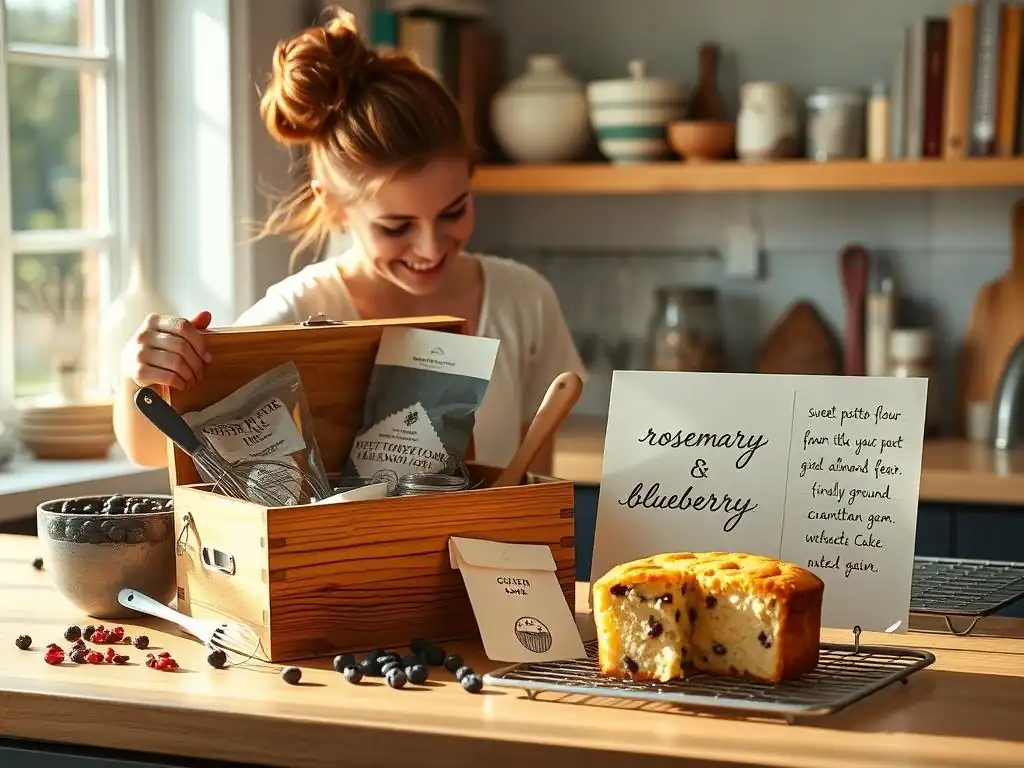
Your Glutenfree baking box tips isn't just about baking the specific recipes provided; it's also a source of ingredients and inspiration that can extend beyond the initial use. Thinking creatively about how to utilize leftover ingredients and packaging can add extra value and reduce waste.
Exploring these possibilities allows you to get the most bang for your buck and continue your gluten-free baking adventures even after the box's main recipes are complete.
Utilizing Leftover Ingredients: Creative Baking Ideas
It's common to have small amounts of ingredients left over from your Glutenfree baking box tips, such as a bit of flour blend, some sugar, a handful of chocolate chips, or a partial bag of nuts. Don't let these go to waste! These remnants are perfect for experimenting with smaller-scale recipes or enhancing other bakes.
For example, leftover gluten-free flour blend can be used to make a single-serving mug cake, thicken a sauce, or make a small batch of pancakes or waffles. Extra sugar or chocolate chips can be tossed into your morning oatmeal or yogurt, or used in another recipe you have on hand. Leftover nuts or dried fruit are great additions to salads, granola, or energy balls. Think of these leftovers as bonus ingredients for future kitchen creativity.
Reusing Packaging: Eco-Friendly Baking Practices
Many Glutenfree baking box tips come with sturdy packaging, jars, bags, and containers designed to protect the ingredients. Instead of discarding them immediately, consider how you can reuse them in your kitchen or around your home. This is a great way to practice more eco-friendly baking.
The box itself can be repurposed for storage, perhaps organizing other baking supplies or craft materials. Small jars or containers are perfect for storing spices, seeds, nuts, or homemade extracts. The bags that held dry ingredients can sometimes be cleaned and reused for storing bulk items or even as small trash bags. Get creative and find new uses for the packaging components, giving them a second life beyond their original purpose.
Building Your Gluten-Free Baking Pantry: Essential Staples
Your Glutenfree baking box tips serves as an excellent introduction to the world of gluten-free ingredients. As you try different boxes and recipes, you'll start to identify ingredients you use frequently or enjoy working with. This experience can guide you in building your own essential gluten-free baking pantry.
Based on the ingredients in your boxes, you might decide to stock up on a reliable gluten-free all-purpose flour blend you like, commonly used starches like tapioca starch, and essential binders like xanthan gum. Having staples like baking powder, baking soda, salt, sugar, vanilla extract, and perhaps a few common gluten-free flours like almond or oat flour readily available will make it easier to bake gluten-free recipes anytime, even without a box. Your GF baking box journey can be the foundation for a well-stocked and versatile gluten-free kitchen.
Frequently Asked Questions
What is a gluten-free baking box, and who is it for?
A gluten-free baking box is a subscription or one-time purchase containing pre-measured ingredients and a recipe for a gluten-free baked good. It's ideal for beginners wanting to explore gluten-free baking without buying large quantities of specialized ingredients.
How can I ensure the best results when using a gluten-free baking box?
Carefully follow the recipe instructions provided in the box. Pay close attention to mixing times and oven temperatures, as gluten-free flours behave differently than wheat flour.
What are some common challenges when baking gluten-free, and how do baking boxes help?
Gluten-free baking can be challenging due to the lack of gluten, which provides structure and elasticity. Baking boxes often include specific gluten-free flour blends and added gums (like xanthan gum) to address this.
Are gluten-free baking boxes suitable for people with other dietary restrictions or allergies?
It depends on the specific box. Always carefully review the ingredients list for potential allergens like nuts, dairy, or soy. Many boxes offer options for customization or substitutions.
What should I do if my gluten-free bake turns out dry or crumbly, even when using a baking box?
Ensure you've accurately measured all ingredients, especially liquids. Adding a small amount of extra liquid (like milk or oil) or using a binding agent like applesauce can help improve moisture.
Final Reflection: Unlocking the Joy of Gluten-Free Baking
The accessibility of gluten-free baking has exploded, yet mastering the art still presents unique challenges. Finding the perfect balance of taste and texture remains a quest for many, but with the right knowledge and tools, the journey can be incredibly rewarding. This article aimed to demystify the process, particularly when using pre-packaged gluten-free baking boxes, and empower home bakers to achieve consistently delicious results.
The shift towards gluten-free diets has profoundly impacted the culinary landscape, forcing a re-evaluation of traditional baking methods and ingredients. This isn't just about dietary restrictions; it's about inclusivity and expanding the possibilities for everyone to enjoy the simple pleasures of homemade treats. Baking is at its heart a labor of love, a process of transformation, and a celebration of shared moments.
This sentiment rings true whether you're working with traditional flour or a carefully curated gluten-free mix. The journey, with its occasional setbacks and triumphs, is what truly matters.
Now, consider your own baking experiences. Have you been hesitant to tackle gluten-free baking? Perhaps this article has provided you with the confidence to experiment, to embrace the challenges, and to discover the unique joys that gluten-free baking offers. Don't be afraid to try new recipes, adjust techniques based on your own discoveries, and most importantly, savor the delicious results. The perfect gluten-free cake, cookie, or bread is within your reach – go forth and bake!
Unlock Your Inner Baker: Level Up Your GF Baking!
Thanks for taking the time to explore gluten-free baking with us! We hope you gained valuable insights and newfound confidence in creating delicious, allergy-friendly treats. Now it's time to put your knowledge into action.
- Bake your dream gluten-free recipe today! Use the tips and tricks you learned to tackle that recipe you've been eyeing. Don't be afraid to experiment!
- Share your baking journey! Show off your creations and tag #BakeWithEaseGF on social media – we'd love to see your masterpieces.
- Explore our community forum to connect with other gluten-free bakers and share your experiences. Find inspiration and support in our friendly group!
What exciting gluten-free creation will you bake first? Let us know in the comments below!