
The Difference Between Ice Cream, Gelato, & Sorbet, Explained Simply

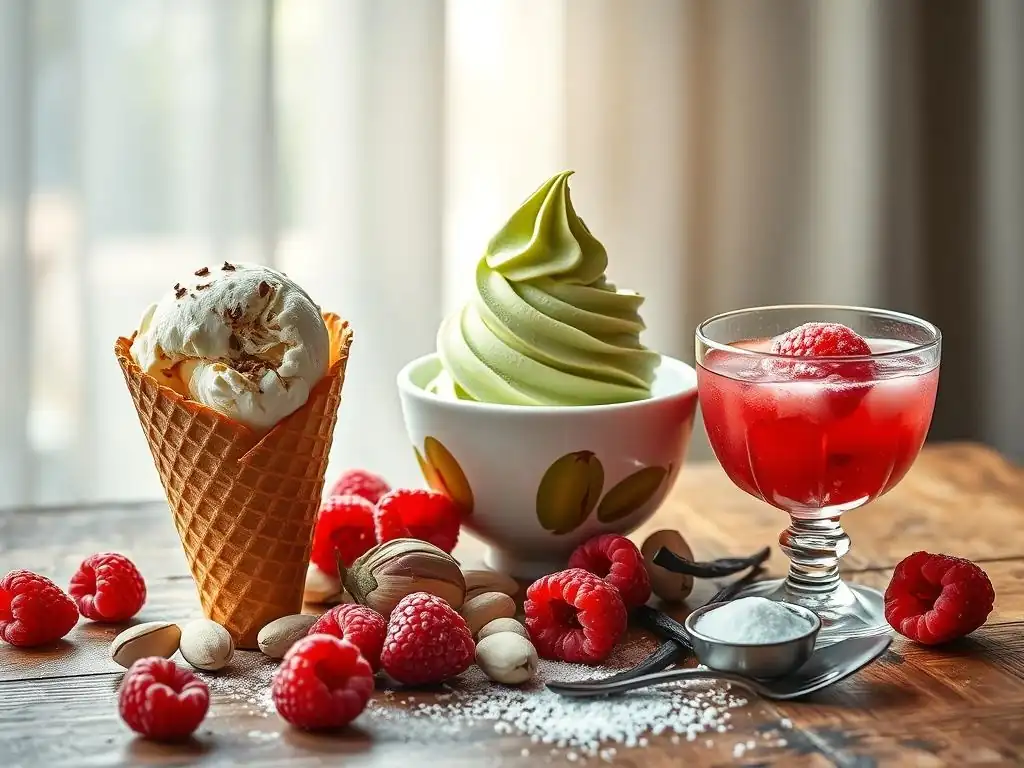
Welcome to BakeWithEase, your trusted companion in the delightful world of baking! Ever wondered about the subtle nuances that set a creamy gelato apart from a refreshing sorbet, or how ice cream fits into the picture? Unravel the delicious mystery as we delve into the ice cream, gelato, sorbet differences, explained simply, and discover the secrets behind these frozen delights. Prepare to tantalize your taste buds and elevate your dessert game!
- Ice Cream, Gelato, & Sorbet: Understanding the Key Differences
- Introduction: Decoding Frozen Desserts
- What is Ice Cream? A Classic Frozen Dessert
- What is Gelato? The Italian Ice Cream Alternative
- What is Sorbet? A Dairy-Free Frozen Delight
- Ice Cream vs. Gelato: A Detailed Comparison
- Ice Cream vs. Sorbet: A Dairy-Free Face-Off
- Gelato vs. Sorbet: Contrasting Italian Frozen Treats
- Understanding the Differences: A Quick Reference Chart
- Choosing the Right Frozen Dessert: A Guide for Every Palate
- Making Your Own Frozen Desserts: Recipes and Tips
- Conclusion: Enjoying the Delicious Diversity of Frozen Desserts
-
Frequently Asked Questions
- What is the main difference between ice cream and gelato?
- How does sorbet differ from both ice cream and gelato?
- Does the serving temperature affect the taste of ice cream, gelato, and sorbet?
- Which of the three desserts (ice cream, gelato, and sorbet) is generally considered the healthiest?
- Are the ingredients for ice cream, gelato, and sorbet readily available?
- Final Reflection: A Sweet Understanding of Frozen Delights
- Unlock Your Inner Gelato Connoisseur!
Ice Cream, Gelato, & Sorbet: Understanding the Key Differences
Introduction: Decoding Frozen Desserts
Frozen desserts offer a delightful escape, especially on a warm day. From the creamy richness of ice cream to the intense flavor of gelato and the refreshing burst of sorbet, there's a frozen treat to satisfy nearly every craving. While they might appear similar at first glance, these popular desserts have distinct characteristics rooted in their ingredients, production methods, and ideal serving temperatures. Understanding these fundamental ice cream gelato sorbet differences can enhance your appreciation for each one.
Exploring the world of frozen desserts reveals a spectrum of textures and flavors, each crafted through specific techniques. Whether you're a home baker looking to perfect your frozen creations or simply a dessert enthusiast curious about what makes each treat unique, delving into the nuances of ice cream, gelato, and sorbet provides fascinating insights into culinary science and tradition. This guide will break down the essential distinctions, helping you identify your favorite and perhaps inspire you to try making them yourself.
Understanding the Nuances of Frozen Treats
The subtle (and sometimes not-so-subtle) variations between ice cream, gelato, and sorbet are key to their individual appeal. These differences aren't just matters of terminology; they impact everything from the texture you experience on your tongue to the intensity of the flavor you taste. It's a journey from rich, dairy-heavy indulgence to light, fruit-forward refreshment, all achieved through careful control of ingredients and processing.
For instance, the amount of fat and air incorporated during freezing plays a critical role. Ice cream, known for its lush texture, typically contains more fat and air than gelato. Gelato, on the other hand, is churned more slowly, resulting in a denser, often more intensely flavored product. Sorbet stands apart entirely, omitting dairy to create a vibrant, icy treat. Recognizing these ice cream gelato sorbet differences allows you to make informed choices based on your dietary needs, desired texture, and preferred flavor profile.
What is Ice Cream? A Classic Frozen Dessert
Ice cream is perhaps the most universally recognized frozen dessert, a staple in freezers worldwide. Its defining characteristics are its creamy texture and rich mouthfeel, achieved through a specific blend of dairy, sugar, and air. The standard definition often includes requirements for fat content and the amount of air incorporated, ensuring a consistent product that delivers that classic scoopable experience.
The history of ice cream is long and varied, with early forms dating back centuries. Modern ice cream, however, largely owes its popularity to advancements in refrigeration and churning technology. It's a dessert enjoyed in countless flavors, from simple vanilla and chocolate to complex concoctions with added mix-ins like cookies, nuts, and sauces. Its widespread availability and diverse offerings make it a go-to treat for many.
Ice Cream Ingredients: Cream, Sugar, and Flavorings
At its core, traditional ice cream is made from a base of dairy cream, milk, sugar, and flavorings. The high proportion of heavy cream is crucial for achieving its characteristic richness and smooth texture. While milk is also used, the emphasis on cream distinguishes it from lower-fat frozen desserts.
Beyond the dairy and sugar, egg yolks are often included, particularly in premium or French-style ice creams, to create a custard base that adds extra richness and body. Flavorings can range from natural extracts like vanilla bean or cocoa powder to fruit purees, nuts, and confectionery pieces. The quality and proportion of these ingredients significantly impact the final taste and texture of the ice cream.
The Ice Cream Making Process: Churning and Freezing
The ice cream making process involves freezing the liquid base while simultaneously churning it. Churning serves two main purposes: preventing large ice crystals from forming, which ensures a smooth texture, and incorporating air. This incorporation of air is known as "overrun."
Commercial ice cream typically has a significant amount of overrun, often ranging from 50% to 100% or even more. This means the final volume of the ice cream is 1.5 to 2 times the volume of the original mix, due to the air whipped in. The churning is usually done relatively quickly at low temperatures to promote freezing and air incorporation efficiently.
Key Characteristics of Ice Cream: Richness and Air Content
One of the most notable characteristics of ice cream is its richness, which comes directly from its high fat content, primarily from the cream. Standard ice cream must contain at least 10% milk fat, though many premium varieties boast 14% to 18% or even higher. This fat coats the ice crystals and air bubbles, contributing to a luxurious mouthfeel.
The high air content (overrun) is another defining feature. The air gives ice cream its lighter, often fluffier texture compared to denser frozen treats. It also contributes to its scoopability directly from the freezer. While high overrun can sometimes dilute flavor, it's essential for achieving the classic volume and texture that consumers expect from ice cream.
What is Gelato? The Italian Ice Cream Alternative
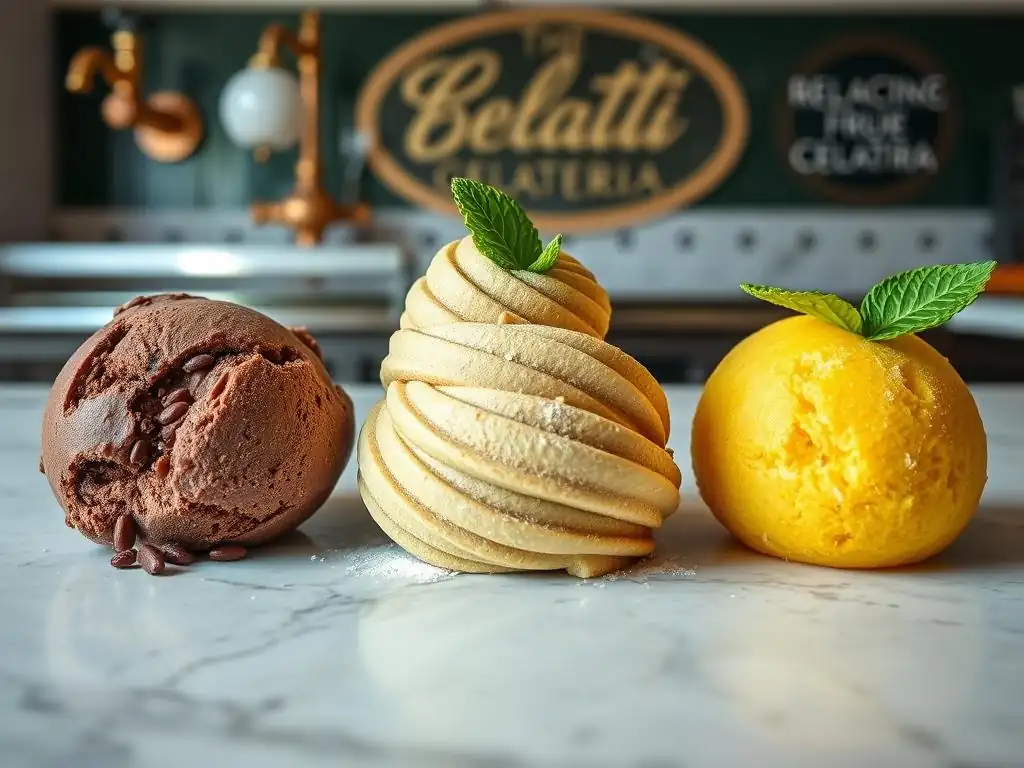
Gelato is the Italian word for ice cream, but in the culinary world, it refers to a specific style of frozen dessert that differs significantly from its American cousin. Gelato is celebrated for its intense flavor and incredibly smooth, dense texture, often served slightly warmer than typical ice cream. It represents a tradition focused on highlighting the pure taste of its ingredients.
Originating in Italy, gelato has gained international popularity for its artisanal quality and vibrant flavors. Makers often use fresh, seasonal ingredients, resulting in a product that feels more handcrafted and focused on the essence of the primary flavor, be it fruit, nut, or chocolate. The differences in its composition and production method contribute to its unique standing among frozen treats.
Gelato Ingredients: Milk, Sugar, and Flavorings
Unlike ice cream, gelato typically uses a higher proportion of milk to cream, and often includes fewer or no egg yolks. This results in a base that is lower in fat compared to standard ice cream mixes. A typical gelato base might use whole milk as its primary dairy component, with only a small amount of cream added for richness, leading to a total fat content often in the range of 4% to 8%.
Sugar content is also carefully balanced, sometimes slightly lower than in ice cream, or using different types of sugars to achieve the desired texture and sweetness profile. Flavorings, such as fruit purees, nut pastes (like pistachio or hazelnut), or intense chocolate, are often added in higher concentrations relative to the base, contributing to gelato's reputation for potent flavor.
The Gelato Making Process: Slow Churning and Density
The key to gelato's distinctive texture lies in its churning process. Gelato is churned at a much slower speed than ice cream, and it is also churned for a shorter duration. This slower, less vigorous churning incorporates significantly less air into the mixture.
The amount of air (overrun) in gelato is typically much lower than in ice cream, often ranging from just 20% to 35%. This lower overrun is why gelato appears denser and heavier than ice cream when scooped. The slower churning also helps to create smaller ice crystals, contributing to the incredibly smooth and velvety texture that is characteristic of high-quality gelato.
Key Characteristics of Gelato: Intense Flavors and Smooth Texture
Gelato's lower fat content and lower air content contribute directly to its most celebrated characteristics: intense flavor and a remarkably smooth, dense texture. With less fat coating the palate and less air diluting the taste, the primary flavors of the ingredients shine through more vibrantly.
The denser texture means each spoonful delivers more concentrated flavor. Because it is served at a slightly warmer temperature (often 10-15°F warmer than ice cream), the flavors are also perceived more readily by the taste buds. This combination of factors makes gelato a favorite for those seeking a rich, flavorful experience without the heavy creaminess of traditional ice cream.
What is Sorbet? A Dairy-Free Frozen Delight
Sorbet stands apart from both ice cream and gelato primarily because it contains no dairy. It is a refreshing frozen dessert made from fruit puree or juice, sugar, and water. This dairy-free nature makes it an excellent option for individuals with lactose intolerance, dairy allergies, or those simply seeking a lighter, palate-cleansing treat.
Historically, sorbet-like desserts have existed for centuries, often made from ice and fruit flavorings. Modern sorbet is a more refined product, leveraging freezing techniques to create a smooth, icy texture that is distinct from a simple frozen fruit juice. It is celebrated for its bright, clean, and often intensely fruity flavors.
Sorbet Ingredients: Fruit, Sugar, and Water
The fundamental ingredients for sorbet are fruit (in the form of puree or juice), sugar, and water. The quality of the fruit is paramount, as it provides the primary flavor and often contributes to the color of the final product. Common fruits include berries, citrus fruits, mangoes, and stone fruits.
Sugar is essential not just for sweetness but also for its role in controlling the freezing point and texture. The right amount of sugar prevents the sorbet from freezing into a solid block of ice, helping to create a scoopable consistency. The ratio of fruit, sugar, and water is carefully balanced to achieve the desired flavor intensity and texture.
The Sorbet Making Process: Freezing and Texture
Making sorbet involves combining the fruit mixture with the sugar and water, then freezing it while churning, similar to ice cream and gelato. However, without the presence of fat and protein from dairy, the texture relies heavily on the sugar concentration and the freezing process to prevent large ice crystals.
Proper churning helps break up ice crystals as they form, resulting in a smoother, more palatable texture than simply freezing fruit juice. While sorbet does incorporate some air during churning, it is significantly less than in ice cream, resulting in a denser texture compared to a typical scoop of ice cream. The goal is an icy yet smooth consistency that melts cleanly in the mouth.
Key Characteristics of Sorbet: Refreshing and Fruity Flavors
The defining characteristics of sorbet are its refreshing quality and vibrant, concentrated fruit flavors. Because there is no dairy fat to coat the palate, the fruit flavors are perceived more directly and intensely. This makes sorbet an excellent palate cleanser between courses or a light dessert after a heavy meal.
Its texture is typically icy, though well-made sorbet should be smooth rather than granular. The lack of dairy contributes to a lighter mouthfeel compared to cream-based frozen desserts. Sorbet is the go-to choice for those who prefer bright, clean fruit tastes and a non-creamy texture, highlighting the natural sweetness and acidity of the fruit.
Ice Cream vs. Gelato: A Detailed Comparison
Comparing ice cream and gelato reveals fundamental differences that go beyond just their names. While both are dairy-based frozen desserts, their distinct compositions and production methods lead to significant variations in texture, flavor, and overall experience. Understanding these points clarifies the ice cream gelato sorbet differences.
Let's delve into the specifics: from the amount of fat and air they contain to the ideal temperature at which they are served, each factor contributes to the unique identity of these two popular treats. Whether you lean towards the rich indulgence of ice cream or the intense flavor of gelato often comes down to these core distinctions.
Fat Content: Creaminess Showdown
The most significant difference between ice cream and gelato often lies in their fat content. Ice cream, by definition in many countries, must contain at least 10% milk fat, and premium versions can reach 14-18% or even higher. This high fat content contributes directly to ice cream's rich, creamy texture and mouthfeel.
Gelato, conversely, is made with a higher proportion of milk to cream, resulting in a lower fat content, typically ranging from 4% to 8%. This lower fat level means gelato feels less heavy on the palate, allowing the primary flavors to be more pronounced. While still creamy due to the milk and careful churning, the creaminess is different – less coating than ice cream.
Air Incorporation: Density and Texture
Air, or overrun, is another critical differentiator. Ice cream is churned vigorously and quickly, incorporating a substantial amount of air, often resulting in an overrun of 50% to 100% or more. This air makes ice cream lighter and easier to scoop directly from a standard freezer temperature.
Gelato is churned more slowly and for a shorter time, incorporating significantly less air. Its overrun is typically between 20% and 35%. This lower air content is why gelato is much denser than ice cream. This density contributes to its smooth, almost elastic texture and means you get more actual product per scoop compared to a similarly sized scoop of high-overrun ice cream.
Flavor Intensity: A Matter of Taste
Due to the lower fat content and lower air content, gelato often delivers a more intense and immediate flavor experience than ice cream. Fat can coat the taste buds, slightly muting flavors, while air dilutes them. With less fat and air, gelato allows the pure taste of its ingredients – be it fruit, nut, or chocolate – to come through more strongly.
While ice cream can also have strong flavors, especially with high-quality ingredients and lower overrun, the structure of gelato inherently lends itself to a more concentrated flavor burst. This is often why gelato scoops might seem smaller but pack a powerful taste punch.
Serving Temperature: Impact on Texture
Gelato is traditionally served at a slightly warmer temperature than ice cream, typically around 7°F to 15°F (-14°C to -9°C), compared to ice cream's typical serving temperature of 0°F to 5°F (-18°C to -15°C). This warmer temperature contributes to gelato's softer, more fluid texture.
Serving gelato warmer also enhances its flavor perception. When food is warmer, volatile flavor compounds are released more easily, allowing the taste buds to detect them more effectively. This warmer temperature, combined with the lower fat and air, maximizes the flavor impact of gelato.
Ice Cream vs. Sorbet: A Dairy-Free Face-Off
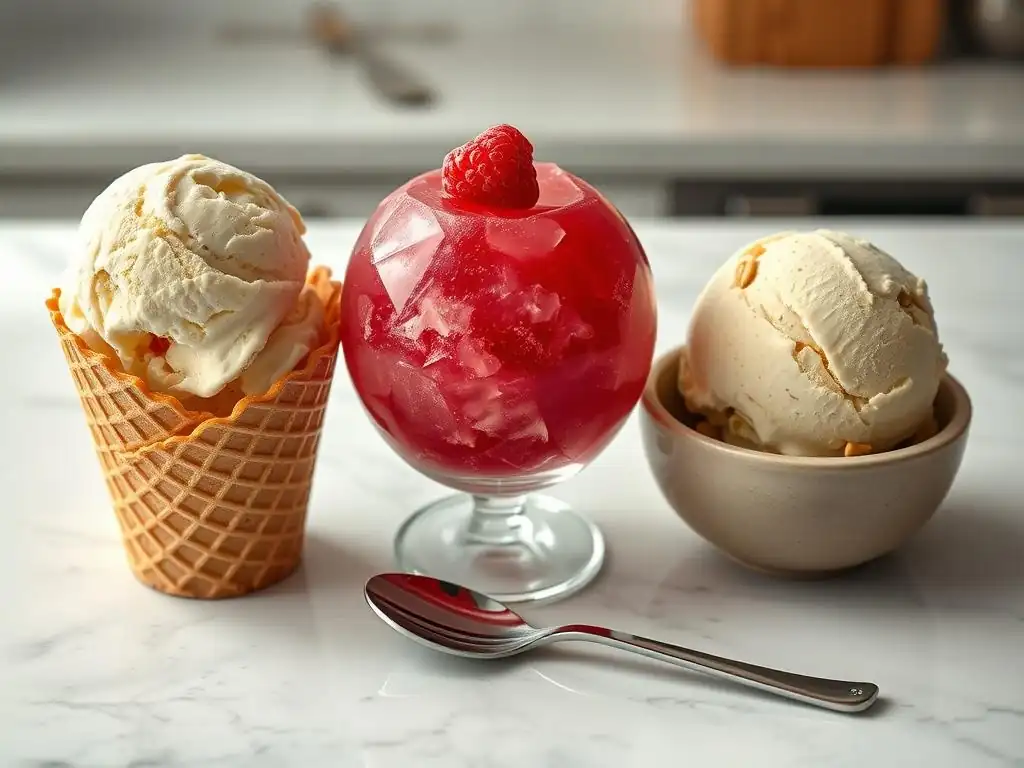
Comparing ice cream and sorbet highlights the fundamental divide between dairy-based and non-dairy frozen desserts. These two treats offer vastly different experiences in terms of texture, richness, and flavor profile, representing opposite ends of the frozen dessert spectrum. Understanding these ice cream gelato sorbet differences is crucial.
Let's explore the key distinctions, from the presence or absence of dairy to the resulting textures and the types of flavors that are most effectively showcased by each.
Dairy Content: The Defining Factor
The most obvious difference is dairy content. Ice cream is made with a significant amount of dairy fat and solids, primarily from cream and milk. This dairy base provides the richness, creaminess, and structural integrity of the dessert.
Sorbet, on the other hand, contains no dairy whatsoever. Its base is typically fruit puree or juice mixed with sugar and water. This complete absence of dairy makes sorbet a suitable option for individuals who avoid dairy for dietary or health reasons, such as lactose intolerance or veganism.
Texture and Mouthfeel: Creamy vs. Icy
Due to its high fat content and incorporated air, ice cream has a characteristically creamy and smooth texture that coats the mouth. The fat contributes to a luxurious, almost velvety feel, while the air makes it relatively soft and easy to scoop when frozen.
Sorbet's texture is inherently icy. While well-made sorbet should be smooth and free of large ice crystals, it lacks the creaminess provided by dairy fat. Its mouthfeel is lighter and more refreshing, melting cleanly without the lingering richness of ice cream. The texture is more about tiny, smooth ice crystals suspended in a flavorful syrup.
Flavor Profiles: Rich vs. Refreshing
Ice cream's dairy base provides a neutral canvas that pairs well with a vast array of flavors, from classic vanilla and chocolate to complex additions like caramel swirls, cookie dough, and nuts. The fat also helps carry and round out certain flavors, particularly those that are fat-soluble.
Sorbet excels at showcasing bright, clean, and often tart fruit flavors. Without the richness of dairy, the natural acidity and sweetness of fruits are front and center. Sorbet flavors tend to be more focused and intense on the fruity notes, offering a refreshing contrast to the richness of cream-based desserts.
Gelato vs. Sorbet: Contrasting Italian Frozen Treats
While gelato and sorbet are both prominent in Italian frozen dessert culture, they represent two very different approaches. One is a refined dairy-based creation, while the other is a vibrant, dairy-free fruit delight. Comparing them highlights the versatility within the frozen dessert world and further clarifies the ice cream gelato sorbet differences.
Let's look at how these two Italian favorites differ, focusing on their core composition, resulting textures, and the types of flavors they best deliver.
Dairy vs. Dairy-Free: Choosing the Right Option
The primary distinction is the presence of dairy. Gelato is a dairy-based product, made primarily from milk and a smaller amount of cream, containing lactose and milk proteins. This makes it unsuitable for individuals with dairy restrictions.
Sorbet is entirely dairy-free, composed of fruit, sugar, and water. This makes it an ideal choice for vegans, those with lactose intolerance, or anyone avoiding dairy. This fundamental difference dictates who can enjoy each dessert and influences their nutritional profile.
Texture and Consistency: Comparing Smoothness
Both gelato and sorbet aim for smoothness, but achieve it differently and result in distinct textures. Gelato's smoothness comes from its low fat content (relative to ice cream), low air content, and slow churning, creating a dense, almost elastic, and velvety texture. It feels rich and substantial on the tongue despite its lower fat than ice cream.
Sorbet's smoothness relies on the careful balance of sugar and water, and efficient churning to create small ice crystals. Its texture is icy, not creamy, though well-made sorbet is smooth and melts cleanly. It is less dense than gelato and has a lighter mouthfeel, lacking the viscosity provided by dairy solids.
Flavor Concentration: Fruity vs. Creamy
Gelato is known for its intense, concentrated flavors, which can range from fruits and nuts to chocolate and coffee. The lower fat and air allow these flavors to be perceived strongly, and the dairy base provides a complementary richness that rounds out the taste.
Sorbet's flavors are typically bright, clean, and focused on the fruit itself. Without dairy, the natural acidity and sweetness of the fruit are the dominant notes. Sorbet offers a pure, refreshing burst of fruit flavor, lacking the underlying creamy notes found in gelato. It's a direct expression of the fruit used.
Understanding the Differences: A Quick Reference Chart
To quickly summarize the key distinctions between these three popular frozen desserts, a side-by-side comparison is incredibly helpful. This chart highlights the core ice cream gelato sorbet differences at a glance, covering ingredients, fat content, air content, texture, and typical serving temperature.
Comparing these factors visually makes it easy to see why each dessert offers such a unique experience. It serves as a handy guide for choosing the right treat based on your preferences or dietary needs, or for understanding what goes into making each one.
Ice Cream, Gelato, and Sorbet: A Side-by-Side Table
| Feature | Ice Cream | Gelato | Sorbet |
|---|---|---|---|
| Primary Dairy | Cream, Milk | Milk, (less) Cream | None |
| Fat Content | High (Typically 10-18%+) | Lower (Typically 4-8%) | None |
| Air Content | High (Overrun 50-100%+) | Low (Overrun 20-35%) | Low (Some air, less than gelato) |
| Texture | Creamy, Lighter, Softer | Dense, Smooth, Elastic, Velvety | Icy, Smooth (if well-made), Refreshing |
| Flavor | Rich, Varied flavors, Dairy notes present | Intense, Pure flavors, Less dairy coating | Bright, Clean, Fruity, No dairy notes |
| Serving Temp | Colder (0-5°F / -18 to -15°C) | Warmer (7-15°F / -14 to -9°C) | Similar to Sorbet (Often 8-18°F / -13 to -8°C) |
| Egg Yolk | Often included (especially premium/French) | Less common or none | None |
| Dairy-Free | No | No | Yes |
Choosing the Right Frozen Dessert: A Guide for Every Palate
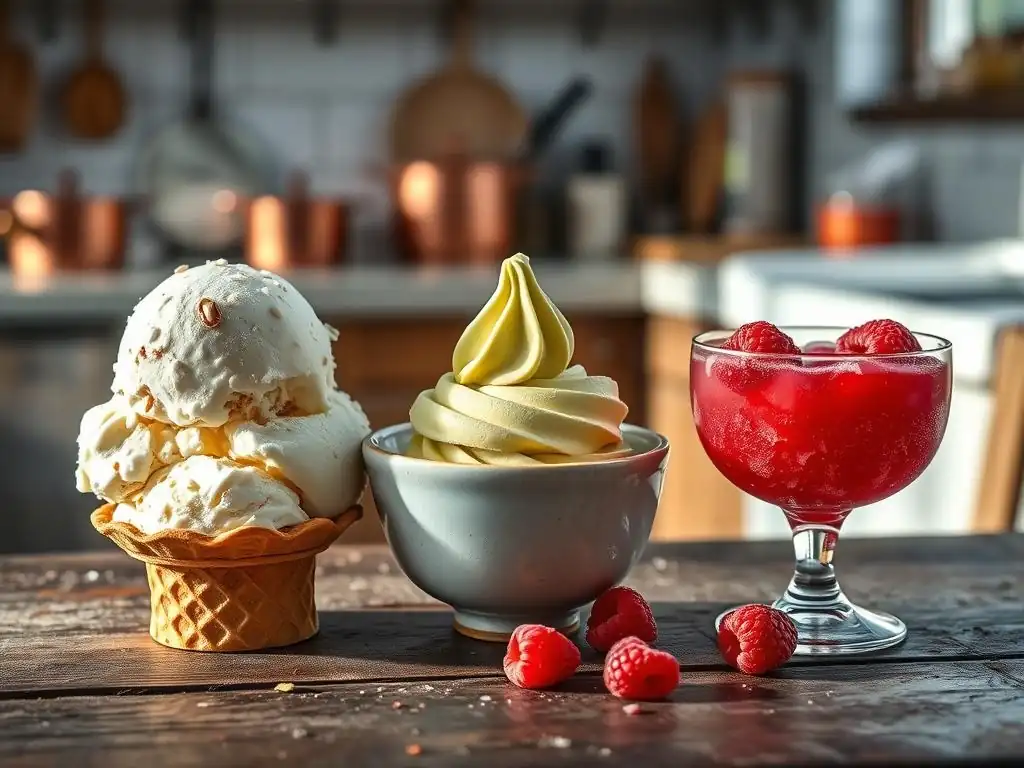
With a clearer understanding of the ice cream gelato sorbet differences, how do you decide which one is right for you? The choice often depends on personal preference, dietary requirements, and even the occasion. Each dessert offers a unique experience, catering to different tastes and needs.
Consider what you're looking for in a frozen treat. Do you crave richness and a variety of mix-ins? Is intense, pure flavor your priority? Or are you seeking something light, refreshing, and dairy-free? Thinking through these questions will guide you to the perfect scoop (or two! ).
Consider Your Dietary Needs
Your dietary requirements are a key factor. If you are lactose intolerant, have a dairy allergy, or follow a vegan diet, sorbet is the clear choice among these three, as it contains no dairy. Both ice cream and gelato are dairy-based and thus unsuitable.
For those managing fat intake, gelato typically offers a lower-fat option compared to traditional ice cream, though both contain sugar. Sorbet, while fat-free, is generally high in sugar. Always check specific product labels for precise nutritional information if this is a primary concern.
Think About Your Flavor Preferences
Consider the type of flavors you enjoy. If you love complex flavors with a rich, creamy base that can incorporate various textures from mix-ins, ice cream is likely your preference. Its dairy base complements flavors ranging from classic vanilla to indulgent chocolate and peanut butter.
If you prefer intense, pure flavors where the main ingredient shines through brightly, and you appreciate a smooth, dense texture, gelato might be your favorite. It excels at showcasing the essence of nuts, fine chocolates, or specific fruits. For lovers of vibrant, clean fruit tastes and a refreshing, non-creamy experience, sorbet is the perfect fit.
Match the Dessert to the Occasion
The occasion can also influence your choice. Ice cream is a classic, crowd-pleasing dessert perfect for birthday parties, casual gatherings, or enjoying while watching a movie. Its scoopability and range of flavors make it versatile.
Gelato, often seen as a more artisanal or sophisticated treat, might be ideal for a dessert after a nice dinner or as a special indulgence. Its intense flavors and smooth texture lend themselves to savoring. Sorbet is excellent as a palate cleanser between rich courses at a formal meal, or as a light, refreshing dessert on a hot day.
Making Your Own Frozen Desserts: Recipes and Tips
Exploring the ice cream gelato sorbet differences can inspire you to try making these delicious treats at home. While each requires slightly different techniques and ingredient ratios, the basic process often involves preparing a base mixture and then freezing it in an ice cream maker or using other methods to control ice crystal formation.
Making your own allows you to control the ingredients, adjust sweetness levels, and experiment with unique flavors. Below are brief descriptions of what goes into making classic versions of each, giving you a starting point for your homemade frozen dessert adventures.
Ice Cream Recipe: Vanilla Bean Ice Cream
A classic vanilla bean ice cream base typically starts with heating a mixture of heavy cream, milk, sugar, and often egg yolks (for a custard base). Vanilla bean seeds are infused into the mixture during the heating process. After cooling the base thoroughly, it is churned in an ice cream maker.
The churning process incorporates air and freezes the base into a smooth, scoopable consistency. The mixture then needs time to harden further in the freezer. The high cream content and churning speed contribute to the rich, airy texture characteristic of ice cream.
Gelato Recipe: Pistachio Gelato
Authentic pistachio gelato often begins with a base of milk, sugar, and a smaller amount of cream than ice cream. A high-quality pistachio paste is crucial for flavor. The milk and sugar are heated, the pistachio paste is incorporated, and the mixture is cooled.
The key difference in the process is churning. Gelato is churned at a slower speed than ice cream. This slower churning incorporates less air, resulting in the signature dense, smooth texture. After churning, it's frozen to firm up, maintaining its lower air content and intense flavor.
Sorbet Recipe: Raspberry Sorbet
Making raspberry sorbet involves combining raspberry puree (strained to remove seeds), sugar, and water. The ratio of sugar to liquid is vital for achieving the right texture – enough sugar lowers the freezing point to prevent it from becoming too hard. The mixture is often heated briefly to dissolve the sugar completely, then cooled.
The cooled mixture is then churned in an ice cream maker. The churning breaks up ice crystals as they form, creating a smoother texture than simply freezing the liquid. Because there's no fat or dairy solids, the texture relies on the sugar content and efficient churning to remain relatively smooth and scoopable while still being icy and refreshing.
Conclusion: Enjoying the Delicious Diversity of Frozen Desserts
Whether you prefer the creamy indulgence of ice cream, the intense flavor of gelato, or the refreshing lightness of sorbet, the world of frozen desserts offers something for everyone. Understanding the key ice cream gelato sorbet differences reveals the fascinating science and artistry behind each treat, from the role of fat and air to the impact of serving temperature.
Next time you're faced with a choice at the dessert counter, you'll know exactly what to expect from each option. And for those inspired to create their own, the journey into making homemade ice cream, gelato, or sorbet is a rewarding one, allowing you to explore textures and flavors in new ways. Enjoy the delicious diversity and find your perfect frozen delight!
Frequently Asked Questions
What is the main difference between ice cream and gelato?
The main difference lies in the fat content and air incorporation. Ice cream typically has a higher fat content from cream and more air whipped in, resulting in a lighter texture. Gelato uses more milk, less cream, and less air, leading to a denser, richer flavor.
How does sorbet differ from both ice cream and gelato?
Sorbet is a dairy-free frozen dessert made primarily from fruit puree, sugar, and water. Unlike ice cream and gelato, it contains no milk or cream, resulting in a lighter, icier texture and a fruit-forward flavor.
Does the serving temperature affect the taste of ice cream, gelato, and sorbet?
Yes, serving temperature significantly impacts the taste. Gelato is typically served at a slightly warmer temperature than ice cream, which allows the flavors to be more pronounced. Sorbet is often served colder.
Which of the three desserts (ice cream, gelato, and sorbet) is generally considered the healthiest?
Sorbet is often considered the healthiest option due to its lack of dairy and lower fat content. However, it can be high in sugar, so moderation is key. Ice cream and gelato, while containing dairy, can also be enjoyed in moderation.
Are the ingredients for ice cream, gelato, and sorbet readily available?
Yes, the ingredients for all three are generally easy to find. Ice cream and gelato require milk, cream, sugar, and flavorings. Sorbet requires fruit, sugar, and water, making it a simple and accessible dessert to make at home.
Final Reflection: A Sweet Understanding of Frozen Delights
The seemingly simple question of "what's the difference?" between ice cream, gelato, and sorbet reveals a surprisingly complex world of culinary traditions and nuanced flavor profiles. Understanding these distinctions isn't just about satisfying a sweet tooth; it's about appreciating the artistry and history behind each frozen treat. This knowledge empowers us to make more informed choices, savoring the unique characteristics each dessert offers.
The enduring popularity of these frozen desserts speaks volumes about our collective desire for simple pleasures and the comforting nostalgia they evoke. These aren't just fleeting trends; they're deeply ingrained in our cultural landscape, representing different culinary traditions and approaches to dessert-making. As we continue to explore and experiment with flavors and textures, the appreciation for these subtle differences only grows. The best things in life are simple,
a sentiment perfectly captured by the pure joy of a well-crafted scoop of ice cream, gelato, or sorbet.
Now, consider your next dessert choice. Will you opt for the creamy richness of ice cream, the intense flavor of gelato, or the refreshing lightness of sorbet? Take a moment to appreciate the journey each of these treats has taken to reach your spoon, and let the knowledge you've gained enhance your enjoyment. The next time you encounter these frozen delights, remember the subtle yet significant differences, and savor the experience with a newfound appreciation for the artistry and history behind each delicious scoop.
Unlock Your Inner Gelato Connoisseur!
Thanks for taking the time to explore the delicious world of frozen desserts! You now have a deeper understanding of the subtle (and sometimes not-so-subtle!) differences between ice cream, gelato, and sorbet. Ready to put your newfound knowledge to the test?
- Indulge in a taste test: Visit your local gelateria or scoop shop and put your newfound knowledge to the test! Challenge yourself to identify the subtle flavour and texture differences between each frozen treat.
- Share your discoveries: Tell your friends and family about the fascinating differences between these frozen delights! Spread the word and spark some delicious conversations.
- Experiment in the kitchen: Why not try making your own sorbet or gelato at home? It's easier than you think!
What's your favorite frozen dessert, and why? Let's discuss in the comments below!