
Troubleshooting Grainy Sorbet: Get That Smooth Texture Back

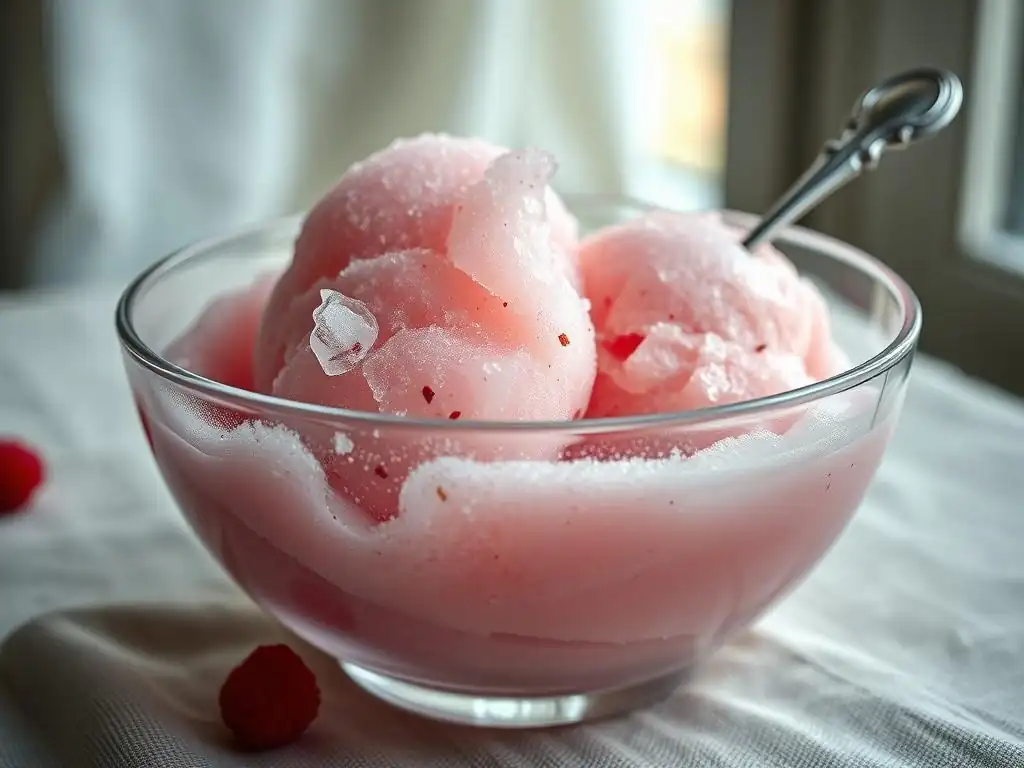
Welcome to BakeWithEase, your haven for baking brilliance! Ever wondered why your homemade sorbet ends up grainy instead of gloriously smooth? You're not alone! Dive into our guide, "Troubleshooting Grainy Sorbet: Get That Smooth Texture Back," and unlock the secrets to achieving that perfect, melt-in-your-mouth consistency. Ready to transform your icy treats? Let's explore the science and solutions together!
Grainy sorbet can be a real disappointment after putting in the effort to create a refreshing frozen treat. Instead of the smooth, melt-in-your-mouth experience you expect, you're met with an icy, gritty texture. Understanding why this happens is the first step to achieving that perfect, smooth texture every time and preventing future batches from turning grainy. Let's dive into the science and common culprits behind this frustrating issue.
- Understanding Grainy Sorbet: Why Does It Happen?
- Identifying Grainy Sorbet: Signs and Symptoms
- Solutions for Fixing Grainy Sorbet: Techniques and Tips
- Preventing Grainy Sorbet: Best Practices for a Perfect Texture
- Sorbet Troubleshooting: Advanced Techniques
- Achieving the Perfect Sorbet Texture: A Recap
- Frequently Asked Questions
- Final Reflection: The Pursuit of Perfect Sorbet
- Rediscover Smooth Sorbet Perfection!
Understanding Grainy Sorbet: Why Does It Happen?
At its core, sorbet is essentially a frozen mixture of fruit puree or juice, sugar, and water. Unlike ice cream, it contains no fat or dairy, which are natural stabilizers. This lack of fat means that the texture relies heavily on controlling the formation and size of ice crystals. When these crystals grow too large, the sorbet becomes grainy.
The Science Behind Sorbet Texture: Ice Crystals and Sugar
The texture of sorbet is primarily determined by the size of the ice crystals that form during the freezing process. Smaller ice crystals lead to a smoother, more desirable texture, while larger crystals result in that unpleasant grainy mouthfeel. Think of it like the difference between fine powder and coarse sand – you want the fine powder for a smooth sorbet.
Sugar plays a critical role in preventing large ice crystal formation. Sugar molecules interfere with the freezing process by lowering the freezing point of the mixture. This means the mixture stays liquid at lower temperatures for longer, allowing ice crystals less time to grow large. A well-balanced sorbet recipe typically has a sugar content that inhibits excessive ice growth, contributing significantly to a smooth texture. For instance, a Brix level (sugar concentration) between 20-30% is often considered ideal for many fruit sorbets to achieve that desirable smooth texture, although this can vary based on the fruit's natural sweetness.
Common Causes of Grainy Sorbet
Several factors can disrupt the delicate balance needed for smooth sorbet, leading to the formation of large, noticeable ice crystals. Understanding these common causes is crucial for both preventing and fixing grainy sorbet. Identifying the specific reason your sorbet turned out grainy will guide you toward the most effective solution.
Inadequate Sugar Content: A Key Factor in Sorbet Texture
As mentioned earlier, sugar is your best friend when it comes to preventing grainy sorbet. If your sorbet mixture doesn't have enough sugar relative to its water content, the freezing point won't be lowered sufficiently. This allows ice crystals to form and grow larger more easily during the freezing process, resulting in a coarse, grainy texture.
Consider a recipe for lemon sorbet. Lemons are very acidic and contain relatively little natural sugar compared to, say, mangoes. A lemon sorbet recipe might require a higher proportion of added sugar to achieve the correct balance and ensure a smooth texture, perhaps aiming for a sugar concentration closer to the upper end of the 25-30% range compared to a naturally sweet fruit like ripe mango, which might need less added sugar. Using too little sugar in that lemon sorbet would almost guarantee a grainy outcome.
Slow Freezing: Encouraging Large Ice Crystal Formation
The speed at which your sorbet freezes directly impacts the size of the ice crystals. Slow freezing gives water molecules more time to migrate and attach to existing ice crystals, causing them to grow larger. This is why churning sorbet in a properly functioning ice cream maker is so effective – it freezes the mixture rapidly while constantly agitating it, breaking up crystals as they form and promoting smaller, smoother ones.
Imagine freezing a sorbet base by simply pouring it into a container and placing it in a standard freezer without churning. The outer edges might freeze relatively quickly, but the center will take much longer. This slow freezing process in the core allows ice crystals ample time to grow large and interconnected, resulting in a very icy and grainy texture throughout the batch.
Temperature Fluctuations: The Enemy of Smooth Sorbet
Temperature fluctuations, particularly during storage, are a major culprit behind grainy sorbet. When sorbet partially thaws and then refreezes, the small ice crystals melt and then reform into larger ones. This process, known as recrystallization, progressively worsens the texture, making it more and more grainy over time.
This often happens when a container of sorbet is repeatedly taken out of the freezer, scooped from, and then returned. The brief exposure to warmer air causes the surface layer to soften slightly. When it goes back into the freezer, the melted ice refreezes, but the new crystals are larger than the original ones. Over several cycles, the sorbet can become noticeably icy and lose its smooth texture.
Improper Storage: Leading to Ice Crystal Growth
Even if you achieve a perfectly smooth texture during churning, improper storage can still ruin it. Storing sorbet in a container that isn't airtight or is too large allows air circulation and exposure to freezer burn, which is essentially dehydration caused by ice sublimating (turning directly from solid to gas). This sublimation and subsequent refreezing of water vapor can lead to larger ice crystals forming on the surface and throughout the sorbet.
Storing sorbet in a flimsy plastic container with a loose lid, for example, will expose the sorbet to fluctuating temperatures and air within the freezer. Contrast this with storing it in a heavy-duty, airtight container filled as close to the top as possible. The latter minimizes air space and protects the sorbet from the environmental stresses of the freezer, helping to maintain its smooth texture for longer.
Identifying Grainy Sorbet: Signs and Symptoms
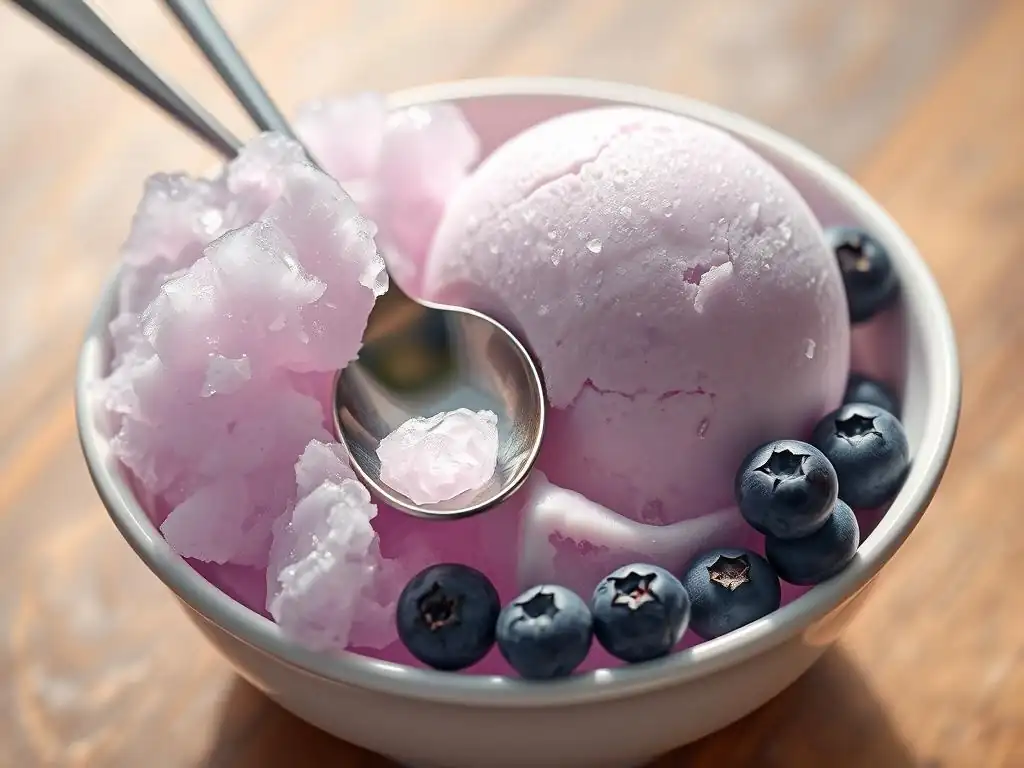
Recognizing when your sorbet has gone grainy is usually quite straightforward, but it helps to know exactly what to look for and feel for. It's more than just a general "icy" feeling; grainy sorbet has distinct characteristics.
Recognizing the Texture: More Than Just "Grainy"
When sorbet is grainy, the texture on your tongue feels rough, like fine sand or tiny ice pellets, rather than the smooth, creamy melt of properly made sorbet or ice cream. It lacks the luxurious, uniform consistency that indicates small ice crystals. This sensation is particularly noticeable as the sorbet begins to melt in your mouth.
A perfectly smooth sorbet feels almost like a solid block of flavored ice that melts into a smooth liquid without any discernible particles. Grainy sorbet, however, will feel like it's composed of many tiny, hard bits of ice that don't dissolve immediately but rather grate against your tongue before melting. This is the most definitive sign of a grainy sorbet texture.
Taste Test: A Tell-Tale Sign of Graininess
While the primary issue is texture, the taste can also be affected, albeit indirectly. The presence of large ice crystals means the flavor isn't delivered as smoothly or evenly as it is with a fine texture. The flavors might seem muted initially, followed by a rush as the large crystals finally melt.
More significantly, the experience of tasting grainy sorbet is dominated by the unpleasant texture. Instead of focusing on the bright fruit flavor, your attention is drawn to the gritty sensation. This can make even a delicious recipe seem less appealing. For example, a vibrant raspberry sorbet with a smooth texture allows the tart and sweet notes to shine, while a grainy version might make you focus more on the icy particles than the fruit itself.
Visual Inspection: Spotting Ice Crystals
Sometimes, you can actually see the large ice crystals in grainy sorbet. Look closely at the surface or scoop a small amount into a clear bowl. In smooth sorbet, the texture will appear uniform and perhaps slightly opaque depending on the recipe.
In grainy sorbet, you might be able to see tiny, reflective facets of ice, particularly on the surface or along the edges of a scoop. These visible crystals are a clear indication that the ice structure is larger than desired. While you might not see distinct crystals in every grainy batch, their presence is a definitive visual cue that the smooth texture has been compromised.
Solutions for Fixing Grainy Sorbet: Techniques and Tips
Don't despair if your sorbet turns out grainy! In many cases, a grainy sorbet can be salvaged or improved. There are several techniques you can employ to try and restore that desirable smooth texture.
Remelting and Re-churning: A Rescue Mission for Grainy Sorbet
One of the most effective ways to fix grainy sorbet is to melt it down and re-churn it. This process allows you to break up the large ice crystals that have formed and give the mixture a chance to freeze correctly with smaller crystals. It's like hitting the reset button on your sorbet's texture.
The Remelting Process: Gentle Heat for Best Results
To remelt grainy sorbet, transfer it to a saucepan or microwave-safe bowl. Heat it gently over low heat on the stovetop or in short bursts in the microwave, stirring frequently, until it is just liquid again. You want to avoid boiling the mixture, as this can affect the flavor and potentially break down fruit components. The goal is simply to return it to a liquid state so that the large ice crystals are completely dissolved. Once liquid, chill the mixture thoroughly in the refrigerator until it is very cold, ideally below 40°F (4°C), before proceeding to the next step.
Re-churning for Smoothness: The Importance of a Cold Bowl
After the mixture is fully chilled, pour it back into your ice cream maker. Ensure the ice cream maker bowl is properly frozen (if using a freezer bowl type) or the machine is ready to go. Churn the mixture according to your machine's instructions.
The churning process will rapidly freeze the liquid while simultaneously breaking up the newly forming ice crystals, promoting a smooth texture. For instance, a standard home ice cream maker might take 20-30 minutes to churn, during which the mixture should thicken and freeze into a soft-serve consistency with a much smoother texture than the original grainy sorbet.
Adding Stabilizers: Ensuring a Smooth Sorbet Every Time
To prevent grainy sorbet or to help a remelted batch stay smooth, you can incorporate stabilizers. These ingredients help control ice crystal growth and contribute to a smoother, more stable texture.
Using Alcohol: A Delicious Way to Prevent Graininess
A small amount of alcohol can significantly lower the freezing point of sorbet, making it harder for large ice crystals to form and keeping the sorbet softer and smoother. Think of classic recipes like limoncello sorbet or a raspberry sorbet with a splash of Chambord. The alcohol content, even if relatively low (say, 1-2% of the total volume), can make a noticeable difference in achieving a smooth texture.
However, be mindful of the amount. Too much alcohol can prevent the sorbet from freezing properly at all, turning it into a slushy mess rather than a scoopable dessert. A good starting point might be adding 1-2 tablespoons of a complementary liquor per quart of sorbet base before churning. For example, adding a tablespoon of Cointreau to an orange sorbet or a splash of rum to a tropical fruit sorbet can enhance both flavor and texture.
Adding Corn Syrup or Glucose: Controlling Ice Crystal Formation
Corn syrup or liquid glucose are excellent stabilizers because their complex sugar structures interfere with ice crystal formation more effectively than simple granulated sugar alone. Adding a tablespoon or two per quart of sorbet base can significantly improve the smooth texture and scoopability.
For example, substituting 1/4 cup of granulated sugar with 2-3 tablespoons of light corn syrup in a standard 4-cup sorbet recipe can help achieve a noticeably smoother result without making it overly sweet. These liquid sugars absorb moisture and help keep the sorbet softer and less prone to developing a grainy texture during storage.
Gelatin or Pectin: Natural Stabilizers for Sorbet
Natural gelling agents like gelatin or pectin can also be used to stabilize sorbet and prevent graininess. They work by creating a network that traps water molecules, making them less available to form large ice crystals.
Using gelatin requires blooming it in cold water and then dissolving it in a warm part of your sorbet base before chilling. A common ratio might be 1/2 to 1 teaspoon of unflavored gelatin per quart of sorbet base. Pectin, often used in jams and jellies, can also be incorporated, especially in fruit-based sorbets where it naturally occurs. Typically, a small amount of powdered pectin (follow package directions, often around 1 teaspoon per quart) is added to the sugar before being whisked into the fruit base and heated briefly. These stabilizers contribute to a smoother, less icy mouthfeel.
Adjusting Your Recipe: Preventing Graininess from the Start
The best way to avoid grainy sorbet is to get the recipe right from the beginning. Paying attention to key ingredients and ratios can make all the difference in achieving a smooth texture.
Sugar Ratios: Finding the Perfect Balance for Smooth Sorbet
The ratio of sugar to liquid (and fruit solids) is paramount for a smooth sorbet. Too little sugar, and you get hard, icy, grainy sorbet. Too much sugar, and it won't freeze properly, remaining too soft or syrupy. The ideal sugar concentration varies depending on the fruit's natural sweetness and acidity. A good rule of thumb is to aim for a sweetness level that is slightly too sweet when the base is liquid, as the cold temperature dulls sweetness.
A simple test is to use an egg: float a washed, raw egg in the sorbet base. If the egg floats with a quarter-sized amount of shell showing above the surface, the sugar concentration is likely sufficient for a smooth texture. If more shell shows, it's too sweet; if less or none shows, it needs more sugar. This isn't an exact science but provides a helpful guide, often indicating a sugar concentration in the effective 20-30% range for inhibiting ice growth and achieving a smooth texture.
Fruit Selection: Choosing the Right Fruits for Sorbet
Some fruits naturally lend themselves better to making smooth sorbet than others. Fruits with high water content but also natural pectin or pulp (like mango, peaches, bananas - though technically a berry, they work well for texture) tend to produce smoother results than watery, low-solids fruits (like watermelon or cucumber) unless additional sugar or stabilizers are used.
Fruits with high acidity (like lemons, limes, or very tart berries) often require more sugar to balance the tartness and lower the freezing point sufficiently for a smooth texture. For instance, a mango sorbet recipe might use less added sugar than a lemon sorbet recipe to achieve a similar level of sweetness and, importantly, the right sugar-to-water ratio for a smooth texture. Understanding the composition of your chosen fruit helps you adjust the recipe effectively from the outset.
Preventing Grainy Sorbet: Best Practices for a Perfect Texture
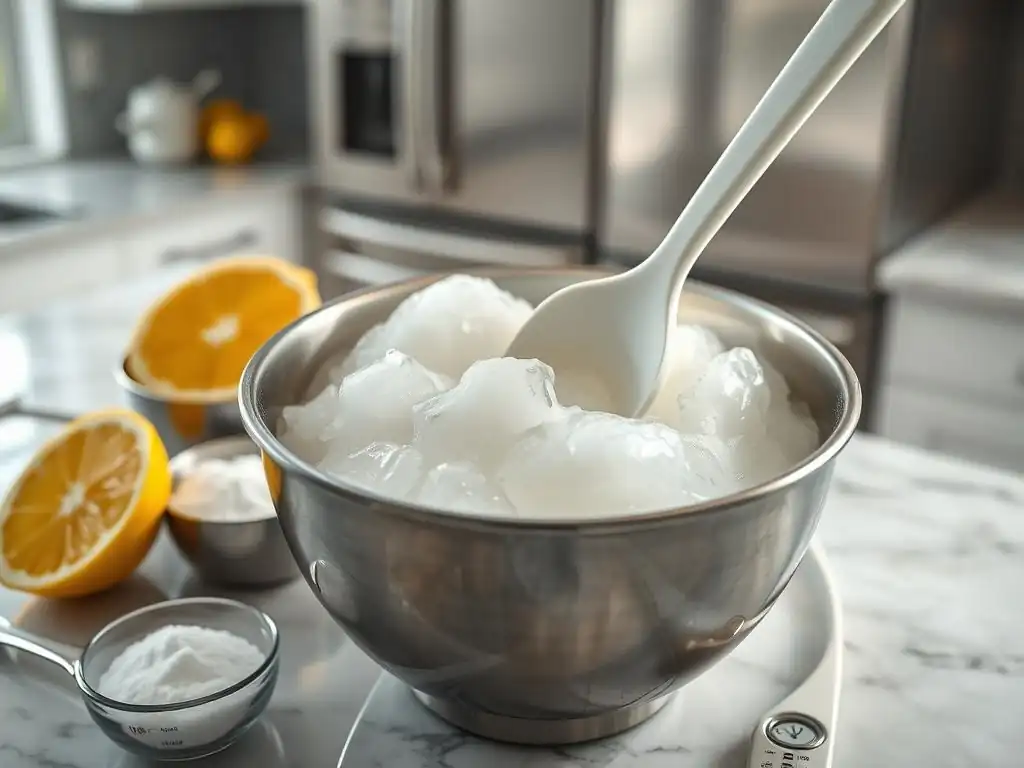
Prevention is often easier than fixing. By adopting best practices throughout the sorbet-making process, you can significantly reduce the chances of ending up with grainy sorbet and ensure a consistently smooth texture.
Rapid Freezing: Speeding Up the Process for Smaller Ice Crystals
Getting your sorbet base as cold as possible before churning is crucial for rapid freezing. The colder the base when it enters the ice cream maker, the faster it will freeze, leading to smaller ice crystals and a smoother texture. Chill your sorbet base in the refrigerator for at least 4 hours, or preferably overnight, until it is very cold, ideally between 35-40°F (1-4°C).
Once in the machine, ensure your ice cream maker is ready. If using a freezer bowl model, make sure the bowl has been frozen for the minimum recommended time, often 12-24 hours, to ensure it's cold enough. The faster the churning process can bring the mixture below freezing, the less time ice crystals have to grow large, thus securing a smooth texture from the start.
Proper Storage Techniques: Keeping Sorbet Smooth and Delicious
Even after achieving a beautiful smooth texture during churning, how you store your sorbet in the freezer is vital for maintaining that quality. Poor storage is a leading cause of grainy sorbet developing over time.
Airtight Containers: Protecting Sorbet from Freezer Burn
Always transfer your freshly churned sorbet to an airtight container immediately after churning. This minimizes exposure to air, which can cause freezer burn and contribute to ice crystal growth. Press plastic wrap directly onto the surface of the sorbet before putting the lid on the container for an extra layer of protection against air and moisture loss.
Glass or high-quality plastic containers with tight-fitting lids work best. Avoid using flimsy disposable containers. Filling the container as full as possible also helps reduce the amount of air trapped with the sorbet, further protecting its smooth texture from temperature fluctuations and sublimation that lead to grainy sorbet.
Maintaining a Consistent Freezer Temperature: Avoiding Fluctuations
Temperature stability in your freezer is key to preventing recrystallization and maintaining a smooth texture. Try to keep your freezer temperature consistent, ideally around 0°F (-18°C) or colder. Avoid frequently opening the freezer door for extended periods, as this allows warmer air to enter and causes temperature spikes.
Storing sorbet towards the back of the freezer, away from the door, where temperatures are generally more stable, can help preserve its smooth texture. If you have an automatic defrosting freezer, be aware that these cycles involve slight temperature increases to melt frost, which can subtly impact texture over very long storage times, though proper packaging minimizes this risk of developing grainy sorbet.
Choosing the Right Equipment: Ice Cream Maker Matters
The type and quality of your ice cream maker significantly impact the speed and efficiency of freezing and churning, which directly affects sorbet texture. A good ice cream maker freezes the mixture quickly while constantly agitating it.
Compressor ice cream makers, while more expensive, are excellent because they don't require pre-freezing a bowl and can churn batch after batch quickly, maintaining a consistent low temperature. This rapid freezing environment is ideal for producing sorbet with the smallest possible ice crystals and the smoothest texture. Freezer bowl models are also effective if the bowl is completely frozen and the base is well-chilled, providing a sufficiently cold surface for rapid freezing during churning.
Sorbet Troubleshooting: Advanced Techniques
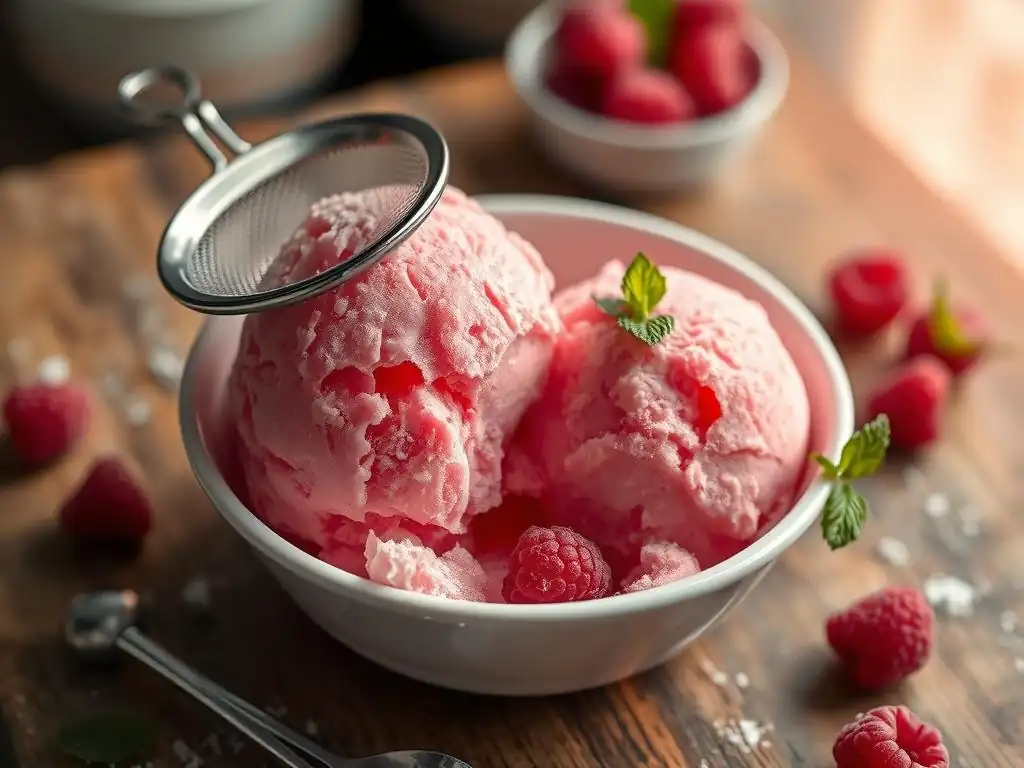
Beyond just fixing graininess, there are other common issues you might encounter when making sorbet. Knowing how to address these can elevate your sorbet-making skills.
Dealing with Overly Sweet Sorbet: Balancing the Flavors
Sometimes, in an effort to prevent grainy sorbet, you might overcompensate with sugar, resulting in a sorbet that's too sweet. If the sorbet hasn't been frozen yet, you can add a small amount of water or unsweetened fruit puree to dilute the sweetness. Adding a touch of acid, like lemon juice or lime juice, can also help balance excessive sweetness and brighten the flavor profile.
If the sorbet is already frozen and too sweet, you can try serving it alongside something tart, like fresh berries or a tart yogurt dollop, to create contrast. For future batches, slightly reduce the sugar or incorporate more naturally tart fruit into your base. Tasting the chilled base before churning is crucial – remember it should taste slightly too sweet when liquid.
Salvaging Sorbet That's Too Icy: Adding More Liquid or Sugar
If your sorbet is too hard and icy (which often goes hand-in-hand with graininess due to large ice crystals), it likely needs a lower freezing point. This can often be achieved by increasing the sugar content or adding a stabilizer like corn syrup or alcohol.
For an already frozen, overly icy batch, you can try the remelt and re-churn method mentioned earlier. When you remelt it, whisk in a little more sugar, corn syrup, or a small amount of alcohol (like 1-2 tablespoons per quart). Chill the mixture thoroughly again and re-churn. This adjustment to the sugar/solids ratio should result in a softer, smoother texture that is less prone to becoming grainy.
The Role of Acidity: Enhancing Flavor and Texture
Acidity is vital in sorbet for balancing sweetness and brightening fruit flavors. However, it also plays a subtle role in texture. While sugar lowers the freezing point, acidity can also affect the structure of fruit solids and water, influencing how ice crystals form.
For instance, lemon or lime juice is frequently added to berry or stone fruit sorbets not just for flavor balance but also to help create a smoother texture by interacting with the fruit's natural pectin. A well-balanced sorbet recipe considers the acidity of the fruit when determining the amount of added sugar and potential stabilizers needed to achieve that perfect smooth texture.
Achieving the Perfect Sorbet Texture: A Recap
Making beautiful, smooth sorbet is a rewarding experience. While grainy sorbet can be frustrating, understanding the science behind ice crystal formation and following best practices can help you achieve consistently excellent results. From balancing sugar ratios to ensuring rapid freezing and proper storage, every step contributes to that desirable smooth texture.
Key Takeaways: Preventing Grainy Sorbet for a Delicious Dessert
To consistently achieve a smooth texture and avoid grainy sorbet:
- Ensure adequate sugar content to lower the freezing point (aim for that slightly-too-sweet liquid base).
- Chill your sorbet base thoroughly before churning.
- Use a properly functioning ice cream maker and freeze the mixture rapidly.
- Consider adding stabilizers like corn syrup, alcohol, gelatin, or pectin if needed.
- Store sorbet in an airtight container, pressed with plastic wrap, in the coldest, most stable part of your freezer.
- Minimize temperature fluctuations during storage.
- If sorbet becomes grainy, try remelting and re-churning it with potential adjustments.
By keeping these points in mind, you'll be well on your way to mastering the art of making sorbet with a perfect smooth texture every time. Enjoy your delightful, icy creations!
Frequently Asked Questions
What causes sorbet to be grainy instead of smooth?
Grainy sorbet is typically caused by large ice crystals forming during the freezing process. This often happens due to a lack of sugar or stabilizers, or improper churning.
How does sugar content affect the texture of sorbet?
Sugar acts as a natural antifreeze in sorbet. A sufficient amount of sugar helps prevent the formation of large, undesirable ice crystals, resulting in a smoother texture.
What role do stabilizers play in achieving a smooth sorbet?
Stabilizers, like pectin or guar gum, help to bind water molecules and prevent ice crystal growth. This contributes significantly to the smoothness and consistency of the final sorbet.
What is the best way to churn sorbet for optimal texture?
Churning sorbet in an ice cream maker is crucial because it introduces air and breaks up ice crystals as they form. Consistent churning is key to achieving a smooth, scoopable texture.
Can I fix grainy sorbet after it's already frozen?
Yes, you can often fix grainy sorbet by melting it down, adding more sugar or stabilizer, and re-churning it. This process helps to reduce ice crystal size and improve the overall texture.
Final Reflection: The Pursuit of Perfect Sorbet
The quest for flawlessly smooth sorbet transcends mere culinary technique; it's a reflection of our desire for perfection in a world often characterized by imperfection. From the initial frustration of a grainy texture to the triumphant smoothness of a perfectly crafted dessert, the journey highlights the importance of attention to detail and the rewarding nature of perseverance. This isn't just about sorbet; it's about striving for excellence in any endeavor.
The subtle art of sorbet-making, with its delicate balance of ingredients and precise techniques, mirrors the complexities of life itself. The struggle to achieve that perfect texture resonates deeply, reminding us that even seemingly simple tasks can present unexpected challenges. As the renowned chef Julia Child once said, If you're afraid of butter, use cream.
This sentiment, while humorous, underscores the importance of embracing challenges and adapting our approach when faced with setbacks – much like adjusting our sorbet recipe when encountering graininess.
Now, consider your own "grainy sorbet" moments – those projects, relationships, or personal goals that haven't quite turned out as smoothly as planned. What adjustments can you make? What ingredients need refining? Don't be discouraged by initial imperfections; instead, embrace the opportunity to learn, adapt, and ultimately, achieve the smooth, satisfying result you desire. The pursuit of perfection is a journey, not a destination, and the lessons learned along the way are often the sweetest reward.
Rediscover Smooth Sorbet Perfection!
Thanks for taking the time to explore the world of perfectly smooth sorbet! We hope you gained valuable insights into troubleshooting those pesky grainy textures. Now, let's put that knowledge into action:
- Master the Art of Sorbet: Experiment with different fruit combinations and techniques to create your signature sorbet recipe. This is your chance to become a true sorbet artisan!
- Share Your Sorbet Success (or Struggles!): Post a picture of your sorbet creation on social media and tag us – we'd love to see your results!
- Explore Advanced Techniques: Dive deeper into the world of frozen desserts by researching different methods like using a PacoJet or experimenting with unique flavor pairings.
Ready to create the silkiest, smoothest sorbet you’ve ever tasted? What unexpected flavor combination will you try first?