
The Ultimate Guide to Baking Christmas Shortbread

Welcome to BakeWithEase!
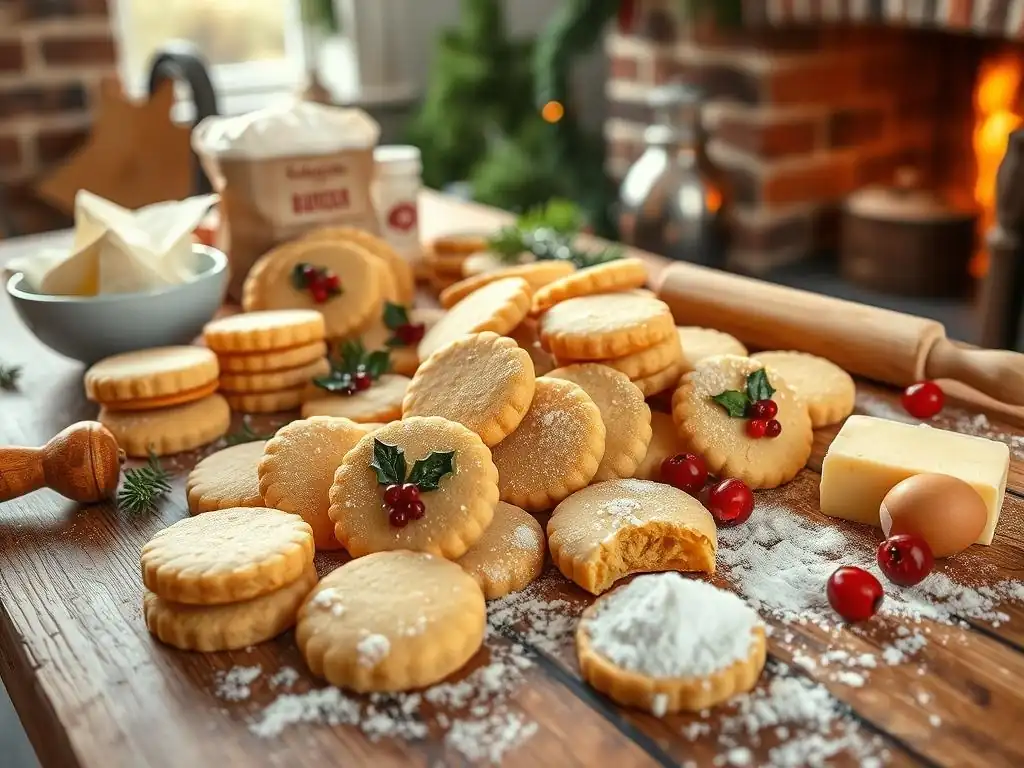
Are you dreaming of a perfectly crumbly, melt-in-your-mouth Christmas shortbread this holiday season? You've come to the right place! Dive into our ultimate guide and discover how simple it is to create this festive favorite. We'll walk you through each step, ensuring your shortbread is a holiday hit. Ready to unlock the secrets to baking bliss? Let's get started!
- Classic Scottish Shortbread Recipe: A Holiday Tradition
- A Timeless Treat: Mastering Scottish Shortbread
- What is Scottish Shortbread? A Rich and Buttery Biscuit
-
Simple Scottish Shortbread Recipe: A Step-by-Step Guide
- Gathering Your Ingredients: The Traditional Shortbread Recipe
- Equipment Needed for Baking Shortbread
- Step 1: Preparing the Dough - The Key to Buttery Perfection
- Step 2: Shaping Your Scottish Shortbread
- Step 3: Baking Your Scottish Shortbread to a Pale Golden Hue
- Step 4: Cooling and Cutting Your Scottish Shortbread
- Tips for Baking Perfect Scottish Shortbread
- Storing Your Scottish Shortbread: Preserving Freshness
- Variations on the Classic Scottish Shortbread Recipe
- Serving Suggestions for Your Homemade Scottish Shortbread
- Enjoy Your Delicious Scottish Shortbread!
-
Frequently Asked Questions
- What makes this Christmas shortbread recipe "easy"?
- Can I substitute ingredients in this Christmas shortbread recipe?
- How do I prevent my Christmas shortbread from being too dry?
- What are some variations I can make to this Christmas shortbread recipe?
- How should I store my baked Christmas shortbread to keep it fresh?
- Final Reflection: The Enduring Magic of Christmas Shortbread
- Unlock Your Inner Baker: Festive Shortbread Awaits!
Classic Scottish Shortbread Recipe: A Holiday Tradition
A Timeless Treat: Mastering Scottish Shortbread
Delving into the world of classic Scottish shortbread is like opening a buttery, sweet gift, especially during the festive season. This traditional biscuit, known for its rich flavor and crumbly texture, holds a special place in holiday baking traditions. Whether you're a novice baker or looking to perfect your technique, this guide will walk you through creating simple, delicious shortbread that embodies the spirit of Christmas. Mastering this easy Christmas shortbread recipe guide will not only fill your home with an irresistible aroma but also provide you with perfect treats for gifting or enjoying with a warm drink.
Scottish shortbread is remarkably simple, typically requiring only three key ingredients: butter, sugar, and flour. The magic lies in the quality of these ingredients and the technique used to combine them. Unlike many cookies, shortbread contains no leavening agent, relying solely on the butter content to create its tender, melt-in-your-mouth texture. This straightforward approach makes it an ideal candidate for an easy Christmas shortbread recipe guide, promising delicious results with minimal fuss, perfect for busy holiday schedules.
What is Scottish Shortbread? A Rich and Buttery Biscuit
Scottish shortbread is a type of biscuit (the British term for a cookie or cracker) that is traditionally made from one part white sugar, two parts butter, and three parts wheat flour. Its defining characteristics are its high butter content, dense texture, and rich, sweet flavor. Often baked in a round shape and cut into "petticoat tails," or simply cut into rectangular "fingers," it's a staple of Scottish cuisine and has become a beloved treat worldwide, particularly associated with holidays and celebrations.
The appeal of shortbread lies in its pure, unadulterated buttery goodness. It’s a simple pleasure that speaks to the quality of its core ingredients. The minimal list of components means that each one plays a crucial role in the final taste and texture. High-quality butter, in particular, is paramount to achieving that signature richness and crumbly texture that defines authentic Scottish shortbread, making this easy Christmas shortbread recipe guide a true celebration of simple, quality baking.
The History and Cultural Significance of Shortbread
The origins of shortbread can be traced back to medieval times in Scotland, evolving from a medieval biscuit bread that was enriched with butter after the baking of the main bread batch. Initially, it was likely made with leftover dough from bread making, enriched and sweetened. Over centuries, it transformed into the distinct biscuit we know today, becoming a luxury item due to its high butter content. Mary Queen of Scots is often credited with popularizing shortbread in the 16th century, reportedly favoring shortbread fingers flavored with caraway seeds.
Shortbread has deep roots in Scottish culture and tradition. Historically, it was considered a luxury and was often reserved for special occasions such as Christmas, Hogmanay (Scottish New Year), and weddings. It was customary for a dark-haired male to present a piece of shortbread to a household on Hogmanay as the "first foot" entering the home, symbolizing good fortune for the coming year. This rich history solidifies its place as a significant part of Scottish heritage and a cherished part of holiday celebrations, making an easy Christmas shortbread recipe guide a link to centuries of tradition.
Why Shortbread is a Beloved Holiday Biscuit
Shortbread's popularity during the holiday season, especially Christmas, stems from several factors. Firstly, its rich, comforting flavor and texture perfectly complement the cozy, festive atmosphere. The simple yet indulgent nature of shortbread makes it a perfect treat to enjoy by the fire with a cup of tea or coffee. Its traditional association with celebrations also naturally lends itself to holiday gatherings and gifting.
Furthermore, shortbread is incredibly durable and keeps well, making it an ideal biscuit for preparing in advance during the busy Christmas period. Its sturdy structure also makes it perfect for packaging and sending as gifts to friends and family. The ease with which it can be made, requiring minimal ingredients and straightforward techniques, reinforces its appeal as an easy Christmas shortbread recipe guide, allowing even novice bakers to produce impressive results for the holidays.
Simple Scottish Shortbread Recipe: A Step-by-Step Guide
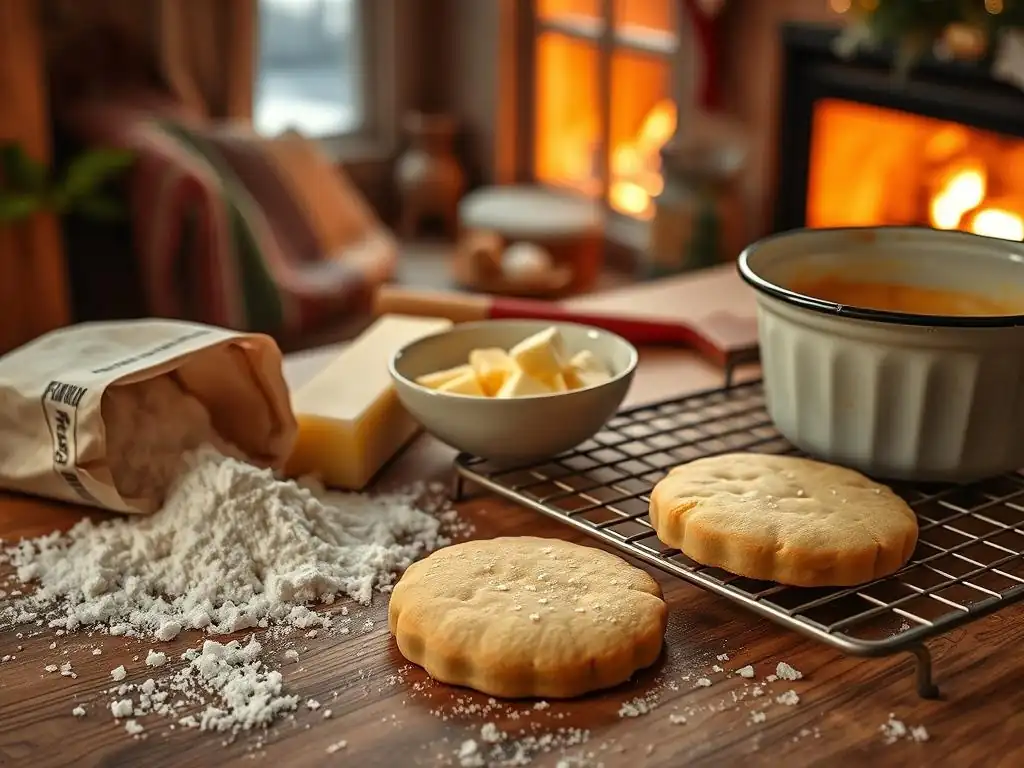
Creating classic Scottish shortbread is a rewarding process that yields delicious results. Follow this easy Christmas shortbread recipe guide to bake your own batch of buttery, crumbly goodness.
Gathering Your Ingredients: The Traditional Shortbread Recipe
The beauty of shortbread lies in its simplicity. High-quality ingredients are key here, as there are so few of them.
Essential Ingredients for Authentic Shortbread
- Unsalted butter:Crucial for flavor and texture. Use good quality butter.
- Caster sugar: Finer than granulated sugar, it helps achieve a smoother texture. Granulated can be used, but pulse it briefly in a food processor if possible.
- Plain (all-purpose) flour: The structure of the biscuit.
- A pinch of salt: Enhances the sweetness and overall flavor.
Typically, a classic ratio is 3 parts flour, 2 parts butter, and 1 part sugar by weight. For example, 300g flour, 200g butter, 100g sugar. This ratio is a great starting point for an easy Christmas shortbread recipe guide.
Optional Add-ins: Exploring Flavor Variations (e.g., Lavender, Sea Salt)
While the classic recipe is perfect on its own, you can introduce subtle variations.
- Lemon zest: Adds a bright, citrusy note. Use zest from about 1 lemon per standard batch.
- Vanilla extract: A classic flavor enhancer. A teaspoon usually suffices.
- Ground spices: Cinnamon, nutmeg, or cardamom can add warmth, especially for a Christmas shortbread.
- Finely chopped nuts: Adds crunch and flavor.
- Dried lavender buds: For a unique floral aroma (use sparingly).
- Flaky sea salt: Sprinkled on top before baking, it provides a delightful sweet and salty contrast.
These additions allow you to personalize your holiday shortbread guide while keeping the core recipe simple and easy.
Equipment Needed for Baking Shortbread
Having the right tools makes the baking process smoother and ensures better results.
Essential Tools for a Successful Baking Experience
- Large mixing bowl: For combining ingredients.
- Electric mixer (stand or hand) or wooden spoon: For creaming butter and sugar.
- Spatula: For scraping down the bowl and incorporating flour.
- Rolling pin (optional): If rolling out the dough.
- Shortbread mold or baking pan: A round pan, square pan, or even a baking sheet works. Traditional molds imprint patterns.
- Sharp knife or pastry wheel: For cutting shapes.
- Fork: For pricking the dough.
- Wire cooling rack: For cooling the baked shortbread.
- Kitchen scale: Highly recommended for accurate measurement, especially following the traditional ratio.
Using these simple tools ensures that your easy Christmas shortbread recipe guide experience is hassle-free and yields perfectly shaped and textured biscuits.
Step 1: Preparing the Dough - The Key to Buttery Perfection
The process of making shortbread dough is straightforward but requires attention to detail to achieve the desired texture.
Combining Butter and Sugar: Achieving a Smooth Texture
Start by creaming together the softened butter and the sugar in a large mixing bowl until the mixture is light and fluffy. This step is crucial for dissolving the sugar crystals and incorporating air, which contributes to the shortbread's tender crumb. Use an electric mixer on medium speed for about 3-5 minutes, or a wooden spoon and plenty of elbow grease until the mixture is pale yellow and creamy. Do not over-cream, as you don't want to incorporate too much air, which can make the shortbread spread excessively during baking.
Ensure your butter is properly softened before you begin. It should be pliable enough to easily indent with your finger but not melted or greasy. Cold butter will be difficult to cream, while overly soft or melted butter can lead to a greasy dough and a tougher biscuit. Achieving the right consistency at this stage sets the foundation for a perfect easy Christmas shortbread recipe guide result.
Incorporating Flour: Achieving a Tender, Melt-in-Your-Mouth Crumb
Gradually add the plain flour (and salt) to the creamed butter and sugar mixture. You can do this in two or three additions, mixing on a low speed or folding it in gently with a spatula or wooden spoon. Mix until just combined. The mixture will be crumbly at first, resembling coarse sand or fine breadcrumbs. The key is not to overwork the dough once the flour is added. Overworking develops the gluten in the flour, leading to a tough, hard biscuit rather than the desired tender, crumbly shortbread.
Continue mixing or bringing the dough together lightly until it just starts to clump and form a soft dough. You might need to use your hands towards the end to bring the last of the crumbs together. The dough should be soft and pliable, not sticky. This gentle handling is essential for that classic shortbread texture and is a critical tip for anyone following an easy Christmas shortbread recipe guide aiming for authentic results.
Adding Optional Flavors: Incorporating Lavender or Sea Salt
If you're adding optional flavorings like lemon zest, vanilla extract, ground spices, or finely chopped nuts, incorporate them after the butter and sugar are creamed but before adding the flour. Mix them in briefly until evenly distributed.
For ingredients like dried lavender or flaky sea salt, they are typically added differently. Finely crushed dried lavender buds can be added with the flour. Flaky sea salt is usually sprinkled on top of the shaped shortbread just before baking, creating a beautiful visual and a burst of flavor. Adding these elements at the right stage ensures they are properly distributed without negatively impacting the dough's texture, making your holiday shortbread guide truly customizable.
Step 2: Shaping Your Scottish Shortbread
Shaping shortbread is straightforward and can be done in traditional ways or with cookie cutters for a festive touch.
Pressing the Dough: Achieving an Even Thickness
Once your dough is ready, you can either press it directly into a greased shortbread mold or baking pan, or roll it out on a lightly floured surface. If pressing into a pan, ensure the dough is evenly distributed and pressed firmly to the edges and into any decorative patterns in the mold. Aim for a uniform thickness, typically about 1/2 inch to 3/4 inch (1.2 - 2 cm). An even thickness is important for uniform baking.
If rolling out, gently gather the dough into a disc, then roll it between two sheets of parchment paper to your desired thickness. This prevents sticking and makes transferring easier. Rolling out allows you to cut specific shapes, perfect for making festive Christmas shortbread shapes like stars, trees, or classic rounds. Whether pressing or rolling, handling the dough minimally is key to maintaining tenderness, a core principle in this easy Christmas shortbread recipe guide.
Cutting Shapes: Using a Knife or Traditional Mold
If using a round pan, the traditional Scottish method is to press the dough into the pan, then score it into 6, 8, or 12 wedges (petticoat tails) using a knife before baking. You can also use a square or rectangular pan and score it into "fingers."
If you rolled out the dough, use a sharp knife, pastry wheel, or cookie cutters to cut out your desired shapes. Carefully transfer the cut shapes to a baking sheet lined with parchment paper, leaving a small space between each biscuit. For a true easy Christmas shortbread recipe guide experience, simple squares or fingers cut directly in a pan are the most straightforward.
Pricking the Shortbread: Preventing Air Pockets
Before baking, gently prick the surface of the shortbread dough all over with a fork. This is a traditional step and serves a practical purpose: it allows steam to escape during baking, preventing the shortbread from puffing up unevenly or developing large air pockets.
For petticoat tails or fingers, prick each portion multiple times. For individual cutouts, prick each biscuit a few times. This simple step contributes to the even baking and classic appearance of the finished shortbread, ensuring your holiday shortbread guide results are visually appealing and perfectly textured.
Step 3: Baking Your Scottish Shortbread to a Pale Golden Hue
Shortbread is typically baked at a relatively low temperature to ensure it cooks through without browning too much, maintaining its pale color.
Oven Temperature and Baking Time: Achieving the Ideal Bake
Preheat your oven to a moderate temperature, typically around 300-325°F (150-160°C). The lower temperature allows the shortbread to bake slowly and evenly, preventing the edges from browning too quickly while the center remains raw. Baking time will vary depending on the thickness of your shortbread and your oven, but it generally takes between 30 to 50 minutes for larger pieces or pans, and 15-25 minutes for smaller cutouts.
The goal is to bake the shortbread until it is set and cooked through, with the edges just beginning to turn a very pale golden color. The center should still look pale but lose its raw doughy appearance. Over-baking will result in a hard, dry biscuit, while under-baking will leave it soft and crumbly in an undesirable way.
Monitoring the Shortbread: Ensuring a Lightly Golden Color
Keep a close eye on the shortbread as it bakes, especially towards the end of the suggested baking time. Ovens can vary, and shortbread can go from perfectly baked to overdone quite quickly. You are looking for a uniform pale color across the surface, with the very edges potentially showing a hint of light gold.
If you notice the edges browning too fast, you can loosely tent the shortbread with foil. The shortbread will firm up further as it cools. It's better to err slightly on the side of under-baking than over-baking to maintain that tender, crumbly texture. This careful monitoring is a key tip in any successful easy Christmas shortbread recipe guide.
Step 4: Cooling and Cutting Your Scottish Shortbread
Proper cooling is essential for shortbread to set and develop its final texture.
Cooling in the Pan: Maintaining Shape and Texture
Once baked, remove the shortbread from the oven and place the pan on a wire cooling rack. For shortbread baked in a pan or mold, it is crucial to cool it in the pan for at least 10-15 minutes. Shortbread is very fragile when hot, and attempting to remove it too soon can cause it to break apart.
Cooling in the pan allows the butter to solidify again as the temperature drops, helping the shortbread to firm up and maintain its shape. This is particularly important for shortbread baked as a whole round or in a large rectangle before cutting.
Cutting into Fingers or Triangles: Traditional Serving Styles
If you scored the shortbread before baking (into fingers or petticoat tails), it's best to re-cut along the score lines while the shortbread is still warm, shortly after removing it from the oven but after it has firmed up slightly in the pan. Use a sharp knife and cut gently to avoid crumbling.
If you baked individual shapes, ensure they are cool enough to handle before carefully transferring them from the baking sheet to a wire rack to cool completely. For pan-baked shortbread cut into pieces, let the pieces cool completely on the wire rack. Allowing the shortbread to cool completely is vital for achieving the correct crisp-yet-crumbly texture. This final step completes your easy Christmas shortbread recipe guide process.
Tips for Baking Perfect Scottish Shortbread
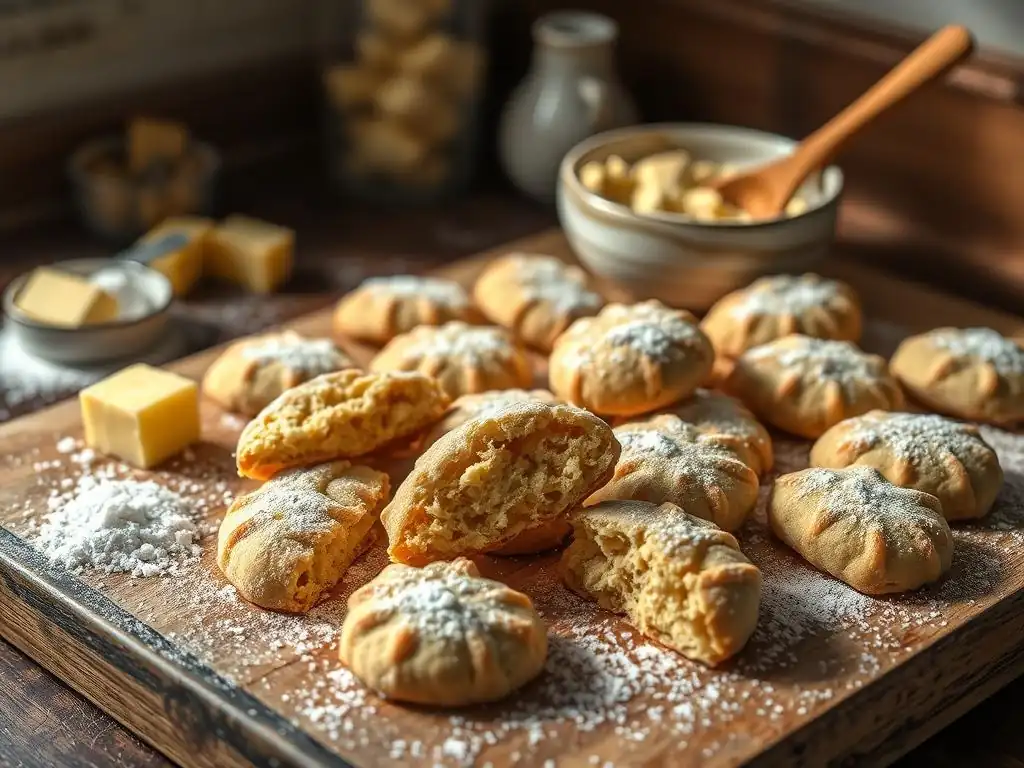
Achieving that perfect, classic shortbread texture is the goal. Here are some essential tips.
Achieving the Perfect Crumb: Secrets to a Tender Biscuit
The secret to a tender, crumbly shortbread lies primarily in the ingredients and technique. Firstly, use high-quality butter and ensure it is at the correct softened temperature, not melted. Secondly, the ratio of ingredients is crucial – the high butter content is what creates the crumbly texture. Using slightly more flour than butter (typically 3:2 ratio by weight) ensures structure, while the high fat content prevents a tough biscuit.
Thirdly, and perhaps most importantly, avoid overworking the dough once the flour is added. Mix only until the ingredients are just combined and the dough comes together. Over-mixing develops gluten, which results in a chewy or tough texture, the opposite of classic shortbread. Gentle handling preserves that delicate, crumbly structure desired in an easy Christmas shortbread recipe guide.
Preventing a Tough Shortbread: Working the Dough Minimally
As mentioned, minimizing dough handling is paramount. When combining the flour, mix on the lowest speed of your mixer or use a spatula to gently fold it in. Stop mixing as soon as the flour is incorporated and the dough starts to cling together.
If you need to bring the dough together with your hands, do so gently and only until it forms a cohesive mass. Avoid kneading the dough like bread dough. The less you manipulate the dough after the flour is added, the more tender your shortbread will be. This is a golden rule for any holiday shortbread guide aiming for authentic results.
Troubleshooting Common Shortbread Baking Issues
Even with a simple recipe, issues can arise. Here's how to tackle some common problems.
Shortbread Too Dry?
This usually happens if too much flour was used, or if the butter wasn't measured accurately (often due to using cold, hard butter). Ensure you measure flour accurately, ideally by weight using a kitchen scale. If using volume measurements (cups), spoon the flour lightly into the cup and level it off, don't scoop directly from the bag, which compacts the flour. If your dough feels too dry and crumbly to even come together, you might need to add a tiny bit more softened butter, a teaspoon at a time, until it forms a soft dough.
Shortbread Too Oily?
If your shortbread turns out greasy or oily, it could be because the butter was too soft or partially melted when creaming, or the dough became too warm before baking. Ensure your butter is just softened, not greasy. Chilling the shaped shortbread for at least 30 minutes in the refrigerator before baking can help the butter firm up, leading to less spread and a less oily texture.
Shortbread Spreading During Baking?
Excessive spreading is often due to the butter being too soft or melted, or the dough being too warm. Ensure butter is properly softened but not melted. Also, chilling the shaped dough for 30-60 minutes before baking is a highly effective way to prevent spreading. This allows the butter to firm up, helping the shortbread hold its shape better in the oven. Using slightly too little flour compared to butter can also contribute to spreading. Following the recommended ratios in this easy Christmas shortbread recipe guide helps prevent this.
Storing Your Scottish Shortbread: Preserving Freshness
Proper storage is key to keeping your homemade shortbread crisp and delicious for as long as possible.
Proper Storage Techniques: Maintaining Crispness and Flavor
Once completely cooled, store shortbread in an airtight container at room temperature. Layer the biscuits with parchment paper between layers to prevent them from sticking together, especially if they have a delicate crumb. Avoid storing shortbread in the refrigerator, as the humidity can soften the texture and dull the flavor.
For longer storage, shortbread freezes exceptionally well. Wrap individual pieces or stack them with parchment paper in a freezer-safe container or bag. Thaw at room temperature before serving. Storing properly ensures that your efforts following this easy Christmas shortbread recipe guide result in treats you can enjoy for days or weeks.
Shelf Life of Shortbread: How Long It Stays Delicious
When stored correctly in an airtight container at room temperature, homemade shortbread will maintain its quality and crispness for about 1 to 2 weeks. The high butter and sugar content act as natural preservatives.
If frozen, shortbread can last for up to 6 months. While still safe to eat after this time, the quality may begin to decline. Properly stored, your easy Christmas shortbread recipe guide creations will be a delightful treat long after the baking is done.
Variations on the Classic Scottish Shortbread Recipe
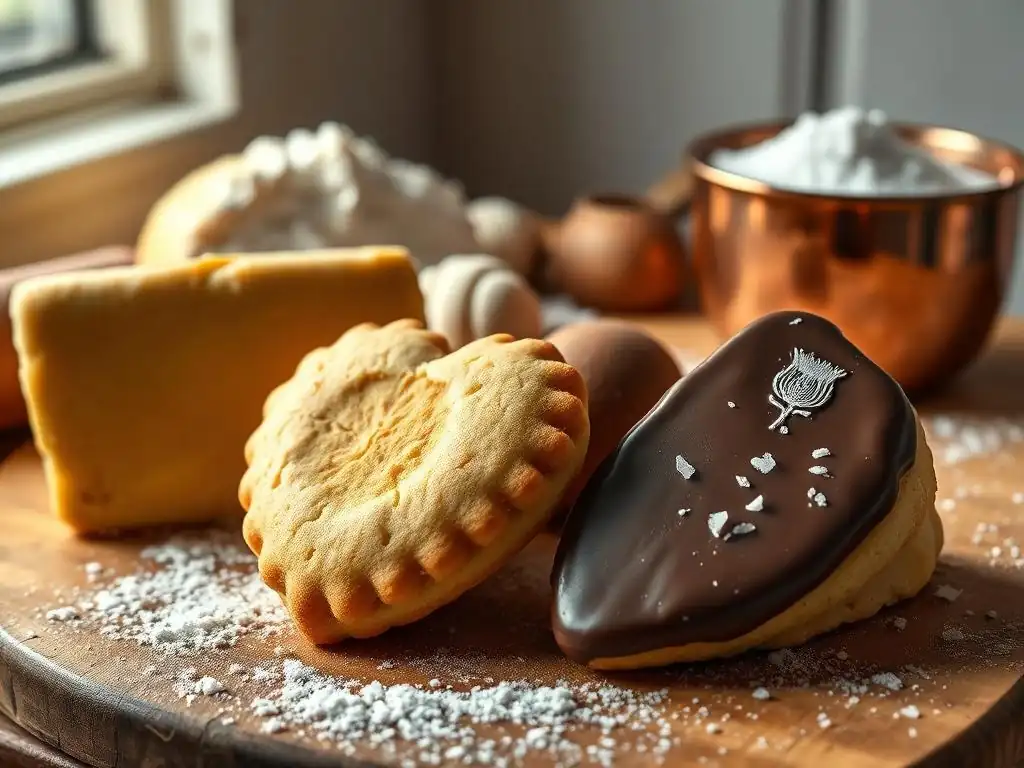
While the traditional recipe is perfect, exploring variations can add a fun twist to your holiday baking.
Chocolate Shortbread: A Rich and Decadent Variation
To make chocolate shortbread, you can replace a small amount of the plain flour with unsweetened cocoa powder, usually about 20-30g per 300g of flour. Ensure the cocoa powder is high quality for the best flavor. Sift the cocoa powder with the flour before adding it to the butter mixture. You can also add chocolate chips or finely chopped dark chocolate to the dough for extra indulgence. Bake as directed for the classic recipe. This variation adds a layer of richness perfect for a festive easy Christmas shortbread recipe guide.
Lemon Shortbread: Adding a Citrusy Zing
Lemon shortbread is wonderfully bright and fragrant. To make it, add the finely grated zest of one or two lemons to the creamed butter and sugar mixture. You can also add a few drops of pure lemon extract for a more intense flavor, but use sparingly as it can be potent. The lemon zest adds a refreshing counterpoint to the richness of the butter, making for a delightful holiday biscuit.
Whole Wheat Shortbread: A Healthier Alternative
For a slightly heartier biscuit, you can substitute a portion of the plain flour with whole wheat flour. Start by replacing about one-third to half of the plain flour with fine whole wheat flour. This will result in a slightly denser texture and a nutty flavor. You might need to adjust the liquid slightly or add a tiny bit more butter if the dough seems too dry, as whole wheat flour absorbs more liquid. This offers a twist on the classic easy Christmas shortbread recipe guide.
Serving Suggestions for Your Homemade Scottish Shortbread
Your delicious homemade shortbread deserves to be enjoyed to the fullest.
Pairing Shortbread with Beverages: Tea, Coffee, and Whisky
Shortbread is the quintessential accompaniment to a hot beverage. It pairs perfectly with a classic cup of tea, especially a robust black tea like Earl Grey or a traditional Scottish Breakfast blend. Its buttery richness also complements the depth of flavor in coffee. For a truly Scottish experience, enjoy a piece of shortbread with a dram of Scotch whisky – the flavors surprisingly harmonize beautifully. These pairings elevate the simple pleasure of this easy Christmas shortbread recipe guide.
Shortbread as a Gift: Packaging and Presentation Ideas
Homemade shortbread makes a thoughtful and delicious gift. Once completely cooled, stack pieces neatly in a decorative tin or box. You can layer them with parchment paper for protection. Tie the tin with a festive ribbon and add a handwritten tag. For individual pieces, you can wrap them in cellophane bags tied with ribbon. Consider using holiday-themed cookie cutters if you rolled out the dough for extra festive appeal. Beautifully packaged, your easy Christmas shortbread recipe guide creations become cherished holiday presents.
Enjoy Your Delicious Scottish Shortbread!
Baking Scottish shortbread, especially as part of your Christmas traditions, is a truly satisfying experience. From the simple act of creaming butter and sugar to the wonderful aroma filling your kitchen, it's a journey that ends with a delicious, comforting treat.
Don't hesitate to share your beautiful shortbread! Offer it to friends, family, or colleagues. It's a perfect addition to a holiday dessert platter or a comforting snack on a chilly afternoon. Making this easy Christmas shortbread recipe guide has equipped you to spread joy, one buttery biscuit at a time. Enjoy the process, savor the flavor, and celebrate the simple pleasure of homemade goodness.
Frequently Asked Questions
What makes this Christmas shortbread recipe "easy"?
This recipe emphasizes simple ingredients and straightforward steps, making it accessible even for beginner bakers. We focus on techniques that require minimal fuss and readily available ingredients.
Can I substitute ingredients in this Christmas shortbread recipe?
While substitutions are possible, altering the key ingredients like butter, sugar, and flour can affect the final texture. We recommend sticking to the recipe for the best results, especially the first time.
How do I prevent my Christmas shortbread from being too dry?
Overbaking is a common cause of dry shortbread. Ensure you follow the recommended baking time closely and watch for a light golden color around the edges. Avoid overmixing the dough.
What are some variations I can make to this Christmas shortbread recipe?
You can add flavorings like lemon zest, vanilla extract, or chopped nuts to the dough. Dipping the baked shortbread in chocolate or dusting it with powdered sugar are also popular variations.
How should I store my baked Christmas shortbread to keep it fresh?
Store your shortbread in an airtight container at room temperature. This will help maintain its crisp texture and prevent it from becoming stale. It can be stored for up to a week.
Final Reflection: The Enduring Magic of Christmas Shortbread
The simple act of baking Christmas shortbread transcends mere culinary creation; it's a powerful symbol of warmth, tradition, and the joy of shared moments. In a world increasingly dominated by fast-paced living and digital distractions, the deliberate process of measuring flour, creaming butter, and the comforting aroma of baking spices offers a much-needed antidote. This guide, focused on providing an easy and accessible recipe, aims to empower everyone to experience this magic, regardless of their baking expertise.
The enduring appeal of Christmas shortbread lies in its ability to connect us to generations past, evoking cherished memories and fostering a sense of belonging. It's a recipe passed down through families, a tradition whispered from grandmother to grandchild, a tangible link to the past. The best things in life are the simple things,
a sentiment perfectly embodied by this humble yet deeply satisfying treat. The act of sharing these buttery, melt-in-your-mouth biscuits amplifies this connection, creating lasting memories and strengthening bonds.
This Christmas, I invite you to embrace the simplicity and joy of baking your own shortbread. Don't be intimidated by the process; let this guide be your companion, your reassurance that even the most novice baker can create something truly special. More than just a recipe, it's an invitation to slow down, connect with your loved ones, and savor the magic of the season, one buttery bite at a time. Let the aroma fill your home, and let the warmth of the experience linger long after the last cookie is gone.
Unlock Your Inner Baker: Festive Shortbread Awaits!
Thanks for joining us on this delicious journey into the world of Christmas shortbread! We hope you've picked up some fantastic tips and tricks to create truly unforgettable treats this holiday season. Now it's time to put your new skills into action!
- Bake a batch of your own festive shortbread: Use the recipe and techniques you just learned, and let your creativity shine! Experiment with different flavors or add festive sprinkles – the possibilities are endless!
- Share your baking success: Post a picture of your masterpiece on social media and tag us – we'd love to see your creations!
- Discover more holiday baking inspiration: Explore other recipes on BakeWithEase.com to expand your festive baking repertoire.
What unique flavor twist will you add to your shortbread this year? Let us know in the comments below!