
Using Fresh Fruit in Frozen Desserts: Tips for Best Results

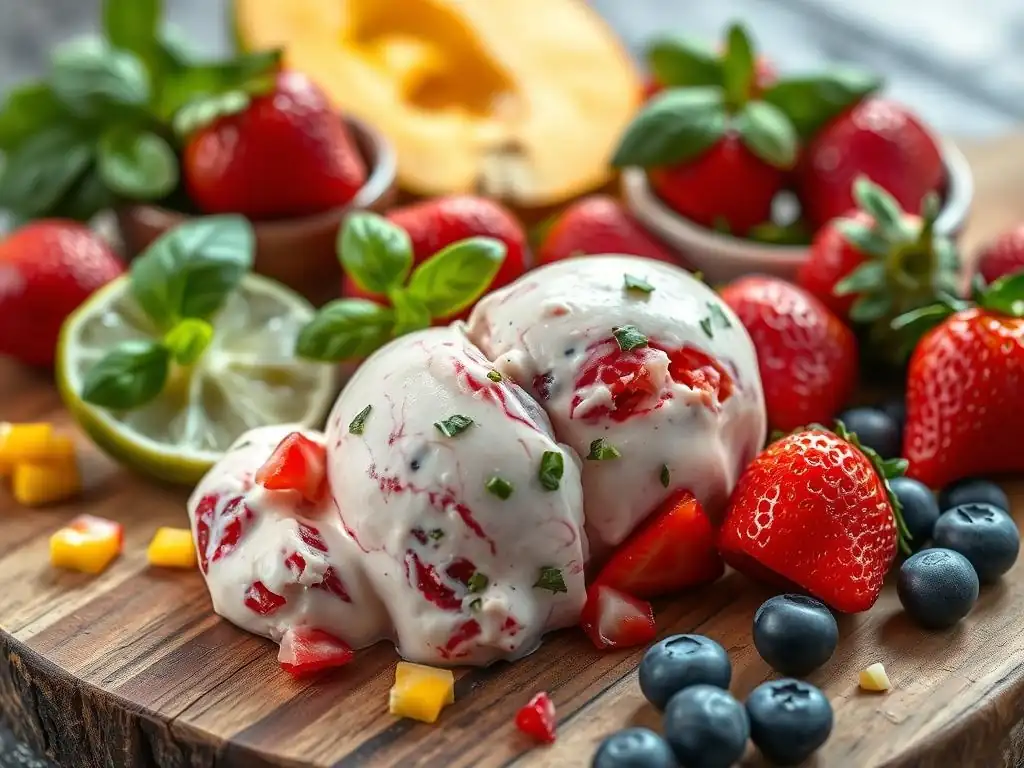
Welcome to BakeWithEase, your trusted companion on your baking journey! Ever wondered how to achieve perfectly textured and bursting-with-flavor frozen desserts using fresh fruit? Dive into our latest article to uncover the secrets to crafting delectable treats with our frozen dessert fruit recipes. Discover expert tips and tricks to avoid common pitfalls and unlock a world of refreshing, homemade delights. Let the baking adventures begin!
- Using Seasonal Fruit in Frozen Desserts: A Guide to Flavor and Texture
- The Art of Fruit-Infused Frozen Desserts
- The Benefits of Using Seasonal Fruit
- Choosing the Right Seasonal Fruit
- Preparing Fruit for Freezing
- Incorporating Fruit into Frozen Desserts
- Preventing Ice Crystals and Maintaining Texture
- Seasonal Fruit Profiles and Applications
- Recipe Ideas: Showcasing Seasonal Fruit
- Storing and Serving
- Troubleshooting Common Issues
- Embracing Seasonal Flavors
-
Frequently Asked Questions
- How does using fresh fruit impact the texture of frozen desserts?
- What types of fresh fruit work best in frozen dessert recipes?
- How should I prepare fresh fruit before adding it to my frozen dessert base?
- Can I use any type of frozen dessert recipe with fresh fruit?
- How do I adjust the sweetness of my frozen dessert when using fresh fruit?
- Final Reflection: The Sweetness of Freshness in Frozen Delights
- Unlock the Sweetness: Elevate Your Frozen Treats!
Using Seasonal Fruit in Frozen Desserts: A Guide to Flavor and Texture
The Art of Fruit-Infused Frozen Desserts
Creating delicious frozen desserts like ice cream, sorbet, and popsicles from scratch is a rewarding culinary adventure. When you introduce fresh fruit into these concoctions, you elevate the experience significantly. Fruit brings natural sweetness, vibrant color, and complex flavors that artificial ingredients simply can't replicate. It transforms simple frozen bases into dynamic, refreshing treats perfect for warm weather or any time you crave something cool and fruity.
Using fruit in frozen dessert fruit recipes also adds nutritional value, incorporating vitamins, fiber, and antioxidants. However, working with fresh fruit in a frozen medium presents unique challenges, such as maintaining texture, preventing ice crystals, and ensuring the fruit's flavor shines through the cold. Mastering these techniques allows you to unlock the full potential of nature's candy in your homemade frozen dessert fruit recipes.
The Benefits of Using Seasonal Fruit
Enhanced Flavor and Nutritional Value
Seasonal fruit, picked at its peak ripeness, offers unparalleled flavor intensity compared to fruit harvested prematurely and shipped long distances. When a strawberry is allowed to ripen fully on the vine in the sun, its natural sugars and complex aromatic compounds develop completely.
This results in a deeper, sweeter, and more nuanced taste that translates beautifully into frozen desserts, requiring less added sugar to achieve the desired sweetness. For instance, a perfectly ripe June strawberry might have a Brix level (a measure of sugar content) of 8-10 degrees or even higher, while an out-of-season berry picked green could be as low as 5-6, significantly impacting the final flavor of your frozen treat.
Beyond flavor, seasonal fruit often boasts a higher concentration of vitamins and antioxidants. The longer fruit spends on the plant maturing, the more nutrients it can accumulate. Transport and storage can degrade some sensitive nutrients like Vitamin C. For example, studies suggest that locally sourced, in-season produce can retain significantly more Vitamin C than produce that has traveled extensively and been stored for weeks. Incorporating these nutrient-rich fruits into your frozen dessert fruit recipes means you're not just making a treat, but one that also offers a little bit of natural goodness.
Supporting Local Farmers and Sustainable Practices
Choosing seasonal fruit often means sourcing it from local farmers, fostering a connection between your kitchen and your community. Buying locally supports small businesses and contributes to the local economy. For instance, purchasing fruit from a farmer's market means your money goes directly to the people who grew your food, helping to sustain agricultural traditions and livelihoods in your area. This practice also typically involves shorter supply chains, reducing the carbon footprint associated with transporting food over long distances.
Furthermore, seasonal and local sourcing often aligns with more sustainable farming practices. Farmers focused on local markets may be more inclined to use methods that benefit the local ecosystem, such as reduced pesticide use or cover cropping, as they are directly impacted by the health of the land and water. Using fruit from these sources in your frozen dessert fruit recipes is a small but meaningful way to participate in a more environmentally conscious food system.
Choosing the Right Seasonal Fruit
Understanding Peak Seasons for Optimal Flavor
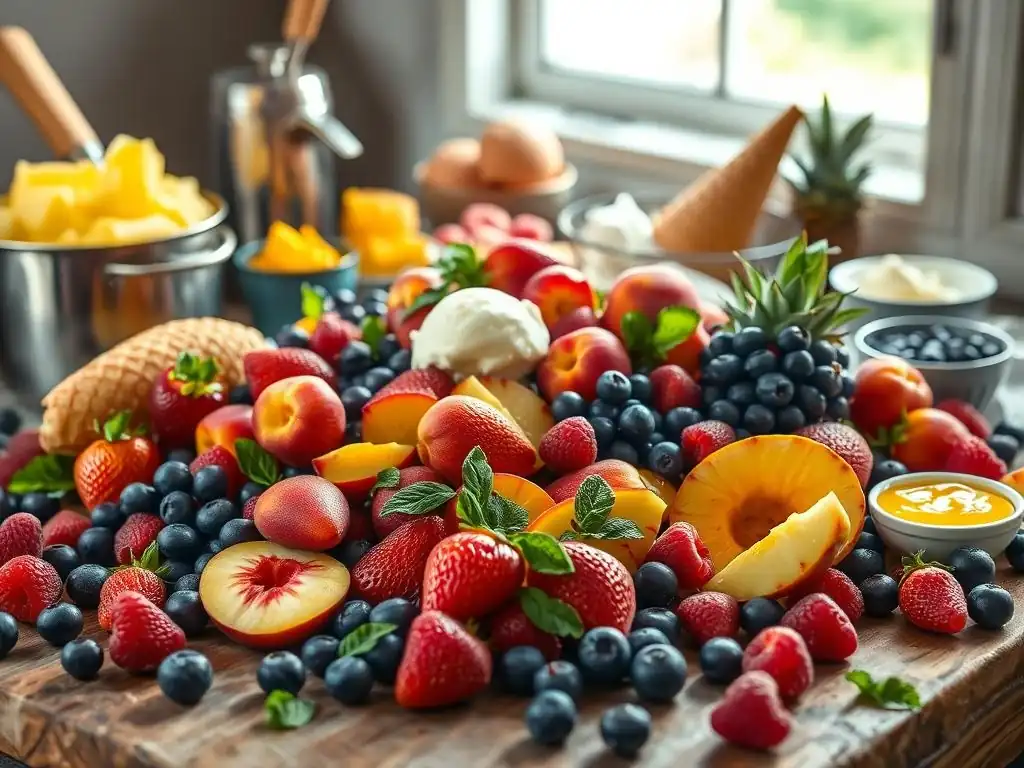
Knowing when different fruits are naturally in season is key to getting the best flavor for your frozen desserts. Peak season varies significantly by region and climate. For example, strawberries are typically at their best in late spring and early summer in many temperate zones, while peaches shine in mid-to-late summer, and apples come into their prime in the fall. Using fruit when it's naturally abundant ensures you're getting the most flavorful product possible, as it's been harvested at its peak ripeness.
To find out peak seasons for your specific location, consult local agricultural extension offices, farmer's market guides, or online resources dedicated to regional produce calendars. For instance, if you live in the Northeastern United States, you'll find blueberries are abundant from July through August, making this the ideal time for blueberry-focused frozen dessert fruit recipes. Using fruit during its natural season not only guarantees superior taste but can also be more cost-effective due to increased supply.
Selecting Ripe and High-Quality Fruit
Once you know what's in season, the next step is selecting the best individual pieces of fruit. Ripe fruit is crucial for frozen desserts because its natural sweetness and aroma are fully developed. Look for fruit that is vibrant in color, feels heavy for its size, and smells fragrant. Avoid fruit that is bruised, overly soft, or has mold spots, as these can negatively impact flavor and texture, even after freezing.
For example, when selecting peaches for a sorbet, choose ones that have a rich, golden color with hints of red, yield slightly to gentle pressure near the stem, and have a sweet, peachy aroma. Hard, green peaches lack the necessary sugar and flavor compounds. Similarly, ripe berries should be plump, evenly colored, and easily release from their stems. Taking the time to select high-quality, ripe fruit is perhaps the most important step in creating exceptional frozen dessert fruit recipes.
Preparing Fruit for Freezing
Proper Washing and Handling Techniques
Before using any fruit in your frozen dessert fruit recipes, thorough washing is essential to remove dirt, pesticides, and potential bacteria. Gently rinse fruit under cool running water. For berries or delicate fruits, place them in a colander and rinse carefully, avoiding soaking, which can cause them to absorb too much water and become mushy. For fruits with firmer skins like apples or peaches, you can use a vegetable brush to lightly scrub the surface.
After washing, it's crucial to dry the fruit thoroughly. Excess water on the surface can lead to ice crystals forming when the fruit is frozen, negatively impacting the texture of your final frozen dessert. Pat the fruit dry with a clean cloth or paper towel, or spread it out in a single layer on a tray lined with paper towels to air dry completely. Proper handling also means working quickly and cleanly to minimize the time the fruit spends at room temperature, especially for delicate or cut pieces.
Cutting and Pre-Freezing for Best Results
How you cut your fruit depends on how you plan to use it in your frozen dessert fruit recipes – whether it will be pureed, chopped, or swirled. Uniformity in size is important if you are incorporating chunks. Remove any pits, cores, or tough skins as required. For instance, peaches and plums should be pitted and often peeled, while berries can usually be used whole or lightly crushed.
Pre-freezing, also known as flash freezing, is a critical step for many frozen dessert applications, particularly if you want to incorporate fruit pieces without them clumping together. Spread the prepared fruit pieces in a single layer on a baking sheet lined with parchment paper or a silicone mat. Place the tray in the freezer until the fruit is solid, typically 1-2 hours depending on the size.
Once frozen, transfer the pieces to a freezer-safe bag or container. This prevents the fruit from freezing into a solid block and makes it easy to add just the right amount to your base mixture later.
Incorporating Fruit into Frozen Desserts
Pureeing vs. Chopping: Choosing the Right Method
The method you choose to incorporate fruit into your frozen dessert fruit recipes – pureeing or chopping – depends on the desired texture and visual appeal. Pureeing the fruit creates a smooth, consistent flavor throughout the dessert and is ideal for sorbets, smooth ice creams, or bases where you want the fruit flavor to be fully integrated without distinct pieces. For example, a vibrant raspberry sorbet is typically made from a smooth raspberry puree blended with a sugar syrup.
Chopping the fruit allows you to have distinct pieces of fruit within the frozen dessert, adding textural contrast and bursts of intense flavor. This works well in ice creams where you want chunks of fruit, like strawberry ice cream with real strawberry pieces. If you choose to chop, remember to pre-freeze the pieces to prevent them from sinking to the bottom of the mixture during churning or freezing and to minimize ice crystal formation around the fruit itself.
Adjusting Sugar Levels for Optimal Sweetness
Fruit contains natural sugars, and the amount varies greatly depending on the type of fruit and its ripeness. When creating frozen dessert fruit recipes, you'll need to adjust the amount of added sugar in your base mixture to account for the fruit's sweetness. Taste your fruit before adding it to the recipe. If it's very sweet, you may need significantly less added sugar than if you were using a less sweet variety or one that isn't fully ripe.
Sugar plays a vital role in the texture of frozen desserts, acting as an antifreeze that helps keep the mixture scoopable and smooth by lowering the freezing point. Too little sugar can result in a hard, icy product, while too much can make it overly soft and cloyingly sweet.
A good starting point might be to reduce the standard sugar content in a base recipe by 10-20% when adding sweet fruit puree, then taste and adjust. For example, if a standard vanilla ice cream base uses 200g of sugar, a strawberry version might start with 160-180g, depending on the sweetness of the strawberries.
Adding Acid to Enhance Flavor and Prevent Browning
Acid is a secret weapon when working with fruit in frozen dessert fruit recipes. A touch of acid, often in the form of lemon juice, lime juice, or a splash of vinegar, can brighten the fruit's flavor, making it taste more vibrant and less flat, especially in frozen applications where cold temperatures can dull flavors. Acid also helps balance the sweetness, creating a more complex and refreshing taste profile.
Furthermore, acid is crucial for preventing enzymatic browning in fruits like apples, pears, peaches, and bananas when exposed to air. While less critical once frozen solid, adding a little acid to your fruit preparation (like tossing sliced apples with lemon juice before baking for an ice cream inclusion) or directly into your frozen dessert base can help maintain the fruit's natural color. For instance, adding a teaspoon or two of lemon juice to a peach puree before incorporating it into sorbet can help keep that beautiful peachy hue and prevent it from turning brown.
Preventing Ice Crystals and Maintaining Texture
The Role of Fat and Sugar in Texture
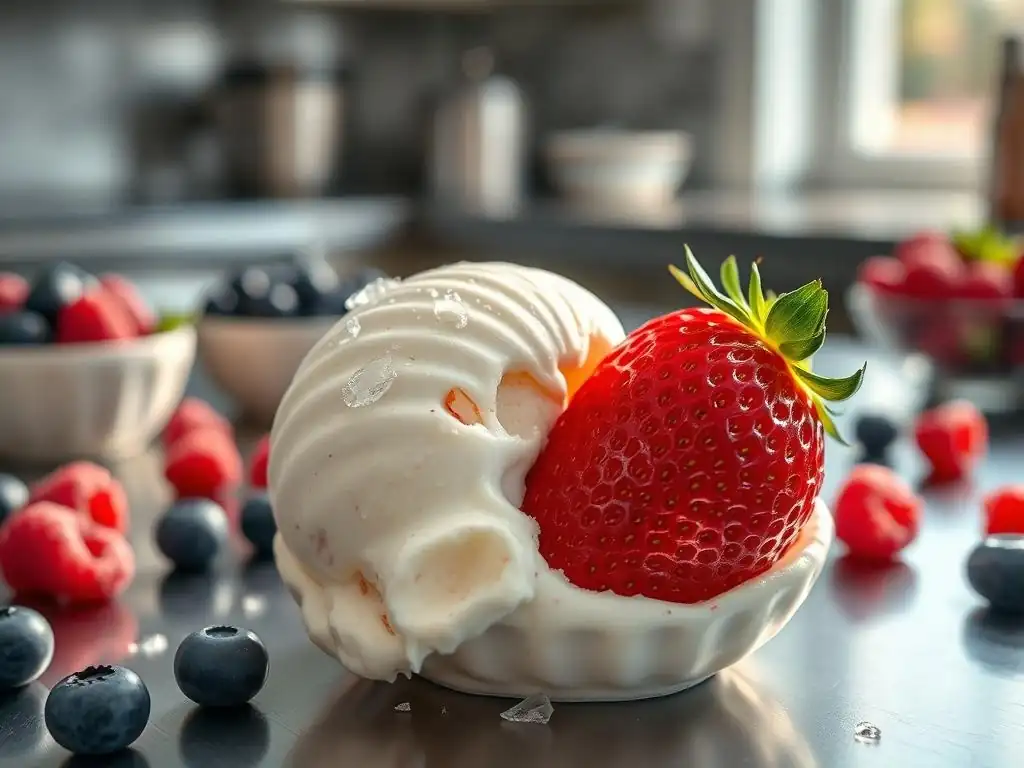
Fat and sugar are key players in achieving a smooth, creamy texture in frozen dessert fruit recipes, particularly ice cream. Fat, typically from cream or milk, interferes with the formation of large ice crystals, resulting in a smoother mouthfeel. Higher fat content generally leads to a creamier ice cream. Sugar also lowers the freezing point of the mixture and inhibits crystal growth, contributing to a softer, more scoopable texture.
When adding fruit, especially fruit purees which are primarily water, you are introducing more liquid into the mix, which can promote ice crystal formation. To counteract this, ensure your base recipe has adequate fat and sugar levels. For example, a standard ice cream base with a butterfat content of 14-16% and a sugar content around 15-20% will be much more resistant to iciness than a lower-fat, lower-sugar version, even with added fruit. Balancing the moisture from the fruit with sufficient fat and sugar in your base is crucial.
Using Stabilizers for a Creamy Consistency
Stabilizers are ingredients added in small amounts to frozen desserts to improve texture, prevent ice crystals, and increase melt resistance. Common stabilizers used in homemade frozen dessert fruit recipes include egg yolks (which also add richness), cornstarch, tapioca starch, gelatin, or commercial ice cream stabilizers like guar gum or xanthan gum. These ingredients work by binding water, preventing it from forming large ice crystals during the freezing process.
While not strictly necessary for all recipes, especially those with high fat and sugar content, stabilizers can be particularly helpful when working with high-moisture fruits or aiming for a very smooth texture. For instance, using a small amount of cornstarch cooked into the base or incorporating egg yolks (as in a custard base) can significantly improve the texture of a fruit-heavy ice cream or sorbet, resulting in a creamier, less icy product. Typically, stabilizers like guar gum are used at very low percentages, often less than 0.5% of the total weight.
Incorporating Alcohol for a Smoother Texture
A lesser-known trick for achieving a smoother texture in frozen dessert fruit recipes, especially sorbets, is adding a small amount of alcohol. Like sugar, alcohol lowers the freezing point of the mixture, making it harder for large ice crystals to form. This results in a softer, more scoopable sorbet or ice cream. However, use alcohol sparingly, as too much can prevent the dessert from freezing properly.
A tablespoon or two of a spirit that pairs well with the fruit can make a noticeable difference. For example, a splash of Grand Marnier in orange sorbet, a bit of rum with tropical fruits, or a dash of kirsch in cherry ice cream not only adds flavor but also improves texture. A typical ratio might be adding 1-2 tablespoons of alcohol per quart of frozen dessert base. Experiment to find the right balance of flavor and texture enhancement without preventing freezing.
Seasonal Fruit Profiles and Applications
Berries: Strawberries, Blueberries, and Raspberries
Berries are perhaps the most popular fruits for frozen dessert fruit recipes due to their vibrant color, intense flavor, and relatively soft texture when frozen. Strawberries offer classic sweetness, blueberries provide a deeper, slightly tart note, and raspberries deliver a bright, tangy punch. They work wonderfully in ice creams, sorbets, popsicles, and frozen yogurts.
When using berries, particularly raspberries and blackberries, you might consider straining the puree to remove seeds for a smoother texture, depending on your preference. For berry ice cream, a common approach is to puree a portion of the berries and swirl in chunks of pre-frozen whole or sliced berries for both integrated flavor and textural contrast. A simple strawberry sorbet can be made from just pureed strawberries, sugar, and a touch of lemon juice.
Stone Fruits: Peaches, Plums, and Cherries
Stone fruits bring lush, juicy flavors to frozen desserts, particularly in the summer months. Peaches are wonderfully sweet and aromatic, plums offer a range from sweet to tart, and cherries provide a rich, slightly almond-like depth. These fruits are excellent for sorbets, cobbler-inspired ice creams, and frozen yogurt.
Proper preparation is key for stone fruits: they must be pitted, and often peeled (especially peaches and some plums) as the skins can become tough and unappealing when frozen. For a spiced peach sorbet, you might roast the peaches first to concentrate their flavors before pureeing. Cherries can be pitted and halved before being added to an ice cream base or used in a sorbet. A typical yield might be needing about 1 pound of pitted peaches for every quart of sorbet base.
Tropical Fruits: Mangoes, Pineapples, and Bananas
Tropical fruits offer exotic, intensely sweet, and sometimes tangy flavors perfect for bright, refreshing frozen dessert fruit recipes. Mangoes are incredibly creamy and sweet, pineapples provide a tangy sweetness, and bananas offer a unique creaminess that makes them a fantastic base for dairy-free "nice cream."
Mangoes and bananas puree beautifully, creating very smooth textures. Frozen banana chunks blended on their own create a surprisingly creamy, soft-serve-like dessert without any dairy. Pineapple, while high in water, makes for a wonderfully tangy sorbet. Be mindful that pineapple contains enzymes that can curdle dairy if not heated first, so it's best suited for sorbets or bases where the pineapple is cooked briefly before chilling and churning.
Melons: Watermelon, Cantaloupe, and Honeydew
Melons are incredibly refreshing and hydrating, making them ideal for light, palate-cleansing frozen dessert fruit recipes, primarily sorbets and popsicles. Watermelon is sweet and juicy, cantaloupe offers a mild, musky sweetness, and honeydew is subtly sweet and refreshing.
Due to their very high water content (watermelon is over 90% water), melons are prone to forming ice crystals. They work best in sorbets with adequate sugar and potentially a touch of alcohol or stabilizer to ensure a smoother texture. Remove all seeds and rind before pureeing the flesh. A popular choice is a simple watermelon sorbet, often enhanced with mint or lime juice for extra brightness. You'll need a good amount of melon flesh – perhaps 3-4 cups of pureed melon for a quart of sorbet base – to get sufficient flavor.
Recipe Ideas: Showcasing Seasonal Fruit
Summer Berry Swirl Ice Cream
Imagine creamy vanilla ice cream swirled with a vibrant, slightly tangy puree of peak-season mixed berries – strawberries, blueberries, and raspberries. This recipe would involve making a rich ice cream base, chilling it, churning it, and then gently swirling in a prepared berry sauce (made by cooking down berries with a little sugar and lemon juice, then cooling) during the final stages of churning or as you layer it into the freezing container. The contrast between the smooth ice cream and the fruity swirl is delightful.
Spiced Peach Sorbet
This sorbet captures the essence of late summer peaches. Roasting or gently cooking ripe peaches with warming spices like cinnamon, ginger, or a hint of cardamom concentrates their flavor and softens them for easy pureeing. The spiced peach puree is then blended with a simple sugar syrup and a splash of lemon juice before chilling and churning into a refreshing, dairy-free frozen treat. The spices complement the natural sweetness of the peaches beautifully.
Creamy Mango Lassi Popsicles
Inspired by the popular Indian drink, these popsicles blend ripe mango puree with yogurt (dairy or non-dairy) and a touch of sugar or honey. The natural creaminess of the mango, combined with the yogurt, creates a wonderfully smooth texture for a popsicle. A hint of cardamom or a splash of lime juice can be added to brighten the flavor. These are simple to make – just blend the ingredients and pour into popsicle molds for a healthy and delicious frozen snack.
Storing and Serving
Best Practices for Freezing and Thawing
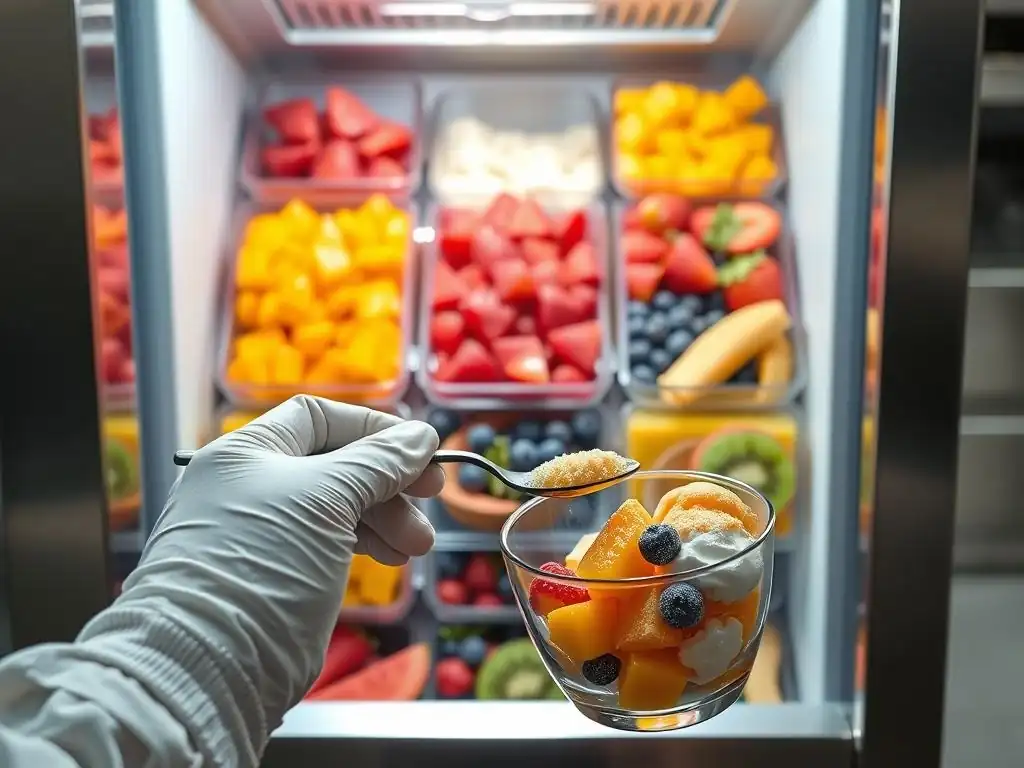
Proper storage is crucial to maintain the quality and texture of your homemade frozen dessert fruit recipes. After churning, transfer the dessert to a freezer-safe airtight container. Press plastic wrap directly onto the surface of the dessert before putting on the lid to minimize contact with air, which helps prevent the formation of ice crystals and freezer burn. Freeze for several hours until firm, ideally overnight.
When serving, especially if the dessert is very hard, allow it to sit at room temperature for 5-15 minutes to soften slightly. Avoid repeatedly freezing and thawing your frozen desserts, as this degrades the texture and can lead to significant ice crystal growth. If a dessert has thawed significantly, it's best not to refreeze it. Most homemade frozen desserts with fruit are best consumed within 1-2 weeks for optimal texture and flavor.
Garnishing and Pairing Suggestions
Serving your frozen dessert fruit recipes with thoughtful garnishes and pairings can elevate the experience. A scoop of berry ice cream can be topped with fresh berries, a sprig of mint, or a drizzle of berry sauce. Peach sorbet pairs beautifully with a few fresh peach slices and a delicate cookie like a shortbread. Mango popsicles can be served simply or with a sprinkle of toasted coconut.
Consider pairings that offer textural contrast or complementary flavors. Serving sorbet alongside a rich panna cotta, or ice cream with a warm slice of pie or crumble, creates a delightful hot-and-cold, creamy-and-crisp combination. Think about the flavor profile of the fruit and choose garnishes or pairings that enhance, rather than overpower, its natural taste.
Troubleshooting Common Issues
Preventing Ice Crystals and a Grainy Texture
One of the most common challenges in frozen dessert fruit recipes is preventing ice crystals, which result in a hard, grainy, or icy texture. This often happens due to too much water, not enough sugar or fat, slow freezing, or fluctuating freezer temperatures. To minimize iciness, ensure your base has sufficient sugar and fat (for ice cream). Use ripe fruit, which tends to have more sugar and less free water.
Churn your mixture in a properly functioning ice cream maker according to the manufacturer's instructions; faster freezing during churning leads to smaller crystals. After churning, freeze the dessert quickly in the coldest part of your freezer. Using stabilizers or a small amount of alcohol (as discussed earlier) can also help. If your dessert does develop some ice crystals, you can sometimes re-churn it if it's not frozen solid, though this may incorporate more air.
Addressing Fruit Discoloration
Some fruits, particularly apples, pears, peaches, and bananas, are prone to browning when exposed to air due to oxidation. While freezing slows this process significantly, fruit pieces can sometimes discolor during preparation or if the dessert partially thaws. To prevent this, treat cut fruit with a small amount of acid, such as tossing with lemon or lime juice, before incorporating it or freezing it.
Using bright, fully ripe fruit also helps, as its natural color is more intense. If pureeing, work quickly to minimize air exposure. While some slight discoloration might occur, particularly with very sensitive fruits, proper handling and the addition of acid can largely mitigate this issue in your frozen dessert fruit recipes.
Ensuring Even Distribution of Fruit
If you're adding chunks or pieces of fruit to your frozen dessert, especially ice cream, you want them to be evenly distributed throughout, not all sunk to the bottom. The primary way to achieve this is by pre-freezing the fruit pieces until solid before adding them. This makes the fruit cold and firm, less likely to sink in the cold, semi-frozen mixture from the churner.
Add the pre-frozen fruit towards the end of the churning cycle, just before the mixture becomes too thick to incorporate them easily. If adding fruit after churning, fold it in quickly and evenly before transferring the mixture to the freezer. For layered desserts or popsicles, distribute the fruit pieces as you fill the molds or containers.
Embracing Seasonal Flavors
The Creativity of Seasonal Fruit Combinations
Working with seasonal fruit opens up a world of creative possibilities for your frozen dessert fruit recipes. The changing seasons provide a natural rhythm for exploring different flavor profiles. In spring, think about rhubarb and strawberry combinations. Summer screams for berries, peaches, and tropical fruits. Fall brings apples, pears, and cranberries, while winter can feature citrus or frozen summer fruits.
Experiment with combining different seasonal fruits. A summer medley of strawberry, raspberry, and a hint of blackcurrant in a sorbet can be stunning. Or how about a fall-inspired apple and salted caramel ice cream? Don't be afraid to pair fruits with herbs (like basil with strawberries or mint with watermelon), spices, or other complementary flavors like chocolate, nuts, or cheese (think goat cheese ice cream with roasted figs).
Resources for Local Fruit Availability
Finding out what's local and in season is easier than ever. Check websites for local farmer's markets, which often list vendors and available produce. Many regions have agricultural extension websites that provide seasonal availability charts. Community-supported agriculture (CSA) programs are another great way to get a box of in-season produce weekly.
Visiting a pick-your-own farm is a wonderful experience and guarantees you the freshest possible fruit at its peak. Many grocery stores now also label produce by origin and whether it's local. Tapping into these resources ensures you are using the best possible ingredients for your frozen dessert fruit recipes, supporting local agriculture, and enjoying the most vibrant flavors nature has to offer throughout the year.
Frequently Asked Questions
How does using fresh fruit impact the texture of frozen desserts?
Fresh fruit contains water, which can create ice crystals in your frozen dessert. This can lead to a grainier texture compared to using pre-frozen fruit or fruit purees with added stabilizers. Properly preparing the fruit and balancing the recipe is essential to minimize this.
What types of fresh fruit work best in frozen dessert recipes?
Fruits with a lower water content, like berries (strawberries, blueberries, raspberries) and stone fruits (peaches, nectarines, plums), tend to work better. Avoid fruits that are overly watery, such as watermelon, unless you adjust the recipe accordingly.
How should I prepare fresh fruit before adding it to my frozen dessert base?
Rinse and thoroughly dry the fruit. Consider pre-freezing small, diced pieces to help prevent ice crystal formation during the churning process. You can also gently cook certain fruits down into a compote to reduce water content and intensify flavor.
Can I use any type of frozen dessert recipe with fresh fruit?
While many recipes can accommodate fresh fruit, some work better than others. Recipes that include stabilizers (like cornstarch or gelatin) or a higher fat content (like custard-based ice creams) will generally hold up better to the addition of fresh fruit.
How do I adjust the sweetness of my frozen dessert when using fresh fruit?
Fresh fruit naturally adds sweetness, so taste your base before churning. You might need to reduce the amount of added sugar to prevent the dessert from becoming overly sweet, particularly if the fruit is very ripe. Always adjust to your personal preference.
Final Reflection: The Sweetness of Freshness in Frozen Delights
The vibrant burst of fresh fruit in a frozen dessert isn't just a delicious treat; it's a testament to the power of simple ingredients elevated to extraordinary heights. This article explored the seemingly simple act of incorporating fresh fruit into your frozen desserts, revealing the surprising nuances that impact texture, flavor, and overall success. From choosing the right ripeness to understanding the impact of freezing on different fruits, we've journeyed through the essential steps to crafting truly exceptional frozen treats.
The influence of fresh, seasonal ingredients on our culinary landscape is undeniable. It's a movement towards mindful eating, a celebration of nature's bounty, and a return to simpler, more authentic flavors. The best things in life are simple,
a sentiment that rings especially true when savoring a homemade frozen dessert bursting with the pure taste of fresh fruit. This isn't just about recipes; it's about connecting with the source of our food, appreciating the artistry of nature, and sharing that joy with others.
Now, I invite you to step into your kitchen, armed with this newfound knowledge. Experiment with different fruits, explore various techniques, and most importantly, allow yourself the freedom to create. Don't be afraid to deviate from the recipes, to trust your intuition, and to embrace the unexpected. The journey of crafting the perfect frozen dessert is as rewarding as the final, delicious bite. Let the sweetness of freshness inspire your next culinary adventure.
Unlock the Sweetness: Elevate Your Frozen Treats!
Thanks for taking the time to explore the world of fresh fruit in frozen desserts! We hope you’ve gained some delicious inspiration and valuable tips. Now it’s time to put your newfound knowledge into action.
- Craft your signature frozen masterpiece: Try one of the recipes mentioned (or even invent your own! ), using your favorite seasonal fruits. Don't be afraid to experiment!
- Share your fruity creations: Snap a photo of your frozen delight and share it with us on social media using #BakeWithEaseFruitFusion – we’d love to see your culinary triumphs!
- Explore our other frozen dessert recipes: Dive deeper into the BakeWithEase recipe collection and uncover more frozen treats to tantalize your taste buds.
What unexpected fruit combination are you most excited to try in your next frozen dessert adventure?