
Best Way to Store Baked Apple & Pumpkin Goods

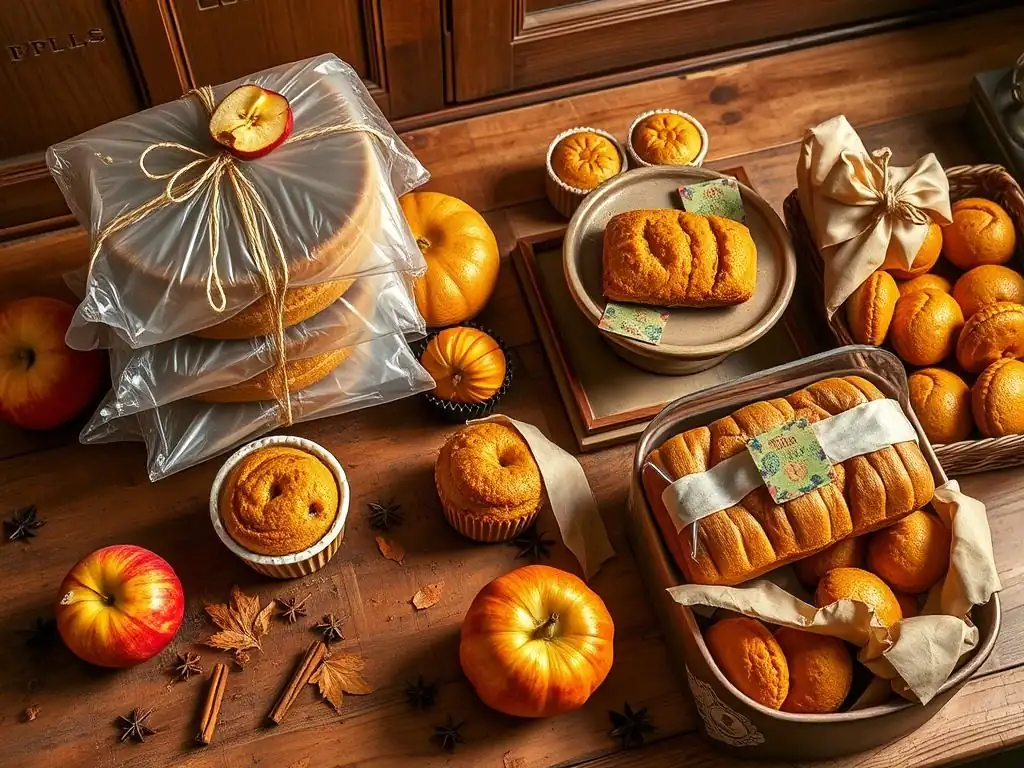
Welcome to BakeWithEase, your haven for all things baking! Ever wondered about the secret to keeping your delicious autumn creations fresh and flavorful? This season, we're diving deep into storing baked apple pumpkin goods to ensure every bite is as delightful as the first. Unlock the secrets to preserving that perfect texture and taste – read on and discover the best techniques for extending the life of your seasonal treats!
- Introduction: Preserving the Flavors of Fall Baking
- Optimal Storage Methods for Apple Baked Goods
- Optimal Storage Methods for Pumpkin Baked Goods
- General Storage Tips for Baked Apple and Pumpkin Treats
- Specific Storage Recommendations for Different Types of Baked Goods
- Avoiding Common Storage Mistakes
- Shelf Life Guide for Baked Apple & Pumpkin Goods
- Reviving Stored Baked Goods: Bringing Back the Freshness
- Conclusion: Enjoying Your Fall Baking Longer
-
Frequently Asked Questions
- How long can I store baked apple and pumpkin goods at room temperature?
- What's the best way to store baked apple and pumpkin goods to keep them moist?
- Can I freeze baked apple and pumpkin goods?
- How do I thaw frozen baked apple and pumpkin goods?
- What are some signs that my baked apple and pumpkin goods have gone bad?
- Final Reflection: Preserving Autumn's Bounty: A Legacy of Flavor
- Unlock the Secrets to Perfectly Preserved Pies!
Introduction: Preserving the Flavors of Fall Baking
Why Proper Storage Matters for Your Apple and Pumpkin Baked Goods
Fall baking brings an abundance of delicious treats, from comforting apple pies to spiced pumpkin breads. These seasonal delights are often made in batches, meant to be savored over several days or even weeks. However, without proper storage, their delightful textures and rich flavors can quickly diminish.
Understanding the best way to store baked apple pumpkin goods is crucial for maintaining their quality, preventing spoilage, and ensuring every bite is as enjoyable as the first. Effective storage methods protect your efforts in the kitchen and reduce food waste, allowing you to enjoy the fruits (and vegetables!) of your labor longer.
Beyond just taste and texture, proper storage is vital for food safety. Baked goods, especially those containing fruit or dairy-based fillings, can become breeding grounds for bacteria if left improperly stored at room temperature for too long. Moisture content, ingredients like eggs and milk, and ambient temperature all play a role in how quickly a baked good can spoil. By implementing correct storage techniques, you not only preserve the culinary quality but also ensure that your homemade treats remain safe to consume, giving you peace of mind as you indulge in your favorite fall flavors.
Understanding the Spoilage Factors: Moisture, Air, and Temperature
Moisture is a primary culprit in the spoilage of baked goods. For items like cakes and breads, losing moisture leads to dryness and a stale texture. Conversely, too much moisture, often caused by condensation when warm goods are stored, can lead to sogginess, especially in pie crusts, and can encourage mold growth. Controlling the moisture level within the storage environment is therefore key to maintaining the desired texture and preventing premature spoilage when storing baked apple pumpkin goods.
Air and temperature also significantly impact shelf life. Exposure to air causes oxidation, leading to staling and off-flavors. This is why airtight containers are often recommended. Temperature affects the rate of microbial growth; warmer temperatures accelerate spoilage, while cooler temperatures slow it down. Room temperature is suitable for many items for a short period, but refrigeration or freezing is necessary for longer storage or for items containing perishable ingredients. Balancing these factors – moisture, air exposure, and temperature – is fundamental to successfully preserving your baked apple and pumpkin creations.
Optimal Storage Methods for Apple Baked Goods
Storing Apple Pies: Keeping the Crust Crisp and the Filling Fresh
Storing apple pies properly is essential to prevent the dreaded soggy bottom while keeping the filling moist and flavorful. A freshly baked apple pie can typically be left at room temperature for about 24 hours, loosely covered. This allows air circulation to help keep the crust crisp. After this initial period, or if your kitchen is warm and humid, refrigeration is recommended. However, storing a pie in the refrigerator can soften the crust due to moisture in the air and the filling.
To minimize crust sogginess when refrigerating, cover the pie loosely with plastic wrap or foil after it has completely cooled. Some bakers place a paper towel over the pie before covering to absorb excess moisture. Stored this way, apple pie generally lasts for 3-4 days in the refrigerator. For longer storage, freezing is an option. Wrap individual slices or the whole cooled pie tightly in plastic wrap, then in foil, and place in a freezer-safe bag or container. Frozen apple pie can maintain quality for up to 3-4 months. Thawing is best done overnight in the refrigerator.
Best Practices for Storing Apple Cakes and Loaves: Maintaining Moisture
Apple cakes, apple bread, and apple loaves are prone to drying out over time. The key to storing these items is to lock in their moisture. Once completely cooled, wrap the cake or loaf tightly in plastic wrap. Ensure the wrap is snug against the surface of the baked good to prevent air exposure, which leads to staling. After wrapping in plastic, an additional layer of aluminum foil or placing it in an airtight container provides further protection.
At room temperature, wrapped apple cakes and loaves usually stay fresh for 3-4 days. If you need to store them for longer, refrigeration is an option, extending their life to about a week. However, refrigeration can sometimes slightly alter the texture, making it denser. For extended storage, freezing is highly effective. Double-wrap the cooled cake or loaf as described above, then place it in a freezer bag or container. Frozen apple cakes and loaves can keep well for 2-3 months. Thaw them at room temperature or overnight in the refrigerator, keeping them wrapped until fully thawed to trap moisture.
Storing Apple Muffins and Scones: Preventing Dryness
Apple muffins and scones, with their smaller size and often crumbly texture, can dry out very quickly. The primary goal when storing these is to prevent moisture loss. Once completely cooled, store muffins and scones in an airtight container at room temperature. Lining the bottom of the container with a paper towel can help absorb any slight excess moisture, but the main focus is preventing air from reaching the baked goods. Avoid storing them in a single layer if possible; stacking them slightly can help maintain moisture, but don't overcrowd the container.
Stored in an airtight container at room temperature, apple muffins and scones are best enjoyed within 2-3 days. Their texture changes significantly after this period. For slightly longer storage (up to a week), they can be refrigerated in an airtight container, though refrigeration can sometimes make them a bit tougher. Freezing is an excellent option for preserving their freshness for longer.
Place cooled muffins or scones in a single layer on a baking sheet to freeze individually, then transfer them to a freezer-safe bag or container. Frozen, they can last for up to 2-3 months. Thaw at room temperature or gently warm in an oven or microwave to refresh the texture.
Optimal Storage Methods for Pumpkin Baked Goods
Storing Pumpkin Pies: Avoiding Soggy Bottoms
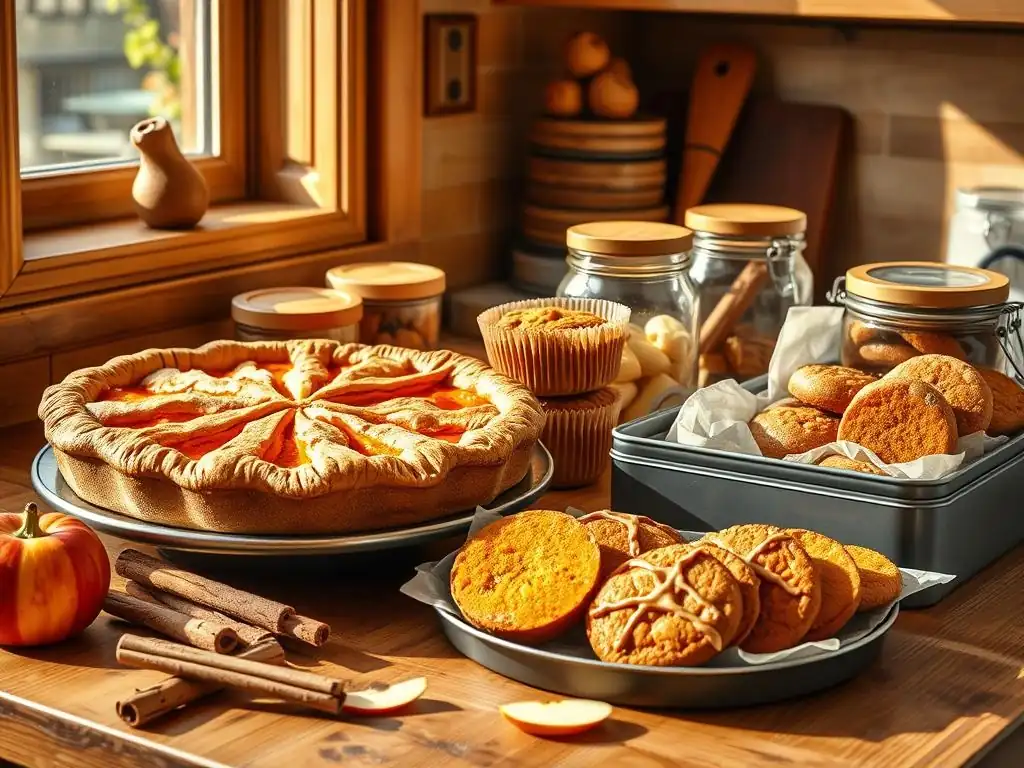
Pumpkin pie, unlike many fruit pies, is a custard-based dessert and requires refrigeration due to its dairy and egg content. A freshly baked pumpkin pie should be cooled at room temperature for no more than two hours before being refrigerated. Once cooled, cover the pie loosely with plastic wrap or aluminum foil before placing it in the refrigerator. Tightly wrapping can trap too much moisture, leading to a soggy crust.
Stored properly in the refrigerator, pumpkin pie is safe to eat for 3-4 days. The texture of the filling remains best within this timeframe. Freezing pumpkin pie is possible, but the custard filling's texture can change slightly upon thawing, sometimes becoming a bit watery or grainy. To freeze, cool the pie completely, wrap it tightly in plastic wrap, then in aluminum foil, and freeze for up to 1-2 months for best quality. Thaw it slowly in the refrigerator for 24-48 hours before serving.
Best Practices for Storing Pumpkin Breads and Loaves: Locking in Flavor
Pumpkin bread and pumpkin loaves are wonderfully moist due to the pumpkin puree, but this moisture needs to be preserved during storage to maintain their soft texture and rich flavor. Once the bread or loaf is completely cool, wrap it tightly in plastic wrap. Ensure the plastic wrap adheres closely to the entire surface to minimize air exposure. An additional layer of foil or storage in an airtight container adds extra protection against drying out and absorbing odors.
At room temperature, properly wrapped pumpkin bread usually stays moist and delicious for 4-5 days. Its dense texture helps it retain moisture better than some other baked goods. For longer storage, refrigeration can extend its life by a few days, up to about a week, still wrapped tightly to prevent it from drying out in the cold, dry refrigerator air. Freezing is an excellent method for long-term storage.
Double-wrap the cooled bread or loaf and place it in a freezer bag or container. Frozen pumpkin bread keeps well for 3-4 months. Thaw wrapped at room temperature or in the refrigerator.
Pumpkin cookies and bars vary greatly in texture, from soft and chewy to firm and crisp. The storage method should aim to preserve the intended texture. For soft cookies or bars, store them in an airtight container at room temperature.
Adding a slice of bread to the container is a classic trick that can help keep them soft by sharing its moisture. For crisp cookies, store them in a container that is airtight but without the bread slice, as excess moisture will make them soft. Layering cookies or bars between sheets of parchment paper within the container can prevent them from sticking together.
Pumpkin cookies and bars stored in an airtight container at room temperature are typically best within 3-5 days, depending on their moisture content. Softer varieties might become too moist or even mold faster if not stored correctly. For longer storage, most cookies and bars freeze exceptionally well. Place cooled items in a single layer on a baking sheet to freeze solid, then transfer to a freezer-safe container or bag, separated by parchment paper if stacking. Frozen, they can last for 6-8 months. Thaw at room temperature.
General Storage Tips for Baked Apple and Pumpkin Treats
Cool Completely Before Storing: Preventing Condensation
One of the most critical steps in storing any baked good, especially when storing baked apple pumpkin goods, is allowing them to cool completely before packaging. Warm baked goods release steam. If you wrap or containerize them while they are still warm, this steam will condense inside the packaging, creating a moist environment. This excess moisture is detrimental for several reasons: it can make crisp crusts or cookies soggy, promote mold growth, and even lead to bacterial growth.
Allowing items like pies, cakes, breads, or muffins to cool fully on a wire rack ensures air circulates around them, releasing all residual heat and steam. For larger items like full cakes or loaves, this might take 2-3 hours. Smaller items like muffins or cookies might cool in 30-60 minutes. Patience during this cooling phase pays off significantly in the quality and shelf life of your stored baked goods.
Choosing the Right Container: Airtight vs. Breathable
The choice of container is crucial and depends on the type of baked good and the desired outcome. Airtight containers are excellent for preserving moisture in items like cakes, breads, muffins, and soft cookies, preventing them from drying out and staling. Glass or plastic containers with tight-fitting lids, or even resealable plastic bags, work well for this purpose. They also protect against absorbing odors from the refrigerator.
However, for items where crispness is key, such as pie crusts, crisp cookies, or streusel toppings on crumbles, a completely airtight environment can trap moisture and lead to sogginess. For short-term room temperature storage of items like whole pies, a loose covering like foil or even just leaving them uncovered initially allows for some air circulation to maintain crispness before more protective storage is needed. When storing baked apple pumpkin goods, consider the texture you want to preserve.
Room Temperature Storage: When It's Appropriate
Storing baked goods at room temperature is convenient and often preferred for items that don't contain highly perishable fillings or frostings. Breads, muffins, most cookies, and many cakes (without cream cheese or custard frosting) can be stored this way for a few days. The ideal room temperature is typically between 68°F and 72°F (20°C-22°C).
However, the suitability of room temperature storage depends heavily on the specific ingredients and the ambient conditions. Baked goods with fresh fruit fillings (like apple pie after the first day), dairy-based custards (like pumpkin pie), or cream cheese frostings should not be stored at room temperature for extended periods due to the risk of bacterial growth. High humidity or warm kitchen temperatures can also shorten the safe duration of room temperature storage. Always err on the side of caution and refrigerate if unsure or if the item contains perishable components.
Refrigeration: Extending Shelf Life, But at What Cost?
Refrigeration significantly slows down the growth of mold and bacteria, making it necessary for baked goods containing perishable ingredients like dairy, eggs, or fresh fruit fillings, such as pumpkin pie or apple pie after the initial cooling period. Storing baked apple pumpkin goods in the refrigerator can extend their shelf life considerably compared to room temperature.
The drawback of refrigeration is that the cold, dry air can draw moisture out of baked goods, potentially making cakes and breads dry, and firming up textures in ways that might not be desirable. To mitigate this, it's essential to wrap items tightly before refrigerating. While refrigeration extends safety and freshness for perishable items, it's generally not the best option for items like crusty breads or crisp cookies unless necessary for ingredient safety or longer storage than room temperature allows.
Freezing Baked Goods: A Long-Term Storage Solution
Freezing is the best method for long-term storage, preserving the quality of most baked goods for several months. It effectively halts microbial growth and significantly slows down staling. Almost any baked good can be frozen, including breads, cakes, muffins, cookies, pies, and even unbaked doughs. The key to successful freezing is proper packaging to prevent freezer burn, which occurs when air reaches the surface of the food, causing dehydration and discoloration.
To freeze baked apple pumpkin goods, ensure they are completely cool. Wrap them tightly in plastic wrap, pressing out as much air as possible, then wrap again in aluminum foil or place in a freezer-safe bag or container. For items like cookies or muffins, you can flash freeze them first on a baking sheet until solid, then transfer to a bag or container to prevent them from sticking together. Label the package with the contents and date. Most baked goods maintain good quality for 3-6 months in the freezer, though some can last longer.
Specific Storage Recommendations for Different Types of Baked Goods
Storing Apple Crisp and Crumbles: Maintaining Crunchy Toppings
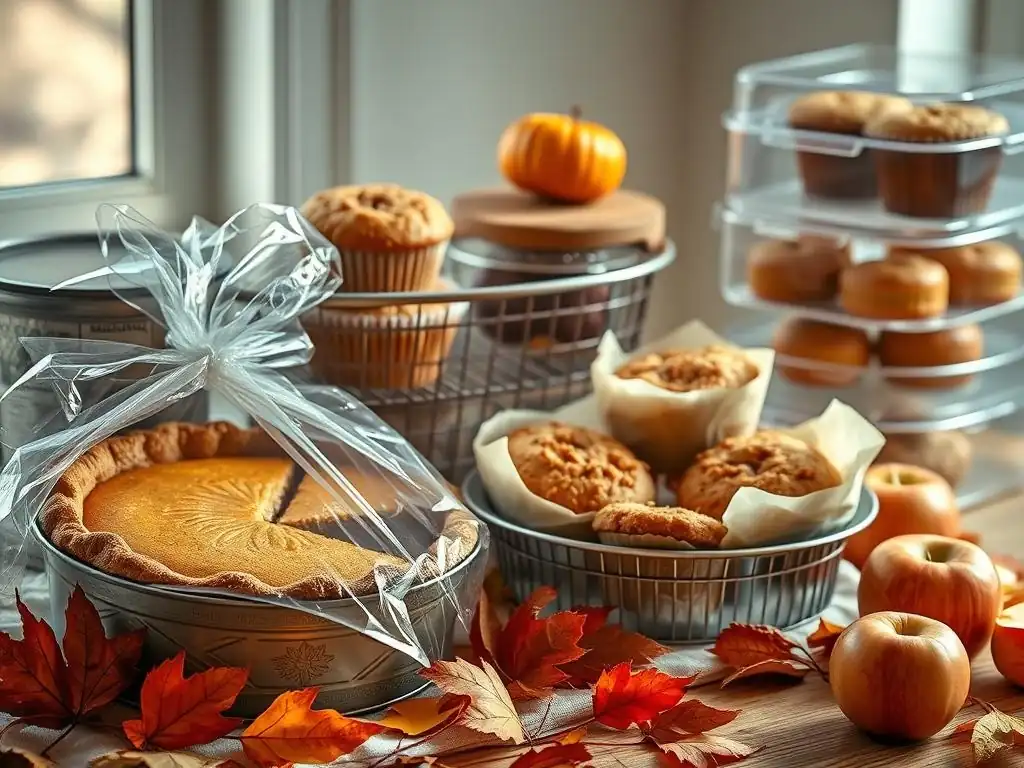
Apple crisps and crumbles are beloved for their contrast between soft, cooked fruit and a crunchy topping. Storing them correctly is all about preserving that topping's texture. Once completely cooled, cover the dish with plastic wrap or aluminum foil. For short-term storage (1-2 days) at room temperature, loose covering is acceptable to maintain some crispness.
For longer storage (up to 3-4 days), refrigerate the covered crisp or crumble. The topping may soften slightly in the refrigerator due to moisture from the fruit layer. To revive the crispness, reheat individual portions or the whole dish in a preheated oven at around 350°F (175°C) for 10-20 minutes until warmed through and the topping is crispy again. Freezing is also an option; cool completely, cover tightly with plastic wrap then foil, and freeze for up to 3 months. Thaw overnight in the refrigerator and reheat in the oven.
Storing Pumpkin Cheesecake: Protecting the Delicate Texture
Pumpkin cheesecake is a rich, delicate dessert that absolutely requires refrigeration due to its high dairy and egg content. It should not be left at room temperature for more than two hours. Once cooled and chilled in the refrigerator (often for several hours or overnight to set properly), cover the cheesecake.
To prevent the top from sticking to the cover and absorbing odors, insert toothpicks around the edges before loosely covering with plastic wrap or foil, or use a cake dome or an airtight container specifically designed for cheesecakes. Stored properly in the refrigerator, pumpkin cheesecake remains delicious for 4-5 days. Freezing cheesecake is possible, but the texture can sometimes change slightly upon thawing, becoming a bit crumbly. To freeze, chill the cheesecake until firm, then wrap slices or the whole cake tightly in plastic wrap and foil. Freeze for up to 1-2 months. Thaw slowly in the refrigerator.
Storing Apple Turnovers and Hand Pies: Keeping Them Flaky
Apple turnovers and hand pies feature a flaky pastry crust filled with apple. The goal is to keep that crust as flaky as possible. Once completely cool, store turnovers and hand pies in an airtight container at room temperature for 1-2 days. While an airtight container helps prevent them from drying out, it can also soften the pastry slightly.
For slightly longer storage (up to 3-4 days), refrigeration is necessary due to the fruit filling. Store them in an airtight container in the refrigerator. The pastry will likely lose some flakiness. Reheating in a toaster oven or regular oven is the best way to attempt to revive some of the crispness.
Freezing is a great option for longer storage. Freeze cooled turnovers or hand pies on a baking sheet until solid, then transfer to a freezer bag or container. They freeze well for up to 3 months. Thaw at room temperature or reheat directly from frozen in the oven.
Storing Pumpkin Rolls and Bundt Cakes: Preserving Decoration
Pumpkin rolls, often filled with cream cheese frosting, and pumpkin bundt cakes, which might have glazes or drizzles, require careful storage to preserve their moisture and appearance. Pumpkin rolls, due to the cream cheese filling, must be refrigerated. Wrap the cooled roll tightly in plastic wrap before refrigerating. Stored this way, it will last for 5-7 days in the refrigerator.
Pumpkin bundt cakes without perishable glazes can be stored like pumpkin bread, wrapped tightly in plastic wrap and kept at room temperature for 3-4 days. If the bundt cake has a glaze or frosting that might smear or harden, storing it in a cake carrier or container that doesn't touch the top is ideal. Refrigerate cakes with perishable glazes or frostings, covering them carefully. Both pumpkin rolls and bundt cakes freeze well when double-wrapped, lasting 2-3 months. Thaw the roll in the refrigerator; thaw the bundt cake wrapped at room temperature.
Avoiding Common Storage Mistakes
Don't Store Warm Baked Goods: The Condensation Trap
As mentioned earlier, storing baked goods before they have completely cooled is a major mistake. Warm items produce steam, which condenses into water droplets inside the storage container or wrapping. This trapped moisture creates an environment ripe for sogginess and mold growth. For instance, wrapping a warm loaf of pumpkin bread will lead to a gummy crust, while covering a warm apple pie will guarantee a soggy bottom.
Always allow your baked goods to cool fully on a wire rack. This can take anywhere from 30 minutes for small items like cookies to several hours for larger cakes or loaves. Patience here is key to preserving the texture and extending the shelf life of your baked apple pumpkin goods.
Overcrowding Containers: Limiting Air Circulation
Packing too many baked goods into a single container can also be detrimental. Overcrowding limits air circulation, which can contribute to moisture buildup, especially if the items aren't perfectly cool. It can also cause delicate items to get squished, ruining their shape and texture.
When storing items like cookies, muffins, or scones, use a container that allows a little space between items or layer them with parchment paper. This helps maintain their structure and prevents them from sticking together. Using appropriately sized containers prevents both damage and potential moisture issues, improving the outcome when storing baked apple pumpkin goods.
Storing Near Strong Smells: Preventing Flavor Absorption
Baked goods, particularly those stored in the refrigerator, can easily absorb odors from other foods. Onions, garlic, and strong cheeses can impart unpleasant flavors to your delicate apple and pumpkin treats. This is especially true if the baked goods are not stored in truly airtight containers.
To prevent flavor contamination, always store your baked apple pumpkin goods in well-sealed containers or wrap them tightly with plastic wrap and foil. Keep them away from strong-smelling items in your pantry or refrigerator. Using glass containers can offer better odor protection than some plastics.
Shelf Life Guide for Baked Apple & Pumpkin Goods
How Long Will Your Apple Pie Last?
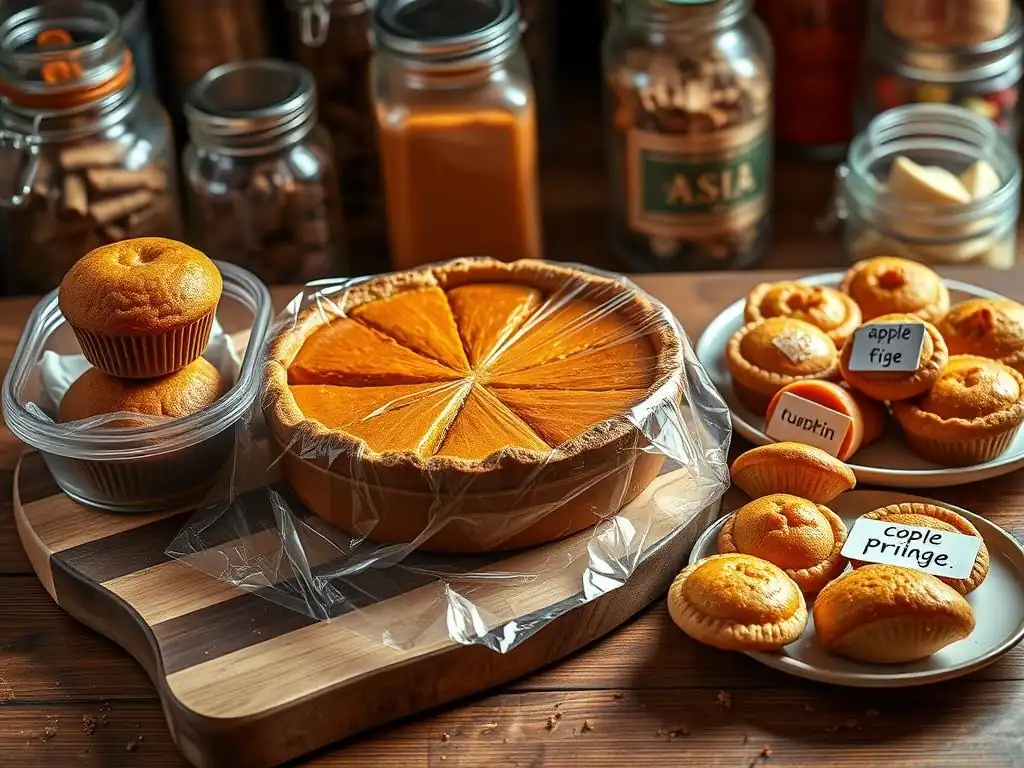
The shelf life of apple pie depends on how it's stored. At room temperature, loosely covered, a freshly baked apple pie is generally best consumed within 24 hours. After this period, or if your kitchen is warm, it should be refrigerated due to the fruit filling.
When refrigerated and properly covered, apple pie typically remains safe and enjoyable for 3-4 days. The crust may soften over time. For longer storage, freezing extends the quality for 3-4 months. Always look for signs of spoilage, such as mold, off odors, or unusual textures, regardless of the recommended timeframe.
Shelf Life of Pumpkin Bread: Factors Affecting Freshness
Pumpkin bread, being a denser loaf, holds moisture well. Stored tightly wrapped at room temperature, it usually stays fresh and moist for 4-5 days. Factors affecting this include the specific recipe (some are moister than others) and the ambient temperature and humidity.
Refrigerating tightly wrapped pumpkin bread can extend its shelf life to about a week, though the texture might become slightly firmer. Freezing is the best option for prolonged freshness, keeping well for 3-4 months when properly double-wrapped. Storing baked apple pumpkin goods like bread correctly maximizes their enjoyment period.
Determining When Baked Goods Have Spoiled: Signs to Look For
Knowing the typical shelf life is helpful, but it's also important to recognize the signs of spoilage. The most obvious sign is the presence of mold, which can appear as fuzzy spots of various colors (green, white, black). Don't just remove the moldy part; mold often has roots that are invisible but have spread throughout the food.
Other signs include an off or unpleasant odor, a change in color (beyond normal staling), or a slimy or unusually hard texture. If a baked good smells sour, yeasty in a bad way, or just "off," it's best to discard it. When in doubt, it's always safer to throw it out rather than risk consuming spoiled food.
Reviving Stored Baked Goods: Bringing Back the Freshness
Reheating Apple Pies and Crumbles: Restoring Warmth and Crispness
Reheating is a great way to revive the texture and warmth of stored apple pies and crisps, especially if the topping or crust has softened in the refrigerator. For a whole pie or crisp, preheat your oven to around 300-350°F (150-175°C). Place the pie or crisp on a baking sheet (to catch any drips) and heat for 15-25 minutes, or until warmed through and the topping/crust is crisp again. Covering loosely with foil can prevent the top from browning too much while the inside heats.
For individual slices, you can also use a toaster oven or conventional oven at the same temperature for 5-10 minutes. Microwaving will warm the filling quickly but will make the crust/topping soggy; it's not recommended if crispness is desired. Reheating is an excellent technique when storing baked apple pumpkin goods that have lost their initial texture.
Refreshing Pumpkin Bread: Moistening Techniques
Stored pumpkin bread, especially if not wrapped perfectly, can sometimes lose a bit of its initial moisture. To refresh a slightly dry slice, you can gently warm it. A toaster oven or conventional oven at a low temperature (around 300°F/150°C) for a few minutes can soften it.
Alternatively, a quick zap in the microwave (10-20 seconds per slice) can make it warm and soft, though be careful not to overheat, which can make it tough. Serving slightly dry pumpkin bread with a spread like butter, cream cheese, or apple butter is also a simple way to add moisture and enhance flavor.
Thawing Frozen Baked Goods: Best Practices for Flavor Retention
Proper thawing is crucial for maintaining the quality of frozen baked apple pumpkin goods. The best method for most items, especially larger ones like pies, cakes, and loaves, is slow thawing in the refrigerator. Transfer the wrapped item from the freezer to the refrigerator and let it thaw overnight or for 24-48 hours, depending on size. Keeping it wrapped during thawing helps trap condensation on the outside of the wrapping, rather than on the baked good itself.
Smaller items like muffins, cookies, or individual slices can often be thawed at room temperature, still wrapped, for a few hours. Avoid thawing at room temperature for items containing perishable fillings (like pumpkin pie or cheesecake); these must be thawed in the refrigerator. Once thawed, consume within a few days, following the general guidelines for refrigerated storage.
Conclusion: Enjoying Your Fall Baking Longer
Mastering Storage for Delicious Baked Apple and Pumpkin Treats Year-Round
Mastering the art of storing baked apple pumpkin goods is as important as mastering the baking itself. By understanding the enemies of freshness – moisture, air, and temperature – and employing the right techniques for each specific type of treat, you can significantly extend the enjoyment of your delicious fall creations. From keeping pie crusts crisp to ensuring cakes and breads stay moist, the right storage makes all the difference.
Whether you opt for the convenience of room temperature for short-term enjoyment, the necessity of refrigeration for perishable items, or the long-term solution of freezing, proper packaging and temperature control are paramount. By following these guidelines, you ensure that every slice of apple pie or piece of pumpkin bread tastes just as wonderful days or even months after it was baked, allowing you to savor the cozy flavors of fall for as long as possible.
Frequently Asked Questions
How long can I store baked apple and pumpkin goods at room temperature?
Generally, baked apple and pumpkin goods can be stored at room temperature for 1-2 days. After that, the moisture content can lead to spoilage.
What's the best way to store baked apple and pumpkin goods to keep them moist?
Storing them in an airtight container is crucial. You can also add a slice of bread to the container to absorb excess moisture.
Can I freeze baked apple and pumpkin goods?
Yes! Freezing is a great way to extend their shelf life. Wrap items tightly in plastic wrap and then place them in a freezer-safe bag or container.
How do I thaw frozen baked apple and pumpkin goods?
Thaw them in the refrigerator overnight. You can also thaw them at room temperature, but be sure to consume them within a few hours.
What are some signs that my baked apple and pumpkin goods have gone bad?
Look for signs of mold, a sour smell, or a sticky texture. If you notice any of these, discard the goods immediately.
Final Reflection: Preserving Autumn's Bounty: A Legacy of Flavor
The art of preserving baked apple and pumpkin goods isn't just about extending shelf life; it's about extending the joy of autumn. These comforting treats, symbols of harvest and warmth, deserve to be savored long after the leaves have fallen. Proper storage ensures we can continue to relish these flavors throughout the colder months, sharing the bounty of the season with loved ones.
The enduring appeal of apple and pumpkin baked goods speaks volumes about our connection to tradition and the simple pleasures of life. These recipes, often passed down through generations, represent more than just food; they represent memories, family gatherings, and the comforting rituals of the fall season. Food is symbolic of love when words are inadequate.
- Alan D. Wolfelt. This quote perfectly encapsulates the emotional weight we attach to these seasonal treats, and proper storage allows us to prolong that feeling.
Now, consider your own kitchen. What baked apple or pumpkin treasures are waiting to be enjoyed? Take a moment to reflect on the memories associated with these recipes. Then, apply the storage techniques discussed in this article to ensure those memories, and those delicious flavors, last as long as possible. Let the spirit of autumn linger a little longer, and share the warmth of these treats with those you cherish.
Unlock the Secrets to Perfectly Preserved Pies!
Thanks for diving into our guide on storing your delicious baked apple and pumpkin creations! We hope you now feel confident in keeping your goodies fresh and flavorful for longer. Ready to take your baking game to the next level?
- Prioritize Proper Storage: Implement the best storage method for each treat—from airtight containers to freezer-safe bags—to maximize freshness and prevent freezer burn. This is your key to enjoying your hard work for weeks to come!
- Share Your Successes: Show off your perfectly preserved pumpkin pie or apple crumble on social media using #BakeWithEasePreservation. Let's inspire others with your baking prowess!
- Experiment with Freezing Techniques: Try freezing individual portions for easy grab-and-go treats. What new freezing method will you try first?
What's your go-to tip for keeping baked goods fresh and delicious? Let's chat in the comments below!