
Pear and Almond Tart: A Simple Elegant Bake

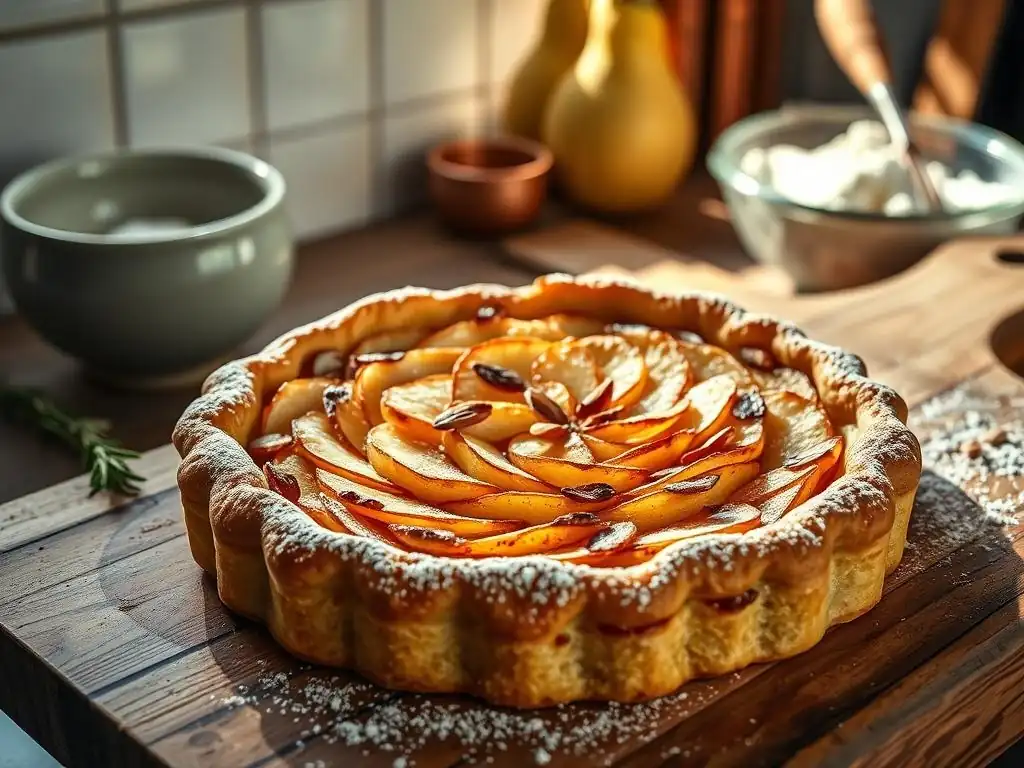
Welcome to BakeWithEase, where delicious baking becomes effortlessly achievable! Curious about creating a show-stopping dessert without the fuss? This week, we're diving into the world of easy pear almond tarts. Learn how to combine simple ingredients into a stunning and flavorful treat, perfect for any occasion. Discover the secrets behind this classic combination and unlock your baking potential – what makes this pear and almond tart so easy to bake, and why is it so elegant? Let's get baking!
- BakeWithEase Presents: Mastering the Easy Pear Almond Tart
- Why This Easy Pear Almond Tart Recipe is Perfect for Any Baker
- Unveiling the Secrets to a Perfect Pear and Almond Tart
- Step-by-Step Guide: Baking Your Own Easy Pear Almond Tart
- Serving and Storing Your Homemade Pear and Almond Tart
- Troubleshooting Common Pear and Almond Tart Baking Issues
- Variations and Adaptations: Personalizing Your Pear Almond Tart
- The Allure of the Pear and Almond Combination in Baking
- More Easy Baking Recipes from BakeWithEase
- Frequently Asked Questions
- Final Reflection: The Enduring Allure of Simple Elegance
- Unlock Your Inner Pastry Chef: Bake This Tart Today!
BakeWithEase Presents: Mastering the Easy Pear Almond Tart
Welcome to BakeWithEase, where we believe that elegant baking doesn't have to be complicated. Today, we're diving into the delightful world of the easy pear almond tart. This classic French dessert, often called Tarte Amandine aux Poires, combines tender pears with a rich, nutty almond cream (frangipane) nestled in a buttery crust. It looks impressive, making it perfect for special occasions, yet our approach makes it surprisingly approachable for bakers of all levels.
Mastering this easy pear almond tart is a rewarding experience. It’s a fantastic way to practice fundamental baking techniques like making a simple pastry crust and preparing a smooth frangipane filling. Plus, it utilizes fresh fruit, which adds moisture and a lovely counterpoint to the sweet, dense almond cream. Follow our guide, and you'll be serving up slices of this stunning tart in no time.
Why This Easy Pear Almond Tart Recipe is Perfect for Any Baker
Simple Ingredients, Stunning Results: A Tart for Everyone
One of the most appealing aspects of this easy pear almond tart is its reliance on simple, readily available ingredients. You likely have most of them in your pantry right now: flour, sugar, butter, eggs, almonds (or almond flour), and, of course, pears. There are no obscure items or complex preparations required. This accessibility makes it a great recipe for spontaneous baking or for those just starting their baking journey.
Despite the simplicity of the components, the final result is undeniably stunning. The golden crust, the creamy almond filling, and the beautifully arranged pears create a dessert that looks like it came from a professional patisserie. It’s a testament to how simple ingredients, when combined and baked with care, can yield truly elegant and delicious outcomes. This easy pear almond tart proves that you don't need fancy techniques to achieve a show-stopping dessert.
Baking with Fresh Fruit: A Delicious and Easy Dessert Option
Incorporating fresh fruit into baking is a fantastic way to add natural sweetness, moisture, and vibrant flavor. Pears, in particular, are excellent for baking because they soften beautifully and their subtle sweetness pairs wonderfully with nuts and spices. Using fresh fruit in an easy pear almond tart not only enhances the taste but also makes the dessert feel lighter and more refreshing compared to dense, fruit-less options.
Baking with fresh fruit, like in this easy pear almond tart, offers a simpler alternative to desserts requiring complex fillings or intricate decoration. You don't need to worry about making custards that might curdle or elaborate frostings. The fruit does much of the work, providing structure, flavor, and visual appeal. It's a straightforward method to create delicious desserts that highlight seasonal produce, making this tart a perfect choice when pears are at their peak.
Unveiling the Secrets to a Perfect Pear and Almond Tart
Understanding the Ingredients: Quality Matters
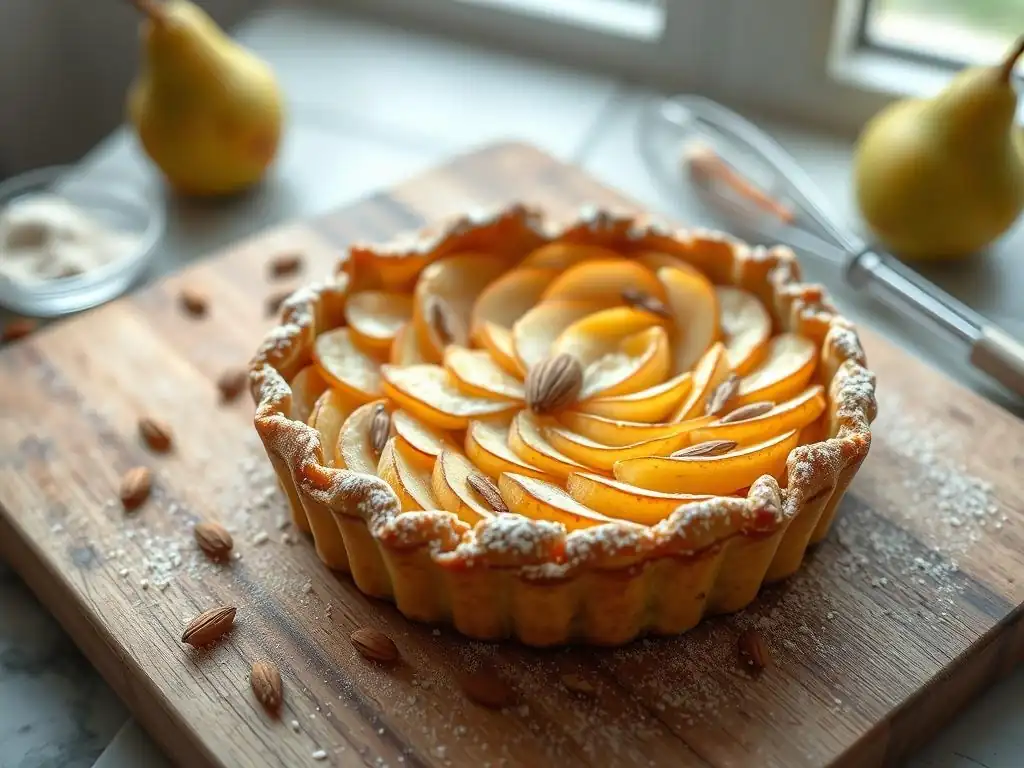
The success of your easy pear almond tart hinges significantly on the quality of your ingredients. While the ingredient list is simple, choosing good quality items can elevate your tart from good to exceptional. Freshness matters, especially for the fruit and nuts, and using good butter and eggs will make a noticeable difference in the flavor and texture of both the crust and the filling.
For instance, using high-quality unsalted butter with a higher fat content (typically around 82%) can result in a flakier crust and a richer frangipane compared to lower-fat butter. Similarly, using fresh, flavorful eggs contributes to the richness and binding of the almond cream. Don't feel pressured to buy the most expensive brands, but opt for ingredients you trust and that are fresh.
Choosing the Right Pears: Bartlett vs. Anjou
Selecting the appropriate type of pear is crucial for a successful pear and almond tart. You need a pear variety that holds its shape relatively well during baking but also softens to a tender consistency. Pears that are too hard will remain crunchy, while those that are too soft will turn mushy.
Bartlett pears are a popular choice because they are widely available and become very tender when baked, almost melting into the tart. However, they can sometimes become too soft if overbaked. Anjou pears are another excellent option; they are slightly firmer than Bartletts and maintain their shape a bit better during the baking process, offering a pleasant bite against the soft frangipane.
Other good candidates include Bosc (firm, spicy flavor) or Comice (sweet, soft, but may become mushy if very ripe). Aim for pears that are ripe but still firm to the touch – not rock hard, but not mushy either.
The Importance of Almond Flour: Texture and Flavor
Almond flour, also known as ground almonds, is the star ingredient in the frangipane filling and is essential for the characteristic texture and nutty flavor of the easy pear almond tart. It provides a delicate, slightly sandy texture to the cream, which is distinct from fillings made solely with wheat flour. Using finely ground almond flour results in a smoother frangipane, while a coarser grind will give it a slightly more rustic feel.
The quality of the almond flour directly impacts the flavor. Freshly ground almonds or high-quality almond flour will provide a vibrant, sweet almond taste. Stale almond flour can taste bitter or flat. Ensure your almond flour is stored properly in an airtight container, ideally in the refrigerator or freezer, to maintain freshness and prevent it from going rancid, which can ruin the flavor of your easy pear almond tart.
Butter and Sugar: The Foundation of Flavor
Butter and sugar are fundamental building blocks in both the tart crust and the almond cream, providing structure, moisture, sweetness, and richness. In the crust, cold butter is cut into the flour to create flaky layers, while sugar adds sweetness and helps with browning. For the frangipane, softened butter is creamed with sugar and almond flour to create a smooth, spreadable filling.
The ratio of butter and sugar in the frangipane significantly affects its texture and sweetness. A standard frangipane often uses equal weights of butter, sugar, almond flour, and egg. For example, a recipe might call for roughly 100g each of softened butter, granulated sugar, almond flour, and one large egg (approximately 50-60g). Adjusting these ratios can make the frangipane richer (more butter/almond flour) or sweeter (more sugar). Using good quality butter, like a European-style butter with a higher fat content, can make the frangipane exceptionally smooth and flavorful.
Step-by-Step Guide: Baking Your Own Easy Pear Almond Tart
Preparing the Tart Crust: A Simple, Yet Crucial Step
A good crust is the foundation of any great tart, and for this easy pear almond tart, a simple press-in or roll-out pastry dough works beautifully. The key to a tender, flaky crust is keeping the ingredients cold and not overworking the dough. This step might seem daunting, but with a few simple techniques, you can achieve a perfect base for your delicious filling.
Whether you choose a traditional pâte sucrée (sweet pastry dough) or a simpler method, handling the dough gently is paramount. Overmixing develops gluten, leading to a tough crust. Keeping butter cold ensures it creates steam pockets during baking, resulting in flakiness. Don't rush the chilling steps; they are vital for managing the dough.
Making the Tart Dough: Food Processor Method
Using a food processor is perhaps the easiest and quickest way to make tart dough for your easy pear almond tart, minimizing handling and keeping ingredients cold. Start by pulsing flour, a pinch of salt, and sugar together. Then, add cold, cubed butter and pulse until the mixture resembles coarse crumbs or small peas. This takes perhaps 10-15 pulses.
Finally, add a small amount of ice water, usually 1-3 tablespoons, pulsing just until the dough starts to come together. Be careful not to add too much water or over-process. The dough should look crumbly but hold together when squeezed. Turn it out onto a surface, gently bring it together into a disc, wrap tightly in plastic wrap, and refrigerate for at least 30 minutes (preferably 1 hour) before rolling or pressing into your tart pan.
Blind Baking the Tart Crust: Using Pie Weights
Blind baking, or pre-baking, the tart crust is often a crucial step for an easy pear almond tart, especially with a wet filling like frangipane and fruit. This prevents the dreaded "soggy bottom." After chilling the dough, press or roll it into your tart pan, trimming the excess. Prick the bottom all over with a fork (this is called docking) to prevent puffing.
Line the dough with parchment paper or foil, pressing it against the sides and into the corners. Fill the liner with pie weights, dried beans, or rice, distributing them evenly to support the sides. Bake in a preheated oven (typically around 375°F or 190°C) for about 15-20 minutes, or until the edges are set and lightly golden. Remove the weights and liner, and bake for another 5-10 minutes until the bottom is dry and lightly colored. Let it cool slightly before adding the filling.
Assembling the Pear and Almond Filling: A Flavorful Combination
The filling for this easy pear almond tart consists primarily of frangipane, a rich almond cream. Assembling the tart involves preparing this cream and arranging the prepared pears within it. This step is straightforward but requires a bit of care to ensure even distribution of flavors and textures.
Have all your components ready before you start assembling: the blind-baked tart shell, the prepared frangipane, and the sliced or halved pears. This makes the process smooth and prevents the frangipane from sitting out too long.
Creating the Almond Cream (Frangipane): Achieving the Right Consistency
Frangipane is surprisingly easy to make. The basic method involves creaming together softened butter and sugar until light and fluffy. This typically takes 2-3 minutes with an electric mixer. Next, beat in an egg until fully incorporated, followed by vanilla extract or almond extract for extra flavor.
Finally, fold in the almond flour and a small amount of all-purpose flour (the wheat flour helps stabilize the cream and prevent it from separating). Mix until just combined – do not overmix. The resulting frangipane should be a thick, spreadable paste, not runny. If it seems a little stiff, you can add a tiny splash of milk or liqueur (like rum or amaretto), but be careful not to make it too wet.
Arranging the Pears: Sliced vs. Fan Arrangement
Once the frangipane is ready, spread it evenly into the blind-baked tart shell. The amount will depend on the size of your tart pan, but typically it fills the shell about halfway or slightly more. This creates a bed for the pears.
Now comes the visually appealing part: arranging the pears. For a classic look, halve and core the pears, then slice them crosswise about 1/4 inch thick. Arrange the slices on top of the frangipane in a fan pattern, starting from the outer edge and working your way in, slightly overlapping the slices. Alternatively, you can quarter or halve smaller pears and simply nestle them into the frangipane. The key is to distribute the pear pieces relatively evenly so every slice of the finished easy pear almond tart gets some fruit.
Baking the Pear Almond Tart: Achieving Golden Perfection
Baking is the final step where all the components come together. The goal is to bake the tart until the frangipane is set and golden brown, the pears are tender, and the crust is fully cooked. This requires careful monitoring to prevent the top from burning before the inside is done.
Patience is key during the baking process. While it might be tempting to pull the tart out early, underbaked frangipane can be unpleasant. Trust the process and check for doneness as described below.
Oven Temperature and Baking Time: Avoiding a Burnt Crust
For baking your easy pear almond tart, a moderate oven temperature is best, typically around 350°F (175°C). This allows the tart to bake through evenly without the crust or the top of the frangipane burning too quickly. Baking time will vary depending on the size and depth of your tart, as well as your specific oven, but generally ranges from 35 to 50 minutes.
Keep an eye on the tart as it bakes. If the edges of the crust or the top of the frangipane start browning too fast, you can loosely tent the tart with aluminum foil. This shields the top from direct heat while allowing the rest of the tart to continue baking and the bottom crust to crisp up.
Checking for Doneness: The Skewer Test
To ensure your easy pear almond tart is perfectly baked, you need to check if the frangipane filling is set. The edges of the frangipane should appear puffed and golden brown, and the center should look set, not wet or jiggly.
A reliable way to check the center is the skewer test. Carefully insert a thin skewer or toothpick into the center of the frangipane, avoiding the pear pieces. If it comes out clean or with just a few moist crumbs attached, the tart is likely done. If it comes out with wet batter, continue baking and check again in 5-10 minute intervals. The internal temperature of the frangipane should reach around 195-200°F (90-93°C) when fully set, although the skewer test is usually sufficient for home baking.
Serving and Storing Your Homemade Pear and Almond Tart
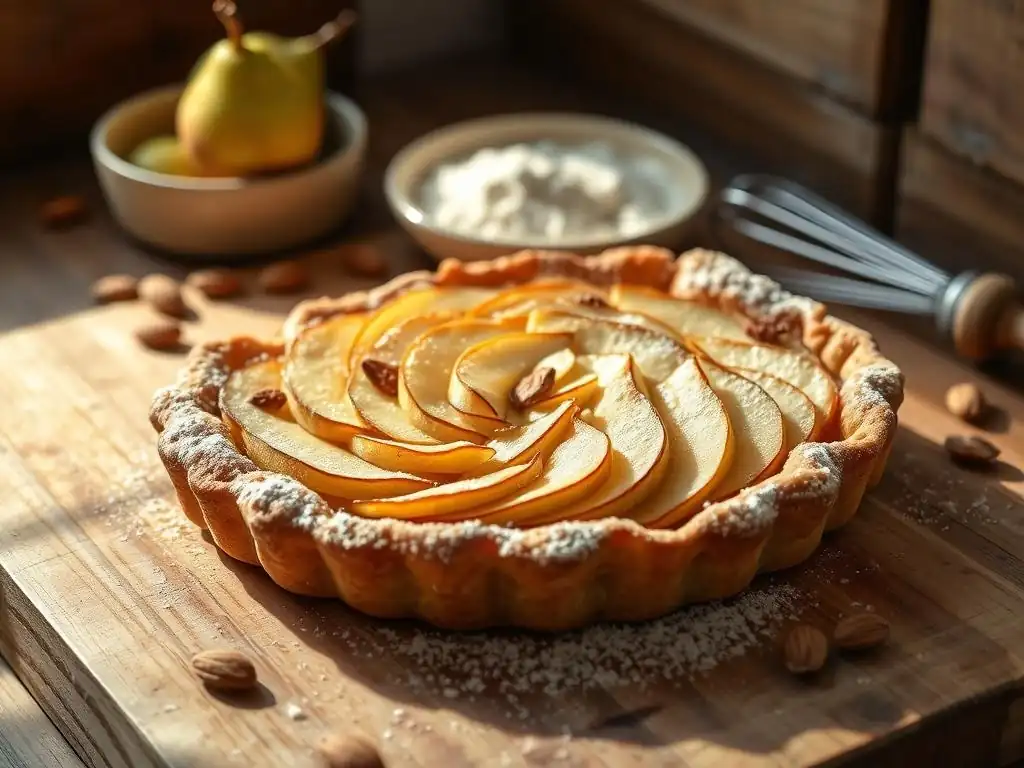
Once your beautiful easy pear almond tart is out of the oven, allow it to cool on a wire rack. This is crucial for the frangipane to finish setting and for the crust to maintain its crispness. While it's delicious served warm, letting it cool for at least 30-60 minutes makes it much easier to slice cleanly.
This tart is wonderful served on its own, but a few simple additions can make it even more special.
Presentation Ideas: Dusting with Powdered Sugar
For a simple yet elegant finish, a light dusting of powdered sugar over the cooled easy pear almond tart is classic. Use a fine-mesh sieve to evenly sprinkle the sugar just before serving. This adds a touch of sweetness and a beautiful visual contrast against the golden tart.
Other presentation ideas include serving slices with a dollop of whipped cream, a scoop of vanilla ice cream, or a drizzle of créme anglaise. A sprinkle of toasted sliced almonds on top of the frangipane before baking can also add extra crunch and visual appeal.
Storage Tips: Refrigerating for Optimal Freshness
Leftover easy pear almond tart should be stored properly to maintain its freshness and quality. Allow the tart to cool completely at room temperature first. Then, cover it loosely with plastic wrap or aluminum foil, or transfer slices to an airtight container.
Refrigerate the tart for optimal freshness. It will keep well in the refrigerator for 3-4 days. The crust may soften slightly over time. If you prefer a warmer slice, you can gently reheat individual portions in a low oven (around 300°F or 150°C) for 5-10 minutes, or briefly in a microwave (though this can make the crust soft).
Troubleshooting Common Pear and Almond Tart Baking Issues
Even with an easy recipe, baking can sometimes present challenges. Here are a few common issues you might encounter with your pear and almond tart and how to address them.
Avoiding a Soggy Crust: Pre-Baking and Sealing
A soggy bottom crust is one of the most common complaints with fruit tarts. This happens when the moisture from the filling seeps into the uncooked or undercooked dough before it has a chance to set. It's a frustrating issue after putting in the effort to make a beautiful easy pear almond tart.
The primary defense against a soggy crust is blind baking the shell, as described earlier. Fully baking the crust until it's golden and set creates a barrier. Additionally, some bakers brush the blind-baked crust with a thin layer of egg white or melted butter immediately after removing the weights and before the final blind bake; this creates a seal that further prevents moisture penetration from the frangipane and pears.
Preventing the Almond Cream from Burning: Lower Rack Placement
Sometimes the top of the frangipane can brown too quickly, even before the center is fully set. This results in a dark, potentially burnt-tasting surface while the filling underneath is still undercooked. This is a particular concern with easy pear almond tart due to the sugar content in the frangipane.
To prevent this, ensure your oven rack is placed in the lower third of the oven. This positions the tart further away from the top heating element, allowing the heat to circulate and bake the tart from the bottom up. As mentioned before, if the top starts browning excessively during baking, loosely tent the tart with aluminum foil.
Addressing Over-Browning: Tenting with Foil
Over-browning can happen despite placing the tart on a lower rack. This is especially true if your oven runs hot or if you're baking for the longer end of the suggested time range. A dark brown or black surface indicates the sugar is burning.
The simple solution is tenting the tart with foil. Once you notice the top reaching your desired level of golden brown, loosely shape a piece of aluminum foil over the tart, creating a "tent" that doesn't touch the surface. This reflects heat away from the top, allowing the tart to continue baking underneath without further browning the surface. You can remove the foil for the last 5-10 minutes of baking if you feel the top needs a final touch of color, but usually, it's best left on once applied.
Variations and Adaptations: Personalizing Your Pear Almond Tart
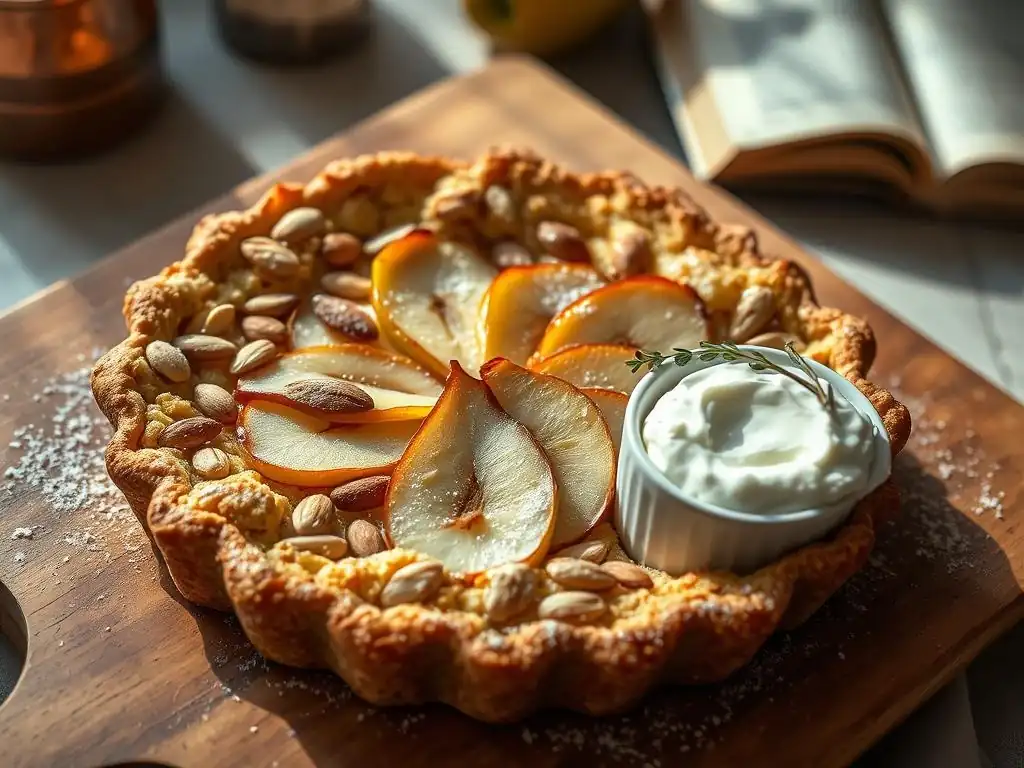
One of the joys of baking is being able to personalize recipes. The easy pear almond tart is wonderfully adaptable. Once you've mastered the basic version, feel free to experiment with different flavors and ingredients.
Gluten-Free Pear and Almond Tart: Using Almond Flour Crust
It's relatively simple to adapt this easy pear almond tart into a gluten-free version. The frangipane is naturally gluten-free (as it primarily uses almond flour and a small amount of wheat flour which can be substituted). The main adaptation is the crust.
Instead of a traditional wheat-based pastry, you can make a gluten-free crust using a blend of gluten-free flours or even a simple almond flour crust. A common almond flour crust involves mixing almond flour with softened butter and a little sugar, then pressing it directly into the tart pan. This type of crust doesn't require rolling and results in a tender, crumbly texture that complements the almond filling beautifully. Baking times might need slight adjustment, typically a bit shorter for an almond flour crust.
Adding Other Fruits: Incorporating Berries or Apples
While pears are classic in this tart, the frangipane filling pairs well with many other fruits. You can easily swap the pears for apples, stone fruits like peaches or plums (when in season), or even berries.
If using fruits with high water content, like berries, you might want to toss them with a tablespoon of flour or cornstarch before adding them to the tart to absorb excess moisture. For apples, slice them thinly as they are firmer than pears and take longer to soften. Consider fruits that complement the almond flavor – cherries, raspberries, and apricots are all excellent choices that work well in an easy almond tart.
Exploring Spiced Pear and Almond Tart: Cinnamon and Nutmeg
Adding spices is a simple way to introduce another layer of flavor to your easy pear almond tart, especially during autumn when pears are abundant. Warm spices like cinnamon, nutmeg, ginger, or cardamom pair wonderfully with both pears and almonds.
You can incorporate spices in a couple of ways. Try adding 1/2 to 1 teaspoon of ground cinnamon or a pinch of nutmeg to the frangipane mixture when you add the almond flour. Alternatively, you can toss the sliced pears with a little sugar and spice before arranging them on top of the frangipane. This infuses the fruit itself with warm, aromatic notes, creating a spiced pear and almond tart that's perfect for cooler weather.
The Allure of the Pear and Almond Combination in Baking
Some flavor combinations are simply timeless and irresistible. Pear and almond is undoubtedly one of them. This pairing has been a staple in European baking for centuries, appearing in cakes, pastries, and, of course, tarts.
Why Pear and Almonds Pair So Well Together
The magic of the pear and almond combination lies in their complementary characteristics. Pears, especially when baked, offer a soft, slightly sweet, and subtly fragrant profile with high moisture content. Almonds, in the form of frangipane, provide a rich, nutty, slightly sweet, and dense texture with lower moisture.
The sweetness of the pear is balanced by the richness of the almond. The tenderness of the baked fruit contrasts beautifully with the slight chewiness of the frangipane and the crispness of the crust. It's a harmonious blend of textures and flavors that creates a sophisticated yet comforting dessert.
Pear and Almond Tart: A Classic Dessert Revisited
The pear and almond tart is a prime example of how this classic pairing shines. It's a dessert that feels both traditional and elegant, yet as we've shown, it can be surprisingly easy to make at home. Our easy pear almond tart recipe simplifies the process, making this delightful classic accessible to everyone.
Whether you're baking it for a special occasion or just because you have some ripe pears on hand, this tart is sure to impress. Its timeless appeal and delicious flavor profile make it a recipe you'll want to return to again and again. It's a perfect representation of simple elegance in baking.
More Easy Baking Recipes from BakeWithEase
Frequently Asked Questions
What makes this pear and almond tart easy to bake?
This recipe focuses on simple steps and uses readily available ingredients. The crust is forgiving, and the filling requires minimal preparation, making it beginner-friendly.
Can I substitute the pears with another fruit?
Yes, you can! Apples or peaches are excellent substitutes. Just ensure they are similarly firm and sliced thinly for even baking.
What type of almond flour is best for this tart?
We recommend using finely ground almond flour for a smooth texture. Avoid using almond meal, as it can result in a grainy filling.
How do I prevent the tart crust from getting soggy?
Blind baking the crust before adding the filling helps create a protective barrier against moisture. Also, ensuring the pears are not overly juicy is important.
How long can I store the pear and almond tart?
The tart can be stored in the refrigerator for up to 3 days. For best results, keep it in an airtight container to prevent it from drying out.
Final Reflection: The Enduring Allure of Simple Elegance
The seemingly simple act of baking a pear and almond tart transcends mere culinary creation; it becomes a potent symbol of comfort, connection, and the enduring power of mindful creation. In a world increasingly dominated by complexity and instant gratification, the deliberate process of crafting this dessert offers a welcome respite, a moment to slow down and appreciate the beauty in simplicity. The ease of the recipe, detailed within this article, makes it accessible to all, regardless of baking experience, further emphasizing its inherent appeal.
The influence of such straightforward yet elegant recipes extends far beyond the individual baker. It fosters a sense of community, connecting us through shared experiences of creating and enjoying delicious food. The act of sharing a slice of this tart with loved ones transcends the physical act of eating; it becomes a gesture of care and connection, a small act of love made tangible. The best things in life are simple,
a sentiment often repeated, rings particularly true when considering the profound satisfaction derived from this seemingly uncomplicated bake.
Consider the ingredients themselves – the humble pear, the fragrant almond – each contributing to a harmonious whole. This is a reflection of life itself, isn't it? You, dear reader, possess the power to create moments of simple elegance in your own life. Take the time to bake this tart, to savor its taste, and to share its warmth with others. Let this recipe serve as a reminder that the most profound joys often reside in the simplest of things, and that even the smallest acts of creation can bring immense satisfaction and connection.
Unlock Your Inner Pastry Chef: Bake This Tart Today!
Thanks for joining us on this delicious journey! We hope you gained some confidence and inspiration to tackle a beautiful pear and almond tart. Ready to take your baking skills to the next level?
- Bake your own pear and almond tart: Gather your ingredients and follow our recipe – the results are well worth the effort! This is your chance to impress yourself (and others! ).
- Share your creation: Snap a photo of your finished tart and share it on social media using #BakeWithEaseTart – let's see your baking masterpiece!
- Explore more of our easy-to-follow recipes: Dive into our recipe collection for more simple yet elegant baking ideas – we've got plenty to inspire your next culinary adventure.
What other stunningly simple desserts are you dreaming of baking next?