
Quick Breads with Pantry Staples: Simple & Accessible

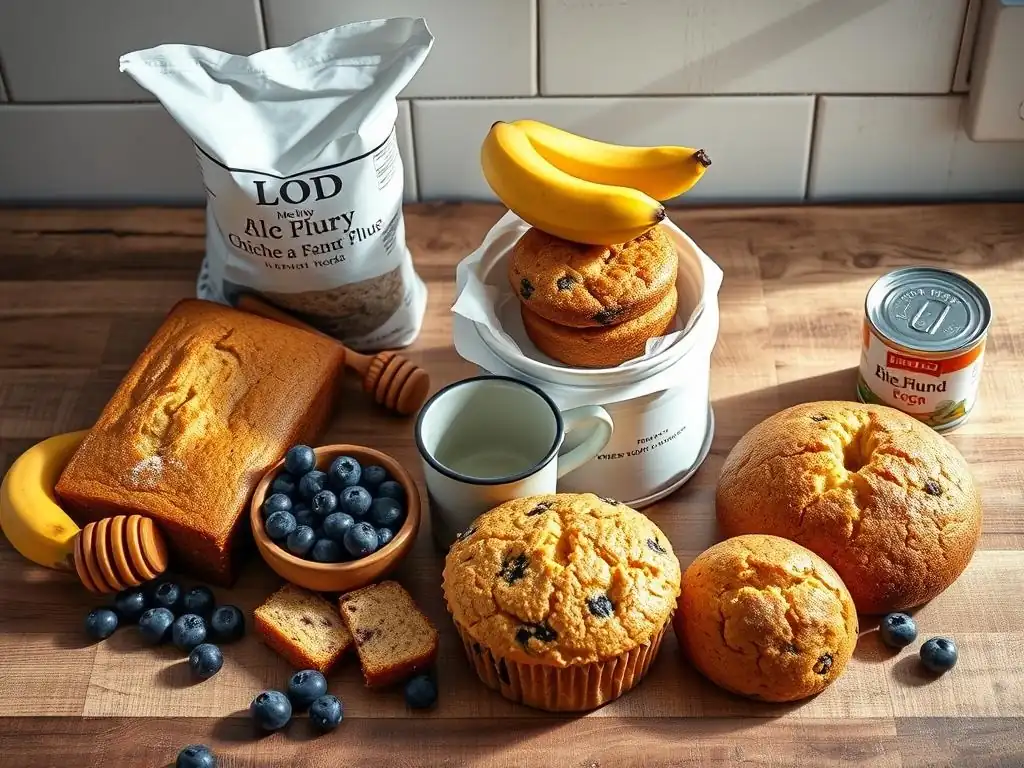
Welcome to BakeWithEase, your trusted guide to delicious, achievable baking! Ever dreamed of fresh bread but thought you lacked the time or fancy ingredients? Think again! Dive into our collection of recipes, starting with our feature article on Easy Pantry Staple Bread. Discover how to transform everyday ingredients into mouthwatering loaves – let's unlock the secrets to baking success, one simple recipe at a time. Curious how easy it can be? Read on!
- Introduction to Easy Pantry Staple Bread Baking
- Top 5 Easy Pantry Staple Bread Recipes for Beginners
- Essential Pantry Staples for Quick Bread Success
- Baking Tips & Tricks
- Troubleshooting Common Baking Problems
- Variations and Add-Ins
- Conclusion: Enjoying the Simplicity of Quick Bread Baking
- Frequently Asked Questions
- Final Reflection: The Enduring Power of Pantry Bread
- Unleash Your Inner Baker: Craft Delicious Bread Today!
Introduction to Easy Pantry Staple Bread Baking
What Makes a Quick Bread "Quick"?
Quick breads earn their name because they don't rely on yeast for leavening, which means they don't require the lengthy kneading and rising time characteristic of traditional yeast breads. Instead, they use chemical leaveners like baking powder, baking soda, or a combination of both. This allows the batter or dough to be mixed and baked relatively quickly, often from start to finish in under an hour, not including cooling time. This speed is a major advantage for busy home bakers or anyone looking for a fast baking project.
The chemical reaction of these leaveners, often combined with an acid (like buttermilk, yogurt, or vinegar when using baking soda), produces carbon dioxide bubbles almost instantly upon mixing and during baking. This rapid leavening process creates a tender crumb and a lighter texture compared to dense yeast doughs. Think of muffins, scones, biscuits, and loaves like banana bread – these are all classic examples of quick breads that are perfect for making with easy pantry staple bread ingredients.
Why Pantry Staples are Perfect for Beginner Bakers
Pantry staples are the unsung heroes of the kitchen, and they are particularly well-suited for beginner bakers venturing into the world of quick breads. Ingredients like all-purpose flour, sugar, salt, baking powder, baking soda, eggs, milk, and oil or butter are commonly found in most kitchens. Starting with these familiar items reduces the intimidation factor often associated with more complex baking projects that might require specialty flours or ingredients.
Furthermore, quick bread recipes designed around these everyday ingredients are typically straightforward and forgiving. The measurements are often simple cups and spoons, and the mixing technique is usually minimal – often just combining wet and dry ingredients until just mixed. This simplicity, combined with the accessibility of the ingredients, makes baking an easy pantry staple bread a low-stress and rewarding experience for newcomers. It builds confidence and provides delicious results without requiring advanced techniques or equipment.
Top 5 Easy Pantry Staple Bread Recipes for Beginners
Recipe 1: Classic Banana Bread
Classic banana bread is perhaps the quintessential easy pantry staple bread. It's a fantastic way to use up overripe bananas and results in a moist, flavorful loaf that's perfect for breakfast, a snack, or dessert. The natural sweetness and moisture from the bananas make this recipe incredibly forgiving, even for those new to baking.
This comforting loaf typically relies on simple ingredients like flour, sugar, eggs, butter or oil, baking soda, and of course, those spotty, ripe bananas. The process is usually a simple mix of wet and dry ingredients, poured into a loaf pan, and baked. The aroma that fills your kitchen while it bakes is an added bonus, making it a truly delightful introduction to quick bread baking.
Ingredients for Banana Bread
- 2 to 3 very ripe bananas, mashed
- 1/3 cup melted butter or oil
- 1/2 cup granulated sugar (or brown sugar for more moisture)
- 1 large egg, lightly beaten
- 1 teaspoon vanilla extract
- 1 1/2 cups all-purpose flour
- 1 teaspoon baking soda
- 1/2 teaspoon salt
- Optional: 1/2 cup chopped nuts or chocolate chips
Step-by-Step Banana Bread Baking Instructions
- Preheat your oven to 350°F (175°C). Grease and flour a 9x5 inch loaf pan.
- In a large bowl, mash the ripe bananas with a fork. Stir in the melted butter or oil, sugar, beaten egg, and vanilla extract until well combined.
- In a separate medium bowl, whisk together the flour, baking soda, and salt.
- Gradually add the dry ingredients to the wet ingredients, mixing until just combined. Be careful not to overmix; a few lumps are okay. If using, gently fold in nuts or chocolate chips.
- Pour the batter into the prepared loaf pan and spread evenly.
- Bake for 50-60 minutes, or until a toothpick inserted into the center comes out clean.
- Let the bread cool in the pan for 10 minutes before inverting it onto a wire rack to cool completely before slicing.
Recipe 2: Simple Zucchini Bread
Don't let the vegetable fool you – zucchini bread is a surprisingly moist and delicious quick bread that's a fantastic way to use up summer squash. The grated zucchini adds incredible moisture without imparting a strong vegetable flavor, making it a hit even with picky eaters. It's another excellent example of an easy pantry staple bread that's both nutritious and tasty.
This recipe often includes warm spices like cinnamon and nutmeg, complementing the subtle flavor of the zucchini. Like banana bread, it follows a simple wet-meets-dry mixing method. The moisture from the zucchini means it often stays fresh and tender for several days, making it a great make-ahead option.
Zucchini Bread Ingredient List
- 2 cups grated zucchini (about 1 medium zucchini)
- 1/2 cup melted butter or vegetable oil
- 1 1/2 cups granulated sugar
- 2 large eggs
- 1 teaspoon vanilla extract
- 2 cups all-purpose flour
- 1 teaspoon baking soda
- 1 teaspoon ground cinnamon
- 1/4 teaspoon ground nutmeg
- 1/2 teaspoon salt
- Optional: 1/2 cup chopped nuts or raisins
Baking Zucchini Bread: A Beginner's Guide
- Preheat oven to 350°F (175°C). Grease and flour a 9x5 inch loaf pan.
- Squeeze excess moisture out of the grated zucchini using paper towels or a clean kitchen towel.
- In a large bowl, whisk together the melted butter or oil and sugar. Beat in the eggs one at a time, then stir in the vanilla extract.
- Stir the squeezed zucchini into the wet ingredients.
- In a separate medium bowl, whisk together the flour, baking soda, cinnamon, nutmeg, and salt.
- Add the dry ingredients to the wet ingredients, mixing until just combined. Fold in any optional nuts or raisins.
- Pour batter into the prepared pan and bake for 50-65 minutes, or until a toothpick inserted into the center comes out clean.
- Cool in the pan for 10-15 minutes, then transfer to a wire rack to cool completely.
Recipe 3: Quick Cornbread
Quick cornbread is a savory or slightly sweet quick bread that's incredibly versatile. It pairs wonderfully with chili, soups, stews, or barbecue. Unlike yeast-leavened breads, it comes together in minutes and is baked immediately, often in a hot cast-iron skillet for a crispy crust. This makes it a perfect easy pantry staple bread side dish.
Its main ingredients include cornmeal and flour, along with leaveners, salt, eggs, and a liquid like milk or buttermilk, and fat like melted butter or oil. Some recipes add a touch of sugar, while others keep it purely savory. The simplicity of the ingredients and method makes it a staple for beginner bakers.
Simple Cornbread Ingredients
- 1 cup all-purpose flour
- 1 cup yellow cornmeal
- 1/4 cup granulated sugar (optional, for a sweeter bread)
- 1 tablespoon baking powder
- 1/2 teaspoon salt
- 1 large egg, lightly beaten
- 1 cup milk or buttermilk
- 1/4 cup melted butter or vegetable oil, plus more for greasing
Cornbread Baking Instructions
- Preheat your oven to 400°F (200°C). If using a cast-iron skillet, place it in the oven with a tablespoon of butter or oil while it preheats.
- In a large bowl, whisk together the flour, cornmeal, sugar (if using), baking powder, and salt.
- In a separate medium bowl, whisk together the egg, milk or buttermilk, and melted butter or oil.
- Pour the wet ingredients into the dry ingredients and stir until just combined. Do not overmix.
- Carefully remove the hot skillet (if using) from the oven and pour the batter into it (the butter should be sizzling). If using a regular baking pan (8x8 inch square is common), grease it well and pour the batter in.
- Bake for 20-25 minutes, or until the top is golden brown and a toothpick inserted into the center comes out clean.
- Let cool slightly before slicing and serving warm.
Recipe 4: Easy Pumpkin Bread
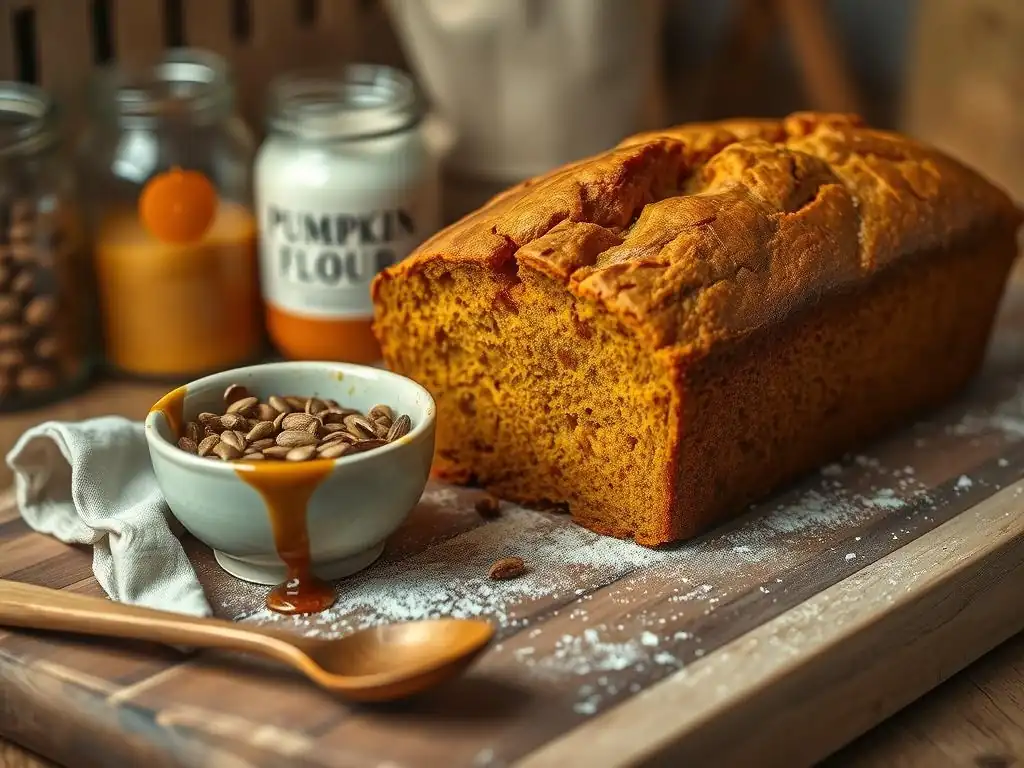
Easy pumpkin bread is a fall favorite, but with canned pumpkin available year-round, you can enjoy this moist, spice-filled quick bread anytime. Like banana and zucchini bread, the pumpkin puree adds significant moisture, resulting in a tender crumb. Its comforting flavors, often featuring cinnamon, nutmeg, cloves, and ginger, make it incredibly popular.
This delightful loaf is another excellent example of an easy pantry staple bread that requires minimal effort. It combines pumpkin puree, eggs, oil, and sugar with flour, leaveners, and spices. The method is typically a simple mix-and-bake process, yielding a fragrant and delicious loaf that's perfect for holidays or just a cozy afternoon snack.
Pumpkin Bread Ingredients
- 1 1/2 cups all-purpose flour
- 1 teaspoon baking soda
- 1/2 teaspoon salt
- 1 teaspoon ground cinnamon
- 1/2 teaspoon ground nutmeg
- 1/4 teaspoon ground cloves
- 1/4 teaspoon ground ginger
- 1 cup granulated sugar
- 1/2 cup vegetable oil
- 2 large eggs
- 1 cup canned pumpkin puree (not pumpkin pie filling)
Baking Easy Pumpkin Bread: A Step-by-Step Guide
- Preheat oven to 350°F (175°C). Grease and flour a 9x5 inch loaf pan.
- In a large bowl, whisk together the flour, baking soda, salt, cinnamon, nutmeg, cloves, and ginger.
- In a separate medium bowl, whisk together the sugar, vegetable oil, eggs, and pumpkin puree until smooth.
- Pour the wet ingredients into the dry ingredients and stir until just combined. Do not overmix.
- Pour the batter into the prepared loaf pan and spread evenly.
- Bake for 55-65 minutes, or until a toothpick inserted into the center comes out clean.
- Let the bread cool in the pan for 10-15 minutes before inverting it onto a wire rack to cool completely.
Recipe 5: Basic Soda Bread
Irish soda bread is a unique quick bread that uses baking soda activated by buttermilk (an acid) as its primary leavener. Traditional versions are incredibly simple, often just flour, baking soda, salt, and buttermilk. This makes it a truly easy pantry staple bread, especially if you keep buttermilk on hand or know how to make a quick substitute.
Unlike other quick breads that are batter-based, soda bread uses a dough. It's mixed quickly and typically shaped into a round loaf with a cross cut into the top before baking. The result is a dense but tender bread with a slightly tangy flavor from the buttermilk. It's rustic, simple, and requires minimal handling, making it ideal for beginners.
Soda Bread Ingredient Breakdown
- 3 cups all-purpose flour, plus more for dusting
- 1 teaspoon baking soda
- 1 teaspoon salt
- 1 1/2 cups buttermilk (or 1 1/2 cups milk mixed with 1 1/2 tablespoons white vinegar or lemon juice, let sit 5-10 minutes)
How to Bake Soda Bread: A Quick and Easy Method
- Preheat oven to 425°F (220°C). Lightly flour a baking sheet or line it with parchment paper.
- In a large bowl, whisk together the flour, baking soda, and salt.
- Make a well in the center of the dry ingredients and pour in the buttermilk.
- Using a fork or your hands, quickly mix the ingredients until they just come together into a shaggy dough. Do not overmix or knead extensively.
- Turn the dough out onto a lightly floured surface and gently shape it into a round loaf, about 1 1/2 to 2 inches thick.
- Place the loaf on the prepared baking sheet. Using a sharp knife, score a deep "X" into the top of the loaf (this helps it rise evenly).
- Bake for 30-40 minutes, or until the crust is golden brown and the bottom sounds hollow when tapped.
- Let the bread cool on a wire rack before slicing. It's often best enjoyed warm.
Essential Pantry Staples for Quick Bread Success
The Must-Have Flours for Easy Bread Baking
All-purpose flour is the foundational ingredient for most easy pantry staple bread recipes, and for good reason. It's a versatile wheat flour with a moderate protein content (typically 10-12%) that works well in a wide range of baked goods, including quick breads. Its balanced structure provides enough gluten development to give the bread form without making it tough, provided it's not overmixed. Keeping a standard bag of all-purpose flour in your pantry is essential for spontaneous baking.
While all-purpose is king for beginners, other flours can also be considered pantry staples depending on your habits. For instance, some cornbread recipes specifically call for cornmeal, which adds texture and flavor. Whole wheat flour can also be used, often substituted for a portion of the all-purpose flour to add fiber and a nuttier taste, though it may result in a slightly denser crumb due to its higher bran content. Ensuring your flour is stored in a cool, dry place away from moisture and pests is key to its longevity and performance in your easy pantry staple bread creations.
Leavening Agents: Baking Powder vs. Baking Soda
Baking powder and baking soda are the primary leavening agents in quick breads, responsible for creating lift and a tender texture. Baking soda (sodium bicarbonate) is a base that requires an acid to react and produce carbon dioxide gas. Common acids in quick bread recipes include buttermilk, yogurt, sour cream, molasses, brown sugar, honey, applesauce, or vinegar. When baking soda is combined with an acid and moisture, it reacts immediately, so batters using baking soda should be baked promptly.
Baking powder, on the other hand, is a complete leavening system. It contains baking soda, an acid (like cream of tartar), and a starch (to absorb moisture and prevent premature reaction). Most baking powders sold today are double-acting, meaning they produce gas in two stages: once when mixed with liquid and again when heated in the oven.
This provides a more sustained lift, making it very reliable for quick breads. Many recipes use a combination of both baking soda and baking powder to achieve optimal lift and texture, especially when acidic ingredients are present. Using fresh leaveners is crucial; expired baking powder or soda will result in a flat, dense easy pantry staple bread.
Sweeteners: Sugar, Honey, and Molasses in Quick Breads
Sweeteners in quick breads do more than just add sweetness; they also contribute to moisture, tenderness, browning, and structure. Granulated sugar is the most common pantry staple sweetener. It provides sweetness and helps create a tender crumb by interfering with gluten development. It also contributes to the golden-brown crust through caramelization during baking. The amount of sugar used can significantly impact the final texture and moisture level of your easy pantry staple bread.
Other pantry staples like brown sugar, honey, and molasses add different flavors and textures. Brown sugar contains molasses, which adds moisture and a slightly richer flavor, often found in banana or pumpkin bread. Honey and molasses are liquid sweeteners that contribute distinct flavors, moisture, and darker browning. They can be used in place of some granulated sugar in recipes, but because they add liquid, you might need to slightly adjust other liquid ingredients for the perfect easy pantry staple bread consistency.
Fats & Oils: Choosing the Right One for Your Bread
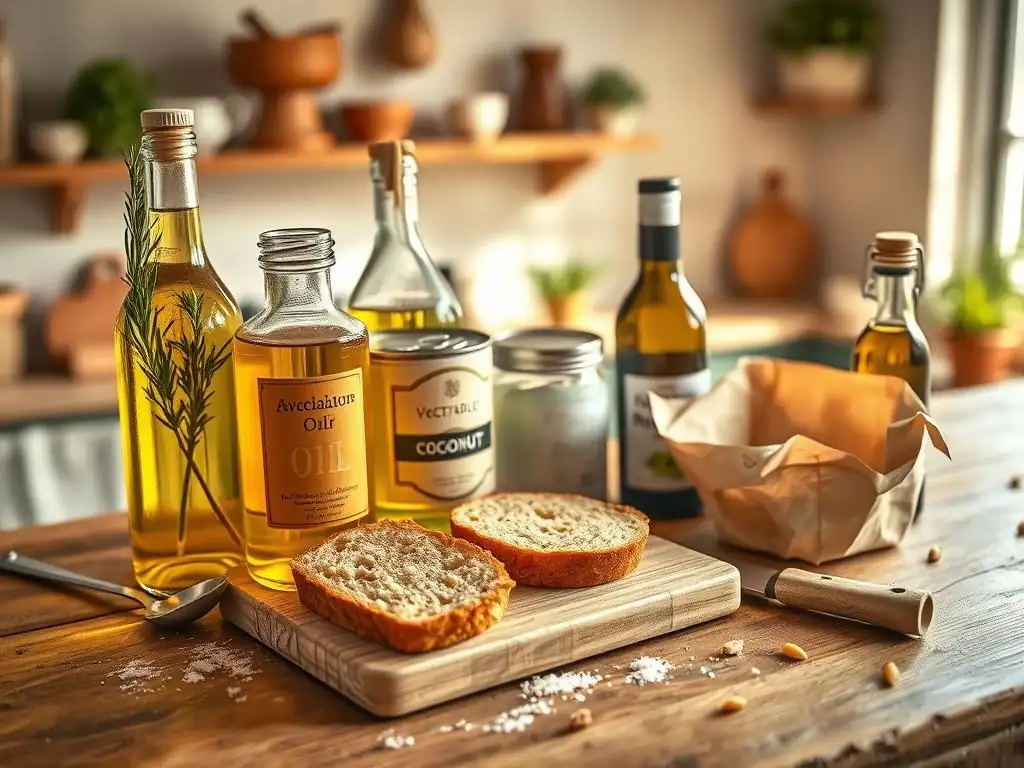
Fats and oils are crucial for tenderizing quick breads, adding moisture, and enhancing flavor. Vegetable oil, canola oil, or other neutral-flavored oils are common pantry staples because they are liquid at room temperature and distribute easily throughout the batter, resulting in a consistently moist crumb. Using oil often leads to a very tender and moist quick bread that stays soft for several days.
Melted butter is another popular choice, offering a rich, classic flavor that oil doesn't provide. While oil tends to make quick breads more consistently moist, butter contributes to a more complex flavor profile and can sometimes result in a slightly finer crumb. Some recipes call for softened butter, which is creamed with sugar to incorporate air, contributing to leavening and a lighter texture, particularly in recipes like pound cake variations that use the creaming method. The type of fat chosen significantly impacts the final texture and taste of your easy pantry staple bread.
Spices & Extracts: Adding Flavor to Your Bread
Spices and extracts are the flavor powerhouses in many quick breads, transforming a simple batter into something special. Cinnamon, nutmeg, cloves, ginger, and allspice are common pantry staples that bring warmth and depth, especially in fruit or vegetable-based quick breads like apple, banana, zucchini, or pumpkin bread. Keeping a well-stocked spice rack allows for endless variations on basic recipes.
Vanilla extract is another essential pantry staple, adding a universal sweetness and enhancing other flavors without being dominant. Just a teaspoon or two can elevate the taste of almost any easy pantry staple bread. Other extracts like almond or maple can be used to introduce different flavor profiles. While spices and extracts might seem secondary, they are vital for creating the signature tastes and aromas we associate with beloved quick breads.
Baking Tips & Tricks
Measuring Ingredients Accurately
Accurate measuring is one of the most critical steps in achieving consistent results when baking any easy pantry staple bread. For dry ingredients like flour, sugar, baking powder, and baking soda, it's best to use the "spoon and level" method. Gently spoon the ingredient into your measuring cup until it overflows, then use a straight edge (like the back of a knife) to level off the excess without packing the ingredient down. Packing flour, for example, can add significantly more to your recipe than intended, resulting in a dry, dense bread.
Liquid ingredients like milk, oil, or extracts should be measured in liquid measuring cups, which have a spout for pouring and markings on the side. Place the cup on a flat surface and bend down to eye level to ensure the liquid reaches the correct mark. For smaller amounts of both dry and liquid ingredients (like spices, salt, or vanilla extract), use measuring spoons, making sure they are level. Precision in measuring ensures the proper balance of ingredients needed for the chemical reactions that make your easy pantry staple bread rise and have the right texture.
Mixing Techniques for Perfect Batter
The mixing technique is crucial for quick breads because unlike yeast breads, you generally want to avoid developing gluten. Most easy pantry staple bread recipes use the "muffin method" or the "creaming method." The muffin method involves mixing dry ingredients in one bowl, wet ingredients in another, and then combining them briefly until just moistened. There should still be some lumps in the batter; overmixing develops gluten, leading to a tough, tunnels-filled texture.
The creaming method, often used for loaf cakes that are technically quick breads (like pound cake), involves beating softened butter and sugar together until light and fluffy before adding eggs, then alternating dry and liquid ingredients. This method incorporates air into the batter, contributing to leavening and a finer crumb structure. Regardless of the method, the key takeaway for most easy pantry staple bread is gentle mixing until ingredients are just combined, protecting that tender texture.
Oven Temperatures and Baking Times: A Guide
Correct oven temperature and baking time are paramount for a perfectly baked quick bread. Always preheat your oven fully before putting the batter in. Ovens can vary, so using an oven thermometer is highly recommended to ensure your oven is heating to the temperature the recipe specifies. Baking at the wrong temperature can lead to uneven baking, with the outside burning before the inside is cooked, or a dense, underbaked center.
Baking times provided in recipes are estimates and can vary based on your oven, the pan material and color, and even altitude. Start checking for doneness at the minimum time stated in the recipe. For loaves, a common test is inserting a toothpick into the center; it should come out clean or with a few moist crumbs attached (not wet batter). For smaller items like muffins, the tops will look set and spring back lightly when touched. Overbaking will result in a dry easy pantry staple bread, so testing for doneness is a key skill to develop.
Storing Your Homemade Bread for Freshness
Proper storage is essential to keep your easy pantry staple bread fresh and moist. Once the bread has cooled completely on a wire rack (cooling while warm can create condensation and make it soggy), wrap it tightly. For loaves, plastic wrap, aluminum foil, or beeswax wraps work well. For muffins or smaller items, an airtight container or a resealable plastic bag is effective. Storing at room temperature is fine for a few days.
If you won't eat the bread within 2-3 days, consider freezing it. Quick breads freeze beautifully. Wrap cooled bread tightly in plastic wrap, then again in aluminum foil or place in a freezer-safe bag. Label with the date. Frozen quick bread can last for 2-3 months. To thaw, unwrap and let it sit at room temperature, or gently warm slices in a toaster or oven. Avoid refrigerating most quick breads, as this can actually dry them out and make them stale faster than storing at room temperature.
Troubleshooting Common Baking Problems
Why is My Bread Dry? [Causes and Solutions]
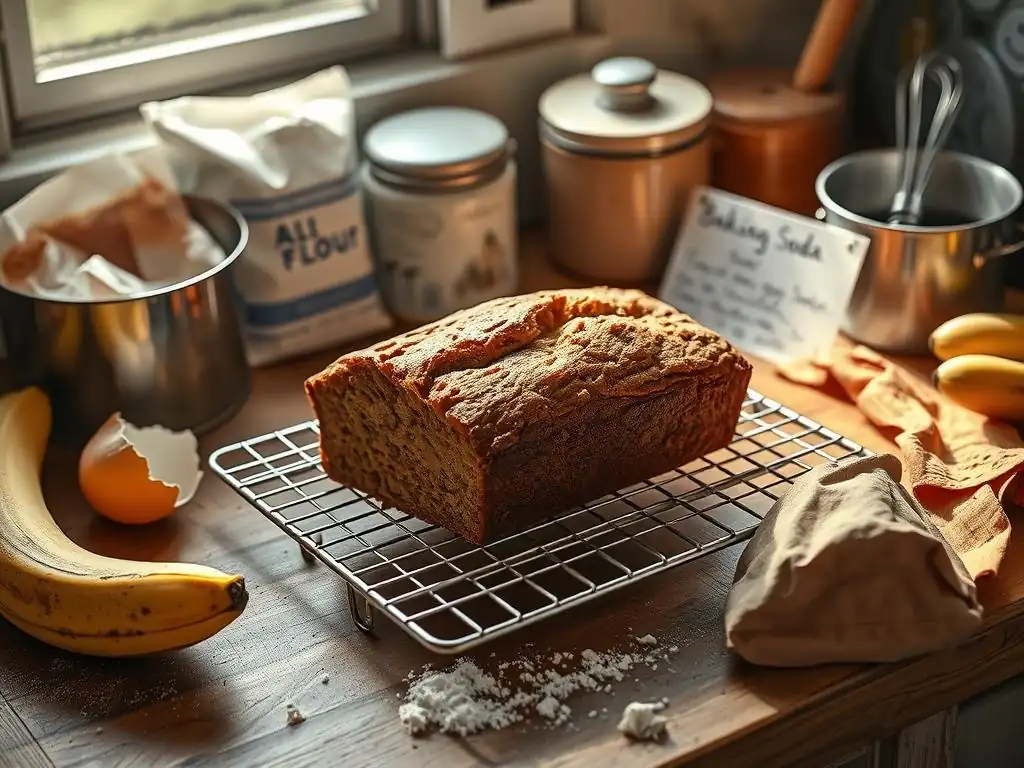
A dry easy pantry staple bread is a common frustration, often caused by an imbalance in ingredients or overbaking. Too much flour is a frequent culprit; improperly measuring flour (scooping directly with the measuring cup and packing it in) can add significantly more than the recipe intends. Using expired leavening agents can also contribute, as they won't produce enough lift, resulting in a dense texture that feels dry.
To prevent a dry loaf, ensure you measure flour accurately using the spoon and level method. Stick to the fat and liquid amounts specified, as these contribute crucial moisture. Be mindful of baking time and temperature; overbaking is a primary cause of dryness. Use the toothpick test and check at the minimum recommended time.
If your bread consistently turns out dry despite accurate measuring, your oven might be running hot, or your leavening might be old. Check your oven temperature with a thermometer and ensure your baking powder/soda is fresh (you can test baking soda by adding vinegar; it should fizz vigorously. Test baking powder by adding hot water; it should also fizz).
My Bread Didn't Rise! [Troubleshooting Leavening]
When your easy pantry staple bread comes out flat and dense, the leavening is usually the issue. The most common reason is using expired or inactive baking powder or baking soda. These chemical leaveners lose their potency over time, failing to produce the carbon dioxide gas needed for lift. Another cause can be omitting an acidic ingredient if the recipe relies on baking soda for leavening (e.g., forgetting the buttermilk).
To troubleshoot this, first check the expiration dates on your baking powder and baking soda. Even if they aren't expired, their effectiveness can diminish, especially if stored improperly. Test them for freshness as described previously. Ensure you are using the correct amounts specified in the recipe and that you haven't accidentally swapped baking powder for baking soda or vice-versa if the recipe requires both. Also, avoid overmixing the batter, as this can deflate the air bubbles created by the leaveners. Gentle mixing is key for a well-risen easy pantry staple bread.
Bread is Too Dense [Tips for Lighter Texture]
A dense quick bread can result from several factors, often related to mixing or ingredient balance. As mentioned, overmixing the batter develops gluten, which is desirable in yeast bread but makes quick breads tough and dense. This is particularly true when using the muffin method; stirring until the batter is just combined with lumps is crucial. Another cause can be insufficient leavening, leading back to the issues of old baking powder/soda or improper measurement.
Using too much flour or too little liquid/fat can also contribute to a dense texture. Ensure accurate measurement of all ingredients. Sometimes, the temperature of ingredients matters; using cold eggs or milk can affect the batter's consistency and the leavening process. Using room-temperature ingredients allows them to incorporate more easily and react properly. For a lighter easy pantry staple bread, focus on gentle mixing, accurate leavening, and correct ingredient ratios.
Burnt Bread Edges [Preventing and Fixing]
Burnt edges on your easy pantry staple bread, while the inside is still baking, are typically caused by the oven being too hot or the bread baking too close to a heating element. Dark-colored metal pans absorb more heat than lighter pans or glass, which can also contribute to darker, potentially burnt edges and bottom. An overfilled pan can also lead to longer baking times, increasing the risk of edges drying out and burning.
To prevent burnt edges, ensure your oven temperature is accurate using an oven thermometer. If the edges are browning too quickly while the center is still underbaked, you can loosely tent the top of the loaf with aluminum foil for the remaining baking time. Using lighter colored metal pans or glass pans (adjusting baking time slightly for glass, which heats slower but retains heat well) can also help. Ensure you are using the correct size pan specified in the recipe to avoid overfilling and promoting even baking.
Variations and Add-Ins
Adding Fruits and Nuts
Adding fruits and nuts is a classic way to enhance the flavor and texture of easy pantry staple bread. Fresh or dried fruits like blueberries, cranberries, apples, or dates can add moisture, sweetness, and bursts of flavor. For fresh fruits, gently tossing them with a tablespoon of flour before adding to the batter helps prevent them from sinking to the bottom during baking. Approximately 1/2 cup to 1 cup of fruit is a good starting point for a standard loaf.
Nuts such as walnuts, pecans, or almonds add a pleasant crunch and nutty flavor. Toasting nuts lightly before adding them intensifies their flavor. Like fruits, about 1/2 cup to 1 cup of chopped nuts is suitable for most loaf recipes. Combining fruits and nuts, like classic banana nut bread or apple walnut bread, creates a delightful contrast in texture and taste, making your easy pantry staple bread even more enjoyable.
Chocolate Chips and Other Sweet Additions
For those with a sweet tooth, adding chocolate chips, white chocolate chips, or other sweet morsels like butterscotch chips is a popular variation for easy pantry staple bread. Chocolate chips melt slightly during baking, creating pockets of gooey goodness and adding rich flavor. Approximately 1/2 cup to 1 cup of chips per loaf is a common quantity, but feel free to adjust to your preference.
Mini chocolate chips are great for ensuring chocolate in every bite, while standard chips provide larger melty pockets. Other sweet additions could include sprinkles (though these are best folded in gently to avoid bleeding color), or even small candies that hold their shape when baked. Folding these additions in gently at the very end of mixing ensures they are evenly distributed throughout your sweet easy pantry staple bread.
Spices and Extracts for Unique Flavor
Beyond the standard cinnamon and vanilla, your pantry likely holds other spices and extracts that can create unique and delicious easy pantry staple bread variations. Consider adding cardamom for an exotic twist to a simple loaf, or a pinch of ground cloves and ginger to complement apple or pear quick breads. Citrus zest (lemon, orange, lime) adds bright, fresh flavor that pairs well with many fruits and berries.
Extracts like almond, maple, rum, or even a touch of coffee extract can dramatically change the flavor profile. For example, a little almond extract can elevate a simple blueberry muffin recipe, or a splash of maple extract can enhance a pumpkin or sweet potato bread. Start with small amounts (1/4 to 1/2 teaspoon) as extracts can be potent. Experimenting with different spice and extract combinations is a fun way to personalize your easy pantry staple bread recipes.
Making Savory Quick Breads
While often thought of as sweet, quick breads can also be wonderfully savory, perfect for pairing with meals. Ingredients like cheese, herbs (rosemary, thyme, chives), garlic powder, onion powder, black pepper, or even finely chopped vegetables (like sun-dried tomatoes, spinach, or roasted red peppers) can transform a basic batter. Think of cheese and herb scones or a quick bread loaf studded with cheddar and jalapeños.
Savory quick breads often use less sugar or omit it entirely and might rely on different liquids like broth or buttermilk. They are typically served alongside dinner or as a snack. Experiment with adding grated cheddar cheese and chopped chives to a basic biscuit dough, or incorporating roasted garlic and rosemary into a simple quick bread batter. Savory easy pantry staple bread offers a delicious alternative to sweet versions and expands the possibilities of quick baking.
Conclusion: Enjoying the Simplicity of Quick Bread Baking
Embrace the Ease of Quick Bread Baking
Quick bread baking truly embodies simplicity and accessibility, making it an ideal starting point for anyone new to the kitchen or looking for fast, satisfying results. By relying on common pantry staples and straightforward techniques, you can create a variety of delicious loaves, muffins, and biscuits with minimal effort and time investment. The forgiving nature of many quick bread recipes means that even small mistakes are unlikely to ruin your bake entirely, building confidence with every successful loaf.
From moist banana bread to savory cornbread, the world of easy pantry staple bread offers a wide range of flavors and textures to explore using ingredients you likely already have. This convenience encourages spontaneous baking, allowing you to whip up a warm treat whenever the craving strikes or you have overripe fruit to use. Embracing quick bread baking is about discovering the joy of creating something wonderful from simple beginnings, proving that you don't need complex ingredients or techniques to bake something truly delicious.
Further Baking Exploration
Mastering easy pantry staple bread recipes is a fantastic foundation for expanding your baking repertoire. Once you're comfortable with the basic quick bread methods, you can start experimenting with variations, adding different fruits, nuts, spices, or even venturing into more complex flavor combinations. Try adapting your favorite sweet quick bread into muffins or vice versa, adjusting baking times accordingly.
Beyond quick breads, the skills learned – accurate measuring, gentle mixing, understanding leavening – are transferable to other types of baking, including cookies, cakes, and even some simpler pastry doughs. Consider exploring different types of quick breads like scones, Irish soda bread variations, or even delving into some basic muffin recipes. The confidence gained from successfully baking an easy pantry staple bread can open the door to a whole new world of baking adventures, encouraging you to try new recipes and techniques.
Frequently Asked Questions
What exactly is an easy pantry staple bread?
It's a bread recipe that relies almost entirely on ingredients you likely already have in your pantry and fridge. This typically includes flour, sugar, salt, baking powder/soda, oil, and possibly eggs or milk.
Why should I bake bread using pantry staples?
Using pantry staples is cost-effective and convenient. You can bake delicious bread without needing to make a special trip to the grocery store, perfect for spontaneous baking or when you're short on time.
Can I substitute ingredients in these bread recipes?
Often, yes! The recipes are designed to be flexible. For example, you can often substitute different types of flour or use applesauce instead of oil. However, be mindful of potential changes in texture and flavor.
What kind of bread can I make with just pantry staples?
You can make a variety of quick breads, like banana bread, zucchini bread, cornbread, and simple loaves. These breads rely on chemical leavening agents instead of yeast, making them faster to prepare.
How do I store my easy pantry staple bread to keep it fresh?
Wrap the bread tightly in plastic wrap or place it in an airtight container. Storing it at room temperature is usually best for the first few days. For longer storage, consider freezing it.
Final Reflection: The Enduring Power of Pantry Bread
The ability to create nourishing and delicious food from readily available ingredients remains a vital skill in today's world, and the humble quick bread, crafted from pantry staples, stands as a powerful testament to this. In a time of fluctuating food prices and supply chain uncertainties, the recipes explored in this article offer not just culinary satisfaction, but a sense of empowerment and self-sufficiency. Knowing you can whip up a comforting loaf from what you already have on hand is incredibly reassuring.
The enduring appeal of quick breads transcends mere practicality; they represent a connection to simpler times, a reminder of the comfort and joy found in homemade food. These recipes, passed down through generations or innovated in modern kitchens, speak to a fundamental human need for connection and sustenance. As the great culinary writer M.F.K. Fisher once wrote, First we eat, then we do everything else.
The act of baking, and the sharing of the resulting bread, fosters community and strengthens bonds, enriching our lives far beyond the simple pleasure of a warm, freshly baked loaf.
Consider the possibilities. Imagine the satisfaction of transforming everyday ingredients into something delicious and nourishing, the pride in sharing your creations with loved ones, and the quiet confidence that comes from knowing you can provide for yourself and your family, even in challenging circumstances. This isn't just about baking; it's about resourcefulness, resilience, and the enduring power of simple pleasures. So, take a moment to reflect on your own pantry, your own skills, and the potential within. What delicious adventure awaits you?
Unleash Your Inner Baker: Craft Delicious Bread Today!
Thanks for taking the time to explore the world of quick breads with us! We hope you've discovered some delicious and accessible recipes to expand your baking repertoire. Ready to get baking?
- Bake your favorite recipe from the article today! Grab those pantry staples and let's get creative in the kitchen.
- Share your baking triumphs (and even your flops!) with us on social media! Use #BakeWithEase to connect with our community.
- Explore our website for more simple baking recipes – you might just find your new go-to bread!
What unexpected pantry ingredient are you excited to try in your next quick bread adventure?