
Quick Bread Ingredients Explained for New Bakers

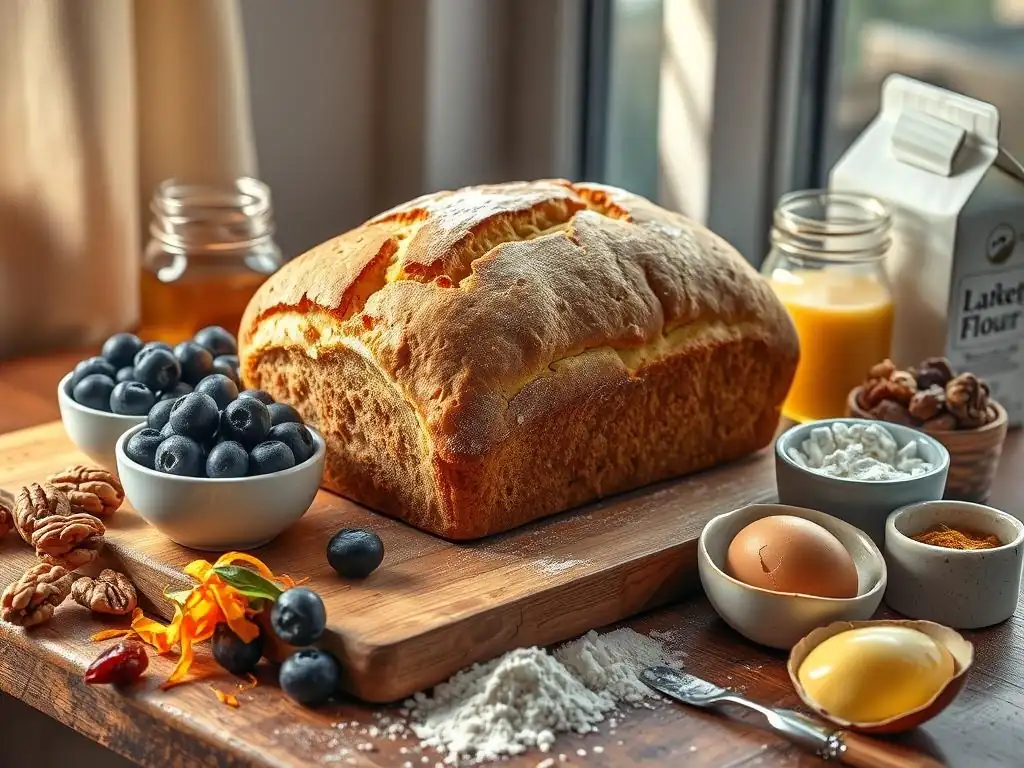
Welcome to BakeWithEase, your ultimate destination for mastering the delightful art of baking! Whether you're just starting your culinary journey or looking to refine your skills, we have something for everyone. In our featured article, “Quick Bread Ingredients Explained for New Bakers,” we dive into the essential components that make baking a breeze. Discover how easy it can be to whip up delicious quick breads with simple ingredients and step-by-step guidance. Are you ready to unlock the secrets of baking? Join us as we explore the world of pastries, breads, cakes, and more—your perfect baking adventure awaits!
- Easy Quick Bread Ingredients Explained for New Bakers
- Understanding Essential Ingredients for Quick Breads: A Beginner's Guide
- Flour Power: Choosing the Right Flour for Quick Breads
- Leavening Agents: The Secret to Quick Bread Rise
- Sweeteners: Adding Flavor and Moisture to Quick Breads
- Fats and Oils: Adding Tenderness and Flavor to Quick Breads
- Liquids: Binding Ingredients and Activating Leavening
- Eggs: Structure, Richness, and Emulsification in Quick Breads
- Flavor Enhancers: Elevating Your Quick Breads
- Mix-Ins: Customizing Your Quick Bread Creations
- Tips for Successfully Measuring Quick Bread Ingredients
- Storing Quick Bread Ingredients Properly
-
Frequently Asked Questions
- What are the essential easy quick bread ingredients for beginners?
- Can I substitute ingredients in easy quick bread recipes?
- What's the difference between baking powder and baking soda in easy quick bread?
- How important is measuring ingredients accurately when making easy quick bread?
- What are some common mistakes to avoid when using easy quick bread ingredients?
- Final Reflection: Unlocking the Magic of Simple Quick Breads
- Unleash Your Inner Baker: Mastering Quick Breads!
Easy Quick Bread Ingredients Explained for New Bakers
Understanding Essential Ingredients for Quick Breads: A Beginner's Guide
Quick breads are a fantastic entry point into the world of baking because they don't require yeast or extensive kneading and rising times. Instead, they rely on chemical leavening agents, making them much faster to prepare. Mastering easy quick bread ingredients is the first step to whipping up delicious loaves, muffins, scones, and more with minimal fuss. Think of ingredients like flour, leaveners, sweeteners, fats, liquids, and eggs as the building blocks for your baking adventures.
Getting familiar with the function of each basic quick bread ingredient demystifies the baking process. You'll learn why swapping ingredients can change the texture or flavor, and how simple adjustments can lead to different results. This guide will break down the common components found in most quick bread recipes, giving you the confidence to start baking your own delicious treats right away. Understanding these fundamental elements is key to unlocking the simplicity and speed that quick breads offer.
Flour Power: Choosing the Right Flour for Quick Breads
Flour is the structural foundation of almost all baked goods, including quick breads. It provides the bulk and, through its protein content (gluten), gives the finished product its shape and texture. For easy quick bread ingredients, the type of flour you choose significantly impacts the final result, from tenderness to crumb structure.
Selecting the appropriate flour ensures your quick bread rises properly and has the desired consistency. Different flours have varying protein levels, which affect how much gluten develops. In quick breads, we generally want minimal gluten development for a tender crumb, so understanding flour types is crucial for achieving that perfect texture.
All-Purpose Flour: The Workhorse of Quick Bread Baking
All-purpose flour is a staple in most kitchens and is the most common choice for easy quick bread ingredients. It's a versatile blend of hard and soft wheat, typically containing about 10-12% protein. This moderate protein level allows for some structure development without creating tough, chewy results, which is ideal for tender quick breads like banana bread or muffins.
Using all-purpose flour provides a consistent and reliable base for a wide variety of quick bread recipes. Its balanced composition means it absorbs liquids predictably, making it easy for beginners to achieve good results. Most recipes for simple quick bread components are designed with all-purpose flour in mind, making it your go-to option when starting out.
Self-Rising Flour: Convenience and Considerations
Self-rising flour is a pre-mixed blend that contains all-purpose flour, a leavening agent (usually baking powder), and salt. This can simplify recipes as you don't need to measure the leavener and salt separately, making it a very easy quick bread ingredient option. However, you must ensure the recipe specifically calls for self-rising flour, as substituting it for all-purpose flour without adjusting the other ingredients will lead to an over-leavened or overly salty product.
While convenient, the potency of the leavening agent in self-rising flour can diminish over time once the bag is opened. It's important to check the expiration date or freshness, just as you would with separate baking powder. Using fresh self-rising flour, when specified in a recipe, can indeed streamline the process of making easy quick bread ingredients come together quickly.
Other Flours: Exploring Gluten-Free and Whole Wheat Options in Quick Breads
Beyond the standard, various other flours can be used, though they often require recipe adjustments. Whole wheat flour, for example, includes the bran and germ, adding fiber, nutrients, and a nutty flavor. It also has slightly higher protein than all-purpose flour, which can lead to a denser quick bread unless compensated for with extra liquid or leavening.
Gluten-free quick breads require a blend of different flours (like rice, almond, oat, or sorghum) combined with starches (tapioca, potato, corn) and often a binder like xanthan gum. These blends mimic the function of wheat flour but behave differently regarding liquid absorption and structure. Exploring these options allows for dietary flexibility, but recipes specifically developed for these flours are recommended when starting with easy quick bread ingredients outside of the wheat family.
Leavening Agents: The Secret to Quick Bread Rise
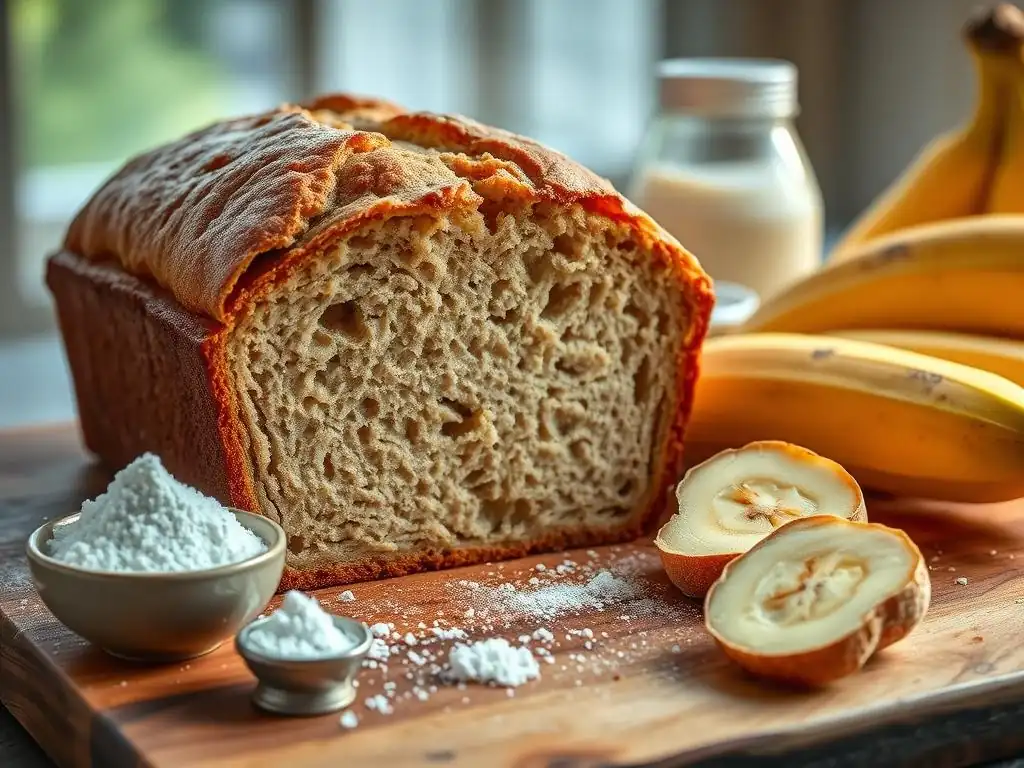
Leavening agents are the magical ingredients that make quick breads light and airy by producing gases (usually carbon dioxide) that cause the batter to rise. Unlike yeast, which produces gas slowly through fermentation, chemical leaveners react quickly when mixed with liquids and/or heat. Understanding how these basic quick bread ingredients work is key to achieving a good rise.
The type and amount of leavener used are critical. Too little, and your bread will be dense; too much, and it might rise too quickly and then collapse, or have a chemical aftertaste. The most common leavening agents for easy quick bread ingredients are baking powder and baking soda.
Baking Powder: Double-Acting Magic for Light and Airy Breads
Most baking powder available today is "double-acting." This means it produces gas in two stages: first, when it comes into contact with liquid at room temperature, and second, when it's heated in the oven. This double action provides a sustained lift, helping quick breads rise reliably and achieve a light, tender crumb.
A typical recipe might use 1 to 2 teaspoons of baking powder per cup of flour, though this varies depending on other ingredients. The first reaction creates small bubbles as you mix the batter, while the second, more vigorous reaction in the oven causes those bubbles to expand significantly. This makes baking powder a powerful and easy quick bread ingredient for consistent results.
Baking Soda: Understanding its Role and Activation
Baking soda (sodium bicarbonate) is a single-acting leavener. It requires an acidic ingredient and liquid to react and produce carbon dioxide gas. Common acidic ingredients in quick breads include buttermilk, yogurt, brown sugar, molasses, honey, vinegar, citrus juice, or even natural cocoa powder. Without an acid, baking soda won't react properly and will leave a soapy taste.
When a recipe includes both baking soda and an acidic ingredient, the baking soda neutralizes the acid while providing leavening. This often results in a more tender crumb and can also affect flavor and browning. Recipes using baking soda often use less of it compared to baking powder, perhaps ½ to 1 teaspoon per cup of flour, alongside an appropriate amount of acid. It's a crucial component in many easy quick bread ingredients lists, especially those with tangy elements.
The Importance of Fresh Leavening Agents
The effectiveness of baking powder and baking soda diminishes over time, typically after 6-12 months once opened. Using old leaveners is a common reason quick breads fail to rise properly. You can test their freshness easily:
- Baking Powder: Add a teaspoon to about ¼ cup of hot water. It should bubble vigorously.
- Baking Soda: Add a teaspoon to a few tablespoons of vinegar or lemon juice. It should fizz immediately and strongly.
If they don't react, it's time to replace them. Storing your leavening agents in a cool, dry place in airtight containers helps maintain their potency, ensuring that these essential easy quick bread ingredients are always ready when you are.
Sweeteners: Adding Flavor and Moisture to Quick Breads
Sweeteners do more than just add sweetness to quick breads. They contribute to the texture by tenderizing the crumb, help with browning during baking, and can also add moisture and unique flavors. The type of sweetener used as one of your easy quick bread ingredients can significantly alter the final product's characteristics.
Understanding the different properties of sweeteners helps you predict how they will affect your quick bread. Granulated sugar, for example, behaves differently than a liquid sweetener like honey. Their impact on the batter's consistency and the baked good's texture and moisture level makes them vital components.
Granulated Sugar: The Standard Sweetener
Granulated sugar, or white sugar, is the most common sweetener in quick bread recipes. It provides clean sweetness and helps create a tender texture by interfering with gluten development and starch gelatinization. It also contributes to the golden-brown crust through the Maillard reaction and caramelization during baking.
When dissolved in the batter, granulated sugar attracts and holds onto moisture, which helps keep the quick bread moist. A typical quick bread recipe might contain anywhere from ½ cup to 1 ½ cups of granulated sugar, depending on the desired sweetness and recipe size. It's a fundamental component among easy quick bread ingredients for achieving classic results.
Brown Sugar: Adding Molasses Richness and Moisture
Brown sugar is granulated sugar with molasses added back in. Light brown sugar contains less molasses than dark brown sugar. The molasses imparts a richer, slightly caramel-like flavor and also adds moisture. Because brown sugar contains molasses, it's slightly more acidic than white sugar, which can react with baking soda if present in the recipe.
Using brown sugar instead of or in addition to granulated sugar results in a quick bread that is typically softer, moister, and has a deeper flavor profile. This makes it an excellent choice for quick breads like gingerbread or certain types of muffins. The sticky texture of brown sugar also affects the batter consistency, making it a versatile easy quick bread ingredient.
Honey and Maple Syrup: Natural Sweeteners and Their Impact on Texture
Liquid natural sweeteners like honey and maple syrup add distinct flavors and significant moisture. They also contribute to browning. However, because they are liquids, they affect the overall liquid balance of the recipe and can sometimes make the crumb denser or gummier if not properly balanced with dry ingredients.
These sweeteners are also more acidic than granulated sugar, which can impact leavening, especially if baking soda is used. Recipes specifically developed with honey or maple syrup as the primary sweetener will have adjusted liquid and leavener ratios. While delicious, substituting them directly for granulated sugar in a recipe not designed for them can be tricky for beginners, but they are wonderful easy quick bread ingredients when used in appropriate recipes.
Fats and Oils: Adding Tenderness and Flavor to Quick Breads
Fats and oils play a critical role in the texture and flavor of quick breads. They coat the flour particles, preventing excessive gluten development, which leads to a more tender crumb. Fats also contribute to moisture, richness, and can carry flavors throughout the bread. Selecting the right fat is key to achieving the desired texture and taste among your easy quick bread ingredients.
Different fats have different properties, such as melting points and flavor profiles, which impact the final product. Whether using melted butter, vegetable oil, or shortening, each contributes uniquely to the structure and eating quality of the quick bread. They are essential for creating that soft, moist interior that makes quick breads so appealing.
Melted Butter: Classic Flavor and Richness
Melted butter is a popular choice for quick breads because of its rich, classic flavor. When melted, butter is a liquid fat, which makes it easy to incorporate into batters. The milk solids in butter contribute to browning and flavor development during baking.
Using melted butter typically results in a quick bread with a lovely buttery aroma and a slightly denser, but still tender, crumb compared to using oil. It solidifies slightly as the bread cools, which can contribute to a pleasant mouthfeel. For many classic easy quick bread ingredients lists, butter is the preferred fat for its unparalleled taste.
Vegetable Oil: A Neutral-Tasting Option
Vegetable oil, such as canola or sunflower oil, is a neutral-flavored liquid fat that is excellent for creating a very moist and tender quick bread. Since oil is liquid at room temperature, it coats flour particles more effectively than solid fats, inhibiting gluten development more thoroughly.
Quick breads made with oil tend to stay moist longer than those made with butter. Oil doesn't contribute much flavor itself, allowing other ingredients like fruits, spices, or chocolate chips to shine. It's an easy quick bread ingredient to measure and mix, making it very convenient for beginner bakers.
Shortening: Creating a Tender Crumb
Shortening, typically hydrogenated vegetable oil, is a solid fat at room temperature with a high melting point. While perhaps less common in simple quick bread recipes than butter or oil, it can be used to create an exceptionally tender and soft crumb. Shortening's structure also helps create flaky layers in some baked goods, though this is less relevant for typical quick bread batters.
Because shortening is 100% fat (unlike butter, which is about 80% fat and 20% water/milk solids), it provides maximum tenderness. It also has a neutral flavor like vegetable oil. If a recipe calls for shortening among its easy quick bread ingredients, it's usually creamed with sugar, similar to cake methods, which incorporates air and contributes to leavening and texture.
Liquids: Binding Ingredients and Activating Leavening
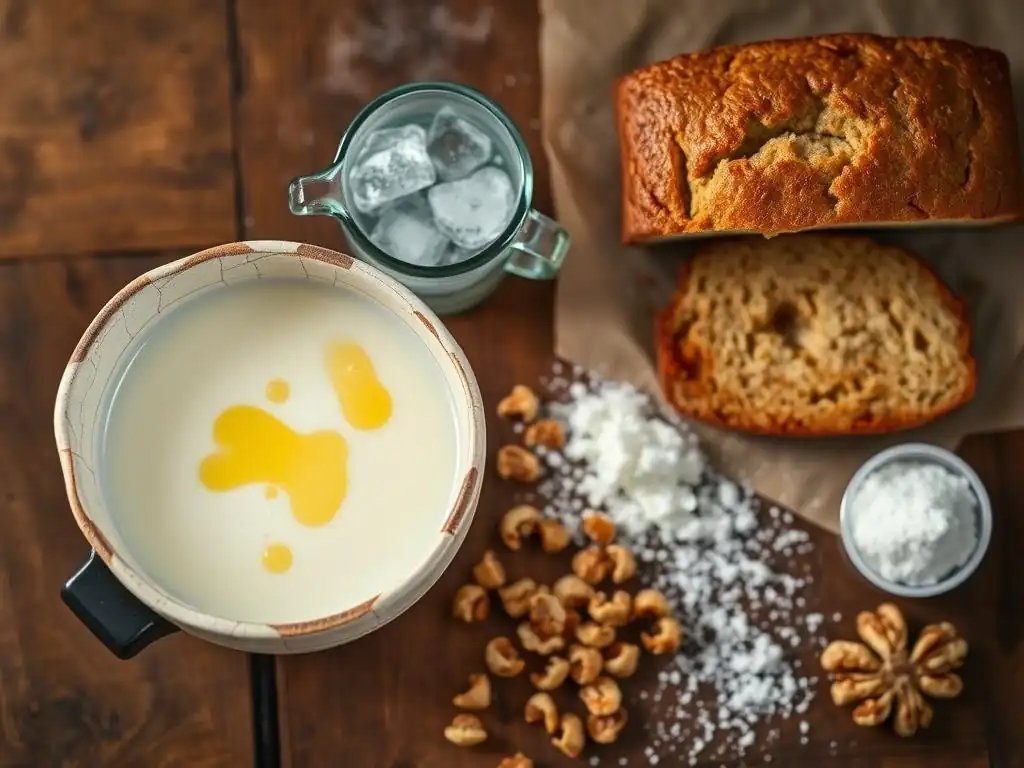
Liquids are essential in quick bread batters. They hydrate the flour, allowing starches to gelatinize and proteins to form structure (minimal gluten in quick breads). Liquids dissolve sugar and salt, help activate leavening agents (especially baking soda), and bring all the easy quick bread ingredients together into a cohesive batter.
The type of liquid used can significantly impact the flavor, tenderness, and richness of the quick bread. From simple water to rich buttermilk or milk, each liquid contributes differently to the final baked good. Proper liquid balance is crucial; too little results in a dry, dense bread, while too much can lead to a heavy or gummy texture.
Milk: Adding Moisture and Flavor
Milk is a common liquid in quick bread recipes. Its fat content adds richness and contributes to a tender crumb. The lactose (milk sugar) contributes to browning. Milk provides hydration for the dry ingredients and helps distribute the leavening agents throughout the batter.
Whether using whole milk, 2%, or skim milk, it will add moisture and a subtle richness. Whole milk will contribute slightly more tenderness due to its higher fat content. It's a standard and versatile liquid found in many lists of easy quick bread ingredients.
Buttermilk: Tangy Flavor and Tender Crumb
Buttermilk is a cultured dairy product with a tangy flavor and a thicker consistency than regular milk. It is acidic, making it the perfect partner for baking soda. The reaction between buttermilk and baking soda produces significant leavening, resulting in a light and tender crumb.
The acidity of buttermilk also helps tenderize the gluten in the flour, further contributing to a soft texture. Its unique tangy flavor complements many quick bread flavors, like lemon-poppy seed or berry muffins. If a recipe calls for buttermilk as one of the easy quick bread ingredients and you don't have it, you can approximate it by adding one tablespoon of vinegar or lemon juice to one cup of milk and letting it sit for 5-10 minutes until it curdles slightly.
Water: A Simple and Effective Hydrator
While less common as the sole liquid in quick breads compared to milk or buttermilk, water serves the fundamental purpose of hydrating dry ingredients and facilitating the chemical reactions of leavening agents. In some recipes, particularly those focusing on intense fruit or spice flavors, water might be used to avoid adding extra richness or flavor from milk.
Water is a simple and effective way to bring the batter together. Its neutrality means it won't interfere with other flavors. While it doesn't add richness or aid browning like milk, it is a perfectly functional liquid component among easy quick bread ingredients when the recipe calls for it.
Eggs: Structure, Richness, and Emulsification in Quick Breads
Eggs are multi-tasking ingredients in quick breads, contributing to structure, richness, moisture, and acting as an emulsifier. As they cook, the proteins in eggs coagulate, helping to set the structure of the quick bread and preventing it from collapsing. They are key easy quick bread ingredients for stability and texture.
Eggs also add fat and moisture, which contribute to tenderness and flavor. The yolks, in particular, are rich in fat and emulsifiers (like lecithin), which help bind water and fat together, creating a smoother batter and a more even crumb texture. The number of eggs in a recipe impacts the richness and structure.
Whole Eggs: Binding and Adding Richness
Using whole eggs provides a balance of protein (from both white and yolk) and fat (from the yolk). The protein contributes significantly to the structural network of the quick bread as it bakes. A large egg contains about 6 grams of protein and 5 grams of fat.
Whole eggs act as a binder, holding the other easy quick bread ingredients together. They add richness, moisture, and help create a tender, well-structured crumb. Most standard quick bread recipes call for one or more whole large eggs.
Egg Whites: Adding Structure and Lightness
Using only egg whites adds protein and helps create a more open, lighter structure. Since egg whites contain no fat, they contribute less richness and moisture than whole eggs or yolks. Whipped egg whites can be folded into a batter to add significant volume and create a very airy texture, although this technique is less common in simple quick bread recipes.
In some lighter quick bread variations, a recipe might call for extra egg whites to boost structure without adding the richness of yolks. They contribute primarily to the height and lightness of the finished product, making them a specialized easy quick bread ingredient.
Egg Yolks: Adding Richness and Tenderness
Egg yolks are packed with fat and emulsifiers. Using extra egg yolks (in addition to or instead of some whole eggs) dramatically increases the richness, moisture, and tenderness of a quick bread. Yolks also contribute to a richer color and flavor.
Recipes that feature extra yolks often result in a quick bread with a very fine, soft crumb that is almost cake-like. The emulsifying properties of the yolks help create a very smooth batter and prevent ingredients from separating during baking. They are key easy quick bread ingredients for indulgent, tender results.
Flavor Enhancers: Elevating Your Quick Breads
While the main ingredients provide the structure and base flavor, flavor enhancers are crucial for making your quick bread truly delicious. These are the easy quick bread ingredients that take your bake from good to great, adding depth, complexity, and balance.
Salt, extracts, and spices are common flavor enhancers used in quick breads. They don't just add their own taste; they interact with and enhance the flavors of the other ingredients, like sugar, fruit, or chocolate.
Salt: Balancing Flavors and Enhancing Sweetness
Salt might seem counterintuitive in a sweet quick bread, but it is a vital flavor enhancer. It balances the sweetness, prevents the quick bread from tasting flat, and makes other flavors more vibrant. Salt also plays a small role in controlling the rate of leavening.
Most quick bread recipes call for ½ to 1 teaspoon of salt. Using too little results in a bland product, while too much makes it unpleasantly salty. It's one of the most important easy quick bread ingredients for achieving a well-rounded taste profile.
Vanilla Extract: A Classic Flavor Addition
Vanilla extract is one of the most popular flavor enhancers in baking. Its warm, aromatic notes complement a wide range of other flavors, from fruit to chocolate to spice. A teaspoon or two of good quality vanilla extract can elevate the taste of almost any quick bread.
Ensure you are using pure vanilla extract for the best flavor, although imitation vanilla is also available and more budget-friendly. Adding vanilla is a simple step that significantly boosts the overall deliciousness, making it a go-to among easy quick bread ingredients for enhancing aroma and taste.
Spices: Adding Warmth and Complexity
Spices like cinnamon, nutmeg, cloves, ginger, and cardamom are frequently used in quick breads, especially those featuring fruits like apples, bananas, or pumpkin. They add warmth, depth, and complexity to the flavor profile. Combinations of spices can create distinct flavor profiles, such as the classic blend for pumpkin bread or gingerbread.
Using fresh, potent spices is important for maximizing flavor. Ground spices lose their potency over time, so check their freshness. A simple pinch or teaspoon of the right spice can transform the character of your quick bread, making them exciting easy quick bread ingredients to experiment with.
Mix-Ins: Customizing Your Quick Bread Creations
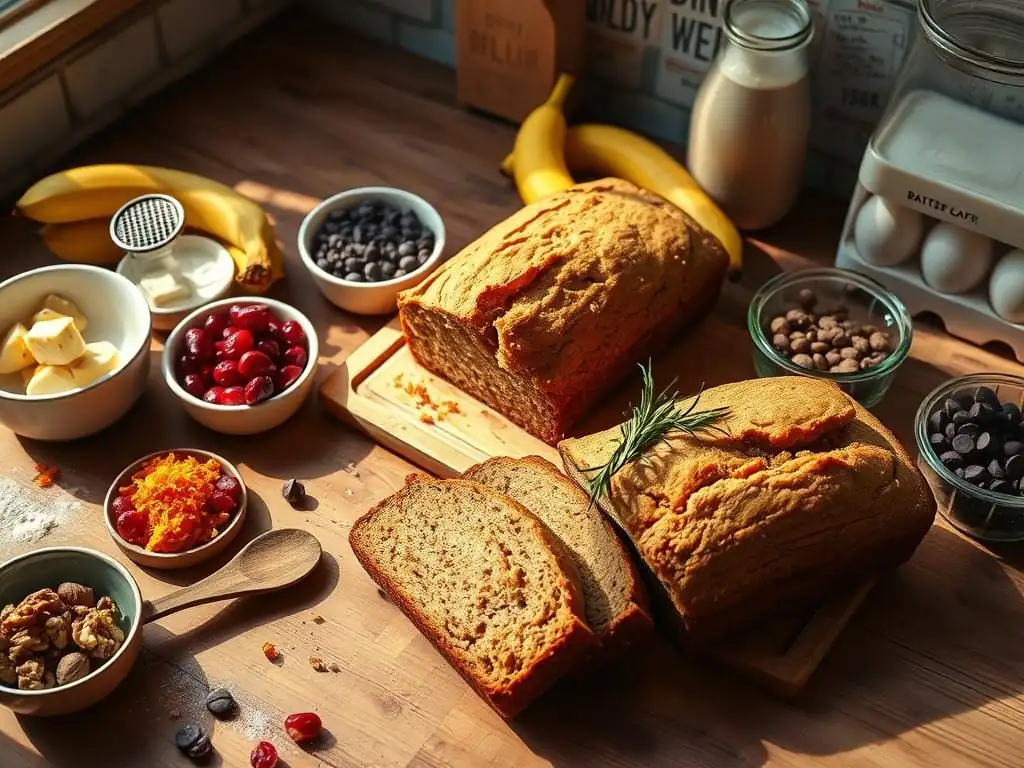
Mix-ins are the fun additions that allow you to customize your quick breads and add extra flavor, texture, and visual appeal. From fruits and nuts to chocolate chips and beyond, these easy quick bread ingredients turn a basic batter into a personalized treat.
Adding mix-ins is where you can get creative! They are folded into the batter just before baking. Care must be taken not to overmix once they are added, as this can lead to a tough quick bread.
Fruits: Berries, Bananas, and More
Fruits are popular mix-ins, adding sweetness, moisture, and flavor. Mashed bananas are a classic quick bread ingredient, providing natural sweetness, moisture, and binding. Berries like blueberries or raspberries are also common, adding bursts of juicy flavor.
Fresh fruits can add significant moisture, sometimes requiring slight adjustments to baking time. Coating berries in a tablespoon of flour before adding them to the batter can help prevent them from sinking to the bottom. Dried fruits like raisins or cranberries also work well, adding chewiness and concentrated sweetness.
Nuts: Adding Texture and Flavor
Chopped nuts, such as walnuts, pecans, or almonds, add a pleasant crunch and nutty flavor to quick breads. They can be added raw or lightly toasted to enhance their flavor before folding them into the batter.
Nuts contribute healthy fats and a satisfying texture contrast to the soft crumb of the quick bread. They pair particularly well with fruit or spice flavors, making them versatile easy quick bread ingredients for adding dimension.
Chocolate Chips: A Classic Indulgence
Chocolate chips are perhaps one of the most beloved quick bread mix-ins. They melt slightly during baking, creating pockets of gooey, rich chocolate flavor throughout the bread. Semi-sweet, milk, or dark chocolate chips can be used depending on your preference.
Adding chocolate chips is a simple way to make any quick bread feel like a special treat. They work well in simple vanilla or chocolate batters, or paired with fruits like bananas or raspberries. A standard quick bread loaf might use anywhere from ½ cup to 1 ½ cups of chocolate chips, proving they are essential easy quick bread ingredients for many bakers.
Tips for Successfully Measuring Quick Bread Ingredients
Accurate measurement is fundamental to successful baking, especially with easy quick bread ingredients where the balance between dry and wet components and leaveners is crucial. Unlike cooking, where you can often adjust ingredients as you go, baking relies on precise ratios for the chemical reactions and structure to work correctly.
Taking a few extra moments to measure carefully will save you frustration and ensure your quick bread turns out as intended. Using the right tools and techniques for different types of ingredients is key to consistency.
Measuring Flour Accurately: Spoon and Level Method
Incorrectly measuring flour is one of the most common baking mistakes. Scooping flour directly from the bag with your measuring cup compacts the flour, resulting in too much flour being added to the recipe. This can lead to a dry, dense quick bread.
The recommended method for measuring flour is the "spoon and level" method:
- Gently fluff the flour in its container with a fork or spoon.
- Lightly spoon the flour into your dry measuring cup until it is overflowing.
- Use a straight edge (like the back of a knife or a spatula) to level off the excess flour, sweeping it back into the container.
This method ensures you get roughly the amount of flour the recipe intends, making it easier to work with your easy quick bread ingredients. For ultimate accuracy, weighing flour on a kitchen scale is best (1 cup of all-purpose flour is typically around 120-130 grams).
Understanding Liquid Measurements
Liquids should be measured using clear liquid measuring cups, which have markings on the side and a spout for pouring. Place the measuring cup on a flat, level surface and pour the liquid until it reaches the desired measurement line. Bend down to eye level to ensure you are reading the measurement accurately at the bottom of the meniscus (the slight curve of the liquid's surface).
Using dry measuring cups for liquids or liquid cups for dry ingredients will result in inaccurate measurements because of their different designs and how ingredients settle or pour. Proper liquid measurement is crucial for hydrating your easy quick bread ingredients correctly and achieving the right batter consistency.
Room Temperature Ingredients: Why They Matter
Many quick bread recipes specify using room temperature ingredients, particularly eggs and sometimes butter or milk. Room temperature ingredients emulsify more easily, meaning they combine more smoothly and evenly with other ingredients. This creates a uniform batter, which leads to a quick bread with a better texture and more even rise.
For example, cold eggs won't incorporate as well into a batter as room temperature eggs, potentially leading to a less cohesive structure. Cold butter, if used melted, should be fully melted but not hot. If a recipe calls for creaming butter and sugar, the butter must be softened (room temperature) to incorporate air effectively. Planning ahead to let your easy quick bread ingredients come to room temperature can significantly improve your results.
Storing Quick Bread Ingredients Properly
Proper storage is essential to keep your easy quick bread ingredients fresh and potent. Ingredients that have gone stale or lost their leavening power can lead to baking failures. Storing ingredients correctly preserves their quality, flavor, and functionality, ensuring your quick breads consistently turn out delicious.
Protecting ingredients from moisture, air, light, and pests is key. Using airtight containers and keeping them in appropriate locations (cool, dark, dry) will extend their shelf life and keep them ready for your next baking project.
Flour Storage: Preventing Spoilage
Flour can absorb moisture and odors, and whole wheat flour is susceptible to spoilage due to its oil content. Store all types of flour in airtight containers (plastic or glass) in a cool, dry place. The pantry is usually suitable.
For longer storage, especially for whole wheat or less frequently used flours, the freezer or refrigerator can extend their shelf life significantly. Just be sure to let chilled flour come to room temperature before measuring and using it in your quick bread batter. Proper flour storage ensures your easy quick bread ingredients stay fresh.
Leavening Agent Storage: Maintaining Potency
Baking powder and baking soda lose their potency over time, especially when exposed to moisture or air. Always store them in their original containers or transfer them to small, airtight containers. Keep them in a cool, dry place, away from steam or humidity (like above the stove).
Check the freshness periodically using the tests mentioned earlier (hot water for baking powder, acid for baking soda). Using fresh leavening agents is non-negotiable for achieving a good rise in your quick breads, making proper storage vital for these easy quick bread ingredients.
Sugar and Sweetener Storage: Preventing Clumping
Granulated sugar is relatively stable but can clump if exposed to moisture. Store it in an airtight container in a cool, dry place. If it clumps, you can often break up the clumps with a spoon or pulse it briefly in a food processor.
Brown sugar is prone to hardening because the molasses in it dries out. Store it in an airtight container. If it hardens, placing a slice of bread or a marshmallow in the container for a day or two can help soften it. Liquid sweeteners like honey and maple syrup should be stored in their original sealed containers at room temperature. Proper storage keeps your easy quick bread ingredients ready for use.
Frequently Asked Questions
What are the essential easy quick bread ingredients for beginners?
The essential ingredients typically include flour, leavening agents like baking powder or baking soda, salt, a liquid such as milk or buttermilk, and a fat like oil or melted butter. These create the basic structure and texture.
Can I substitute ingredients in easy quick bread recipes?
Yes, substitutions are often possible! For example, applesauce can replace some of the oil, or different types of flour can be used. However, significant changes might alter the final result.
What's the difference between baking powder and baking soda in easy quick bread?
Baking powder is a complete leavening agent containing both an acid and a base, while baking soda requires an acidic ingredient (like buttermilk) to activate. Using the wrong one can affect the bread's rise and flavor.
How important is measuring ingredients accurately when making easy quick bread?
Accurate measurement is crucial for success. Too much or too little of an ingredient, especially leavening agents or liquids, can significantly impact the texture and rise of your quick bread.
What are some common mistakes to avoid when using easy quick bread ingredients?
Overmixing the batter is a common mistake, leading to a tough bread. Also, using expired leavening agents will prevent the bread from rising properly. Lastly, ensure your oven is at the correct temperature.
Final Reflection: Unlocking the Magic of Simple Quick Breads
The humble quick bread, a testament to the power of readily available ingredients, remains a cornerstone of home baking, offering both ease and delicious results. Its enduring appeal lies not just in its simplicity, but in its adaptability – a blank canvas for culinary creativity, limited only by the baker's imagination. This accessibility makes it the perfect entry point for aspiring bakers, fostering a love for the craft that can last a lifetime.
The exploration of common quick bread ingredients, from the familiar flour and leavening agents to the often-overlooked nuances of fats and sweeteners, reveals a depth that belies their simplicity. Understanding these components allows for a deeper appreciation of the baking process itself, transforming what might seem like a rote recipe into a journey of discovery. As the renowned baker, Paul Hollywood, once said, Baking is about precision, but it's also about passion. It's about taking simple ingredients and transforming them into something extraordinary.
This sentiment perfectly encapsulates the magic of quick bread baking.
Now, armed with a deeper understanding of the building blocks of your favorite quick breads, I encourage you to experiment! Don't be afraid to substitute ingredients, to explore different flavor combinations, and to let your creativity guide you. Each loaf you bake is a chance to learn, to grow, and to share the joy of freshly baked goodness with those you love. The journey of a thousand loaves begins with a single, perfectly risen, slice.
Unleash Your Inner Baker: Mastering Quick Breads!
Thanks for joining us on this quick bread journey! We hope you now feel confident and excited to experiment with these versatile recipes. Ready to take your baking skills to the next level?
- Bake your own masterpiece! Try out one of the quick bread recipes mentioned in the article – we recommend starting with the simple blueberry muffins. The results will be delicious!
- Share your creations! Post a picture of your baked goods on social media using #BakeWithEase and tag us – we'd love to see your baking triumphs!
- Explore our other resources: Dive deeper into the world of baking by checking out our other articles on BakeWithEase.com – we've got plenty more tips and tricks to help you on your baking adventure.
What quick bread will you bake first, and what unique twist will you add to it?