
Elevate Your Thanksgiving Pumpkin Pie with These Easy Tips

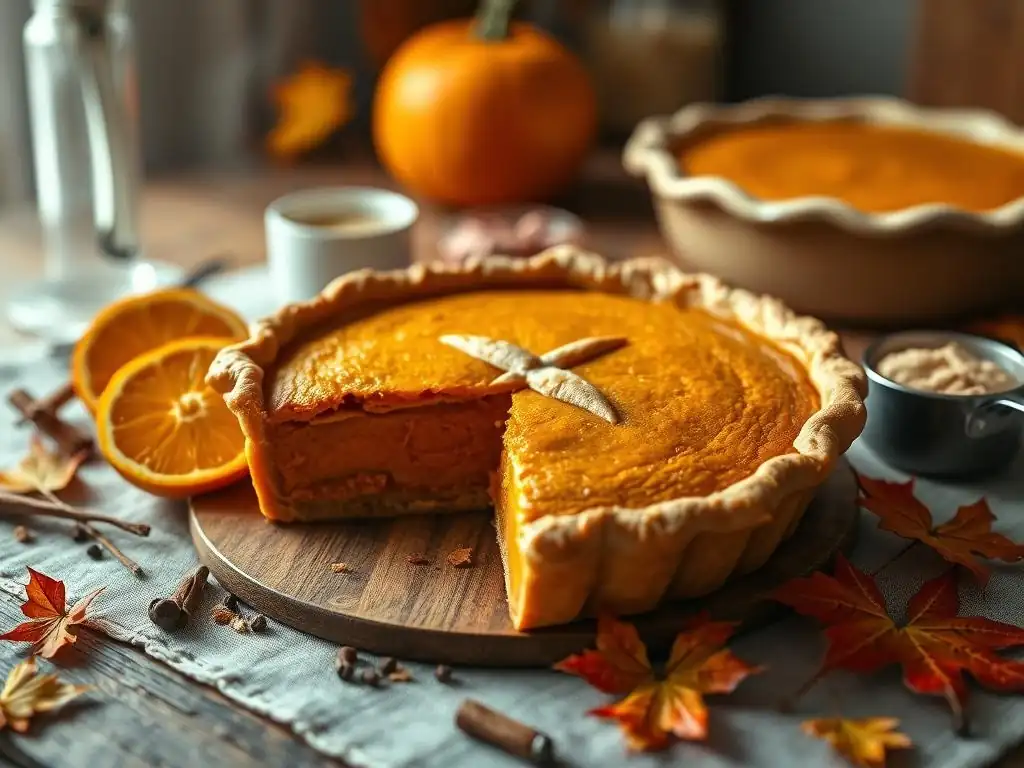
Welcome to BakeWithEase, your companion in crafting delectable baked goods!
Ready to elevate your Thanksgiving feast? This year, impress your guests with a pumpkin pie that's both effortless and unforgettable. Dig into our Easy Thanksgiving Pumpkin Pie Tips and discover secrets to achieving that perfect texture and flavor. Intrigued? Read on to bake your best pie yet!
- Elevate Your Thanksgiving Pumpkin Pie with These Expert Tips
- BakeWithEase Presents: Mastering Your Thanksgiving Pumpkin Pie
- Starting with the Best Ingredients for Pumpkin Pie
- Crust Techniques for a Flaky Pumpkin Pie
- Achieving the Perfect Pumpkin Pie Filling Texture
- Thanksgiving Pumpkin Pie Baking Techniques
- Pumpkin Pie Topping Ideas for a Festive Finish
- Troubleshooting Common Pumpkin Pie Problems
- Storing Your Thanksgiving Pumpkin Pie for Maximum Freshness
- Enjoy Your Delicious Thanksgiving Pumpkin Pie!
-
Frequently Asked Questions
- What are some easy tips for making a better Thanksgiving pumpkin pie?
- What's the best way to avoid a cracked pumpkin pie filling?
- How can I prevent my pumpkin pie crust from shrinking while baking?
- What are some easy ingredient substitutions I can make to my pumpkin pie recipe?
- How do I know when my Thanksgiving pumpkin pie is perfectly baked?
- Final Reflection: A Slice of Gratitude, A Taste of Perfection
- Unleash Your Inner Pie Master!
Elevate Your Thanksgiving Pumpkin Pie with These Expert Tips
BakeWithEase Presents: Mastering Your Thanksgiving Pumpkin Pie
Thanksgiving just isn't complete without a slice of warm pumpkin pie. While it might seem straightforward, achieving that perfect balance of creamy filling and flaky crust can sometimes feel like a holiday challenge. Don't worry! We're here to share some easy Thanksgiving pumpkin pie tips to help you bake a dessert that will earn rave reviews from everyone around the table. Whether you're a seasoned baker or trying your hand at it for the first time, these pointers will guide you to pumpkin pie perfection.
Getting the details right makes all the difference in turning a good pie into a great one. From selecting the best ingredients to mastering the baking process, each step contributes to the final flavor and texture. Following these easy tips for your Thanksgiving pumpkin pie will not only simplify the process but also ensure a consistently delicious result year after year. Let's dive into the secrets that will make your pie the star of the Thanksgiving feast.
Achieve Pumpkin Pie Perfection This Thanksgiving
Creating a truly memorable Thanksgiving pumpkin pie involves more than just following a recipe; it's about understanding the nuances of each element. The journey begins long before you preheat the oven, starting with the quality of your ingredients and the care you put into preparing the crust and filling. Paying attention to details like spice freshness and proper cooling techniques can elevate your pie from simply good to absolutely outstanding.
This section is dedicated to providing you with actionable, easy Thanksgiving pumpkin pie tips covering every critical stage. We'll explore how ingredient choices impact flavor, share techniques for a flawless crust, and offer insights into achieving that silky-smooth filling everyone loves. By focusing on these key areas, you'll build confidence and skill, making your holiday baking experience less stressful and infinitely more rewarding. Prepare to impress your family and friends with a pie that looks and tastes like it came straight from a professional bakery.
Starting with the Best Ingredients for Pumpkin Pie
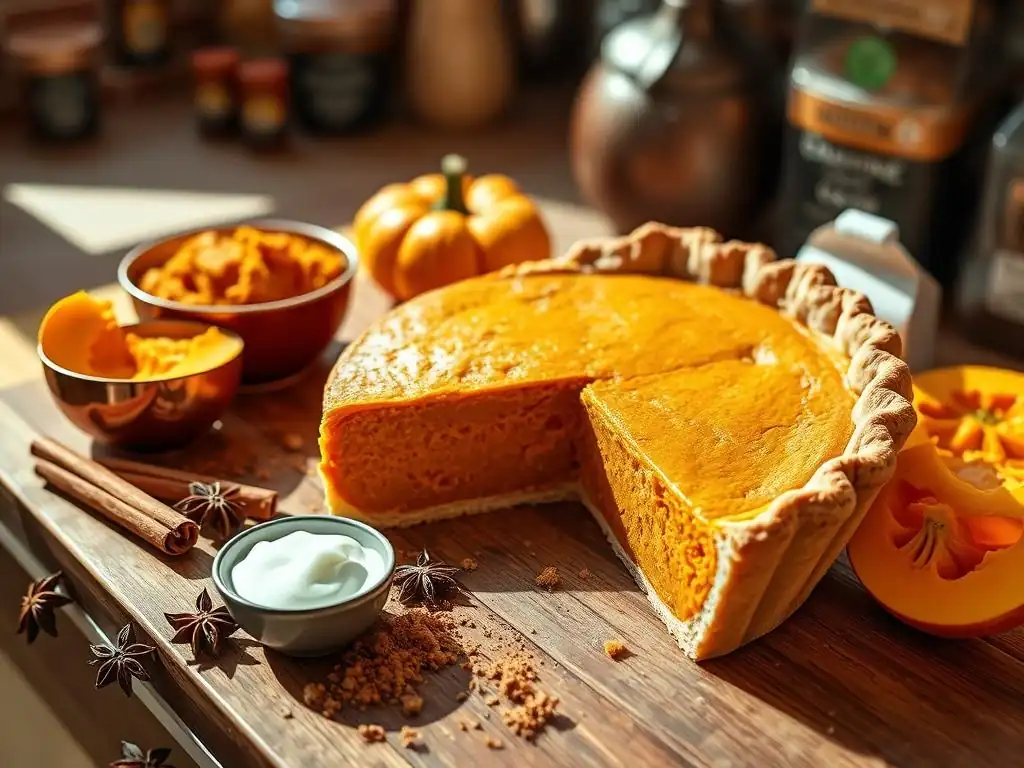
The foundation of any great pie is the quality of its ingredients. This is especially true for Thanksgiving pumpkin pie, where the flavors are simple and rely heavily on the freshness and quality of the pumpkin, spices, and dairy. Using high-quality components ensures a richer flavor and better texture, making your easy Thanksgiving pumpkin pie tips even more effective.
Choosing the right ingredients also impacts the overall consistency and success of your bake. Subpar ingredients can lead to bland flavors, watery filling, or a disappointing crust. Investing a little extra thought into sourcing the best pumpkin puree, freshest spices, and appropriate dairy will pay dividends in the final taste and texture of your holiday dessert.
Choosing the Right Pumpkin Puree: Selecting the Best Option
When it comes to pumpkin pie, the choice between homemade pumpkin puree and canned is significant. While homemade offers a slightly fresher flavor, canned pure pumpkin is a reliable and convenient option for most home bakers, and it's what most recipes are developed for. Crucially, make sure you are buying pure pumpkin and not pumpkin pie mix, which already contains sugar and spices. This distinction is vital for controlling the sweetness and spice levels in your pie.
Look for canned pure pumpkin that has a vibrant orange color and a thick consistency. Some brands might be more watery than others; draining off excess liquid from the top of the can can help prevent a soggy filling. A standard 15-ounce can typically yields about 1 ¾ cups of puree, which is the amount often called for in classic Thanksgiving pumpkin pie recipes. Using high-quality pure pumpkin is one of the easiest tips for your Thanksgiving pumpkin pie success.
The Importance of Spices: Creating a Signature Pumpkin Pie Spice Blend
Spices are the heart and soul of pumpkin pie, providing that signature warmth and aroma. A typical blend includes cinnamon, ginger, nutmeg, and cloves. The freshness of these spices makes a huge difference. Ground spices lose potency over time, so using spices purchased within the last six months to a year will yield the most vibrant flavor. Consider grinding your own nutmeg for an extra burst of freshness.
While pre-mixed pumpkin pie spice blends are convenient, creating your own allows you to customize the flavor profile. A common ratio is 2 parts cinnamon to 1 part ginger, ½ part nutmeg, and ½ part cloves, but you can adjust this to your preference. For instance, adding a pinch of allspice or cardamom can introduce interesting complexity. Experimenting with your spice blend is an easy Thanksgiving pumpkin pie tip that can make your pie uniquely yours.
Selecting Quality Spices for Maximum Flavor
The quality of individual spices varies greatly. Look for spices from reputable sources, preferably organic if available, as they often retain more of their essential oils and flavor. For cinnamon, consider using Ceylon cinnamon for a milder, sweeter flavor or Saigon cinnamon for a bolder, spicier note.
- Cinnamon: Should be aromatic and potent.
- Ginger: Ground ginger should have a sharp, slightly peppery kick.
- Nutmeg: Freshly ground nutmeg is intensely aromatic and flavorful compared to pre-ground.
- Cloves: Use sparingly, as they are very potent. They should have a strong, pungent aroma.
Using fresh, high-quality spices ensures that your Thanksgiving pumpkin pie doesn't taste flat or one-dimensional. This simple step is one of the most impactful easy Thanksgiving pumpkin pie tips you can follow.
Crust Techniques for a Flaky Pumpkin Pie
A perfect pumpkin pie needs a perfect crust – flaky, buttery, and sturdy enough to hold the rich filling. Soggy bottoms are a common pitfall, but with the right technique, you can achieve a beautifully baked crust. Mastering your crust is key to an easy Thanksgiving pumpkin pie that holds its shape and delights with every bite.
Whether you choose to make your crust from scratch or use a store-bought option, understanding the principles of pie crust making is essential. The key to flakiness lies in keeping the fat (butter or shortening) cold and handling the dough minimally. Overworking the dough develops gluten, resulting in a tough crust.
Making Your Own Pie Crust: A Step-by-Step Guide
Making your own pie crust from scratch can be a rewarding process and often yields superior flavor and texture. A basic recipe typically involves flour, cold fat (like unsalted butter or a combination of butter and shortening), a pinch of salt, and ice water. The key is to cut the cold fat into the flour until it resembles coarse crumbs with some pea-sized pieces remaining. These larger pieces of fat create steam pockets during baking, resulting in flakiness.
Ingredients:
- 1 ¼ cups all-purpose flour
- ½ teaspoon salt
- ½ cup (1 stick) cold unsalted butter, cut into cubes
- 4-6 tablespoons ice water
Mix flour and salt. Cut in cold butter using a pastry blender or your fingers until mixture resembles coarse meal with some pea-sized pieces. Gradually add ice water, one tablespoon at a time, mixing until dough just comes together. Don't overmix. Form dough into a disc, wrap in plastic wrap, and chill for at least 30 minutes before rolling. Rolling chilled dough thinly (about 1/8 inch) and fitting it gently into the pie plate without stretching are crucial steps for an even bake and flaky texture.
Shortcut Alert: Using Store-Bought Pie Crust Effectively
For many, Thanksgiving is busy, and using a store-bought pie crust is a perfectly acceptable and time-saving option. Modern store-bought crusts have improved significantly and can produce a delicious result with a few simple tricks. Choosing a high-quality brand is the first step towards an easy Thanksgiving pumpkin pie using a shortcut.
Most store-bought crusts come either frozen or refrigerated in a roll. Allow refrigerated dough to sit at room temperature for 15-20 minutes before unrolling to prevent cracking. For frozen crusts, follow package directions for thawing, usually overnight in the refrigerator or for a short time at room temperature. While convenient, store-bought crusts can sometimes lack the rich buttery flavor of homemade, but they save significant time and effort during the busy holiday season.
Tips for Working with Pre-Made Pie Dough
Working with pre-made dough requires a gentle touch to prevent tearing or overstretching. If the dough cracks when unrolling, you can often gently press the edges back together with your fingers. Avoid the temptation to stretch the dough to fit the pie plate; this can cause it to shrink significantly during baking.
- Let refrigerated dough warm slightly (15-20 mins) before unrolling.
- Carefully unroll and place in the pie plate.
- Gently press the dough into the corners and up the sides of the plate.
- Trim excess dough, leaving about a 1-inch overhang, then crimp or flute the edges.
- Always follow the package instructions regarding thawing and baking temperatures, but be prepared to adjust based on your oven.
- Blind baking is still often recommended for store-bought crusts to prevent a soggy bottom.
Using these easy Thanksgiving pumpkin pie tips with store-bought dough ensures a much better outcome than simply baking it straight from the package.
Achieving the Perfect Pumpkin Pie Filling Texture
The filling is arguably the most important part of a Thanksgiving pumpkin pie. It should be smooth, creamy, and beautifully spiced, not curdled or watery. Mastering the filling ensures a luxurious mouthfeel that complements the flaky crust. Getting the filling right is one of the most important easy Thanksgiving pumpkin pie tips for a truly satisfying dessert.
The ideal pumpkin pie filling has a custard-like consistency that is firm enough to slice cleanly but still melts in your mouth. This texture is achieved through a careful balance of ingredients and precise baking. Understanding how eggs, dairy, and sugar interact is key to preventing common filling issues.
Secret Ingredients for a Creamy, Smooth Pumpkin Pie Filling
Beyond the standard pumpkin, eggs, sugar, and spices, a few additions can elevate your filling's texture and richness. Using evaporated milk or heavy cream instead of or in addition to regular milk results in a creamier, more decadent filling. The higher fat content contributes to a smoother texture and richer flavor.
Some recipes call for a touch of molasses or brown sugar alongside granulated sugar; these not only add depth of flavor but also contribute to a slightly smoother texture. A tablespoon or two of cornstarch or flour can also act as a stabilizer, helping to thicken the filling and prevent separation, especially if you're worried about a runny outcome. These small tweaks are easy Thanksgiving pumpkin pie tips that make a big difference.
Preventing Cracks: Baking Tips for a Flawless Pumpkin Pie
Cracks on the surface of a pumpkin pie are a common cosmetic issue, often caused by overbaking or cooling too quickly. The key to a crack-free surface is to bake the pie just until the filling is set but slightly jiggly in the center, then allow it to cool gradually. The residual heat will continue to cook the center as it cools.
Another tip is to ensure your ingredients are at room temperature before mixing the filling. Cold ingredients can sometimes cause uneven cooking. Pouring the filling carefully into the warm blind-baked crust can also help, as the heat from the crust starts the cooking process evenly. Don't open the oven door too frequently during the final stages of baking, as sudden temperature changes can also contribute to cracking.
The Role of Temperature in Preventing Cracks
Baking temperature plays a crucial role in preventing cracks. Many recipes suggest starting the pie at a higher temperature (e.g., 425°F) for the first 10-15 minutes to set the crust edges, then reducing the temperature (e.g., 350°F) for the remainder of the baking time. This initial high heat helps set the outer edges of the filling quickly.
However, the most common cause of cracking is baking the pie for too long at the lower temperature. The filling should be removed from the oven when the outer 2-3 inches appear set, but the very center (about a 2-inch circle) still has a slight wobble when gently shaken. Overbaking dries out the custard, causing it to pull apart and crack as it cools.
Using a lower baking temperature (like 325°F) for the entire baking time can also help prevent cracking by allowing the pie to cook more gently and evenly, though it will take longer. Monitor your pie closely during the last 15-20 minutes of baking.
Thanksgiving Pumpkin Pie Baking Techniques
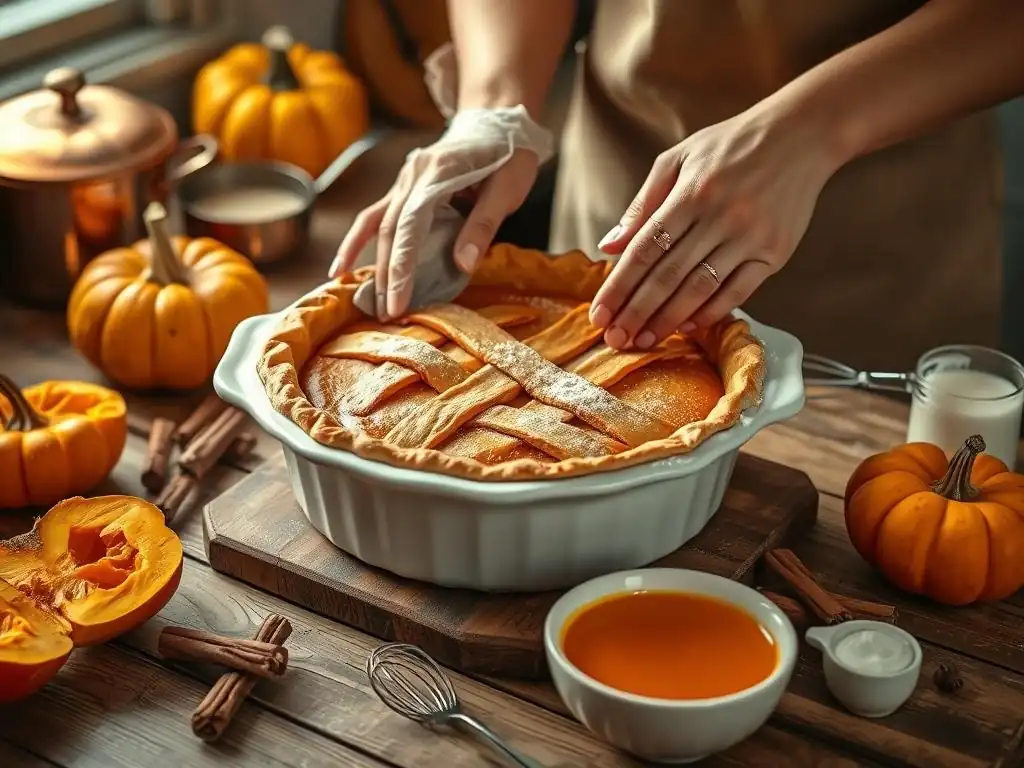
Baking a Thanksgiving pumpkin pie isn't just about mixing ingredients; it's about employing the right techniques to ensure both the crust and filling are perfectly cooked. From preparing the crust before adding the filling to managing oven temperature, these techniques are essential easy Thanksgiving pumpkin pie tips for a successful bake.
Understanding the science behind pie baking – how heat affects the fats in the crust and the proteins in the filling – helps you troubleshoot and achieve consistent results. These techniques are applicable whether you're using a complex gourmet recipe or a simple one.
The Importance of Blind Baking Your Pie Crust
Blind baking, or pre-baking, the pie crust before adding the filling is a critical step for many custard-based pies like pumpkin. This technique helps prevent the dreaded soggy bottom by partially (or fully) cooking the crust before the wet filling is introduced. It ensures the crust is crisp and flaky all the way through.
To blind bake, line the raw pie dough in the pie plate, trim and crimp the edges, then prick the bottom all over with a fork. Line the crust with parchment paper or foil and fill it with pie weights, dried beans, or rice. Bake in a preheated oven (often around 375-400°F) for 15-20 minutes until the edges are lightly golden.
Remove the weights and parchment/foil, and bake for another 5-10 minutes until the bottom looks dry and slightly set. This partial bake is usually sufficient for pumpkin pie; a full blind bake (until golden brown) is needed for pies that aren't baked again after filling.
Oven Temperature and Baking Time for Optimal Results
Getting the oven temperature and timing right is crucial for a perfectly baked Thanksgiving pumpkin pie. As mentioned regarding cracks, many recipes recommend starting at a higher temperature (400-425°F) for the first 10-15 minutes, then reducing to a lower temperature (350-375°F) for the remaining 30-45 minutes. This two-stage baking helps set the crust and the outer layer of the filling efficiently.
However, oven temperatures can vary significantly, so relying solely on a recipe's time is risky. The total baking time for a standard 9-inch pumpkin pie can range from 45 to 60 minutes, depending on your oven, the depth of your filling, and the pie plate material (glass conducts heat differently than metal). Using an oven thermometer is an easy Thanksgiving pumpkin pie tip to ensure your oven is calibrated correctly.
Monitoring Your Pie for Doneness
Knowing when your pumpkin pie is done is key to preventing overbaking (and cracking) or underbaking (resulting in a runny center). The pie is ready when the edges of the filling are set and appear slightly puffed, but the very center (a circle about 2 inches in diameter) is still slightly wobbly when you gently shake the pie plate.
You can also use a knife or skewer test, similar to testing a cake, but be cautious. Insert a thin knife or skewer about halfway between the center and the edge of the pie. If it comes out clean, the pie is done. Inserting it directly into the center might give a false reading because the center is intended to be the last part to set. Removing the pie from the oven when it reaches this stage allows the residual heat to finish cooking the center as it cools.
Pumpkin Pie Topping Ideas for a Festive Finish
While a classic Thanksgiving pumpkin pie is delicious on its own, adding a topping provides an extra layer of flavor and visual appeal. A festive finish elevates your easy Thanksgiving pumpkin pie to a showstopper dessert. Toppings offer a chance to add personal flair and complementary textures.
From classic whipped cream to more creative garnishes, the right topping can enhance the spices and richness of the pumpkin filling. Consider what flavors and textures would best complement your specific pie recipe.
Whipped Cream: Homemade vs. Store-Bought Options
Whipped cream is the quintessential topping for pumpkin pie. Its light, airy texture and creamy sweetness provide a perfect contrast to the dense, spiced filling. You have two main options: homemade or store-bought. Homemade whipped cream is surprisingly easy to make and offers a superior flavor and texture, allowing you to control the sweetness.
To make homemade whipped cream, simply whisk cold heavy cream with a little granulated or powdered sugar and a splash of vanilla extract until soft or stiff peaks form. This takes just a few minutes with an electric mixer. Store-bought whipped cream is a convenient alternative, especially pressurized cans, but the flavor and texture are often not as rich or stable as homemade. Using a good quality store-bought tub is a better option if you're short on time but still want a creamy texture.
Creative Garnishes: Candied Ginger, Toasted Pecans, Caramel Drizzle
Beyond classic whipped cream, there are many ways to add creative flair to your Thanksgiving pumpkin pie. These garnishes not only add flavor and texture but also make your pie visually stunning.
- Candied Ginger: Small pieces of finely diced candied ginger sprinkled over the whipped cream add a spicy, chewy counterpoint to the smooth filling.
- Toasted Pecans or Walnuts: Lightly toasted nuts add a delightful crunch and nutty flavor that pairs wonderfully with pumpkin. Sprinkle them whole or chopped around the edge or over the entire pie.
- Caramel or Maple Drizzle: A swirl of warm caramel sauce or maple syrup adds extra sweetness and a sticky, rich texture.
- Cinnamon or Nutmeg Dusting: A simple dusting of ground cinnamon or freshly grated nutmeg over the whipped cream is a classic and easy finish.
Using one or a combination of these garnishes adds a special touch that shows you put extra care into your easy Thanksgiving pumpkin pie.
Troubleshooting Common Pumpkin Pie Problems
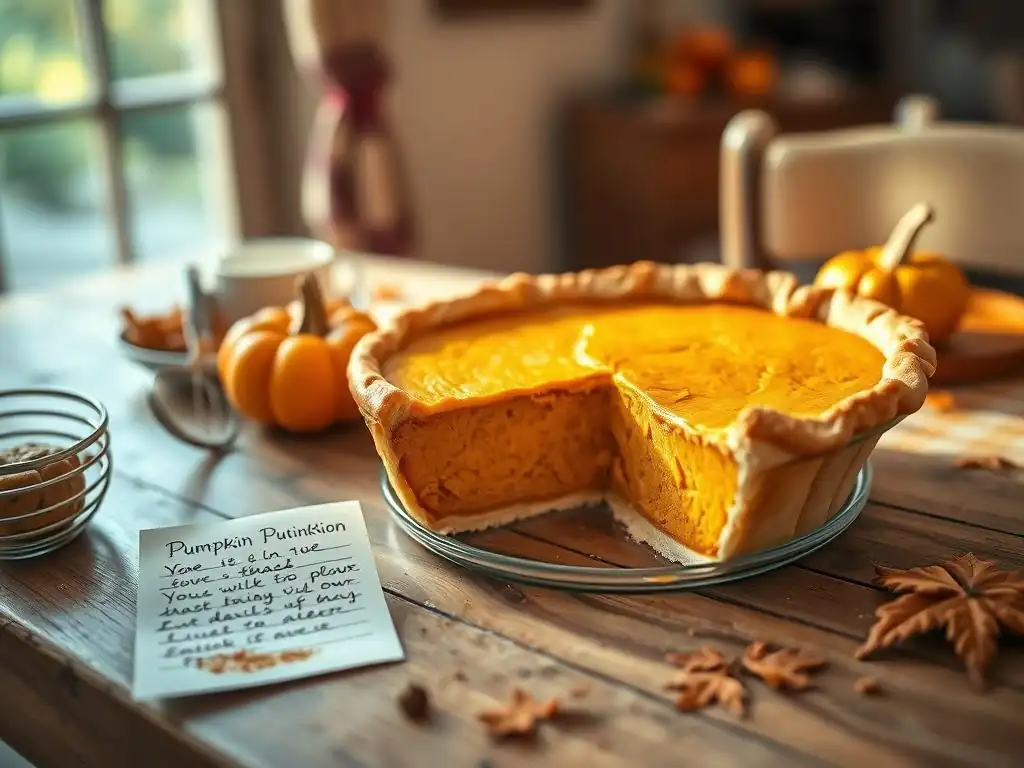
Even with the best recipes and intentions, sometimes things go wrong in the kitchen. Knowing how to troubleshoot common issues with Thanksgiving pumpkin pie can save your dessert and your sanity. These easy Thanksgiving pumpkin pie tips can help you salvage a pie that didn't turn out exactly as planned.
Identifying the problem and understanding its likely cause is the first step. Most common issues like soggy crusts or runny fillings have relatively simple fixes or preventative measures you can take next time.
Soggy Crust Solutions: Baking the crust longer, using pie weights
A soggy bottom crust is one of the most disappointing pumpkin pie problems. It often happens when the wet filling soaks into an underbaked crust before it has a chance to set. The primary solution is prevention through blind baking.
If you've already baked the pie and discovered a slightly soggy bottom, there's limited recourse. For future pies, ensure you blind bake the crust adequately until the bottom looks dry and slightly set before adding the filling. Using pie weights or dried beans during the initial blind bake helps keep the crust flat and prevents shrinkage, allowing it to bake more evenly. Baking the pie on a preheated baking sheet can also help crisp up the bottom crust by providing direct heat.
Runny Filling Fixes: Adding cornstarch, increasing baking time
A runny filling means the custard didn't set properly. This is usually due to underbaking or an incorrect ratio of eggs to liquid. If your pie is still warm and seems too jiggly (more than just the center wobble), you might be able to carefully return it to a lower temperature oven (around 325°F) for an additional 10-15 minutes, checking frequently.
For future pies, ensure you are using the correct number of eggs specified in the recipe, as they are essential for setting the custard. Adding 1-2 tablespoons of cornstarch or flour whisked into the filling mixture before baking can also help thicken it and prevent a runny outcome. Ensure you are following the baking temperature and time guidelines closely, but rely more on the visual cues of doneness (set edges, slight center wobble) than the clock alone.
Storing Your Thanksgiving Pumpkin Pie for Maximum Freshness
Once your beautiful Thanksgiving pumpkin pie is baked and cooled, proper storage is key to maintaining its freshness, texture, and flavor. Pumpkin pie, being a custard pie made with eggs and dairy, requires refrigeration to prevent spoilage. Following these easy Thanksgiving pumpkin pie tips for storage ensures your pie stays delicious for days.
Storing the pie correctly also helps maintain its texture, preventing the crust from becoming too soft or the filling from drying out. A properly stored pie can be enjoyed for several days after baking.
Proper Cooling Techniques for Optimal Storage
Allowing your Thanksgiving pumpkin pie to cool completely at room temperature before refrigerating is crucial. Hot pie placed directly into the refrigerator can create condensation, leading to a soggy crust. Let the pie cool on a wire rack for 2-4 hours, or until it reaches room temperature.
Once cooled, cover the pie loosely with plastic wrap or aluminum foil. Avoid covering it while it's still warm, as this traps steam and creates moisture. Placing the pie in a pie carrier or a large airtight container is the best way to protect it and prevent it from absorbing odors from the refrigerator.
How to Keep Your Pumpkin Pie Fresh for Days
Refrigerated pumpkin pie is best consumed within 3-4 days of baking. While it might technically be safe to eat for slightly longer, the quality, particularly the crust texture, will start to decline.
To keep your easy Thanksgiving pumpkin pie as fresh as possible:
- Ensure it is thoroughly cooled before covering and refrigerating.
- Store the pie in the main part of the refrigerator, not the door, where temperatures can fluctuate.
- Keep it covered to prevent it from drying out or absorbing smells.
- If you plan to keep it for more than a couple of days, consider storing individual slices in airtight containers to minimize exposure to air each time you access the pie.
Pumpkin pie does not freeze particularly well, as the custard filling can become watery or separate upon thawing. It's best enjoyed fresh from the refrigerator within a few days of baking.
Enjoy Your Delicious Thanksgiving Pumpkin Pie!
Frequently Asked Questions
What are some easy tips for making a better Thanksgiving pumpkin pie?
Focus on using fresh spices for a richer flavor and blind-baking your pie crust to prevent a soggy bottom. A touch of brown butter can also elevate the flavor significantly.
What's the best way to avoid a cracked pumpkin pie filling?
A cracked filling is often caused by overbaking. Try baking at a lower temperature for a longer time. Also, letting the pie cool gradually can help prevent cracking.
How can I prevent my pumpkin pie crust from shrinking while baking?
Make sure to chill the dough thoroughly before rolling it out and blind-baking. Docking the crust with a fork also helps prevent it from puffing up and shrinking.
What are some easy ingredient substitutions I can make to my pumpkin pie recipe?
You can substitute maple syrup for some of the sugar for a deeper flavor. Using butternut squash puree instead of pumpkin puree can also add a unique twist.
How do I know when my Thanksgiving pumpkin pie is perfectly baked?
The center should be slightly jiggly but not liquid. An internal temperature of around 175-180°F (80-82°C) is a good indicator of doneness.
Final Reflection: A Slice of Gratitude, A Taste of Perfection
The pursuit of the perfect Thanksgiving pumpkin pie isn't just about culinary skill; it's about the embodiment of warmth, tradition, and shared joy. This year, more than ever, the simple act of gathering around a table, sharing a meal, and savoring the fruits (or should we say, pies?) of our labor feels profoundly significant. The seemingly small details – the perfectly spiced filling, the flawlessly golden crust – become potent symbols of connection and care.
The enduring appeal of pumpkin pie transcends mere dessert; it's a cultural touchstone, a nostalgic reminder of family gatherings past and present. It's a recipe passed down through generations, subtly altered and perfected with each telling. Food is symbolic of love when words are inadequate.
– Alan D. Wolfelt. This sentiment perfectly encapsulates the emotional weight we place on this seemingly simple dessert, transforming it into a powerful symbol of connection and love. The tips shared in this article are not just about improving a recipe; they're about enhancing the experience of sharing and creating memories.
So, as you prepare for your Thanksgiving feast, I encourage you to approach your pumpkin pie with intention. Don't just follow the recipe; feel the recipe. Embrace the imperfections, celebrate the successes, and most importantly, savor the moments of connection that unfold around this timeless dessert. Let the warmth of the oven and the sweetness of the pie fill your heart, reminding you of the true meaning of gratitude and the power of shared experiences. This Thanksgiving, let your pie be a testament to the love and care you pour into everything you do.
Unleash Your Inner Pie Master!
Thanks for taking the time to explore our Thanksgiving pumpkin pie tips! We hope you’ve picked up some delicious secrets to elevate your baking game this year. Ready to create a truly unforgettable pie?
- Craft the Perfect Pumpkin Pie: Put those newfound skills to the test! Try out at least one new technique from the article and let us know how it turns out.
- Share Your Success (or Challenges!): We’d love to see your creations! Post a picture of your pie on social media using #BakeWithEasePumpkinPie.
- Explore More Thanksgiving Recipes: Want to expand your holiday baking repertoire? Browse our website for more seasonal inspiration.
What unique ingredient or technique are you most excited to try in your pumpkin pie this year?