
Beyond Pumpkin: Unique Pie Ideas for Your Thanksgiving Feast

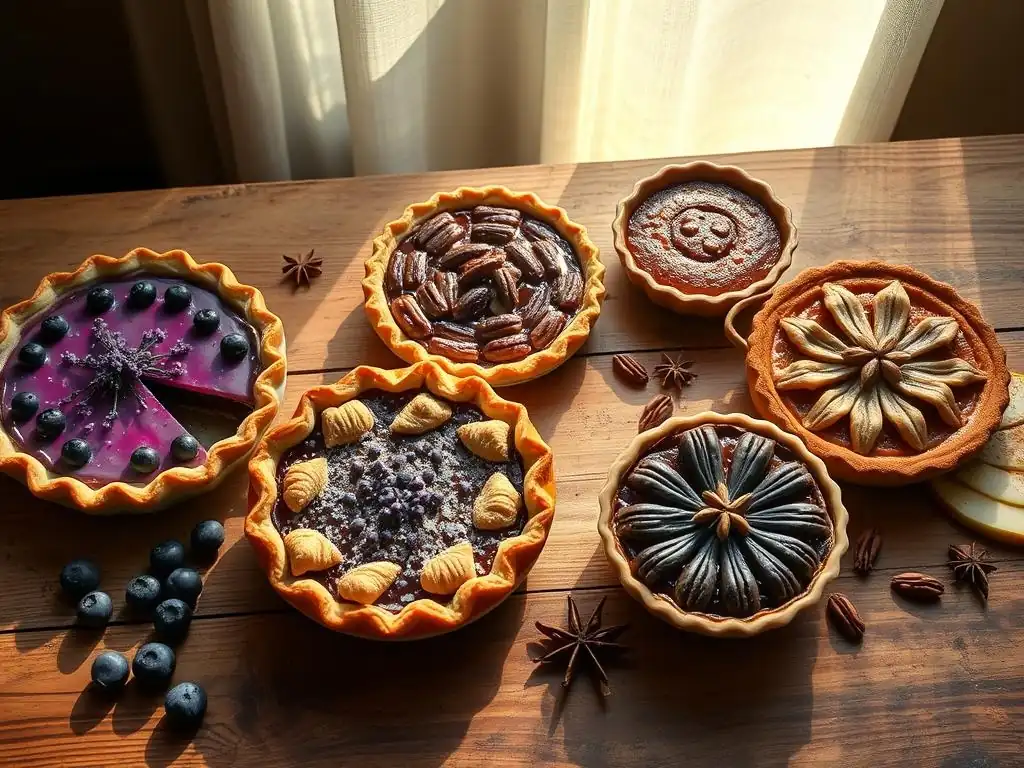
Welcome to BakeWithEase, where transforming your kitchen into a delightful bakery is easier than you think! Are you ready to elevate your Thanksgiving dessert game beyond the ordinary? While the aroma of pumpkin spice is undoubtedly iconic, we invite you to embark on a journey of flavor discovery. This year, dare to be different! Looking for inspiration?
Our guide to Thanksgiving pumpkin pie recipes offers a fresh perspective on this classic dessert, but we don't stop there. Prepare to be amazed by unique pie ideas that will tantalize your taste buds and leave your guests craving more! What hidden gems await your Thanksgiving table? Read on to find out!
- Introduction: Elevate Your Thanksgiving with Delicious Pie Alternatives
- Delicious Alternatives to Traditional Thanksgiving Pie
- Expert Tips for Baking the Perfect Thanksgiving Pie
- Serving Suggestions and Garnishes
- Conclusion: Make This Thanksgiving Unforgettable
-
Frequently Asked Questions
- What are some alternative pie fillings to pumpkin for Thanksgiving?
- Where can I find simple, easy-to-follow pie recipes for Thanksgiving?
- What makes a Thanksgiving pie recipe "unique"?
- Are there any Thanksgiving pie recipes that cater to dietary restrictions (e.g., gluten-free)?
- How can I prevent my Thanksgiving pie crust from getting soggy?
- Final Reflection: Reimagining Thanksgiving Traditions
- Unleash Your Inner Pie-oneer: Creative Thanksgiving Treats Await!
Introduction: Elevate Your Thanksgiving with Delicious Pie Alternatives
Thanksgiving is a time for gathering, gratitude, and, of course, feasting. While the turkey often takes center stage, the array of pies is the true grand finale for many. The classic Thanksgiving pumpkin pie recipe holds a special place in our hearts, its warm spices and creamy texture synonymous with the holiday spirit. But what if you want to branch out this year? What if you crave something different, something that complements the traditional spread while offering a delightful surprise?
This article is your invitation to explore the wonderful world of Thanksgiving pies beyond the beloved pumpkin. We'll delve into alternative Thanksgiving pie recipes that are just as comforting and festive, perhaps even becoming new family favorites. From rich classics to tart and tangy options, there's a perfect pie waiting to be discovered, offering a fresh perspective on your holiday dessert table.
Exploring Beyond Traditional Pumpkin Pie
For generations, the search for the perfect Thanksgiving pumpkin pie recipe has been a holiday ritual. Its familiar flavor profile, a blend of cinnamon, nutmeg, clove, and ginger, is deeply ingrained in our collective memory of the season. However, the culinary landscape is vast and exciting, and Thanksgiving offers a prime opportunity to experiment. Moving beyond the single, dominant flavor of pumpkin allows you to cater to diverse palates and add layers of complexity to your dessert offerings.
Exploring alternative Thanksgiving pie recipes doesn't mean abandoning tradition entirely; it means enriching it. It's about finding pies that evoke the same warmth and comfort but through different ingredients and flavor combinations. Think about the textures – from silky smooth custards to chunky fruit fillings and gooey nuts – each offers a unique experience that can elevate your entire Thanksgiving meal. This journey beyond the standard Thanksgiving pumpkin pie recipe opens up a world of delicious possibilities.
A Guide to Unforgettable Thanksgiving Pies
Preparing for Thanksgiving often involves meticulous planning, from the turkey brine to the cranberry sauce. The dessert course deserves the same thoughtful consideration. This guide will walk you through several fantastic alternatives to the traditional Thanksgiving pumpkin pie recipe, offering insights into their unique characteristics, potential variations, and tips for achieving baking perfection.
We'll cover everything from classic Southern staples like Sweet Potato and Pecan pie to fruit-forward options like Apple and Cranberry, and even decadent choices like Chocolate Pecan. For each pie, we'll provide specific tips on ingredients, techniques, and common pitfalls to avoid, ensuring your baking efforts result in show-stopping desserts. Consider this your essential handbook for creating an unforgettable Thanksgiving pie spread that goes deliciously beyond the expected Thanksgiving pumpkin pie recipes.
Delicious Alternatives to Traditional Thanksgiving Pie
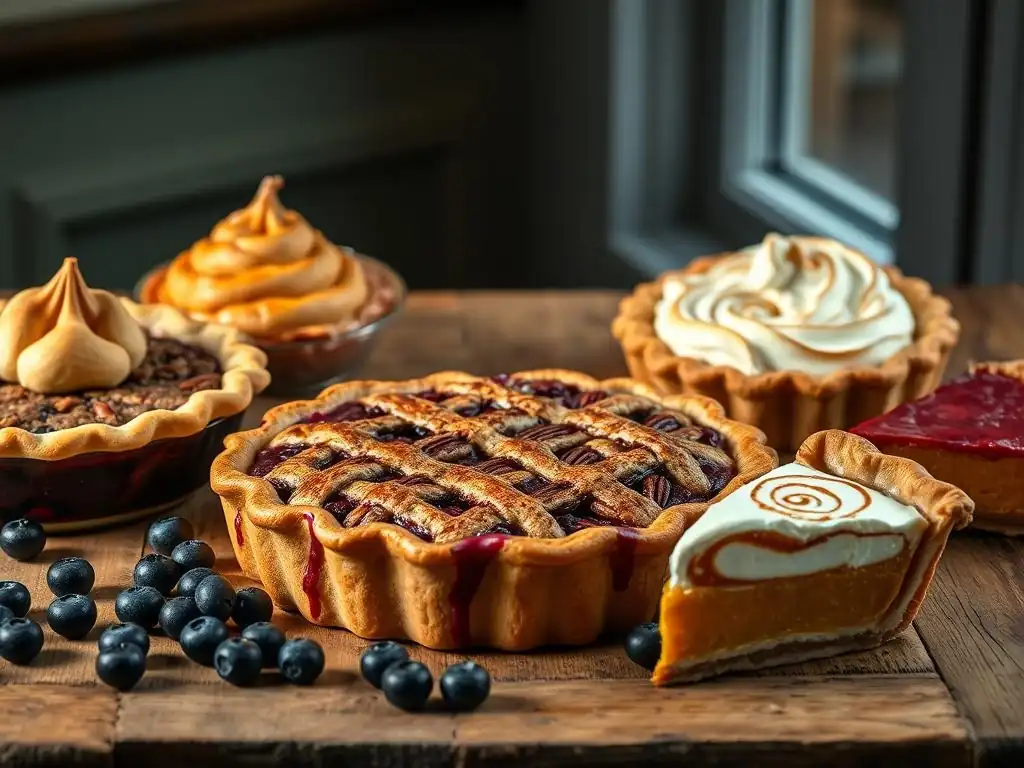
Sweet Potato Pie: A Thanksgiving Classic
Sweet potato pie is a beloved Southern tradition that shares many similarities with pumpkin pie but offers a distinct flavor profile and often a silkier texture. Made with mashed sweet potatoes, eggs, sugar, butter, milk or cream, and warm spices like cinnamon, nutmeg, and sometimes a hint of ginger or vanilla, it's a comforting and deeply satisfying dessert. The natural sweetness and slightly different starch structure of sweet potatoes contribute to its unique character, making it a fantastic alternative to the standard Thanksgiving pumpkin pie recipe.
To achieve the best flavor, use freshly roasted or boiled sweet potatoes rather than canned, as this provides a richer, more authentic taste. The consistency of the mashed sweet potato is crucial; aim for a smooth puree free of lumps. A typical filling might include about 1.5 to 2 cups of mashed sweet potato, 2-3 eggs, 1/2 to 3/4 cup sugar, 1/4 cup melted butter, and 1 cup of milk or evaporated milk, seasoned with spices. Baking it at around 350°F (175°C) for 45-60 minutes, or until the center is just set, is standard.
Sweet Potato Pie Variations: Brown Butter Sweet Potato Pie
One delightful variation is Brown Butter Sweet Potato Pie. Browning the butter before adding it to the filling introduces a nutty, caramelized depth of flavor that beautifully complements the sweetness of the potatoes and the warmth of the spices. To make brown butter, simply melt unsalted butter in a saucepan over medium heat, swirling occasionally. It will foam, then begin to turn golden brown and smell nutty. Be careful not to burn it.
Using brown butter requires slightly different handling. You might need slightly less liquid overall as the water evaporates from the butter during browning. For a standard pie, browning about 6-8 tablespoons of butter is usually sufficient. This variation elevates the classic recipe, offering a sophisticated twist that will impress your Thanksgiving guests. Other variations include adding a splash of bourbon or rum, or incorporating a streusel topping for added texture.
Achieving the Perfect Sweet Potato Pie Texture
The ideal sweet potato pie has a smooth, creamy, almost custard-like texture that is firm enough to slice but melts in your mouth. Overmixing the filling can incorporate too much air, leading to a less dense texture. Using evaporated milk or heavy cream instead of regular milk can also contribute to a richer, creamier result. Ensuring the sweet potatoes are thoroughly mashed and free of strings is paramount; a food processor or ricer can help achieve this.
Baking temperature and time are critical. Baking at too high a temperature can cause the edges to set too quickly while the center remains liquid, potentially leading to cracking. A moderate temperature like 350°F (175°C) allows the pie to cook evenly. The pie is done when the edges are set and slightly puffed, and the center is just slightly wobbly. A knife inserted near the edge should come out clean. Avoid overbaking, which can result in a dry or grainy texture. Cooling completely on a wire rack is essential for the filling to fully set.
Pecan Pie: A Rich and Nutty Favorite
Pecan pie is a Thanksgiving staple known for its rich, sweet, and gooey filling packed with crunchy pecans. It's a decadent treat that provides a wonderful contrast to lighter desserts. The classic filling is typically made with corn syrup, eggs, sugar, butter, vanilla, and a generous amount of pecans, baked in a pie crust until set. It's a powerhouse of flavor and texture that stands proudly alongside any Thanksgiving pumpkin pie recipe.
The base of the filling is often a simple mixture: about 1 to 1.5 cups of corn syrup (light or dark), 3-4 eggs, 1/2 cup sugar (granulated or brown), 1/4 cup melted butter, and a teaspoon of vanilla extract. This is whisked together before stirring in 1 to 1.5 cups of chopped or whole pecans. Some recipes add a splash of bourbon or a bit of chocolate for extra indulgence. Baking usually takes place at 350°F (175°C) for 50-60 minutes, or until the center appears set and the top is golden brown.
Pecan Pie Filling Secrets
The secret to a perfect pecan pie filling lies in balancing the sweetness and ensuring the nuts are evenly distributed. Using a mix of corn syrup and a little sugar provides the classic gooey texture without being overly cloying. Dark corn syrup adds a deeper, molasses-like flavor, while light corn syrup is milder. Adding a pinch of salt can help cut through the sweetness and enhance the nutty flavor of the pecans.
For richer flavor, toast the pecans lightly before adding them to the filling. This brings out their natural oils and enhances their crunch. Some bakers prefer to reserve a handful of whole pecan halves to arrange decoratively on top of the filling before baking, creating a beautiful presentation. Allowing the filling mixture to sit for a few minutes before pouring it into the crust can help the pecans distribute more evenly rather than all sinking to the bottom.
Avoiding a Soggy Bottom
A common pitfall with pecan pie, and many other wet-filled pies, is a soggy bottom crust. Because the filling is liquid and heavy, it can prevent the bottom crust from baking through properly. One of the most effective ways to prevent this is blind baking the pie crust before adding the filling. This involves partially baking the empty crust until it is lightly golden and set, typically for 15-20 minutes at 375°F (190°C) with pie weights or dried beans to hold its shape.
Another technique is to bake the pie at a slightly higher temperature initially (say, 400°F or 200°C) for the first 15-20 minutes to help set the bottom crust quickly, then reduce the temperature to 350°F (175°C) to finish baking the filling. Placing the pie on a preheated baking sheet in the oven also helps conduct heat directly to the bottom crust, promoting even baking. Using a metal pie plate, which conducts heat better than glass or ceramic, can also be beneficial.
Apple Pie: A Timeless Classic
Apple pie is arguably America's most iconic dessert, and it holds a rightful place on the Thanksgiving table, offering a bright, fruity contrast to richer options. While different from Thanksgiving pumpkin pie recipes, it provides a familiar comfort. The key to a great apple pie is the filling – a balance of tart and sweet apples, sugar, spices, and a thickener, all encased in a flaky, golden crust.
Using a mix of apple varieties provides the best flavor and texture. Tart apples like Granny Smith hold their shape well during baking and provide necessary acidity, while sweeter apples like Honeycrisp, Fuji, or Gala soften more and add sweetness.
A typical filling for a 9-inch pie might use 6-8 cups of thinly sliced apples, 1/2 to 3/4 cup sugar (adjust based on apple sweetness), 2 tablespoons flour or cornstarch as a thickener, 1 teaspoon cinnamon, and pinches of nutmeg, allspice, or clove. Baking usually occurs at 425°F (220°C) for 15-20 minutes, then reduced to 375°F (190°C) for another 35-45 minutes, until the crust is golden and the filling is bubbly.
Apple Pie Variations: Salted Caramel Apple Pie
Elevate your classic apple pie with a Salted Caramel Apple Pie variation. This involves adding a layer or swirl of salted caramel sauce into the apple filling before baking. The salty caramel adds a sophisticated depth and richness that pairs beautifully with the sweet and tart apples and warm spices. You can use a store-bought high-quality salted caramel sauce or make your own.
To incorporate, prepare your apple filling as usual. Pour half the apples into the pie crust, drizzle about 1/4 to 1/3 cup of salted caramel sauce over them, add the remaining apples, and drizzle with another 1/4 cup of sauce. The caramel will meld with the apple juices as it bakes, creating a luscious, gooey filling. Be mindful that adding caramel can make the filling wetter, so ensure you use enough thickener.
Achieving the Perfect Apple Pie Crust
The crust is just as crucial as the filling in an apple pie. A perfect crust is flaky, tender, and golden brown. The secret lies in using cold ingredients, particularly cold butter cut into the flour, which creates steam pockets during baking, resulting in flakiness. A standard double crust uses about 2.5 cups of all-purpose flour, 1 teaspoon salt, 1 cup (2 sticks) of very cold unsalted butter cut into cubes, and 1/2 cup of ice water.
Avoid overworking the dough; mix just until it comes together. Chill the dough for at least 30 minutes (preferably longer) before rolling it out. This makes it easier to handle and keeps the butter cold.
Ensure the bottom crust is well-fitted into the pie plate without stretching it, which can cause it to shrink. Brush the top crust with an egg wash (egg mixed with a little water or milk) and sprinkle with sugar for a beautiful golden finish and slight crunch. Cutting vents in the top crust is essential to allow steam to escape, preventing the crust from puffing up or cracking.
Chocolate Pecan Pie: A Decadent Treat
For those who believe more is more, the Chocolate Pecan Pie offers a decadent twist on the classic nutty favorite. It combines the rich, gooey texture of pecan pie with the intense flavor of chocolate, creating a truly indulgent dessert that stands out among traditional Thanksgiving pumpkin pie recipes. It's a sophisticated choice that satisfies both nut and chocolate lovers.
The base filling is similar to a traditional pecan pie but includes melted chocolate or cocoa powder. A common ratio is adding 4-6 ounces of chopped dark or semi-sweet chocolate, or 1/4 to 1/2 cup of cocoa powder, to the standard pecan pie filling mixture before adding the nuts. Some recipes also add chocolate chips along with the pecans for pockets of melted chocolate. The baking process is the same as regular pecan pie, around 350°F (175°C) for 50-60 minutes.
Combining Chocolate and Pecans
The pairing of chocolate and pecans is a classic for a reason – the slight bitterness and depth of the chocolate complement the earthy, buttery flavor of the pecans perfectly. When making a chocolate pecan pie, decide whether you want a subtle chocolate undertone or a more pronounced chocolate flavor. Using cocoa powder will distribute the chocolate flavor throughout the filling, while adding chopped chocolate or chips will create pockets of intense chocolate within the gooey pecan base.
To ensure the chocolate integrates smoothly, melt chopped chocolate gently (either in a double boiler or microwave) before whisking it into the warm corn syrup/butter mixture. If using cocoa powder, whisk it thoroughly with the dry ingredients before combining with the wet. Ensure the pecans are fully coated in the mixture so they don't just sit on top.
Choosing the Right Chocolate
The type and quality of chocolate you use significantly impact the final flavor of your chocolate pecan pie. Opt for good quality chocolate – semi-sweet or dark chocolate (60-70% cacao) is often preferred as it provides a deeper chocolate flavor that balances the sweetness of the filling without being overly bitter. Milk chocolate can be too sweet and might make the pie cloying.
Chocolate chips are convenient but often contain stabilizers that prevent them from melting smoothly. Chopped chocolate from a bar is usually a better choice for incorporating into the filling for a smoother texture. If using cocoa powder, Dutch-processed cocoa tends to provide a darker color and smoother flavor than natural cocoa, though either can work. Experiment to find the balance you love.
Cranberry Pie: A Tart and Festive Dessert
Cranberry sauce is a staple, but why limit cranberries to a side dish? Cranberry pie offers a wonderfully tart and festive alternative to the standard sweet pies like Thanksgiving pumpkin pie recipes. Its bright red color and tangy flavor provide a refreshing counterpoint to the richness of the holiday meal. The filling typically combines fresh or frozen cranberries with sugar, a thickener, and sometimes other fruits or flavorings like orange zest.
A simple cranberry pie filling can be made with about 4 cups of fresh or frozen cranberries, 1 to 1.5 cups of sugar (depending on how tart you like it), 1/4 cup of flour or cornstarch, and the zest and juice of one orange. Some recipes add chopped apple or pear to temper the tartness and add texture. This filling is typically baked in a double crust pie at 375°F (190°C) for 45-55 minutes, or until the crust is golden and the filling is bubbling.
Cranberry Pie Filling Variations: Ginger Cranberry Pie
Adding ginger is a fantastic way to introduce warmth and a subtle spice to the tart cranberry filling. Freshly grated ginger provides a zesty kick, while ground ginger offers a more mellow warmth. For a standard pie, adding 1-2 teaspoons of freshly grated ginger or 1/2 teaspoon of ground ginger to the cranberry mixture before baking works beautifully.
Another variation is Ginger Cranberry Pie with a crumble topping. Instead of a top crust, use a mixture of flour, sugar, cold butter, and perhaps some oats or chopped nuts, crumbled over the top of the filling. This adds a delightful textural contrast to the soft, tart filling. The warmth of the ginger makes this variation particularly festive for the holiday season.
Balancing Tartness and Sweetness
The key to a delicious cranberry pie is finding the right balance between the natural tartness of the cranberries and the added sweetness. Start with the recommended sugar amount (e.g., 1.25 cups for 4 cups of berries) and taste a small sample of the raw filling mixture if possible (though be mindful of raw flour). Adjust the sugar to your preference. Adding other fruits like chopped apple or pear can also naturally increase sweetness and modify the texture.
Using orange zest and juice is common because the citrus brightens the flavor and complements the cranberries. A pinch of salt can also help balance the flavors. As the pie bakes, the flavors will meld, and the tartness will slightly mellow. Don't be afraid of the tartness; it's what makes cranberry pie unique and a palate cleanser among sweeter desserts.
Buttermilk Pie: A Southern Comfort Dessert
Buttermilk pie is a simple yet sophisticated Southern custard pie. It's less common than Thanksgiving pumpkin pie recipes in some regions, but it's a truly delightful alternative. The filling is made primarily from buttermilk, sugar, eggs, butter, and flour or cornmeal, often flavored with vanilla, lemon zest, or nutmeg. When baked, it sets into a smooth, creamy, slightly tangy custard with a beautiful golden-brown top.
A basic buttermilk pie filling recipe includes about 1.5 to 2 cups of buttermilk, 3-4 eggs, 1.5 to 2 cups of sugar, 1/4 cup melted butter, and 2-3 tablespoons of flour or cornmeal. Some recipes also add a tablespoon of lemon juice or a generous amount of vanilla extract. The mixture is whisked until smooth and poured into an unbaked pie shell. It's typically baked at a moderate temperature, around 350°F (175°C), for 40-55 minutes, until the edges are set and the center is just slightly jiggly.
Achieving a Smooth and Creamy Buttermilk Pie Filling
The texture of buttermilk pie should be smooth and creamy, akin to a rich custard. To achieve this, ensure all ingredients are well combined and the sugar is dissolved. Whisking gently helps avoid incorporating too much air, which can lead to a less dense texture or cracking on top. Sifting the flour or cornmeal can prevent lumps.
Baking technique is crucial. Like other custard pies, buttermilk pie benefits from baking at a moderate temperature to prevent the edges from overcooking before the center sets. Some bakers recommend baking in a water bath (placing the pie plate in a larger dish filled with hot water) to ensure even, gentle cooking and prevent cracking. The pie is done when a gentle shake shows the center is mostly set with just a slight wobble. Overbaking will result in a firmer, less creamy texture.
The Secret to a Perfect Buttermilk Pie Crust
For buttermilk pie, a standard flaky pie crust works wonderfully. Since the filling is wet, preventing a soggy bottom is important, though the setting time of buttermilk pie often helps the bottom crust bake through better than some other fillings. Blind baking the crust partially before adding the filling is a reliable method to ensure a crisp bottom.
If not blind baking, make sure your pie crust is well-chilled before filling and baking. Using a metal pie plate can also aid in achieving a golden, cooked bottom crust due to better heat conduction. Ensure the oven is fully preheated before placing the pie inside. A well-made, flaky crust provides a lovely textural contrast to the smooth, creamy filling.
Expert Tips for Baking the Perfect Thanksgiving Pie
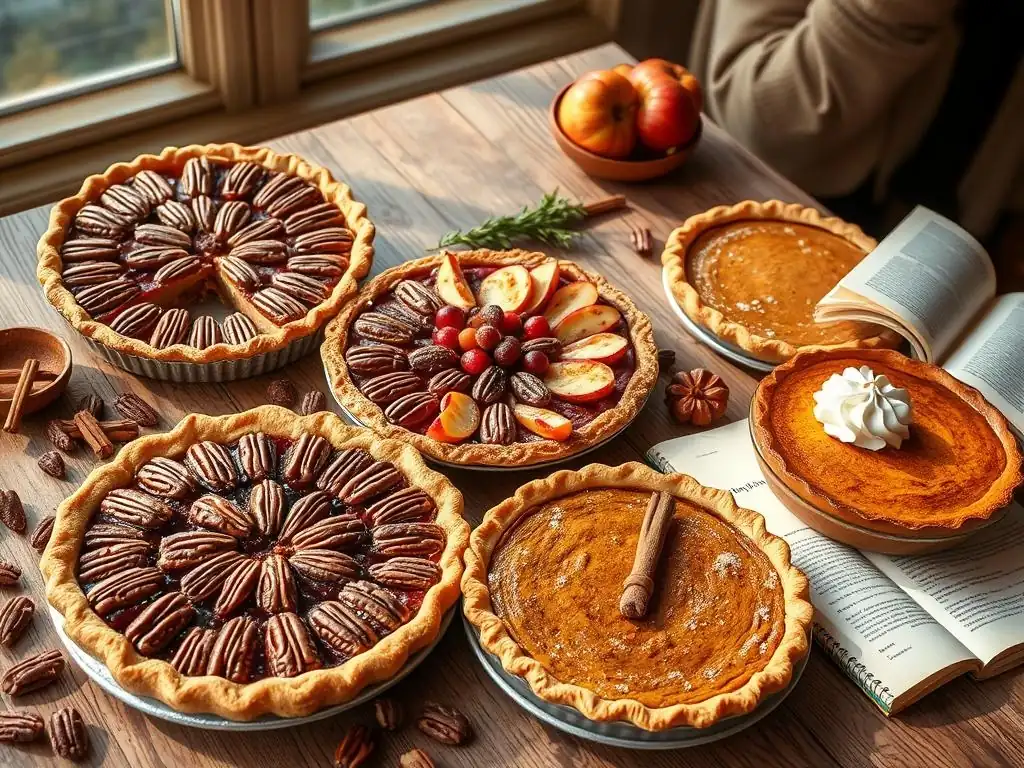
Baking pies for Thanksgiving, whether they are classic Thanksgiving pumpkin pie recipes or exciting alternatives, requires attention to detail. Following a few expert tips can significantly improve your results, ensuring flaky crusts, perfectly set fillings, and delicious flavors that impress your guests.
From selecting the right ingredients to mastering techniques, small details make a big difference. Don't rush the process, especially when it comes to chilling dough or cooling baked pies. These steps are essential for structure and texture. Consider baking your pies the day before Thanksgiving to allow them ample time to cool and set properly.
Choosing the Right Pie Crust
The foundation of any great pie is its crust. You have several options: store-bought, homemade all-butter, or homemade shortening/butter blend. Store-bought crusts offer convenience, but homemade crusts generally provide superior flavor and flakiness. For a truly exceptional pie, consider making your own.
An all-butter crust offers the best flavor, but can be slightly trickier to work with as it melts faster. A blend of butter and shortening (like Crisco) is more forgiving and often produces maximum flakiness because shortening has a higher melting point than butter. For fruit pies that bake longer, a shortening/butter blend can help the crust stay flaky. For custard pies with shorter baking times, an all-butter crust works beautifully. Ensure your fat is very cold, cut into pieces, and quickly worked into the flour.
Mastering Pie Crust Techniques
Achieving a flaky pie crust relies on technique. The key is to keep ingredients cold and handle the dough minimally. When cutting in the butter or shortening, aim for pieces ranging from pea-sized to small lima bean-sized. These pockets of fat will create steam as they melt in the oven, pushing apart layers of flour and creating flakes.
Use ice water sparingly, adding just enough for the dough to come together. Overwatering makes the crust tough. When rolling out the dough, work on a lightly floured surface and rotate the dough frequently to prevent sticking. Roll from the center outwards, aiming for an even thickness of about 1/8 inch. If the dough becomes too warm or sticky, pop it back in the refrigerator for 10-15 minutes. Chill the rolled-out crust in the pie plate before filling and baking; this helps the fat stay cold and prevents shrinking.
Baking Time and Temperature
Baking pies at the correct temperature and for the right duration is critical for both the crust and the filling. Many fruit pies benefit from starting at a higher temperature (like 400-425°F or 200-220°C) for the first 15-20 minutes to help set the bottom crust, then reducing the heat to 350-375°F (175-190°C) to finish baking the filling evenly.
Custard and nut pies, including variations on Thanksgiving pumpkin pie recipes, often bake at a consistent moderate temperature (325-350°F or 160-175°C) to prevent the edges from overcooking or the top from cracking before the center is set. The pie is done when the crust is golden brown and the filling is set – for fruit pies, look for bubbling filling; for custard/nut pies, the center should be slightly wobbly but mostly set. If the crust edges brown too quickly, cover them loosely with foil or use a pie crust shield.
Cooling and Storing
Allowing your baked pie to cool properly is just as important as the baking itself. Fruit pies need time for their filling to thicken and set. Custard and nut pies require cooling for the filling to become firm enough to slice cleanly. Cooling on a wire rack allows air circulation underneath, preventing a soggy bottom after baking.
Most fruit pies can cool completely at room temperature for several hours. Custard and cream pies, like Thanksgiving pumpkin pie recipes or buttermilk pie, should cool at room temperature for an hour or two, then be refrigerated until ready to serve. Properly cooled and stored pies can often be made a day in advance, easing your Thanksgiving day workload. Store pies loosely covered with plastic wrap or foil once cooled.
Serving Suggestions and Garnishes
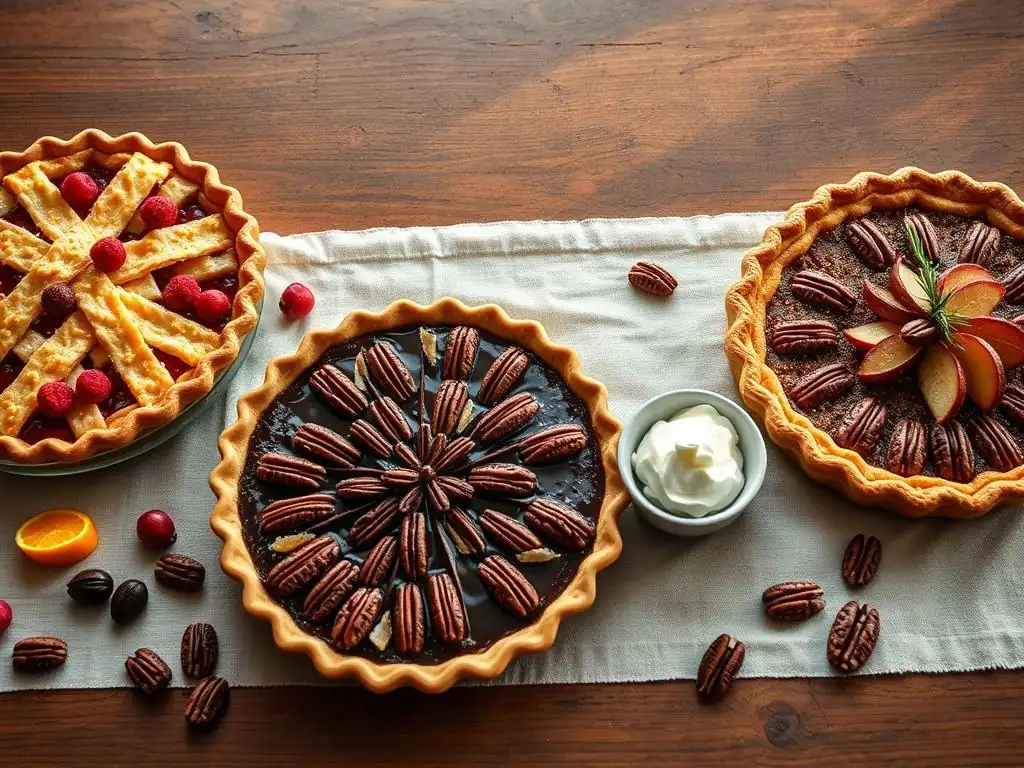
Presenting your Thanksgiving pies beautifully enhances the overall dining experience. While a slice of pie is delicious on its own, thoughtful garnishes and complementary pairings can elevate your dessert course from simple to spectacular.
Consider how textures and flavors can play off each other. A dollop of something creamy contrasts nicely with a firm filling, while a sprinkle of something crunchy adds interest. Think about serving your pies slightly warm (for fruit pies) or chilled (for custard pies) based on what brings out their best qualities.
Creative Pie Garnishes
Beyond the classic scoop of vanilla ice cream or a cloud of whipped cream, there are many ways to garnish your Thanksgiving pies. For apple pie, a sprinkle of cinnamon sugar on top of the whipped cream, a drizzle of caramel sauce, or a few toasted walnut pieces add extra flavor and texture. Pecan pie can be garnished with extra toasted pecan halves, a dusting of powdered sugar, or a drizzle of chocolate sauce for a chocolate pecan version.
Sweet potato pie pairs wonderfully with a dollop of whipped cream dusted with cinnamon or nutmeg, or even a toasted marshmallow topping for a playful touch. Cranberry pie looks stunning with fresh cranberries and a sprig of mint, or a lattice made from leftover pie dough scraps. Buttermilk pie is lovely with just a simple dusting of nutmeg or a few fresh berries on the side.
Pairing with Complementary Flavors
Consider pairing your pies with beverages or sauces that complement their flavors. Apple pie is classic with vanilla ice cream, but also pairs well with cheddar cheese (a New England tradition) or a warm caramel sauce. Pecan pie is rich and sweet, making it a good match for a slightly tart cranberry compote on the side, or a robust coffee or tea.
Sweet potato pie is often served with whipped cream, but a spiced nut brittle crushed over the top adds a delightful crunch. Cranberry pie's tartness is balanced by sweet accompaniments like vanilla ice cream or a sweet meringue topping. Buttermilk pie, with its subtle tang, is lovely with fresh fruit, like berries or sliced peaches, or simply served cold with a glass of milk or a sweet dessert wine.
Conclusion: Make This Thanksgiving Unforgettable
Thanksgiving is a time for creating cherished memories around the dinner table. While the traditional Thanksgiving pumpkin pie recipe will always hold a special place, exploring alternative Thanksgiving pie recipes allows you to add new dimensions to your holiday feast. From the comforting richness of sweet potato and pecan to the bright tang of cranberry and the creamy simplicity of buttermilk, each pie offers a unique flavor experience.
By venturing beyond the single, expected dessert, you provide your guests with a delightful variety and showcase your baking creativity. Whether you choose to make one alternative pie or offer a full selection, these recipes are sure to become highlights of your Thanksgiving celebration.
Exploring a World of Flavor
Stepping away from solely focusing on Thanksgiving pumpkin pie recipes opens up a world of flavor possibilities for your holiday table. Imagine the delight of your guests as they choose between a classic pecan, a vibrant cranberry, or a silky sweet potato slice. Each pie tells a different story and offers a distinct taste of the season.
Don't be afraid to experiment with variations, like adding brown butter to your sweet potato pie or caramel to your apple pie. Baking is an art, and Thanksgiving is the perfect opportunity to practice and share your creations. These alternative pies are not just desserts; they are expressions of warmth, generosity, and culinary adventure.
Your Partner for Thanksgiving Baking Success
At BakeWithEase.com, we are dedicated to helping you achieve baking success, whether you're perfecting Thanksgiving pumpkin pie recipes or trying something entirely new. Our guides, tips, and recipes are designed to make the process enjoyable and the results delicious. We hope this exploration of unique pie ideas inspires you to try something different this Thanksgiving.
Remember the expert tips on crusts, fillings, baking, and cooling. With a little practice and these guidelines, you can confidently bake pies that will be talked about long after the last slice is gone. Make this Thanksgiving unforgettable with a pie spread that goes above and beyond, celebrating the joy of baking and the richness of the holiday season.
Frequently Asked Questions
What are some alternative pie fillings to pumpkin for Thanksgiving?
Beyond pumpkin, you can explore options like sweet potato pie, pecan pie, or even a cranberry crumble pie. These offer diverse flavors and textures for your Thanksgiving dessert spread.
Where can I find simple, easy-to-follow pie recipes for Thanksgiving?
BakeWithEase.com offers simple recipes with step-by-step guides suitable for bakers of all levels. You'll find a variety of pie recipes beyond just pumpkin.
What makes a Thanksgiving pie recipe "unique"?
A unique pie recipe might incorporate uncommon ingredients, use creative flavor combinations, or present a traditional recipe with a modern twist.
Are there any Thanksgiving pie recipes that cater to dietary restrictions (e.g., gluten-free)?
Yes, many recipes can be adapted! Look for recipes using gluten-free crust alternatives or naturally gluten-free fillings like pecan or sweet potato.
How can I prevent my Thanksgiving pie crust from getting soggy?
Blind baking the crust, using a low-moisture filling, and brushing the crust with an egg wash before baking can all help prevent a soggy bottom.
Final Reflection: Reimagining Thanksgiving Traditions
The familiar comfort of pumpkin pie is undeniable, but Thanksgiving's culinary landscape is far richer than a single, orange orb. This year, let's embrace the spirit of innovation and celebrate the bounty of autumn with a diverse array of pie flavors, textures, and experiences. Beyond the classic, a world of delicious possibilities awaits, enriching our Thanksgiving celebrations and creating lasting memories.
The exploration of unique pie recipes isn't just about culinary experimentation; it's a reflection of our evolving cultural landscape. We're moving beyond rigid traditions, embracing diversity and personal expression in all aspects of our lives, and our Thanksgiving tables are no exception. This shift mirrors a broader societal trend towards inclusivity and the celebration of individual tastes. Food is symbolic of love when words are inadequate.
– Alan D. Wolfelt. This sentiment rings truer than ever as we share these unique pies with loved ones, creating connections through shared culinary experiences.
This Thanksgiving, I invite you to step outside your comfort zone. Don't just bake a pie; create a pie that reflects your personality and the unique flavors you cherish. Experiment with unexpected ingredient combinations, explore new techniques, and most importantly, share the joy of your culinary creations with those you hold dear. Let your Thanksgiving pie be a testament to your creativity, a symbol of abundance, and a delicious reminder of the beauty of embracing the unexpected.
Unleash Your Inner Pie-oneer: Creative Thanksgiving Treats Await!
Thanks for joining us on a delicious journey through the world of Thanksgiving pies! We hope you've discovered some inspiring new ideas to elevate your holiday feast. Ready to take your baking to the next level?
- Craft your signature pie: Choose one of the unique recipes we explored and bake it up! Don't be afraid to experiment with flavors and personalize it to your liking. This is your chance to shine!
- Share your pie-fection: Snap a photo of your creation and post it on social media using #BakeWithEaseThanksgiving. Let's inspire each other!
- Explore our pie crust masterclass: (Optional - if you have such a resource) Deepen your pie-making skills with our free guide to creating the perfect flaky crust.
What unique twist will you add to your Thanksgiving pie this year? Let's hear your flavor adventures in the comments below!