
Essential Tools for Effortless Thanksgiving Pie Baking

Welcome to BakeWithEase!
Ready to conquer your Thanksgiving pie ambitions this year? Discover the essential tools that will transform your baking experience from stressful to seamless. Unlocking the secrets to perfectly crimped crusts and evenly baked fillings is just a click away. Dive in and prepare to impress your guests with the most delicious pies they've ever tasted!
- Bake the Perfect Thanksgiving Pie: Your Guide to Essential Tools
- Must-Have Pie Baking Tools for a Stress-Free Thanksgiving
- Specialized Pie Baking Equipment for Thanksgiving
- Beyond the Basics: Useful Gadgets for Thanksgiving Pie Baking
- Thanksgiving Pie Tools Checklist: Don't Forget These!
- Tips for Choosing the Best Thanksgiving Pie Baking Tools
-
Frequently Asked Questions
- What are the most essential tools for baking Thanksgiving pies?
- Can I bake a Thanksgiving pie without specialized pie baking tools?
- What type of rolling pin is best for pie crusts?
- How do I choose the right pie dish for my Thanksgiving pie?
- What's the best way to prevent a soggy bottom crust in my Thanksgiving pie?
- Final Reflection: The Sweet Science of Thanksgiving Pie
- Unlock Your Inner Pie Master!
Bake the Perfect Thanksgiving Pie: Your Guide to Essential Tools
Thanksgiving is synonymous with delicious food, and for many, the centerpiece dessert is a beautifully baked pie. Whether it's a classic pumpkin, a comforting apple, or a rich pecan, creating that perfect pie requires more than just a great recipe; it requires the right tools. Having the proper Thanksgiving pie baking tools can transform a potentially stressful kitchen session into an enjoyable and efficient process, ensuring your crust is flaky, your filling is perfectly set, and your presentation is stunning.
Equipping yourself with the essential pie tools for Thanksgiving baking means you're prepared for every step, from mixing the dough to achieving that golden-brown finish. We'll walk you through the must-have items that will simplify your holiday baking and help you achieve consistently excellent results. Think of these as your allies in the kitchen, making the journey from ingredients to irresistible slice much smoother.
Must-Have Pie Baking Tools for a Stress-Free Thanksgiving
Pie Crust Perfection: The Right Tools for the Job
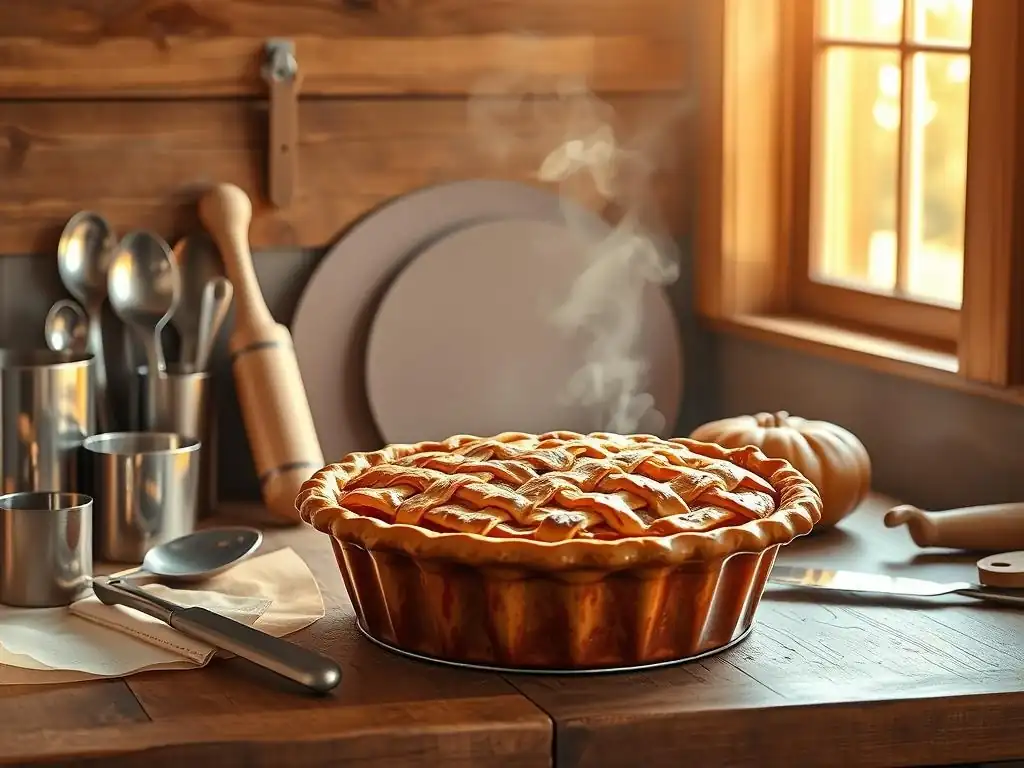
Achieving a tender, flaky pie crust is often considered the hallmark of a great pie, and the right tools are absolutely crucial for this step in Thanksgiving pie baking. The goal is to handle the dough as little as possible while ensuring ingredients are properly combined and the dough is rolled evenly. These specific Thanksgiving pie baking tools are designed to make that process significantly easier and more effective.
Using the correct tools helps control the temperature of your ingredients, especially cold butter, which is key to developing those coveted flaky layers. From incorporating the fat into the flour to shaping and transferring the delicate dough, having these essentials on hand ensures your foundation for a perfect Thanksgiving pie is solid.
Rolling Pin: Achieving Uniform Thickness
A quality rolling pin is indispensable for rolling out pie dough to the desired thickness, typically around 1/8 inch for a standard crust. Different materials offer various benefits; a heavy marble pin stays cold, which is excellent for keeping dough chilled, while a classic wooden pin provides good control. French-style pins, tapered at the ends, allow for more maneuverability and help create round shapes easily.
Ensuring your dough is rolled to a uniform thickness is vital for even baking. Areas that are too thin will cook faster and potentially burn, while thick spots may remain doughy. Aiming for consistent thickness across the entire sheet of dough, large enough to fit your pie dish with some overhang for crimping, is a critical step that a good rolling pin facilitates.
Pie Dish: Selecting the Ideal Size and Material
The pie dish is where your masterpiece takes shape and bakes. Standard pie dishes are typically 9 inches in diameter, though deep-dish versions (often 9.5 or 10 inches) are popular for recipes with generous fillings like deep-dish apple or pecan pies. The material of the dish significantly impacts the bake; glass dishes allow you to monitor browning on the bottom crust, ceramic provides even heat distribution, and metal (like aluminum or steel) heats up quickly, helping to achieve a crisp bottom, especially for wet fillings.
Choosing the right size and material ensures your pie bakes correctly. A dish that is too small will overflow, while one too large can lead to a thin, dry filling. For Thanksgiving pie baking tools, many bakers prefer glass or ceramic for their aesthetic appeal and even heating properties, which contribute to a beautifully baked crust and evenly cooked filling.
Pastry Blender: Creating Flaky Pie Dough
A pastry blender is a simple yet essential tool for cutting cold butter or other solid fats into flour when making pie dough. Its wire or blade design allows you to quickly break down the fat into small, pea-sized pieces without overworking the dough or melting the butter with the heat from your hands. This process is crucial for creating a flaky texture, as the small pockets of fat melt during baking, creating steam that separates the layers of dough.
Using a pastry blender ensures the fat is distributed evenly throughout the flour mixture, which is key to developing a consistent, flaky crust. While forks or even food processors can perform a similar function, a pastry blender offers excellent control and minimizes the risk of overmixing, a common pitfall that can result in tough pie crusts. For many, it's a foundational piece among their Thanksgiving pie baking tools.
Essential Measuring Tools for Thanksgiving Pie Recipes
Accuracy is paramount in baking, and pie making is no exception. Precise measurements ensure the correct balance of ingredients, which affects everything from the texture of the crust to the consistency and flavor of the filling. Having reliable measuring tools is non-negotiable when preparing your Thanksgiving pies.
Using inaccurate measurements can lead to a variety of issues, from a crumbly crust due to too little liquid to a runny filling from incorrect starch ratios. These essential Thanksgiving pie baking tools guarantee that your ingredients are portioned exactly as the recipe intends, leading to predictable and delicious results every time.
Measuring Cups and Spoons: Ensuring Accurate Ingredient Ratios
Standard dry measuring cups (nested sizes like 1/4, 1/3, 1/2, and 1 cup) are necessary for flour, sugar, and other dry ingredients, while liquid measuring cups (with a spout and clear markings, often in 1 and 2 cup sizes) are used for liquids like water, milk, or cream. Measuring spoons (sets typically include 1/4, 1/2, and 1 teaspoon, plus 1 tablespoon) are used for smaller quantities of leaveners, salt, and spices.
Using the correct type of measuring tool for the ingredient is important; scooping flour directly with a liquid cup can result in too much flour, while using a dry cup for liquid can lead to spills and inaccurate volumes. Leveling dry ingredients with a straight edge ensures precision. These fundamental Thanksgiving pie baking tools are the backbone of accurate recipe execution.
Kitchen Scale: Achieving Precision in Pie Crust and Filling
For the highest level of accuracy, especially in pie crust where the flour-to-fat ratio is critical, a kitchen scale is invaluable. Measuring ingredients by weight (grams or ounces) is much more precise than by volume, as the density of ingredients can vary. For example, a cup of flour can weigh differently depending on how compacted it is, but 120 grams of flour is always 120 grams.
Using a kitchen scale is particularly beneficial for recipes that provide weight measurements, ensuring you have the exact amount of flour for a tender crust or the precise quantity of sugar for a perfectly sweet filling. While not strictly necessary for all recipes, a scale elevates your precision and is a highly recommended addition to your Thanksgiving pie baking tools collection, especially for those aiming for consistent, professional-level results.
Tools for a Beautifully Decorated Thanksgiving Pie
Beyond just tasting great, a Thanksgiving pie often serves as a visual centerpiece. Decorating the crust can elevate a simple pie into a work of art. These specific Thanksgiving pie baking tools are designed to help you add beautiful touches to your crust, making your pie look as festive and appealing as it tastes.
From simple crimped edges to elaborate lattice tops and decorative cutouts, these tools allow for creative expression and add a personal touch to your holiday baking. They are relatively inexpensive but can make a significant difference in the final presentation of your Thanksgiving pie.
Pie Crust Cutters: Adding Festive Shapes
Pie crust cutters, similar to cookie cutters but specifically designed for dough, allow you to easily create decorative shapes from leftover pie dough. Common shapes for Thanksgiving include leaves, acorns, turkeys, or even simple stars or hearts. These cutouts can be placed on top of a solid crust, arranged around the edge, or used to embellish a lattice top.
Using cutters is a simple way to add a festive theme to your pie without requiring complex freehand skills. Simply roll out scraps of pie dough, press the cutter firmly, and arrange the shapes on your pie before baking. A quick egg wash helps them adhere and turn golden. These cutters are a fun and easy addition to your Thanksgiving pie baking tools.
Lattice Cutter: Creating Intricate Designs
A lattice cutter is a specialized tool that quickly creates a uniform lattice pattern for the top crust of a pie. Some versions roll over the dough to cut strips, while others are a single tool that cuts and sometimes even weaves the lattice in one motion. A classic lattice top not only looks beautiful but also allows steam to escape during baking, which can help prevent the filling from boiling over.
Creating a lattice by hand involves cutting individual strips and weaving them, which can be time-consuming. A lattice cutter simplifies this process, allowing you to achieve a professional-looking, intricate design with minimal effort. This tool is particularly useful for fruit pies like apple or cherry, making it a valuable item among your Thanksgiving pie baking tools.
Pastry Brush: Achieving a Golden-Brown Crust
A pastry brush is used for applying washes to the pie crust, most commonly an egg wash (egg mixed with water or milk) or melted butter. Applying a wash before baking helps the crust achieve a beautiful golden-brown color and can add a subtle sheen. It's also used to help decorative cutouts adhere to the main crust.
Brushes are available with natural bristles or silicone heads. Natural bristles hold more liquid but can shed, while silicone is durable, easy to clean, and won't shed. A good pastry brush allows for even application of the wash, ensuring your entire crust browns uniformly. It's a small but important detail among your Thanksgiving pie baking tools for achieving that perfect visual finish.
Specialized Pie Baking Equipment for Thanksgiving
Beyond the basic tools, some specialized pieces of equipment can significantly improve the outcome of your Thanksgiving pies, addressing specific challenges like preventing soggy bottoms or burnt edges. While not always necessary, these tools can make a noticeable difference, especially for certain types of pies or when aiming for professional results.
These items tackle common issues encountered in pie baking, helping to ensure your crust is perfectly baked from bottom to top and edge to edge. Investing in these specialized Thanksgiving pie baking tools can save you frustration and lead to consistently better pies, particularly when dealing with high-moisture fillings or sensitive crusts.
Pie Weights: Preventing a Soggy Bottom Crust
Pie weights are used when blind baking a pie crust (partially or fully baking the crust before adding the filling). This is often done for pies with wet fillings, like pumpkin or custard, or for pies that are not baked after the filling is added, like cream pies. Weights, typically ceramic beads, metal chains, or even dried beans or rice, are placed on top of parchment paper or foil lining the uncooked crust.
The weight holds the crust down as it bakes, preventing the sides from collapsing and the bottom from puffing up, which helps ensure a flat, evenly baked base. This process is key to preventing a soggy bottom crust, a common issue with wet fillings that bake for a shorter time than the crust might need to fully crisp up. Pie weights are invaluable Thanksgiving pie baking tools for many holiday recipes.
Pie Shield: Protecting Your Pie Crust from Burning
A pie shield, often a silicone ring or aluminum foil strips, is placed around the edge of the pie crust about halfway through the baking time. Pie crust edges, especially decorative crimps, tend to brown much faster than the rest of the crust or the filling. If left uncovered, they can become overly dark or even burn before the pie is fully cooked.
The shield protects the edges from direct heat, allowing the rest of the pie to catch up in baking and browning. Silicone shields are reusable and adjustable, while aluminum foil is a disposable option that can be molded to fit. Using a pie shield is a simple yet effective way to ensure your beautiful crust edges don't end up burnt, a crucial step for a perfectly finished Thanksgiving pie.
Beyond the Basics: Useful Gadgets for Thanksgiving Pie Baking
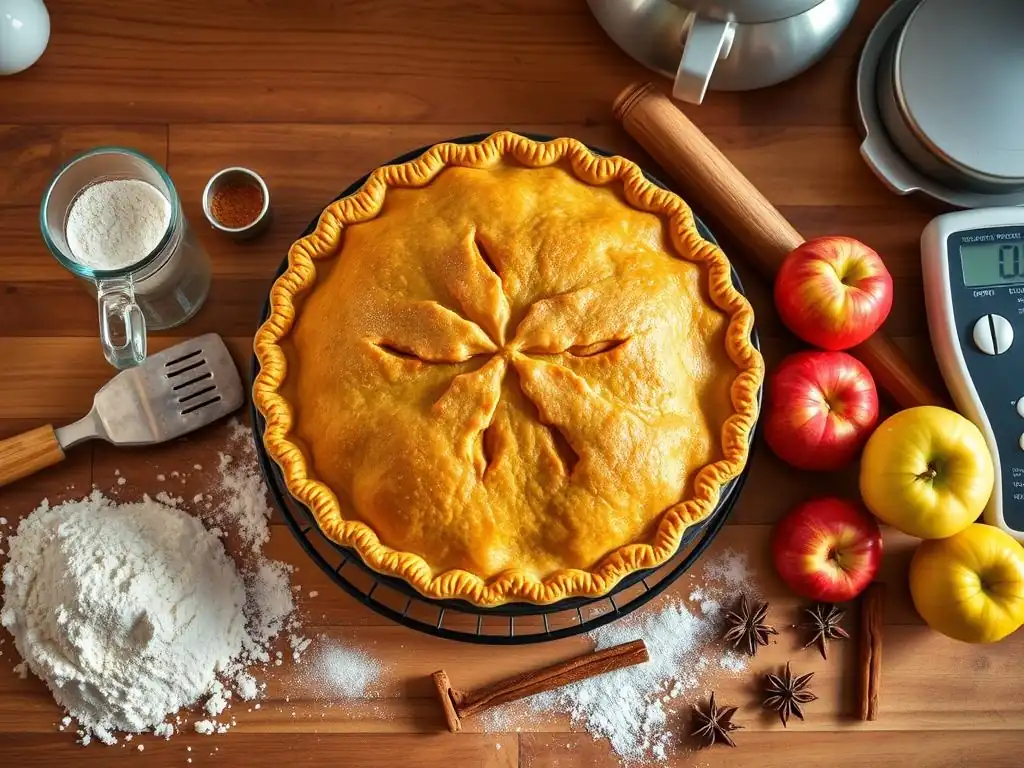
While the previously mentioned tools cover the essentials and some specialized needs, there are other useful gadgets that can further streamline the process of Thanksgiving pie baking. These items might not be strictly necessary for every pie, but they offer convenience, improve results, or make cleanup easier.
Adding these items to your collection of Thanksgiving pie baking tools can make the entire baking experience more enjoyable and efficient. They address various aspects of dough handling, preparation, and cleanup, contributing to a smoother workflow in your busy holiday kitchen.
Bench Scraper: A Versatile Tool for Dough Handling
A bench scraper, also known as a dough scraper, is a simple tool with a flat metal blade and a handle. It's incredibly useful for portioning dough, lifting and transferring sticky dough without tearing it, cleaning up flour and scraps from your work surface, and even smoothing frosting.
When working with pie dough, a bench scraper helps gather scraps, divide dough into portions for multiple pies, and carefully lift the rolled-out dough to transfer it to the pie dish. Its straight edge is also handy for scraping up stubborn bits of dried dough or flour from your counter. It's a versatile tool that proves useful for many baking tasks beyond just pie making.
Silicone Baking Mat: Easy Cleanup and Consistent Results
A silicone baking mat, placed on your counter or baking sheet, provides a non-stick surface for rolling out pie dough. This reduces the need for excessive flour, which can make your crust tough. Many mats also have printed circles or measurements, helping you roll the dough to the correct size and shape for your pie dish.
Using a silicone mat makes cleanup significantly easier, as dough doesn't stick to the surface as it might to a wooden counter or cutting board. It also provides a consistent, smooth surface for rolling, contributing to an evenly thick crust. While parchment paper can serve a similar purpose, a reusable silicone mat is an eco-friendly and convenient addition to your Thanksgiving pie baking tools.
Thanksgiving Pie Tools Checklist: Don't Forget These!
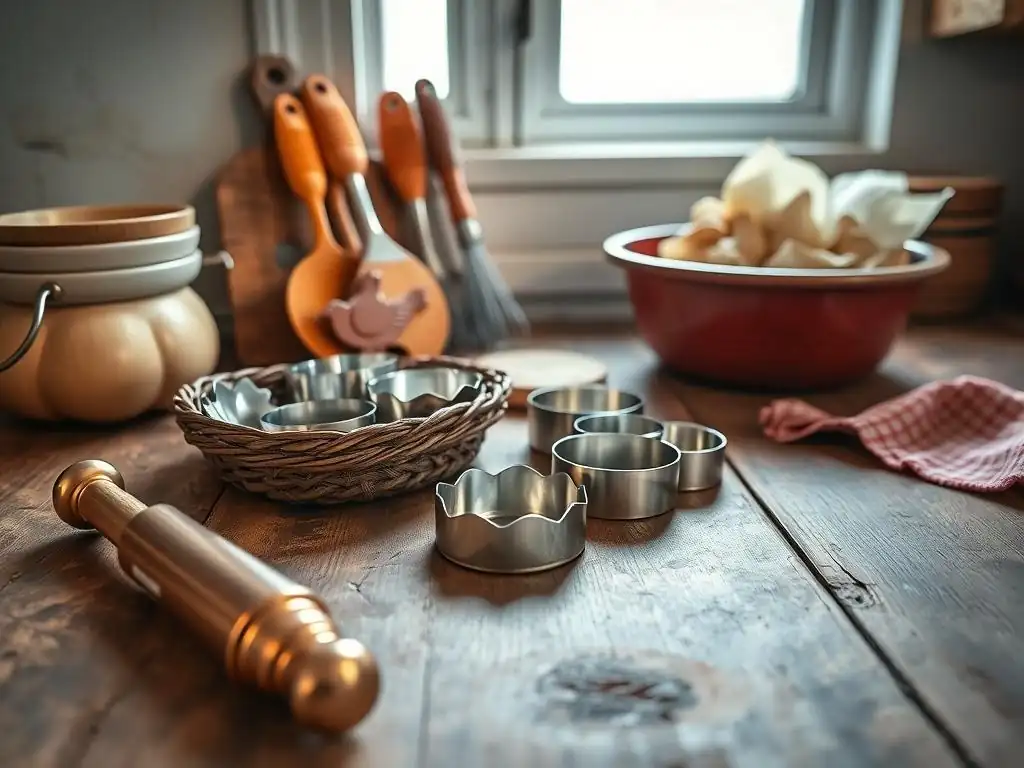
Preparing for Thanksgiving pie baking can feel overwhelming with everything else going on. Having a checklist of your essential Thanksgiving pie baking tools can help ensure you don't forget anything vital before you start. Run through this list a few days in advance to make sure you're fully equipped.
- [ ] Rolling Pin (wood, marble, or French)
- [ ] Pie Dish (9-inch or 9.5/10-inch deep-dish, material of choice)
- [ ] Pastry Blender
- [ ] Dry Measuring Cups
- [ ] Liquid Measuring Cups
- [ ] Measuring Spoons
- [ ] Kitchen Scale (optional, but recommended for precision)
- [ ] Pie Crust Cutters (optional, for decoration)
- [ ] Lattice Cutter (optional, for lattice tops)
- [ ] Pastry Brush
- [ ] Pie Weights (essential for blind baking)
- [ ] Pie Shield (silicone or foil)
- [ ] Bench Scraper (useful for dough handling)
- [ ] Silicone Baking Mat (optional, for rolling ease and cleanup)
Tips for Choosing the Best Thanksgiving Pie Baking Tools
Selecting the right tools is an investment in your baking success. With so many options available, it helps to know what to look for. Considering a few key factors will help you choose Thanksgiving pie baking tools that are not only effective but also durable and enjoyable to use for many holiday seasons to come.
Making informed choices about your baking equipment ensures you get the best value and performance. Don't just grab the cheapest option; think about how often you'll use the tool, how it feels in your hand, and how easy it is to care for. These tips will guide you toward building a reliable collection of Thanksgiving pie baking tools.
Consider Quality and Durability
Investing in quality Thanksgiving pie baking tools means they are more likely to perform well and last for years. Look for tools made from sturdy materials like stainless steel, durable wood, heat-resistant silicone, or robust ceramic/glass. While high-quality items might have a slightly higher upfront cost, their longevity and consistent performance often make them more economical in the long run compared to frequently replacing cheaper alternatives.
For example, a well-made wooden rolling pin or a sturdy stainless steel pastry blender will withstand frequent use and cleaning without breaking or degrading. Check for solid construction, comfortable handles, and materials that are food-safe and easy to maintain. Durable tools are reliable partners in your kitchen, especially during busy times like Thanksgiving.
Read Reviews and Compare Options
Before purchasing Thanksgiving pie baking tools, take some time to read reviews from other bakers. Online reviews can provide valuable insights into a tool's performance, durability, ease of use, and any potential drawbacks. Look for reviews that mention specific experiences related to pie baking.
Comparing different brands and models allows you to weigh features and prices. For instance, comparing different types of pie dishes (glass vs. ceramic vs. metal) or rolling pins (marble vs. wood vs. silicone) based on reviews can help you decide which best suits your baking style and needs. Don't just rely on the product description; see what real users have to say about their Thanksgiving pie baking tools.
Think About Storage and Cleaning
Practicality is key when adding new items to your kitchen. Consider how easily the Thanksgiving pie baking tools can be stored. Some tools, like bench scrapers or pastry brushes, are relatively compact, while others, like rolling pins or multiple pie dishes, require more space. If storage is limited, look for stackable pie dishes or rolling pins with hanging loops.
Ease of cleaning is also important. Tools that are dishwasher- safe save time and effort, while those that require hand washing should be easy to clean without food getting trapped in crevices. Silicone tools are often very easy to clean. Thinking about these practical aspects ensures that your Thanksgiving pie baking tools are not only effective but also convenient to use and maintain.
Frequently Asked Questions
What are the most essential tools for baking Thanksgiving pies?
The most essential tools include a rolling pin for even crusts, a pie dish of the right size, and a pastry blender or food processor for incorporating butter into the flour.
Can I bake a Thanksgiving pie without specialized pie baking tools?
While possible, specialized tools like a pie shield for preventing over-browning and pie weights for blind baking can significantly improve the final result. It's all about achieving that perfect bake!
What type of rolling pin is best for pie crusts?
A French rolling pin (without handles) is often preferred for its maneuverability and even pressure distribution, leading to more uniform crust thickness.
How do I choose the right pie dish for my Thanksgiving pie?
Consider the material – glass and ceramic distribute heat evenly. Also, ensure it's the correct size for your recipe (typically 9-inch).
What's the best way to prevent a soggy bottom crust in my Thanksgiving pie?
Blind baking the crust with pie weights is crucial. Another tip is to brush the bottom crust with egg white before adding the filling.
Final Reflection: The Sweet Science of Thanksgiving Pie
The pursuit of the perfect Thanksgiving pie isn't just about delicious results; it's about the cherished memories and traditions we create around the table. This year, more than ever, the simple act of baking a pie can feel like a powerful act of connection and comfort. Mastering the techniques, however, requires the right tools, and understanding their function elevates the entire experience from stressful chore to joyful ritual.
The impact of shared meals, especially those centered around baking, resonates deeply within our cultural fabric. The aroma of baking pie alone evokes feelings of warmth, nostalgia, and family. Baking is at once child's play and adult joy. And love, of course.
– Alma Flor Ada. This sentiment perfectly captures the essence of Thanksgiving pie baking: it's a process that transcends mere culinary skill, becoming a symbol of love, care, and the enduring power of tradition passed down through generations. The tools we use become extensions of that love, facilitating the creation of something truly special.
This Thanksgiving, as you gather with loved ones, remember the importance of the tools you use, not just for their functionality, but for the role they play in crafting a meaningful experience. Don't just bake a pie; create a memory. Consider investing in a few high-quality tools – perhaps that rolling pin you've always admired, or a sturdy pie plate – as a small investment in the joy and connection you'll share this holiday season. Let the process be as fulfilling as the final product, and savor every moment.
Unlock Your Inner Pie Master!
Thanks for taking the time to explore the secrets to effortless Thanksgiving pie baking! We hope you gained some valuable tips and tricks to make this year's pies the best yet. Now it's time to put your newfound knowledge into action.
- Bake your masterpiece! Choose your favorite recipe (or try a new one inspired by this article! ), gather your tools, and let the delicious aroma fill your kitchen. This is your chance to shine!
- Share your baking journey! Post a picture of your pie creation on social media and tag us – we'd love to see your culinary triumph!
- Consider trying a new pie flavor or technique inspired by what you've learned today. Challenge yourself and expand your baking horizons!
Ready to create some unforgettable Thanksgiving memories? What's the first pie you'll be tackling?