
Bake a Moist Vanilla Cake Every Single Time

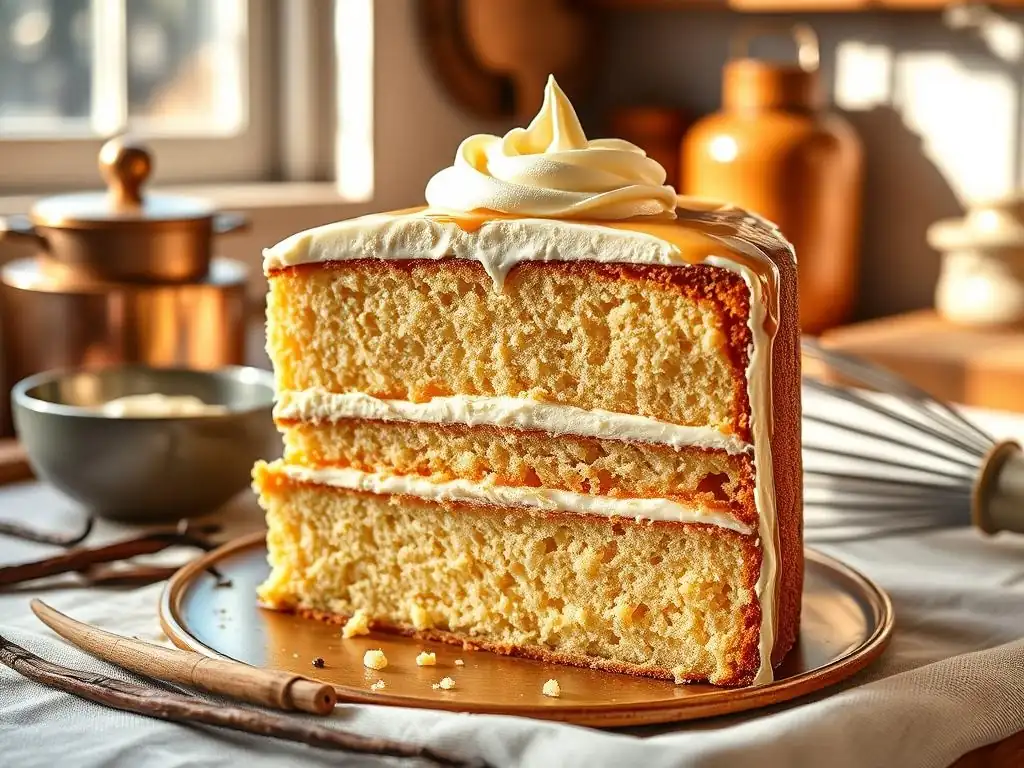
Welcome to BakeWithEase, your secret ingredient to baking bliss! Ever dream of a perfectly moist vanilla cake that's both easy to make and irresistibly delicious? You're in the right place. We're about to unlock the secrets to achieving bakery-worthy results in your own kitchen. Intrigued? Let's get baking!
- Bake a Moist Vanilla Cake Every Single Time: The BakeWithEase Guide
- Introduction: Achieving the Perfect Moist Vanilla Cake
- Understanding the Key to a Moist Vanilla Cake
- BakeWithEase's Foolproof Moist Vanilla Cake Recipe
- Pro Tips for an Extra Moist Vanilla Cake
- Troubleshooting Common Vanilla Cake Problems
- Variations: Elevate Your Moist Vanilla Cake
- Storing Your Moist Vanilla Cake for Optimal Freshness
- Conclusion: Enjoy Your Perfectly Moist Vanilla Cake!
-
Frequently Asked Questions
- What makes a vanilla cake recipe "easy" according to BakeWithEase?
- What are the key ingredients for a moist vanilla cake from BakeWithEase?
- Does BakeWithEase offer step-by-step guides for baking a vanilla cake?
- What kind of baking tips does BakeWithEase provide for a moist vanilla cake?
- Is this "Moist Vanilla Cake Recipe Easy" suitable for beginners?
- Final Reflection: The Enduring Allure of a Perfect Vanilla Cake
- Unlock Your Inner Baker: Master the Moist Vanilla Cake!
Bake a Moist Vanilla Cake Every Single Time: The BakeWithEase Guide
Introduction: Achieving the Perfect Moist Vanilla Cake
Baking a vanilla cake might seem simple, but achieving that consistently moist, tender crumb can be a baker's quest. Dry, crumbly cakes are a common disappointment. Imagine slicing into a cake that's not just sweet and fragrant with vanilla, but also incredibly soft and melts in your mouth. That's the goal! At BakeWithEase, we believe everyone can bake a perfect moist vanilla cake recipe easy enough for a weeknight treat or a special occasion. This guide will walk you through the science, the steps, and the secrets to ensuring your vanilla cake is wonderfully moist, every single time.
This article is designed for bakers of all levels, whether you're attempting your first easy moist vanilla cake or looking to perfect your signature recipe. We'll cover everything from selecting the right ingredients and understanding their function to mastering baking techniques and troubleshooting common issues like dryness. By the end, you'll have the confidence and knowledge to bake a vanilla cake that consistently earns rave reviews for its delightful moisture and classic flavor.
Understanding the Key to a Moist Vanilla Cake
Achieving a vanilla cake moist texture is about more than just adding more liquid. It's a delicate balance of ingredients, technique, and temperature control. Moisture in a cake comes primarily from liquids (like milk, buttermilk, or sour cream), fats (butter, oil), and sugars, which attract and retain moisture. Over-baking is perhaps the most common culprit for a dry cake, as excessive heat evaporates the precious moisture within the batter.
Understanding how ingredients interact is crucial. Fats coat gluten strands, preventing them from forming a tough network, which contributes to tenderness and moisture perception. Sugars not only sweeten but also interfere with gluten development and absorb moisture, keeping the cake soft. Even the type of flour used plays a role in how much liquid the batter can hold and how tender the final crumb will be.
The Role of Fats and Liquids in Moisture Retention
Fats, such as butter and oil, are fundamental to a moist vanilla cake recipe easy. Butter contributes flavor and helps create air pockets during creaming, which aids in lift. However, oil is often even better at ensuring moisture because it remains liquid at room temperature, coating the flour particles more effectively than solid butter.
A recipe using a combination of butter for flavor and oil for moisture is often ideal. For example, a standard 8-inch vanilla cake might use around 1/2 cup (1 stick) of butter creamed with sugar, and then incorporate 1/4 cup of vegetable oil later in the process.
Liquids like milk, buttermilk, yogurt, or sour cream provide the necessary hydration to activate the dry ingredients and create steam during baking, which helps the cake rise and contributes to a tender crumb. Buttermilk or sour cream, with their higher fat and acid content, are particularly effective at producing a vanilla cake moist and tender.
The acidity helps break down proteins in the flour, leading to a softer texture. Using buttermilk instead of regular milk in a recipe often increases moisture significantly; for a typical cake using 1 cup of milk, substituting it with buttermilk would yield a noticeably moister result.
Essential Ingredients for a Deliciously Moist Vanilla Cake
To bake a genuinely delicious and moist vanilla cake recipe easy, start with high-quality ingredients. Good vanilla extract is paramount – opt for pure vanilla extract over imitation for the best flavor. A standard recipe for a two-layer 8-inch cake typically calls for 1 to 2 teaspoons of pure vanilla extract, which infuses the cake with its signature aroma and taste.
The type of sugar matters too. Fine granulated sugar is standard, but using a portion of brown sugar can add moisture due to the molasses content. For example, replacing 1/4 cup of granulated sugar with light brown sugar in a recipe using 1 3/4 cups sugar can subtly enhance moisture and add a hint of caramel flavor that pairs beautifully with vanilla. Also, ensuring your butter is at the correct room temperature (soft enough to indent easily with your finger, but not melted) is vital for proper creaming, which incorporates air and contributes to a tender, moist crumb structure.
BakeWithEase's Foolproof Moist Vanilla Cake Recipe
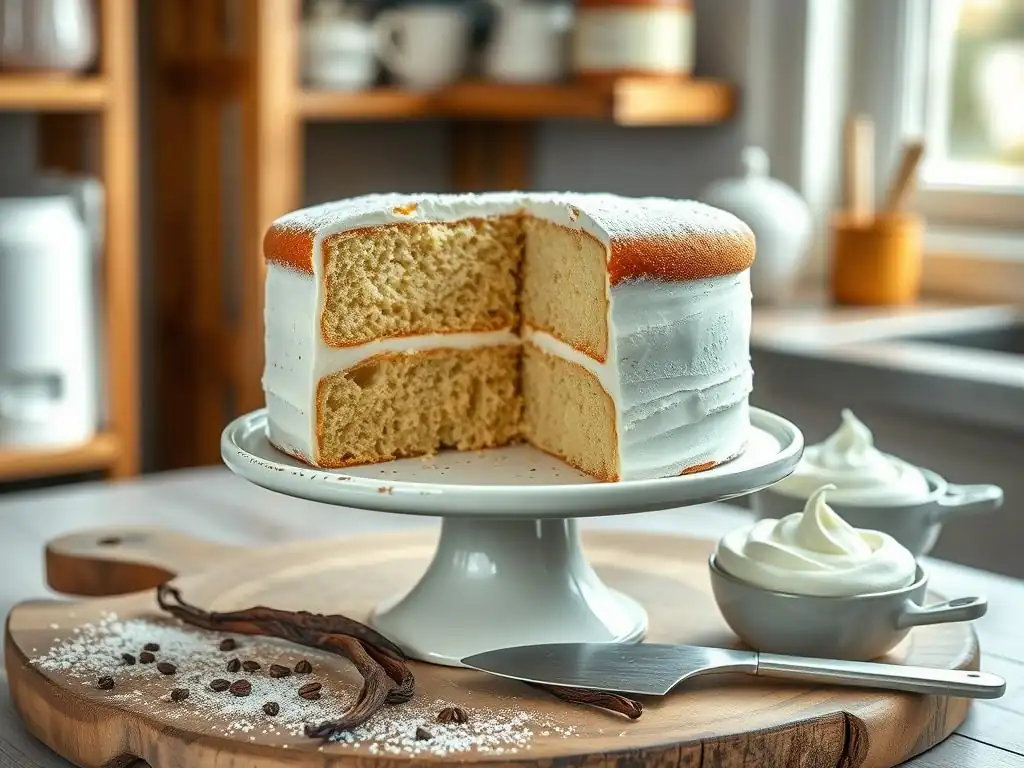
This simple vanilla cake recipe from BakeWithEase is designed for maximum moisture and ease. It uses a combination of butter and oil, plus buttermilk, to guarantee a tender, moist crumb every single time. It's perfect for beginners and experienced bakers alike looking for a reliable, delicious vanilla cake.
This recipe yields one 9x13 inch sheet cake or two 8-inch round cake layers. Prep time is approximately 20 minutes, and bake time is about 30-35 minutes. Follow these steps closely, and you'll be rewarded with a beautiful, moist cake.
Ingredients List: Your Shopping Checklist
Here’s what you’ll need for this easy moist vanilla cake:
- [ ] 2 ½ cups (315g) All-purpose flour
- [ ] 1 ½ cups (300g) Granulated sugar
- [ ] 1 teaspoon Baking soda
- [ ] ½ teaspoon Baking powder
- [ ] ½ teaspoon Salt
- [ ] ½ cup (113g) Unsalted butter, softened
- [ ] ¼ cup (50g) Vegetable oil
- [ ] 2 Large eggs, room temperature
- [ ] 1 teaspoon Pure vanilla extract
- [ ] 1 ¼ cups (300ml) Buttermilk, room temperature
- [ ] ½ cup (120ml) Hot water
Step-by-Step Baking Instructions for a Perfectly Moist Vanilla Cake
Follow these steps carefully for a guaranteed vanilla cake moist result. Accuracy in measuring and following instructions is key to baking success.
Preparing the Cake Batter: The Foundation for Moisture
Preheat your oven to 350°F (175°C). Grease and flour your cake pan(s) or line with parchment paper. In a large bowl, whisk together the flour, sugar, baking soda, baking powder, and salt. This helps distribute the leavening agents evenly. Add the softened butter and vegetable oil to the dry ingredients. Using an electric mixer on low speed, mix until the mixture resembles coarse crumbs, about 1-2 minutes. This "reverse creaming" method helps coat the flour with fat from the start, inhibiting gluten development and resulting in a very tender, moist cake.
In a separate medium bowl, whisk together the room temperature eggs, vanilla extract, and buttermilk. With the mixer on low speed, gradually add about half of the wet ingredients to the dry ingredients, mixing until just combined. Scrape down the sides of the bowl. Gradually add the remaining wet ingredients, mixing until the batter is smooth and no dry streaks remain. Be careful not to overmix; overmixing develops too much gluten, leading to a tough, dry cake. Finally, carefully stir in the hot water by hand – this step is crucial for adding moisture and creating a tender crumb.
Baking Time and Temperature: The Secret to Even Baking
Pour the batter evenly into your prepared pan(s). For a 9x13 inch pan, bake for 30-35 minutes. For two 8-inch rounds, bake for 28-33 minutes. Baking time can vary based on your oven, so start checking around the minimum time. Insert a toothpick or cake tester into the center of the cake; it should come out clean or with a few moist crumbs attached. If it comes out wet with batter, continue baking and check again in 2-3 minute intervals.
Baking at the correct temperature is vital. If the oven is too hot, the outside of the cake will set and potentially burn before the inside is cooked through, resulting in a dry exterior and possibly a raw center. If the oven is too cool, the cake may not rise properly and could become dense. Using an oven thermometer is highly recommended to ensure your oven is preheating accurately. A difference of just 10-15 degrees Fahrenheit can significantly impact the final texture and moisture level.
Cooling and Handling: Preventing a Dense Cake
Once the cake is baked, remove it from the oven and let it cool in the pan on a wire rack for about 10-15 minutes. This allows the cake structure to set while still retaining some steam, which helps keep it moist. Attempting to remove a cake too soon can cause it to break or collapse.
After the initial cooling period in the pan, carefully invert the cake onto the wire rack to cool completely. Cooling on a wire rack allows air circulation around the entire cake, preventing moisture from accumulating on the bottom and making it soggy, while also allowing residual heat to escape evenly. Ensure the cake is completely cool before frosting or storing. Frosting a warm cake will melt the frosting and can trap steam, making the cake gummy.
Pro Tips for an Extra Moist Vanilla Cake
Beyond the recipe itself, a few simple techniques can elevate your vanilla cake moist game. These tips focus on ingredient choices and preparation methods that specifically contribute to a tender, hydrated crumb.
Mastering these small details can make a significant difference in the final texture and moisture of your cake. They are simple adjustments that professionals use to ensure consistent, high-quality results.
Using Cake Flour for a Tender Crumb
While all-purpose flour works well in our easy moist vanilla cake recipe, substituting some or all of it with cake flour can result in an even more tender and delicate crumb. Cake flour has a lower protein content (around 7-8%) compared to all-purpose flour (around 10-12%). Less protein means less gluten development when mixed, leading to a softer, finer texture.
If using cake flour, you might need to adjust the amount slightly. Generally, for every cup of all-purpose flour, you can substitute 1 cup plus 2 tablespoons of sifted cake flour. For instance, in our recipe calling for 2 ½ cups of all-purpose flour, you might use closer to 2 ¾ cups of sifted cake flour. Sifting cake flour is crucial as it is very finely milled and can compact easily. This simple swap is a secret weapon for achieving that melt-in-your-mouth texture often associated with professional bakery cakes.
The Importance of Creaming: Butter and Sugar Dynamics
Properly creaming butter and sugar is a foundational technique in many cake recipes, including some moist vanilla cake recipe easy variations, though our specific recipe uses reverse creaming. In traditional creaming, softened butter and sugar are beaten together until light and fluffy. This process incorporates tiny air bubbles into the fat. As the cake bakes, these air bubbles expand, contributing to the cake's rise and creating a tender structure.
For traditional creaming methods, beat the softened butter and sugar together on medium-high speed for 3-5 minutes, or even longer, until the mixture is pale yellow and significantly increased in volume. You should see a noticeable change in texture as the sugar crystals cut into the butter, creating air pockets. Skipping this step or not creaming long enough will result in a denser, less airy cake. The sugar also helps to tenderize the cake by interfering with gluten development and attracting moisture.
Using Vanilla Bean Paste for Enhanced Flavor
While pure vanilla extract provides wonderful flavor, using vanilla bean paste or scraping seeds directly from a vanilla bean will infuse your vanilla cake moist with an even deeper, more complex vanilla profile and those beautiful speckles. Vanilla bean paste is a convenient option, offering concentrated flavor and visible vanilla seeds.
For our recipe calling for 1 teaspoon of pure vanilla extract, you could substitute it with 1 teaspoon of vanilla bean paste or the seeds scraped from half a vanilla bean. The cost is higher (a single high-quality vanilla bean can cost $5-$10), but the difference in flavor intensity is remarkable, especially in a cake where vanilla is the star. The tiny black seeds dispersed throughout the cake are also a visual indicator of the premium ingredients used.
Troubleshooting Common Vanilla Cake Problems
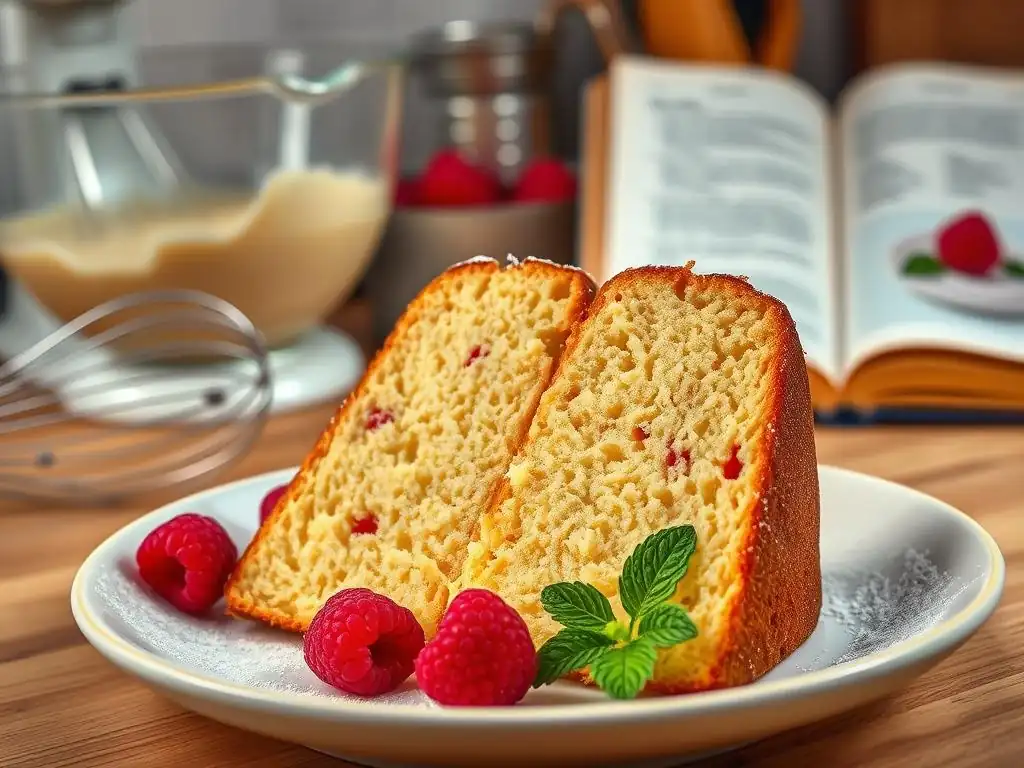
Even with a reliable simple vanilla cake recipe, sometimes things don't go exactly as planned. Understanding why common issues occur can help you prevent them in the future and even sometimes salvage a bake.
Don't be discouraged by baking mishaps; they are part of the learning process. Most common cake problems have straightforward causes and solutions.
Why is My Vanilla Cake Dense? (And How to Fix It)
A dense vanilla cake is often the opposite of the desired vanilla cake moist outcome. Density can stem from several issues. Overmixing the batter is a primary cause; excessive mixing develops gluten, making the cake tough and heavy. Ensure you mix only until ingredients are just combined, with no dry streaks. Another reason is using ingredients that are too cold, especially eggs and buttermilk. Cold ingredients don't emulsify properly and can seize the butter, leading to a less airy batter. Always use room temperature ingredients as specified in the recipe.
Incorrect leavening is another factor. Using old or expired baking soda or baking powder will result in a cake that doesn't rise properly, leading to a dense texture. Check the expiration dates on your leavening agents; they lose potency over time, typically after 6-12 months once opened. Using the wrong size pan can also cause density; if the pan is too large, the batter will be too thin and might overcook quickly, while a pan that's too small can cause the cake to overflow or bake unevenly, leading to dense spots.
Avoiding a Flat Vanilla Cake
A flat vanilla cake, lacking in volume, can be disappointing. This is often linked to the leavening agents or the batter preparation. As mentioned, expired baking soda or baking powder won't produce enough carbon dioxide gas to make the cake rise. Ensure they are fresh. Also, make sure you are using the correct amounts specified in the easy moist vanilla cake recipe; too little leavening means less lift.
Improper creaming (if using a traditional method) means not enough air was incorporated initially. If using our reverse creaming method, ensure your butter and oil are properly blended into the dry ingredients before adding liquids. Opening the oven door repeatedly during baking, especially in the first two-thirds of the baking time, can cause a sudden drop in temperature, leading the cake to collapse. Resist the urge to peek! Finally, baking at a temperature that is too low can also result in poor rise and a flat cake.
Preventing a Sticky Vanilla Cake Top
A sticky top on your vanilla cake moist can be frustrating, making frosting difficult. This usually happens when the cake hasn't been baked long enough, or the oven temperature is too low. The surface appears done, but the interior is still undercooked, releasing moisture as it cools and creating a sticky layer on top.
Ensure your oven temperature is accurate using an oven thermometer. Bake the cake for the full recommended time or until a toothpick inserted into the center comes out clean. If the top seems to be browning too quickly but the inside isn't done, you can tent the cake loosely with aluminum foil for the remaining baking time. This reflects heat away from the top, allowing the inside to finish baking without the surface overcooking or becoming excessively sticky. Allowing the cake to cool completely on a wire rack also helps residual moisture dissipate correctly.
Variations: Elevate Your Moist Vanilla Cake
Once you've mastered the simple vanilla cake recipe, you can easily adapt it to create exciting variations. The moist vanilla base is incredibly versatile and pairs well with numerous flavors and textures.
Experimenting with add-ins and frostings is a fun way to personalize your baking and impress your friends and family.
Adding Sprinkles for a Funfetti Cake
Transform your moist vanilla cake recipe easy into a festive Funfetti cake by simply folding sprinkles into the batter. Use jimmies-style sprinkles (the rod-shaped ones) as they are less likely to bleed color into the batter than nonpareils (the tiny round ones). For our recipe, gently fold in about ½ cup of sprinkles into the batter just before pouring it into the pan.
This adds a pop of color and a touch of whimsy, perfect for birthdays or celebrations. The key is to fold them in minimally to avoid breaking them or causing the colors to streak. The moist vanilla base ensures the cake remains tender despite the addition of solid particles.
Incorporating a Berry Swirl for Flavor and Color
Adding a swirl of berry compote or jam is another delightful variation for your vanilla cake moist. The slight tartness of berries complements the sweet vanilla beautifully. You can use homemade or store-bought berry compote (like raspberry or strawberry).
After pouring about half of the vanilla batter into the pan, dollop about 1/2 to 3/4 cup of berry compote over the batter. Swirl it gently with a knife or skewer, being careful not to overmix. Pour the remaining batter over the top and dollop another 1/4 cup of compote, swirling again lightly. This creates beautiful ribbons of berry flavor and vibrant color throughout the moist cake.
Creating a Layered Moist Vanilla Cake with Vanilla Bean Buttercream
For a show-stopping dessert, use this simple vanilla cake recipe to create a layered cake. Divide the batter between two 8-inch round pans as specified in the recipe. Once cooled, level the cakes if necessary and stack them with a generous layer of frosting in between.
A classic pairing is a creamy vanilla bean buttercream. To make it, cream 1 cup (226g) softened unsalted butter until pale and fluffy. Gradually beat in 4 cups (480g) sifted powdered sugar alternately with about ¼ cup (60ml) milk or cream, until smooth and spreadable. Beat in 1-2 teaspoons of pure vanilla extract or vanilla bean paste. This rich, smooth frosting complements the vanilla cake moist texture perfectly.
Storing Your Moist Vanilla Cake for Optimal Freshness
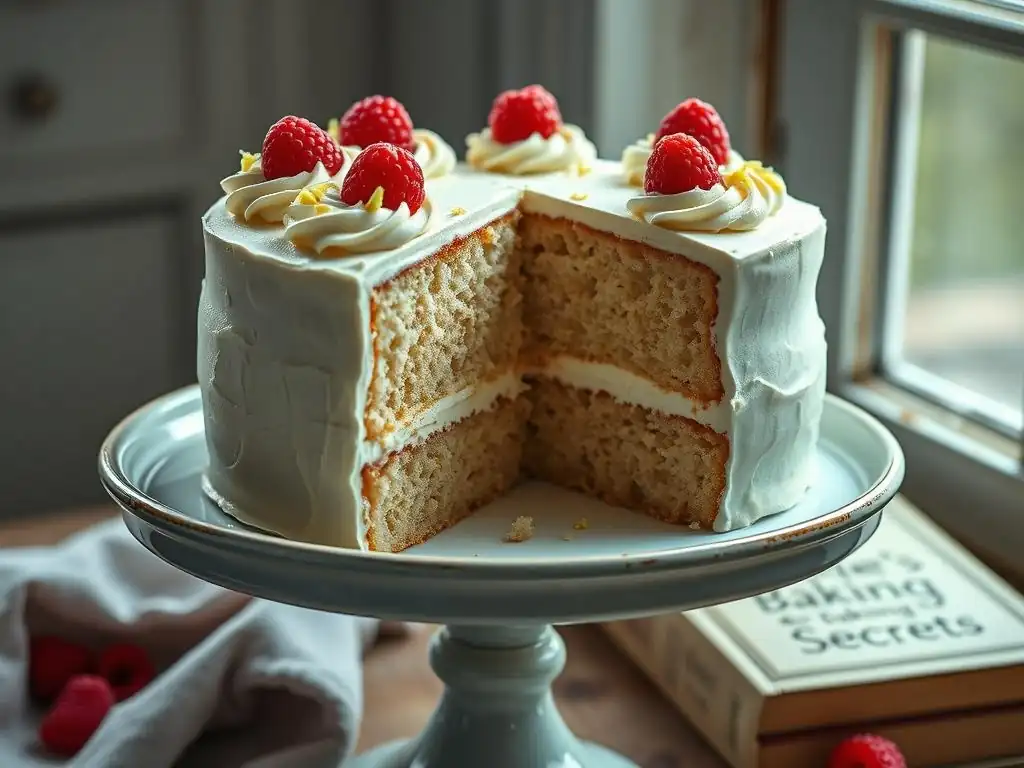
Proper storage is essential to keep your vanilla cake moist after baking. A cake left exposed to air will quickly dry out.
Follow these tips to ensure your delicious cake stays fresh and tender for as long as possible.
Proper Storage Techniques to Maintain Moisture
Once your cake has cooled completely, the best way to store it depends on whether it's frosted or unfrosted. Unfrosted cake layers or a sheet cake should be wrapped tightly in plastic wrap. Ensure the plastic wrap is in direct contact with the cake surface to prevent air exposure. Store at room temperature for 2-3 days.
Frosted cakes are best stored loosely covered. If it's a whole cake, use a cake dome or place it in an airtight cake carrier. If you've cut into the cake, press plastic wrap directly onto the cut surfaces before covering the rest of the cake or placing it in its container. This prevents the exposed cake from drying out. Frosted cakes can also be stored at room temperature for 2-3 days, depending on the frosting (buttercream is fine, but cream cheese frosting should be refrigerated if not eaten within a few hours).
Freezing and Thawing Your Vanilla Cake
Freezing is an excellent way to extend the life of your moist vanilla cake recipe easy. Unfrosted cake layers freeze exceptionally well. Once completely cool, wrap each layer tightly in plastic wrap, then wrap again in aluminum foil. This double layer of protection prevents freezer burn. Frozen unfrosted cake layers can last for up to 2-3 months.
To thaw, remove the cake from the freezer and unwrap the foil, but leave the plastic wrap on. Let it thaw at room temperature on a wire rack for several hours or overnight. Thawing while wrapped helps trap moisture released during the process back into the cake, keeping it moist. You can then unwrap and frost. Frosted cakes can also be frozen, but they are best frozen on a baking sheet until the frosting is firm, then wrapped tightly in plastic wrap and foil. Thaw frosted cakes in the refrigerator overnight.
Conclusion: Enjoy Your Perfectly Moist Vanilla Cake!
Baking a consistently moist vanilla cake recipe easy is entirely achievable with the right knowledge and techniques. By understanding the role of ingredients like fats, liquids, and sugar, using precise measurements, and mastering baking times, you can avoid dryness and achieve that coveted tender crumb.
Whether you stick to our foolproof simple vanilla cake recipe or experiment with variations like Funfetti or berry swirls, the principles for maintaining moisture remain the same. Remember to use room temperature ingredients, avoid overmixing, bake until just done, and store your cake properly. With these tips from BakeWithEase, you're well on your way to baking a delightful, perfectly moist vanilla cake every single time. Happy baking!
Frequently Asked Questions
What makes a vanilla cake recipe "easy" according to BakeWithEase?
An "easy" recipe from BakeWithEase likely involves simple ingredients, straightforward instructions, and minimal specialized equipment needed.
What are the key ingredients for a moist vanilla cake from BakeWithEase?
Expect the recipe to emphasize ingredients like butter or oil, sour cream or buttermilk, and proper hydration to ensure the cake stays moist.
Does BakeWithEase offer step-by-step guides for baking a vanilla cake?
Yes, BakeWithEase provides step-by-step guides for all its recipes, including the vanilla cake, making it easier for bakers of all levels to follow.
What kind of baking tips does BakeWithEase provide for a moist vanilla cake?
BakeWithEase likely includes tips on avoiding over-baking, proper mixing techniques, and ensuring even baking for optimal moisture retention.
Is this "Moist Vanilla Cake Recipe Easy" suitable for beginners?
BakeWithEase caters to all skill levels, so this recipe should be beginner-friendly, with clear instructions and readily available ingredients.
Final Reflection: The Enduring Allure of a Perfect Vanilla Cake
The pursuit of the perfect moist vanilla cake transcends mere baking; it's a testament to the enduring power of simple pleasures and the joy of creating something beautiful from humble ingredients. In a world increasingly dominated by complex recipes and culinary trends, the classic vanilla cake remains a comforting constant, a symbol of home, celebration, and the satisfaction of a job well done. Its seemingly simple nature belies the precision and care required to achieve that elusive, melt-in-your-mouth texture.
The impact of a perfectly baked vanilla cake extends far beyond the individual experience. It's a shared joy, a centerpiece at gatherings, a symbol of comfort and celebration across cultures and generations. A cake is a celebration of life, a moment of pure joy, a simple pleasure that can bring so much happiness.
This sentiment perfectly captures the enduring appeal of this classic dessert, its ability to connect us to cherished memories and create new ones. The seemingly simple act of baking becomes a powerful act of connection, a tangible expression of love and care.
Now, I invite you to consider your own relationship with baking. Perhaps this article has inspired you to try your hand at a moist vanilla cake, or perhaps it has rekindled a long-dormant passion. Regardless, I hope it has reminded you of the power of simple pleasures and the profound satisfaction that comes from creating something delicious and beautiful with your own two hands. So, gather your ingredients, preheat your oven, and embrace the journey of baking a cake that will not only taste incredible but also fill your heart with joy. The perfect moist vanilla cake awaits.
Unlock Your Inner Baker: Master the Moist Vanilla Cake!
Thanks for taking the time to explore the secrets of the perfect moist vanilla cake! We hope you now feel confident in your baking abilities. Ready to put your new knowledge into action?
- Bake your dream vanilla cake today! Use the recipe and tips from this article to create a masterpiece. Don't be afraid to experiment with different extracts or frostings!
- Share your baking success! Post a picture of your creation on social media and tag us – we'd love to see your results!
- Explore other recipes on BakeWithEase.com – we have a whole library of delicious treats waiting for you. Maybe you'll discover your next favorite dessert!
So, what amazing flavor variations will you try in your next vanilla cake adventure?