
Creating Creamy Texture: Insider Tips for Perfect Frozen Desserts

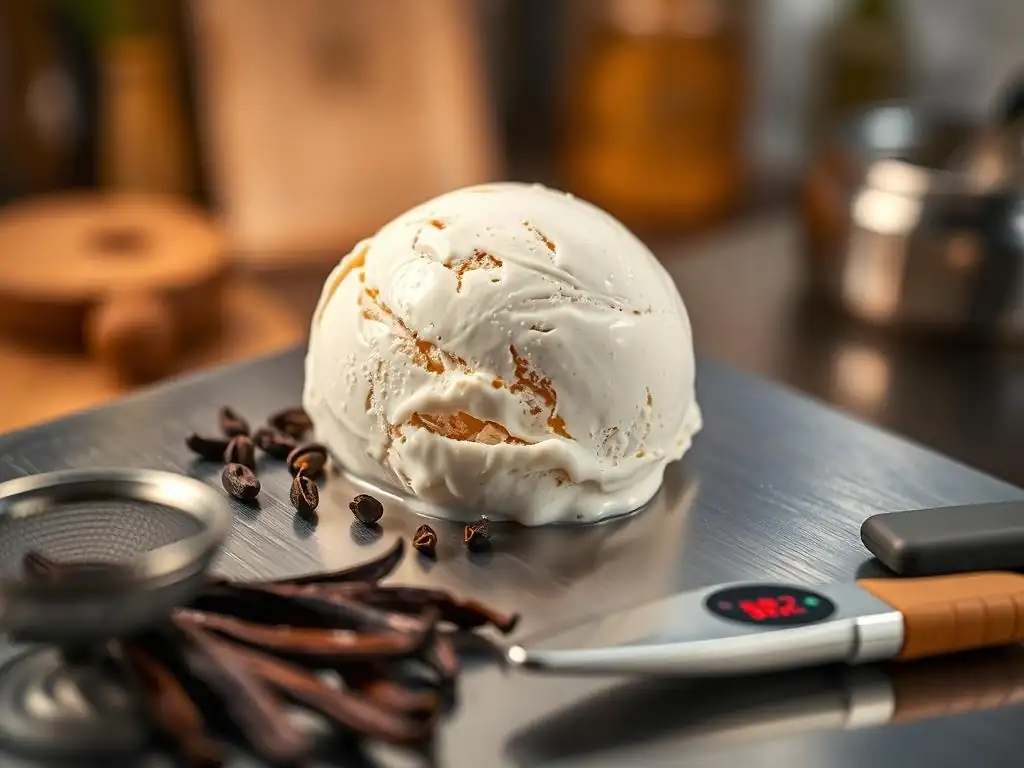
Welcome to BakeWithEase, your guide to baking bliss!
Ever wondered how to achieve that irresistibly smooth, melt-in-your-mouth texture in your homemade frozen desserts? Unlock the secrets to creating perfect ice cream, sorbet, and gelato right in your own kitchen. Dive into our latest article where we reveal frozen dessert texture tips that will transform your creations from icy to exquisitely creamy. Prepare to elevate your dessert game – the inside scoop awaits!
- Introduction: The Quest for Perfect Frozen Dessert Texture
- Understanding the Science of Creaminess
- Key Ingredients for Achieving Creamy Texture
- Mastering the Process for Creamy Results
- Troubleshooting Common Texture Issues
- Insider Frozen Dessert Texture Tips
- Conclusion: Enjoying Your Perfectly Creamy Creations
-
Frequently Asked Questions
- What is the most important factor in achieving a creamy texture in frozen desserts?
- How does the fat content of ingredients affect the texture of frozen desserts?
- What role does sugar play in the texture of frozen desserts?
- What are some techniques to minimize ice crystal formation during freezing?
- What ingredients can be added to improve the texture of homemade frozen desserts?
- Final Reflection: The Pursuit of Perfect Frozen Dessert Texture
- Unlock Your Inner Ice Cream Maestro!
Introduction: The Quest for Perfect Frozen Dessert Texture
There's something undeniably satisfying about a frozen dessert with a perfectly smooth, creamy texture. Whether it's a scoop of rich ice cream, a velvety gelato, or a silky sorbet, the mouthfeel is just as important as the flavor. Achieving that ideal consistency can sometimes feel like a challenge, especially when dealing with ice crystals.
But fear not! With a few insider frozen dessert texture tips and a little understanding of the science involved, you can elevate your homemade frozen treats from good to truly exceptional. This guide will walk you through the essential elements and techniques to help you master the art of creamy frozen delights right in your own kitchen.
Understanding the Science of Creaminess
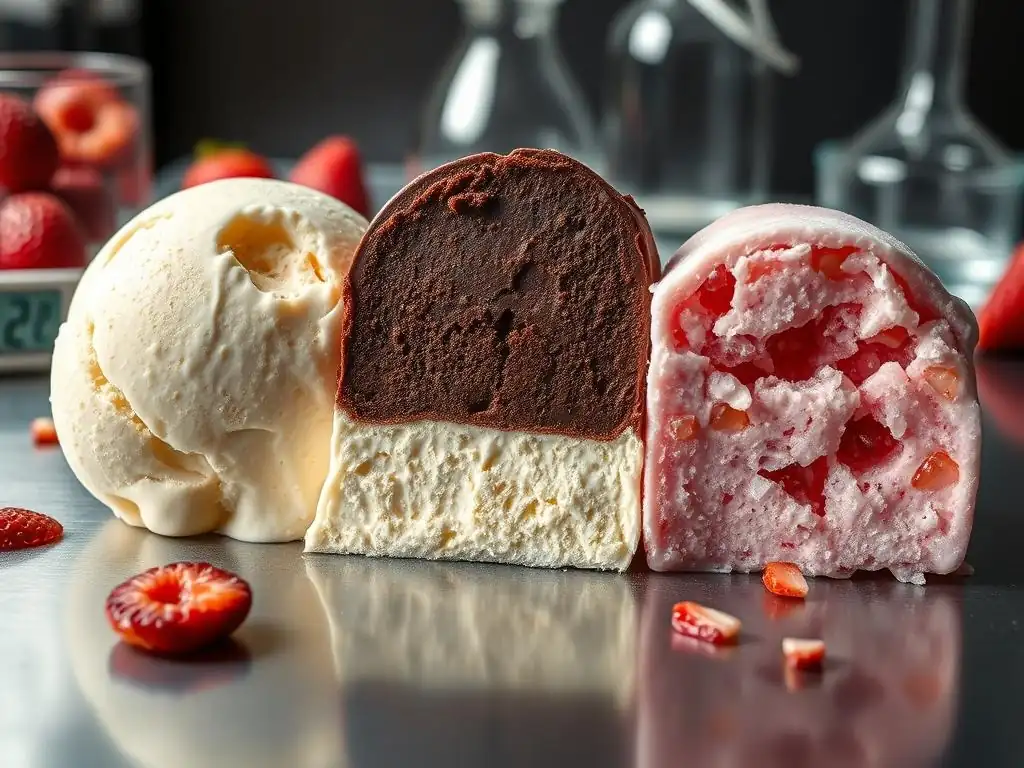
The primary challenge in creating creamy frozen desserts is controlling the formation of ice crystals. When water freezes, it forms crystalline structures. The goal is to keep these crystals as small as possible. Large ice crystals result in a grainy, icy texture, which is the opposite of the smooth, luxurious mouthfeel we desire. Several factors influence crystal size, including the composition of your base mixture and the freezing process itself. Understanding these elements is the first step towards achieving that coveted creamy texture.
The Role of Ice Crystals in Texture
Ice crystals are the fundamental building blocks of a frozen dessert's structure, but their size is critical. Small crystals, ideally less than 50 micrometers, are imperceptible to the tongue and contribute to a smooth, creamy sensation. Larger crystals, often exceeding 100 micrometers, create a coarse, unpleasant mouthfeel. Think of the difference between fresh, soft-serve ice cream and a container that's been thawed and refrozen – the latter is often full of large, crunchy ice shards.
The size of ice crystals is determined by the rate of freezing and temperature fluctuations. Rapid freezing encourages the formation of many small crystals simultaneously, while slow freezing allows existing crystals to grow larger by incorporating surrounding unfrozen water. Temperature fluctuations during storage, such as those caused by opening and closing a freezer door, are particularly detrimental because they cause partial thawing and refreezing, leading to significant crystal growth. This is why maintaining a consistent, low temperature is one of the crucial frozen dessert texture tips.
How Ingredients Impact Freezing
The ingredients in your frozen dessert base play a vital role in controlling ice crystal formation and contributing to overall texture. Water content is directly related to the potential for ice crystals; reducing free water or binding it effectively is key. Ingredients like sugars, fats, proteins (especially from milk or eggs), and stabilizers all work to interfere with the freezing process, lowering the freezing point and preventing water molecules from aligning into large crystals.
For instance, sugar not only provides sweetness but also acts as an antifreeze, depressing the freezing point of the mixture. Different types of sugar have varying effects; glucose or corn syrup are more effective at lowering the freezing point than sucrose (table sugar). Fat, common in ice cream and gelato, coats ice crystals and air pockets, contributing to a smooth, rich mouthfeel and hindering crystal growth. Proteins help emulsify fat and water, preventing separation and contributing to structure and smoothness. Understanding how each ingredient functions allows for precise control over the final frozen dessert texture.
Key Ingredients for Achieving Creamy Texture
Beyond just flavor, certain ingredients are absolute heroes when it comes to building a smooth, creamy frozen dessert texture. They interact with water molecules and fat droplets in ways that prevent large ice crystals from forming and contribute to a desirable mouthfeel. Mastering their use is one of the most impactful frozen dessert texture tips you can learn.
Fat: The Smooth Operator
Fat is a cornerstone of creamy texture in dairy-based frozen desserts like ice cream and gelato. It coats the ice crystals and air cells introduced during churning, making them feel smaller and smoother on the tongue. A higher fat content generally results in a richer, creamier product that melts more slowly and feels less icy.
Consider traditional Italian gelato versus American ice cream. Gelato typically has a lower fat content (often 4-9%) compared to premium ice cream (which can range from 14-20% or even higher). While gelato relies more on sugar and less air for its density and smooth texture, the higher fat in ice cream is a primary contributor to its characteristic creamy mouthfeel and structure. Using high-quality dairy with sufficient fat content, like heavy cream (around 30-36% fat) or whole milk (around 3.25% fat), is fundamental for achieving a rich, creamy base.
Sugar: More Than Just Sweetness
Sugar does more than just sweeten; it's a critical component for achieving smooth frozen dessert texture. As mentioned, sugar lowers the freezing point of the mixture. This means the dessert stays softer at typical freezer temperatures (around 0°F or -18°C), making it easier to scoop and less prone to developing large ice crystals. The type and amount of sugar used significantly impact the final texture.
Different sugars have different molecular weights and structures, affecting their ability to depress the freezing point and their perceived sweetness. For example, using a blend of sucrose (table sugar) and a smaller sugar molecule like glucose (dextrose) or inverted sugar can provide better freezing point depression and a smoother texture than using sucrose alone, without making the dessert excessively sweet.
Corn syrup, which contains various sugars including glucose, is also a common addition in commercial and some home recipes specifically for its texture-enhancing properties. A typical ice cream base might contain around 15-20% sugar by weight, balancing sweetness with the desired freezing point depression for optimal creamy texture.
Stabilizers and Emulsifiers: Your Texture Allies
While not strictly necessary for all recipes, stabilizers and emulsifiers are powerful tools for ensuring consistent, creamy frozen dessert texture, especially in recipes with lower fat or higher water content (like sorbets). Emulsifiers, such as egg yolks (lecithin), help to bind fat and water together, creating a stable mixture and preventing fat globules from clumping. This leads to a smoother, more uniform texture.
Stabilizers, like guar gum, xanthan gum, carrageenan, or pectin (often used in fruit bases), work by binding free water in the mix. They increase the viscosity of the base, which slows down the movement of water molecules during freezing and inhibits the growth of ice crystals. Using even a small amount, say 0.1% to 0.5% of the total weight of the base, can dramatically improve the texture, making it smoother, less icy, and more resistant to melting and temperature fluctuations during storage.
Gelatin is another common stabilizer, particularly effective in bases that are cooked. These ingredients provide an extra layer of protection against graininess and help maintain that desirable creamy frozen dessert texture over time.
Mastering the Process for Creamy Results
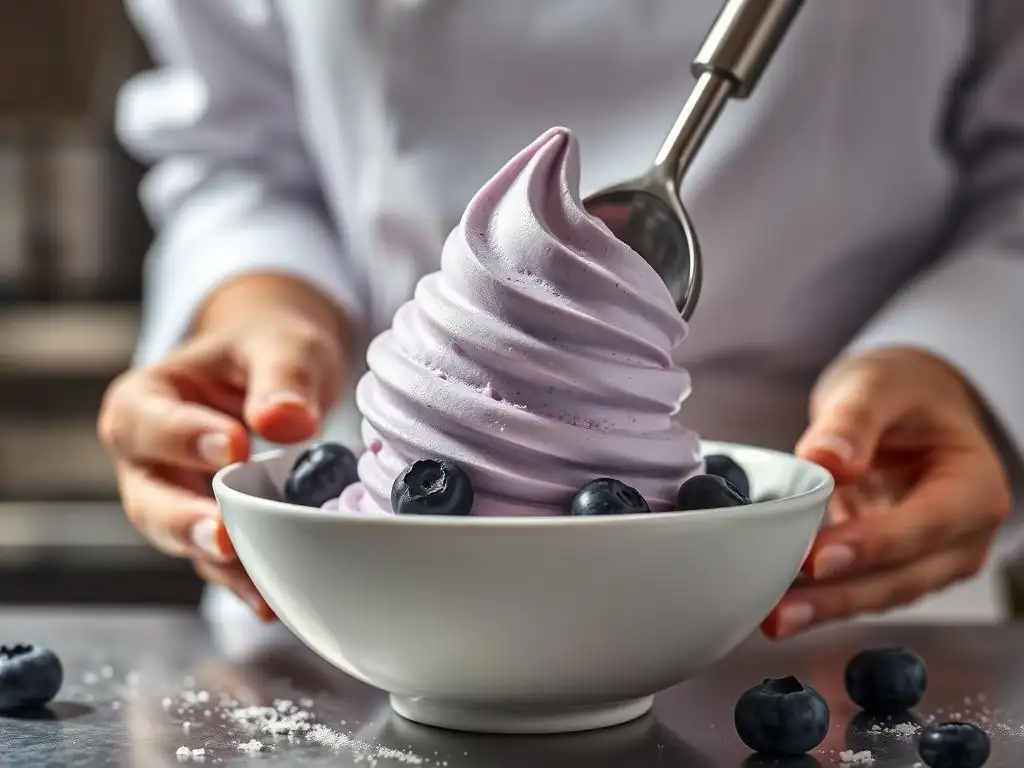
Beyond the ingredients, the techniques you use during preparation, churning, and freezing are equally vital for achieving a perfect frozen dessert texture. These steps directly influence how quickly and evenly the mixture freezes and how much air is incorporated, both of which are critical for preventing large ice crystals.
Preparing Your Base for Success
The journey to creamy texture begins long before the mixture hits the freezer. Thoroughly chilling your base is one of the most underrated frozen dessert texture tips. After cooking (if required, as with custard bases) or simply mixing, the base needs to be chilled completely, ideally to 40°F (4°C) or below. A cold base freezes faster when it enters the churner.
Furthermore, allowing the base to "age" in the refrigerator for several hours, or even overnight (12-24 hours is often recommended), can significantly improve texture. During aging, fats solidify and crystallize, proteins hydrate, and stabilizers fully swell. This process creates a more stable emulsion and a more viscous base, which leads to smaller ice crystals and a smoother finished product. While not strictly necessary for all recipes (like simple sorbets), aging is a key technique for achieving premium creamy ice cream and gelato texture.
Churning: Incorporating Air and Controlling Crystals
Churning in an ice cream maker serves two main purposes: incorporating air and breaking up ice crystals as they form. The constant movement prevents large crystals from developing by scraping the freezing mixture off the cold sides of the churner and distributing it evenly. Air incorporation, known as overrun, contributes to the volume and lightness of the dessert.
The speed and duration of churning are important. Most home machines churn at a moderate speed for 20-30 minutes, or until the mixture reaches a soft-serve consistency. Over-churning can sometimes negatively affect texture, but under-churning is a more common issue leading to iciness.
Aim for a consistency that is thick enough to hold soft peaks but still somewhat fluid. This balance ensures adequate air has been incorporated and the initial ice crystals are small before the final freezing stage. The temperature of your freezer bowl or chilling element must be very low for effective churning – often recommended to be frozen for at least 12-24 hours at 0°F (-18°C) or colder.
Freezing and Storage: The Final Frontier
After churning, the frozen dessert is typically still quite soft, around the temperature of soft-serve (-4°C to -7°C). The final hardening happens in the freezer. This stage is crucial for setting the texture. To maintain the small ice crystals created during churning, the dessert needs to be frozen as quickly as possible down to its serving temperature (typically -12°C to -18°C).
Transfer the churned mixture into a pre-chilled airtight container immediately. Place the container in the coldest part of your freezer, preferably towards the back where the temperature is most stable. Avoid placing it in the freezer door, which experiences the most temperature fluctuations. For best results, freeze for at least 4-6 hours, or until firm. Storing the dessert in an airtight container minimizes exposure to air, which can cause freezer burn and degrade texture over time. These simple freezing and storage habits are vital frozen dessert texture tips for enjoying your creation at its peak creaminess.
Troubleshooting Common Texture Issues
Even with the best ingredients and techniques, sometimes things don't go perfectly. Understanding common problems and their solutions is part of mastering frozen dessert texture.
Dealing with Grainy or Icy Texture
A grainy or icy texture is the most common complaint and is almost always due to large ice crystals.
- Causes: Insufficient chilling of the base before churning, slow churning due to a warm freezer bowl or machine issue, slow freezing after churning, or temperature fluctuations during storage. In dairy-based desserts, sometimes insufficient fat or sugar can be a factor. In fruit-based sorbets, too much water and not enough sugar or stabilizer can cause significant iciness.
- Solutions: Ensure your freezer bowl is frozen solid (at least 24 hours at 0°F/-18°C). Chill your base thoroughly, preferably overnight. Freeze the churned dessert quickly in the coldest part of your freezer in a pre-chilled container. Store in an airtight container away from the door. For sorbets, ensure the sugar content is adequate (often 20-30% of the total weight, depending on fruit sweetness) and consider adding a small amount of stabilizer like pectin or guar gum, or a splash of alcohol (like a tablespoon or two per quart) which lowers the freezing point.
Softening Hard, Frozen Desserts
Sometimes, a frozen dessert freezes rock solid, making it difficult to scoop. This is also related to the freezing point and composition.
- Causes: Too little sugar in the recipe, too much water relative to solids (fat, sugar, protein), or the dessert is simply stored at too low a temperature for too long.
- Solutions: Ensure your recipe has adequate sugar content; you might need to adjust based on other ingredients (e.g., very ripe fruit might need less added sugar). Consider incorporating a small amount of a sugar that more effectively lowers the freezing point, like glucose or inverted sugar, into your recipe next time. Before serving, allow the dessert to temper on the counter for 10-20 minutes, depending on the room temperature and container size. This allows the temperature to rise slightly, making it scoopable while retaining its creamy texture. For future batches, check your freezer temperature; if it's set excessively low, it might be contributing to the issue.
Insider Frozen Dessert Texture Tips
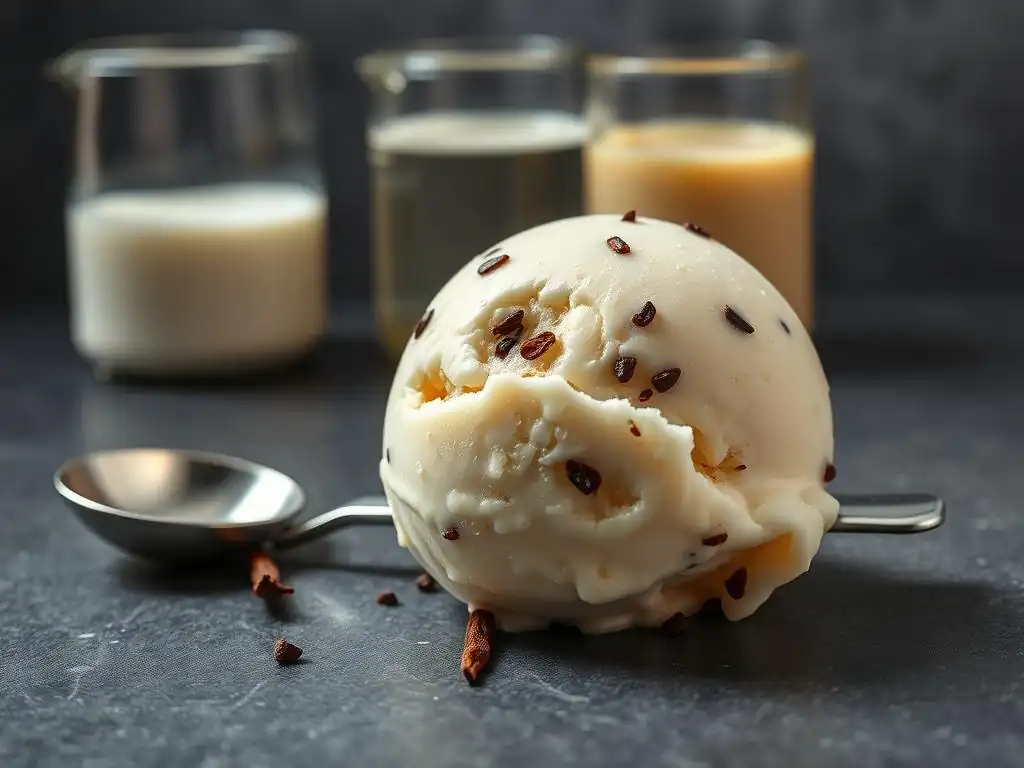
Beyond the fundamentals, a few extra tricks can help you achieve truly professional-level creamy frozen dessert texture at home. These are the little details that can make a big difference.
Tip 1: Chill Your Base Thoroughly
This is worth repeating because it's so critical. A base chilled to refrigerator temperature (40°F/4°C) or colder will freeze faster in the churner. A faster freeze means smaller ice crystals. Aim for at least 4 hours of chilling, but overnight is even better, especially for custard-based recipes.
Putting a warm or even lukewarm base into your ice cream maker is a recipe for large, icy crystals and poor texture. The machine simply can't freeze it fast enough. Plan ahead and give your base ample time to chill completely.
Tip 2: Don't Overfill Your Machine
Most ice cream maker manuals specify a maximum fill line, often around two-thirds of the bowl's capacity. This is important because the mixture expands as air is incorporated during churning.
Overfilling prevents proper air incorporation and reduces the contact area with the freezing sides of the bowl, leading to less efficient freezing and larger ice crystals. Always adhere to your machine's recommended maximum fill level for optimal churning and creamy frozen dessert texture.
Tip 3: Freeze Quickly After Churning
The period immediately after churning is critical. The dessert is soft and vulnerable to crystal growth.
- Transfer the churned mixture to a pre-chilled, airtight container as quickly as possible.
- Place the container in the coldest part of your freezer, usually the back, and ideally not in the door.
- Avoid opening the freezer frequently during the first few hours of hardening.
Rapidly bringing the temperature down from soft-serve consistency to hard-frozen helps lock in the small crystals created during churning, preserving that smooth, creamy frozen dessert texture.
Tip 4: Store Properly to Maintain Texture
How you store your frozen dessert impacts its texture over time.
- Use an airtight container to prevent moisture loss (freezer burn) and absorption of freezer odors.
- Press plastic wrap directly onto the surface of the dessert before putting the lid on for an extra layer of protection against ice crystals forming on top.
- Store the container in a stable, cold part of the freezer, away from the door to minimize exposure to temperature fluctuations.
Proper storage can help maintain a creamy texture for several weeks, though homemade frozen desserts are often best enjoyed within the first week or two.
Conclusion: Enjoying Your Perfectly Creamy Creations
Achieving that perfect creamy frozen dessert texture might seem complex, but it boils down to understanding a few key principles: controlling ice crystal size through ingredient selection, proper chilling, efficient churning, and rapid, stable freezing. By paying attention to the role of fat and sugar, considering stabilizers, ensuring your base is thoroughly chilled, churning effectively, and storing your finished product correctly, you can consistently create frozen treats with a wonderfully smooth and luxurious mouthfeel. Use these insider frozen dessert texture tips as your guide, experiment with recipes, and most importantly, enjoy the delicious, creamy results of your baking endeavors!
Frequently Asked Questions
What is the most important factor in achieving a creamy texture in frozen desserts?
The most important factor is preventing ice crystal formation. Achieving this relies on using the right ingredients and techniques.
How does the fat content of ingredients affect the texture of frozen desserts?
Higher fat content typically leads to a smoother and creamier texture. Fat interferes with ice crystal growth, resulting in a more desirable mouthfeel.
What role does sugar play in the texture of frozen desserts?
Sugar lowers the freezing point of the mixture, which means it freezes more slowly and produces smaller ice crystals. This results in a softer and smoother texture.
What are some techniques to minimize ice crystal formation during freezing?
Churning the mixture frequently during freezing introduces air and disrupts ice crystal growth. Also, rapid freezing is key.
What ingredients can be added to improve the texture of homemade frozen desserts?
Adding stabilizers like cornstarch or gelatin can help prevent ice crystal formation. Ingredients like alcohol (in small amounts) can also contribute to a softer texture by lowering the freezing point.
Final Reflection: The Pursuit of Perfect Frozen Dessert Texture
The quest for the ideal creamy texture in frozen desserts transcends mere culinary skill; it's a pursuit of sensory perfection. From artisanal ice cream parlors to home kitchens, the smooth, velvety mouthfeel of a well-made frozen treat remains a highly sought-after experience. This article explored the science and art behind achieving this coveted texture, detailing techniques that can elevate any frozen dessert from good to unforgettable.
The impact of texture on our enjoyment of food is undeniable, shaping our overall experience and influencing our memories of particular dishes. The texture of food is as important as its taste, and often more so.
This simple truth underscores the importance of mastering the techniques discussed throughout this article. The pursuit of creamy perfection isn't just about following recipes; it's about understanding the fundamental principles of ice crystal formation, fat incorporation, and the role of various ingredients in creating that luxurious mouthfeel. This understanding allows for creativity and innovation, pushing the boundaries of what's possible in the world of frozen desserts.
Now, it's your turn. Consider the frozen desserts you've enjoyed – what made them truly special? Was it the unique flavor combination, or was it the unbelievably smooth, creamy texture that lingered on your palate? Armed with the knowledge gained from this article, experiment! Don't be afraid to try new techniques, adjust recipes to your liking, and discover the joy of crafting frozen desserts that are not only delicious but also deliver that perfect, unforgettable texture. The journey to mastering creamy frozen desserts is a rewarding one – embark on it today!
Unlock Your Inner Ice Cream Maestro!
Thanks for joining us on this creamy adventure! You've just learned the secrets to crafting irresistibly smooth frozen desserts. Now it's time to put your newfound skills to the test.
- Whip up your dream frozen treat: Use your favorite recipe (or try one of our many on BakeWithEase.com!) and focus on those texture-perfecting techniques you just discovered. Don't be afraid to experiment!
- Share your frozen masterpiece: Snap a photo of your creation and tag us @BakeWithEase on social media – we’d love to see your culinary triumph!
- Dive deeper into frozen dessert perfection: Explore our other articles on BakeWithEase.com for more pro tips and inspiring recipes, like our guide to crafting the perfect sorbet.
Ready to create your next culinary masterpiece? What innovative flavor combinations will you try first?