
Exploring the Unique Flavors of Pennsylvania Dutch Funny Cake

Welcome to BakeWithEase!
Dive into a world where baking becomes an effortless adventure. Ever heard of a cake that's funny? Our journey begins with a deep dive into the uniquely delicious Pennsylvania Dutch funny cake recipe, a regional treasure that's surprisingly simple to create. But what makes it "funny"? Prepare to uncover the secrets behind this intriguing dessert and discover how its distinct flavor profile and uncomplicated preparation can bring a smile to your face... and a delightful treat to your table. Read on to explore this cultural baking gem and unlock a new level of baking confidence!
- What is Pennsylvania Dutch Funny Cake? A Regional Baking Delight
- Deconstructing the Pennsylvania Dutch Funny Cake Recipe
- Mastering the Art of Baking Pennsylvania Dutch Funny Cake
- Pennsylvania Dutch Funny Cake vs. Other Regional Cakes
- Serving and Enjoying Your Homemade Pennsylvania Dutch Funny Cake
- Why Bake Pennsylvania Dutch Funny Cake? A Taste of History
- Pennsylvania Dutch Funny Cake: A Recipe You'll Love
-
Frequently Asked Questions
- What exactly is Pennsylvania Dutch Funny Cake?
- Is the Pennsylvania Dutch Funny Cake recipe difficult to make?
- What makes the Pennsylvania Dutch Funny Cake recipe on BakeWithEase different from other recipes?
- What ingredients are essential for a traditional Pennsylvania Dutch Funny Cake recipe?
- Can I customize the Pennsylvania Dutch Funny Cake recipe from BakeWithEase?
- Final Reflection: A Slice of History, A Taste of Home
- Unlock the Secrets of Pennsylvania Dutch Funny Cake!
What is Pennsylvania Dutch Funny Cake? A Regional Baking Delight
Understanding the Origins of Pennsylvania Dutch Baking
Pennsylvania Dutch baking traditions are deeply rooted in the culinary practices brought to North America by German-speaking immigrants, primarily from the Palatinate region, who settled in southeastern Pennsylvania starting in the late 17th and early 18th centuries. These settlers, often referred to as "Pennsylvania Dutch" (a corruption of "Deutsch," meaning German), carried with them a rich heritage of baking, focusing on simple, hearty ingredients often grown on their farms. Their baking was practical and delicious, utilizing staples like flour, eggs, milk, butter, molasses, and dried fruits, creating a unique regional cuisine that blended German techniques with available American ingredients.
This distinct baking style emphasizes comfort and ingenuity, developing recipes that made the most of what was on hand. From yeast-raised breads and fruit pies to unique pastries like fasnachts (donuts) and shoo-fly pie, Pennsylvania Dutch baking became a cornerstone of the region's identity. These recipes were passed down through generations, often without formal measurements, relying on feel and experience – a true testament to their folk origins. The resilience and resourcefulness of these early bakers are reflected in the enduring popularity of their creations, including the intriguing Pennsylvania Dutch funny cake recipe.
Funny Cake: A Pennsylvania Culinary Tradition
Funny Cake is a truly unique dessert that holds a special place in the pantheon of Pennsylvania Dutch sweets. At first glance, it might resemble a pie, but its structure is distinct: a layer of cake batter is poured into a pie crust, and then a sweet, molten filling is poured on top of the batter. As it bakes, the cake batter rises through the filling, creating a marbled, almost upside-down cake effect within the crust. This unusual method is what gives the cake its "funny" name and its signature texture and appearance.
Unlike many conventional cakes or pies, Funny Cake offers a delightful contrast in textures and flavors. You get the tender crumb of the cake layer, the rich, gooey sweetness of the filling, and the flaky or crisp bite of the pie crust, all in one forkful. It's a dessert that surprises and delights, embodying the inventive spirit of Pennsylvania Dutch baking. While often associated with molasses and spices, variations exist, showcasing the adaptability of this beloved Pennsylvania Dutch funny cake recipe.
Deconstructing the Pennsylvania Dutch Funny Cake Recipe
The Signature Ingredients: What Makes Funny Cake Unique?
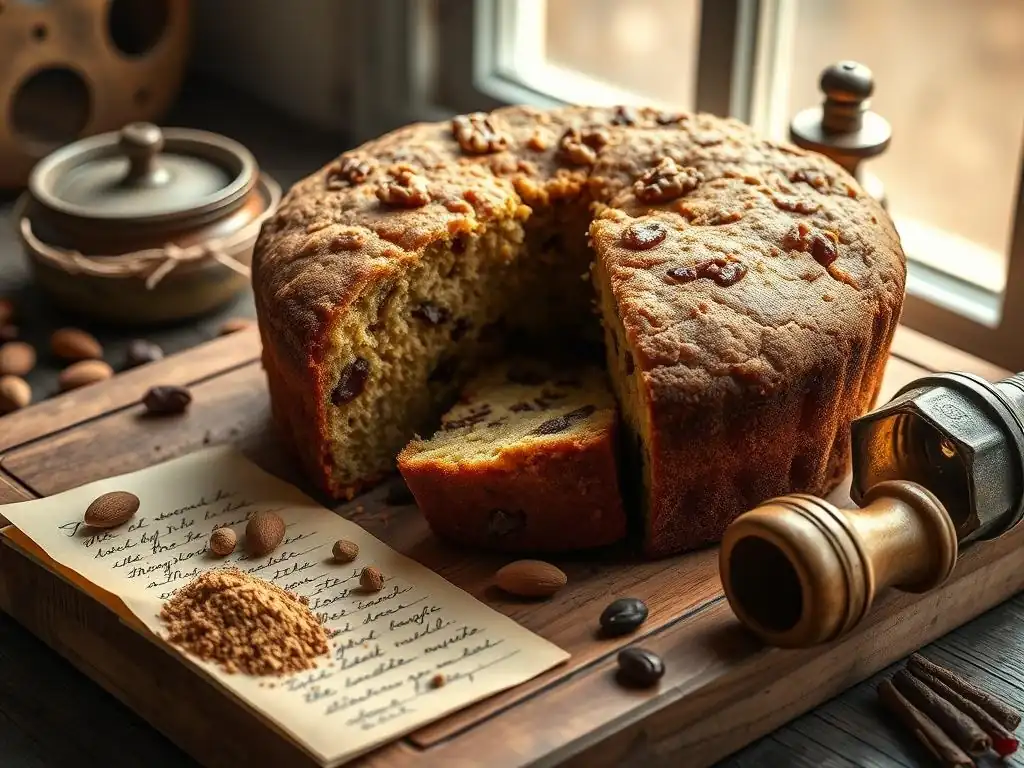
Funny Cake stands apart due to its clever combination of simple, yet effective, ingredients and the unique way they are assembled. The magic happens when the two distinct mixtures – the cake batter and the filling – interact during the baking process. Understanding these components is key to appreciating what makes a Pennsylvania Dutch funny cake recipe so special and different from more conventional desserts.
The core ingredients are humble but essential, mirroring the practical nature of Pennsylvania Dutch cooking. You won't find exotic items here, but rather pantry staples that, when combined and baked in this specific manner, produce an extraordinary result. It's a testament to how simple ingredients can create complex and satisfying flavors and textures when handled with traditional techniques.
The Cake Layer: Simple Ingredients, Complex Flavors
The bottom layer of a classic Pennsylvania Dutch funny cake recipe is essentially a simple vanilla or butter cake batter. It typically includes flour, sugar, butter (or shortening), eggs, milk, and leavening like baking powder or baking soda. While the ingredients themselves are straightforward – similar to those found in many basic cake or muffin recipes – their role here is crucial.
This relatively thin batter is poured into the pie crust first. As the cake bakes, the heat causes the leavening to activate, making the batter rise. What's fascinating is how it rises through the heavier, liquid filling that's poured on top. This upward movement is what creates the unique intermingling of cake and filling, resulting in pockets of tender cake embedded within the gooey filling layer that sits above the crust. The simplicity of the cake layer allows the rich, complex flavors of the filling to take center stage while providing a comforting, familiar base.
The Filling: Molasses, Spices, and Anise
The heart and soul of a traditional Pennsylvania Dutch funny cake recipe lie in its distinctive filling. This is typically a rich, syrupy mixture made primarily from molasses, hot water, sugar, flour (as a thickener), butter, and a blend of warm spices. Molasses is a key ingredient in much of Pennsylvania Dutch baking, providing a deep, slightly bittersweet flavor and a characteristic dark color.
Spices commonly found in the filling include cinnamon, nutmeg, cloves, and sometimes ginger. These warm spices complement the molasses beautifully, adding layers of aromatic complexity. A signature element often found in authentic Funny Cake fillings is anise extract or seeds. Anise provides a subtle, licorice-like note that might seem unusual but is a traditional flavor in many German and Pennsylvania Dutch baked goods. It adds a unique dimension that sets Funny Cake apart from other molasses-based desserts like shoo-fly pie, contributing significantly to the unique taste profile of this Pennsylvania Dutch funny cake recipe.
Pennsylvania Dutch Funny Cake Recipe Variations: A Look at Different Styles
While the classic molasses and spice version is the most traditional, the Pennsylvania Dutch funny cake recipe is not immune to adaptation. Over time, bakers have developed delicious variations, often incorporating other popular flavors or seasonal ingredients. These variations maintain the core structure – a cake layer beneath a poured-on filling within a crust – but swap out the filling components to create a different experience.
Exploring these variations shows the enduring appeal and flexibility of the Funny Cake concept. They offer alternative ways to enjoy this unique dessert structure and introduce it to palates that might prefer fruit or chocolate over the traditional molasses and anise. Each variation adds its own twist while staying true to the funny, upside-down nature of the bake.
Chocolate Funny Cake: Adding a Rich Twist
One popular departure from the classic is the chocolate Funny Cake. In this variation of the Pennsylvania Dutch funny cake recipe, the traditional molasses-spice filling is replaced with a rich, chocolatey mixture. This filling is typically made with cocoa powder, sugar, hot water, and sometimes melted chocolate or chocolate chips.
The result is a decadent dessert where the tender cake layer bakes up through a molten chocolate sauce. As it cools, the chocolate filling sets into a fudgy, gooey layer atop the cake within the crust. This version appeals greatly to chocolate lovers and offers a less intensely spiced flavor profile than the original, providing a modern take on the traditional Pennsylvania Dutch funny cake recipe.
Apple Funny Cake: A Fruity Variation
Another delightful variation incorporates fruit, most commonly apples, reflecting the abundance of orchards in Pennsylvania. An Apple Funny Cake recipe typically uses the standard cake batter and crust but features a filling made with cooked or thinly sliced apples combined with sugar, cinnamon, and butter, often thickened slightly with flour or cornstarch.
The apple filling is poured over the cake batter in the crust, and as it bakes, the cake rises through the sweet, spiced apple mixture. This creates a dessert that combines the comforting texture of cake with the warmth of baked apples and spices, all encased in a pie crust. It's a lovely fusion, offering a taste closer to an apple cobbler or deep-dish apple pie but with the unique cake layer structure characteristic of the Pennsylvania Dutch funny cake recipe.
Mastering the Art of Baking Pennsylvania Dutch Funny Cake
Baking a successful Pennsylvania Dutch funny cake recipe involves understanding the interaction between its unique components. While the ingredients are simple, the technique of pouring the filling over the batter is key. Mastering this involves careful preparation and attention during the baking process to ensure the cake rises correctly and the filling sets into that signature gooey layer.
It's a bake that rewards patience and observation. Following a step-by-step guide helps, but also understanding the "why" behind each step – why the filling is hot, why the batter goes in first – illuminates the cleverness of this traditional method. With a little practice, anyone can achieve a perfect Pennsylvania Dutch funny cake recipe result.
Step-by-Step Guide to a Perfect Funny Cake
Creating a Pennsylvania Dutch funny cake recipe from scratch is a rewarding process. It involves preparing the crust (either homemade or store-bought), mixing the cake batter, and then creating the unique filling. The assembly order is crucial for achieving the desired outcome.
Preparing the Cake Batter: Achieving the Right Consistency
The cake batter for a Pennsylvania Dutch funny cake recipe should be relatively thin, pourable, but not watery. Think of a standard muffin batter consistency. It's typically made by creaming butter and sugar, adding eggs, then alternately adding dry ingredients (flour, baking powder/soda, salt) and wet ingredients (milk, vanilla). Overmixing should be avoided; mix just until combined and smooth.
A key point is to ensure the ingredients are at room temperature, especially the butter, eggs, and milk. This helps them emulsify properly, leading to a smooth batter without lumps. The consistency is important because this batter needs enough structure to rise but be loose enough to push up through the filling during baking. A batter that is too thick might struggle to rise through the dense filling layer.
Making the Filling: Balancing Sweet and Spicy Notes
The filling is arguably the most distinctive part of a traditional Pennsylvania Dutch funny cake recipe. It usually involves heating water, molasses, sugar, butter, and spices together until the sugar dissolves. Flour or cornstarch is often whisked in to thicken the mixture slightly. For the classic version, anise extract is added at the end, off the heat.
The goal is a smooth, syrupy liquid. It's important to heat it until just combined and thickened slightly; it doesn't need to boil vigorously. The balance of sweetness (from sugar and molasses) and spice is a matter of preference, but traditional recipes lean towards pronounced molasses and spice flavors, often including a notable hint of anise. Taste and adjust spices if you're feeling adventurous, but respect the traditional profile for an authentic experience.
Assembling and Baking: Tips for a Golden-Brown Finish
Assembly is where the "funny" part of the Pennsylvania Dutch funny cake recipe comes into play. First, the prepared pie crust is placed in a pie plate. The cake batter is then poured evenly into the bottom of the crust. Finally, the hot (or at least warm) filling mixture is carefully poured directly over the cake batter. Do not swirl or mix; just pour it gently over the top.
The cake is then baked in a preheated oven, typically around 350-375°F (175-190°C), for 40-60 minutes. Baking time varies based on oven and pie plate size. As it bakes, you'll observe the magic: the cake batter bubbling up through the filling. The cake is done when the edges are set, the top is browned, and a toothpick inserted into the cake layer (avoiding the gooey filling) comes out clean. The filling will likely still be soft and gooey in the center but will firm up as it cools.
Troubleshooting Common Funny Cake Baking Issues
Even with a great Pennsylvania Dutch funny cake recipe, baking can sometimes present challenges. Funny Cake's unique structure can lead to specific issues if not handled correctly. Knowing how to identify and prevent these problems will help ensure your funny cake turns out perfectly every time.
Addressing these common pitfalls is part of mastering this particular regional bake. It highlights the importance of temperature control, ingredient ratios, and understanding how the different layers interact under heat.
Preventing a Soggy Bottom Layer
A common issue with the Pennsylvania Dutch funny cake recipe is a soggy bottom crust or cake layer. This usually happens if the pie crust isn't adequately pre-baked (if the recipe calls for it, though many Funny Cake recipes don't require a blind bake due to the long baking time) or if the cake layer doesn't bake through properly before the filling sets too much.
To prevent this, ensure your oven temperature is accurate. Baking at the correct temperature allows the bottom cake layer to start setting and rising quickly. Also, avoid overfilling the crust; too much batter or filling can prolong baking time excessively, leading to sogginess. Some bakers recommend placing the pie plate on a preheated baking sheet in the oven; this helps transfer heat efficiently to the bottom of the crust, promoting crispness.
Avoiding a Burnt Filling
Conversely, sometimes the filling on top of a Pennsylvania Dutch funny cake recipe can burn or become too hard and brittle. This is often due to excessive baking time, too high an oven temperature, or a filling mixture with too much sugar that caramelizes and burns too quickly.
Keep an eye on the cake during the latter half of baking. If the top seems to be browning too rapidly while the cake underneath isn't fully cooked, you can loosely tent the pie with aluminum foil. Ensure your oven temperature isn't running hot by using an oven thermometer. If using a variation with different sugars (like brown sugar), be mindful that they can caramelize faster than white sugar. Baking until just set, rather than rock hard, is key for that signature gooey filling texture.
Pennsylvania Dutch Funny Cake vs. Other Regional Cakes
Pennsylvania Dutch cuisine is rich with distinctive desserts, and Funny Cake is often compared to its regional cousins. While they share some ingredients and cultural heritage, Funny Cake's unique structure and the interaction of its layers set it apart from other popular Pennsylvania Dutch or Southern American pies and cakes.
Understanding these comparisons helps highlight what makes the Pennsylvania Dutch funny cake recipe truly one-of-a-kind. It belongs to a family of desserts that prioritize comfort and flavor but possesses its own quirky identity.
Funny Cake Compared to Shoofly Pie: Similarities and Differences
Perhaps the most frequent comparison for Funny Cake is Shoofly Pie, another iconic Pennsylvania Dutch dessert. Both utilize molasses as a primary flavor and often feature a pie crust. They both originated from the same cultural background and use humble ingredients.
However, their structures are quite different. Shoofly Pie is typically a single layer of wet, molasses-based filling topped with a crumb topping, all within a pie crust. The filling remains consistently gooey or slightly firm depending on the type (wet-bottom vs. dry-bottom). Funny Cake, on the other hand, has two distinct layers that interact: a cake batter base and a pourable filling on top that bakes through the cake. While both are molasses-centric and served in a crust, the baking method and resulting texture of a Pennsylvania Dutch funny cake recipe are unique compared to Shoofly Pie's crumb-topped structure.
Funny Cake Compared to Chess Pie
Chess Pie is a classic Southern American dessert, primarily composed of a simple filling made from sugar, butter, eggs, and often cornmeal or flour as a thickener, baked in a pie crust. Like Funny Cake, it uses basic ingredients and results in a rich, gooey filling.
The key differences lie in flavor profile and structure. Chess Pie's flavor is predominantly sweet and buttery, sometimes with vanilla or lemon notes, but it lacks the deep molasses and spice profile characteristic of a traditional Pennsylvania Dutch funny cake recipe. More significantly, Chess Pie has a single, homogenous filling layer within the crust. There's no cake batter base or the unique process of cake rising through a poured-on filling that defines Funny Cake's structure and appearance.
Serving and Enjoying Your Homemade Pennsylvania Dutch Funny Cake
Once your Pennsylvania Dutch funny cake recipe creation is baked and cooled, the real fun begins – enjoying it! Funny Cake is a hearty dessert, best served warm or at room temperature. Its rich, gooey filling and tender cake base make it satisfying on its own, but a few simple additions can elevate the experience.
Serving Funny Cake is about appreciating its rustic charm and comforting flavors. It's a dessert meant to be shared, bringing a taste of history and regional tradition to your table.
Pairing Suggestions: Drinks and Desserts that Complement Funny Cake
A slice of Pennsylvania Dutch funny cake recipe is quite rich, so pairing it with a beverage that can cut through the sweetness or complement the molasses and spice notes is ideal. A classic choice would be a cup of hot coffee, which provides a nice contrast. A strong black tea or even a spiced chai could also work well, echoing the cake's spice profile.
For something slightly more indulgent, a scoop of vanilla ice cream or a dollop of whipped cream makes a wonderful accompaniment. The cool, creamy texture provides a pleasant contrast to the warm, gooey filling. Avoid pairing it with overly sweet or complex drinks or desserts that might compete with Funny Cake's unique flavor profile.
Storing and Freezing: Keeping Your Funny Cake Fresh
If you're lucky enough to have leftovers from your Pennsylvania Dutch funny cake recipe, proper storage will keep it delicious. Funny Cake should be stored at room temperature for a day or two, loosely covered. For longer storage, it's best to refrigerate it, especially if your kitchen is warm. Wrap it tightly in plastic wrap or store slices in an airtight container; it will keep well in the refrigerator for about 3-4 days.
Funny Cake also freezes reasonably well. Wrap individual slices or the entire cooled cake (minus the pie plate) tightly in plastic wrap, then again in aluminum foil or place in a freezer-safe bag or container. It can be frozen for up to 2-3 months. Thaw in the refrigerator overnight and gently reheat slices in a low oven or microwave for a few seconds to restore some of that delightful gooey texture before serving.
Why Bake Pennsylvania Dutch Funny Cake? A Taste of History
Beyond its unique structure and delicious flavor, baking a Pennsylvania Dutch funny cake recipe is an experience that connects you to a rich cultural history. It's more than just making a dessert; it's participating in a tradition passed down through generations, preserving a piece of regional American heritage.
Choosing to bake this particular cake brings a story into your kitchen and onto your table. It offers a chance to explore flavors and techniques that are distinctively Pennsylvania Dutch and introduces a truly "funny" and fascinating dessert to your friends and family.
Celebrating Pennsylvania Dutch Heritage Through Baking
Baking a Pennsylvania Dutch funny cake recipe is a tangible way to celebrate and understand the heritage of the Pennsylvania Dutch people. These recipes are culinary artifacts, reflecting the ingredients available to early settlers, their resourcefulness, and their cultural values. The use of molasses, the simple ingredients, and the ingenious method of assembly all speak to this history.
By making Funny Cake, you're participating in a living tradition. You're replicating the steps taken by countless bakers before you, keeping these unique flavors and techniques alive. It's a delicious form of cultural preservation, honoring the ingenuity and resilience of a community through the simple act of baking.
Bringing a Unique Flavor to Your Baking Repertoire
If you're looking to expand your baking horizons beyond the usual chocolate chip cookies and apple pies, adding a Pennsylvania Dutch funny cake recipe to your repertoire is an excellent choice. It's a dessert unlike most others, offering a fascinating baking challenge and a truly unique taste experience.
Introducing Funny Cake to friends and family is always fun – watching their surprise as you explain how the cake bakes under the filling, and seeing their delight at the first bite of the warm, gooey, spiced goodness. It's a conversation starter and a memorable dessert that showcases regional American baking at its most creative.
Pennsylvania Dutch Funny Cake: A Recipe You'll Love
The Pennsylvania Dutch funny cake recipe is far more than just a cake in a pie crust. It's a culinary marvel, a product of ingenuity and tradition, offering a delightful interplay of textures and the deep, comforting flavors of molasses, spice, and often anise. From its humble origins to its unique baking method and delicious variations, Funny Cake holds a special place in regional American baking. Whether you're a seasoned baker or looking for a new challenge, trying a Pennsylvania Dutch funny cake recipe is a journey worth taking. It's a taste of history, a bit of baking fun, and a dessert that's sure to become a favorite once you experience its unique charm.
Frequently Asked Questions
What exactly is Pennsylvania Dutch Funny Cake?
It's a unique cake from Pennsylvania Dutch country, known for its simple ingredients and lack of frosting. It typically features a light, yeasted cake base and a molasses-based filling that cracks during baking, creating a "funny" appearance.
Is the Pennsylvania Dutch Funny Cake recipe difficult to make?
No, it's generally considered a beginner-friendly recipe. The BakeWithEase version focuses on simple steps and readily available ingredients, making it accessible for bakers of all skill levels.
What makes the Pennsylvania Dutch Funny Cake recipe on BakeWithEase different from other recipes?
Our recipe emphasizes clear, step-by-step instructions and includes helpful tips for achieving the perfect crackled top. We also focus on ensuring ingredients are easily found in most kitchens.
What ingredients are essential for a traditional Pennsylvania Dutch Funny Cake recipe?
The key ingredients include flour, yeast, molasses, and shortening or butter. These contribute to the cake's unique texture and flavor profile, resulting in a distinctive Pennsylvania Dutch taste.
Can I customize the Pennsylvania Dutch Funny Cake recipe from BakeWithEase?
While the traditional recipe is delicious as is, you can experiment with adding spices like cinnamon or nutmeg to the filling. Just be mindful not to over-spice, as the molasses flavor should remain prominent.
Final Reflection: A Slice of History, A Taste of Home
The enduring appeal of Pennsylvania Dutch Funny Cake transcends mere culinary curiosity; it's a testament to the power of simple ingredients, resourceful ingenuity, and the enduring strength of cultural heritage. This seemingly humble dessert, with its upside-down baking and surprisingly moist crumb, continues to captivate home bakers and food enthusiasts alike, proving that sometimes the most delightful recipes are the ones passed down through generations.
The Funny Cake's story is more than just a recipe; it's a reflection of the resourcefulness and resilience of the Pennsylvania Dutch community. Its simple ingredients, often utilizing what was readily available, speak volumes about a time when making do was a necessity, not a choice. Food is symbolic of love when words are inadequate.
– Alan D. Wolfelt. This sentiment perfectly encapsulates the emotional connection many feel to this cake, a connection forged through shared experiences and family traditions. The recipe's continued popularity speaks to the enduring power of these traditions in a constantly evolving world.
Now, as you consider the unique flavors and history of the Pennsylvania Dutch Funny Cake, I invite you to explore your own culinary heritage. What recipes have been passed down in your family? What stories do they tell? Perhaps it's time to dust off an old recipe card, gather your ingredients, and bake a piece of your own history. Let the simple act of baking become a journey of connection, a celebration of tradition, and a delicious reminder of the enduring power of family and heritage.
Unlock the Secrets of Pennsylvania Dutch Funny Cake!
Thanks for joining us on this delicious journey into the world of Pennsylvania Dutch Funny Cake! We hope you've gained a newfound appreciation for this unique and surprisingly simple dessert. Now it's time to put your newfound knowledge to the test.
- Bake your own Pennsylvania Dutch Funny Cake: This is your chance to experience the magic firsthand! Gather your ingredients and follow the recipe – you'll be amazed at how easy it is.
- Share your baking experience: Snap a picture of your creation and share it on social media using #BakeWithEaseFunnyCake – let's see those delicious results!
- Explore other regional recipes: Dive deeper into the world of unique baking traditions – you might discover your new favorite dessert!
Ready to unleash your inner baker and create your own Pennsylvania Dutch Funny Cake masterpiece? What unique twist will you add to this classic recipe?