
Moravian Sugar Cake: A Sweet, Crumbly Tradition from North Carolina

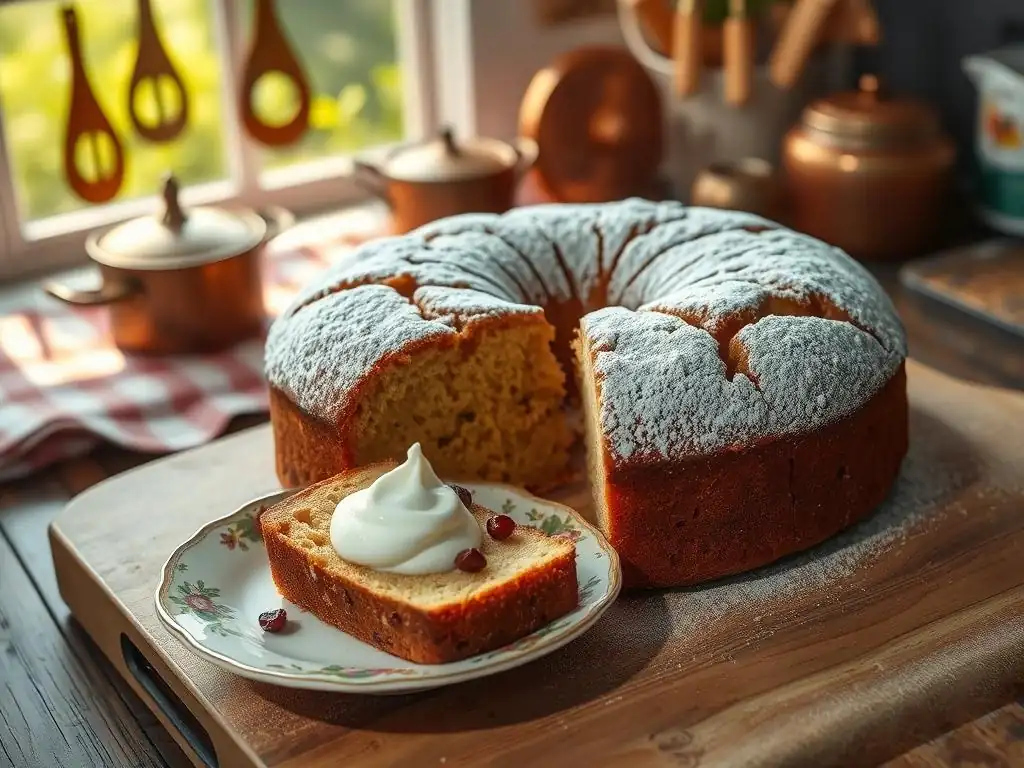
Welcome to BakeWithEase, your kitchen companion for all things baking! Ever wondered about the secrets behind that irresistibly sweet and crumbly treat that hails from North Carolina? Dive into our Moravian sugar cake recipe and discover the delightful simplicity of this regional tradition. Prepare to unlock a baking experience that's both enriching and delicious, one delightful bite at a time.
- Discovering the Delights of Moravian Sugar Cake: A Taste of North Carolina History
- What is Moravian Sugar Cake? Exploring its Origins and Unique Characteristics
- Mastering the Moravian Sugar Cake Recipe: A Step-by-Step Guide for Home Bakers
- Moravian Sugar Cake Variations and Adaptations: Adding Your Personal Touch
- Tips and Tricks for Baking the Best Moravian Sugar Cake
- Where to Find Authentic Moravian Sugar Cake: Winkler Bakery, Dewey's Bakery
- The Legacy of Moravian Sugar Cake: Preserving a Beloved Baking Tradition
- Frequently Asked Questions
- Final Reflection: A Legacy Baked in Every Crumb
- Unleash Your Inner Baker: Master the Moravian Sugar Cake!
Discovering the Delights of Moravian Sugar Cake: A Taste of North Carolina History
Stepping into the world of Moravian Sugar Cake is like taking a delicious journey through time, specifically to the charming communities of North Carolina settled by Moravians in the mid-18th century. This isn't just any cake; it's a deeply rooted tradition, a symbol of hospitality, and a beloved treat often found gracing tables during holidays and community gatherings.
Its distinctive rich, buttery crumb and pools of sweet sugar and butter make it instantly recognizable and utterly irresistible to those who know it. For anyone interested in American regional baking, exploring the Moravian sugar cake recipe offers a unique glimpse into a specific cultural heritage preserved through generations of bakers.
The appeal of Moravian Sugar Cake lies not only in its delightful taste and texture but also in the simple, honest ingredients that have remained largely unchanged for centuries. It speaks to a time when baking was a fundamental part of daily life and community connection. Learning to make this cake, following a traditional Moravian sugar cake recipe, connects you directly to that history. It's a baking project that rewards patience with a profoundly satisfying result – a cake that's both comforting and celebratory, perfect for sharing with friends and family, much like its original purpose.
What is Moravian Sugar Cake? Exploring its Origins and Unique Characteristics
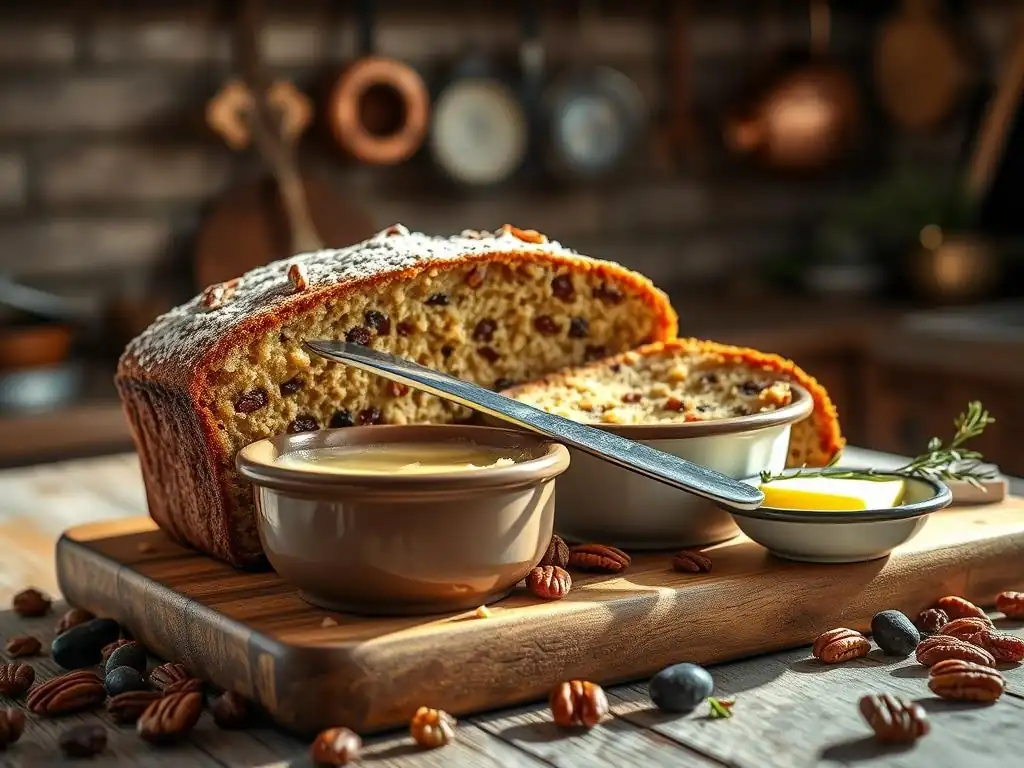
Moravian Sugar Cake is a unique yeast-leavened coffee cake, distinguished by its rich, buttery dough and a characteristic topping of butter, brown sugar, and sometimes cinnamon, pressed into deep indentations across the surface before baking. Unlike many cakes made with chemical leaveners like baking powder or soda, its rise comes from yeast, giving it a slightly bread-like texture that remains incredibly tender and moist. This combination of a soft, enriched dough and the caramelized sugar topping creates a delightful contrast that sets it apart from other sweet breads or cakes.
The cake's appearance is as iconic as its taste. After baking, the indentations created by the baker's fingers (or a cork) hold pockets of the melted sugar and butter topping, which caramelizes slightly, forming a sweet, slightly chewy contrast to the soft cake beneath. The crust is typically golden brown with a distinct crumbly texture on top where the sugar mixture has set. Understanding these characteristics is key to successfully executing a traditional Moravian sugar cake recipe and appreciating the nuances that make this cake a regional treasure.
The History of Moravian Sugar Cake: From Old World Bakeries to North Carolina Kitchens
The history of Moravian Sugar Cake is intrinsically linked to the Moravian settlers who emigrated from Central Europe, specifically areas that are now part of the Czech Republic, in the 18th century. Seeking religious freedom, they established communities in places like Bethlehem, Pennsylvania, and later, Salem (now Winston-Salem), North Carolina, starting around 1753. These settlers brought with them their culinary traditions, including their skills in baking enriched yeast breads and cakes. The sugar cake is believed to have evolved from similar sweet yeast cakes popular in their European homeland, adapted over time with ingredients available in colonial America.
Early Moravian communities were known for their communal bakeries, where bread and pastries were baked for the entire settlement. The Single Sisters' Bakery in Salem, founded in 1800, is a particularly famous example and is credited with popularizing many Moravian baked goods, including the sugar cake.
Recipes were often passed down orally or in handwritten notes within families and communities. While the exact evolution of the specific Moravian sugar cake recipe known today is hard to pinpoint, its roots are firmly in these early communal baking practices and the adaptation of European techniques to New World ingredients, solidifying its place as a cornerstone of Moravian culinary heritage in North Carolina.
Understanding the Key Ingredients: What Makes Moravian Sugar Cake Special?
The magic of Moravian Sugar Cake lies in its simple yet specific ingredient list, which contributes to its unique texture and flavor. The base is a rich, yeast-leavened dough, typically made with flour, milk, yeast, eggs, sugar, and a generous amount of butter. The use of yeast provides a tender, slightly chewy crumb structure that differs significantly from cakes made with baking powder. The high proportion of butter and eggs enriches the dough, making it soft and flavorful, a characteristic often associated with European sweet breads.
The distinctive topping is perhaps the most crucial element and what makes the Moravian sugar cake recipe truly unique. It's a simple mixture of melted butter, brown sugar, and often a touch of flour and cinnamon, which is generously poured over the indented surface of the dough before baking. The indentations are essential as they create wells for this mixture to pool and caramelize. This topping provides the signature sweet, buttery, and slightly crisp or chewy contrast to the soft cake beneath. Without this specific topping and the method of applying it, you wouldn't have authentic Moravian Sugar Cake.
Mastering the Moravian Sugar Cake Recipe: A Step-by-Step Guide for Home Bakers
Baking a Moravian Sugar Cake at home is a rewarding experience that connects you to a rich tradition. While it involves working with yeast, don't be intimidated; the process is straightforward and yields delicious results. Following a reliable Moravian sugar cake recipe carefully is key to success. The steps involve activating the yeast, preparing the enriched dough, allowing it to rise, forming the cake, creating the signature indentations, applying the topping, and finally, baking it to golden perfection. Each stage contributes to the final texture and flavor of this unique coffee cake.
Patience is a virtue when tackling this Moravian sugar cake recipe, particularly during the rising stages. Yeast doughs require time to develop flavor and texture. Rushing the process can result in a dense cake. Plan ahead, allowing sufficient time for the dough to double in size, typically between 1 to 2 hours depending on the warmth of your kitchen. The hands-on process of pressing the indentations into the dough is not just functional for holding the topping but is also a traditional part of the craft, connecting you directly to the bakers who have made this cake for generations.
Gathering Your Ingredients: The Moravian Sugar Cake Recipe Checklist
Before you begin baking, ensure you have all the necessary ingredients measured out and ready. Having everything prepped makes the baking process smoother and helps prevent mistakes. A typical Moravian sugar cake recipe calls for standard baking staples, but quality ingredients will elevate the final product.
Here is a checklist of ingredients you'll likely need:
- [ ] All-purpose flour (around 3-4 cups)
- [ ] Active dry yeast or instant yeast (about 2 1/4 teaspoons, or one standard packet)
- [ ] Warm milk (around 1 cup, heated to about 105-115°F for active dry yeast)
- [ ] Granulated sugar (for the dough, about 1/4 cup)
- [ ] Eggs (1 or 2 large)
- [ ] Unsalted butter (softened for the dough, and melted for the topping - expect around 1/2 cup total or more)
- [ ] Salt (about 1/2 teaspoon)
- [ ] Brown sugar (packed, for the topping - anticipate at least 1/2 cup)
- [ ] A little extra flour for the topping (optional, around 1-2 tablespoons)
- [ ] Ground cinnamon (optional, for the topping, about 1/2 teaspoon)
Using good quality butter is particularly important in a Moravian sugar cake recipe, as its flavor is prominent in both the dough and the topping. Ensure your yeast is fresh and active to guarantee a good rise. The temperature of the milk is crucial for activating active dry yeast; if using instant yeast, it can often be mixed directly with the dry ingredients and warmer liquid isn't as critical, but follow the specific yeast instructions.
Preparing the Dough: A Detailed Walkthrough for the Perfect Rise
The foundation of a great Moravian Sugar Cake is a properly prepared yeast dough. Start by activating your yeast if using active dry: dissolve the sugar in the warm milk (ensure it's not too hot, which can kill the yeast), then sprinkle the yeast over the top. Let it sit for 5-10 minutes until it becomes foamy; this indicates the yeast is alive and active.
If it doesn't foam, your yeast may be old or the milk temperature was off, and you should start over. If using instant yeast, you can often skip this proofing step and mix it directly with the dry ingredients, following your specific Moravian sugar cake recipe.
In a large mixing bowl, combine the flour and salt. If using instant yeast, add it here. Add the proofed yeast mixture (or warm milk if using instant yeast), softened butter, eggs, and sugar to the dry ingredients. Mix everything together to form a shaggy dough.
Turn the dough out onto a lightly floured surface and knead for about 8-10 minutes, or use a stand mixer with a dough hook for 6-8 minutes, until the dough is smooth, elastic, and springs back when gently poked. Place the kneaded dough in a greased bowl, turn to coat, cover with plastic wrap or a clean towel, and let it rise in a warm place until doubled in size. This first rise typically takes 1 to 2 hours, depending on the ambient temperature.
Creating the Signature Indentations: The Secret to Even Sugar Distribution
Once your Moravian Sugar Cake dough has completed its first rise and doubled in size, gently punch it down to deflate it. Turn the dough out onto a lightly floured surface and shape it to fit your chosen baking pan. Traditional Moravian sugar cakes are often baked in round cake pans, but square or rectangular pans also work. Press the dough evenly into the bottom of the greased pan. Don't stretch it too much; you want an even thickness.
Now comes the step that gives Moravian Sugar Cake its iconic look and ensures the topping is distributed properly: creating the indentations. Using your fingertips, or traditionally, the blunt end of a cork, press deep depressions into the dough, spaced about 1 to 1.5 inches apart. These indentations should go almost to the bottom of the pan.
Be thorough and make sure the wells are distinct. This step is crucial for holding the melted butter and sugar topping during baking, allowing it to caramelize into those irresistible pockets of sweetness that are the hallmark of a great Moravian sugar cake recipe.
Topping and Baking: Achieving that Golden-Brown Crumbly Perfection
After creating the indentations in the dough, it's time to prepare and apply the topping. In a small saucepan, melt the butter. Stir in the brown sugar, a little flour (if your recipe calls for it, it helps create a slightly thicker, more stable topping), and cinnamon if desired. Stir until the sugar is mostly dissolved in the butter, creating a rich, syrupy mixture.
Carefully pour or spoon this melted topping mixture evenly over the indented dough, ensuring that the wells created earlier are filled with the liquid. Don't worry if some spills onto the surface between the indentations; it will still contribute to the delicious crust. Allow the dough with the topping to rest for a final short rise, typically about 20-30 minutes, while your oven preheats to around 350°F (175°C).
Bake the Moravian sugar cake for 30-40 minutes, or until the top is golden brown and the cake is cooked through. A toothpick inserted into the cake part (avoiding the sugar wells) should come out clean. Let it cool slightly in the pan before slicing and serving.
Moravian Sugar Cake Variations and Adaptations: Adding Your Personal Touch
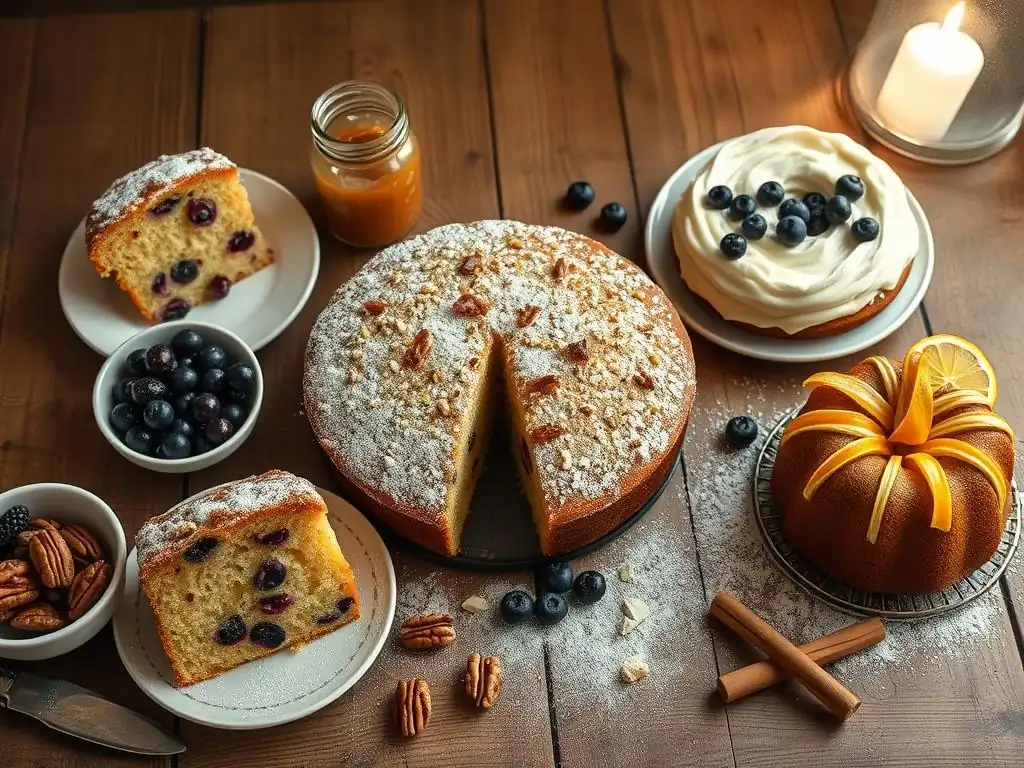
While the classic Moravian sugar cake recipe is a beloved tradition, there's room for creative adaptation in your home kitchen. Exploring variations allows you to put your own spin on this classic while still honoring its core elements. These adaptations can range from subtle flavor enhancements added to the dough or topping to more significant changes like adjusting for dietary needs or experimenting with different streusel-like toppings. The beauty of baking is that once you understand the foundational recipe, you can confidently play with variations.
Remember that any adaptation will change the traditional character of the cake to some extent. However, experimenting can lead to new family favorites. Perhaps a touch of citrus brightens the flavor, or a different nut adds a new texture dimension. When trying variations, it's often best to start with small changes to see how they affect the final outcome before making major adjustments to your Moravian sugar cake recipe.
Experimenting with Flavors: Orange Zest, Vanilla Bean
Adding subtle flavor notes can beautifully complement the rich, buttery taste of Moravian Sugar Cake. A popular variation involves incorporating citrus zest into the dough. The bright, slightly tart flavor of orange zest, for example, pairs wonderfully with the sweet, rich topping. You can add the zest of one orange to the dough mixture along with the other wet ingredients. Lemon zest is another excellent choice, offering a different kind of tanginess.
Another way to enhance the flavor is by using high-quality vanilla. While many recipes call for vanilla extract, using the seeds scraped from half or a whole vanilla bean can provide a deeper, more complex vanilla flavor. Add the vanilla bean seeds to the warm milk as it heats, or mix them into the dough. These small additions don't drastically change the structure of the cake but add layers of flavor that make your homemade Moravian sugar cake recipe even more special.
Gluten-Free Moravian Sugar Cake: A Recipe Adaptation for Dietary Needs
Adapting a traditional yeast-leavened cake like Moravian Sugar Cake for a gluten-free diet can be challenging but is achievable with the right approach and ingredients. The key is finding a blend of gluten-free flours that can mimic the structure and texture provided by wheat flour in a yeast dough. Many commercially available gluten-free all-purpose flour blends work well, but look for one that is recommended for yeast baking and contains xanthan gum (or add it separately if the blend doesn't).
When developing a gluten-free Moravian sugar cake recipe, you'll typically need to adjust the liquid ratios slightly, as gluten-free flours can absorb liquids differently. The kneading process will also differ; you won't develop gluten, but rather work the dough to distribute ingredients evenly and activate the xanthan gum, which provides structure. The rising time might also vary. The topping remains largely the same, as it's naturally gluten-free. Expect a slightly different crumb texture compared to the traditional version, but the signature sweet, buttery flavor and topping can still be achieved.
Moravian Sugar Cake with Different Toppings: Pecan Streusel, Maple Glaze
While the classic butter and brown sugar topping is iconic, exploring alternative toppings can add exciting new dimensions to your Moravian Sugar Cake. A pecan streusel topping is a delicious variation that adds crunch and nutty flavor. To make it, combine chopped pecans, flour, brown sugar, and melted butter until crumbly, then sprinkle it over the indented dough before baking, either instead of or in addition to the traditional liquid topping.
Another simple adaptation is to drizzle the finished cake with a maple glaze after it has cooled slightly. A quick glaze can be made by whisking powdered sugar with a little maple syrup and milk or cream until it reaches a pourable consistency. This adds an extra layer of sweetness and a distinct maple flavor that complements the rich cake beautifully. While these toppings deviate from the strictest traditional Moravian sugar cake recipe, they offer delightful ways to enjoy the cake's base with added textures and flavors.
Tips and Tricks for Baking the Best Moravian Sugar Cake
Baking a truly exceptional Moravian Sugar Cake goes beyond just following the steps of the recipe; it involves understanding some key principles and techniques. Paying attention to details like ingredient temperatures, dough consistency, and baking times can make a significant difference in the final outcome. Don't be discouraged if your first attempt isn't perfect; baking is a skill that improves with practice.
One crucial aspect is the temperature of your ingredients, especially the milk for activating the yeast and the butter. Using softened butter in the dough ensures it incorporates smoothly, while properly melted butter for the topping is essential for it to seep into the indentations. Learning to recognize when your dough has had sufficient rising time – it should be noticeably larger and feel light – is also key to achieving a tender crumb.
Achieving the Perfect Crumb: Avoiding Common Mistakes
A common goal when baking Moravian Sugar Cake is achieving a soft, tender, and slightly airy crumb structure, characteristic of a well-made yeast cake. One mistake to avoid is using milk that is too hot when activating the yeast; temperatures above 120°F (50°C) can kill the yeast, resulting in a dough that won't rise. Ensure your milk is warm, not hot, typically between 105-115°F for active dry yeast.
Another pitfall is under-kneading or over-kneading the dough. Under-kneading won't develop enough structure, leading to a dense cake. Over-kneading can make the cake tough. Knead until the dough is smooth and elastic, but not overly stiff. Finally, ensure you give the dough sufficient time for both the first rise and the short final rise after shaping and topping. Rushing the rising process is a common cause of a heavy or dense crumb in any yeast-leavened Moravian sugar cake recipe.
Storing Your Moravian Sugar Cake: Keeping it Fresh and Delicious
Moravian Sugar Cake is best enjoyed fresh, ideally warm from the oven when the topping is still slightly soft and caramelized. However, if you have leftovers (a rare occurrence! ), proper storage will help maintain its quality. Once the cake has cooled completely, store it in an airtight container at room temperature. This helps prevent it from drying out.
Stored correctly, the cake will typically remain fresh and moist for 2-3 days. For longer storage, you can freeze the cake. Wrap individual slices or the whole cake tightly in plastic wrap, then place it in a freezer bag or aluminum foil. Frozen Moravian Sugar Cake can last for up to 2-3 months. Thaw it at room temperature or gently warm slices in a low oven or microwave before serving to bring back some of that delightful fresh-baked quality.
Serving Suggestions: Pairing Your Cake for Optimal Enjoyment
Moravian Sugar Cake is wonderful on its own, especially warm, but it also pairs beautifully with various beverages and accompaniments. Traditionally, it's enjoyed as a coffee cake, making a hot cup of coffee or tea its perfect partner. The slight bitterness of coffee cuts through the sweetness of the cake and highlights its rich, buttery flavor.
For a more indulgent experience, serve a warm slice with a dollop of whipped cream or a scoop of vanilla ice cream. The contrast of the warm cake and cold topping is delightful. Some people also enjoy it with a glass of cold milk. Whether enjoyed for breakfast, brunch, or dessert, serving Moravian Sugar Cake warm enhances its soft texture and melts the delicious sugar topping slightly, providing the most authentic and enjoyable experience from your Moravian sugar cake recipe efforts.
Where to Find Authentic Moravian Sugar Cake: Winkler Bakery, Dewey's Bakery
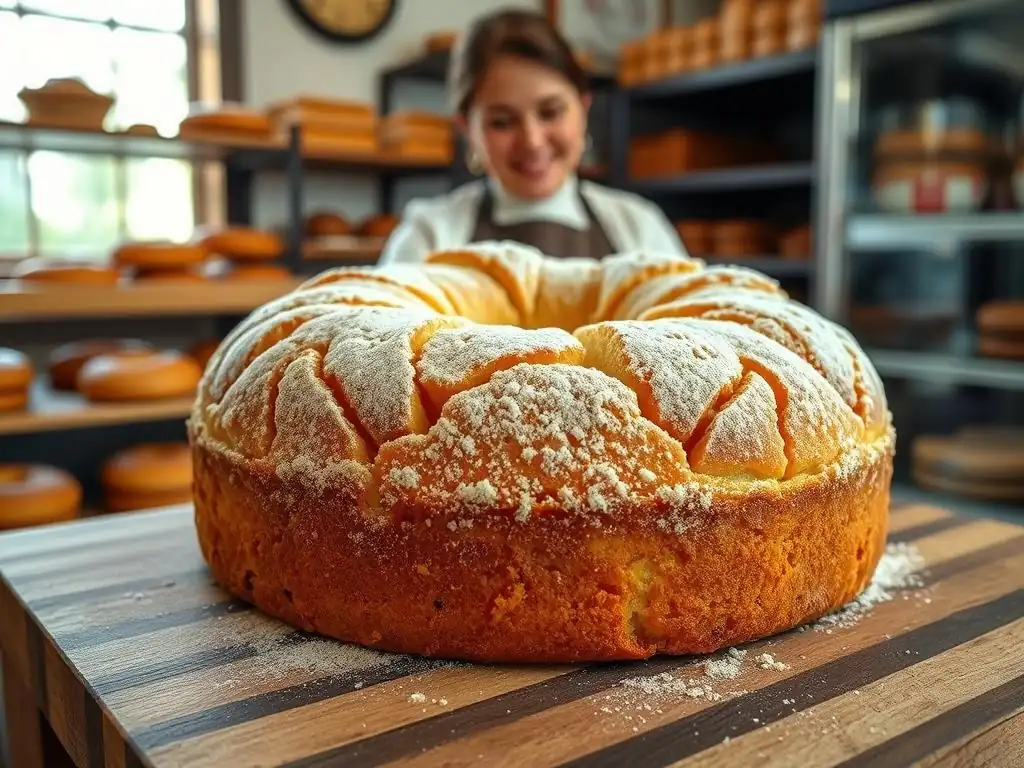
For those who want to taste authentic Moravian Sugar Cake without baking it themselves, or simply want a benchmark for their own baking, visiting bakeries in areas with a strong Moravian heritage is a must. Winston-Salem, North Carolina, home to the historic Moravian settlement of Salem, is the epicenter for finding traditional versions of this cake. These bakeries often use recipes passed down through generations, offering a true taste of history.
Winkler Bakery, located in Old Salem Museums & Gardens, is perhaps the most iconic place to find traditional Moravian baked goods, including sugar cake. Operating since 1800, this historic bakery uses methods and recipes that have changed very little over the centuries, baking in a wood-fired oven. Another well-known bakery in Winston-Salem is Dewey's Bakery, which has been baking Moravian treats, including sugar cake, since 1930. While perhaps more commercially oriented than Winkler, Dewey's is also highly regarded for its quality and adherence to traditional flavors, making both excellent places to experience the real deal.
The Legacy of Moravian Sugar Cake: Preserving a Beloved Baking Tradition
Moravian Sugar Cake is more than just a sweet treat; it's a living piece of history and a testament to the enduring culinary traditions brought to North Carolina by the Moravian settlers. Its continued popularity, both in its native region and increasingly beyond, speaks to the timeless appeal of simple, well-made baked goods. Preserving the Moravian sugar cake recipe involves not only keeping the traditional methods and ingredients alive but also sharing the stories and cultural significance behind the cake.
Baking this cake, whether using an age-old Moravian sugar cake recipe or a slightly adapted version, is a way for individuals and communities to connect with the past and keep a cherished tradition alive. It's a reminder of the importance of food in preserving cultural identity and fostering community bonds. As new generations discover the delights of this sweet, crumbly cake, the legacy of Moravian baking tradition continues to thrive, one delicious slice at a time.
Frequently Asked Questions
What is Moravian Sugar Cake?
Moravian Sugar Cake is a traditional yeast-raised coffee cake originating from the Moravian community in North Carolina. It's known for its sweet, buttery, and slightly tangy flavor, along with its distinctive holes and a generous topping of sugar and butter.
Where did the Moravian Sugar Cake recipe originate?
This unique cake hails from the Moravian settlements in North Carolina, specifically Winston-Salem. It's a cherished part of their culinary heritage, passed down through generations.
What makes BakeWithEase's Moravian Sugar Cake recipe special?
BakeWithEase offers a simple and easy-to-follow recipe, perfect for bakers of all skill levels. Our guide uses readily available ingredients and provides clear, step-by-step instructions to ensure a delicious and successful bake.
Can I adapt the Moravian Sugar Cake recipe for different dietary needs?
While the traditional recipe is rich in butter and sugar, you can explore substitutions for dairy or gluten, though this may slightly alter the texture and flavor. Remember to adjust baking times accordingly.
What are some tips for achieving the perfect Moravian Sugar Cake?
Ensure your yeast is active, allow ample time for the dough to rise properly, and don't be afraid to generously dimple the dough before adding the sugar and butter topping. These steps are crucial for the cake's signature texture and flavor.
Final Reflection: A Legacy Baked in Every Crumb
The enduring appeal of the Moravian sugar cake transcends mere culinary delight; it's a tangible link to history, community, and the enduring power of simple recipes. This seemingly humble cake, with its delicate crumb and subtly sweet flavor, continues to captivate palates and hearts across North Carolina and beyond, proving that sometimes the most cherished traditions are the most straightforward.
The Moravian sugar cake's influence extends far beyond the kitchen table; it's a symbol of cultural heritage, passed down through generations, each baker adding their own subtle variations to the recipe. It's a testament to the power of shared experiences and the comforting familiarity of a taste that evokes memories and connects us to our past. Food is symbolic of love when words are inadequate.
- Alan D. Wolfelt. This quote perfectly encapsulates the emotional resonance of this simple cake, a sweet embodiment of love, tradition, and community.
Now, I invite you to consider the legacy you want to leave. Will you bake a Moravian sugar cake, sharing its unique history and flavor with loved ones? Will you adapt the recipe, adding your own personal touch to this time-honored tradition? More importantly, will you cherish the simple pleasures and the connections forged around a shared meal, remembering that the most meaningful traditions are often the ones passed down through generations, one delicious crumb at a time? The recipe is just a starting point; the true magic lies in the sharing.
Unleash Your Inner Baker: Master the Moravian Sugar Cake!
Thanks for joining us on a delicious journey into the heart of North Carolina's culinary heritage! You've learned the secrets behind this iconic Moravian Sugar Cake, and now it's time to put your newfound knowledge to the test.
Here's how to take the next step:
- Bake your own Moravian Sugar Cake! Gather your ingredients, follow our recipe (you can easily find it again on our website, bakewithease.com! ), and experience the joy of creating this sweet treat from scratch.
- Share your baking adventure! Post a picture of your masterpiece on social media and tag us – we’d love to see your creation!
- Explore other unique North Carolina recipes on BakeWithEase.com – discover even more culinary treasures waiting to be baked!
What unique twist will you add to your Moravian Sugar Cake to make it your own?