
Baking Biscochitos: Tips for Perfect Anise & Cinnamon Cookies

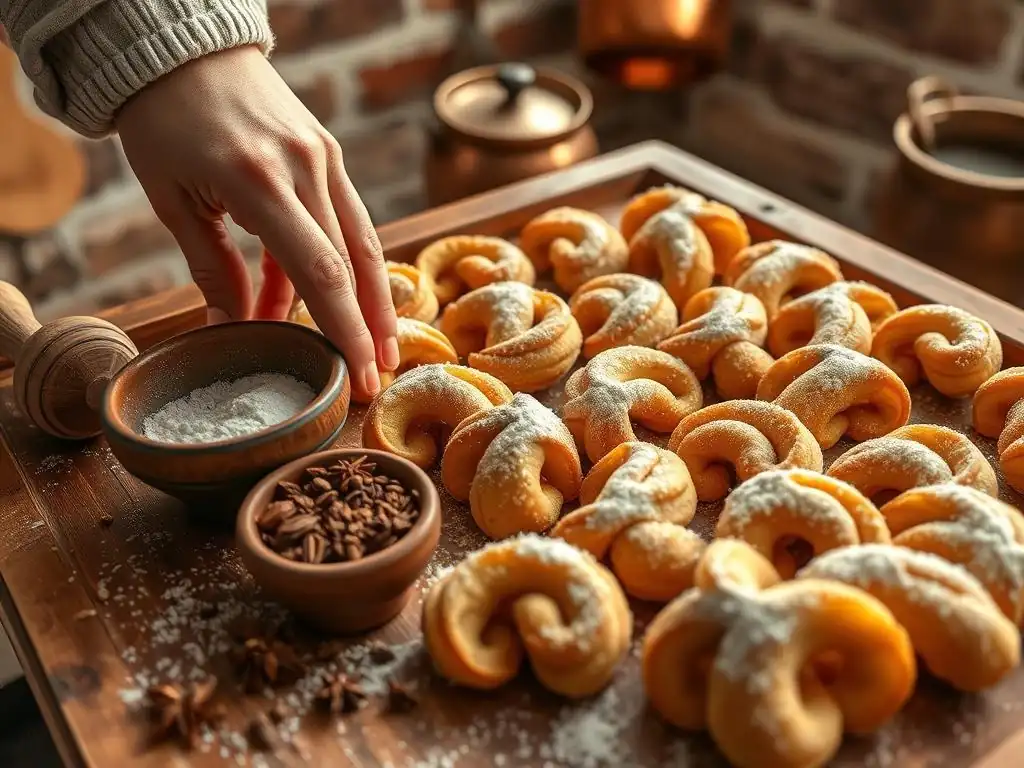
Welcome to BakeWithEase, your guide to unlocking baking brilliance! Ever dreamt of creating delicate, melt-in-your-mouth cookies that capture the essence of tradition? Then you're in the right place. Dive into our guide and discover the secrets to crafting the perfect anise cinnamon biscochitos recipe, a delightful journey into regional baking that will tantalize your taste buds. But that's just the beginning... what makes these cookies so special, and how can you achieve that authentic, irresistible flavor? Read on to find out!
- Introduction to Biscochitos: New Mexico's Beloved Cookie
- Achieving the Perfect Anise Cinnamon Biscochitos Recipe: A Step-by-Step Guide
- Mastering the Biscochito Dough: Key Techniques
- Shaping and Baking Your Biscochitos: Expert Advice
- Anise and Cinnamon Flavor Enhancement: Biscochito Secrets
- Troubleshooting Your Biscochitos: Common Issues and Solutions
- Storing and Serving Your Homemade Biscochitos
- Beyond the Basics: Advanced Biscochito Baking Techniques
- Conclusion: Enjoying Your Perfect Anise Cinnamon Biscochitos
-
Frequently Asked Questions
- What makes this biscochitos recipe "perfect"?
- Can I substitute any ingredients in this anise cinnamon biscochitos recipe?
- What are some common mistakes to avoid when baking biscochitos?
- How should I store the anise cinnamon biscochitos to keep them fresh?
- What are some variations I can try with this biscochitos recipe?
- Final Reflection: The Enduring Magic of Biscochitos
- Unleash Your Inner Biscochito Baker!
What are Biscochitos and Why Are They Special?
Biscochitos are small, crisp cookies flavored distinctly with anise and coated in a cinnamon-sugar mixture. They hold a unique place in the culinary landscape as the official state cookie of New Mexico, a designation they received in 1989. What makes them truly special is their delicate, almost sandy texture achieved through the use of lard, coupled with the warm, aromatic combination of anise and cinnamon that evokes a sense of tradition and home.
These cookies trace their origins back through centuries of Spanish and Mexican baking traditions, adapting over time within New Mexican communities. Unlike many other cookies, the primary flavor focus is on the spices rather than intense sweetness or chocolate. This distinct profile makes them instantly recognizable and deeply cherished, particularly during festive seasons when families gather to bake and share them.
The Cultural Significance of Biscochitos in New Mexico
In New Mexico, biscochitos are far more than just a dessert; they are a cultural icon and a staple of hospitality. They are ubiquitous during holidays, most notably Christmas, where platters of biscochitos grace every table and are exchanged as gifts among friends and family. You'll also find them proudly served at weddings, baptisms, fiestas, and other significant life events, symbolizing celebration and community.
The tradition of baking biscochitos is often a multi-generational affair, with recipes and techniques passed down from grandmothers to mothers to children. Each family might have its own slight variation, perhaps in the amount of anise, the type of fat used, or a secret ingredient, making the act of baking and sharing a deeply personal connection to heritage. This communal aspect solidifies their role as a symbol of New Mexican identity and warmth.
Achieving the Perfect Anise Cinnamon Biscochitos Recipe: A Step-by-Step Guide
Gathering Your Ingredients for Authentic Biscochitos
To embark on baking a batch of truly authentic biscochitos, start with high-quality ingredients. You'll need all-purpose flour, granulated sugar, baking powder, salt, eggs, vanilla extract, and the stars of the show: anise seeds and ground cinnamon. Crucially, you'll also need lard, which is traditional and key to achieving the signature texture. Ensure your spices are fresh for the most vibrant flavor – old spices can make your biscochitos taste flat.
The quantity of ingredients will depend on the batch size, but for a standard recipe yielding several dozen cookies, you might use around 3-4 cups of flour, 1 cup of sugar, 1 cup of lard, 2 eggs, a teaspoon of vanilla, about 1 tablespoon of anise seeds, and generous amounts of cinnamon and sugar for the coating. Using real lard, ideally rendered pork lard, is highly recommended over vegetable shortening for the most traditional texture and flavor profile needed for a perfect anise cinnamon biscochitos recipe.
Essential Tools for Baking Biscochitos with Ease
Having the right tools can significantly streamline the biscochito baking process. You'll need standard baking equipment like mixing bowls, measuring cups and spoons, and baking sheets. A pastry blender or a stand mixer with a paddle attachment is essential for cutting the cold lard into the dry ingredients, ensuring that crucial flaky texture develops properly.
Other helpful tools include a rolling pin for achieving uniform dough thickness, cookie cutters in traditional shapes (like fluted circles, squares, or stars), parchment paper for lining baking sheets (which prevents sticking and makes cleanup easy), and a wire cooling rack. While not strictly essential, an oven thermometer can help ensure your oven is at the correct temperature, preventing common baking issues and aiding in achieving a perfect anise cinnamon biscochitos recipe.
Mastering the Biscochito Dough: Key Techniques
The Importance of Lard in Traditional Biscochitos
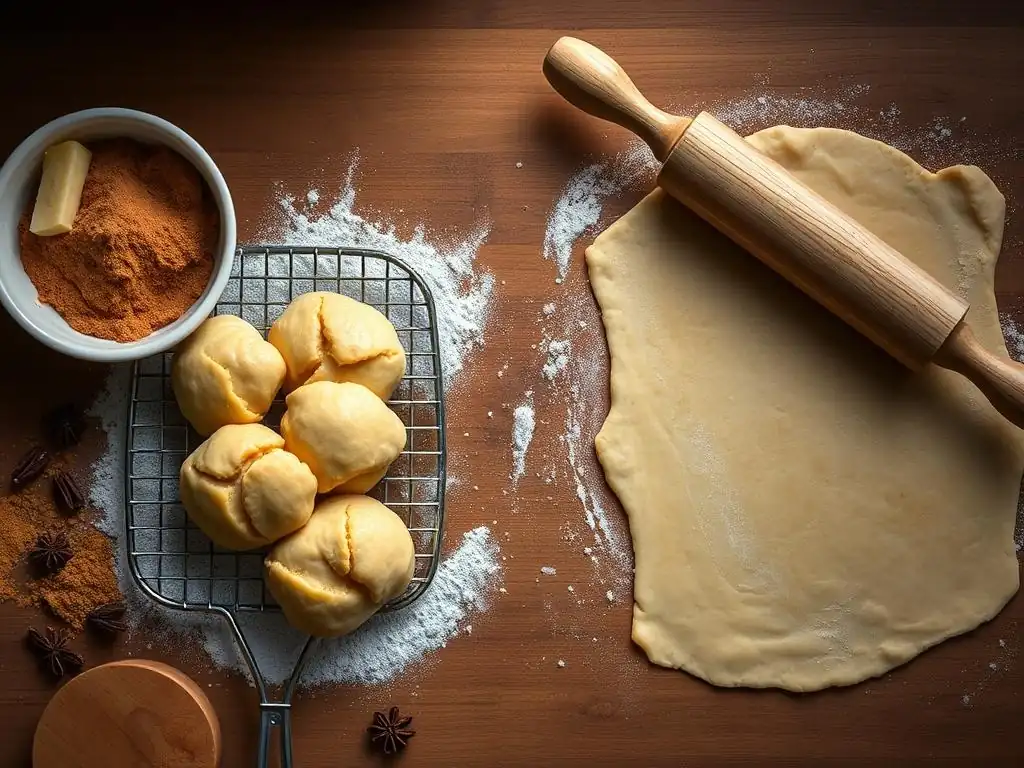
Lard is not just an ingredient in traditional biscochitos; it's fundamental to their characteristic texture. Unlike butter, which contains water, 100% pure lard is solid fat at room temperature. When cut into the flour, it creates tiny layers that separate during baking, resulting in a uniquely tender, slightly crumbly, and wonderfully flaky cookie that simply cannot be replicated with butter or most shortenings alone.
The method for incorporating lard is similar to making pie crust: it should be cold and cut into the dry ingredients until the mixture resembles coarse crumbs or small peas. This ensures that the fat pockets remain distinct until they melt in the oven, creating the desired flakiness. Using about 1 cup of cold lard cut into 3-4 cups of flour is a typical ratio that delivers that authentic biscochito texture.
Tips for Achieving the Right Dough Consistency
The ideal biscochito dough should be soft and pliable, easy to roll out without being excessively sticky. If the dough is too dry, it will be crumbly and difficult to work with, resulting in hard cookies. Conversely, dough that is too wet will be sticky and spread too much during baking, losing its shape. The key is to add liquid (usually eggs and sometimes a touch of milk or water) gradually until the dough just comes together.
Avoid the temptation to overmix the dough once the liquid ingredients are added. Overmixing develops gluten, which can lead to tough cookies. Mix only until the ingredients are combined and the dough forms a cohesive mass. The dough should feel smooth but not elastic when you gather it into a ball.
Chilling the Dough: Why It's Crucial for Biscochito Success
Chilling the biscochito dough is a non-negotiable step for achieving the best results and a perfect anise cinnamon biscochitos recipe. As mentioned, lard is a solid fat, and chilling helps it firm up after mixing. This makes the dough much easier to handle, roll out thinly, and cut into precise shapes without sticking excessively.
Furthermore, chilling allows the fat to melt more slowly in the oven, contributing to the flaky texture. It also helps the cookies hold their shape during baking, preventing them from spreading into thin, amorphous blobs. Aim to chill the dough for at least 1 to 2 hours, or preferably overnight, wrapped tightly in plastic wrap to prevent it from drying out in the refrigerator.
Shaping and Baking Your Biscochitos: Expert Advice
Traditional Biscochito Shapes and Variations
Traditionally, biscochitos are cut into simple shapes using cookie cutters. Fluted rounds are perhaps the most classic, but squares, stars, and crescent moons are also common and easily recognizable. The thickness of the rolled dough is important; aim for about 1/8 to 1/4 inch thick. Thinner cookies will be crispier, while thicker ones might be slightly softer in the center.
When rolling out the dough, work with small portions at a time, keeping the rest chilled. Lightly flour your work surface and rolling pin, but avoid using excessive flour, which can toughen the dough. Cut shapes as close together as possible to minimize scraps, which should be gently re-rolled only once or twice to avoid overworking the gluten.
Baking Time and Temperature: Achieving Golden-Brown Perfection
Biscochitos are typically baked in a moderately low oven, often preheated to around 300°F to 325°F (150°C to 160°C). This lower temperature helps the cookies bake through evenly without burning the edges before the center is set. The baking time is relatively short, usually between 8 and 12 minutes, depending on the thickness of the cookies and the calibration of your oven.
You'll know the biscochitos are done when their edges are lightly golden brown. The centers may still look a little pale or slightly soft, but they will firm up as they cool. It's crucial not to overbake them, as this will result in dry, hard cookies. For even baking, especially if you know your oven has hot spots, rotate the baking sheets halfway through the baking time.
Preventing Common Biscochito Baking Problems
Several issues can arise during baking, but most are easily preventable. To avoid unevenly baked cookies, ensure your oven temperature is accurate (use an oven thermometer!) and rotate your pans. If cookies are sticking to the sheet, ensure you've used parchment paper or that the pan is properly conditioned and cool before placing dough on it.
Over-spreading is another common problem, often caused by dough that isn't sufficiently chilled or is too warm when it goes into the oven. Ensure your dough is cold and that you place the cut cookies on cool, not warm, baking sheets. Baking on parchment paper also helps maintain shape.
Anise and Cinnamon Flavor Enhancement: Biscochito Secrets
The Right Amount of Anise: Finding the Perfect Balance
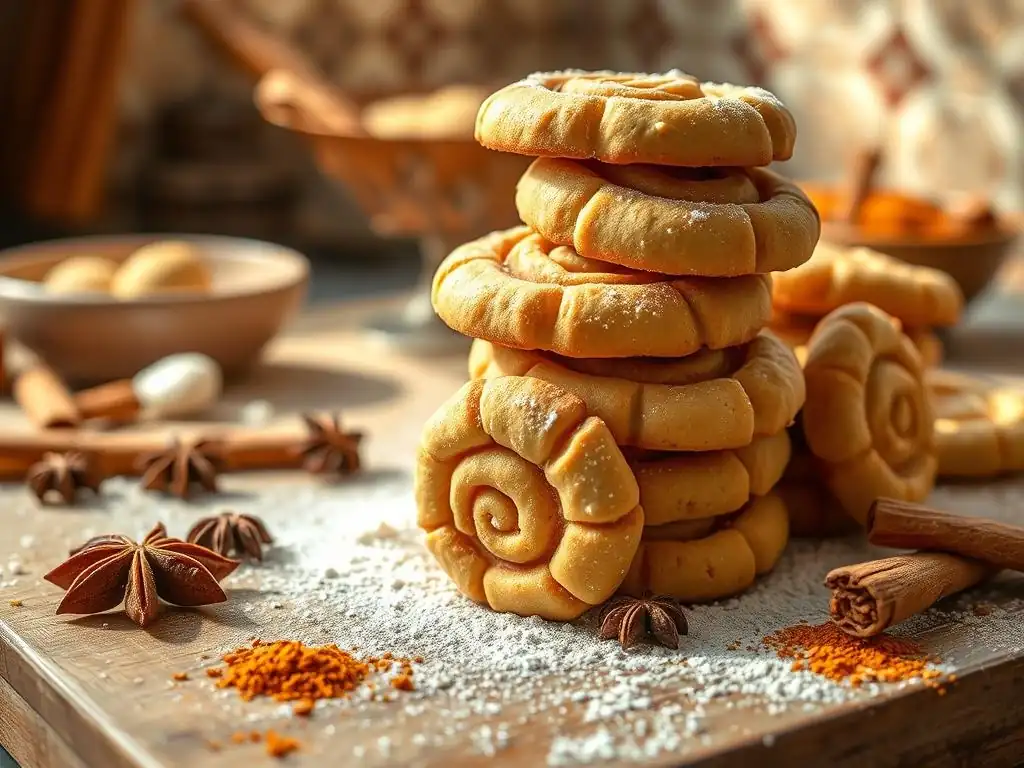
Anise is the defining flavor of biscochitos, providing that distinctive sweet, slightly licorice-like note. The amount of anise seeds used is a matter of personal preference and family tradition, but a typical recipe calls for 1 to 2 tablespoons of whole or crushed anise seeds per batch. Too little anise will leave the cookies tasting like simple sugar cookies, while too much can overpower other flavors and become medicinal.
Many bakers recommend gently crushing the anise seeds before adding them to the dough to help release their essential oils and intensify the flavor. This simple step can make a significant difference in achieving a vibrant anise presence. Experimenting with the quantity in smaller batches is a great way to find the perfect balance for your perfect anise cinnamon biscochitos recipe.
Cinnamon Sugar Coating: The Finishing Touch
The cinnamon-sugar coating is an integral part of the biscochito experience, providing sweetness, warmth, and a pleasant texture contrast. This coating is applied immediately after the cookies come out of the oven, while they are still warm. The residual heat helps the sugar adhere to the surface.
Prepare your cinnamon-sugar mixture in a shallow dish – a common ratio is about 1/4 cup of ground cinnamon mixed with 1 cup of granulated sugar. Gently dip each warm cookie into the mixture, ensuring both sides are coated, or place several cookies in the dish and gently toss to coat. A generous coating is key to the classic biscochito finish.
Experimenting with Variations: Anise Extract vs. Anise Seeds
While traditional biscochitos rely on whole or crushed anise seeds, some bakers use anise extract for convenience or a more potent flavor. Anise seeds provide a more complex, slightly milder flavor and a pleasant visual speckle in the cookie. Anise extract delivers a more direct and often stronger anise punch.
If substituting extract for seeds, use it sparingly, as extracts are concentrated; typically, 1/2 to 1 teaspoon of extract can replace a tablespoon of seeds, but adjust to taste. Some recipes even combine both seeds and extract for a layered anise flavor. While variations exist, using seeds is generally preferred for the most authentic texture and nuanced flavor of a perfect anise cinnamon biscochitos recipe.
Troubleshooting Your Biscochitos: Common Issues and Solutions
Dry and Crumbly Biscochitos: Causes and Remedies
If your biscochitos turn out dry and crumbly, several factors could be at play. The most common culprits are using too much flour, not enough fat (lard), overmixing the dough, or overbaking the cookies. Excess flour absorbs moisture, insufficient fat leads to a less tender crumb, overmixing develops gluten making them tough, and overbaking simply dries them out.
To remedy this, ensure you measure flour accurately (spooning it into the measuring cup and leveling off, rather than scooping). Double-check your fat measurement to ensure you're using the correct amount of cold lard. Mix the dough only until it just comes together. Most importantly, watch the cookies carefully in the oven and remove them as soon as the edges are lightly golden, even if the centers seem slightly soft.
Biscochitos That Spread Too Thin: Prevention Techniques
Cookies that spread excessively thin are often a result of the dough being too warm, either before rolling/cutting or when placed on the baking sheet. When the dough is warm, the fat (lard) melts too quickly in the oven, causing the cookie to lose its structure and spread outwards.
The best prevention is proper chilling. Ensure your dough is thoroughly chilled for at least 1-2 hours before rolling and cutting. Work with small portions of dough, keeping the rest in the refrigerator. Also, always place cut cookies on cool baking sheets; using a warm sheet will cause the dough to soften immediately. Rolling the dough to the correct thickness (1/8 to 1/4 inch) is also important.
Unevenly Baked Biscochitos: Tips for Consistent Results
Uneven baking, where some cookies are perfect while others are under or overdone, is typically due to inconsistencies in oven temperature or airflow. Many home ovens have hot spots, meaning some areas bake faster than others. Overcrowding the baking sheet can also impede hot air circulation, leading to uneven results.
Using an oven thermometer to verify your oven's actual temperature is a helpful first step. To ensure consistent baking, rotate your baking sheets halfway through the baking time. For instance, if baking takes 10 minutes, turn the pan 180 degrees after 5 minutes. Also, give cookies adequate space on the baking sheet, generally about an inch apart, allowing air to circulate freely around each one.
Storing and Serving Your Homemade Biscochitos
Best Practices for Storing Biscochitos to Maintain Freshness
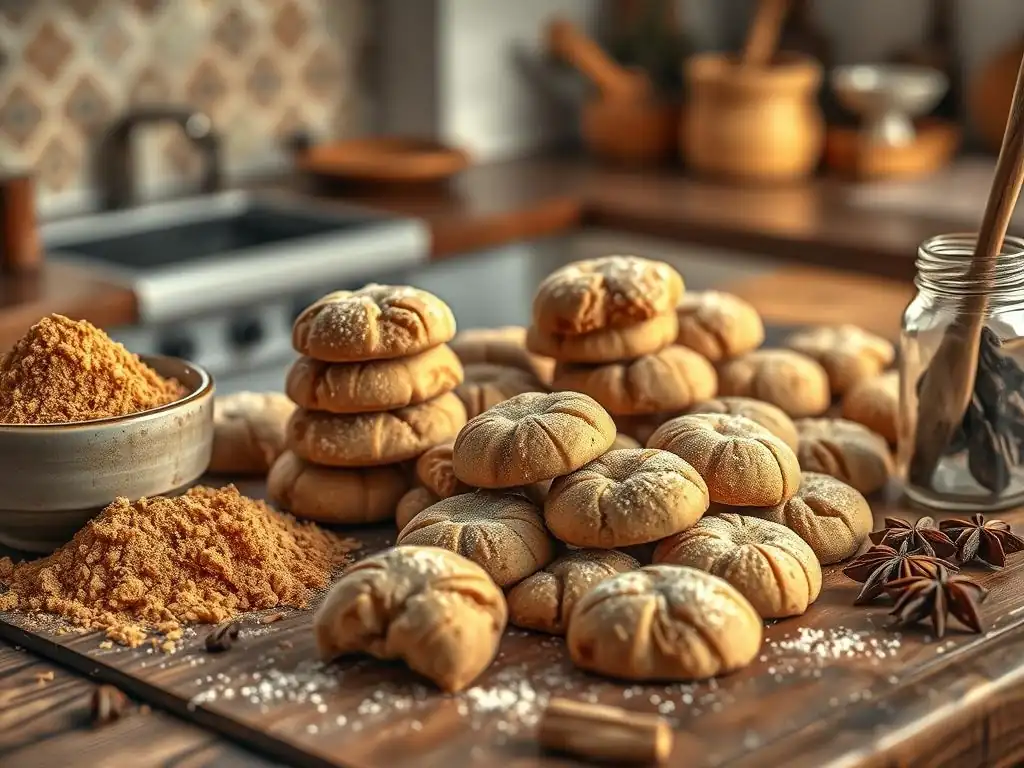
Once your biscochitos have cooled completely on a wire rack, proper storage is key to maintaining their crisp texture and flavor. Store them in an airtight container at room temperature. A cookie tin or a plastic container with a tight-fitting lid works well. Avoid storing them with other types of cookies, as their strong anise flavor can transfer.
Because of their relatively low moisture content, biscochitos store remarkably well. When stored correctly in an airtight container, they can remain fresh and crisp for several weeks, sometimes even up to a month. For longer storage, you can freeze baked biscochitos layered with parchment paper in a freezer-safe container for several months.
Serving Suggestions: Pairing Biscochitos with Complementary Flavors
Biscochitos are traditionally enjoyed with warm beverages, particularly during the cooler months or holiday season. They pair beautifully with a mug of hot coffee, tea, or rich hot chocolate. The warmth of the spices in the cookie complements the warmth of the drink.
Beyond beverages, biscochitos can be served as a simple dessert after a meal. In New Mexico, it's not uncommon to see them served alongside savory dishes like Frito pie or green chile stew, where their sweet, spiced flavor provides a delightful contrast. Their simple elegance makes them suitable for any occasion.
Biscochitos as Gifts: Packaging and Presentation Ideas
Homemade biscochitos make incredibly thoughtful and appreciated gifts, especially during the holidays. Their durability and long shelf life make them ideal for gifting. Package them in festive tins, decorative boxes, or clear cellophane bags tied with ribbon.
Consider layering the cookies with sheets of parchment paper to prevent them from sticking together or breaking, particularly if stacking them in a tin. Adding a small handwritten tag identifying them as traditional New Mexican biscochitos adds a personal touch and shares a bit of their cultural story. A box filled with your perfect anise cinnamon biscochitos is a gift that truly comes from the heart.
Beyond the Basics: Advanced Biscochito Baking Techniques
Gluten-Free Biscochitos: A Recipe Adaptation
Adapting a classic perfect anise cinnamon biscochitos recipe for gluten-free diets is achievable by substituting the all-purpose flour with a quality gluten-free flour blend. Look for a blend designed for cookies or all-purpose baking, which often contains a mix of rice flour, tapioca starch, and potato starch. Some blends may also include binders like xanthan gum, which helps replicate the structure provided by gluten.
Be aware that the texture of gluten-free biscochitos may differ slightly from the traditional version, potentially being a bit more delicate or crumbly. Chilling the dough thoroughly is even more crucial in gluten-free baking to help the cookies hold their shape. You might also need to adjust baking time slightly depending on the blend used and the thickness of your cookies.
Vegan Biscochitos: Substituting Traditional Ingredients
Creating a vegan version of biscochitos involves substituting the lard and eggs, the two non-vegan traditional ingredients. Vegan shortening or plant-based butter can often be used in place of lard, although replicating the exact flaky texture of lard can be challenging. Experiment with different vegan fat options to find one that yields a satisfactory result.
Eggs can be substituted with various vegan egg replacers, such as commercial egg replacer powders mixed with water, applesauce, mashed banana, or ground flaxseed mixed with water (a "flax egg"). The choice of egg replacer can affect the cookie's texture and binding properties. Finding a successful vegan anise cinnamon biscochitos recipe often requires some trial and error to balance texture and flavor.
Adding Other Flavors
While the classic perfect anise cinnamon biscochitos recipe centers on anise and cinnamon, some bakers enjoy experimenting with subtle additions. A small amount of vanilla extract is already common, enhancing the overall sweetness and aroma. Some traditional recipes also call for a splash of brandy, which adds depth and warmth to the dough.
Other flavor additions could include a hint of orange zest, which pairs well with anise, or a pinch of ground clove or nutmeg for added complexity in the spice profile. However, it's important that any added flavors do not overpower the signature anise and cinnamon, which are essential to the cookie's identity. Keep additions minimal to respect the traditional flavor profile.
Conclusion: Enjoying Your Perfect Anise Cinnamon Biscochitos
Celebrate Tradition with Every Bite
Baking biscochitos is more than just following a recipe; it's an act of preserving and celebrating a rich cultural tradition. Each step, from cutting in the lard to coating the warm cookies in cinnamon sugar, connects you to generations of bakers who have perfected this beloved cookie. Taking the time to understand the role of each ingredient and technique is key to achieving a truly perfect anise cinnamon biscochitos recipe.
Now that you have the tips and insights needed, gather your ingredients, roll up your sleeves, and bake a batch of these iconic cookies. Share them generously with family and friends, embracing the spirit of hospitality that biscochitos represent. Enjoy the delightful crispness, the comforting warmth of cinnamon, and the distinctive kiss of anise in every bite of your homemade biscochitos.
Frequently Asked Questions
What makes this biscochitos recipe "perfect"?
This recipe focuses on precise measurements and provides tips for achieving the ideal texture and flavor. We also emphasize the importance of quality ingredients like anise and cinnamon.
Can I substitute any ingredients in this anise cinnamon biscochitos recipe?
While possible, substitutions may alter the final taste and texture. We recommend sticking to the recipe for the best results, especially regarding the anise and cinnamon.
What are some common mistakes to avoid when baking biscochitos?
Avoid overmixing the dough, which can lead to tough cookies. Also, be careful not to overbake them, as they should be slightly soft in the center.
How should I store the anise cinnamon biscochitos to keep them fresh?
Store them in an airtight container at room temperature. This will help maintain their softness and flavor for several days.
What are some variations I can try with this biscochitos recipe?
You can experiment with different shapes and sizes of the cookies. Adding a light glaze or dusting of powdered sugar is another popular variation.
Final Reflection: The Enduring Magic of Biscochitos
The simple act of baking biscochitos transcends a mere recipe; it's a journey through generations of tradition, a testament to the power of shared culinary heritage, and a delicious path to connection. These delicate anise and cinnamon cookies, imbued with warmth and history, are more than just a treat; they are a tangible link to the past, a comforting presence in the present, and a promise of sweet memories for the future.
The enduring appeal of biscochitos lies not only in their unique flavor profile but also in the communal experience surrounding their creation. From family gatherings where hands knead dough together, passing down whispered secrets of the perfect texture, to the quiet satisfaction of sharing a warm cookie with loved ones, these little treats foster a sense of belonging and shared history. Food is symbolic of love when words are inadequate.
- Alan D. Wolfelt. This quote perfectly encapsulates the emotional depth woven into each carefully crafted biscochito.
Now, as you dust off your rolling pin and gather your ingredients, remember the journey we've taken together. Consider the history, the technique, and the love poured into each step. Don't just bake biscochitos; bake a connection. Share your creations, share your stories, and let the warm aroma of anise and cinnamon fill your home with the enduring magic of tradition, passed down through generations, and baked with love.
Unleash Your Inner Biscochito Baker!
Thanks for joining us on this delicious journey into the world of biscochitos! We hope you’ve gained some valuable tips and tricks to perfect your anise and cinnamon cookie baking. Now it's time to put your newfound knowledge into action.
- Bake a batch of biscochitos today! Use your favorite recipe (or the one you just discovered here!) and surprise yourself with how easy it is to create these delightful cookies.
- Share your baking experience! Post a picture of your biscochitos on social media and tag us—we’d love to see your creations!
- Explore variations: Try experimenting with different spices, citrus zests, or even nuts to add your personal touch.
Ready to create your own perfect biscochito? What unique twist will you add to your baking adventure?