
The Simplicity and Deliciousness of Southern Cathead Biscuits

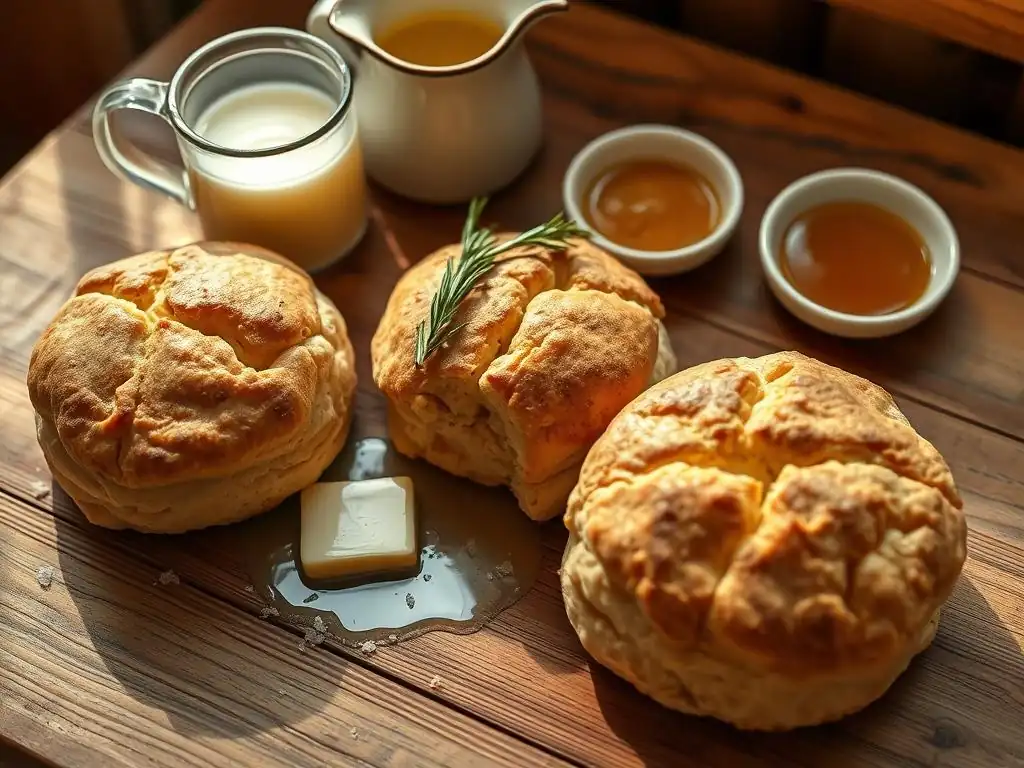
Welcome to BakeWithEase, your haven for unlocking the secrets of delicious baking! Ever craved the comforting taste of the South? Imagine sinking your teeth into a warm, fluffy biscuit, its buttery layers melting in your mouth. Our article dives into an easy Southern cathead biscuit recipe that will have you whipping up these iconic treats in no time. But what makes a true cathead biscuit so special? Keep reading to discover the secrets and techniques that elevate this simple pleasure to a baking masterpiece.
- BakeWithEase Presents: Mastering the Easy Southern Cathead Biscuit Recipe
- What are Cathead Biscuits? A Southern Baking Tradition Explained
- The Secret to Delicious Cathead Biscuits: Key Ingredients
-
Easy Southern Cathead Biscuit Recipe: A Step-by-Step Guide
- Step 1: Preparing Your Ingredients for Cathead Biscuits
- Step 2: Combining Dry Ingredients: Flour, Baking Powder, and Salt
- Step 3: Cutting in the Fat: Achieving the Perfect Crumb
- Step 4: Adding Buttermilk: Creating the Biscuit Dough
- Step 5: Shaping the Cathead Biscuits: The Importance of a Gentle Touch
- Step 6: Baking Your Cathead Biscuits: Temperature and Timing
- Tips and Tricks for Perfect Cathead Biscuits Every Time
- Serving Suggestions: Enjoying Your Homemade Cathead Biscuits
- Storing and Reheating Cathead Biscuits: Keeping Them Fresh
- Variations on the Classic Easy Cathead Biscuit Recipe
- Why This Easy Southern Cathead Biscuit Recipe is a Must-Try for Home Bakers
-
Frequently Asked Questions
- What makes a cathead biscuit different from other biscuits?
- Are cathead biscuits difficult to make for a beginner baker?
- What ingredients are essential for a good cathead biscuit recipe?
- Can I substitute any ingredients in the Easy Southern Cathead Biscuit recipe?
- How should I serve my freshly baked cathead biscuits?
- Final Reflection: The Enduring Legacy of a Simple Biscuit
- Unleash Your Inner Biscuit Baker!
BakeWithEase Presents: Mastering the Easy Southern Cathead Biscuit Recipe
Welcome to American Regional Baking: Discovering Cathead Biscuits
American regional baking offers a fascinating journey through the diverse culinary landscape of the United States, and few traditions are as cherished or iconic as the Southern biscuit. Within this rich heritage lies the cathead biscuit, a generously sized, fluffy creation that stands out from its smaller, more uniform cousins. These aren't your dainty tea biscuits; they are substantial, rustic, and deeply satisfying, embodying the warmth and hospitality of Southern kitchens. Exploring the nuances of this baking style provides valuable insights into the history, ingredients, and techniques that define regional American cuisine.
Learning to bake an easy southern cathead biscuit recipe is a rewarding experience for any home baker. It demystifies the process of creating light, tender biscuits from scratch, proving that simple ingredients and straightforward steps can yield extraordinary results. This particular style emphasizes minimal handling and a generous size, which contributes to their unique texture – a crispy exterior giving way to a soft, cloud-like interior. Mastering this basic technique opens the door to countless variations and a deeper appreciation for the simple pleasure of fresh-baked bread.
What are Cathead Biscuits? A Southern Baking Tradition Explained
The Origin and History of Cathead Biscuits
The history of biscuits in the American South is deeply intertwined with agriculture and necessity. Early settlers relied on quick bread recipes that didn't require yeast or long fermentation times, making biscuits a practical staple. Cathead biscuits emerged as a specific type, likely born out of a desire for a heartier, more substantial biscuit, perhaps for breakfast or as accompaniment to a filling meal. Their large size meant fewer biscuits were needed per person, simplifying the baking process in busy kitchens.
While precise historical records are scarce, the tradition of cathead biscuits points to a time when ingredients like flour, lard, and buttermilk were readily available on Southern farms. The technique reflects a pragmatic approach to baking – less fuss with cutting precise shapes and more focus on quickly bringing together ingredients to get a warm, filling biscuit on the table. This easy southern cathead biscuit recipe tradition has been passed down through generations, often with slight variations reflecting family preferences or regional ingredient availability, but always maintaining the characteristic large size and tender crumb.
Why "Cathead"? Understanding the Biscuit's Unique Name
The name "cathead" biscuit is quite literal and refers directly to the size of the finished product. These biscuits are traditionally hand-formed into generous rounds that are roughly the size of a cat's head. This isn't a term of endearment for felines, but rather a simple, rustic description of their substantial dimensions, typically ranging from 3 to 4 inches in diameter and rising quite high.
Unlike biscuits cut with a round cutter, cathead biscuits are often simply scooped or gently shaped by hand, leading to a less uniform, more rustic appearance. This informal shaping contributes to their unique texture and rise. The term "cathead" emphasizes their difference from smaller, more refined biscuits and highlights their role as a hearty, substantial bread meant to fill you up. It's a name that speaks to the simple, no-nonsense nature of this classic easy southern cathead biscuit recipe.
The Secret to Delicious Cathead Biscuits: Key Ingredients
Flour Power: Choosing the Right Flour for Cathead Biscuits
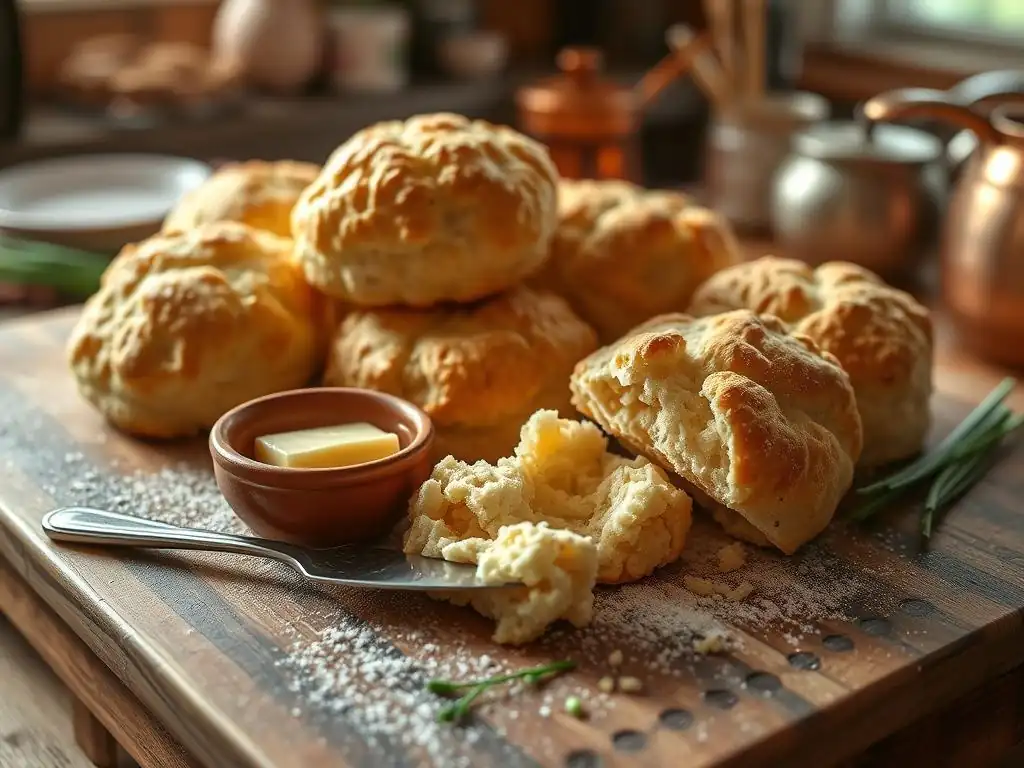
The type of flour used significantly impacts the texture of your cathead biscuits. Many Southern bakers traditionally prefer a soft winter wheat flour, which has a lower protein content (around 8-10%) compared to all-purpose flour made from harder wheat (around 10-12%). Lower protein flour develops less gluten when mixed, resulting in a more tender, crumbly biscuit. While specialized biscuit flours exist, a standard all-purpose flour can certainly yield delicious results, especially if you handle the dough minimally.
If using all-purpose flour for your easy southern cathead biscuit recipe, be mindful of overmixing, as this can activate the gluten and lead to tough biscuits. Some bakers even recommend sifting the flour to aerate it before mixing. Ultimately, the goal is a tender crumb, and choosing a lower-protein flour or handling standard flour gently are key steps toward achieving that desired texture.
Leavening Agents: Baking Powder vs. Baking Soda in Biscuit Making
Most modern easy southern cathead biscuit recipes rely heavily on baking powder as the primary leavening agent. Baking powder is a double-acting leavener, meaning it creates carbon dioxide gas both when it comes into contact with liquid and again when heated in the oven. This double action provides a strong, consistent rise, which is crucial for achieving those tall, fluffy cathead biscuits. A typical recipe for about 8-10 biscuits might call for 1 to 2 tablespoons of baking powder.
Baking soda is often used in conjunction with baking powder, particularly when the recipe includes an acidic ingredient like buttermilk. Baking soda reacts with the acid to produce carbon dioxide gas, contributing to the rise and also neutralizing some of the acid's tang. While baking powder can leaven biscuits on its own, the combination with baking soda when using buttermilk enhances the rise and helps create that characteristic tender texture. Using too much baking soda without enough acid, however, can leave a metallic taste.
Fat Matters: Butter, Shortening, or Lard for the Best Texture
The type of fat used is critical for creating flaky layers in cathead biscuits. Solid, cold fat cut into the dry ingredients creates small pockets. As the biscuits bake, the fat melts, leaving behind spaces that steam fills, pushing the layers apart. Butter is a popular choice for its flavor, but it melts at a lower temperature than shortening or lard. Using very cold butter, often cut into small pieces or grated, is essential for achieving flakiness with butter.
Shortening and lard have higher melting points than butter, which can result in even flakier biscuits as the fat stays solid longer in the oven before melting. Lard, in particular, was traditionally favored in the South for its ability to produce incredibly tender and flaky results. Many bakers find a combination of butter and shortening or lard offers the best of both worlds: the flavor of butter and the flakiness provided by the higher melting point fats. A common ratio might be half butter and half shortening.
Buttermilk Benefits: The Tangy Secret to Tender Biscuits
Buttermilk is a cornerstone ingredient in many classic easy southern cathead biscuit recipes, and for good reason. Its acidity reacts with the baking soda (if used) to provide leavening, as mentioned earlier. More importantly, the acidity of buttermilk helps to tenderize the gluten in the flour, preventing the biscuits from becoming tough. It contributes to a softer, more delicate crumb structure.
Beyond its chemical interactions, buttermilk also adds a subtle tang and depth of flavor that is characteristic of traditional Southern biscuits. The thicker consistency of buttermilk compared to regular milk also contributes to the dough's texture. If you don't have buttermilk, a common substitute is to add about 1 tablespoon of vinegar or lemon juice to a cup of regular milk and let it sit for 5-10 minutes until it curdles slightly. However, using real buttermilk is highly recommended for the most authentic flavor and texture in your easy southern cathead biscuit recipe.
Easy Southern Cathead Biscuit Recipe: A Step-by-Step Guide
Step 1: Preparing Your Ingredients for Cathead Biscuits
Before you begin mixing, ensure all your ingredients, especially the fat and buttermilk, are very cold. Cold ingredients are fundamental to creating flaky layers in biscuits. Measure your flour, baking powder, salt, and sugar (if using) accurately. Cut your cold butter, shortening, or lard into small cubes, roughly the size of peas. Having everything prepped and measured before you start mixing ensures a smooth process and prevents the fat from warming up as you work.
Place your cold buttermilk back in the refrigerator until ready to use. Some bakers even go the extra step of chilling their mixing bowl and pastry blender or food processor blade. This emphasis on cold is not just a recommendation; it's a critical technique for mastering this easy southern cathead biscuit recipe and achieving the desired light and flaky texture.
Step 2: Combining Dry Ingredients: Flour, Baking Powder, and Salt
In a large mixing bowl, whisk together the flour, baking powder, and salt. If your recipe includes a little sugar for flavor or browning, add it here as well. Whisking ensures that the leavening agents and salt are evenly distributed throughout the flour, which is essential for an even rise and consistent flavor in every cathead biscuit.
Using a whisk or fork to combine the dry ingredients also helps to aerate the flour slightly, contributing to a lighter texture. Ensure there are no clumps of baking powder or salt. This simple step lays the foundation for the subsequent mixing process and is a quick way to guarantee uniform results in your easy southern cathead biscuit recipe.
Step 3: Cutting in the Fat: Achieving the Perfect Crumb
Now it's time to incorporate the cold fat into the dry ingredients. Add the cubed butter, shortening, or lard to the flour mixture. Using a pastry blender, your fingertips, or a food processor (pulse briefly), cut the fat into the flour until the mixture resembles coarse crumbs, with some pieces of fat still visible, roughly the size of small peas or lentils. Avoid overworking the mixture; you don't want a uniform, sandy texture.
These visible pieces of fat are what create the flaky layers as they melt during baking. If the fat becomes too warm and soft, it will smear into the flour rather than creating distinct pockets. This step is arguably the most crucial for achieving a flaky texture in your easy southern cathead biscuit recipe, so take your time and ensure the fat remains cold and distinct within the flour mixture.
Step 4: Adding Buttermilk: Creating the Biscuit Dough
Make a well in the center of the dry ingredients with the cut-in fat. Pour in the very cold buttermilk all at once. Using a fork or a spatula, quickly mix the ingredients until they just come together into a shaggy, moist dough. Do not overmix! The less you handle the dough at this stage, the more tender your cathead biscuits will be.
The dough should be wet and sticky, not dry or stiff. If it seems too dry, add a tablespoon more buttermilk, but be cautious not to add too much. The goal is to hydrate the flour just enough to form a cohesive dough. Overmixing develops gluten, leading to tough biscuits, so mix only until the dry ingredients are incorporated into the wet. This minimal handling is a hallmark of an easy southern cathead biscuit recipe focused on tenderness.
Step 5: Shaping the Cathead Biscuits: The Importance of a Gentle Touch
Turn the shaggy dough out onto a lightly floured surface. Pat the dough gently with your hands or a rolling pin to a thickness of about 1 to 1.5 inches. For traditional cathead biscuits, you typically don't cut them with a biscuit cutter. Instead, use a large spoon or scoop (like a 1/2 cup measure) or simply pull off pieces of dough and gently shape them into rough rounds about 3-4 inches in diameter.
Place the shaped biscuits onto your prepared baking pan, ideally so their sides are just touching. This encourages them to rise taller as they support each other during baking. Avoid twisting or pressing the dough firmly; the lighter your touch, the better the rise and texture. This simple shaping method is part of what makes this an easy southern cathead biscuit recipe, emphasizing speed and rustic charm over perfect uniformity.
Step 6: Baking Your Cathead Biscuits: Temperature and Timing
Preheat your oven to a high temperature, typically between 425°F and 450°F (220°C to 230°C). The high heat is essential for a quick, powerful rise and helps create a beautiful golden-brown crust while keeping the interior soft. Place the baking pan in the preheated oven.
Bake the cathead biscuits for 12 to 20 minutes, depending on their size and your oven's calibration. They are done when they are significantly risen, golden brown on top, and cooked through. You can test for doneness by inserting a toothpick into the center of one; it should come out clean, though checking the color is usually sufficient. Remove from the oven and brush the tops with melted butter immediately for extra flavor and a soft top crust. Allowing them to touch on the pan helps them rise vertically, often reaching impressive heights of 2-3 inches.
Tips and Tricks for Perfect Cathead Biscuits Every Time
Achieving a Flaky Texture: Avoiding Overmixing
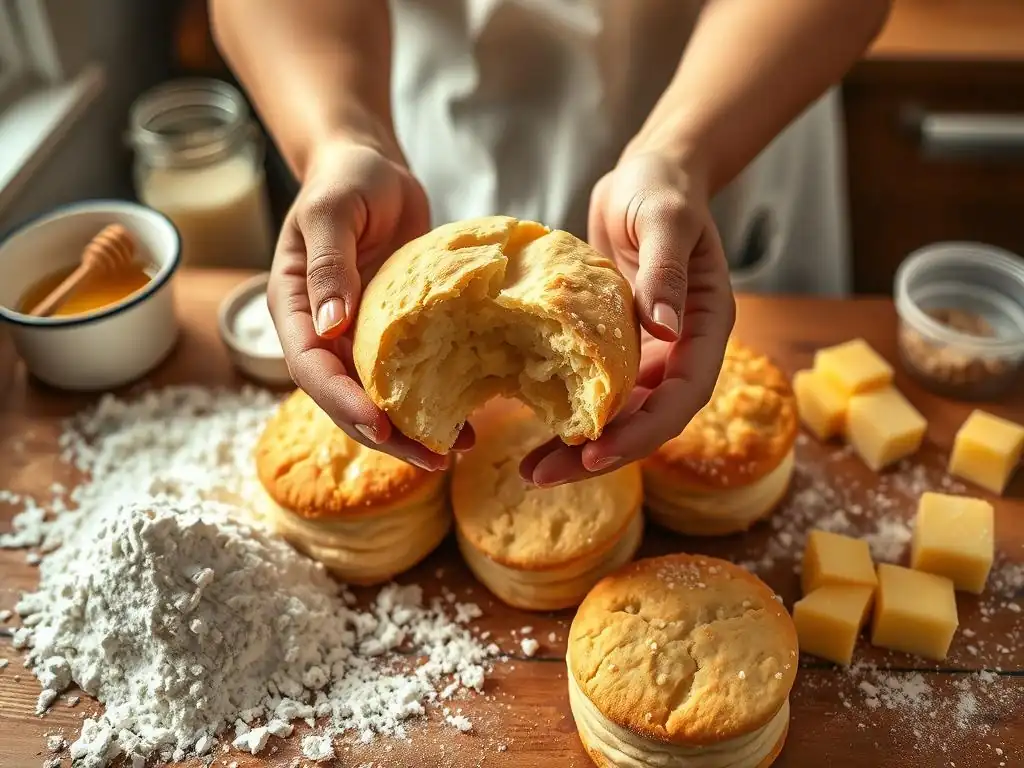
The secret to flaky layers in your easy southern cathead biscuit recipe lies in the careful handling of the dough. Once the wet ingredients are added, mix only until the dry ingredients are just incorporated. Overmixing develops gluten strands, which make bread chewy and tough – the opposite of what you want in a tender biscuit. A shaggy, slightly sticky dough is ideal.
When shaping, pat the dough gently rather than kneading it. If you are folding the dough to create extra layers (a technique some bakers use even with catheads), do so only a couple of times with a light hand. Remember, the goal is to keep those cold fat pockets intact until they hit the hot oven. Minimal handling preserves these fat pockets and ensures maximum flakiness.
The Importance of Cold Ingredients for Cathead Biscuits
Using cold ingredients, especially the fat and buttermilk, is perhaps the single most important tip for a successful easy southern cathead biscuit recipe. Cold fat cut into the flour creates distinct pieces that melt slowly in the oven, producing steam that separates the dough into flaky layers. Warm fat smears into the flour, resulting in a more cake-like or dense texture.
Similarly, using cold buttermilk helps keep the fat cold during the mixing process and also contributes to a slower, more controlled reaction with the leavening agents until the heat of the oven provides the final lift. Some dedicated biscuit bakers even chill their flour beforehand. While perhaps not strictly necessary, ensuring your butter, shortening, or lard and buttermilk are straight from the refrigerator is non-negotiable for optimal results.
Baking Pan Matters: Choosing the Right Pan for Even Baking
The type of baking pan you use can influence how your easy southern cathead biscuits bake. Cast iron skillets are a traditional choice and are excellent conductors of heat, promoting a fantastic golden-brown crust on the bottom and sides. A well-seasoned cast iron skillet, perhaps lightly greased or lined with parchment, works wonderfully.
Alternatively, a standard heavy-duty metal baking sheet will also work well. Lining the baking sheet with parchment paper prevents sticking and makes cleanup easier. Avoid dark-coated pans, as they can sometimes cause the bottoms to brown too quickly. Placing the biscuits close together on the pan, as mentioned earlier, helps them rise taller and creates soft, pull-apart sides, which is a desirable characteristic of cathead biscuits.
Troubleshooting Common Cathead Biscuit Problems
If your cathead biscuits are tough, the most likely culprit is overmixing the dough or using too much flour during shaping. Remember to mix only until combined and handle the dough gently. If they didn't rise well, check the freshness of your baking powder – it can lose potency over time. Using cold ingredients and a hot oven are also critical for a good rise.
Biscuits that spread too much might have had fat that was too soft when mixed or the dough was too wet. Ensure your fat is cold and the dough is shaggy but not overly liquid. If the bottoms are burning before the tops are done, your oven might have hot spots, or your pan might be too thin or dark. Try moving the pan to a higher rack or using a different pan type. Mastering an easy southern cathead biscuit recipe involves learning to adjust based on your ingredients and equipment.
Serving Suggestions: Enjoying Your Homemade Cathead Biscuits
Classic Pairings: Cathead Biscuits with Butter and Jam
The most classic and arguably the best way to enjoy warm, fresh-from-the-oven cathead biscuits is simply with butter and jam or jelly. The rich, slightly salty flavor of good butter melts into the fluffy interior, while the sweet fruitiness of jam provides a perfect contrast. Strawberry, blackberry, peach, or apple butter are all traditional choices that highlight the simple deliciousness of the biscuit itself.
Serve the biscuits split warm, allowing the butter to melt instantly. This simple pairing requires no fuss and lets the quality of your easy southern cathead biscuit recipe shine through. It's a comforting combination that evokes images of leisurely Southern breakfasts and grandmother's kitchen.
Savory Options: Cathead Biscuits with Sausage Gravy
For a heartier, truly Southern experience, pair your cathead biscuits with homemade sausage gravy. This rich, creamy gravy, typically made from pork sausage drippings, flour, milk, and plenty of black pepper, is poured generously over split biscuits. The substantial size of the cathead biscuit makes it the perfect vehicle for soaking up this thick, flavorful gravy.
This combination is a staple of Southern breakfast and brunch tables. The tender biscuit provides a soft base that contrasts beautifully with the savory, peppery gravy. Making a good sausage gravy is often considered a rite of passage for Southern cooks, and serving it with your impressive homemade easy southern cathead biscuit recipe will earn you rave reviews.
Creative Ideas: Cathead Biscuits with Fried Chicken or Pulled Pork
Beyond breakfast, cathead biscuits make an excellent accompaniment to main meals. A Southern classic is serving them alongside crispy fried chicken. The biscuit offers a soft, absorbent counterpoint to the savory, crunchy chicken. You can even make mini chicken sandwiches using split biscuits.
Another delicious option is to serve them with barbecue, particularly pulled pork. The biscuit can soak up the tangy sauce and provides a soft texture to balance the tender meat. Consider splitting a cathead biscuit and piling it high with pulled pork and a dollop of coleslaw for a unique and satisfying sandwich. Your easy southern cathead biscuit recipe is versatile enough to complement both sweet and savory dishes.
Storing and Reheating Cathead Biscuits: Keeping Them Fresh
Best Practices for Storing Leftover Biscuits
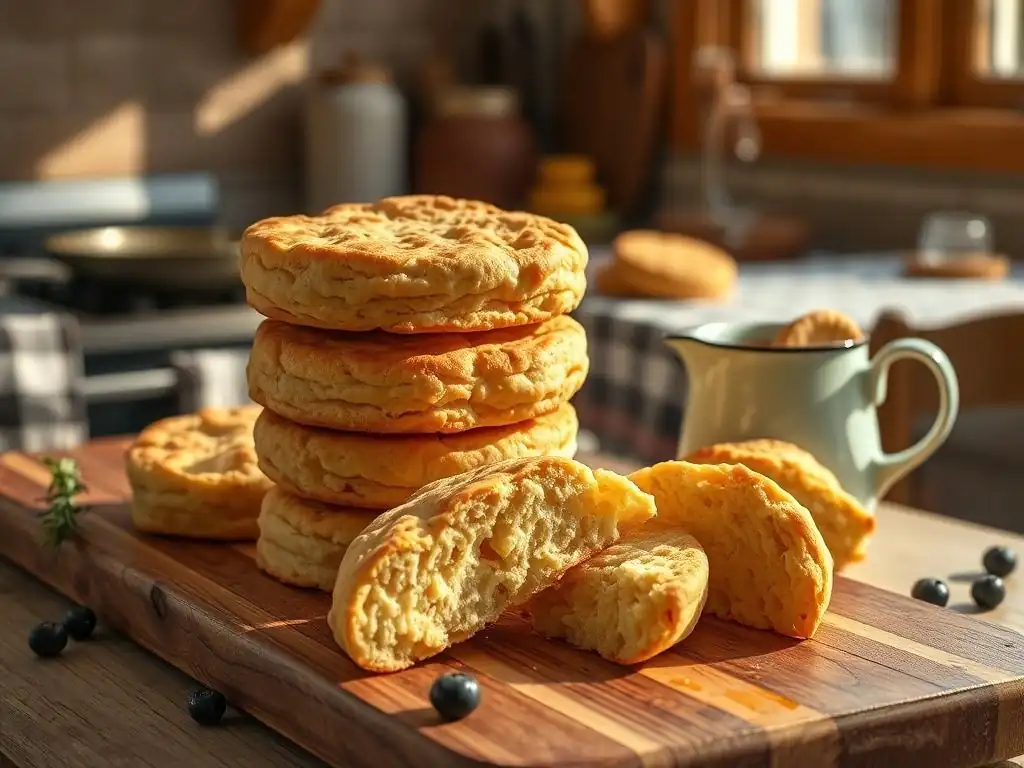
Proper storage is key to keeping leftover cathead biscuits as fresh as possible, though they are always best enjoyed the day they are baked. Allow the biscuits to cool completely on a wire rack before storing. Storing warm biscuits will trap steam and make them soggy.
Once cooled, place the biscuits in an airtight container or a resealable plastic bag. Store them at room temperature for up to 1-2 days. For longer storage, you can refrigerate them for up to a week, though they may dry out slightly. For optimal freshness beyond a few days, consider freezing them. Wrap individual biscuits tightly in plastic wrap and then place them in a freezer-safe bag or container. Frozen biscuits can last for 2-3 months.
Reheating Methods: Maintaining Texture and Flavor
Reheating cathead biscuits properly helps revive their texture and warmth. Avoid using a microwave if possible, as it tends to make biscuits tough and rubbery. The best method for reheating is in a conventional oven or a toaster oven.
Preheat the oven to about 350°F (175°C). Place the biscuits directly on the oven rack or on a baking sheet. Heat for 5-10 minutes, or until warmed through and the crust is slightly crisp again. If reheating from frozen, add a few extra minutes to the baking time. For a quick reheat, an air fryer at 350°F (175°C) for 3-5 minutes also works well, crisping the exterior nicely. A quick brush with melted butter after reheating can also add back moisture and flavor.
Variations on the Classic Easy Cathead Biscuit Recipe
Cheese Cathead Biscuits: Adding Flavor and Texture
Adding cheese is a simple yet delicious way to elevate your easy southern cathead biscuit recipe. Shredded cheddar cheese is a popular choice, adding a sharp, savory flavor and a gooey texture when warm. You can stir about 1 cup of shredded cheese into the dry ingredients after cutting in the fat, before adding the buttermilk.
Other cheeses like Monterey Jack, Gruyère, or even a blend of cheeses can also work beautifully. Consider adding a pinch of cayenne pepper or black pepper along with the cheese for an extra kick. The cheese melts into the biscuit as it bakes, creating pockets of flavor and enhancing the overall richness.
Herb Cathead Biscuits: Infusing with Fresh Herbs
Infusing your cathead biscuits with fresh herbs adds a wonderful aromatic quality and savory depth. Finely chopped fresh herbs like chives, rosemary, thyme, or parsley can be stirred into the dry ingredients along with the flour and salt. About 1-2 tablespoons of fresh herbs per standard batch of biscuits is usually sufficient.
The herbs release their essential oils as the biscuits bake, filling your kitchen with delightful aromas and adding flecks of green to the finished product. Herb cathead biscuits are particularly good served with savory dishes like roasted meats or stews, or simply enjoyed warm with butter. They offer a sophisticated twist on the classic easy southern cathead biscuit recipe.
Sweet Cathead Biscuits: A Touch of Sugar and Spice
While traditionally savory, cathead biscuits can also be adapted for a sweeter profile. Adding a tablespoon or two of sugar to the dry ingredients provides a subtle sweetness and helps with browning. You can also incorporate warm spices like cinnamon, nutmeg, or cardamom.
For a truly sweet treat, consider adding dried fruit like currants or blueberries to the dough. These sweet variations are lovely served for breakfast or brunch with honey butter, maple syrup, or a sweet glaze. They demonstrate the versatility of the easy southern cathead biscuit recipe base, showing it can be adapted for almost any meal occasion.
Why This Easy Southern Cathead Biscuit Recipe is a Must-Try for Home Bakers
The Joy of Baking: Simple Recipes for Delicious Results
There's a unique satisfaction that comes from baking something delicious from scratch, and this easy southern cathead biscuit recipe delivers that joy in spades. With just a few common pantry ingredients and a simple, straightforward process, you can create warm, fluffy biscuits that taste infinitely better than anything store-bought. It's a recipe that is forgiving enough for beginners but offers enough nuance for experienced bakers to perfect.
Mastering this easy southern cathead biscuit recipe provides a foundational skill in quick bread baking. The principles of cutting in fat, minimal handling, and high-heat baking are applicable to many other pastry and baking recipes. Plus, the reward is immediate: a batch of steaming hot, tender biscuits ready to be devoured. It's a recipe that proves that sometimes, the simplest approaches yield the most delicious results, making it a truly rewarding endeavor for any home baker.
Frequently Asked Questions
What makes a cathead biscuit different from other biscuits?
Cathead biscuits are known for their large size – roughly the size of a cat's head! They also tend to have a rustic, slightly irregular shape and a tender, crumbly texture.
Are cathead biscuits difficult to make for a beginner baker?
Not at all! Our BakeWithEase recipe emphasizes simplicity and uses easy-to-find ingredients. The step-by-step guide makes it beginner-friendly.
What ingredients are essential for a good cathead biscuit recipe?
The key ingredients are all-purpose flour, cold butter or shortening, buttermilk, and a leavening agent like baking powder. Don't forget a touch of salt for flavor!
Can I substitute any ingredients in the Easy Southern Cathead Biscuit recipe?
While we recommend following the recipe for best results, you might substitute whole milk for buttermilk, but the tangy flavor and texture will be slightly different.
How should I serve my freshly baked cathead biscuits?
Cathead biscuits are incredibly versatile! Enjoy them warm with butter and jam, as a side to savory dishes, or even as the base for a breakfast sandwich.
Final Reflection: The Enduring Legacy of a Simple Biscuit
The humble cathead biscuit, a testament to Southern ingenuity and culinary resourcefulness, remains a powerful symbol of comfort and community, even in our fast-paced modern world. Its enduring popularity speaks volumes about the timeless appeal of simple, delicious food made with love and readily available ingredients. The ease of its preparation, as highlighted in this recipe, only adds to its charm, making it accessible to even the most novice baker.
The cathead biscuit's influence extends far beyond the kitchen table; it's a cultural touchstone, a link to generations past, and a reminder of simpler times. It's a dish that evokes strong feelings of nostalgia and belonging, a shared experience that transcends geographical boundaries. Food is symbolic of love when words are inadequate.
– Alan D. Wolfelt. This quote perfectly encapsulates the emotional resonance of the cathead biscuit, a dish that often speaks volumes where words fail. Its presence at family gatherings, potlucks, and holiday celebrations solidifies its place in the fabric of Southern culture and beyond.
Now, I invite you to roll up your sleeves, gather your ingredients, and experience the magic of making these biscuits yourself. Don't be intimidated by the simplicity; embrace it. Let the aroma of baking biscuits fill your home, creating a warm and inviting atmosphere. More than just a recipe, this is an invitation to connect with a rich culinary heritage and to share the joy of simple, delicious food with those you love. The legacy of the cathead biscuit awaits you – bake on!
Unleash Your Inner Biscuit Baker!
Thanks for joining us on this delicious journey into the heart of Southern baking! We hope you've gained a newfound appreciation for the simplicity and satisfying flavor of cathead biscuits. Ready to roll up your sleeves and get baking?
- Bake a batch of your own cathead biscuits today! Use our recipe as a starting point, and don't be afraid to experiment with different flours or add-ins.
- Share your baking adventures with us on social media! Use #BakeWithEaseCatheads and tag us—we'd love to see your creations.
- Explore other simple, delicious recipes on BakeWithEase.com; we're confident you’ll find your next baking obsession!
What unique twist will you add to your cathead biscuits to make them truly your own?