
Louisiana Beignets at Home: A Simple Guide to Pillowy Fried Dough

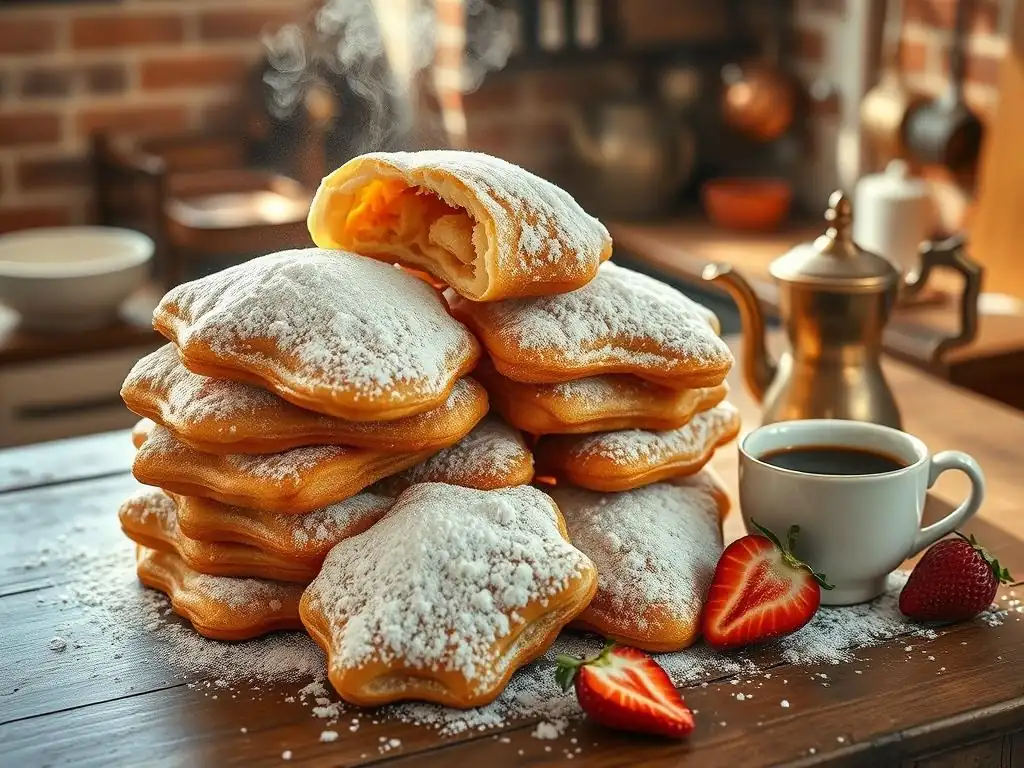
Welcome to BakeWithEase, your passport to a world of delightful baking! Ever dreamt of recreating the magic of Cafe Du Monde in your own kitchen? Get ready to experience the joy of perfectly puffed, sugar-dusted bliss. Dive into our easy homemade Louisiana beignets recipe and discover the surprisingly simple secrets to crafting these iconic treats. But be warned: one bite, and you'll be hooked! What makes our recipe different, and how can you achieve beignet perfection? Let's find out...
- Introduction: Experience New Orleans with Easy Homemade Beignets
- What are Beignets? A Taste of Louisiana Baking
- Authentic Louisiana Beignets Recipe: Step-by-Step
- Tips and Tricks for Perfect Homemade Beignets
- Variations on the Classic Louisiana Beignet Recipe
- Troubleshooting Common Beignet Baking Problems
- Enjoy the Taste of New Orleans with Your Homemade Louisiana Beignets
- Frequently Asked Questions
- Final Reflection: The Sweet Legacy of Louisiana Beignets
- Unleash Your Inner Pastry Chef: Make Beignets Today!
Introduction: Experience New Orleans with Easy Homemade Beignets
Imagine biting into a warm, fluffy cloud dusted generously with powdered sugar. That's the magic of a true Louisiana beignet, a culinary icon of New Orleans. While enjoying them fresh from a famous French Quarter cafe is an unforgettable experience, bringing that taste home is simpler than you might think. This guide provides an easy homemade Louisiana beignets recipe, perfect for bakers of all levels looking to recreate this classic treat in their own kitchen.
Making these delicious pastries at home allows you to enjoy them whenever the craving strikes, no matter where you are. With just a few common ingredients and some basic baking techniques, you can produce beignets that are wonderfully light, airy, and utterly delightful. Get ready to fill your kitchen with the sweet aroma of fried dough and powdered sugar as we embark on this baking adventure together.
What are Beignets? A Taste of Louisiana Baking
Beignets are essentially squares of yeast-leavened dough, deep-fried until puffed and golden, and then heavily dusted with powdered sugar. They are a staple of New Orleans cuisine, often enjoyed as a breakfast item or a sweet snack, traditionally paired with a cup of café au lait. Unlike some other fried dough pastries, authentic Louisiana beignets are known for their distinctive square shape and incredibly light, almost hollow interior when properly prepared.
While the concept of fried dough exists in many cultures, the Louisiana beignet holds a special place, deeply intertwined with the state's unique history and culture. They represent a simple yet profoundly satisfying form of baking, showcasing how humble ingredients can be transformed into something truly special. Mastering an easy homemade Louisiana beignets recipe allows you to share this delightful piece of culinary history with friends and family.
The History and Origin of Beignets
The history of the beignet in Louisiana traces back to French colonists who brought their culinary traditions with them when they settled the region. The word "beignet" itself is French, meaning "fritter." These early fritters were likely variations of fried dough, but they evolved over time in New Orleans, influenced by the local culture and ingredients.
One of the most famous establishments associated with Louisiana beignets is Café Du Monde, which has been serving them in the French Quarter since 1862. Over the decades, their simple, square beignets covered in powdered sugar became the definitive style recognized globally. This long-standing tradition highlights how deeply embedded the beignet is in the culinary landscape of New Orleans, a testament to its enduring popularity and simple perfection.
Why Make Beignets at Home?
Making beignets at home offers numerous advantages. Firstly, it provides the freshest possible experience. Beignets are best enjoyed immediately after frying, still warm and incredibly soft. Recreating them in your kitchen ensures you get to savor them at their absolute peak quality, something often difficult to achieve with store-bought or transported versions.
Furthermore, preparing an easy homemade Louisiana beignets recipe is a rewarding baking project. It's relatively straightforward, even for beginners, and the results are incredibly satisfying. It's also significantly more cost-effective than purchasing them from a cafe, allowing you to enjoy this classic treat more frequently. Plus, it's a fun activity to share with family or friends, creating a little piece of New Orleans magic right in your home.
Authentic Louisiana Beignets Recipe: Step-by-Step
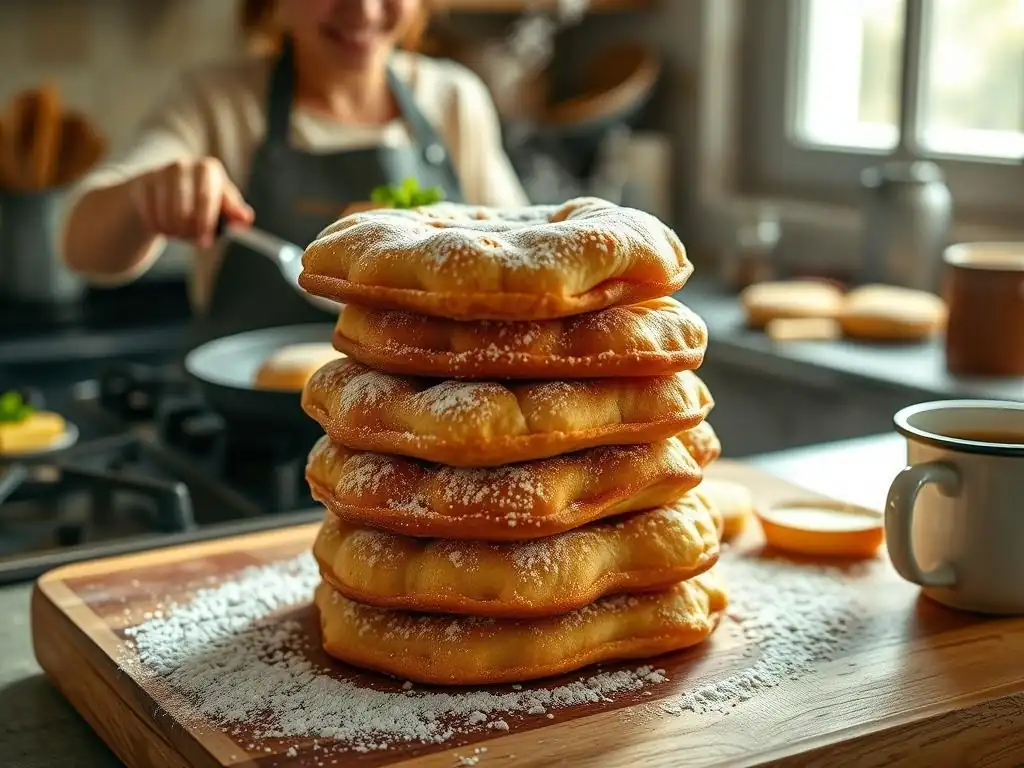
Creating authentic Louisiana beignets at home requires attention to detail but is entirely achievable with this step-by-step guide. This easy homemade Louisiana beignets recipe focuses on simplicity and classic technique to produce those wonderfully light, sugar-dusted pillows.
Ingredients for Authentic Louisiana Beignets
Gathering your ingredients is the first step. You'll need a combination of dry and wet components, most of which are likely already in your pantry. Using quality ingredients will contribute to the best flavor and texture.
Dry Ingredients: Flour, Sugar, Yeast, Salt, and Baking Powder
For the dry ingredients, you'll typically need about 3 to 4 cups of all-purpose flour. A small amount of granulated sugar, perhaps 1/4 cup, adds a touch of sweetness and helps activate the yeast. Instant dry yeast is often preferred for its convenience, usually around 1 to 2 teaspoons, or you might use active dry yeast requiring proofing. A pinch of salt, about 1/2 teaspoon, balances the flavors, and surprisingly, a small amount of baking powder, maybe 1/2 teaspoon, is sometimes included alongside the yeast for extra lift and tenderness, though some traditional recipes rely solely on yeast.
Using the correct measurements for these dry ingredients is crucial for the dough's structure and rise. Too much flour can result in dense beignets, while too little might make the dough difficult to handle. The yeast is key to the airy texture, while salt and sugar play supporting roles in flavor and yeast activity.
Wet Ingredients: Warm Water, Evaporated Milk, Shortening
The wet components typically include warm water, around 1/2 cup, used primarily to activate the yeast. Evaporated milk is a traditional ingredient that contributes richness and tenderness to the dough; you might use about 1 cup. Some recipes also call for a small amount of melted shortening or butter, perhaps 2 tablespoons, incorporated into the dough for added softness and flavor, distinguishing them slightly from leaner doughs.
The temperature of the warm water is critical for yeast activation, ideally between 105°F and 115°F (40°C-46°C). Evaporated milk, when warmed slightly, also aids in dough development. The combination of these wet ingredients provides the necessary moisture and fat content for a pliable dough that will puff up beautifully when fried.
Equipment You'll Need for Making Beignets
You don't need highly specialized equipment to make beignets at home. Basic kitchen tools will suffice.
- Large mixing bowls (at least two)
- Measuring cups and spoons
- Rolling pin
- Pizza cutter or knife for cutting dough
- Large, heavy-bottomed pot or Dutch oven for frying
- Deep-fry thermometer (highly recommended)
- Slotted spoon or spider for removing beignets from oil
- Paper towels or wire rack for draining
- Fine-mesh sieve for sifting powdered sugar
Having these items ready before you start will make the process smoother and more efficient, allowing you to focus on the steps of this easy homemade Louisiana beignets recipe.
Step 1: Preparing the Beignet Dough
The dough is the heart of the beignet. Proper preparation ensures a light and airy final product.
Activating the Yeast for Perfect Rise
If using active dry yeast, begin by dissolving it in the warm water (105°F-115°F or 40°C-46°C) with a pinch of sugar in a small bowl. Let it sit for about 5-10 minutes until it becomes foamy. This bloom indicates the yeast is alive and active. If using instant yeast, you can often mix it directly with the dry ingredients, though proofing it first is still a good way to ensure it's viable.
This step is vital because the yeast is responsible for producing the carbon dioxide gas that makes the beignets puff up when fried. Without active yeast, your dough won't rise properly, resulting in dense, heavy beignets instead of the light, airy ones characteristic of an authentic Louisiana beignets recipe.
Combining Wet and Dry Ingredients: Achieving the Right Consistency
In a large mixing bowl, combine the activated yeast mixture (if using active dry yeast), the warmed evaporated milk, and any melted shortening or butter. In a separate bowl, whisk together the flour, sugar, salt, and baking powder (if using). Gradually add the dry ingredients to the wet ingredients, mixing with a spoon or stand mixer fitted with a dough hook until a soft, slightly sticky dough forms.
The dough should pull away from the sides of the bowl but might still stick to the bottom slightly. Knead the dough on a lightly floured surface for about 5-8 minutes, or in a stand mixer for 3-5 minutes, until it is smooth and elastic. Avoid adding too much extra flour during kneading, as this can toughen the dough. The goal is a pliant dough that springs back slowly when gently poked.
The First Rise: Letting the Dough Double in Size
Lightly grease a clean large bowl with oil or cooking spray. Place the kneaded dough in the bowl, turning it to coat all sides. Cover the bowl tightly with plastic wrap or a clean kitchen towel. Place the bowl in a warm, draft-free place to rise until it has doubled in size.
This primary fermentation typically takes about 1 to 1.5 hours, depending on the warmth of your environment. An ideal temperature is around 75°F-80°F (24°C-27°C). The dough should look noticeably larger and feel light and airy when gently pressed. This rise develops flavor and texture, crucial for an easy homemade Louisiana beignets recipe.
Step 2: Rolling and Cutting the Beignet Dough
Once the dough has completed its first rise, it's time to shape it into the characteristic beignet squares.
Rolling the Dough to the Ideal Thickness
Punch down the risen dough gently to release excess air. Turn the dough out onto a lightly floured surface. Using a rolling pin, roll the dough into a large rectangle, aiming for a thickness of about 1/4 inch (approx. 0.6 cm). Consistency in thickness is important so that all beignets cook evenly.
Do not roll the dough too thin, as this will result in flat, crispy beignets rather than puffy ones. If the dough is too thick, they may not cook through properly in the center before the outside burns. A consistent 1/4-inch thickness is generally considered optimal for achieving the desired light and airy interior.
Cutting the Dough into Beignet Squares
Using a pizza cutter, sharp knife, or even a pastry wheel, cut the rolled dough into squares. The traditional size is roughly 2 to 2.5 inches (approx. 5-6 cm) per side, but you can make them slightly larger or smaller according to your preference.
Try to make the cuts clean and even to ensure uniform shapes that will fry consistently. You can gather any scraps, gently knead them together, let them rest for a few minutes, and then re-roll and cut, though these may not puff up quite as much as the first batch. Placing the cut squares on a parchment-lined baking sheet will make them easy to transfer to the hot oil.
Step 3: Frying the Beignets to Golden Perfection
Frying is where the magic happens, transforming the dough squares into puffy, golden beignets.
Choosing the Right Oil for Frying
The type of oil you use is important for flavor and achieving the correct frying temperature. Neutral-flavored oils with a high smoke point are best. Good options include vegetable oil, canola oil, peanut oil, or corn oil. You will need enough oil to fill your pot to a depth of at least 2-3 inches (approx. 5-7.5 cm), requiring potentially 6-8 cups or more depending on your pot size.
Avoid oils with strong flavors like olive oil. Using an oil with a high smoke point prevents the oil from breaking down and smoking at the high temperatures needed for frying, ensuring clean flavor and proper cooking of your easy homemade Louisiana beignets recipe.
Maintaining the Correct Oil Temperature
Heat the oil in a large, heavy-bottomed pot or Dutch oven over medium-high heat. It is crucial to use a deep-fry thermometer to monitor the oil temperature. The ideal temperature for frying beignets is between 350°F and 375°F (175°C-190°C). Maintaining a consistent temperature is key to preventing soggy or burnt beignets.
If the oil is too cool, the beignets will absorb too much oil and become greasy. If it's too hot, they will brown too quickly on the outside before the inside is cooked through. Fry in batches, adding only a few beignets at a time to avoid overcrowding the pot, which can lower the oil temperature significantly. Frying typically takes about 2-4 minutes per batch, flipping halfway through.
Frying Beignets: Achieving a Golden-Brown Color
Carefully place a few beignet squares into the hot oil using a slotted spoon or your hands, gently sliding them in away from you. They should puff up almost immediately and float to the surface. Fry for about 1-2 minutes per side until they are a beautiful golden-brown color.
Use a slotted spoon or spider to flip the beignets halfway through frying. Once golden on both sides, lift them out of the oil, letting excess oil drain back into the pot. Transfer the fried beignets to a wire rack set over paper towels to drain further. Fry remaining batches, allowing the oil temperature to recover between batches if necessary.
Step 4: The Iconic Powdered Sugar Coating
The final, signature touch for Louisiana beignets is a generous blanket of powdered sugar.
Generously Coating Warm Beignets with Powdered Sugar
As soon as the beignets come out of the fryer and have drained for just a moment, while they are still very warm, transfer them to a bowl or plate. Immediately sift a very generous amount of powdered sugar (confectioners' sugar) over them. The heat from the beignets helps the sugar adhere.
Don't be shy with the powdered sugar! Authentic Louisiana beignets are known for being absolutely covered. Sifting helps prevent clumps and ensures an even coating. You can toss them gently in a bowl full of powdered sugar or place them on a plate and use a sieve to coat them thickly from above.
Serving Your Homemade Louisiana Beignets
Serve your easy homemade Louisiana beignets recipe creations immediately! They are truly at their best when piping hot, fresh from the fryer and coated in powdered sugar. Arrange them on a platter, perhaps with some extra powdered sugar on the side for dipping.
The light, airy texture and sweet exterior are a delightful combination. Enjoy them as they are, or pair them with traditional accompaniments.
Tips and Tricks for Perfect Homemade Beignets
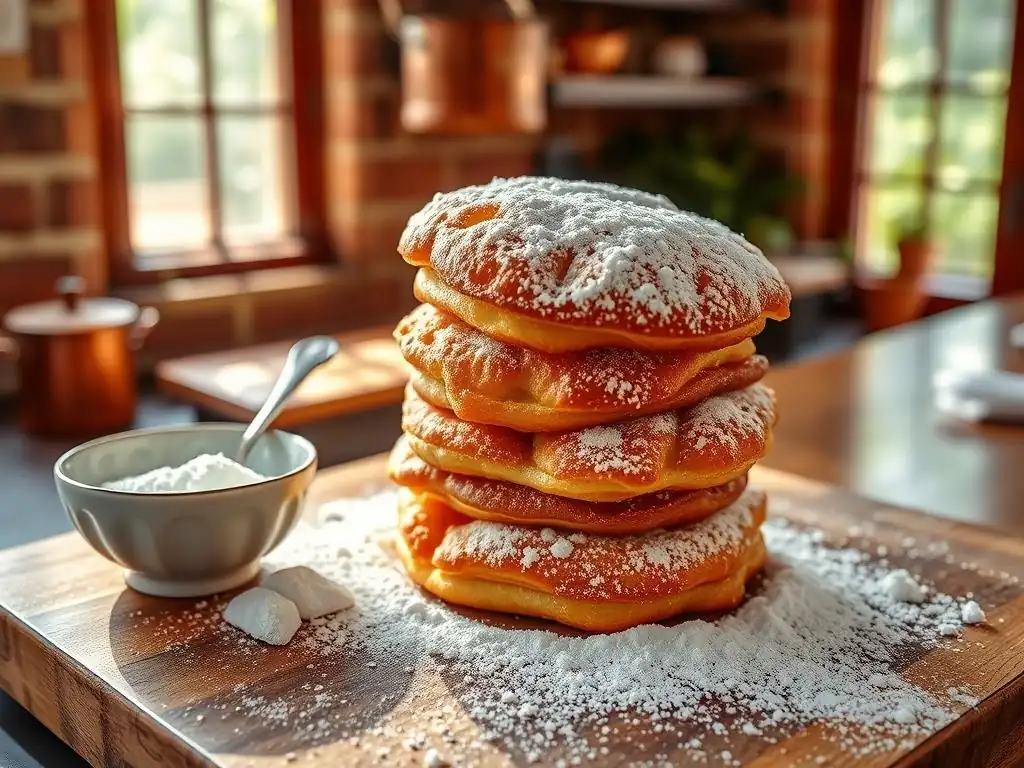
Achieving beignet perfection involves a few key considerations beyond the basic steps.
Achieving a Light and Airy Texture
Several factors contribute to that coveted light and airy interior. First, ensure your yeast is active and the dough has had sufficient time for its first rise – it truly needs to double in size. Don't rush this step. Secondly, avoid overworking the dough during kneading; too much gluten development can make them tough.
Finally, the correct oil temperature and frying technique are paramount. Frying at the recommended 350°F-375°F (175°C-190°C) allows the beignets to puff rapidly and cook quickly without becoming dense or greasy. Overcrowding the pot will lower the oil temperature and prevent them from puffing properly.
Preventing Soggy Beignets
Soggy beignets are usually a result of the oil not being hot enough, causing the dough to absorb excess oil instead of frying crisply. Always use a thermometer to verify your oil temperature is within the 350°F-375°F (175°C-190°C) range before adding the dough.
Also, ensure you don't overcrowd the pot, as this significantly drops the oil temperature. Fry in small batches, allowing the oil to reheat between batches if necessary. Draining the beignets briefly on a wire rack set over paper towels after frying helps catch any residual oil before coating them in sugar.
Serving Suggestions: Coffee Pairings and More
Traditionally, Louisiana beignets are served with café au lait, a New Orleans-style coffee made with dark roast coffee and hot milk, often sweetened. The bitterness of the coffee provides a perfect contrast to the sweetness of the beignets.
Other serving suggestions include pairing them with hot chocolate, plain milk, or even dipping sauces like caramel or chocolate, though this deviates from the classic presentation. Serving them warm is non-negotiable for the best experience.
Variations on the Classic Louisiana Beignet Recipe
While the classic powdered sugar beignet is iconic, you can easily adapt this easy homemade Louisiana beignets recipe to create delicious variations.
Chocolate Beignets: Adding a Chocolate Twist
To make chocolate beignets, you can incorporate cocoa powder into the dry ingredients. For a typical batch using 3-4 cups of flour, start by whisking in about 1/4 to 1/2 cup of unsweetened cocoa powder with the flour and other dry ingredients. This will give the dough a subtle chocolate flavor and a darker hue.
Alternatively, you could serve the plain fried beignets with a warm chocolate dipping sauce instead of or in addition to the powdered sugar. A simple ganache made from melted chocolate and a splash of cream works wonderfully.
Cinnamon Sugar Beignets: A Warm and Spicy Variation
For a cinnamon sugar variation, skip the powdered sugar coating and instead toss the hot beignets in a mixture of granulated sugar and ground cinnamon. A good ratio to start with is about 1/2 cup of granulated sugar mixed with 1 to 2 teaspoons of ground cinnamon.
Toss the hot, drained beignets gently in this mixture until evenly coated. This provides a warm, spiced sweetness that is different from the pure sweetness of powdered sugar but equally delicious.
Troubleshooting Common Beignet Baking Problems
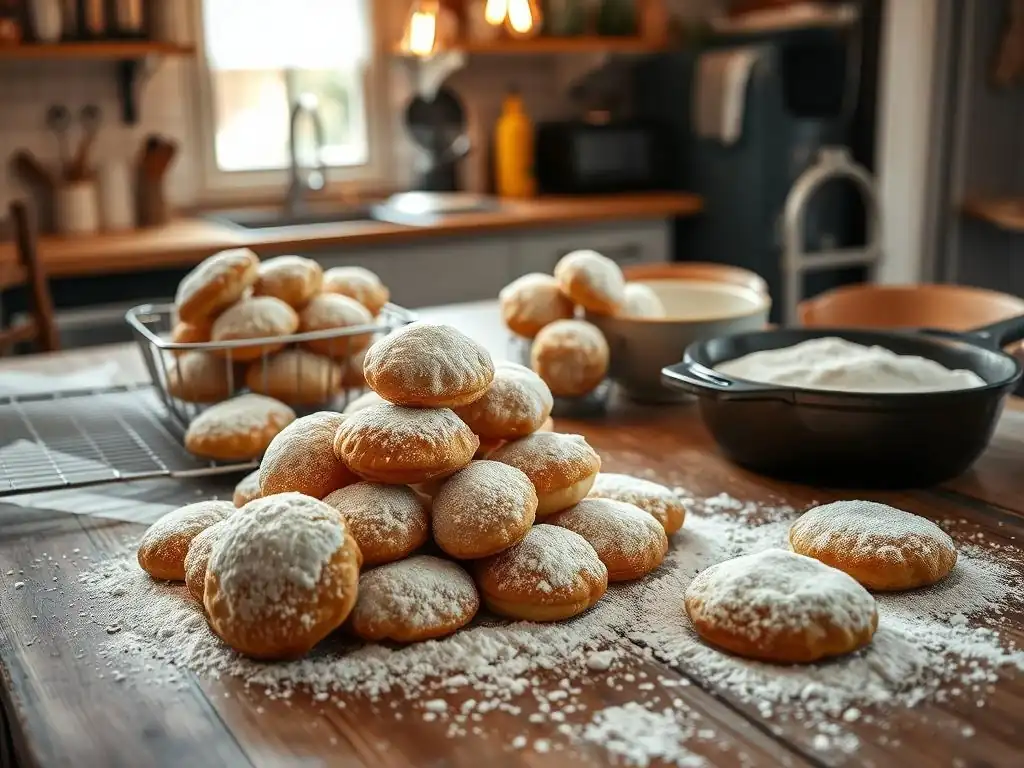
Even with an easy homemade Louisiana beignets recipe, you might encounter issues. Here are solutions to common problems.
Dough Not Rising: Possible Causes and Solutions
If your dough isn't rising, the most likely culprits are inactive yeast or a too-cold environment. Ensure your yeast is fresh and that the water temperature used for activation (if applicable) was within the 105°F-115°F (40°C-46°C) range – too hot or too cold can kill or inhibit yeast activity.
Place the dough in a warm, draft-free spot for rising. If your kitchen is cool, try placing the covered bowl in a slightly warm oven (turned off, or just warmed by the oven light) or near a warm appliance. Give it sufficient time; sometimes, it just needs longer, especially in cooler conditions. If after 2 hours there's no noticeable rise, your yeast may be dead, and you might need to start over with new yeast.
Beignets Too Dense: How to Fix It
Dense beignets can result from several factors. Overworking the dough during kneading develops too much gluten, making the beignets tough and heavy instead of light. Ensure you stop kneading once the dough is smooth and elastic, not overly tight.
Insufficient rising time is another common cause. The dough must double in size during the first rise to incorporate enough air. Finally, oil temperature that is too low during frying will result in greasy, dense beignets as they absorb oil instead of puffing. Always check your oil temperature.
Beignets Burning Quickly: Temperature Control
If your beignets are burning on the outside before they cook through, the oil temperature is too high. Use a thermometer to ensure the oil stays within the recommended 350°F-375°F (175°C-190°C) range.
If the temperature creeps up, reduce the heat or temporarily remove the pot from the heat to let it cool slightly before continuing to fry. Frying in small batches also helps prevent the oil from getting excessively hot between additions.
Enjoy the Taste of New Orleans with Your Homemade Louisiana Beignets
With this easy homemade Louisiana beignets recipe, you are now equipped to bring a little piece of the French Quarter to your kitchen. The process, from mixing the dough to the final dusting of powdered sugar, is a rewarding one, culminating in a treat that is simple yet profoundly satisfying.
Whether enjoyed for breakfast, brunch, or as a late-night snack, these pillowy fried dough squares are sure to delight. So gather your ingredients, follow the steps, and get ready to enjoy the irresistible charm of authentic Louisiana beignets made right at home.
Frequently Asked Questions
What makes this beignet recipe "easy"?
This recipe focuses on simplified steps and readily available ingredients, making it accessible even to beginner bakers. We avoid complicated techniques and aim for a foolproof method for delicious results.
Can I make the dough ahead of time?
Yes, you can! The dough can be refrigerated after the first rise for up to 24 hours. This allows for convenient preparation and freshly fried beignets whenever you're ready. Just let it warm up slightly before rolling.
What kind of oil is best for frying beignets?
We recommend using a neutral-flavored oil with a high smoke point, such as canola, vegetable, or peanut oil. This ensures the beignets fry properly without imparting an unwanted flavor.
How do I know when the beignets are done frying?
The beignets should be golden brown on all sides and have puffed up significantly. Typically, this takes about 2-3 minutes per side. Use a slotted spoon to remove them from the oil.
What is the best way to serve these beignets?
Traditionally, Louisiana beignets are served warm, generously dusted with powdered sugar. Enjoy them with a cup of hot coffee for the ultimate New Orleans experience.
Final Reflection: The Sweet Legacy of Louisiana Beignets
The simple joy of a perfectly fried beignet, dusted with powdered sugar, transcends mere culinary satisfaction; it's a taste of tradition, a connection to a vibrant culture, and a surprisingly accessible delight for home cooks. This guide aimed to demystify the process, proving that the fluffy, airy texture of these iconic treats isn't reserved for New Orleans cafes. By breaking down the recipe into manageable steps and offering helpful tips, we've shown that anyone can recreate this piece of Louisiana heritage in their own kitchen.
The enduring appeal of the beignet lies not just in its deliciousness, but in its ability to evoke a sense of place and community. It's a food that fosters connection, whether shared amongst friends over coffee or enjoyed as a quiet moment of self-indulgence. The simple act of making them at home allows us to participate in that tradition, to carry a piece of Louisiana's culinary heart into our own lives. Food is symbolic of love when words are inadequate.
- Alan D. Wolfelt. This quote perfectly encapsulates the emotional resonance of sharing (and making!) beignets.
Now, I invite you to roll up your sleeves, gather your ingredients, and embark on your own beignet adventure. Don't be intimidated by the seemingly complex process; embrace the challenge, savor the experience, and relish the sweet reward. The journey of creating these little pillows of fried dough is as much a part of the experience as the final, delightful bite. Let the aroma of warm dough and powdered sugar fill your kitchen, and share the joy – and the beignets – with those you love.
Unleash Your Inner Pastry Chef: Make Beignets Today!
Thanks for joining us on this delicious journey into the world of Louisiana beignets! We hope you've gained the confidence to tackle this seemingly daunting treat. Now it's time to put your newfound skills to the test.
- Whip up a batch of beignets this weekend! Use our recipe as a starting point, but don't be afraid to experiment with different flavors and toppings. It's all about the joy of creation!
- Share your beignet creations with us on social media! Use #BakeWithEaseBeignets and tag @BakeWithEase (fictional social media handle) – we love to see your baking adventures!
- Try a variation: Perhaps a savory beignet with herbs and cheese, or a sweet version with a unique glaze? The possibilities are endless!
Ready to dust off your apron and dive into the world of fluffy, powdered sugar perfection? What unique ingredient will you add to your next batch of beignets?