
Czech Kolaches: Baking the Sweet Bread of the Midwest Prairies


Welcome to BakeWithEase, your trusted companion on your baking journey! Ever wondered how to recreate the iconic sweet bread of the Midwest? Our latest article unveils the secrets to an easy Czech kolache recipe, bringing the taste of tradition right to your kitchen. Discover simple steps and expert tips to craft these delightful pastries and unlock a world of regional baking delights. Are you ready to bake?
- Authentic Czech Kolaches: A Baking Guide
- Introduction: The Legacy of Czech Kolaches
- Step-by-Step Kolache Recipe: From Dough to Delight
- Mastering Kolache Fillings: Flavor Variations
- Troubleshooting and Techniques for Perfect Kolaches
- Serving and Enjoying Kolaches: A Culinary Tradition
- Conclusion: Mastering Kolache Baking - A Rewarding Journey
-
Frequently Asked Questions
- What exactly is a Czech kolache and what makes it special?
- Is this "Easy Czech kolache recipe" truly suitable for beginner bakers?
- What are some common fillings used in Czech kolaches, and can I substitute them?
- How do I prevent my kolaches from drying out after baking?
- What's the secret to achieving a light and fluffy kolache dough?
- Final Reflection: The Enduring Legacy of the Czech Kolache
- Unleash Your Inner Baker: Craft Your Own Kolaches!
Authentic Czech Kolaches: A Baking Guide
Introduction: The Legacy of Czech Kolaches
Kolaches, those delightful sweet rolls bursting with fruity or creamy fillings, hold a special place in the hearts of many, particularly in the American Midwest. More than just a baked good, they are a connection to heritage, a staple at family gatherings, and a testament to the enduring traditions brought over by Czech immigrants. Learning an easy Czech kolache recipe opens the door to recreating this comforting taste of history in your own kitchen.
Embarking on the journey to bake authentic Czech kolaches is a rewarding experience. While the process involves several steps, each one contributes to the final, delicious result. This guide will walk you through the origins of these beloved pastries, their journey to America, and provide a comprehensive, step-by-step easy Czech kolache recipe designed for bakers of all skill levels. Get ready to fill your home with the irresistible aroma of freshly baked kolaches.
What are Kolaches? A Deep Dive into their Origins
Kolaches (pronounced ko-LAH-cheh, with 'kolache' being the singular) are traditional pastries originating from Bohemia, a historical region now part of the Czech Republic. They are essentially round, slightly sweet yeast rolls with a depression in the center filled with various sweet ingredients like fruit, cheese, or poppy seeds. Historically, they were often served at weddings and celebrations, symbolizing joy and abundance. The name itself comes from the Czech word "kola," meaning wheels, possibly referring to their round shape.
The core of a traditional kolache is its soft, slightly enriched yeast dough. This dough provides a tender base that perfectly complements the sweet or tangy fillings. While the basic concept is consistent, regional variations exist even within the Czech Republic, with different areas favoring specific dough richness or filling types. The journey of these pastries across the Atlantic brought about new adaptations, but the fundamental elements of a sweet dough and generous filling remain the heart of the kolache.
Kolaches in America: A Midwest Culinary Staple
Czech immigrants began arriving in the United States in significant numbers in the mid-19th century, settling primarily in states like Texas, Nebraska, Iowa, Kansas, and Wisconsin. They brought with them their language, customs, and, importantly, their culinary traditions, including the art of baking kolaches. These communities quickly established bakeries that became local institutions, sharing the taste of their homeland with their new neighbors.
Over generations, kolaches became deeply embedded in the culinary landscape of these regions, evolving slightly to incorporate readily available American ingredients. In areas with large Czech populations, such as Fayette County, Texas, or Wilber, Nebraska (known as the "Czech Capital of the USA"), kolaches are more than just a pastry; they are a cultural icon celebrated at festivals and found in nearly every bakery and home kitchen. An easy Czech kolache recipe is a treasured heirloom passed down through families in these communities.
Step-by-Step Kolache Recipe: From Dough to Delight
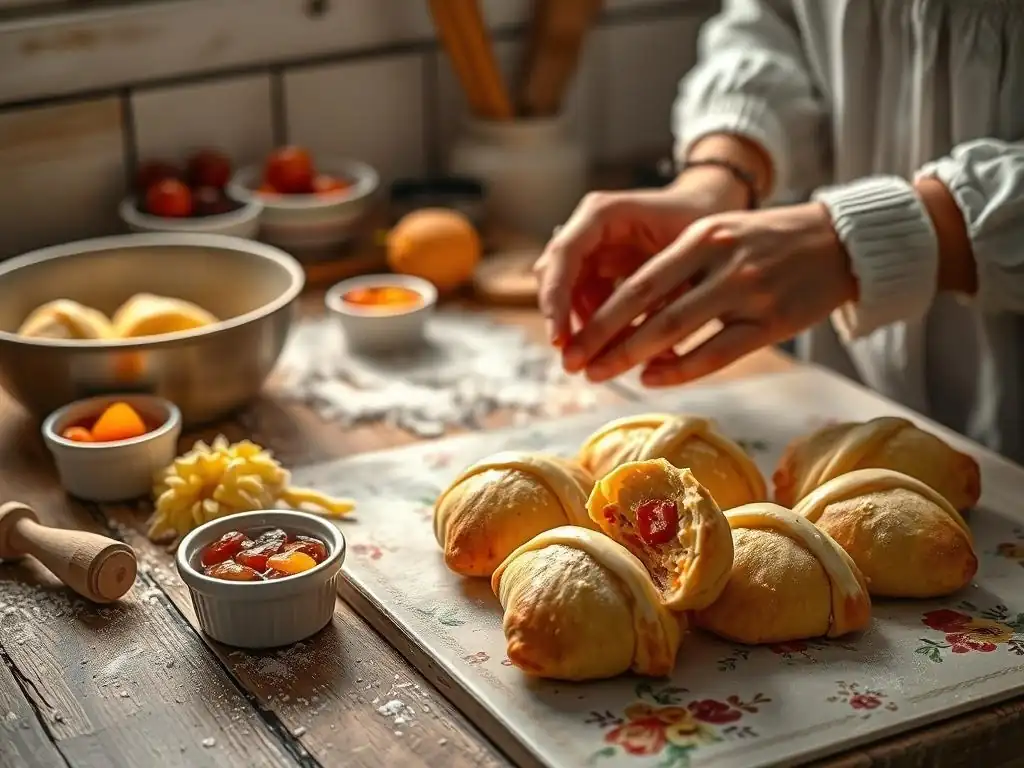
Creating delicious Czech kolaches from scratch is a process that combines simple ingredients with careful technique. This easy Czech kolache recipe breaks down each stage, ensuring a successful bake even for beginners. The journey from flour and yeast to a warm, filled pastry is incredibly rewarding.
Following this guide will help you understand the nuances of working with yeast dough and the importance of each step, from mixing to proofing and baking. By the end, you'll have a batch of authentic, tender kolaches ready to be enjoyed.
Essential Ingredients for Authentic Kolaches
The foundation of a great kolache lies in using quality ingredients. While the list is relatively simple, the type and quality of flour, yeast, and dairy make a difference in the final texture and flavor of your easy Czech kolache recipe.
Using fresh ingredients is key. Ensure your yeast is active, your butter is unsalted for better flavor control, and your milk is whole milk for richness. The fillings, whether fruit, cheese, or poppy seed, should also be made with fresh, flavorful ingredients.
Flour Selection: Achieving the Ideal Dough Texture
For authentic Czech kolaches, a good quality all-purpose flour is typically recommended. Look for one with a moderate protein content, around 10-12%. This provides enough structure for the dough to rise well and hold its shape, while still resulting in a tender crumb, characteristic of these sweet rolls. Using bread flour (higher protein) might make the dough too chewy, while cake flour (lower protein) could result in a weak structure.
Some bakers prefer to use a blend of all-purpose flour and cake flour to achieve a specific texture – perhaps a ratio of 3 parts all-purpose to 1 part cake flour. This can help create a dough that is both tender and slightly resilient. Always measure flour correctly, preferably by weight (around 120-130 grams per cup), to ensure consistency in your easy Czech kolache recipe.
Traditional Fillings: Exploring Classic Flavors
Traditional Czech kolache fillings offer a delightful variety of flavors and textures. The most classic include poppy seed (often sweetened and sometimes flavored with lemon zest), sweetened farmer's cheese (quark or tvorog are ideal, though cream cheese can be substituted), prune lekvar (a thick plum butter), and various fruit fillings like apricot, cherry, or apple. These fillings are cooked or prepared beforehand to the right consistency so they don't make the dough soggy during baking.
The key to a great filling is balancing sweetness and flavor. For instance, a good poppy seed filling might use about 1 cup of ground poppy seeds, ½ cup of milk, ¼ cup sugar, and a touch of lemon zest, cooked until thick. A cheese filling could combine 1 cup of farmer's cheese with ¼ cup sugar, an egg yolk, and vanilla extract. These specific ratios ensure the fillings are flavorful and hold their shape within the baked kolache.
Crafting the Dough: A Beginner-Friendly Approach
Making yeast dough might seem intimidating, but this easy Czech kolache recipe simplifies the process. The key steps involve activating the yeast, mixing the ingredients, kneading the dough, and allowing it sufficient time to proof. Each stage is crucial for developing the dough's structure and flavor.
Patience is your best friend when working with yeast dough. Don't rush the proofing stages; allow the dough to rise fully in a warm, draft-free place. This yields a light and airy texture in the final baked kolaches.
Yeast Activation: The Key to Dough Development
Activating the yeast is the first critical step in any yeast dough recipe. For this easy Czech kolache recipe, you'll typically use active dry yeast or instant yeast. If using active dry yeast, you need to "proof" it first. This involves dissolving the yeast in a small amount of warm liquid (usually milk or water, around 105-115°F or 40-46°C) with a pinch of sugar. Within 5-10 minutes, the mixture should become foamy and bubbly, indicating the yeast is alive and active. If it doesn't foam, your yeast may be dead, and you'll need to start over with fresh yeast.
Instant yeast can often be mixed directly with the dry ingredients, but activating it first ensures it's viable and can sometimes give the dough a head start. Regardless of the type, proper yeast activation is vital for the dough to rise correctly, resulting in tender, well-risen kolaches. Using water that is too hot will kill the yeast, while water that is too cold will inhibit its activity.
Kneading Techniques: Achieving Smoothness and Elasticity
Kneading is the process of developing gluten in the dough, which provides structure and elasticity. For an easy Czech kolache recipe, you can knead the dough by hand or using a stand mixer fitted with a dough hook. By hand, push the dough away from you with the heels of your hands, fold it back, and repeat, rotating the dough as you go. This process usually takes 10-15 minutes until the dough is smooth, elastic, and no longer sticky.
Using a stand mixer is less labor-intensive. Mix the dough on low speed for 8-10 minutes until it pulls away from the sides of the bowl and forms a smooth ball around the dough hook. A properly kneaded dough should pass the "windowpane test" – you should be able to gently stretch a small piece of dough thin enough to see light through it without it tearing. This indicates sufficient gluten development for a strong yet tender kolache dough.
First Proofing: Enhancing Flavor and Texture
The first proofing, also known as bulk fermentation, is when the dough doubles in size. This step is crucial for developing flavor and creating a light texture. After kneading, place the dough in a lightly greased bowl, turn to coat, and cover tightly with plastic wrap or a clean kitchen towel. Place it in a warm, draft-free spot. The ideal temperature is around 75-80°F (24-27°C).
The first proofing typically takes 1 to 1.5 hours, but timing can vary depending on the ambient temperature and the activity of your yeast. You know the dough is ready when it has roughly doubled in size and a gentle poke with your finger leaves an indentation that springs back slowly. This slow rise allows the yeast to produce carbon dioxide, which creates air pockets, and also develops complex flavors in the dough, essential for an authentic easy Czech kolache recipe.
Shaping Kolaches: Creating the Iconic Well
Shaping kolaches is where they get their distinctive appearance. The process involves portioning the dough, forming balls, and creating a well in the center to hold the filling. Uniform shaping ensures even baking and a visually appealing final product.
Taking a little extra time during the shaping phase pays off. Well-shaped kolaches hold their filling better and bake more evenly, contributing to the overall success of your easy Czech kolache recipe.
Dough Portioning: Ensuring Uniform Size
To ensure your kolaches bake evenly and look consistent, it's best to portion the dough into equal sizes. You can do this by eye, but for greater accuracy, use a kitchen scale. A typical kolache might use between 40 and 60 grams of dough, depending on your desired size. For instance, a 60-gram portion will yield a substantial kolache, while a 40-gram portion makes a smaller, perhaps more breakfast-sized treat.
Once portioned, gently shape each piece into a smooth, round ball. This is achieved by pulling the edges of the dough underneath and rolling it against a clean, dry surface with a cupped hand. This creates surface tension, resulting in a tight, smooth ball that will rise nicely and maintain its shape during baking.
Filling Application: A Generous Touch
After the dough balls have rested briefly, it's time to create the well for the filling. Traditionally, this is done by pressing down firmly in the center of each ball with the bottom of a small glass or a round object, leaving a raised edge of dough around the perimeter. The depth of the well is important – deep enough to hold a good amount of filling, but not so deep that you press through to the baking sheet.
Once the well is created, fill it generously with your chosen filling. A common measurement is about 1 to 1.5 tablespoons of filling per kolache, depending on the size of the well. Be careful not to overfill, as this can lead to leakage during baking. The goal is a pleasant balance between the soft dough and the flavorful filling in every bite of your easy Czech kolache recipe.
Second Proofing: Preparing for the Oven
The second proofing, also known as the final proof or bench proof, allows the shaped kolaches to rise again before baking. Place the shaped and filled kolaches on baking sheets lined with parchment paper, leaving enough space between them (about 2 inches) as they will expand. Cover the baking sheets loosely with plastic wrap or a light kitchen towel to prevent the dough from drying out.
Let the kolaches proof in a warm spot for 30-45 minutes, or until they appear visibly puffy and have increased in size by about 50-75%. They won't double in size like during the first proof. You can test readiness by gently pressing the side of a kolache; if the indentation springs back slowly, they are ready to bake. Over-proofing can lead to a fragile structure, so keep an eye on them.
Baking Kolaches: Achieving Golden Brown Perfection
Baking is the final step in transforming your prepared dough and fillings into delicious Czech kolaches. Proper oven temperature and timing are crucial for achieving a beautiful golden-brown color, a fully cooked dough, and perfectly set fillings.
Paying attention to the signs of doneness ensures your kolaches are baked through without becoming dry or over-browned. The aroma filling your kitchen will be a strong indicator that they are nearly ready.
Oven Settings and Timing: The Secret to Success
Preheat your oven to the correct temperature, typically between 350°F and 375°F (175°C and 190°C), depending on your oven and the specific easy Czech kolache recipe you are using. A slightly lower temperature like 350°F might be better for larger kolaches to ensure the center cooks through before the outside browns too much, while 375°F works well for smaller ones or for achieving a quicker golden crust.
Bake the kolaches for 12-20 minutes. The exact time will depend on their size, your oven's calibration, and how crowded the baking sheet is. They are ready when the edges and bottoms are golden brown, and the dough appears set and cooked through. If you're unsure, you can carefully lift one kolache to check the bottom color.
Cooling and Serving: Savoring Your Creations
Once baked, remove the kolaches from the oven and, ideally, brush the warm edges with melted butter or a simple sugar glaze (like powdered sugar mixed with milk or lemon juice) for added shine and softness. Let them cool slightly on the baking sheets for a few minutes before transferring them to a wire rack to cool completely.
Allowing them to cool slightly helps the fillings set and makes them easier to handle. While delicious warm, kolaches are also wonderful enjoyed at room temperature. Serving them fresh is always best to experience their soft texture and vibrant flavors. An easy Czech kolache recipe yields treats perfect for sharing.
Mastering Kolache Fillings: Flavor Variations
The beauty of kolaches lies not only in the tender dough but also in the variety of fillings. Mastering a few classic filling recipes allows you to offer a range of flavors, catering to different tastes. Each filling requires a slightly different preparation method to achieve the perfect consistency.
Experimenting with different spices and flavorings can elevate your fillings. For example, adding cinnamon to apple filling, rum extract to poppy seed, or lemon zest to cheese filling can add depth and complexity.
Poppy Seed Filling Recipe: A Traditional Favorite
Poppy seed filling (maková náplň) is arguably the most traditional and beloved kolache filling. It's made from ground poppy seeds, milk, sugar, and often flavorings like lemon zest, rum extract, or vanilla. To make about 2 cups of filling, combine 1 cup (about 120g) finely ground poppy seeds (a spice grinder works well), 1 cup milk, ½ cup sugar, 1 tablespoon butter, and ½ teaspoon lemon zest in a saucepan.
Heat the mixture over medium heat, stirring constantly, until it thickens to a paste-like consistency, similar to thick oatmeal, which usually takes 5-10 minutes. Be careful not to scorch it. Some recipes also add a binder like breadcrumbs or crushed cookies (about 1/4 cup) if the mixture is too wet. Let it cool completely before using. This traditional filling is a hallmark of an authentic easy Czech kolache recipe.
Cheese Filling Recipe: A Sweet and Tangy Classic
Sweet cheese filling (tvarohová náplň) provides a lovely tangy counterpoint to the sweet dough. Traditionally, it's made with farmer's cheese or quark (tvaroh), a fresh, soft, unaged cheese. To prepare about 1.5 cups, combine 1 cup (about 250g) drained farmer's cheese (or good quality cream cheese blended with a little sour cream), ¼ cup granulated sugar, 1 large egg yolk, 1 teaspoon vanilla extract, and a pinch of salt in a bowl.
Mix until well combined and smooth. Some recipes add 1-2 tablespoons of raisins or currants, or a tablespoon of flour or cornstarch if the cheese seems particularly wet. The consistency should be thick enough to stay in the kolache well without spreading excessively. This creamy filling is a must-have when making an easy Czech kolache recipe.
Apricot Filling Recipe: A Fruity Delight
Apricot filling (meruňková náplň) is a popular fruit option, offering a bright, slightly tart sweetness. It's typically made from dried apricots, though fresh or canned can also be used. Using dried apricots provides a more intense flavor and thicker consistency. For about 1.5 cups of filling, soak 1 cup (about 150g) dried apricots in hot water until softened (about 30 minutes), then drain.
Combine the softened apricots with ¼ cup sugar, 2 tablespoons water or orange juice, and a pinch of cinnamon in a saucepan. Simmer over medium heat, stirring, until the apricots are very soft and the mixture thickens, about 10-15 minutes. Mash the apricots with a fork or potato masher to achieve the desired texture – some prefer it slightly chunky, others smooth. Cool completely before filling your kolaches.
Lekvar Filling Recipe: A Rich Plum Preserve
Lekvar is a thick, dark plum butter or preserve, traditionally made by slowly cooking down plums (often prune plums) with little to no added sugar until they reach a very thick, spreadable consistency. True lekvar is incredibly concentrated in flavor. For kolaches, a commercial plum butter or a homemade version cooked until very thick is ideal.
About 1.5 cups of lekvar is needed for a batch of kolaches. The key is to use a lekvar that is thick enough that it won't run during baking. If your lekvar seems too loose, you can thicken it by simmering it gently in a saucepan for a few minutes or stirring in a teaspoon of cornstarch mixed with a little water. This rich, slightly tangy plum filling is a classic companion to the sweet kolache dough.
Troubleshooting and Techniques for Perfect Kolaches
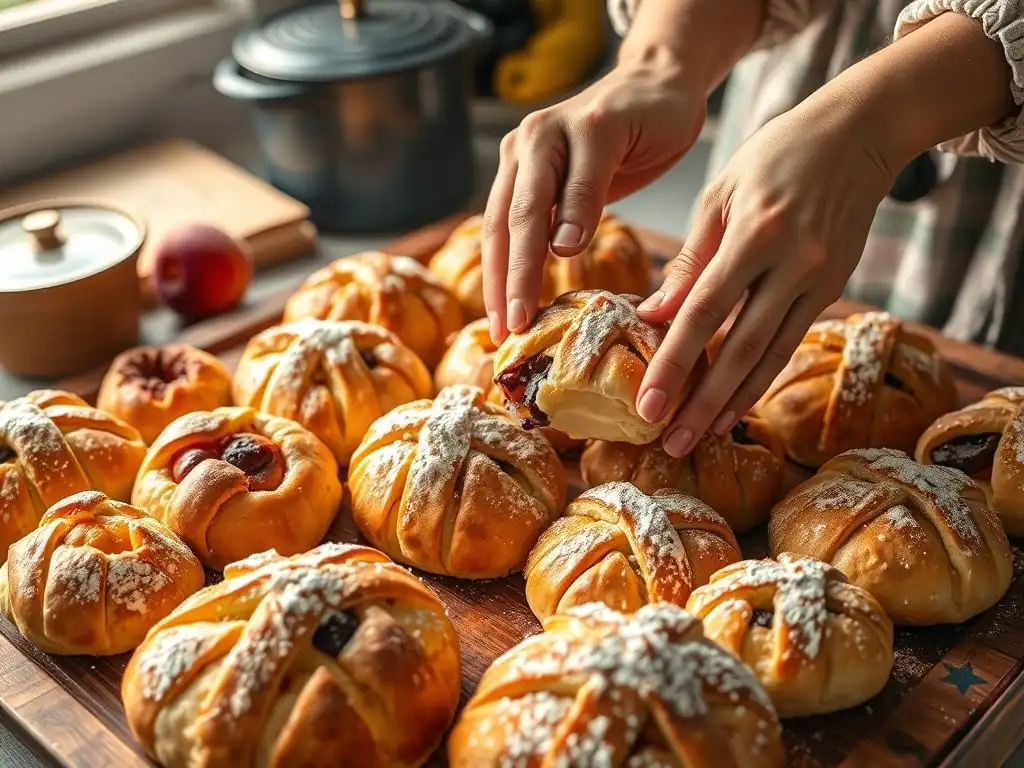
Even with an easy Czech kolache recipe, baking can sometimes present challenges. Understanding common issues and how to address them will help you achieve consistently perfect results. Troubleshooting is part of the learning process in baking.
Identifying the cause of a problem, whether it's dry dough or leaky filling, allows you to adjust your technique for future batches. Don't be discouraged by imperfections; they offer valuable lessons.
Preventing Dryness: Maintaining a Moist Dough
Dry kolache dough can result in a tough, crumbly texture instead of the desired soft, tender roll. Several factors can contribute to dryness. Over-measuring flour is a common culprit; too much flour absorbs excess liquid, making the dough stiff. Using the correct measuring technique (spooning flour into the cup and leveling, or weighing it) is essential.
Insufficient kneading or proofing can also lead to a dry texture. Kneading develops gluten, which helps the dough retain moisture. Proper proofing allows the dough to hydrate fully and develop a light structure. Ensure your proofing environment is warm and humid (covering the dough prevents a dry skin from forming). If your kitchen is dry, place a pan of hot water in the oven (turned off) and let the dough proof inside. Adding an extra egg yolk or a bit more butter to the dough recipe can also increase richness and moisture.
Minimizing Filling Leakage: Baking Tips
Filling leakage is a frustrating issue that can happen when baking kolaches, resulting in sticky messes on your baking sheet and less filling in your pastry. Overfilling the kolache well is a primary cause; use a measured amount of filling (e.g., 1-1.5 tablespoons) appropriate for the size of the well you created.
Ensuring your fillings are the correct consistency is also vital. Fruit fillings should be cooked down until thick, and cheese fillings should not be too wet. If a filling seems loose, you can thicken it with a small amount of cornstarch or flour before using. Additionally, making sure the dough edge around the filling is sufficiently high (created by pressing firmly but not through the dough) helps contain the filling during the oven spring. Baking at the correct temperature ensures the dough sets quickly, helping to hold the filling in place.
Storing Techniques: Preserving Freshness
Freshly baked kolaches are best enjoyed the day they are made, but they can be stored to maintain their deliciousness for a short period. Once completely cooled, store kolaches in an airtight container at room temperature for 1-2 days. Layering them with parchment paper can prevent sticking.
For longer storage, kolaches freeze exceptionally well. Once completely cool, place them in a single layer on a baking sheet and freeze until solid (about 1-2 hours). Then, transfer the frozen kolaches to a freezer-safe bag or container, removing as much air as possible. They can be stored in the freezer for up to 2-3 months. Thaw frozen kolaches at room temperature or reheat gently in a warm oven (around 300°F or 150°C) for 10-15 minutes.
Serving and Enjoying Kolaches: A Culinary Tradition
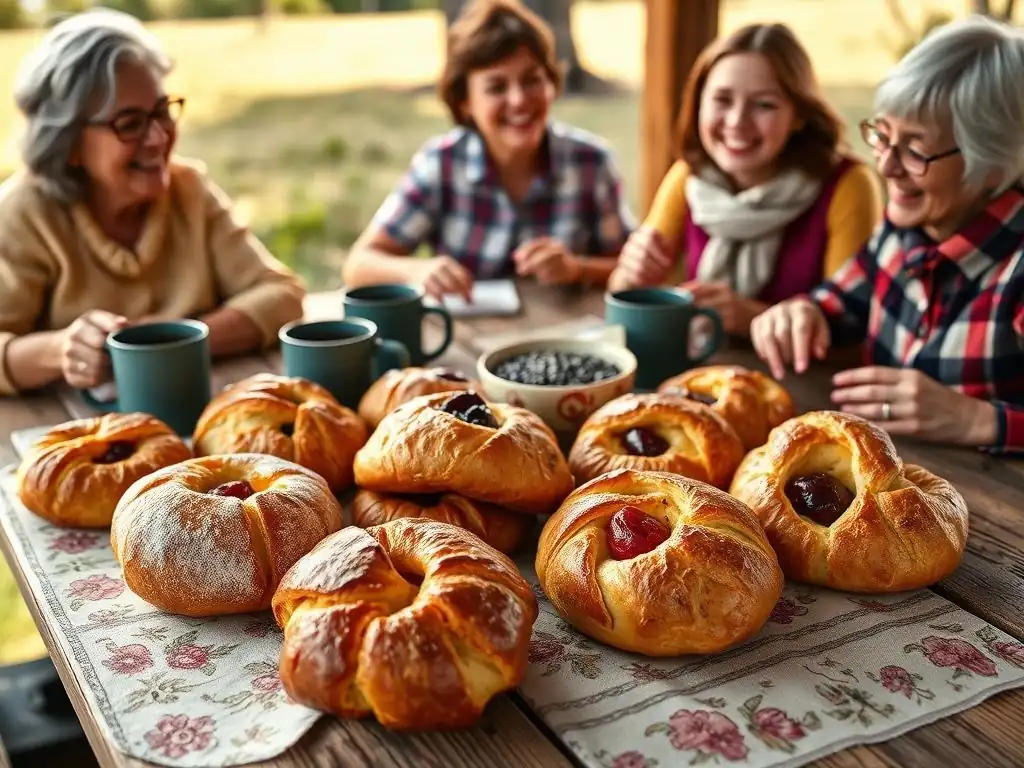
Kolaches are incredibly versatile and can be enjoyed at various times of the day and for different occasions. Whether served warm from the oven or at room temperature, they bring a smile to anyone's face. Sharing kolaches is often part of the tradition.
From a simple breakfast treat to an elaborate dessert spread, kolaches fit seamlessly into many culinary moments. Their individual portions make them easy to serve and enjoy.
Kolaches for Breakfast: A Sweet Morning Treat
In many regions, particularly in the American Midwest, kolaches are a popular breakfast item. Their soft, slightly sweet dough and fruit or cheese fillings make them a more substantial and satisfying alternative to muffins or danishes. A warm kolache with a cup of coffee or tea is a comforting start to the day.
Bakeries in areas with Czech heritage often open early, offering a fresh selection of kolaches for the morning commute. While they contain sugar, the yeast dough base and fruit/cheese fillings offer a balance that feels appropriate for a weekend brunch or a special weekday treat. Making an easy Czech kolache recipe at home ensures you always have this delightful breakfast option available.
Kolaches for Dessert: An Afternoon Indulgence
Kolaches are also perfectly suited as a dessert or an afternoon snack. The richer fillings, like poppy seed or lekvar, are particularly well-loved as a sweet ending to a meal. Their individual size makes them ideal for serving on a dessert platter.
Pairing a kolache with a scoop of vanilla ice cream or a dollop of whipped cream can elevate it into a more formal dessert. The combination of the warm or room-temperature pastry with a cool, creamy element is delightful. They are also a wonderful addition to a dessert table at parties or gatherings.
Kolaches for Celebrations: Sharing the Joy of Baking
Historically and currently, kolaches are a staple at Czech and Midwestern celebrations, including weddings, holidays, and family reunions. Baking a large batch of kolaches is often a communal activity, involving multiple generations. They symbolize hospitality and the sharing of tradition.
Bringing a plate of homemade kolaches to a potluck or gathering is a sure way to be welcomed. The act of baking them yourself using an easy Czech kolache recipe imbues them with personal meaning, making them even more special to share with friends and family during festive occasions.
Conclusion: Mastering Kolache Baking - A Rewarding Journey
Baking authentic Czech kolaches using an easy Czech kolache recipe is a rewarding experience that connects you to a rich culinary heritage. From understanding the role of each ingredient to mastering the techniques of kneading, proofing, shaping, and baking, each step contributes to the creation of these beloved pastries.
Whether you prefer classic poppy seed, tangy cheese, bright apricot, or rich lekvar, the process of making kolaches from scratch is deeply satisfying. The aroma filling your home and the joy of sharing these delicious treats with others make the effort well worth it. Embrace the journey, practice the steps, and soon you'll be baking perfect kolaches with ease.
Frequently Asked Questions
What exactly is a Czech kolache and what makes it special?
A Czech kolache is a type of sweet pastry originating from the Czech Republic, known for its soft, enriched dough and various fruit or cheese fillings. It's a staple in the Midwest, often enjoyed at celebrations.
Is this "Easy Czech kolache recipe" truly suitable for beginner bakers?
Yes! Our recipe focuses on simplified steps and readily available ingredients. The instructions are designed to be easy to follow, even for those new to baking.
What are some common fillings used in Czech kolaches, and can I substitute them?
Traditional fillings include poppy seed, prune, apricot, and cheese. You can often substitute with other fruits or even jams, but be mindful of the moisture content to avoid soggy kolaches.
How do I prevent my kolaches from drying out after baking?
To keep your kolaches soft, store them in an airtight container once cooled. You can also brush them with melted butter or a simple syrup immediately after baking for added moisture.
What's the secret to achieving a light and fluffy kolache dough?
The key is to properly proof the dough. Ensure your yeast is active, and allow the dough enough time to rise in a warm place. This will result in a tender and airy texture.
Final Reflection: The Enduring Legacy of the Czech Kolache
The simple act of baking a Czech kolache transcends a mere recipe; it's a tangible connection to history, community, and the enduring spirit of the Midwest. These sweet pastries, with their countless variations and rich heritage, continue to unite families and communities across generations, proving their enduring appeal in a constantly evolving culinary landscape. Their popularity isn't just a fleeting trend; it's a testament to the power of simple pleasures and the enduring charm of tradition.
The kolache's journey from the Czech Republic to the heart of the American Midwest is a story of adaptation, resilience, and cultural preservation. It's a story I've personally connected with, learning the art of kolache-making from my grandmother, whose own hands kneaded dough imbued with generations of family history. Food is symbolic of love when words are inadequate.
– Alan D. Wolfelt. This quote perfectly encapsulates the emotional weight and significance carried within each perfectly baked kolache, a symbol of love, heritage, and shared experiences.
Now, as you've learned the basics of creating these delightful pastries, I encourage you to embrace the process. Don't just follow the recipe; let it be a starting point for your own culinary journey. Experiment with fillings, share your creations with loved ones, and discover the joy of passing on this treasured tradition. Let the aroma of baking kolaches fill your home, a sweet reminder of the rich history and enduring spirit they represent. Bake, share, and connect – the legacy of the Czech kolache awaits your contribution.
Unleash Your Inner Baker: Craft Your Own Kolaches!
Thanks for joining us on this delicious journey into the heart of Midwest baking! We hope you've gained a newfound appreciation for the artistry and simple joy of crafting Czech kolaches. Ready to roll up your sleeves and get baking?
- Bake a batch of kolaches: Follow our recipe (or your own inspired adaptation!) and experience the satisfaction of creating these sweet treats from scratch. This is your chance to truly master the art of kolache baking.
- Share your creations: Post photos of your finished kolaches on social media and tag us – we'd love to see your delicious results!
- Explore variations: Experiment with different fillings, glazes, and dough techniques to personalize your kolaches and discover your unique baking style.
So, what exciting kolache flavor combinations will you create next?