
How to Choose the Best Apples for Baking

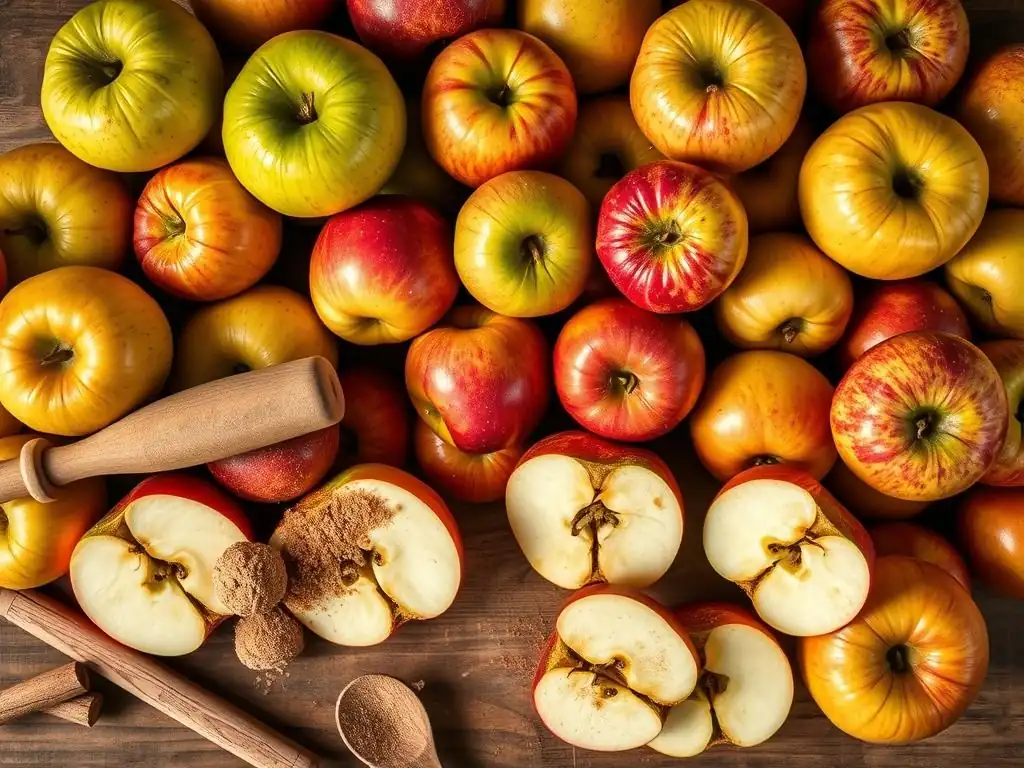
Welcome to BakeWithEase, your kitchen companion for all things baking! Ever wondered which apple variety holds the secret to a truly spectacular pie or crumble? This season, unlock the delicious potential of seasonal baking as we delve into the world of apples. Discover the secrets to choosing the best apples for baking and transform your autumn creations into masterpieces. Get ready to explore a world of flavor and texture – your baking journey starts here!
- How to Choose the Best Apples for Baking | BakeWithEase
- Introduction: Mastering Apple Baking with the Right Varieties
- Understanding Apple Varieties for Baking: A Baker's Guide
- Top Apple Choices for Exceptional Baking Results
- Factors to Consider When Selecting Apples for Baking
- Tips for Identifying Fresh and High-Quality Baking Apples
- Preparing Apples for Baking: Essential Steps
- Best Apples Baking Recipes: Inspiration and Ideas
- Storing Apples for Baking: Maintaining Freshness and Flavor
- Conclusion: Baking with Confidence - Selecting the Perfect Apples
-
Frequently Asked Questions
- What makes an apple "good" for baking?
- Are some apple varieties better suited for specific baking recipes?
- Can I mix different types of apples in a single baking recipe?
- How do I prevent apples from browning after they've been cut for baking?
- Where can I find the best apples baking recipes for beginners?
- Final Reflection: The Sweet Science of Baking Apples
- Unlock Your Baking Potential: Apple Pie Perfection Awaits!
How to Choose the Best Apples for Baking | BakeWithEase
Introduction: Mastering Apple Baking with the Right Varieties
Welcome to BakeWithEase, where we help you perfect every aspect of your baking journey. As the crisp days of fall arrive, our thoughts often turn to comforting, warm desserts featuring one of nature's most versatile fruits: the apple. Choosing the correct apple variety is absolutely crucial for achieving the desired texture and flavor in your baked goods, whether you're whipping up a simple crumble or mastering complex pastry.
BakeWithEase Presents: Your Guide to Perfect Apple Desserts
Selecting the right ingredients is the first step to baking success, and when it comes to apple desserts, the apple itself is the star. Different apples react differently to heat – some turn to mush, while others hold their shape beautifully. Some offer a bright, tart counterpoint to sweetness, while others provide a mellow, sugary base. This guide will walk you through the characteristics that make an apple great for baking, helping you make informed choices for all your best apples baking recipes.
Understanding the nuances of apple varieties empowers you to control the outcome of your baking. Imagine biting into a perfectly structured apple pie with tender, flavorful chunks, or a moist apple cake where the fruit melts just right. This level of precision comes from knowing which apples perform best under heat and how their natural qualities contribute to the final taste and texture. Let's dive into what makes an apple a baking champion.
Why Apple Selection Matters for Baking Success
The structural integrity of an apple under heat is determined by its pectin content and cell structure. Apples with higher pectin tend to hold their shape better, which is ideal for pies, tarts, and baked apples where you want distinct pieces of fruit. Varieties lower in pectin might break down more readily, perfect for sauces, but perhaps less desirable for a chunky filling.
Beyond structure, the natural sugar and acid balance of an apple profoundly impacts flavor. A very sweet apple might require less added sugar in your recipe, while a tart apple can provide a necessary tang to cut through rich pastry or buttery crumble toppings. Getting this balance right is key to creating delicious and memorable best apples baking recipes that aren't overly sweet or bland.
Understanding Apple Varieties for Baking: A Baker's Guide
Navigating the apple aisle can be overwhelming with the sheer number of varieties available. However, focusing on a few key characteristics will simplify your choice significantly. The primary factors to consider for baking are the apple's flavor profile (sweetness vs. tartness) and its texture and firmness.
Sweet vs. Tart Apples: Which is Best for Your Baking Recipe?
The interplay between sweetness and acidity is fundamental to the flavor of baked apple goods. Tart apples, like the Granny Smith, offer a bright, acidic flavor that provides a wonderful contrast to the sugar and fat in baked goods. This acidity also helps to balance the overall sweetness of a dessert, preventing it from becoming cloying. Many classic best apples baking recipes rely on this tartness.
Sweet apples, such as Honeycrisp or Fuji, provide a more mellow flavor and contribute natural sweetness, potentially allowing you to reduce the amount of added sugar in your recipe. Using a blend of sweet and tart apples is often recommended by professional bakers. This combination creates a more complex flavor profile, offering the best of both worlds – the tang of acidity and the depth of natural sweetness – resulting in a more balanced and delicious final product.
Firmness and Texture: Ideal Apple Characteristics for Baking
The texture of an apple is arguably the most critical factor for baking, particularly in pies and tarts where you want the apple pieces to remain distinct rather than collapsing into a uniform sauce. Apples with firm, dense flesh are generally preferred because they can withstand the heat of the oven without turning mushy. Varieties like Honeycrisp, Braeburn, and Granny Smith are prized for their ability to hold their shape during baking.
Apples with softer flesh, such as McIntosh or Red Delicious, tend to break down significantly when heated. While these might be suitable for applesauce or apple butter, they are less ideal for fillings where texture is important. For your best apples baking recipes, especially those requiring defined apple chunks, prioritize varieties known for their firmness and structural integrity through the baking process.
Top Apple Choices for Exceptional Baking Results
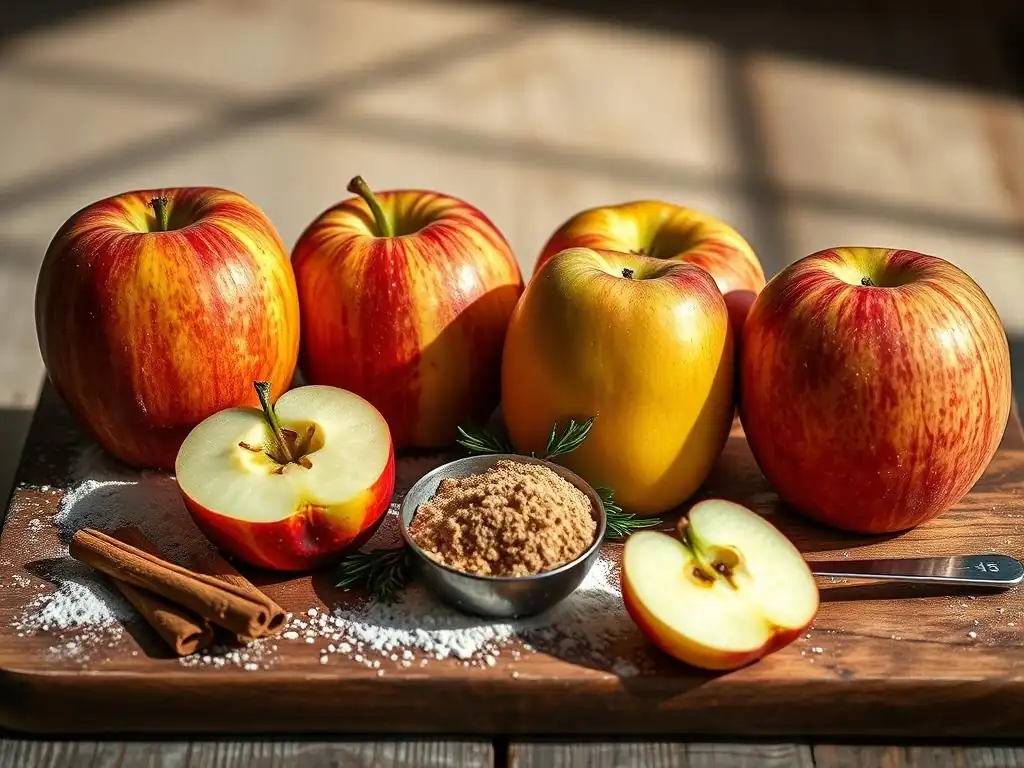
While there are dozens of apple varieties, a handful consistently rise to the top for their baking performance. These apples offer the right balance of flavor, texture, and reliability under heat, making them staples for bakers creating the best apples baking recipes.
The Classic Choice: Granny Smith Apples for Baking
Granny Smith apples are perhaps the most iconic baking apple, instantly recognizable by their vibrant green skin and bracingly tart flavor. Their high acidity provides a crucial counterpoint to the sweetness in pies, crumbles, and other desserts. Crucially, Granny Smiths have a firm texture that holds up exceptionally well during baking, preventing your fillings from becoming a mushy mess.
Their consistent performance and widespread availability make Granny Smiths a reliable choice for countless best apples baking recipes. While some find them too tart on their own, they are often used in combination with sweeter varieties to achieve a balanced flavor profile. A typical apple pie might use a 50/50 mix of Granny Smith and a sweeter, firmer apple like Honeycrisp or Braeburn.
Honeycrisp Apples: Balancing Sweetness and Tartness in Your Baked Goods
Honeycrisp apples live up to their name with an incredibly crisp texture and a delightful balance of sweetness and mild tartness. This makes them fantastic for snacking, but also exceptional for baking. They retain their firm texture remarkably well in the oven, providing satisfying chunks in pies and tarts.
Their natural sweetness means you might slightly reduce the added sugar in your best apples baking recipes when using Honeycrisps, compared to using only tart apples. Their balanced flavor profile makes them versatile, performing beautifully whether used alone or blended with other varieties. Honeycrisps are a premium apple, often commanding a higher price per pound (perhaps $2-$4 USD depending on location and season), but their texture and flavor payoff in baking is often considered well worth the cost.
Braeburn Apples: A Versatile Option for Fall Baking
Braeburn apples are another excellent choice, known for their firm flesh and a flavor that strikes a nice balance between sweet and tart, with hints of spice. They hold their shape very well during baking, making them suitable for pies, tarts, crisps, and even baked apples. Their complex flavor adds depth to baked goods without being overpowering.
The versatility of Braeburns makes them a favorite for many bakers tackling various best apples baking recipes throughout the fall season. You can use them solo for a well-rounded flavor or combine them with extremely tart or sweet apples to fine-tune the taste of your dessert. Their consistent texture ensures reliable results every time they're used in a baked application.
Other Excellent Baking Apple Varieties: Pink Lady, Fuji, and More
Beyond the top contenders, several other apple varieties perform admirably in the oven. Pink Lady apples (also known as Cripps Pink) offer a crisp texture and a pleasant sweet-tart flavor that intensifies when baked. They hold their shape well and add a beautiful pinkish hue to fillings. Fuji apples are quite sweet and very crisp; while they are sweeter than many baking apples, their firmness allows them to bake up nicely, though you might need to adjust sugar levels in your best apples baking recipes.
Other notable varieties include Gala (sweet, holds shape reasonably well), Jonagold (sweet-tart, good for pies), and Mutsu (also known as Crispin - sweet, firm, holds shape). Experimenting with these different options can help you discover new favorites and tailor your apple blend perfectly to the specific requirements and desired outcome of each of your best apples baking recipes.
Factors to Consider When Selecting Apples for Baking
Choosing the right apple isn't just about picking a recommended variety; it also involves understanding how its specific characteristics will interact with the other ingredients and the baking process. Three key factors to keep in mind are sweetness levels, moisture content, and how the apple cooks.
Sweetness Levels: Adjusting Sugar in Your Best Apples Baking Recipes
The natural sugar content of your chosen apples directly impacts how much additional sugar your recipe will need. If you're using very sweet apples like Fuji or Honeycrisp, you may be able to reduce the sugar called for in a standard recipe, especially if you prefer a less sweet dessert. Conversely, using only tart apples like Granny Smith might require sticking to the recipe's sugar amount or even adding a little extra, depending on your preference and the specific recipe for the best apples baking recipes.
Tasting your apples before baking is a simple yet effective way to gauge their sweetness and acidity. This allows you to make minor adjustments to your recipe's sugar or acid (like a squeeze of lemon juice) to achieve the perfect flavor balance. Don't be afraid to slightly tweak classic best apples baking recipes based on the natural qualities of the fruit you're using.
Moisture Content: Preventing Soggy Bottoms in Apple Pies
Apples vary in how much water they release when heated. Apples with high moisture content can potentially lead to a watery filling, which is a common culprit for dreaded soggy pie bottoms. Varieties like McIntosh or Empire tend to be juicier and break down more, releasing more liquid.
To combat this, especially when using moister apples or a combination, you can take steps like pre-cooking the apple filling slightly to evaporate some liquid, or adding a thickening agent like flour, cornstarch, or tapioca starch to the filling. A typical pie recipe might call for 2-3 tablespoons of thickener for about 6-8 cups of sliced apples. Using firmer, less watery varieties inherently reduces this risk, contributing to sturdier, more appealing best apples baking recipes.
Cooking Time: How Different Apples Bake at Different Rates
Different apple varieties soften at different rates when exposed to heat. Firm apples like Granny Smith, Honeycrisp, and Braeburn take longer to soften compared to softer varieties. This is another reason why blending apples can be beneficial; using apples with similar cooking times ensures that all the pieces in your filling become tender simultaneously.
If you are using a mix of apples with significantly different cooking times, the softer apples might turn to mush while the firmer ones are still too hard. Stick to blending varieties known for holding their shape and having relatively similar baking times for the most consistent results in your best apples baking recipes. This ensures a pleasant texture throughout your pie or crumble.
Tips for Identifying Fresh and High-Quality Baking Apples
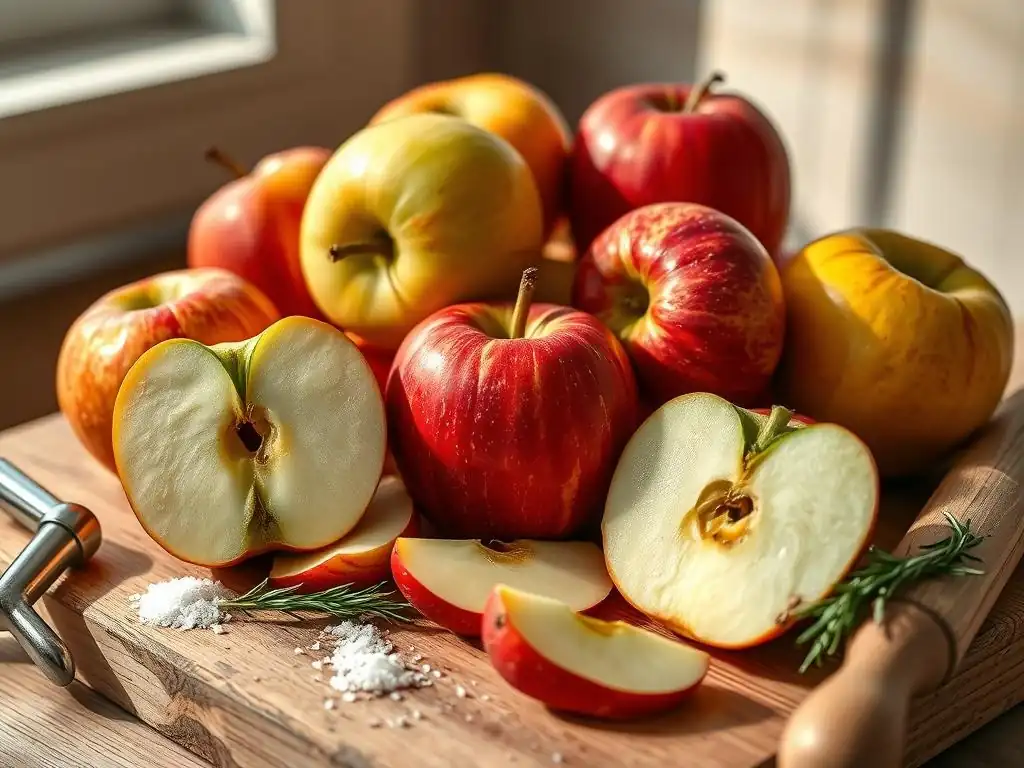
Even the best baking variety won't perform well if the apple isn't fresh and in good condition. Knowing how to spot quality apples is key to ensuring your baked goods taste their best.
Look and Feel: Visual Inspection of Apples for Baking
A fresh, high-quality apple should feel firm and heavy for its size. The skin should be smooth and free from major blemishes, though small spots or variations in color are natural and don't necessarily indicate poor quality. The color should be vibrant and typical for the variety you are choosing – a bright green for Granny Smith, a deep red and yellow for Braeburn, etc.
Avoid apples that feel soft or have wrinkled skin, as these are signs of dehydration and age, which can affect both texture and flavor during baking. A crisp apple will provide the desired texture in your best apples baking recipes, while a soft one may turn mushy prematurely.
Checking for Bruises and Soft Spots: Avoiding Unwanted Textures
Bruises and soft spots indicate damaged flesh underneath the skin. When baked, these damaged areas can become excessively soft or even disintegrate, creating an uneven and unpleasant texture in your pie or crumble. While a tiny bruise might be cut away, apples with significant bruising should be avoided for baking applications where texture is paramount.
Gently feel the surface of the apple all around. It should feel uniformly firm. Any areas that give way easily under slight pressure are likely bruised or starting to rot and should be avoided for your best apples baking recipes, particularly those requiring intact apple pieces.
Sourcing the Best Apples: Farmers Markets vs. Grocery Stores
Where you buy your apples can impact their freshness and quality. Farmers markets often offer apples that were picked more recently than those in large grocery stores, which may have traveled long distances and spent time in storage. Buying directly from growers can mean access to peak-season fruit that is at its freshest and most flavorful.
Grocery stores, however, offer convenience and year-round availability of many varieties. When buying from a grocery store, pay extra attention to the tips above regarding look and feel. Regardless of the source, choosing apples that are in season will generally yield the best flavor and texture for your best apples baking recipes. In the peak fall season, apples are often at their prime, providing the best quality for your baking endeavors.
Preparing Apples for Baking: Essential Steps
Once you've selected the perfect apples, proper preparation is key to ensuring they bake evenly and contribute positively to your dessert.
Peeling vs. Not Peeling: Does the Peel Impact Your Baking?
Whether to peel apples for baking is often a matter of personal preference and the specific recipe. For pies, tarts, and smooth fillings, peeling is generally recommended. Apple peels can become tough or chewy when baked, detracting from the overall texture of a tender filling. Peeling also ensures a uniform texture throughout the apple pieces in your best apples baking recipes.
For rustic bakes like crisps, crumbles, or some cakes and muffins, leaving the peel on is sometimes acceptable, especially if you prefer a more rustic look and added fiber. If leaving the peel, ensure the apples are washed thoroughly. Consider the texture of the specific apple variety's peel as well; some are thinner and less noticeable after baking than others.
Slicing and Dicing: Achieving Uniform Apple Pieces for Even Baking
Uniformity in size is crucial when slicing or dicing apples for baking. Pieces that are too large will take longer to soften, while smaller pieces might overcook and turn to mush. Aim for slices or chunks that are roughly the same thickness or size, typically around 1/4 to 1/2 inch thick for pies and tarts.
Consistent sizing ensures that all the apple pieces cook at the same rate, resulting in a filling with a uniform, desirable texture. Taking a few extra minutes to slice or dice your apples carefully will pay off in the final outcome of your best apples baking recipes.
Preventing Browning: Keeping Your Apples Fresh for Baking
Once peeled and sliced, apples oxidize and turn brown when exposed to air. While this browning doesn't significantly affect the flavor after baking, it can be visually unappealing and make the apples less pleasant to work with. To prevent browning, toss the prepared apples with a little lemon juice or a commercial anti-browning product.
A simple method is to place the sliced apples in a bowl of water mixed with about 1 tablespoon of lemon juice per quart of water. Drain thoroughly before adding to your filling. This step is particularly helpful if you are preparing your apples in advance or if you have a large quantity for your best apples baking recipes.
Best Apples Baking Recipes: Inspiration and Ideas
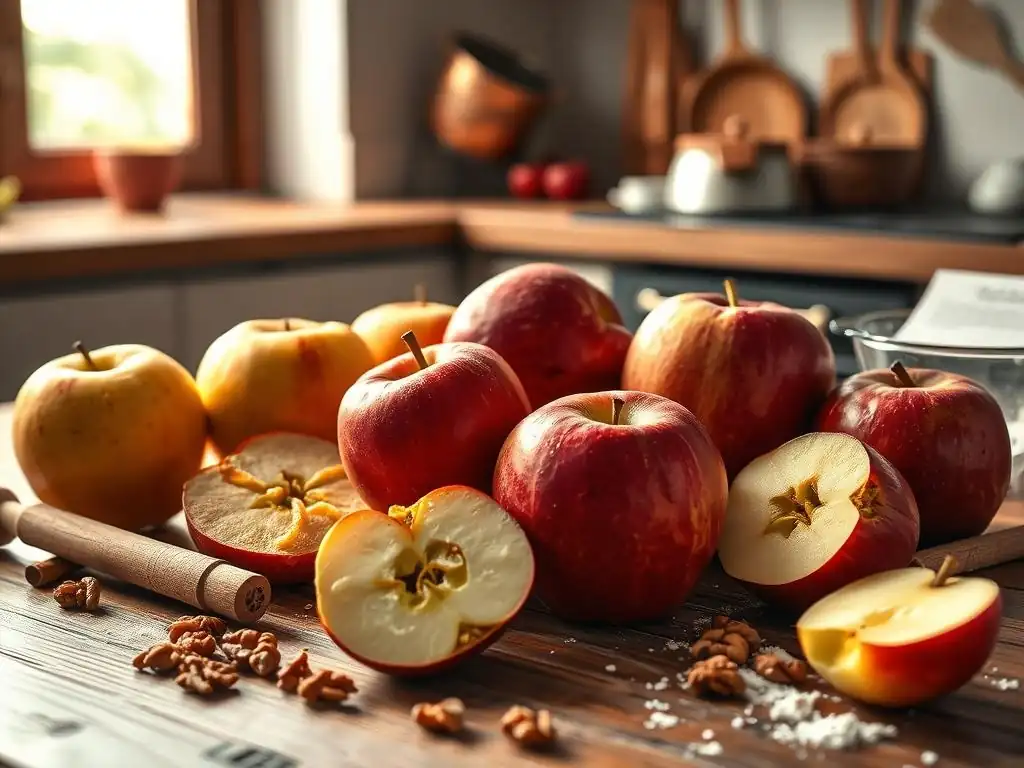
Now that you know how to choose and prepare the best apples, let's explore some classic best apples baking recipes where these techniques truly shine.
Classic Apple Pie Recipe: Featuring Our Recommended Apple Varieties
A classic double-crust apple pie is the perfect showcase for a blend of firm, flavorful apples. Using a mix of 3-4 cups of sliced Granny Smith with 3-4 cups of sliced Honeycrisp or Braeburn yields a pie with a balanced sweet-tart flavor and tender yet distinct apple chunks. A typical recipe for a 9-inch pie might call for 6-8 cups of prepared apples, blended with 1/2 to 3/4 cup sugar (adjusted based on apple sweetness), 2-3 tablespoons flour or tapioca starch, a pinch of salt, and warm spices like cinnamon and nutmeg (perhaps 1-2 teaspoons total).
Baking at around 425°F (220°C) for the first 15-20 minutes, then reducing to 375°F (190°C) for another 35-45 minutes ensures the crust browns nicely and the apples become tender. Using the right apple varieties prevents the filling from becoming watery or collapsing completely, giving you that perfect slice every time you make one of your best apples baking recipes.
Apple Crisp and Crumble: Choosing the Right Apples for Texture and Flavor
Apple crisps and crumbles are simpler to assemble than pies but still benefit greatly from proper apple selection. Firmer apples like Honeycrisp, Granny Smith, Braeburn, or a mix work best here to provide satisfying texture against the buttery, crumbly topping. The apples soften but don't disappear entirely.
For a standard 8x8 inch crisp, you might use about 4-6 cups of sliced apples. The crumble topping, often made with flour, sugar, butter, and oats, bakes over the apples, trapping steam and helping them soften. Baking at around 375°F (190°C) for 30-40 minutes until the topping is golden and the apples are bubbly and tender is typical for these best apples baking recipes.
Apple Cake and Muffins: Incorporating Apples for Moist and Delicious Results
Adding diced or grated apple to cakes and muffins adds moisture and flavor. While texture is less critical here than in pies, apples that soften but don't completely dissolve work well. Varieties like Gala, Fuji, or even softer ones like McIntosh can be used, as they break down more readily and contribute moisture throughout the batter.
For a standard loaf cake or batch of 12 muffins, about 1 to 1.5 cups of diced or grated apple is usually sufficient. Incorporating apple sauce or finely grated apple can also add significant moisture. Ensuring the apple pieces are distributed evenly throughout the batter is key for consistent texture and flavor in these types of best apples baking recipes.
Storing Apples for Baking: Maintaining Freshness and Flavor
Proper storage is essential to keep your baking apples crisp and ready for use, preserving their quality until you're ready to whip up your best apples baking recipes.
Proper Storage Techniques: Keeping Your Apples Crisp and Ready
Apples last longest when stored in a cool, dark place with high humidity. The crisper drawer in your refrigerator is an ideal spot, as it provides both cool temperatures (around 30-35°F or 0-2°C) and higher humidity levels than the main compartment. Store apples loosely in a plastic bag with a few holes for ventilation, or cover them with a damp paper towel in the crisper drawer.
Avoid storing apples near other fruits and vegetables that are sensitive to ethylene gas, such as lettuce or broccoli, as apples produce this ripening agent and can cause other produce to spoil faster. Storing them separately helps maintain the freshness of both the apples and other produce, ensuring your ingredients are in top condition for your best apples baking recipes.
Shelf Life of Different Apple Varieties: Planning Your Baking Projects
The shelf life of apples varies significantly by variety and storage conditions. Firmer apples like Granny Smith, Fuji, Braeburn, and Honeycrisp tend to store longer, often keeping well for several weeks or even a few months in optimal refrigerator conditions. Softer varieties like Gala or McIntosh have a shorter shelf life, typically lasting only a couple of weeks.
Plan your baking projects based on the shelf life of the apples you purchase. If you buy a large quantity of a variety with a shorter lifespan, plan to use them in your best apples baking recipes sooner rather than later to ensure you're baking with the freshest possible fruit. Always check apples for firmness and condition before using them, even if they appear fine from the outside.
Conclusion: Baking with Confidence - Selecting the Perfect Apples
Choosing the right apple variety is a fundamental step in creating truly outstanding baked goods. By understanding the differences in flavor, texture, and how apples perform under heat, you can elevate your baking from good to exceptional. Whether you prefer the tartness of a Granny Smith, the balanced sweetness of a Honeycrisp, or the versatility of a Braeburn, selecting firm, fresh apples is the foundation for success in all your best apples baking recipes.
Elevate Your Fall Baking with the Right Apple Choices
This fall, take the time to explore different apple varieties and how they behave in your favorite recipes. Don't be afraid to experiment with blends to find your perfect combination for pies, crisps, cakes, and more. Paying attention to apple selection is a simple change that can make a dramatic difference in the flavor and texture of your finished baked goods, turning everyday treats into memorable desserts.
BakeWithEase: Your Partner in Delicious Apple Creations
At BakeWithEase, we're here to support your baking adventures every step of the way. From choosing the best ingredients like the perfect apples for your best apples baking recipes to providing clear instructions and helpful tips, we aim to make baking accessible and enjoyable for everyone. So grab your apron, choose your apples wisely, and get ready to bake something delicious!
Frequently Asked Questions
What makes an apple "good" for baking?
A good baking apple generally holds its shape well and doesn't turn to mush during the baking process. Tartness and firmness are desirable qualities.
Are some apple varieties better suited for specific baking recipes?
Yes, absolutely! Some apples like Granny Smith are excellent for pies due to their tartness and firmness. Others, like Honeycrisp, are great for crisps and crumbles, offering a sweeter flavor profile.
Can I mix different types of apples in a single baking recipe?
Mixing apple varieties can add complexity of flavor and texture to your baked goods. Consider combining a tart apple with a sweeter one for a balanced result.
How do I prevent apples from browning after they've been cut for baking?
Toss the cut apples with a little lemon juice or acidulated water. This helps to prevent oxidation and maintain their fresh color.
Where can I find the best apples baking recipes for beginners?
BakeWithEase.com offers a wide variety of easy-to-follow apple baking recipes perfect for beginners, from simple apple crumbles to classic apple pies.
Final Reflection: The Sweet Science of Baking Apples
The perfect apple pie isn't just about the recipe; it's about the careful selection of the right fruit. Choosing the right apple variety dramatically impacts the texture and flavor of your baked goods, transforming a simple dessert into a culinary masterpiece. This seemingly small detail holds the key to unlocking truly exceptional results.
The journey of discovering the ideal baking apple has been a personal one, filled with countless taste tests and the occasional disastrous pie. It's a journey that highlights the interconnectedness of agriculture, culinary arts, and our own sensory experiences. The best things in life are simple, but not easy.
This rings true when considering the seemingly straightforward act of choosing apples for baking; the subtle nuances of each variety demand attention and appreciation. The impact of this knowledge extends beyond the kitchen, reminding us to appreciate the details in all aspects of life.
Now, armed with this knowledge, I invite you to embark on your own apple-baking adventure. Don't just follow a recipe; choose your apples with intention. Experiment with different varieties, savor the unique flavors and textures, and discover the joy of creating something truly special. The perfect pie, crumble, or crisp awaits – all it takes is the right apple.
Unlock Your Baking Potential: Apple Pie Perfection Awaits!
Thanks for diving into the world of apple baking with us! You've now got the knowledge to select the perfect apples for your next masterpiece. Ready to take your baking to the next level?
- Bake your dream apple pie (or crumble, or crisp!): Put your newfound apple expertise to the test. Choose your favorite recipe and get baking! Let the delicious aromas fill your kitchen.
- Share your apple picking adventure: Tell us about your apple hunting experience – what varieties did you find? What are you baking? We'd love to see photos on our BakeWithEase social media pages!
- Explore new apple recipes: Feeling adventurous? Our website has a whole library of apple-based desserts just waiting to be discovered!
What delicious apple creation will you bake first?