
Upper Peninsula Pasties: More Than Just Savory (Try the Sweet Ones!)

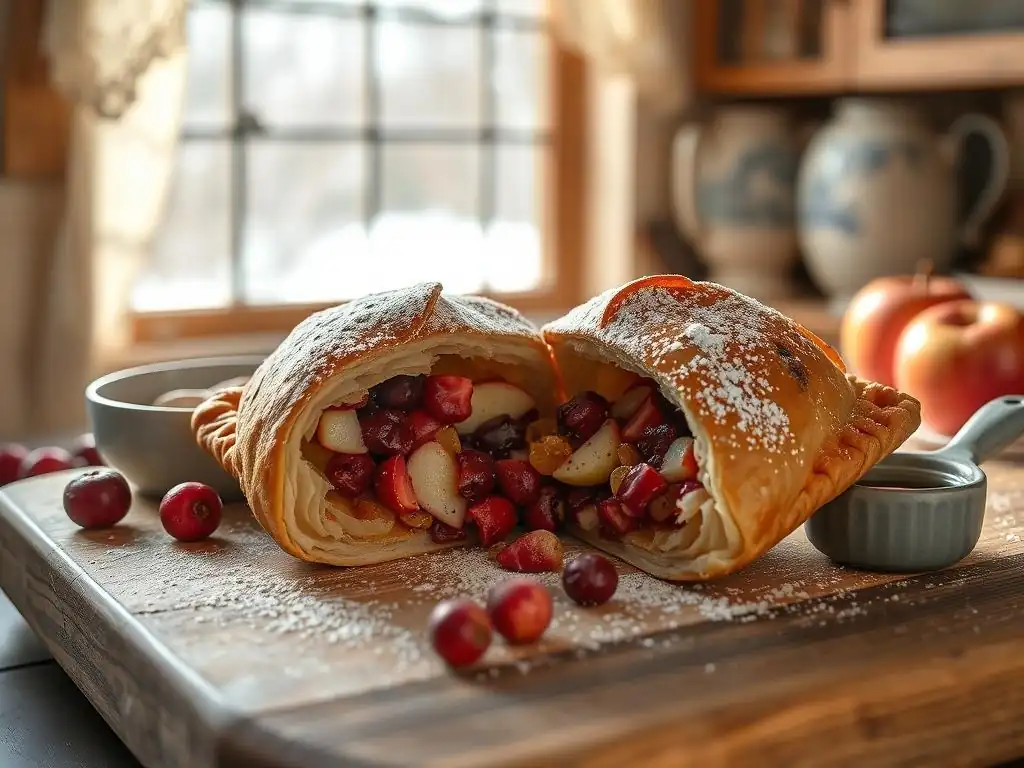
Welcome to BakeWithEase, your guide to unlocking the joy of baking! Ever heard of a pasty? While the savory version is well-known, especially in Michigan's Upper Peninsula, prepare to be surprised. This article dives into a delicious twist on a classic: the Upper Peninsula sweet pasties recipe. Intrigued? Discover the unique flavors and cultural history behind this regional treat, and learn how to bake your own slice of Upper Peninsula goodness. Let's get baking!
- Discovering Upper Peninsula Pasties: A Baking Tradition
- The Allure of Savory Upper Peninsula Pasties
- Beyond the Savory: Embracing Upper Peninsula Sweet Pasties
- Upper Peninsula Sweet Pasties Recipe: A Step-by-Step Guide
- Sweet Pasty Filling Ideas to Inspire Your Baking
- Tips for Baking the Best Upper Peninsula Sweet Pasties
- Where to Find Authentic Upper Peninsula Sweet Pasties
- Baking Your Way Through the Upper Peninsula: Sweet Pasty Perfection
- Frequently Asked Questions
- Final Reflection: A Sweet Legacy, A Delicious Future
- Unleash Your Inner Pasty Chef!
Discovering Upper Peninsula Pasties: A Baking Tradition
A Brief History of the Upper Peninsula Pasty
The pasty, a handheld pastry filled with meat and vegetables, holds a significant place in the culinary history of Michigan's Upper Peninsula (UP). Its origins are deeply tied to the region's mining boom in the 19th century. Cornish immigrants, who arrived in large numbers to work the copper and iron mines, brought their traditional, portable meal with them. These pasties were the perfect lunch for miners: they could be easily carried underground, stayed warm for hours, and provided a hearty, complete meal in one convenient package.
The pasty's design was practical for the harsh mining environment. The thick crimped crust served as a handle, often discarded after the filling was eaten to avoid consuming mining dust that might have accumulated on it.
Over time, the pasty became a staple not just for miners but for families across the UP, adapting slightly with locally available ingredients while maintaining its core identity as a robust, satisfying meal encased in pastry. This humble dish evolved from a miner's lunchbox item to a beloved cultural icon, celebrated at festivals and found in bakeries throughout the region, making the Upper Peninsula synonymous with this savory turnover.
Savory vs. Sweet: Exploring Pasty Variations
Traditionally, the Upper Peninsula pasty is known for its savory filling, typically a mix of beef, potatoes, rutabaga, and onion, all encased in a flaky pastry crust. This classic combination is what most people envision when they hear "UP pasty." However, while the savory version reigns supreme in terms of historical significance and sheer volume consumed, a lesser-known but equally delightful variation exists: the sweet pasty.
Sweet pasties offer a surprising and delicious twist on the traditional form. While not as historically prominent as their savory cousins, they have carved out their own niche, often featuring fruit or other sweet fillings. These variations demonstrate the adaptability of the pasty concept, proving that the versatile pastry shell can hold more than just meat and vegetables. Exploring both the savory and the sweet provides a fuller appreciation for the range and creativity within Upper Peninsula pasty culture.
The Allure of Savory Upper Peninsula Pasties
Classic Savory Pasty Fillings: A Baker's Guide
The heart of a classic Upper Peninsula savory pasty lies in its simple yet robust filling. The standard combination typically includes diced beef (often round steak or chuck), potato, rutabaga (sometimes called swede), and onion. These ingredients are cut into small, uniform pieces to ensure even cooking inside the pastry shell. Some recipes might include a touch of carrot or seasoning like salt, pepper, and perhaps a pinch of thyme, though purists often stick to the core four.
The beauty of the savory filling is its ability to cook simultaneously within the sealed pastry, creating a tender, flavorful interior. While the classic beef pasty is the most common, variations exist, including those made with pork, venison, or even vegetarian versions featuring ingredients like mushrooms, carrots, and peas alongside the potato, rutabaga, and onion. These variations, while perhaps not strictly "traditional" to the earliest Cornish versions, are widely available and enjoyed across the UP today.
Tips for the Perfect Savory Pasty Dough
Crafting the perfect dough is crucial for a truly authentic savory Upper Peninsula pasty. The ideal dough is flaky, sturdy enough to hold the substantial filling without breaking, and develops a beautiful golden-brown crust when baked. A common recipe uses a simple combination of flour, fat (often lard or a mix of lard and butter), salt, and cold water. The key is to keep the ingredients cold and handle the dough as little as possible to prevent the fat from melting prematurely, which is essential for creating those desirable flaky layers.
Many bakers in the UP swear by using lard for the flakiest crust, though butter provides excellent flavor. When cutting in the fat, aim for pieces roughly the size of small peas or beans. After mixing with water, the dough should be chilled for at least 30 minutes before rolling. This chilling step helps the gluten relax, making the dough easier to roll and contributing to a tender crust. Rolling the dough to about 1/8 inch thickness ensures it cooks through while remaining sturdy enough to encase the generous filling.
Beyond the Savory: Embracing Upper Peninsula Sweet Pasties
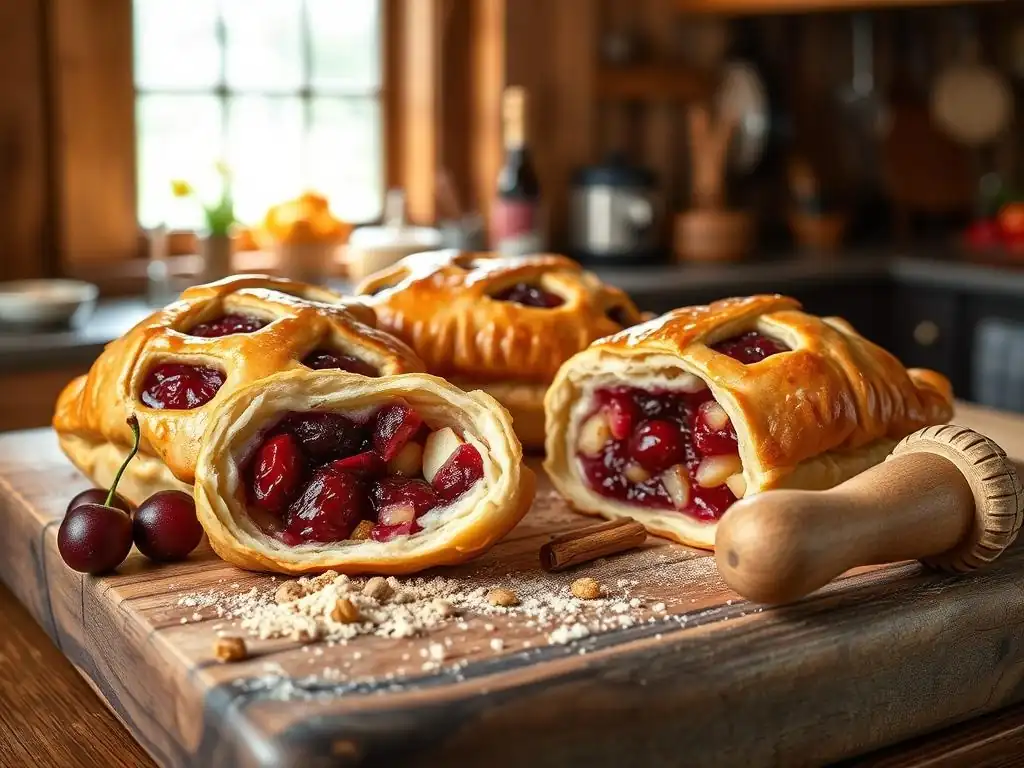
What Makes a Sweet Pasty Unique?
While sharing the same basic structure – a filling enclosed in pastry – the sweet Upper Peninsula pasty diverges significantly from its savory counterpart in flavor profile and often in preparation. The most obvious difference is the filling, which swaps meat and vegetables for fruits, sugar, and sometimes spices. This transforms the pasty from a main course into a delightful dessert or sweet snack.
Beyond the filling, the dough for sweet pasties can sometimes differ slightly as well. While many bakers use a similar flaky dough recipe as the savory version, some sweet pasty recipes might incorporate a touch more sugar or butter into the dough itself to complement the sweet filling. Additionally, sweet pasties are often served warm, sometimes with a dollop of cream, ice cream, or a dusting of powdered sugar, enhancing their dessert appeal. This variation showcases the versatility of the pasty form, proving it's capable of delivering both hearty sustenance and sweet indulgence.
Common Sweet Pasty Filling Ingredients
The range of fillings for Upper Peninsula sweet pasties is limited only by imagination, but several ingredients are particularly popular. Fruits are the most common base, often featuring ingredients readily available in the Midwest or historically significant to the region. Rhubarb is a perennial favorite, its tartness balancing nicely with sugar and often paired with strawberries. Apple fillings, similar to apple pie, are also widely used, sometimes spiced with cinnamon and nutmeg.
Other popular fruit fillings include cherries, blueberries, and various berry mixes. Some bakers experiment with fillings like peaches or even less traditional options such as chocolate, nuts, or sweet cheese. The key is to ensure the filling is prepared in a way that prevents it from becoming too watery during baking, which can lead to a soggy bottom crust. This often involves pre-cooking fruit slightly or mixing it with a thickener like flour, cornstarch, or tapioca starch before enclosing it in the dough.
Upper Peninsula Sweet Pasties Recipe: A Step-by-Step Guide
Are you ready to try making your own Upper Peninsula sweet pasties? While the savory version is iconic, a homemade Upper Peninsula sweet pasties recipe, particularly one featuring a classic fruit like rhubarb and strawberry, is a truly rewarding baking project. Here's a guide to get you started.
Ingredients for Your Sweet Upper Peninsula Pasty
To make about 6-8 medium-sized sweet pasties with a delightful rhubarb strawberry filling, you'll need:
- For the Dough:
- About 3 cups all-purpose flour
- 1 teaspoon salt
- About 1 cup cold unsalted butter, cut into cubes
- Roughly 1/2 cup ice water (or slightly more, as needed)
- Optional: 1-2 tablespoons sugar for a slightly sweeter dough
- For the Rhubarb Strawberry Filling:
- About 3 cups chopped rhubarb (about 1/2 inch pieces)
- About 2 cups sliced strawberries
- 3/4 cup granulated sugar (adjust to taste depending on fruit sweetness)
- 1/4 cup all-purpose flour or cornstarch (as a thickener)
- 1/2 teaspoon ground cinnamon (optional)
- 1 tablespoon lemon juice (optional, for brightness)
- For Assembly:
- 1 egg, beaten with 1 tablespoon water (for egg wash)
- Coarse sugar (optional, for sprinkling)
Preparing the Sweet Pasty Dough
Creating a flaky, tender crust is the first step in this Upper Peninsula sweet pasties recipe. Combine the flour, salt, and optional sugar in a large bowl. Cut in the cold butter using a pastry blender, fork, or your fingertips until the mixture resembles coarse crumbs with some pea-sized pieces of butter still visible. This is crucial for flakiness.
Gradually add the ice water, a tablespoon at a time, mixing until the dough just comes together. Be careful not to add too much water; the dough should be moist enough to form a ball but not sticky. Turn the dough out onto a lightly floured surface, divide it in half, flatten each half into a disk, wrap them in plastic wrap, and refrigerate for at least 30 minutes. This chilling period is essential for handling and rolling the dough easily.
Crafting the Perfect Sweet Pasty Filling: Rhubarb Strawberry
While the dough chills, prepare the star of this Upper Peninsula sweet pasties recipe: the rhubarb strawberry filling. In a medium bowl, gently combine the chopped rhubarb and sliced strawberries. Add the granulated sugar, flour or cornstarch (this is vital for thickening the juices and preventing a soggy bottom), optional cinnamon, and optional lemon juice.
Stir the mixture carefully to coat all the fruit evenly with the sugar and thickener. Taste a small piece of fruit (or a tiny bit of the juice) and adjust the sugar if necessary – rhubarb can be quite tart. Set the filling aside while you roll out the dough. The sugar will start to draw out some juice from the fruit, which the thickener will handle during baking.
Assembling and Baking Your Sweet Pasties
Once the dough is chilled and the filling is ready, it's time to assemble your Upper Peninsula sweet pasties. Preheat your oven to 375°F (190°C). On a lightly floured surface, roll out one disk of dough into a rough circle, about 1/8 inch thick. Using a plate or bowl as a guide (about 6-8 inches in diameter), cut out circles from the dough.
Spoon a generous portion of the rhubarb strawberry filling onto one half of each dough circle, leaving about a 1/2 to 1-inch border. Moisten the edge of the dough with a little water. Fold the other half of the dough over the filling to create a semi-circle. Press the edges firmly together to seal, then crimp the edges decoratively with your fingers or a fork. Cut a few small vents in the top of each pasty to allow steam to escape.
Place the assembled pasties on a baking sheet lined with parchment paper. Brush the tops with the egg wash and sprinkle with coarse sugar if desired. Bake for 35-45 minutes, or until the crust is golden brown and the filling is bubbling slightly. Let them cool slightly before serving.
Sweet Pasty Filling Ideas to Inspire Your Baking
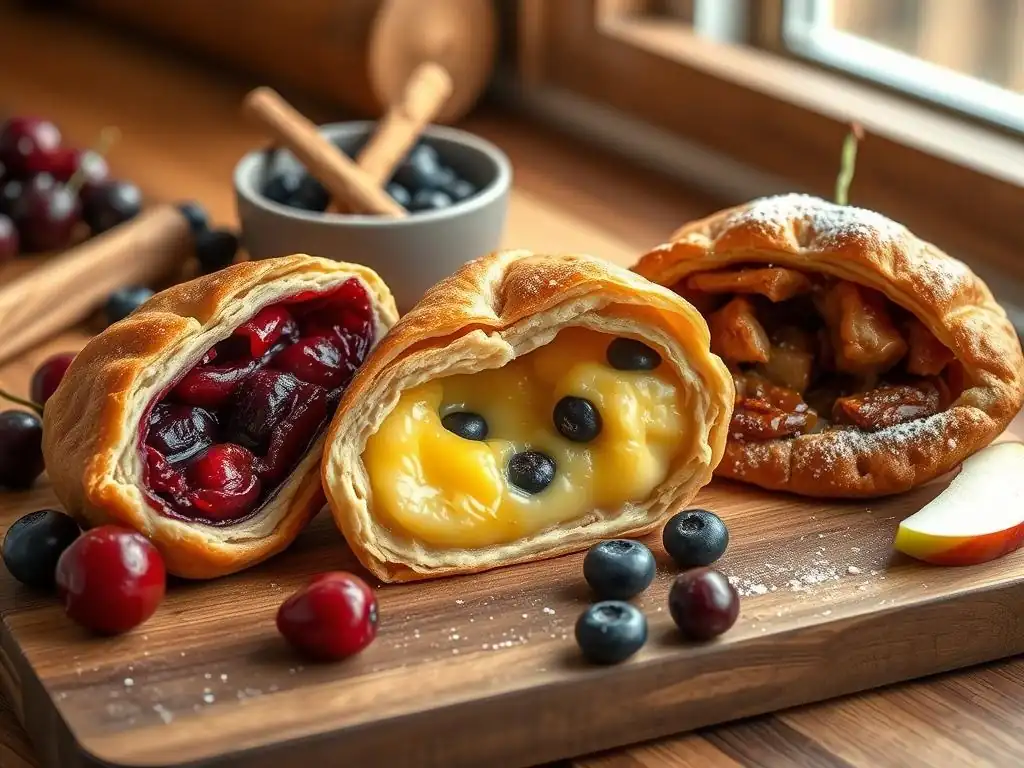
Beyond the classic rhubarb strawberry, the world of Upper Peninsula sweet pasties offers a playground for creative fillings. Experimenting with different combinations can lead to delicious new favorites.
Fruit-Based Sweet Pasty Fillings
Fruit fillings remain the most traditional and popular option for sweet pasties. Classic choices include simple spiced apple, using firm apples like Honeycrisp or Granny Smith mixed with cinnamon, nutmeg, and sugar. Cherry pasties, particularly made with tart Michigan cherries, are also a regional favorite, often thickened with cornstarch and sweetened to balance the tartness.
Mixed berry fillings, combining blueberries, raspberries, and blackberries, create vibrant and flavorful pasties. Peach pasties, especially when peaches are in season, offer a juicy, sweet option. Remember to adjust sugar based on the sweetness of the fruit and use a suitable thickener (flour, cornstarch, or tapioca) to manage the moisture content, ensuring a perfectly baked bottom crust every time.
Chocolate and Nut Sweet Pasty Fillings
For those looking for richer, more decadent Upper Peninsula sweet pasties, chocolate and nut-based fillings offer exciting possibilities. A simple chocolate filling could involve chopped chocolate (like semi-sweet or dark chocolate chips) mixed with a touch of sugar or even combined with fruit like raspberries or cherries for a Black Forest-inspired twist.
Nut fillings might include a simple mixture of chopped nuts (such as pecans or walnuts) with brown sugar, butter, and perhaps a touch of cinnamon, creating a sweet, slightly crunchy center. Some recipes might even incorporate elements like peanut butter or a frangipane-style almond cream for a more complex flavor profile. These fillings move further from the traditional, but demonstrate the versatility of the sweet pasty form.
Custard and Cream Sweet Pasty Fillings
Another avenue for sweet pasty fillings is incorporating custard or cream-based elements. A simple vanilla or lemon custard could be baked inside the pastry shell, creating a smooth, rich interior. These types of fillings require careful handling to ensure they set properly without making the crust soggy.
Alternatively, sweet pasties can be filled with ingredients that become creamy when baked, such as sweetened cream cheese or a mixture of ricotta cheese, sugar, and perhaps lemon zest. These fillings offer a different texture compared to fruit-based options, providing a rich and indulgent experience. Serving these warm is often best, sometimes with a dusting of powdered sugar or a drizzle of sauce.
Tips for Baking the Best Upper Peninsula Sweet Pasties
Achieving a perfectly baked sweet pasty involves a few key techniques. Paying attention to detail during the baking process will ensure your crust is golden and flaky and your filling is cooked just right.
Achieving a Golden-Brown Crust
A beautiful, golden-brown crust is the hallmark of a well-baked pasty, savory or sweet. To encourage this rich color and add a slight sheen, brush the tops of your assembled sweet pasties with an egg wash before baking. An egg wash is typically one egg beaten with a tablespoon or two of water or milk. Applying this evenly helps the crust brown uniformly.
Baking temperature also plays a role. Starting at a slightly higher temperature, like 400°F (200°C) for the first 15-20 minutes, can help the crust set quickly and start browning, then reducing the temperature to 375°F (190°C) allows the filling to cook through without the crust burning. Keep an eye on them during the last 10-15 minutes of baking, covering the edges with foil if they start to brown too quickly.
Preventing Soggy Bottoms: Baking Secrets
One of the biggest challenges with fruit-filled pastries is preventing a soggy bottom crust caused by the fruit's juices. This is particularly important for an Upper Peninsula sweet pasties recipe. The most effective way to combat this is by using a thickener in your fruit filling, as mentioned earlier (flour, cornstarch, or tapioca starch work well). The thickener absorbs the juices released during baking, turning them into a thick, syrupy consistency rather than a watery mess.
Another helpful technique is to bake the pasties on a preheated baking sheet or pizza stone. Place your baking sheet in the oven while it preheats. When the oven is ready, carefully transfer the assembled pasties onto the hot sheet. The immediate heat from the hot surface helps to set and crisp the bottom crust quickly, creating a barrier against moisture from the filling.
Serving and Storing Your Sweet Pasties
Upper Peninsula sweet pasties are best enjoyed warm, allowing the flavors of the filling to meld and the crust to be at its flakiest. While delicious on their own, they are often served as a dessert or sweet snack. A traditional accompaniment is a dollop of whipped cream, a scoop of vanilla ice cream, or a dusting of powdered sugar. Some prefer a drizzle of custard sauce or a fruit coulis that complements the filling.
If you have leftover sweet pasties, they can be stored at room temperature for a day or two, or refrigerated for up to 3-4 days. For longer storage, pasties can be frozen, either baked or unbaked. To reheat baked pasties, warm them in an oven at around 350°F (175°C) until heated through, which helps re-crisp the crust. Freezing unbaked pasties is also an option; simply wrap them well and bake from frozen, adding extra time to the baking instructions.
Where to Find Authentic Upper Peninsula Sweet Pasties
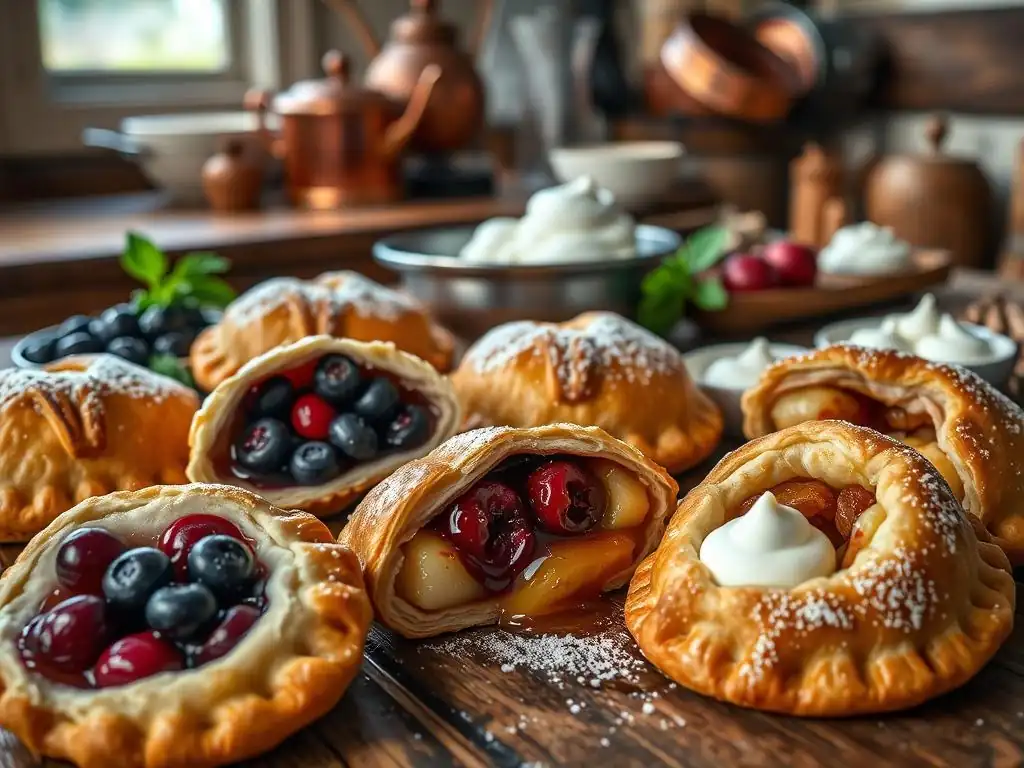
While making your own Upper Peninsula sweet pasties recipe is rewarding, sometimes you want to taste the real deal crafted by Yoopers (residents of the UP). Finding sweet pasties can be a bit trickier than finding savory ones, as they are less universally offered, but they are definitely available if you know where to look.
Local Bakeries and Online Resources
The best places to find authentic Upper Peninsula sweet pasties are the local bakeries scattered throughout the region. Many bakeries that specialize in traditional savory pasties will also offer a selection of sweet variations, especially during fruit seasons like cherry or berry season. Look for small, independent bakeries or roadside stands that advertise pasties; these are often the keepers of traditional recipes and might have seasonal sweet options.
For those outside the UP, many of these beloved bakeries now offer shipping services nationwide. Searching online for "Upper Peninsula pasties shipped" can reveal several businesses that will send both savory and sweet pasties right to your door. While the selection of sweet pasties available for shipping might be smaller than in person, it's a fantastic way to experience this unique regional treat without traveling to the UP.
Baking Your Way Through the Upper Peninsula: Sweet Pasty Perfection
Whether you choose to follow an Upper Peninsula sweet pasties recipe at home or seek out a bakery that sells them, exploring this sweet side of UP baking is a delightful journey. From the historical significance of the pasty to the sweet innovations that continue to evolve, there's a rich culinary landscape to discover. So tie on your apron, gather your ingredients, and get ready to bake (or simply enjoy!) a taste of Upper Peninsula sweet pasty perfection.
Frequently Asked Questions
What exactly are Upper Peninsula Sweet Pasties?
They are a regional variation of the classic pasty, traditionally filled with savory ingredients, but these versions are filled with sweet fruits and spices instead.
What makes a sweet pasty from the Upper Peninsula unique?
The unique aspect often lies in the crust recipe, which may be slightly sweeter, and the use of locally sourced fruits, like berries or apples.
Can I use any fruit in a sweet pasty filling?
While you can experiment, traditional recipes often call for apples, berries (like blueberries or thimbleberries), or a combination. Consider the moisture content of the fruit.
Are sweet pasties difficult to make?
Not necessarily! BakeWithEase provides simple recipes and step-by-step guides, making them accessible to bakers of all levels, even beginners.
Where can I find the best recipe for Upper Peninsula sweet pasties?
BakeWithEase.com is your go-to resource! They offer easy-to-follow recipes and baking tips for mastering the art of making sweet pasties.
Final Reflection: A Sweet Legacy, A Delicious Future
The Upper Peninsula's pasty tradition is more than just a culinary delight; it's a living testament to resilience, adaptation, and the enduring power of community. These hand-held pies, once a staple of Cornish miners, have evolved and thrived, proving their adaptability to new tastes and generations. The surprising sweetness of some modern variations only underscores this vibrant evolution.
The journey of the pasty, from its humble beginnings in the mines to its current status as a beloved regional icon, profoundly reflects the spirit of the Upper Peninsula itself. Its transformation into a canvas for culinary creativity, encompassing both savory and sweet iterations, speaks volumes about the region's capacity for innovation and its embrace of diverse influences. Food is symbolic of love when words are inadequate.
– Alan D. Wolfelt. This sentiment perfectly captures the emotional connection many feel to the pasty, a connection that transcends mere sustenance.
Now, it's your turn. Consider the legacy of the Upper Peninsula pasty – its history, its evolution, and its enduring appeal. Perhaps you'll be inspired to try your hand at a sweet pasty recipe, adding your own unique twist to this rich tradition. Or maybe you'll simply savor the next pasty you encounter with a newfound appreciation for its story. Either way, let the pasty's enduring charm inspire you to explore your own culinary heritage and the stories embedded within the foods we share.
Unleash Your Inner Pasty Chef!
Thanks for joining us on a delicious journey through the world of Upper Peninsula pasties! We hope you discovered a newfound appreciation for this versatile treat, beyond the savory classics. Ready to take your baking skills to the next level?
- Bake your own sweet pasties: This is your chance to experiment with unique fillings and create your own signature sweet pasty. Let your creativity run wild!
- Share your creations: Post a picture of your delicious pasties on social media and tag us – we’d love to see what you bake!
- Explore our other regional recipes: Discover more culinary delights from around the world on BakeWithEase.
What unexpected filling will you try in your next pasty adventure?