
Baking for Dietary Needs at Large Gatherings: Simple Solutions

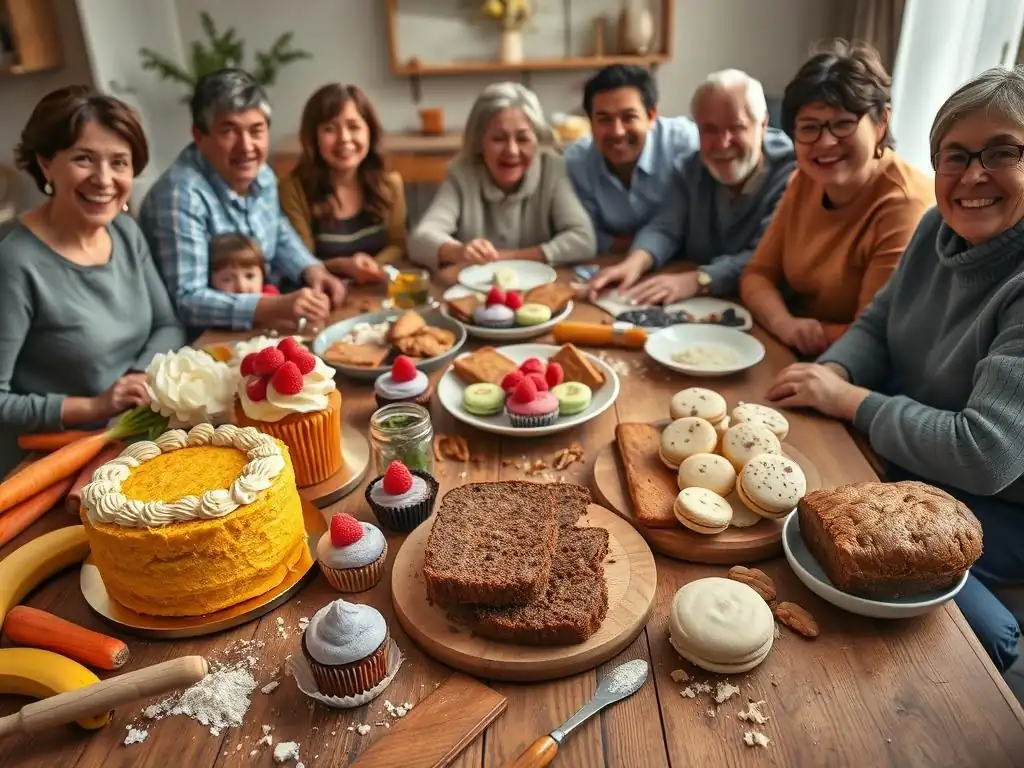
Welcome to BakeWithEase, your partner in crafting delicious moments! Ever wondered how to conquer the challenge of baking for large gatherings while accommodating diverse dietary needs? Discover how to bake with confidence, offering options that delight everyone. Dive in and uncover our collection of easy dietary gathering baking recipes – solutions that simplify your life and satisfy every palate. Let's bake!
- Introduction to Easy Dietary Gathering Baking Recipes for Large Groups
- Understanding Common Dietary Restrictions in Large Gatherings
- Planning Your Baking Menu with Easy Dietary Gathering Recipes
- Top Easy Dietary Gathering Baking Recipes for Large Occasions
- Techniques to Simplify Dietary Baking for Large Gatherings
- Presentation and Serving Tips for Dietary Baking at Large Events
- Troubleshooting Common Challenges in Dietary Gathering Baking
- Conclusion: Mastering Easy Dietary Gathering Baking Recipes for Successful Large Events
-
Frequently Asked Questions
- What are some common dietary restrictions to consider when baking for a large gathering?
- Where can I find "Easy dietary gathering baking recipes" that cater to multiple dietary restrictions?
- How can I modify a standard baking recipe to accommodate dietary restrictions without sacrificing taste?
- What are some simple "Easy dietary gathering baking recipes" suitable for large groups with dietary needs?
- How important is clear labeling when serving baked goods at a gathering with dietary restrictions?
- Final Reflection: The Sweetness of Inclusion
- Unleash Your Inner Baking Superhero!
Introduction to Easy Dietary Gathering Baking Recipes for Large Groups
Hosting a large gathering is a joyous occasion, often centered around shared meals and treats. However, ensuring everyone feels included can be a challenge when guests have diverse dietary needs. From gluten sensitivities and dairy allergies to nut restrictions and vegan lifestyles, navigating these requirements in bulk baking might seem daunting at first. This section explores how to approach baking for large groups with dietary considerations, focusing on simple, practical solutions that make the process manageable and the results delicious for everyone. We'll cover common restrictions, planning strategies, and highlight easy dietary gathering baking recipes designed for scale.
The goal isn't to become a specialist in every single dietary niche, but rather to equip you with the knowledge and techniques to confidently prepare baked goods that cater to the most common needs without sacrificing flavor or texture. By focusing on adaptable recipes and smart ingredient choices, you can create a spread that delights all your guests, making your large gathering truly inclusive and memorable. Embracing easy dietary gathering baking recipes allows you to extend hospitality to everyone at your table.
Importance of Baking for Dietary Needs at Large Gatherings
Addressing dietary needs at large gatherings is more than just a courtesy; it's a fundamental aspect of hospitality and ensuring guest safety and comfort. Failing to provide options can leave guests with dietary restrictions feeling excluded or, worse, put their health at risk due to allergies or intolerances.
Considering that a significant portion of the population adheres to specific diets—for example, it's estimated that around 6% of adults in the US have food allergies, and many more manage sensitivities or choose specific lifestyles like veganism or gluten-free diets—it's highly probable that your large guest list will include individuals with such needs.
Providing suitable baked goods means these guests can participate fully in the celebratory meal or event without worry. It shows thoughtfulness and care, strengthening connections and making the event more enjoyable for everyone. Simple solutions like offering a clearly labeled gluten-free cake or dairy-free cookies alongside traditional options ensure that no one misses out on the sweet (or savory) treats. Prioritizing easy dietary gathering baking recipes is a practical way to manage this inclusivity, allowing you to bake delicious items that satisfy multiple requirements simultaneously.
Overview of Simple Solutions for Inclusive Baking
Creating inclusive baked goods for large gatherings doesn't require a complete overhaul of your baking repertoire. Often, simple substitutions and smart planning can make a big difference. The key is to identify common dietary needs among your expected guests and select recipes that can be easily adapted or are inherently suitable for those requirements. For instance, many classic cookie or muffin recipes can be converted to be dairy-free by swapping butter for a plant-based alternative or oil, and milk for a non-dairy milk.
For more complex needs like gluten-free baking, focusing on recipes specifically developed with alternative flours or those that are naturally gluten-free, like meringues or flourless chocolate cakes, can simplify the process. Similarly, tackling nut allergies means meticulous ingredient checking and dedicated preparation areas to avoid cross-contamination. The focus should be on finding easy dietary gathering baking recipes that yield reliable results when scaled up. This approach allows you to bake a few key items that cover a range of needs, rather than preparing a multitude of individual dishes.
Understanding Common Dietary Restrictions in Large Gatherings
Navigating the various dietary restrictions your guests might have at a large gathering can seem complex, but understanding the most common ones is the first step to successful inclusive baking. The most frequently encountered restrictions include gluten intolerance or celiac disease, dairy allergies or lactose intolerance, nut allergies (tree nuts and peanuts), and veganism (avoiding all animal products). Each requires specific considerations, but many baking techniques and ingredients can address multiple needs simultaneously.
Identifying which restrictions apply to your guests early in the planning process is crucial. A simple RSVP note asking about dietary needs can provide the necessary information. With this knowledge, you can then focus on selecting or adapting easy dietary gathering baking recipes that meet those specific requirements, ensuring both safety and enjoyment for everyone.
Gluten-Free Baking Tips for Group Events
Gluten-free baking requires replacing wheat flour, barley, and rye with alternative flours or blends. For large gatherings, using a reliable gluten-free all-purpose flour blend is often the easiest approach, as it can substitute wheat flour in many standard recipes, particularly for cakes, muffins, and cookies. Look for blends that contain a mix of starches (like rice or tapioca starch) and flours (like brown rice or almond flour, though be mindful of nut allergies).
Successful gluten-free baking often involves understanding the role of gluten in structure and moisture. Gluten provides elasticity and structure, so its absence can result in crumbly or dense baked goods. Adding binders like xanthan gum (often included in good blends) or psyllium husk can help replicate gluten's properties. For example, in a large batch of gluten-free cupcakes, using a quality blend with xanthan gum ensures a tender crumb that holds together. Many easy dietary gathering baking recipes are specifically formulated for gluten-free flours, providing tested ratios and techniques for reliable results on a larger scale.
Dairy-Free Baking Solutions for Diverse Guests
Dairy-free baking involves substituting milk, butter, yogurt, and other dairy products. This is often one of the simpler dietary adjustments for baking, as many effective plant-based alternatives are widely available. For butter, solid plant-based margarines or shortenings work well in many recipes, especially for cookies, pie crusts, and cakes, often in a 1:1 ratio. Coconut oil can also be used but will impart a slight flavor.
Milk can be easily replaced with various non-dairy milks like almond, soy, oat, or coconut milk. The choice can slightly affect flavor and richness, with oat and soy milks often providing a neutral taste and creamy texture suitable for most baking. For instance, substituting almond milk and vegan butter in a standard chocolate cake recipe yields a delicious dairy-free version that most guests won't even distinguish from the original. Exploring easy dietary gathering baking recipes designed to be dairy-free simplifies this process further, offering tested solutions for larger quantities.
Nut-Free Baking Approaches for Allergy Safety
Baking for nut allergies requires extreme caution due to the severity of potential reactions. This means not only avoiding recipes that call for nuts but also being vigilant about cross-contamination. Use dedicated utensils, bowls, and baking pans that have not come into contact with nuts, or wash them meticulously. Check ingredient labels carefully, as nuts or nut traces can be found in unexpected places like some flours, extracts, or chocolate chips.
When adapting recipes, replace nuts with seeds (like pumpkin or sunflower seeds, if no seed allergies are present) or puffed rice cereal for crunch, depending on the recipe. For large gatherings, it's often safest to choose easy dietary gathering baking recipes that are inherently nut-free, such as many fruit-based desserts, simple sugar cookies, or plain cakes. Clearly labeling baked goods as "Nut-Free" is essential for guests' safety and peace of mind.
Vegan Baking Options Suitable for Large Crowds
Vegan baking excludes all animal products, including eggs, dairy, and honey. This might seem complex, but many innovative techniques and ingredients make delicious vegan baked goods possible. Eggs can be replaced with binders like applesauce, mashed banana, flax eggs (ground flaxseed mixed with water), chia eggs, commercial egg replacers, or even silken tofu, depending on the recipe's function for the egg (binding, leavening, moisture).
Dairy is replaced as described in the dairy-free section. Honey can be substituted with maple syrup, agave nectar, or other liquid sweeteners. Vegan baking often relies on the reaction between an acid (like vinegar or lemon juice) and a base (like baking soda) for leavening, particularly in cakes and muffins. Many easy dietary gathering baking recipes are now specifically developed to be vegan, offering reliable methods for creating large batches of cookies, brownies, cupcakes, and even savory items that are enjoyed by vegans and non-vegans alike.
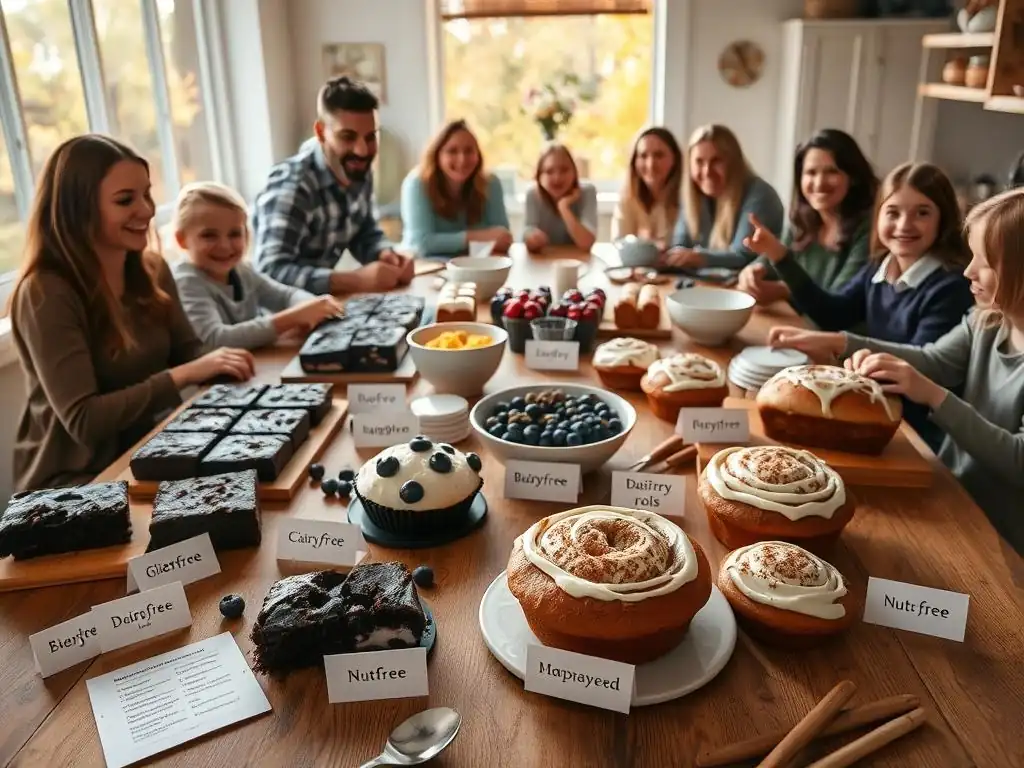
Effective planning is the cornerstone of successful dietary-inclusive baking for large gatherings. Once you know your guests' needs, you can strategically choose recipes that maximize inclusivity and minimize complexity. Aim for a menu where a few key items cover multiple dietary requirements. For instance, a vegan and gluten-free chocolate cake can satisfy guests avoiding dairy, eggs, and gluten.
Consider the types of baked goods that are generally easier to adapt. Muffins, cookies, and quick breads are often more forgiving when substituting ingredients than delicate pastries or complex yeast breads. Focusing on easy dietary gathering baking recipes that are known to scale well will save you time and reduce potential issues when baking larger quantities.
Balancing Flavor and Dietary Needs in Group Baking
The primary goal is to ensure that dietary-friendly baked goods are just as delicious and appealing as their traditional counterparts. This requires selecting recipes and substitutes that maintain excellent flavor and texture. For instance, using high-quality vegan butter alternatives that mimic the taste and performance of dairy butter is crucial for rich cookies and pastries. Similarly, choosing a gluten-free flour blend that doesn't impart a strong off-flavor is key for cakes and muffins.
Don't be afraid to enhance flavors naturally. Citrus zest, vanilla extract, spices like cinnamon and cardamom, and natural fruit purées can add depth and complexity to dietary-friendly bakes. For example, incorporating orange zest into a gluten-free, dairy-free muffin recipe brightens the flavor profile considerably. Many easy dietary gathering baking recipes are designed with robust flavors to ensure they are crowd-pleasers regardless of dietary status.
Selecting Ingredients That Cater to Multiple Diets
Choosing ingredients wisely can significantly simplify dietary baking for large groups. Stocking up on versatile staples like a good all-purpose gluten-free flour blend, plant-based butter, various non-dairy milks, and a reliable egg replacer allows you to adapt many standard recipes or use easy dietary gathering baking recipes without needing a pantry full of obscure items.
Look for ingredients that are naturally free from common allergens. For example, using olive oil or coconut oil instead of butter can make a recipe dairy-free. Opting for rice or oat flour (certified gluten-free) can address gluten needs. When purchasing ingredients like chocolate chips or sprinkles, always check labels to ensure they are free from dairy, nuts, or other relevant allergens based on your guests' needs. Buying in slightly larger quantities of these specific ingredients can also be more cost-effective for baking for a crowd.
Tips for Scaling Dietary-Friendly Recipes for Large Quantities
Scaling recipes designed for dietary needs requires careful attention, as ingredient ratios can sometimes behave differently in larger batches compared to standard recipes. Start with easy dietary gathering baking recipes that are known to be stable and reliable. When multiplying a recipe, it's generally best to scale ingredients proportionally. However, leavening agents (baking soda and powder) and spices sometimes need slight adjustments; they might not require a perfect linear increase.
Baking time and temperature may also need adjustment when baking larger quantities or multiple trays simultaneously. Ovens can have hot spots, so rotating trays is important for even baking. If a recipe calls for creaming butter and sugar, ensure your larger quantity is mixed thoroughly. Using a stand mixer is often essential for scaling recipes for large groups. Test a small batch first if you're unsure about scaling a particular easy dietary gathering baking recipe significantly.
Top Easy Dietary Gathering Baking Recipes for Large Occasions
Having a collection of reliable, easy dietary gathering baking recipes is invaluable when hosting large events. These recipes are designed to be forgiving, adaptable, and yield consistent results even when made in larger quantities. Focusing on crowd-pleasing favorites that naturally lend themselves to dietary modifications simplifies your baking process considerably.
This section highlights types of baked goods that are particularly well-suited for adaptation and scaling, providing categories where you can find numerous easy dietary gathering baking recipes to add to your repertoire. From simple breads to delightful desserts, there are options to satisfy nearly every palate and dietary requirement.
Simple Gluten-Free Bread and Pastry Recipes
Gluten-free bread can be notoriously tricky, but focusing on quick breads or simpler loaf recipes developed specifically for gluten-free flours can be successful for gatherings. Consider baking a large gluten-free focaccia seasoned with herbs, which is often quite forgiving and makes a substantial contribution to a savory spread. Gluten-free muffins and scones are also excellent choices, as their structure is less reliant on gluten development.
For pastries, look for easy dietary gathering baking recipes for gluten-free fruit crumbles or crisps, which use a simple topping of gluten-free flour, oats (certified GF), sugar, and butter substitute over fruit. These are naturally easier to make in large quantities and are generally well-loved. A simple gluten-free shortbread or cookie can also be baked in bulk and stored easily.
Many standard cake and cookie recipes translate beautifully into dairy-free versions with simple substitutions. A classic dairy-free chocolate cake made with oil or vegan butter and non-dairy milk is often indistinguishable from its dairy counterpart and can be baked as a large sheet cake or numerous cupcakes. Dairy-free sugar cookies or chocolate chip cookies using vegan butter are also straightforward to make in large batches.
Look for easy dietary gathering baking recipes that are naturally moist, as dairy substitutes can sometimes affect texture. Recipes using applesauce, bananas, or vegetable oil tend to stay moist. Baking a large batch of dairy-free brownies is another excellent option; they are easy to scale and always popular.
Nut-Free Muffins and Quick Breads for Gatherings
Muffins and quick breads (like banana bread or zucchini bread) are ideal for nut-free baking as they rarely require nuts for structure or flavor. Simply omit any nuts listed in a standard recipe and ensure all other ingredients (like chocolate chips or dried fruit) are certified nut-free.
These items are easy to make in large quantities using standard loaf pans or muffin tins. They are also convenient for guests to grab and eat. Focus on easy dietary gathering baking recipes for simple fruit muffins (blueberry, apple cinnamon) or plain quick breads that are inherently safe for those with nut allergies, provided you maintain a nut-free environment during preparation.
Vegan Desserts and Savory Bakes Perfect for Many Guests
Vegan baking offers a wide range of possibilities for large gatherings. Simple vegan cookie recipes (often relying on oil or vegan butter and a binder like applesauce) can be made in vast quantities. Vegan brownies, often using oil and cocoa powder, are also very popular and easy to scale.
For something more substantial, consider a large vegan fruit tart with a simple press-in crust or a sheet pan vegan cobbler. Savory vegan options like focaccia (often naturally vegan) or savory muffins (using vegetable oil and non-dairy milk) can also be great additions. Many easy dietary gathering baking recipes for vegan treats are designed to be robust and reliable, making them perfect for feeding a crowd.
Techniques to Simplify Dietary Baking for Large Gatherings
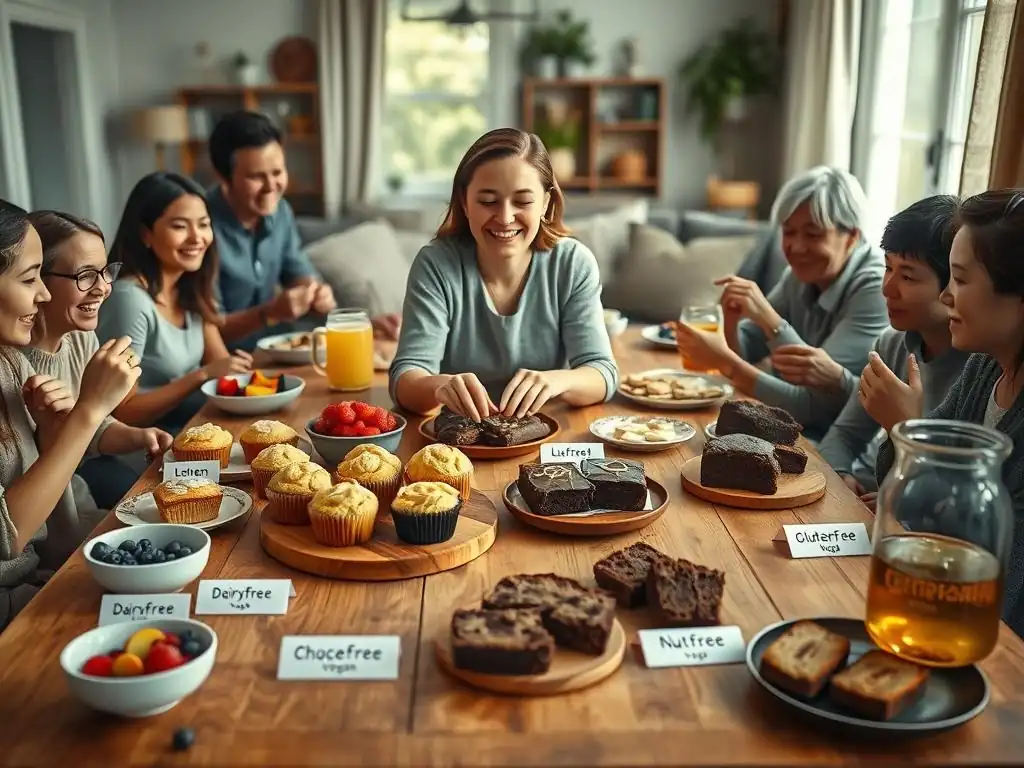
Beyond choosing the right easy dietary gathering baking recipes, employing efficient techniques is crucial when baking for large groups with dietary needs. Streamlining your process helps manage the increased volume and complexity. This includes optimizing mixing methods, confidently using substitutes, and implementing time-saving strategies.
Approaching the task methodically, perhaps by preparing different dietary batches on separate days or organizing ingredients clearly for each recipe, can prevent errors and reduce stress. The goal is to make the process feel manageable, even when baking multiple items or large quantities.
Efficient Mixing and Preparation Methods for Dietary Recipes
When scaling up easy dietary gathering baking recipes, using a stand mixer is highly recommended for thorough and efficient mixing, especially for batters and doughs. For dry ingredients, weighing them provides more accuracy than volume measurements, which is particularly important in gluten-free baking where flour blends can vary. Sift dry ingredients together in a large bowl before adding wet ingredients to ensure even distribution of leavening agents and salt.
Prepare ingredients in advance where possible. Measure out dry ingredients for multiple batches or recipes at once. Chop fruits or vegetables needed for savory bakes or fillings ahead of time. For recipes requiring melted butter or chocolate, melt larger quantities at once. Organizing ingredients mise en place for each recipe, even for large batches, helps prevent omissions and ensures a smoother process.
Using Substitutes Without Compromising Taste or Texture
Successfully using substitutes in easy dietary gathering baking recipes for large groups relies on understanding how different ingredients function. For example, when replacing eggs, consider the egg's role: binding (flax egg, commercial replacer), leavening (aquafaba whipped like meringue), or moisture/richness (applesauce, banana). Using the appropriate substitute for the specific recipe context is key.
For fats, vegan butter alternatives vary in fat content and composition. Some are better for creaming (like dairy butter), while others are best for melting. Experimenting slightly with different brands or types of substitutes in smaller test batches before committing to a large quantity can save disappointment. Relying on tested easy dietary gathering baking recipes that already incorporate these substitutes is the most reliable approach for large-scale baking.
Time-Saving Tips for Baking Multiple Dietary-Friendly Items
Baking for a large gathering with multiple dietary needs requires smart time management. Plan your baking schedule by grouping recipes that use similar ingredients or require similar oven temperatures. For instance, bake all your nut-free items first, then move on to gluten-free, and finally vegan, to minimize cross-contamination risks.
Prepare doughs or batters that can be made ahead of time and refrigerated or frozen. Many cookie doughs, muffin batters (stored separately from leavening), and some quick bread batters can be prepped a day or two in advance. Bake items that store well (like cookies, muffins, or quick breads) first, as they can be made several days ahead of the event. Utilize multiple oven racks and timers to bake different items simultaneously, provided their temperature requirements are compatible. Focusing on easy dietary gathering baking recipes that have minimal steps or short baking times naturally saves time.
Presentation and Serving Tips for Dietary Baking at Large Events
Presenting dietary-friendly baked goods clearly and attractively is just as important as baking them well, especially at large gatherings. Clear labeling is paramount for guest safety and peace of mind. Thoughtful serving strategies ensure everyone can easily access and enjoy the options available to them.
Creating a dedicated area for dietary items can also help prevent accidental cross-contamination during serving. Making these items look appealing ensures they are seen as desirable treats, not just "alternative" options.
Labeling and Displaying Dietary-Friendly Baked Goods Clearly
Clear and accurate labeling is non-negotiable when serving baked goods catering to specific dietary needs at a large gathering. Use small cards or tags placed directly in front of or on the serving platter for each item. Labels should clearly state the dietary nature of the baked good, e.g., "Gluten-Free Brownies," "Dairy-Free Chocolate Chip Cookies," "Nut-Free Muffins," "Vegan Cupcakes."
Consider listing key allergens or restrictions addressed, such as "Contains No Wheat, Dairy, or Eggs" for a vegan, gluten-free item. Place these labeled items on separate platters or stands from traditional baked goods to avoid confusion and potential cross-contamination by serving utensils. This simple step is vital for guest safety and allows individuals to easily identify options suitable for their needs.
Portioning Strategies to Accommodate Dietary Restrictions Easily
Portioning dietary-friendly baked goods in a way that is easy for guests to take and helps manage quantities is helpful. For large gatherings, individual servings like cupcakes, muffins, or pre-sliced bars and brownies are often the most convenient. This also helps ensure that guests with specific needs can easily take a single item without potentially contaminating the rest of a larger cake or loaf.
If serving a larger item like a sheet cake, pre-slice it entirely before serving and arrange the slices neatly. For items like cookies, arrange them on platters with serving tongs dedicated solely to that platter. Having slightly more generous portions of the dietary options can be wise, as guests often appreciate having a choice, and the exact number of guests with specific needs might fluctuate slightly. Using easy dietary gathering baking recipes that yield uniform portions simplifies this step.
Troubleshooting Common Challenges in Dietary Gathering Baking

Even with careful planning and reliable easy dietary gathering baking recipes, challenges can arise when baking for large groups with dietary needs. Common issues include preventing cross-contamination, managing the availability and cost of specialized ingredients, and ensuring consistent results when scaling recipes. Anticipating these challenges and having strategies in place can help you navigate them smoothly.
Addressing these potential pitfalls proactively ensures that your dietary-friendly baked goods are not only safe but also consistently delicious, contributing positively to the success of your large gathering.
Avoiding Cross-Contamination in Large-Scale Baking
Preventing cross-contamination is critical, especially with severe allergies like nut or gluten sensitivities. Designate specific workspaces, utensils, and equipment for dietary baking whenever possible. If shared equipment must be used, clean it thoroughly beforehand. For example, if using a stand mixer for both regular and gluten-free batters, mix the gluten-free batch first after meticulous cleaning.
Use separate measuring cups and spoons, mixing bowls, and baking sheets for different dietary needs. Store specialized ingredients (like gluten-free flour or nut-free chocolate chips) in clearly labeled, airtight containers away from potential contaminants. Bake dietary-specific items first in a clean oven before baking traditional items. These precautions, though they add a few steps, are essential for guest safety when using easy dietary gathering baking recipes.
Managing Ingredient Availability for Special Diets
Sourcing ingredients for specific dietary needs can sometimes be challenging or more expensive than conventional ingredients. Plan your menu well in advance to allow ample time to find and purchase necessary items like specific gluten-free flour blends, vegan butter brands, or nut-free chocolate. Check local grocery stores, health food stores, or online retailers. Buying in slightly larger quantities might sometimes offer cost savings per unit.
If a specific ingredient is difficult to find, research reliable substitutes or consider slightly altering the recipe if it won't compromise the outcome. Relying on easy dietary gathering baking recipes that use widely available substitutes can mitigate this challenge. Don't hesitate to ask guests with specific dietary needs if they have recommendations for where they source their preferred ingredients.
Adjusting Recipes for Consistent Results in Bulk Baking
Scaling easy dietary gathering baking recipes from a standard yield to a large quantity can sometimes affect the final texture or baking time. Factors like increased volume impacting leavening effectiveness or differences in heat distribution in a crowded oven come into play. If possible, bake a test batch of a significantly scaled recipe beforehand to identify potential issues.
Pay close attention during the baking process. Large batches might require slightly longer baking times, but watch carefully to avoid over-baking. Rotate trays in the oven for even cooking. For batters, ensure all ingredients are evenly incorporated when mixing larger volumes. Sometimes, slightly reducing leavening agents or adjusting liquid content is necessary when scaling certain types of recipes, though this is less common with well-formulated easy dietary gathering baking recipes designed for adaptability.
Conclusion: Mastering Easy Dietary Gathering Baking Recipes for Successful Large Events
Baking for large gatherings with diverse dietary needs is a thoughtful way to ensure all your guests feel welcomed and cared for. While it requires extra planning and attention to detail, focusing on easy dietary gathering baking recipes designed for adaptability and scale makes the process manageable and rewarding. By understanding common restrictions, utilizing smart planning and techniques, and clearly labeling your creations, you can confidently provide delicious and safe baked goods for everyone.
Embracing the challenge of inclusive baking allows you to expand your skills and create a truly memorable experience for your guests. The effort invested in catering to dietary needs speaks volumes about your hospitality and makes your large gathering a truly inclusive celebration.
Encouragement to Experiment with Inclusive Baking Solutions
Don't be intimidated by dietary restrictions. View them as an opportunity to explore new ingredients, techniques, and easy dietary gathering baking recipes. Many dietary-friendly bakes are incredibly delicious in their own right and might even become new favorites for all your guests. Start with simple adaptations of recipes you already know and love, or try a few new, specifically designed easy dietary gathering baking recipes.
The baking community is full of resources, tips, and recipes for various dietary needs. With a little practice and a willingness to experiment, you'll find that creating delicious, inclusive baked goods for large gatherings becomes a natural and enjoyable part of your hosting experience.
Final Tips for Stress-Free and Enjoyable Dietary Baking at Scale
To keep the process stress-free, plan thoroughly, prepare in stages, and don't try to do everything at the last minute. Break down the baking tasks over a few days leading up to the event. Focus on selecting a few key easy dietary gathering baking recipes that meet the majority of your guests' needs rather than trying to bake something for every single possible restriction.
Most importantly, remember that your guests will appreciate the effort you've made to include them. The warmth and hospitality you show by providing safe and delicious options are what truly make your large gathering a success. Enjoy the process of baking and sharing your creations!
Frequently Asked Questions
What are some common dietary restrictions to consider when baking for a large gathering?
Common restrictions include gluten-free, dairy-free, vegan, and nut-free. It's essential to ask your guests about their dietary needs beforehand.
Where can I find "Easy dietary gathering baking recipes" that cater to multiple dietary restrictions?
Websites like BakeWithEase.com, and recipe aggregators often offer recipes tagged with specific dietary labels. You can also search for "allergy-friendly baking".
How can I modify a standard baking recipe to accommodate dietary restrictions without sacrificing taste?
Ingredient substitutions are key. For example, applesauce can replace eggs, and gluten-free flour blends can replace wheat flour. Experimentation is crucial for achieving the desired flavor and texture.
What are some simple "Easy dietary gathering baking recipes" suitable for large groups with dietary needs?
Consider large-batch cookies using gluten-free flour and dairy-free chocolate chips. Muffins can also be easily adapted to be vegan and nut-free. Simplicity ensures efficiency.
How important is clear labeling when serving baked goods at a gathering with dietary restrictions?
Clear labeling is absolutely critical to avoid accidental consumption of allergens. Label each dish with its ingredients and any potential allergens. Preventing allergic reactions is paramount.
Final Reflection: The Sweetness of Inclusion
Baking for diverse dietary needs isn't just a trend; it's a fundamental shift towards creating truly inclusive gatherings. No longer should anyone feel excluded from the joy of sharing delicious treats. This article has highlighted simple, adaptable recipes that make accommodating various dietary restrictions—from gluten-free and vegan to dairy-free and nut-free—achievable for everyone.
The impact of this shift is profound. It's about more than just food; it's about fostering a sense of belonging and demonstrating genuine care for others. Food is symbolic of love when words are inadequate.
This quote perfectly encapsulates the power of inclusive baking, transforming a simple act into a powerful expression of consideration and respect. By embracing these adaptable recipes, we move beyond mere tolerance to a place of genuine celebration of diversity.
Now, I challenge you to consider your next gathering. Will you continue to bake with the same limitations, or will you embrace the opportunity to create a truly welcoming and delicious experience for everyone? Try one of the recipes outlined in this article, and experience the joy of sharing something special with all your loved ones, regardless of their dietary needs. Let's bake a better future, one inclusive gathering at a time.
Unleash Your Inner Baking Superhero!
Thanks for taking the time to explore simple solutions for baking at large gatherings while accommodating dietary needs! We hope you feel empowered to create delicious treats for everyone. Now, let's put that knowledge into action:
- Craft your ultimate inclusive baking menu: Start planning your next gathering's menu, considering the dietary needs of your guests and using the tips from this article. Don't be afraid to experiment with new recipes and substitutions!
- Share your baking triumphs (and challenges!): Tell us about your experiences adapting recipes for dietary restrictions. We'd love to hear your success stories (and learn from any hiccups!) in the comments below.
- Explore our recipe collection: Dive deeper into our extensive library of recipes specifically designed for various dietary needs.
What unique dietary-friendly dessert will you bake next?