
Understanding Foodborne Illness: What Home Bakers Must Know

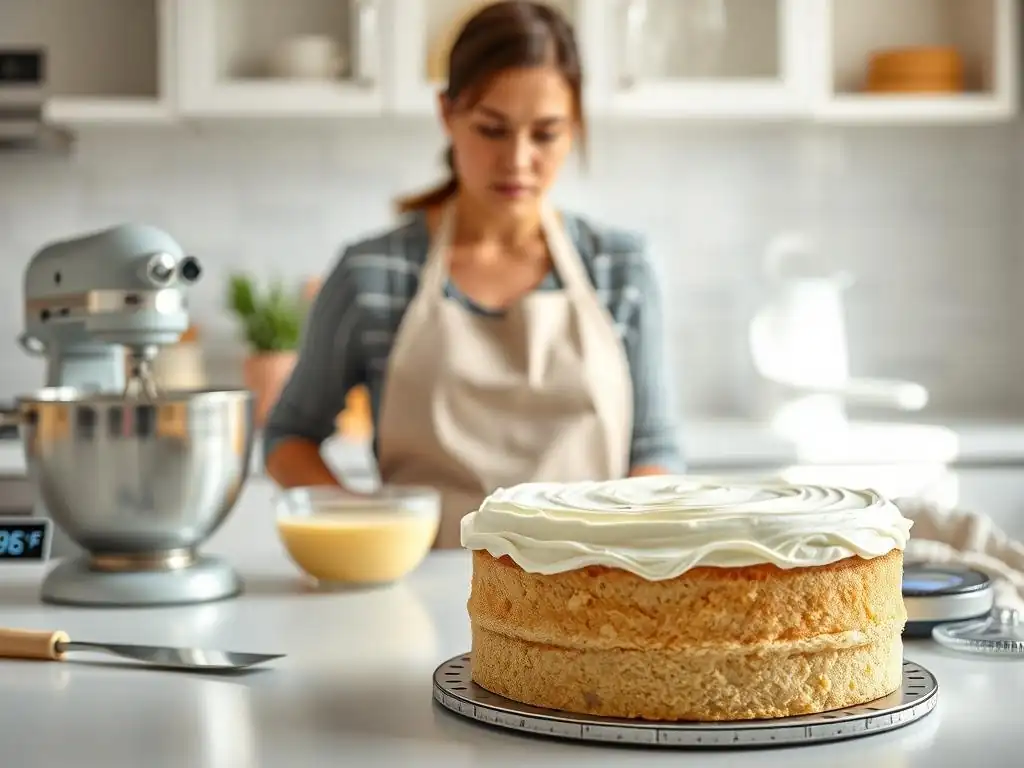
Welcome to BakeWithEase, where every recipe is a journey to baking bliss! Ever wondered if your delicious creations could unknowingly harbor hidden dangers? This article delves into the essential topic of foodborne illness baking safety, providing crucial insights for home bakers, especially those considering turning their passion into a business. Discover how to protect yourself and your customers – read on to unlock the secrets to safe and scrumptious baking!
What is Foodborne Illness? Understanding the Risks
Defining Foodborne Illness: Causes and Symptoms
Foodborne illness, often referred to as food poisoning, is a common public health issue resulting from consuming food or beverages contaminated with harmful bacteria, viruses, parasites, or toxins. For home bakers, understanding these risks is the foundation of ensuring foodborne illness baking safety. The symptoms can vary widely depending on the specific contaminant but frequently include nausea, vomiting, diarrhea, abdominal cramps, and fever. These symptoms can appear within hours or even days after consuming contaminated food.
While many cases of foodborne illness are mild and resolve on their own, some can be severe, leading to dehydration, kidney failure, or even death, particularly in vulnerable populations. The Centers for Disease Control and Prevention (CDC) estimates that each year roughly 1 in 6 Americans (48 million people) gets sick from foodborne diseases, 128,000 are hospitalized, and 3,000 die. This highlights the critical need for diligence in all food preparation, including baking, to minimize the risk to consumers.
Common Pathogens in Baking: Bacteria, Viruses, and Parasites
Several types of pathogens can find their way into baked goods if proper foodborne illness baking safety measures aren't followed. Bacteria like Salmonella are commonly associated with raw eggs, a staple in many baking recipes. E. coli, while often linked to ground beef, can contaminate flour during processing or be transferred through cross-contamination from other sources. Staphylococcus aureus can be introduced through improper handling from skin or nasal passages and can produce heat-resistant toxins if foods are left at unsafe temperatures.
Viruses, such as Norovirus, are highly contagious and typically spread through poor hygiene, often by an infected food handler who doesn't wash their hands properly after using the restroom. While less common in standard baked goods made with heat (which often inactivates viruses), they are a risk for fillings, toppings, or items that require significant post-baking handling.
Parasites are less frequently associated with common baking ingredients but could be a concern if using contaminated water or fresh produce (like berries for a pie filling) that hasn't been properly washed. Understanding these specific culprits helps home bakers focus their preventive efforts.
Understanding the Risks: Who is Most Vulnerable?
While anyone can experience foodborne illness, certain groups are at a significantly higher risk of developing severe symptoms or complications. These vulnerable populations include young children (especially those under five), older adults (over 65), pregnant women, and individuals with weakened immune systems. Immune deficiencies can be caused by underlying health conditions like diabetes, liver or kidney disease, HIV/AIDS, or medical treatments such as chemotherapy or radiation therapy.
For these individuals, a bout of food poisoning isn't just uncomfortable; it can lead to serious health crises requiring hospitalization. Their bodies may not be able to fight off the pathogens as effectively, or they may be more susceptible to severe dehydration or organ damage. As home bakers providing goods to the public, understanding that your customers may include members of these vulnerable groups underscores the ethical imperative and business necessity of rigorous foodborne illness baking safety practices. Protecting these individuals is paramount.
Frequently Asked Questions
How can I prevent Salmonella when baking with raw eggs?
Salmonella is a serious concern. To reduce risk, always use pasteurized eggs or cook your baked goods to a safe internal temperature. Avoid tasting raw batter containing eggs.
What is E. coli and how does it relate to baking?
While E. coli is more commonly associated with produce and meat, it can contaminate flour. Always wash your hands thoroughly after handling raw flour and before preparing food.
What are some common symptoms of foodborne illness?
Common symptoms include nausea, vomiting, diarrhea, and stomach cramps. Symptoms can appear within hours or days after consuming contaminated food.
How important is proper handwashing in baking safety?
Handwashing is crucial! Washing your hands with soap and water for at least 20 seconds removes harmful bacteria that can cause foodborne illness.
What is cross-contamination and how can I avoid it while baking?
Cross-contamination occurs when bacteria spread from one food to another. Use separate cutting boards and utensils for raw and cooked ingredients to prevent it.
Final Reflection: Baking with Care: A Legacy of Safety
The fight against foodborne illness isn't just about avoiding a stomach ache; it's about protecting the health and well-being of our communities. A single instance of contaminated food can have devastating consequences, highlighting the critical need for vigilance and knowledge in all aspects of food preparation, especially in the increasingly popular world of home baking. This knowledge isn't just a matter of following recipes; it's a responsibility we all share.
The impact of foodborne illness extends far beyond individual discomfort. It touches upon our cultural traditions, family gatherings, and the very act of sharing food – a fundamental aspect of human connection. Food is symbolic of love when words are inadequate.
This quote underscores the importance of ensuring our food is safe, not just for ourselves, but for everyone we share it with. The responsibility of safe food handling transcends personal preference; it's about protecting the health and happiness of those we care about. The ongoing education and awareness surrounding food safety are crucial to maintaining this trust and ensuring the joy of food remains unmarred by illness.
Now, consider your own baking practices. Are you confident in your knowledge of food safety protocols? This article served as a starting point, but the journey towards mastering safe baking practices is ongoing. Take the time to review the key points, revisit the resources provided, and actively seek out further information. By embracing a culture of food safety in your kitchen, you not only protect yourself and your loved ones but also contribute to a healthier and happier community. Let's bake with care, and let's bake safely.
Ready to Bake with Confidence?
Thanks for taking the time to learn about food safety! You've now got the knowledge to create delicious and safe treats for yourself and others. Let's put this new understanding into action:
- Prioritize your food safety checklist: Download our free printable checklist to keep handy in your kitchen—a simple, yet powerful way to prevent foodborne illnesses. It’s quick and easy.
- Share your newfound knowledge: Discuss this information with fellow baking enthusiasts – let's build a safer baking community!
- Explore advanced food safety techniques: Dive deeper into specific practices related to your favorite recipes using online resources.
What’s one food safety practice you’re most excited to implement in your next baking project?