
Communicating Food Safety: Building Trust with Your Customers

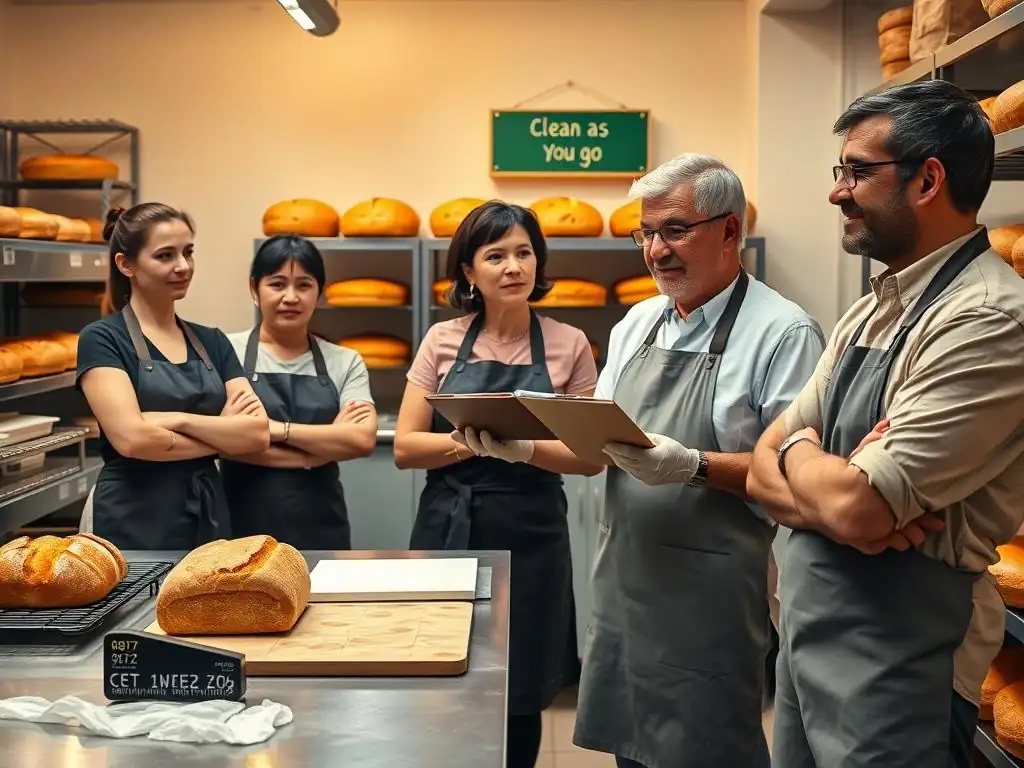
Welcome to BakeWithEase, your trusted companion in the baking journey! Ever wondered how to not only create delightful treats but also ensure the highest standards of safety, building unwavering trust with your customers? This article delves into the essential world of food safety training for bakers, providing crucial insights that go beyond the oven. Are you ready to learn how communicating food safety can transform your home baking business? Let's get started!
- Why Food Safety Communication Matters for Home Bakers
- Essential Elements of Food Safety Training for Bakers
- Key Strategies for Communicating Food Safety to Your Customers
- Proactive Communication: Addressing Concerns Before They Arise
- Reactive Communication: Responding to Customer Inquiries and Concerns
- Leveraging Online Platforms for Food Safety Communication
- Building a Reputation for Food Safety Excellence
- Food Safety Training Resources for Home Bakers
- Measuring the Impact of Your Food Safety Communication
- Conclusion: Food Safety as a Cornerstone of Your Home Baking Business
-
Frequently Asked Questions
- What is the primary goal of "Communicating Food Safety: Building Trust with Your Customers" on BakeWithEase.com?
- Why is food safety training so important for bakers, according to BakeWithEase?
- How does BakeWithEase recommend bakers demonstrate their commitment to food safety?
- What are some common food safety hazards that bakers should be aware of, as discussed on BakeWithEase?
- Where can bakers find more information about food safety training options mentioned on BakeWithEase.com?
- Final Reflection: Baking Trust, One Safe Loaf at a Time
- Unlock Your Bakery's Potential: Build Unwavering Customer Trust!
Why Food Safety Communication Matters for Home Bakers
The Importance of Food Safety in Home Baking Businesses
For a home baking business, maintaining rigorous food safety standards isn't just a regulatory requirement; it's the foundation of your reputation and success. Unlike larger commercial bakeries with dedicated quality control teams, home bakers often handle every step of the process, from sourcing ingredients to packaging the final product. This means the responsibility for preventing foodborne illnesses falls squarely on your shoulders. A single incident, even a minor one like a customer getting an upset stomach, can spread quickly through word-of-mouth or online reviews, potentially devastating your business.
Consider the statistics: according to the CDC, approximately 1 in 6 Americans get sick from foodborne diseases each year. While many cases are mild, some can be severe, leading to hospitalization or even death. For a small business, a food safety lapse can result in significant financial losses, legal issues, and irreparable damage to customer trust.
Investing in comprehensive food safety training for bakers is not merely an expense but a vital investment in the longevity and ethical operation of your business. It ensures that you are equipped to handle ingredients safely, bake at correct temperatures, and store products to prevent spoilage and contamination.
Building Customer Trust Through Open Communication
Transparency about your food safety practices is a powerful tool for building trust with your customers. In an era where consumers are increasingly concerned about where their food comes from and how it's handled, openly sharing your commitment to safety sets you apart. This can involve details about your kitchen cleanliness protocols, ingredient sourcing, or even the specific food safety training for bakers you have completed.
When customers know that you prioritize their well-being, they are more likely to feel confident purchasing from you repeatedly. For example, you might mention that you follow local health department guidelines rigorously, or that you've completed specific food safety certifications. This proactive communication helps alleviate potential concerns and demonstrates a professional approach to your craft. It transforms food safety from a hidden process into a visible commitment, fostering a stronger relationship with your clientele and encouraging loyalty.
Common Food Allergens: Addressing Customer Anxieties
Baking often involves ingredients that are common allergens, such as wheat, dairy, eggs, nuts, and soy. For customers with allergies, ordering baked goods can be a source of significant anxiety. Providing clear, accurate, and easily accessible information about allergens used in your kitchen is not just good practice; it can be life-saving. Many customers rely entirely on the information you provide to make safe choices for themselves or their family members.
It's estimated that up to 32 million Americans have food allergies, including 5.6 million children. Milk, eggs, peanuts, tree nuts, soy, and wheat are among the most common. Clearly listing ingredients for each product and being prepared to answer specific questions about potential cross-contamination is crucial. While it may be challenging for a home kitchen to guarantee a completely allergen-free environment, honest communication about your processes and the steps you take to minimize risks (like cleaning surfaces thoroughly or using separate equipment) is essential. Comprehensive food safety training for bakers often includes modules specifically on allergen management and prevention.
Essential Elements of Food Safety Training for Bakers
Understanding Basic Food Safety Principles
At the heart of effective food safety lies a solid understanding of fundamental principles. This includes concepts like controlling time and temperature for perishable ingredients and finished products. The "danger zone," generally considered to be between 40°F (4°C) and 140°F (60°C), is a critical range where bacteria multiply rapidly. Knowing how quickly food can become unsafe if left in this zone (often cited as within two hours) is vital for safe storage, cooling, and handling.
Equally important is the principle of preventing cross-contamination. This involves keeping raw ingredients separate from ready-to-eat items, using separate cutting boards and utensils for different tasks (or cleaning and sanitizing them thoroughly between uses), and ensuring food handlers practice excellent personal hygiene. Proper handwashing, for instance, is one of the single most effective ways to prevent the spread of germs. These basic principles form the bedrock of any effective food safety training for bakers and must be diligently applied in the kitchen every day.
Identifying Potential Food Safety Hazards in Your Bakery
Running a home baking business means being vigilant about identifying potential hazards that could compromise food safety. These hazards can be broadly categorized as biological, chemical, and physical. Biological hazards include bacteria (like Salmonella or E. coli), viruses, and parasites, often introduced through raw ingredients, pests, or improper handling. For example, using undercooked eggs or handling raw meat and then touching baking ingredients without washing hands can introduce harmful bacteria.
Chemical hazards can come from cleaning supplies, pesticides, or even certain types of packaging materials if not used correctly. Storing cleaning products away from food and food contact surfaces is a simple yet critical step. Physical hazards are foreign objects that can accidentally get into food, such as glass shards, metal fragments, hair, or even plastic pieces. Implementing practices like wearing hair restraints, regularly inspecting equipment, and using proper storage containers are key to minimizing these risks. Effective food safety training for bakers teaches you how to spot these potential dangers in your specific kitchen environment.
Implementing Effective Food Safety Practices
Translating food safety knowledge into daily practice is essential. This involves establishing clear procedures for various tasks. For example, developing a schedule for cleaning and sanitizing all surfaces, equipment, and utensils is crucial. Sanitizing, which reduces harmful microorganisms to safe levels, is different from cleaning and requires specific sanitizing solutions or high heat.
Proper storage techniques are also critical. Dry ingredients should be stored in airtight containers away from moisture and pests. Perishable items like dairy, eggs, and fillings containing cream or meat should be stored at appropriate refrigerated temperatures (below 40°F / 4°C). Understanding how to properly cool baked goods or fillings for storage is also vital – rapid cooling through methods like using an ice bath or shallow containers can prevent bacterial growth. These practical steps, reinforced through consistent application and potentially through dedicated food safety training for bakers, ensure the safety of your products from start to finish.
Key Strategies for Communicating Food Safety to Your Customers
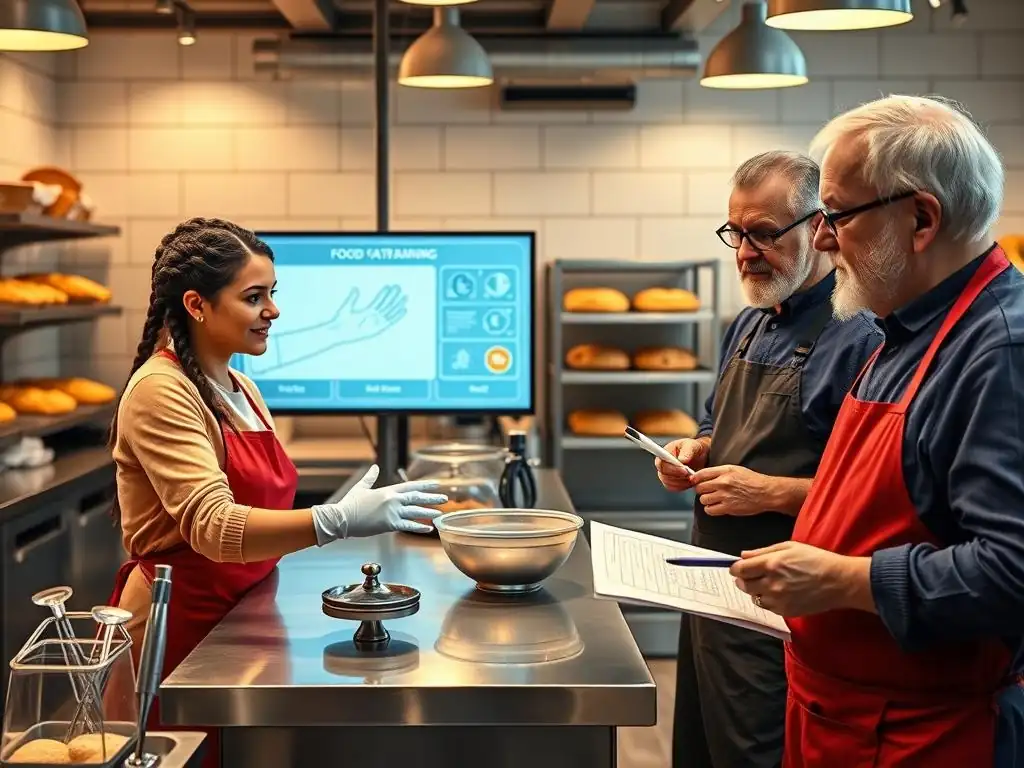
Transparency and Openness: Sharing Your Food Safety Practices
Being transparent about your food safety practices builds significant goodwill and trust with customers. Don't be shy about sharing the steps you take to ensure the safety of your baked goods. This could involve mentioning that you follow local health department guidelines, that you've completed relevant food safety training for bakers, or that you maintain a meticulously clean kitchen environment.
Consider sharing details about how you source ingredients (e.g., from reputable suppliers), your handwashing protocols, or how you prevent cross-contamination, especially if you handle allergens. This kind of openness makes your customers feel valued and secure in their purchase. A simple statement like, "We prioritize food safety and cleanliness in our kitchen, adhering to best practices for home-based food businesses," can go a long way in reassuring potential buyers.
Clearly Displaying Allergen Information
For home bakers, clearly communicating allergen information is non-negotiable. This goes beyond simply listing ingredients. Customers need to know if products contain or may have come into contact with common allergens like peanuts, tree nuts, milk, eggs, soy, or wheat. This information should be easily accessible, whether on your website, a menu, or directly on product labels.
One effective method is to use clear icons or bold text to highlight allergens. For items made without a specific allergen (e.g., "Gluten-Free Cookies"), it's also important to state if they are made in a kitchen that also processes that allergen, to manage expectations regarding potential cross-contamination. According to the FDA, the top 8 food allergens account for about 90% of all food allergic reactions in the U.S. Providing accurate information empowers customers with allergies to make safe choices.
Utilizing Labels and Signage for Food Safety Awareness
Effective labeling and signage are practical tools for communicating food safety information directly to your customers at the point of sale or delivery. Product labels should not only list ingredients but also clearly identify potential allergens. You might use a statement like, "Contains: Wheat, Eggs, Milk" or "May Contain Traces of Nuts."
If you have a physical pickup location or participate in farmers' markets, consider displaying signage that highlights your commitment to food safety, your cleaning protocols, or information about common allergens present in your products. This visual reinforcement serves as a constant reminder of your dedication to providing safe food and can prompt customers with concerns to ask questions. Clear, concise communication through labels and signs enhances customer confidence and demonstrates professionalism.
Proactive Communication: Addressing Concerns Before They Arise
If your local regulations require a food handler's permit or cottage food operation license, sharing this information with your customers is an excellent way to build trust proactively. This demonstrates that you have met specific legal requirements and have likely received some level of formal instruction in food safety. While requirements vary by location, many states or counties mandate basic food safety training for bakers operating from home.
Displaying a copy of your permit (if applicable and allowed) on your website or at your pickup location provides tangible proof of your commitment to operating legally and safely. Even if a permit isn't strictly required where you are, mentioning that you voluntarily follow similar guidelines or have completed relevant training shows initiative and dedication to high standards.
Emphasizing Safe Ingredient Sourcing
The safety of your final product begins with the quality and handling of your ingredients. Communicating that you source ingredients responsibly can reassure customers. This might involve stating that you purchase from reputable suppliers, use pasteurized eggs, or choose high-quality, fresh produce.
For instance, mentioning that you use ethically sourced chocolate or locally milled flour not only highlights quality but can also imply a level of care that extends to safety. While you don't need to list every supplier, a general statement about prioritizing fresh, high-quality ingredients handled with care adds another layer of confidence for the customer. This links the concept of quality with food safety, reinforcing the value you place on what you sell.
Highlighting Allergen Information and Cross-Contamination Prevention
Beyond just listing allergens, proactively explaining the steps you take to prevent cross-contamination addresses a major concern for customers with severe allergies. Acknowledging the potential for cross-contact in a shared kitchen space, even when making allergen-free items, is a sign of honesty and responsibility.
Explain your procedures: Do you bake allergen-free items first? Do you use separate equipment? How do you clean between batches? For example, you could state, "While we take every precaution to prevent cross-contamination (e.g., dedicated equipment for gluten-free baking), our kitchen processes wheat, nuts, and dairy. Customers with severe allergies should be aware of this risk." This level of detail, often covered in comprehensive food safety training for bakers, manages expectations and helps customers make informed decisions.
Reactive Communication: Responding to Customer Inquiries and Concerns
Customers may have questions about your ingredients, processes, or allergen handling. Responding to these inquiries promptly, accurately, and professionally is crucial. Treat every question seriously, even if it seems minor. Your response reflects your commitment to customer safety and service.
Ensure you have clear, consistent answers prepared for common questions, especially regarding allergens or specific ingredients. If you don't know the answer immediately, commit to finding out and getting back to the customer promptly. Avoid making assumptions or giving vague responses. Honesty is key; if you cannot guarantee a product is free from a certain allergen due to your kitchen setup, state that clearly. This builds trust far more effectively than making false promises.
Responding to Customer Complaints Regarding Food Safety
Receiving a complaint related to food safety can be stressful, but it's vital to handle it with professionalism and empathy. Listen carefully to the customer's concern without becoming defensive. Thank them for bringing the issue to your attention – feedback, even negative, is an opportunity to improve.
Investigate the complaint thoroughly and objectively. Review your processes, ingredients, and records (if you keep them). Communicate the steps you are taking to address the issue and prevent it from happening again. Offering a sincere apology and a resolution (such as a refund or replacement, depending on the situation) shows you value the customer and take their safety seriously. Documenting the incident and your response is also a good practice for future reference and continuous improvement, a practice often emphasized in food safety training for bakers.
Documenting and Addressing Food Safety Incidents
Maintaining records of food safety incidents, customer complaints related to safety, and the steps taken to resolve them is a critical part of a robust food safety system. This documentation helps you identify patterns, pinpoint potential weaknesses in your processes, and demonstrates due diligence if a more serious issue arises.
For each incident, record the date, the nature of the complaint or issue, the product involved, the customer's contact information (if applicable), the investigation steps taken, and the resolution. Regularly reviewing these records allows you to proactively address recurring problems or refine your food safety practices. This systematic approach, often a component of advanced food safety training for bakers, moves you from reactive problem-solving to proactive prevention.
Leveraging Online Platforms for Food Safety Communication
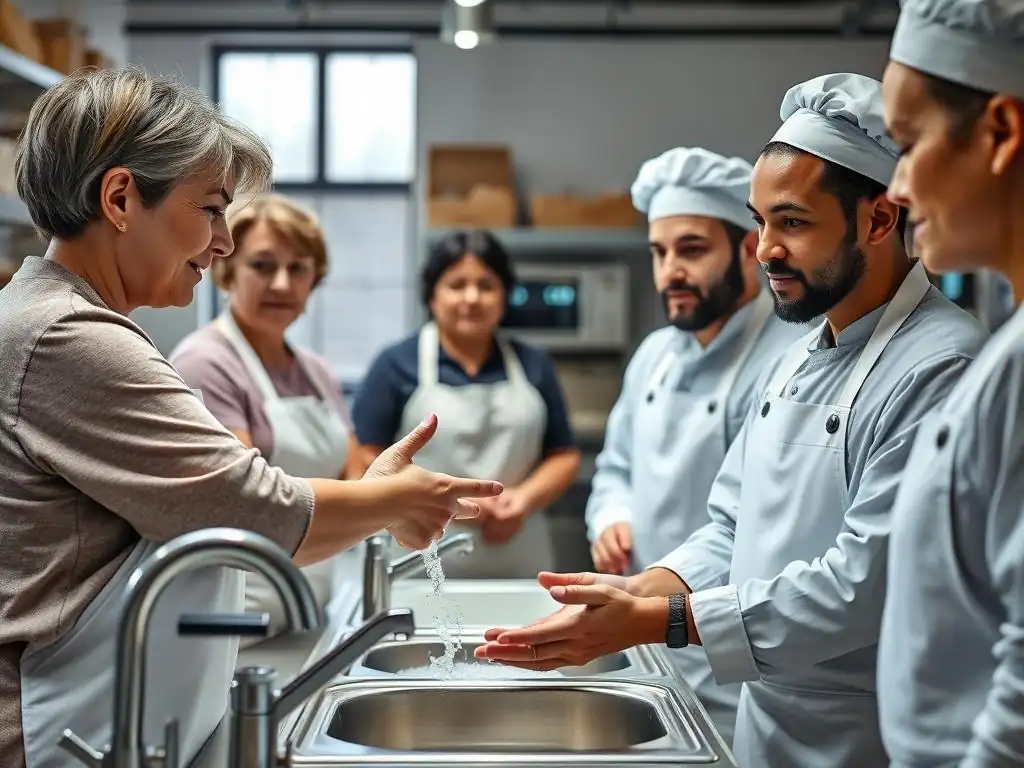
Updating Your Website with Food Safety Information
Your website is often the first place customers look for information about your business. Dedicate a specific section or page to your food safety practices. This is an ideal spot to detail your commitment to cleanliness, ingredient sourcing, allergen handling procedures, and any relevant certifications or training you've completed (like comprehensive food safety training for bakers).
Clearly list ingredients for each product and highlight common allergens. Consider adding an FAQ section to address typical food safety questions. Making this information easily accessible demonstrates transparency and reassures potential customers about the care you put into your products. According to one survey, over 60% of consumers check online for allergen information before purchasing food.
Social media platforms offer a dynamic way to engage with your audience and reinforce your commitment to food safety. Share posts about your cleaning routines, how you store ingredients, your handwashing policy, or even short videos showing your kitchen setup (while protecting your proprietary processes, of course).
You can also share general food safety tips relevant to baking or home cooking, positioning yourself as a knowledgeable and trustworthy source. Use platforms like Instagram, Facebook, or Pinterest to visually communicate your clean workspace and careful handling. This not only educates your audience but also subtly promotes your business's dedication to safety, complementing the more formal information on your website.
Engaging with Customers on Food Safety Topics
Use social media and other online channels to engage in conversations about food safety. Respond to comments and questions about your practices openly and honestly. If a customer asks about an ingredient or allergen, reply publicly (if appropriate and not sharing personal info) or direct them to your website's safety page.
Consider hosting a Q&A session on your social media channel specifically about your food safety protocols or allergen management. This direct interaction builds community and demonstrates that you are approachable and serious about customer well-being. Actively participating in these discussions reinforces your brand's image as one that prioritizes safety, a direct benefit of solid food safety training for bakers.
Building a Reputation for Food Safety Excellence
Maintaining a Clean and Organized Baking Environment
A visibly clean and organized workspace is fundamental to food safety and instills confidence in anyone who sees it (whether in person or through photos/videos). Develop and stick to a strict cleaning schedule for all surfaces, equipment, and storage areas. Regularly deep clean ovens, mixers, and proofers.
Proper organization reduces the risk of cross-contamination and makes it easier to maintain cleanliness. Store ingredients properly labeled and dated. Keep cleaning supplies separate from food items. While customers may not see your kitchen daily, maintaining impeccable standards ensures that every batch you bake meets the highest safety levels, which is the ultimate goal of food safety training for bakers.
Regularly Reviewing and Updating Your Food Safety Practices
Food safety guidelines and best practices can evolve. It's crucial to regularly review and update your own procedures to ensure they align with current recommendations and regulations. Stay informed about local health department updates relevant to cottage food operations or home-based businesses.
Consider reviewing your practices at least annually or whenever you introduce new ingredients, equipment, or product lines. Ask yourself: Are there new allergen risks? Is my storage adequate for this new ingredient? Are my cleaning protocols still effective? This proactive review process, often encouraged in advanced food safety training for bakers, helps you adapt and continuously improve your safety standards.
Obtaining Food Safety Certifications and Training
Investing in formal food safety certifications and training is one of the most impactful ways to build a reputation for excellence. Programs like ServSafe or local health department certifications provide comprehensive knowledge and demonstrate a serious commitment to safety. While not always legally required for home bakers, obtaining such certification sets you apart.
Mentioning that you are a ServSafe certified food handler, for example, adds significant credibility. It tells customers that you have undergone specific training in preventing foodborne illness, allergen management, and safe food handling. This kind of credential, which signifies completion of structured food safety training for bakers, is a powerful communication tool and a strong foundation for a safe business.
Food Safety Training Resources for Home Bakers
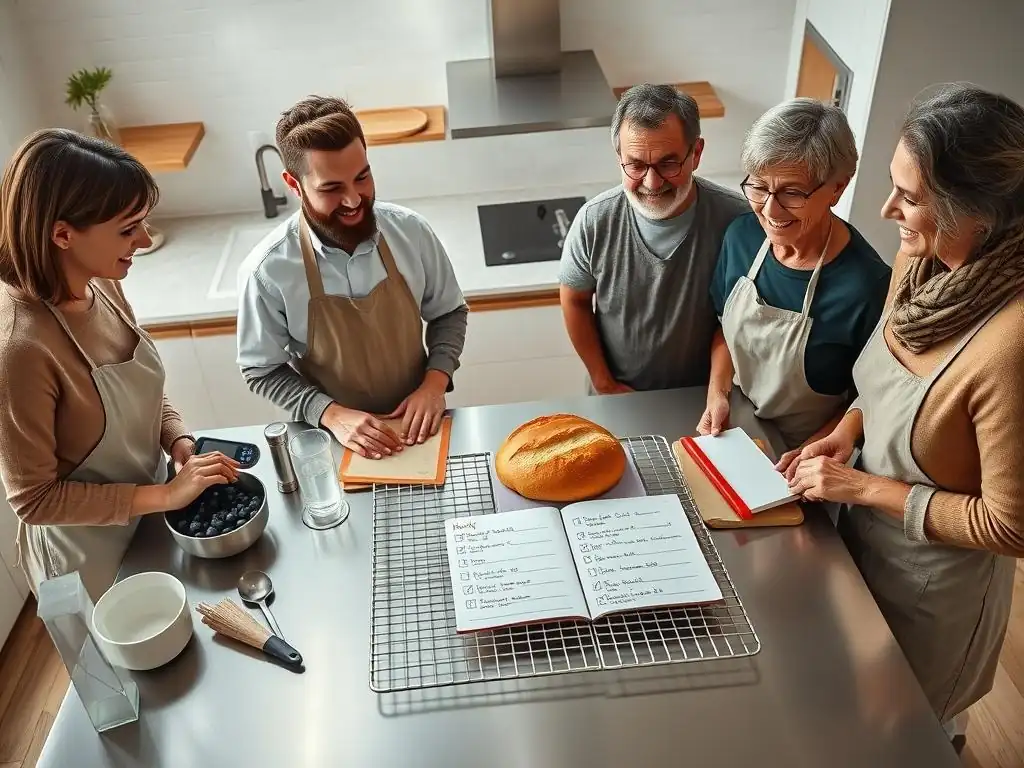
Online Food Safety Courses for Bakers
Many reputable organizations offer online food safety courses specifically designed for food handlers or small business owners, which are highly relevant as food safety training for bakers. These courses provide flexible learning options and cover essential topics like personal hygiene, time and temperature control, preventing cross-contamination, and allergen awareness.
Look for courses accredited by recognized bodies or offered by universities or public health organizations. While the cost varies, many are relatively affordable and provide valuable knowledge that can be immediately applied to your home baking business. Completing such a course can significantly enhance your understanding and implementation of safe practices.
Local Health Department Resources for Food Businesses
Your local or state health department is an invaluable resource for information on food safety regulations specific to home-based food businesses or cottage food operations in your area. They often provide guidelines, checklists, and sometimes even training materials or workshops tailored to small producers.
Contacting your local health department can help you understand specific requirements regarding permits, kitchen inspections (if applicable), labeling rules, and approved sales channels. They can also provide guidance on best practices for your specific type of baking business. Utilizing these local resources is a key step in ensuring compliance and effective food safety training for bakers operating from home.
ServSafe Certification
ServSafe is a nationally recognized food safety training and certification program developed by the National Restaurant Association. While often associated with restaurants, their Food Handler and Manager certifications are highly relevant and valuable for home bakers. The ServSafe Food Handler course covers basic food safety practices, while the Manager certification delves into more comprehensive food safety management systems.
Obtaining ServSafe certification demonstrates a high level of commitment to food safety and provides a robust understanding of preventing foodborne illness. Many customers recognize the ServSafe name as a mark of reliability. While it requires an investment of time and money, it is widely considered a gold standard for food safety training for bakers and other food service professionals.
Measuring the Impact of Your Food Safety Communication
Monitoring Customer Feedback and Reviews
One of the most direct ways to gauge the effectiveness of your food safety communication is by monitoring customer feedback and online reviews. Pay attention to comments related to cleanliness, freshness, ingredient clarity, or allergen handling. Positive comments in these areas indicate that your communication is resonating and building confidence.
Conversely, complaints or questions related to safety issues highlight areas where your communication might be unclear or your practices need review. Actively soliciting feedback and making it easy for customers to contact you with concerns can provide valuable insights into how your food safety efforts are perceived.
Tracking Sales and Customer Loyalty
While many factors influence sales and loyalty, a strong reputation for food safety contributes significantly. Customers who trust you to provide safe, high-quality products are more likely to become repeat buyers and recommend you to others. Track your customer retention rate and observe if positive mentions of your safety practices correlate with increased orders or new customer acquisition.
Anecdotal evidence from loyal customers who specifically mention feeling safe ordering from you is also a powerful indicator. Building loyalty through consistent quality and safety, supported by clear communication, is a long-term strategy that pays dividends.
Analyzing Website Traffic to Food Safety Pages
If you have a dedicated food safety page or section on your website, track the traffic to these pages using website analytics tools. High traffic to these sections suggests that customers are actively seeking this information, reinforcing the importance of making it readily available.
Analyze which sections of your food safety information are viewed most frequently. This can provide clues about the specific concerns or interests of your audience. If a particular section receives little traffic, consider whether the information is easy to find or if your marketing needs to better highlight your commitment to safety. This data-driven approach helps refine your food safety communication strategy.
Conclusion: Food Safety as a Cornerstone of Your Home Baking Business
Food safety is not just a requirement; it's a cornerstone of a successful and ethical home baking business. By prioritizing robust food safety training for bakers, implementing rigorous practices, and communicating openly and honestly with your customers, you build a foundation of trust that is invaluable.
From preventing foodborne illnesses and managing allergens to handling customer inquiries professionally, every step you take to ensure safety contributes to your reputation and the long-term viability of your business. Make food safety a visible part of your brand, and watch as it strengthens customer relationships and helps you bake with confidence and ease.
Frequently Asked Questions
What is the primary goal of "Communicating Food Safety: Building Trust with Your Customers" on BakeWithEase.com?
The primary goal is to help bakers understand how to effectively communicate their food safety practices to customers, ultimately building trust and loyalty. This reassures customers about the quality and safety of the baked goods.
Why is food safety training so important for bakers, according to BakeWithEase?
Food safety training is crucial because it equips bakers with the knowledge and skills to prevent foodborne illnesses and maintain a safe baking environment. It also ensures compliance with regulations and standards, protecting both the business and consumers.
How does BakeWithEase recommend bakers demonstrate their commitment to food safety?
BakeWithEase suggests bakers showcase their commitment by displaying food safety certifications, clearly labeling ingredients and allergens, and maintaining a visibly clean and organized baking area. Transparency builds consumer confidence.
What are some common food safety hazards that bakers should be aware of, as discussed on BakeWithEase?
Common hazards include improper temperature control, cross-contamination from raw ingredients, and inadequate handwashing procedures. BakeWithEase provides guidance on how to mitigate these risks.
Where can bakers find more information about food safety training options mentioned on BakeWithEase.com?
While BakeWithEase might not directly offer training, it likely provides links to reputable organizations or resources that offer certified food safety courses. Look for mentions of local health departments or national baking associations.
Final Reflection: Baking Trust, One Safe Loaf at a Time
The integrity of our food systems is not merely a matter of regulations; it's the bedrock of public health and consumer confidence. A single instance of foodborne illness can shatter a business's reputation, highlighting the critical need for robust food safety practices, especially within the artisan baking industry. The demand for transparency and accountability from consumers is higher than ever, making comprehensive food safety training not just a best practice, but a necessity for survival and success.
The impact of food safety training extends far beyond the immediate reduction of risks. It fosters a culture of responsibility and pride within a bakery, creating a team deeply invested in the quality and safety of their products. This commitment resonates with customers, building trust and loyalty that translates into repeat business and positive word-of-mouth referrals. As the renowned chef and author Alice Waters once said, Food is a powerful vehicle for change, and it starts with the people who grow, cook, and serve it.
This sentiment underscores the importance of empowering bakers with the knowledge and skills to handle food safely, ensuring that their passion for baking translates into a safe and enjoyable experience for everyone.
Consider the impact of your own baking practices. Are you confident in your ability to prevent foodborne illnesses? Do you regularly review and update your food safety protocols? Take this opportunity to assess your current practices and identify areas for improvement. Invest in comprehensive food safety training for yourself and your team; it's an investment in the health of your customers, the longevity of your business, and the future of your craft. Let's bake a better, safer future, together.
Unlock Your Bakery's Potential: Build Unwavering Customer Trust!
Thanks for taking the time to learn about building trust through impeccable food safety practices. You've now equipped yourself with valuable knowledge to protect your customers and grow your bakery! Let's put this knowledge into action:
- Implement at least one new food safety protocol from the article today. Even a small change makes a big difference! Think about which tip resonates most strongly and start there.
- Share this article with a fellow baker – let's elevate the entire baking community's food safety standards together!
- Explore our free food safety checklist on the BakeWithEase website (imagine the peace of mind it will bring! ).
Ready to make a real impact on your customers' experience and build a loyal following built on trust? What's the first food safety step you're taking today?