
Water Quality Matters: Ensuring Safe Water for Your Home Bakery

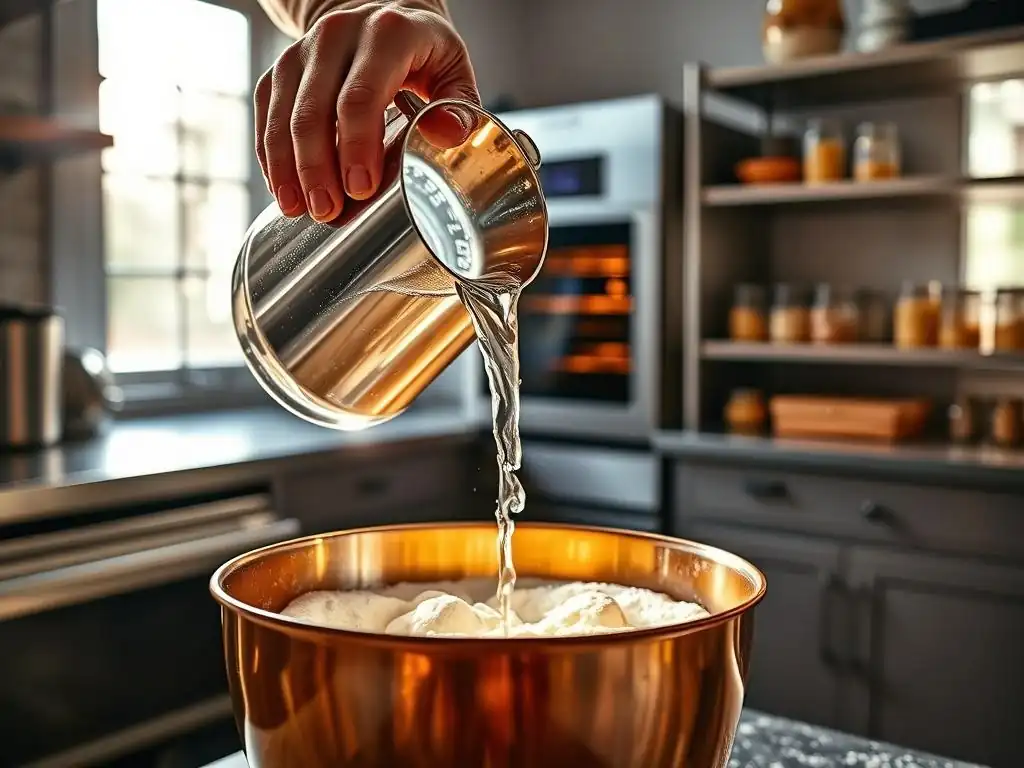
Welcome to BakeWithEase, where every recipe is a journey to baking brilliance! Ever wondered if your water quality is impacting the taste and safety of your baked goods? This week, we delve into a crucial, often overlooked aspect of home baking: safe water for your bakery. Discover how the water you use can make or break your creations, and learn practical steps to ensure your ingredients – and your customers – are always in good hands. Read on to uncover the surprising impact of water quality and unlock the secrets to consistently delicious, worry-free baking!
- Why Safe Water is Crucial for Home Bakery Success
- Identifying Potential Water Quality Issues for Your Bakery
- Ensuring Safe Water for Your Bakery: Filtration and Treatment Options
-
Safe Water Practices for Your Home Bakery
- Cleaning and Sanitizing Water-Related Equipment: Mixing Bowls, Utensils, and Water Storage Containers
- Proper Water Storage Techniques for Bakers: Using Food-Grade Containers and Maintaining Cool Temperatures
- Regular Water Quality Checks for Consistency: Monitoring pH and Total Dissolved Solids (TDS)
- The Benefits of Using High-Quality Water in Your Baking
-
Troubleshooting Water-Related Baking Problems
- Addressing Dough Stickiness Due to Water Hardness: Adjusting Water Softeners or Using Bottled Water
- Correcting Off-Flavors Caused by Water Contaminants: Identifying and Removing the Source of Contamination
- Resources for Further Water Quality Testing and Solutions: Local Health Departments and Certified Water Testing Labs
-
Frequently Asked Questions
- What makes water quality so important in baking?
- How can I determine if my water is safe for baking?
- What are some common water quality issues that affect baking?
- What are some ways to improve my water quality for baking?
- Does the type of water (e.g., tap, distilled, filtered) significantly impact the final baked product?
- Final Reflection: The Ripple Effect of Clean Water
- Unlock Your Bakery's Potential: Pure Water, Perfect Baking!
Why Safe Water is Crucial for Home Bakery Success
Baking is a science, and like any good science experiment, the quality of your ingredients profoundly impacts the outcome. While flour, sugar, and yeast often take center stage, the humble ingredient of water plays a critical, yet often overlooked, role. Ensuring safe water for your home bakery isn't just about following good practice; it's fundamental to the quality, consistency, and safety of your delicious creations.
Think of water as the unseen foundation of your baked goods. It interacts with every other ingredient, from hydrating the flour to activating the yeast and dissolving sugars and salts. Poor quality water can introduce unwanted elements that disrupt these delicate interactions, leading to unpredictable results and, more importantly, potential health risks for those enjoying your treats. Maintaining a high standard for the water used in your home bakery is a non-negotiable step towards baking success and building trust with your customers.
The Importance of Water Quality in Baking
Water quality directly influences chemical reactions essential to baking. Minerals present in water, its pH level, and even dissolved gases can alter everything from how quickly yeast ferments to how well gluten develops. Using consistently high-quality water ensures that your recipes behave predictably each time you bake, which is vital whether you're perfecting a simple loaf or developing a complex pastry.
Moreover, using safe water for your home bakery is paramount for food safety. Contaminants like bacteria, heavy metals, or excessive chlorine can not only ruin the taste and texture of your baked goods but can also pose health hazards. As a home baker, you are responsible for the safety of the food you produce, and starting with pure, safe water is a foundational step in meeting that responsibility.
How Water Affects Dough Hydration, Gluten Development, and Yeast Activity
Water is the solvent that brings baking ingredients together. In dough, water hydrates flour proteins, allowing them to bond and form gluten, the network that gives bread its structure. The amount and quality of water affect how easily this network forms and how strong it becomes. Water that is too hard (high in minerals) can make gluten tighter and less extensible, while water that is too soft can result in sticky, slack dough that's difficult to handle.
Yeast, the living organism responsible for leavening many baked goods, is highly sensitive to its environment, and water quality plays a significant role. Yeast needs water to become active and consume sugars, producing carbon dioxide. However, excessive chlorine or chloramine in water can inhibit or even kill yeast activity, leading to dough that doesn't rise properly. Minerals in water, particularly calcium and magnesium, can act as yeast nutrients, sometimes boosting activity, but high concentrations can interfere with fermentation.
The Impact of Contaminated Water on Baked Goods: Taste, Appearance, and Safety
Contaminants in water can subtly, or not so subtly, alter the sensory characteristics of your baked goods. Chlorine, a common disinfectant in municipal water, can impart a chemical or bleach-like taste that is particularly noticeable in delicate pastries or breads with mild flavors. Iron, another potential contaminant, can cause discoloration, turning dough or baked goods grayish or reddish-brown.
Beyond taste and appearance, the most critical concern is safety. Water can carry harmful bacteria (like E. coli or Salmonella), viruses, parasites, or chemical pollutants (such as lead or pesticides). While baking at high temperatures kills many pathogens, some toxins produced by bacteria are heat-stable. Using safe water for your home bakery is the first line of defense against introducing these hazards into your food, protecting your customers and your business reputation.
Identifying Potential Water Quality Issues for Your Bakery
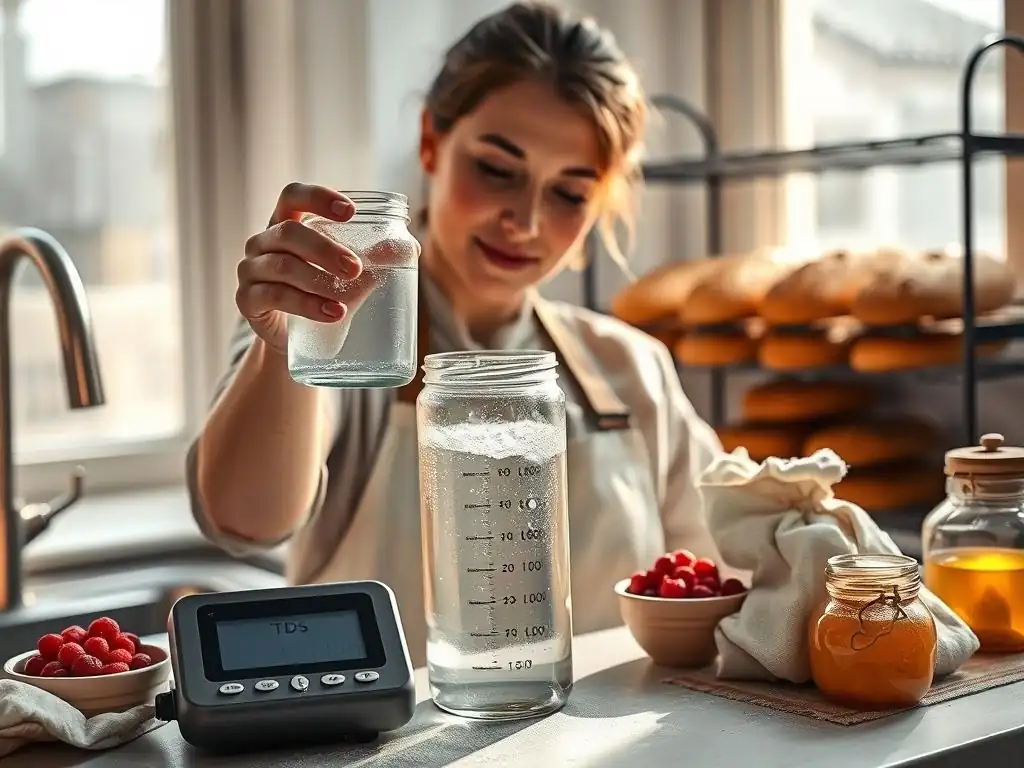
Understanding what might be in your water is the first step to ensuring it's suitable for baking. While tap water in many areas is treated to be safe for drinking, it may still contain elements that negatively impact baking performance and quality. Being aware of common contaminants and how to detect them is crucial for any home baker.
Visual inspection and sensory evaluation can provide initial clues, but these methods are limited. Many harmful contaminants are odorless, colorless, and tasteless. Therefore, relying solely on your senses is insufficient for guaranteeing safe water for your bakery. Proactive testing is the most reliable way to identify specific issues and determine the necessary steps for treatment.
Common Water Contaminants Affecting Bakeries: Chlorine, Chloramine, Hard Minerals, and Bacteria
Municipal water supplies often contain disinfectants like chlorine or chloramine to kill harmful bacteria. While necessary for public health, these chemicals can affect yeast activity and impart off-flavors in baking. Chlorine typically dissipates if water sits out, but chloramine (a compound of chlorine and ammonia) is more stable and requires filtration for removal.
Hard water, characterized by high levels of dissolved minerals, primarily calcium and magnesium, is common in many regions. Hardness is often measured in grains per gallon (gpg) or milligrams per liter (mg/L) of calcium carbonate equivalent. Water with more than 7 gpg is generally considered hard. While some minerals are beneficial for yeast, excessive hardness can interfere with gluten development and cause scale buildup on equipment. Other potential contaminants include heavy metals (like lead or copper from plumbing), nitrates, pesticides, and volatile organic compounds (VOCs), which can affect both safety and baking outcomes.
Recognizing Signs of Poor Water Quality: Taste, Odor, Discoloration, and Sediment
Your senses can offer preliminary warnings about water quality issues. A strong chemical smell, often described as bleach-like, is a clear indicator of high chlorine levels. A rotten egg smell can suggest the presence of hydrogen sulfide bacteria. A metallic taste might point to high levels of iron, copper, or zinc.
Visual cues include cloudy or turbid water, which may indicate suspended solids or sediment. Discoloration, such as reddish-brown or orange stains in sinks or on fixtures, often signals high iron content. While these signs are helpful, remember that the absence of taste, odor, or discoloration does not guarantee the water is free from harmful contaminants or suitable for baking.
Testing Your Water: A Guide for Home Bakers Using Home Kits or Certified Labs
The most accurate way to understand your water quality is through testing. Home water testing kits are available and can provide a basic assessment for common issues like hardness, pH, chlorine, and sometimes lead or bacteria. These kits are relatively inexpensive and offer a quick overview, but their accuracy and the range of contaminants tested can be limited.
For a more comprehensive and reliable analysis, especially if you suspect specific contaminants or want to ensure safe water for your bakery business, consider using a certified water testing laboratory. These labs can perform detailed tests for a wide range of inorganic chemicals, organic compounds, heavy metals, and microbiological contaminants. Search online for EPA-certified labs or consult your local health department for recommendations. A typical comprehensive test might cost between $100-$300, depending on the number of parameters tested.
Ensuring Safe Water for Your Bakery: Filtration and Treatment Options
Once you've identified your specific water quality issues through testing, you can choose the most effective treatment method. Various filtration and purification systems are available, ranging from simple faucet filters to whole-house systems. The best choice depends on the contaminants you need to remove, the volume of water your bakery uses, and your budget.
Investing in a suitable water treatment system is an investment in the quality and safety of your baked goods. It helps ensure consistent results, protects your equipment from mineral buildup, and most importantly, guarantees you are using safe water for your bakery operations.
Choosing the Right Water Filtration System for Your Needs Based on Contaminants and Volume
Selecting the appropriate filtration system requires understanding what you need to remove. If your primary concern is chlorine taste and odor, a simple activated carbon filter might suffice. If you have hard water causing issues with dough or equipment, a water softener (which uses ion exchange to remove calcium and magnesium) is necessary. For removing a broad spectrum of contaminants, including dissolved solids, heavy metals, and many chemicals, a reverse osmosis (RO) system is highly effective. If bacterial contamination is a risk, a UV purification system can be used, often in conjunction with filters.
Consider the volume of water you use daily for baking, cleaning, and other tasks. A small point-of-use filter on your sink might be adequate for smaller operations, while a point-of-entry system that treats all water entering your home might be more practical for a high-volume home bakery.
Activated Carbon Filters for Chlorine and Organic Compound Removal
Activated carbon filters are widely used and effective at removing chlorine, chloramine, volatile organic compounds (VOCs), and improving taste and odor. Carbon has a porous structure that adsorbs these contaminants as water passes through. They are relatively inexpensive and commonly found in pitcher filters, faucet filters, and under-sink systems.
These filters work well for addressing cosmetic issues like taste and smell caused by disinfectants, making the water more palatable and less likely to interfere with delicate flavors in your baking. They are a good starting point for ensuring better water quality.
Reverse Osmosis Systems for Removing Dissolved Solids and Heavy Metals
Reverse osmosis (RO) systems use a semipermeable membrane to remove a wide range of contaminants, including dissolved salts, minerals, heavy metals (like lead, arsenic), nitrates, and some chemicals. Water is forced through the membrane, leaving contaminants behind.
RO systems typically require higher water pressure and produce some wastewater. They are highly effective at producing very pure water, which can be beneficial for specific baking applications where mineral content needs to be minimal or precisely controlled. Many RO systems include pre-filters (like sediment and carbon filters) and a post-filter for taste.
UV Water Purifiers for Disinfecting Bacteria and Viruses
Ultraviolet (UV) water purifiers use UV light to inactivate bacteria, viruses, and other microorganisms by disrupting their DNA, preventing them from reproducing. UV purification does not remove particles or chemical contaminants; it is purely a disinfection method.
UV systems are often used as a final stage in a water treatment system, particularly if well water is used or if there is a concern about biological contamination. They are effective without adding chemicals to the water.
Maintaining Your Water Filtration System for Optimal Performance: Filter Replacement Schedules
Regardless of the system you choose, regular maintenance is critical for ensuring it continues to provide safe water for your bakery. This primarily involves replacing filters and membranes according to the manufacturer's recommended schedule.
Using filters past their capacity can lead to reduced effectiveness, breakthrough of contaminants, and even become a breeding ground for bacteria. Keep track of replacement dates and factor the cost and time of maintenance into your bakery operations. For example, a carbon filter in an under-sink system might need replacement every 6-12 months, while an RO membrane could last 2-5 years. Refer to your system's manual for specific guidelines.
Safe Water Practices for Your Home Bakery
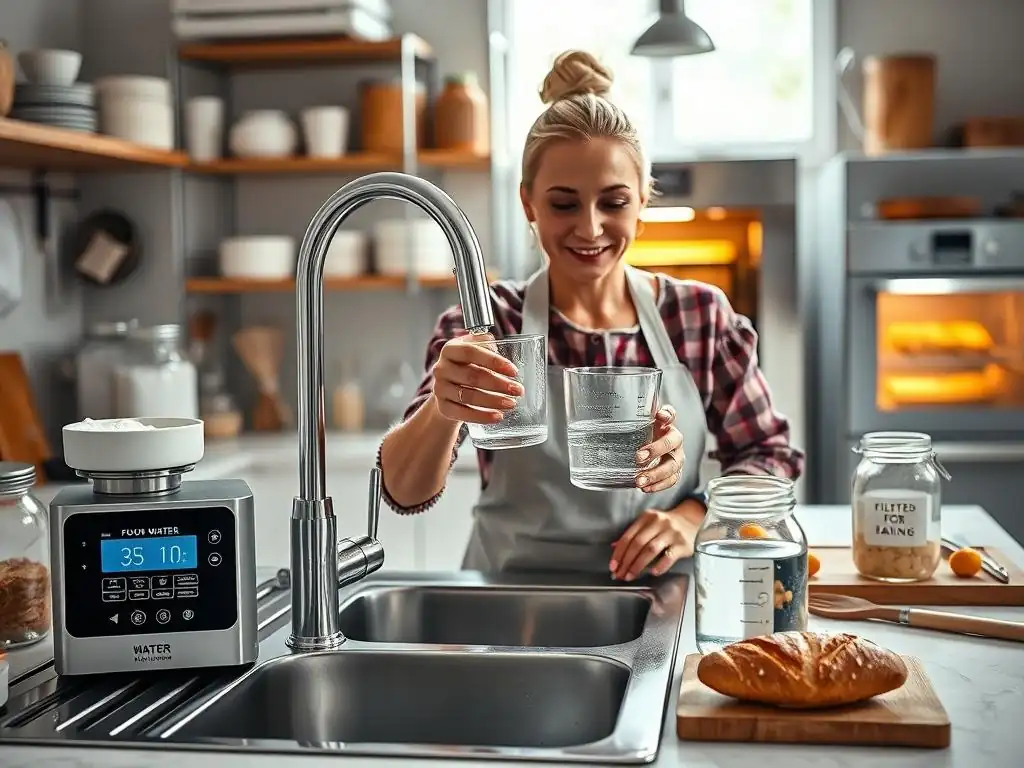
Beyond filtration, implementing simple yet effective practices can further enhance water safety in your home bakery. These habits ensure that the water you use remains clean and free from contamination from the source to the mixing bowl. Consistency in these practices is key to maintaining high food safety standards.
These practices are not just about the water itself but also about the equipment and storage methods used. Every point of contact with water is a potential point of contamination that needs to be managed carefully.
Any equipment that comes into contact with water, whether directly or indirectly, must be properly cleaned and sanitized. This includes mixing bowls, measuring cups, spoons, whisks, and any containers used to store or transport water. Regular washing with hot, soapy water is essential to remove food residues.
Sanitizing goes a step further by reducing harmful microorganisms to safe levels. This can be done using a food-grade chemical sanitizer solution (following label instructions for concentration and contact time) or by using a dishwasher with a sanitizing cycle. Ensure all surfaces are clean before sanitizing, as sanitizers are less effective on dirty surfaces.
Proper Water Storage Techniques for Bakers: Using Food-Grade Containers and Maintaining Cool Temperatures
If you store water for baking (e.g., filtered water in bulk), use only food-grade containers specifically designed for water storage. These containers are made from materials that won't leach harmful chemicals into the water. Avoid using containers previously used for non-food items.
Store water in a cool, dark place to prevent the growth of algae or bacteria, which thrive in warmth and light. Ensure containers are sealed tightly to prevent contamination from dust, insects, or airborne particles. Label stored water clearly if you have different types (e.g., filtered vs. tap).
Regular Water Quality Checks for Consistency: Monitoring pH and Total Dissolved Solids (TDS)
Even with a filtration system in place, periodic checks can help ensure everything is working correctly and the water quality remains consistent. Simple handheld meters are available to measure parameters like pH and Total Dissolved Solids (TDS).
pH affects enzyme activity and fermentation rates; most baking benefits from water with a neutral pH (around 7). TDS measures the total concentration of dissolved substances in water. While not identifying specific contaminants, significant changes in TDS can indicate issues with a filter or water source. Monitoring these parameters regularly (e.g., weekly or monthly) provides an ongoing quality control measure for the safe water for your bakery.
The Benefits of Using High-Quality Water in Your Baking
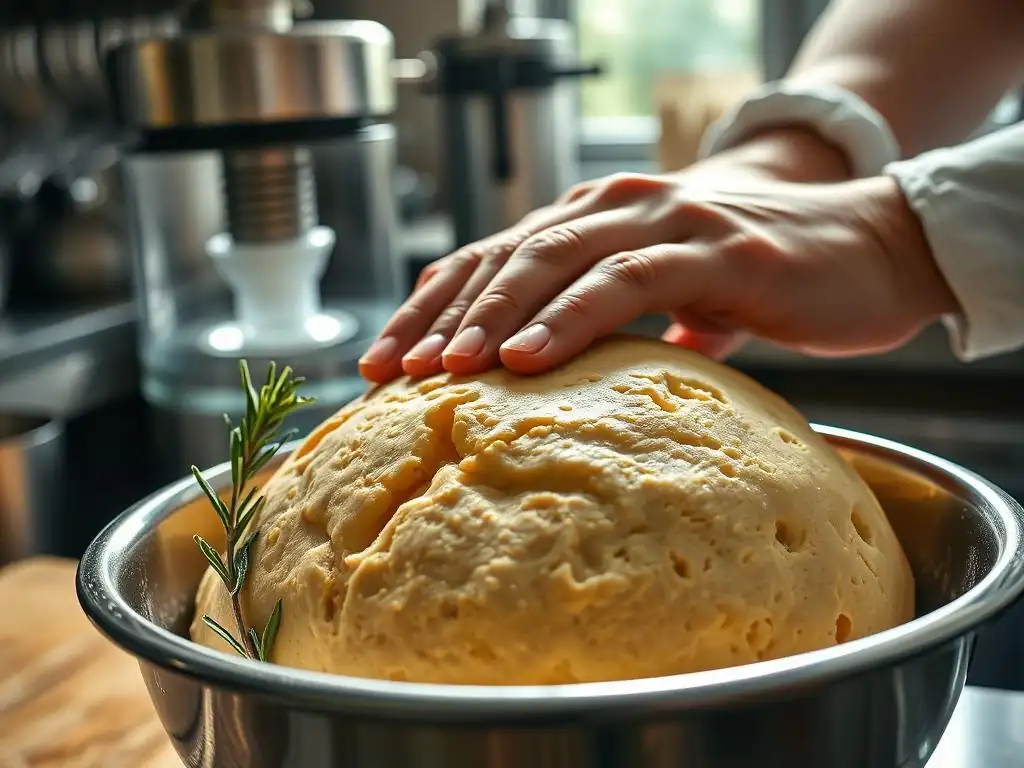
Using high-quality, safe water for your home bakery yields tangible benefits that directly impact the final product and your business's success. It elevates the sensory experience of your baked goods and builds confidence in your customers.
These advantages extend beyond just taste and texture; they contribute to efficiency in the baking process and protect the integrity of your brand. Investing in water quality is investing in excellence.
Enhanced Flavor and Texture in Baked Goods: Allowing Natural Flavors to Shine
Pure water allows the true flavors of your ingredients to come through. Without the interference of chlorine, minerals, or other contaminants, the subtle nuances of your flour, butter, and flavorings can shine. This is particularly important for recipes with minimal ingredients where the water's impact is more pronounced, such as sourdough bread or delicate pastries.
High-quality water also contributes to better texture. It interacts optimally with flour proteins for proper gluten development and ensures consistent hydration, leading to dough that is easier to work with and results in a desirable crumb structure and crust.
Improved Consistency and Predictability in Recipes: Reducing Variations in Dough and Batter
Baking relies on precise ratios and predictable reactions. Using water with inconsistent quality or unknown contaminants introduces variables that can lead to unpredictable results. One batch might be perfect, while the next is slightly off due to fluctuations in water composition.
By using consistently high-quality, safe water for your bakery, you eliminate a major variable. This leads to more reliable outcomes, making it easier to replicate successful recipes batch after batch. Improved consistency saves you time, reduces wasted ingredients, and builds confidence in your baking process.
Protecting Your Customers and Your Reputation with Safe Baking Practices: Ensuring Food Safety
Ultimately, using safe water for your bakery is a fundamental aspect of food safety. It minimizes the risk of introducing harmful contaminants into your food, protecting the health and well-being of your customers.
Maintaining a reputation for producing safe, high-quality baked goods is essential for any food business, including a home bakery. Demonstrating a commitment to food safety, starting with the purity of your water, builds trust and credibility with your clientele, encouraging repeat business and positive word-of-mouth.
Even with precautions, you might occasionally encounter baking issues that could be linked to water quality. Recognizing these potential problems and knowing how to address them is part of mastering your craft and ensuring safe water for your bakery operations.
Troubleshooting involves identifying the symptom in your baking and tracing it back to a potential water issue, then implementing a targeted solution. This requires observation and sometimes further testing.
Addressing Dough Stickiness Due to Water Hardness: Adjusting Water Softeners or Using Bottled Water
If your dough is consistently too sticky or slack despite following the recipe precisely, it could be due to overly soft water (low mineral content). Conversely, excessively hard water can make dough too tight. If you have a water softener, ensure it is properly calibrated based on your water hardness test results.
As a temporary or alternative solution for very soft or very hard water, consider using bottled spring water or filtered water with a known mineral content for your dough hydration. This can provide a more balanced mineral profile beneficial for gluten development and yeast activity.
Correcting Off-Flavors Caused by Water Contaminants: Identifying and Removing the Source of Contamination
If your baked goods have an unpleasant chemical, metallic, or earthy taste, the water is a likely culprit. As discussed, chlorine is a common source of off-flavors. Letting tap water sit uncovered for 24 hours can help chlorine dissipate, but this won't remove chloramine.
If the off-flavor persists or you suspect other contaminants, revisit your water testing results. Implement or upgrade your filtration system specifically to target the identified contaminants (e.g., an activated carbon filter for chlorine/chloramine, an RO system for metals/chemicals). Using filtered or bottled water for sensitive recipes can also help isolate the issue.
Resources for Further Water Quality Testing and Solutions: Local Health Departments and Certified Water Testing Labs
If you face persistent water quality issues that impact your baking or raise safety concerns, don't hesitate to seek professional help. Your local health department can often provide information about municipal water quality reports or advise on common issues in your area.
For specific testing or complex problems, consult certified water testing laboratories. They can offer detailed analysis and interpretation of results. Water treatment professionals can also provide expertise in selecting and installing appropriate filtration or treatment systems tailored to your home bakery's needs, ensuring you consistently have access to safe water for your bakery.
[ ] Test your water quality.
[ ] Identify potential contaminants based on tests or local information.
[ ] Choose and install an appropriate water filtration or treatment system.
[ ] Establish a schedule for cleaning equipment and replacing filters.
[ ] Implement regular water quality checks (pH, TDS) if applicable.
[ ] Use only food-grade containers for water storage.
[ ] Store water properly in a cool, dark place.
Frequently Asked Questions
What makes water quality so important in baking?
Water is a key ingredient in many baked goods. Poor water quality can affect the taste, texture, and rise of your baked items, leading to inconsistent results.
How can I determine if my water is safe for baking?
You can test your water using a home testing kit or by sending a sample to a certified laboratory. Look for contaminants like bacteria, chlorine, and heavy metals.
What are some common water quality issues that affect baking?
Hard water can interfere with gluten development, while chlorine can affect yeast activity and create off-flavors. High mineral content can also impact the rise and texture of baked goods.
What are some ways to improve my water quality for baking?
Using a water filter is a simple solution. You can also consider a whole-house filtration system or using bottled water for baking if your tap water is unsuitable.
Does the type of water (e.g., tap, distilled, filtered) significantly impact the final baked product?
Yes, the type of water makes a difference. Distilled water lacks minerals that can affect yeast, while tap water may contain impurities. Filtered water is often the best compromise.
Final Reflection: The Ripple Effect of Clean Water
Safe water isn't just a regulatory requirement for bakeries; it's the foundation upon which delicious, safe, and trustworthy products are built. A single drop of contaminated water can unravel the meticulous work of hours, jeopardizing not only the quality of your baked goods but also the health and well-being of your customers. This isn't just about compliance; it's about upholding a commitment to excellence and building a reputation for quality that customers can rely on.
The pursuit of safe water for food production transcends the confines of the bakery; it speaks to a larger societal responsibility. We are all interconnected, and the quality of our water sources directly impacts the food we consume and the health of our communities. Water is the driving force of nature.
– Leonardo da Vinci. This simple statement highlights the profound influence water has on everything, including the seemingly small act of baking a loaf of bread. The commitment to clean water in our bakeries reflects a broader commitment to environmental stewardship and public health.
Consider the impact of your choices. Are you actively monitoring your water quality? Are you implementing preventative measures to ensure consistent purity? You have the power to make a difference, not only in the quality of your products but also in the health and safety of your community. Take the time to assess your water sources, implement necessary filtration systems, and educate yourself on best practices. By prioritizing safe water, you're not just baking bread; you're building a legacy of quality, trust, and responsibility.
Unlock Your Bakery's Potential: Pure Water, Perfect Baking!
Thanks for taking the time to learn about the vital role of water quality in your baking journey! You've now discovered how pure water can elevate your recipes and create consistently delicious results. Are you ready to take the next step?
- Invest in a water filter: This simple upgrade can significantly enhance your baking. Consider testing your current water for hardness and impurities to select the best filtration system for your needs.
- Share your water-testing results and baking experiences: Connect with our community on social media platforms like Facebook or Instagram and inspire fellow bakers.
- Experiment with different water treatments: Try various filtration methods and observe the subtle differences in your bread's texture, the fluffiness of your cakes, and more!
What incredible improvements will pure water bring to your next baking project?