
Navigating Basic Food Safety Regulations for Home Bakeries (Simplified)

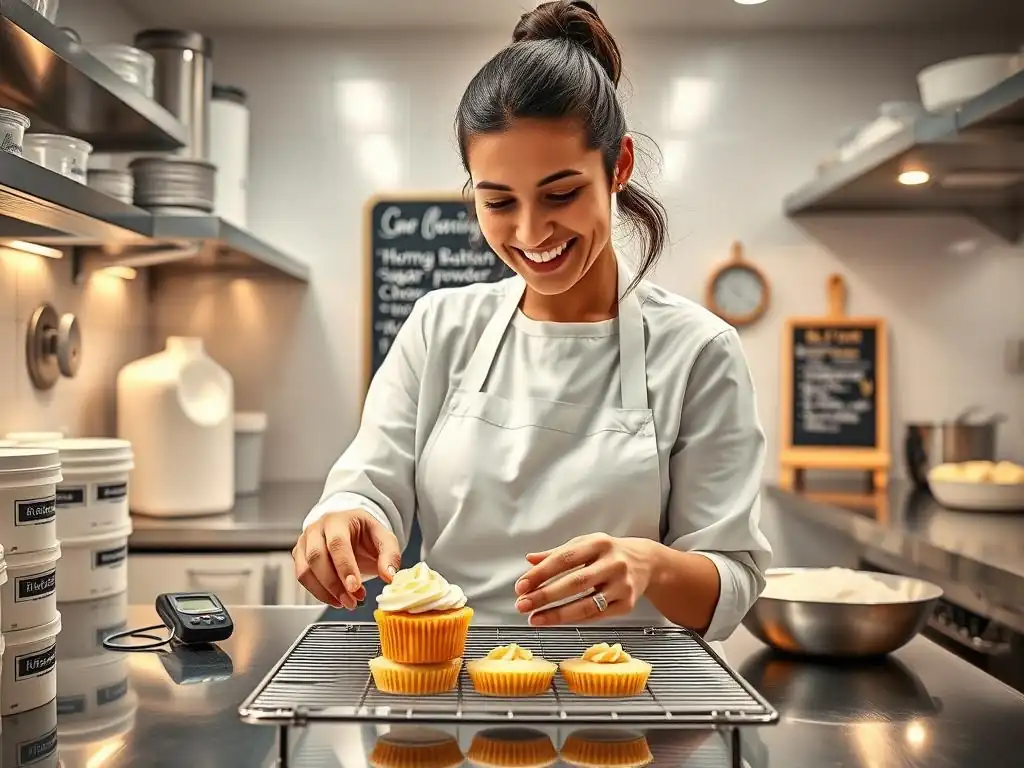
Welcome to BakeWithEase, your trusted guide to the delightful world of home baking! Are you dreaming of turning your passion into a thriving home bakery? Before you fire up that oven, it's crucial to understand the essential guidelines that keep your creations safe and your customers happy. Dive into our latest article to explore home bakery food safety regulations and learn how to navigate them with ease. Discover practical tips and simplified explanations to ensure your baking business starts on a solid, secure foundation. Ready to bake with confidence? Let's get started!
- Understanding Home Bakery Food Safety: A Beginner's Guide
- Key Food Safety Regulations for Home Bakers
- Essential Food Handling Practices for Home Bakers
- Labeling Requirements for Home Baked Goods: What You Need to Know
- Equipment and Kitchen Sanitation for Safe Home Baking
- Avoiding Common Food Safety Mistakes in Home Bakeries
- Resources for Home Bakery Food Safety Compliance
- Staying Compliant: Maintaining Home Bakery Food Safety Standards
-
Frequently Asked Questions
- What are the most important basic food safety regulations I should be aware of when starting a home bakery?
- Do I need a special food safety certification to operate a home bakery legally?
- How can I prevent cross-contamination in my home bakery kitchen?
- What are some essential food storage guidelines for ingredients and finished baked goods in a home bakery?
- How do I properly sanitize my baking equipment and workspace to ensure food safety?
- Final Reflection: Baking with Confidence: Food Safety's Sweet Success
- Ready to Bake Safely and Confidently?
Understanding Home Bakery Food Safety: A Beginner's Guide
Why Home Bakery Food Safety Matters
Ensuring robust home bakery food safety is paramount, not just for legal compliance, but fundamentally for protecting the health of your customers. When you sell baked goods prepared in your home kitchen, you assume responsibility for their safety. Unlike commercial kitchens which are often built and inspected specifically for high-volume food production, home kitchens have unique challenges, such as shared spaces with family food preparation and potential cross-contamination risks.
A single instance of improper handling, inadequate cooking temperature, or poor hygiene can lead to foodborne illness, which can have severe consequences for your customers and devastating impacts on your budding business's reputation. Prioritizing food safety for home bakers builds trust and demonstrates professionalism.
Beyond the ethical responsibility, maintaining high standards of home baking food safety is crucial for the longevity and success of your venture. A positive reputation is built on consistent quality and safety. Conversely, a food safety incident can lead to negative reviews, loss of customers, and even legal action.
For example, a customer who experiences symptoms like nausea, vomiting, or diarrhea after consuming your product due to bacterial contamination (like Salmonella from undercooked eggs or Staphylococcus aureus from improper handling) is unlikely to return and may share their negative experience widely. Investing time and effort into understanding and implementing safe home baking practices from day one is an investment in the future of your business.
The Importance of Following Food Safety Guidelines
Following established food safety guidelines for home bakeries is the bedrock of a responsible home-based food business. These guidelines are not arbitrary; they are based on scientific principles designed to minimize risks associated with food handling, storage, and preparation. Adhering to these standards helps prevent the growth of harmful bacteria, viruses, and other pathogens that can cause foodborne illnesses. For instance, maintaining specific temperatures for storing ingredients and finished goods inhibits microbial growth, while proper cleaning and sanitizing eliminate contaminants from surfaces and equipment. Think of these guidelines as your essential toolkit for producing safe, wholesome baked goods consistently.
Moreover, understanding and implementing these home bakery food safety guidelines is often a legal requirement under local and state cottage food laws. Failing to comply can result in fines, mandated closures, or even the inability to operate legally. Regulatory bodies conduct inspections or require documentation demonstrating adherence to safe food handling practices. For example, many states require a basic food handler's permit, which involves understanding core safety principles. By proactively learning and applying these guidelines, you not only safeguard public health but also ensure your home baking business remains compliant and can operate without unnecessary risk of legal penalties.
Key Food Safety Regulations for Home Bakers
Understanding Cottage Food Laws for Home Bakeries
Cottage food laws are state-specific regulations that allow individuals to produce and sell certain types of food products made in their home kitchens. These laws were created to support small-scale food entrepreneurs, often simplifying the regulatory hurdles compared to operating a full-scale commercial kitchen. However, these laws come with strict requirements regarding home bakery food safety.
Typically, permissible foods are those considered "non-potentially hazardous," meaning they don't require time or temperature control for safety. Baked goods like bread, cookies, cakes (without cream cheese frosting or fillings requiring refrigeration), pies, and pastries often fall into this category, provided they meet specific ingredient and storage criteria.
Each state's cottage food law is unique, specifying details like maximum annual sales limits (which can range from $20,000 to over $250,000 in some states), where products can be sold (e.g., direct to consumer at farmers markets, online, or retail), and specific home bakery food safety labeling requirements. For example, California's Homemade Food Act allows sales up to $75,000 annually (as of recent updates) and permits various non-PHF baked goods, while requiring specific labeling and potentially a registration or permit.
Understanding your specific state's laws is the first critical step in ensuring legal and safe home baking operations. Ignorance of these laws is not a defense against non-compliance.
Permitting and Licensing Requirements for Home Baking Businesses
While cottage food laws simplify things, they don't always eliminate the need for permits or licenses. Depending on your state or even local county/city regulations, you may still need to register your home kitchen, obtain a specific cottage food operation permit, or acquire a basic business license. These requirements vary significantly.
Some states might only require a simple registration and payment of a small fee, while others may require a home kitchen inspection by the local health department to verify adherence to basic home bakery food safety standards before issuing a permit. For instance, Texas requires a registration with the Department of State Health Services and completion of a food handler education program.
The specifics of permitting often depend on the types of products you intend to sell and your sales channels. Selling directly to consumers at a farmers market might have different requirements than selling wholesale to a local coffee shop, even under cottage food laws. Some permits might require you to demonstrate knowledge of food safety for home bakers through a certified course.
It is absolutely vital to check with your state's Department of Health or Agriculture and your local county/city health department to understand the precise permitting and licensing steps required for your specific home baking business. Operating without the necessary permits is illegal and poses a significant risk to your business and its ability to maintain home bakery food safety standards under regulatory oversight.
State Food Safety Regulations: A Quick Overview
Beyond cottage food laws, general state food safety regulations still apply to home-based food operations, though often adapted. These regulations cover fundamental principles like preventing cross-contamination, maintaining proper cooking and storage temperatures, ensuring personal hygiene, and using safe water sources.
While a home kitchen isn't regulated identically to a restaurant kitchen, the core principles of home bakery food safety are the same: prevent contamination and control temperature and time to minimize risks. For example, the standard principle of keeping hot foods hot (above 135°F or 57°C) and cold foods cold (below 41°F or 5°C) applies to potentially hazardous ingredients or products, even if cottage food laws often focus on non-PHF items.
State regulations often mandate that food preparation areas are clean, well-maintained, and free from pests. They may also specify requirements for ingredient sourcing and storage. While cottage food laws often allow preparation in a standard home kitchen, the kitchen must still meet certain sanitary conditions, often equivalent to what's considered safe for family use, but with extra diligence for the business.
For instance, many states require that pets are not allowed in the kitchen area while business operations are taking place. Familiarizing yourself with your state's general food code, even the sections pertaining to commercial operations, can provide valuable insight into the underlying principles of safe home baking that you must adapt to your home environment.
Essential Food Handling Practices for Home Bakers
Safe Food Storage for Home Baked Goods
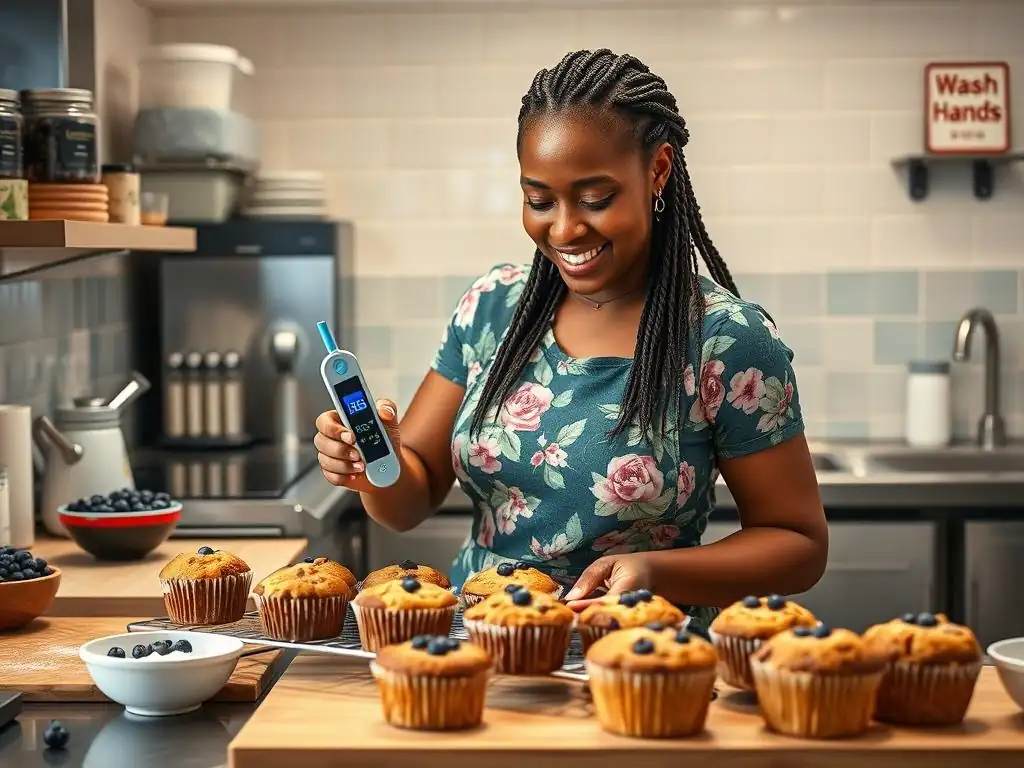
Proper storage is a cornerstone of home bakery food safety. Ingredients must be stored correctly to maintain quality and prevent spoilage or contamination. Dry ingredients like flour, sugar, and spices should be kept in airtight containers in a cool, dry place, away from direct sunlight. This prevents moisture absorption, pest infestation, and oxidation.
Perishable ingredients such as eggs, butter, milk, and fresh fruit fillings must be stored under refrigeration at or below 41°F (5°C). Using a thermometer in your refrigerator is essential to verify it's holding the correct temperature. For example, butter stored at room temperature for extended periods can become rancid and a breeding ground for bacteria.
Once baked, the storage requirements for your finished goods depend heavily on their ingredients. Products that are non-potentially hazardous (like most cookies, standard loaves of bread, or fruit pies) can typically be stored at room temperature in airtight containers to maintain freshness and prevent staling. However, items containing dairy fillings, cream cheese frostings, fresh fruit that isn't baked in, or meringue must be stored in the refrigerator.
For instance, a red velvet cake with cream cheese frosting needs to be kept cold. Always store ingredients and finished products properly labeled with dates to ensure stock rotation and prevent the use of expired items, a key aspect of maintaining home baking food safety.
Preventing Cross-Contamination in Your Home Bakery
Cross-contamination is a major risk in any kitchen, especially a home kitchen where business and personal food preparation may overlap. It occurs when harmful bacteria or allergens are transferred from one surface, ingredient, or food item to another. A classic example is using the same cutting board for raw chicken (even though you likely won't use raw chicken in baking, think about preparing family meals) and then using it without proper cleaning and sanitizing for fresh fruit destined for a pie filling.
To prevent this, designate specific cutting boards and utensils for different tasks, or ensure thorough washing and sanitizing between uses. Color-coded boards are a common practice in commercial settings and a smart idea for a home bakery.
Another critical area for preventing cross-contamination in home bakery food safety is separating raw ingredients from ready-to-eat products. Store raw eggs below other ingredients in the refrigerator to prevent drips. Keep finished baked goods covered and away from raw ingredients while cooling or packaging.
Using separate towels for drying hands, drying dishes, and wiping surfaces is also vital. Imagine you wipe down a counter that had raw egg residue on it with a towel, and then use the same towel to handle freshly baked cookies – that's cross-contamination. Implementing strict procedures for cleaning, sanitizing, and separation is fundamental to safe home baking.
Temperature Control: Baking, Cooling, and Storing Safely
Controlling temperatures throughout the baking process is crucial for home bakery food safety. Baking itself is a critical control point; the heat kills most harmful bacteria. Ensure your oven is properly calibrated and reaches the required temperature for the recipe. While most baked goods reach internal temperatures well above the danger zone (41°F to 135°F or 5°C to 57°C) during baking, items with egg or dairy components, like quiches or custards, need to reach specific internal temperatures (e.g., 160°F or 71°C for egg-based products) to be safe. Using a food thermometer is the only way to be certain.
Cooling baked goods properly is just as important as baking them. Products that require refrigeration after baking (like cheesecakes or items with perishable fillings) must be cooled rapidly through the "danger zone." Leaving items at room temperature for extended periods allows bacteria to multiply rapidly. The standard guideline is to cool from 135°F (57°C) down to 70°F (21°C) within two hours, and then from 70°F (21°C) down to 41°F (5°C) or below within an additional four hours, for a total of six hours.
Smaller portions cool faster. Never place hot items directly into a crowded refrigerator, as this raises the temperature of other foods. Proper cooling and subsequent cold storage are vital steps in maintaining food safety for home bakers.
Personal Hygiene: A Must for Home Baking Food Safety
Excellent personal hygiene is perhaps the most fundamental aspect of home bakery food safety. Hands are one of the most common ways pathogens are spread. Always wash your hands thoroughly with soap and warm water for at least 20 seconds:
- Before starting any food preparation.
- After using the restroom.
- After touching your face, hair, or body.
- After handling raw ingredients like eggs.
- After touching surfaces that might be contaminated (door handles, phones, etc. ).
- After taking out trash.
- Before putting on gloves (if used).
Keeping fingernails short and clean is also important, as dirt and bacteria can harbor underneath them. Wearing clean clothing and a clean apron helps prevent transferring germs from your clothes to the food or surfaces. Avoid wearing jewelry while baking, as it can harbor bacteria or fall into the food. If you have any open cuts or sores, cover them with a clean bandage and wear gloves. If you are feeling sick, especially with symptoms like vomiting, diarrhea, or fever, you must not handle food for your business. Maintaining rigorous personal hygiene standards is non-negotiable for safe home baking.
Labeling Requirements for Home Baked Goods: What You Need to Know
Ingredient Labeling for Home Bakery Products
Accurate and clear ingredient labeling is a critical component of home bakery food safety and legal compliance under cottage food laws. Your labels must list all ingredients used in the product, typically in descending order by weight. This allows customers to know exactly what they are consuming. For example, a simple cookie label might start with "Ingredients: All-purpose flour, unsalted butter, brown sugar, granulated sugar, eggs,..." and continue listing every component, including leavening agents, salt, and flavorings. If you use a pre-made mix or component (like chocolate chips), you must list its sub-ingredients as well.
Many states also require specific information on the label related to the cottage food operation. This often includes:
- The name and address of your home bakery business.
- A statement indicating that the product was prepared in a home kitchen that is not subject to state public health inspection laws (the exact wording varies by state).
- Net weight or volume of the product.
Some states might also require nutritional information, though this is less common for small cottage food operations unless specific claims are made (like "low fat"). Ensuring your labels are compliant with your state's specific requirements is essential for legal operation and helps demonstrate your commitment to food safety for home bakers by providing transparency to consumers.
Allergen Declarations: Protecting Your Customers
Declaring common food allergens on your labels is not just a good practice; it's a vital home bakery food safety measure and often legally mandated. Major allergens must be clearly identified. In the United States, the Food Allergen Labeling and Consumer Protection Act (FALCPA) identifies eight major food allergens:
- Milk
- Eggs
- Peanuts
- Tree Nuts (e.g., almonds, walnuts, pecans)
- Soy
- Wheat
- Fish
- Crustacean Shellfish
While FALCPA primarily applies to packaged foods regulated by the FDA, many state cottage food laws incorporate similar allergen labeling requirements. You must declare these allergens if they are ingredients in your product.
This can be done by listing the allergen in parentheses after the ingredient (e.g., "whey (Milk)") or by including a "Contains:" statement immediately after the ingredient list (e.g., "Contains: Wheat, Eggs, Milk, Soy"). Even if an allergen is not a direct ingredient, you may need to include a "May Contain:" statement if there is a risk of cross-contact during preparation, a significant consideration for home baking food safety in a shared kitchen space.
Date Labeling: Best Practices for Home Bakers
While date labeling (like "Best By," "Use By," or "Sell By") isn't always strictly mandated for all cottage food products, it is a best practice for maintaining home bakery food safety and quality. Date labels help customers understand the freshness of the product and when its quality is expected to decline. For non-potentially hazardous baked goods, a "Best By" date is most appropriate, indicating when the product is expected to be at its peak quality. This date is determined by your own testing and knowledge of your product's shelf life.
For products that require refrigeration, a "Use By" or "Sell By" date becomes more critical from a food safety for home bakers perspective, as their safety can deteriorate over time even under refrigeration. For example, a cream cheese frosted cake might have a recommended "Use By" date within 3-5 days of preparation when stored correctly. Implementing a consistent dating system helps you manage your inventory and ensures that customers receive products that are both safe and of high quality. Clear dating is another way to build consumer confidence in your safe home baking practices.
Equipment and Kitchen Sanitation for Safe Home Baking
Choosing the Right Equipment for Your Home Bakery
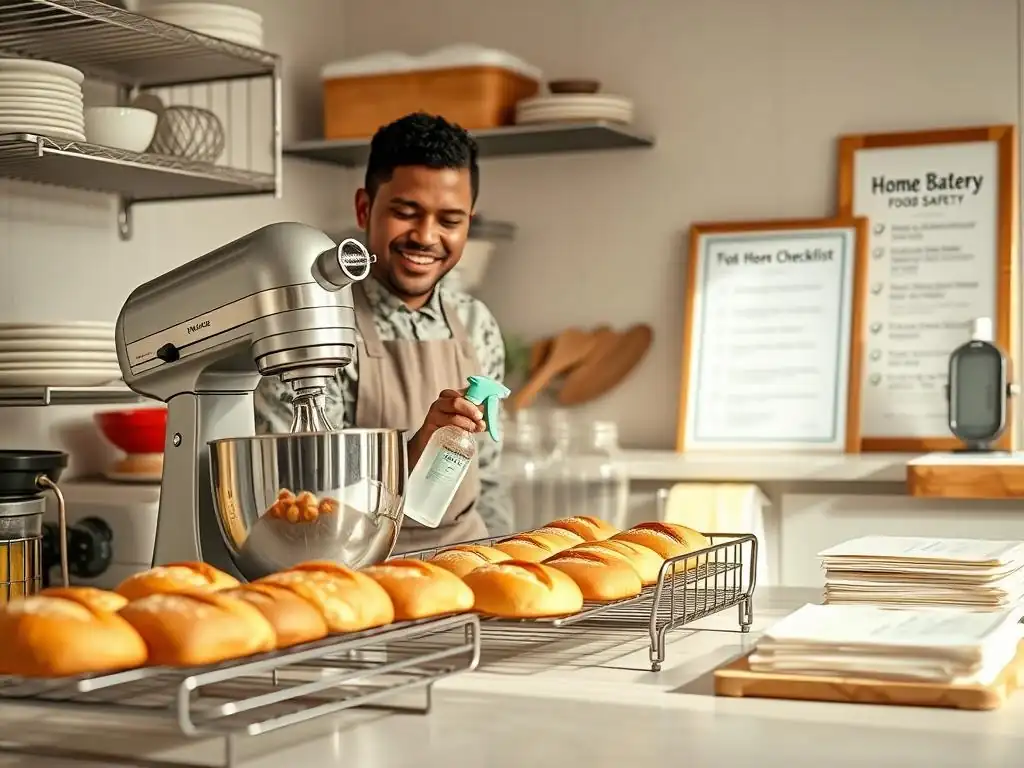
Selecting appropriate equipment is foundational for efficient and safe home baking. While you're operating from a home kitchen, using commercial-grade equipment where possible can enhance both quality and home bakery food safety. For instance, sturdy, non-porous surfaces (like stainless steel or certain plastics) for cutting boards and work surfaces are easier to clean and sanitize than porous materials (like wood, which can harbor bacteria). Investing in reliable measuring tools ensures consistent recipes, which contributes to predictable outcomes and thus predictable safety profiles.
Consider the materials your equipment is made from. Food-grade materials are essential. Ensure pots, pans, baking sheets, and mixing bowls are free from scratches and damage where bacteria could hide. A high-quality stand mixer can handle large batches efficiently, reducing manual handling time. A reliable oven thermometer is crucial to verify your oven's temperature accuracy, directly impacting baking safety. While you don't need a full commercial kitchen setup, choosing durable, easy-to-clean equipment designed for food contact is a smart investment in your home baking food safety protocols.
Cleaning and Sanitizing Your Home Baking Workspace
Maintaining a spotless workspace is non-negotiable for home bakery food safety. There's a crucial distinction between cleaning and sanitizing. Cleaning removes visible dirt, grease, and food particles using soap and water. Sanitizing reduces the number of harmful microorganisms to a safe level. Both steps are necessary. Your kitchen surfaces (countertops, sinks, stovetops) and equipment (bowls, mixers, utensils) must be cleaned and sanitized before and after each use, especially when switching between different types of ingredients or tasks.
A common sanitizing solution is a diluted bleach solution (follow recommended concentrations, typically about 1 teaspoon of bleach per gallon of water) or a commercial food-grade sanitizer. Ensure surfaces are thoroughly cleaned before applying sanitizer, as sanitizers are less effective in the presence of visible dirt. Allow the sanitizer to remain on the surface for the recommended contact time before air drying or wiping with a clean cloth. Regularly cleaning and sanitizing your oven, refrigerator interior, and storage areas also contributes significantly to overall home bakery food safety. A task list for daily cleaning might include:
- [ ] Wash and sanitize all used utensils and equipment.
- [ ] Wipe down and sanitize all work surfaces.
- [ ] Clean spills immediately.
- [ ] Sweep/vacuum and mop kitchen floor.
- [ ] Empty trash cans.
Pest Control: Keeping Your Home Bakery Safe and Clean
Pest control is a critical, though often overlooked, aspect of home bakery food safety. Pests like rodents, insects (cockroaches, flies, ants), and even birds can carry and spread harmful bacteria and pathogens, contaminating ingredients, equipment, and finished products. While complete elimination can be challenging in a home environment, preventing access and eliminating attractants is key. Store all ingredients in airtight containers, including flour, sugar, grains, and nuts. Clean up spills and crumbs immediately. Don't leave dirty dishes or food waste sitting out.
Regularly inspect your kitchen for signs of pest activity, such as droppings, gnaw marks, or nests. Seal any cracks or openings in walls, floors, and around pipes that could serve as entry points. Ensure screens on windows and doors are intact. If you suspect a pest problem, address it immediately. While using pesticides in a food preparation area requires extreme caution and should ideally be done by a professional, maintaining a clean and tidy environment is the first and most effective line of defense against pests and a vital part of ensuring food safety for home bakers.
Avoiding Common Food Safety Mistakes in Home Bakeries
Identifying Potential Food Safety Hazards
Successfully managing home bakery food safety requires the ability to identify potential hazards in your operation. These hazards generally fall into three categories:
- Biological: Bacteria ( Salmonella, E. coli, Listeria), viruses (Norovirus), parasites, and mold. These are often associated with raw ingredients (eggs, dairy, flour), improper temperatures, and poor hygiene.
- Chemical: Cleaning supplies, pesticides, lubricants, or even natural toxins (though less common in baking). These can contaminate food through improper storage, use near food, or contaminated ingredients.
- Physical: Foreign objects like glass shards, metal fragments, hair, dirt, bandages, or pest droppings that accidentally get into food.
Think through your entire process, from receiving ingredients to packaging the final product, and consider where these hazards could be introduced. For instance, using cracked eggs is a biological hazard risk. Storing cleaning chemicals above food supplies is a chemical hazard risk. Not wearing a hair covering is a physical hazard risk. Proactively identifying these points allows you to implement controls to prevent them, strengthening your home baking food safety plan.
Implementing a Food Safety Plan for Your Home Baking Business
Even for a small home bakery, having a simple food safety plan is beneficial for consistently maintaining safe home baking practices. This doesn't need to be a complex HACCP (Hazard Analysis and Critical Control Points) plan used by large manufacturers, but a documented system helps ensure you don't miss critical steps. Start by listing all the products you make and their ingredients. Then, outline the steps involved in preparing each product, from measuring ingredients to cooling and packaging.
For each step, identify the potential home bakery food safety hazards you previously listed. Then, define the control measures you will implement. For example:
- Step: Receiving eggs. Hazard: Salmonella. Control: Only accept clean, uncracked eggs from a reputable supplier. Store immediately in the refrigerator.
- Step: Mixing batter with raw eggs. Hazard: Bacterial growth. Control: Keep ingredients refrigerated until needed. Minimize time ingredients are at room temperature. Cook product thoroughly.
- Step: Cooling baked goods that require refrigeration. Hazard: Bacterial growth in the danger zone. Control: Cool rapidly to 41°F (5°C) or below within six hours.
Document your standard operating procedures (SOPs) for essential tasks like handwashing, cleaning and sanitizing, and temperature checks. Regularly review and update your plan as your business grows or processes change. A written plan serves as a guide and a training tool, ensuring everyone involved in your home bakery understands and follows the necessary food safety for home bakers procedures.
Resources for Home Bakery Food Safety Compliance
Relevant Government Agencies and Resources
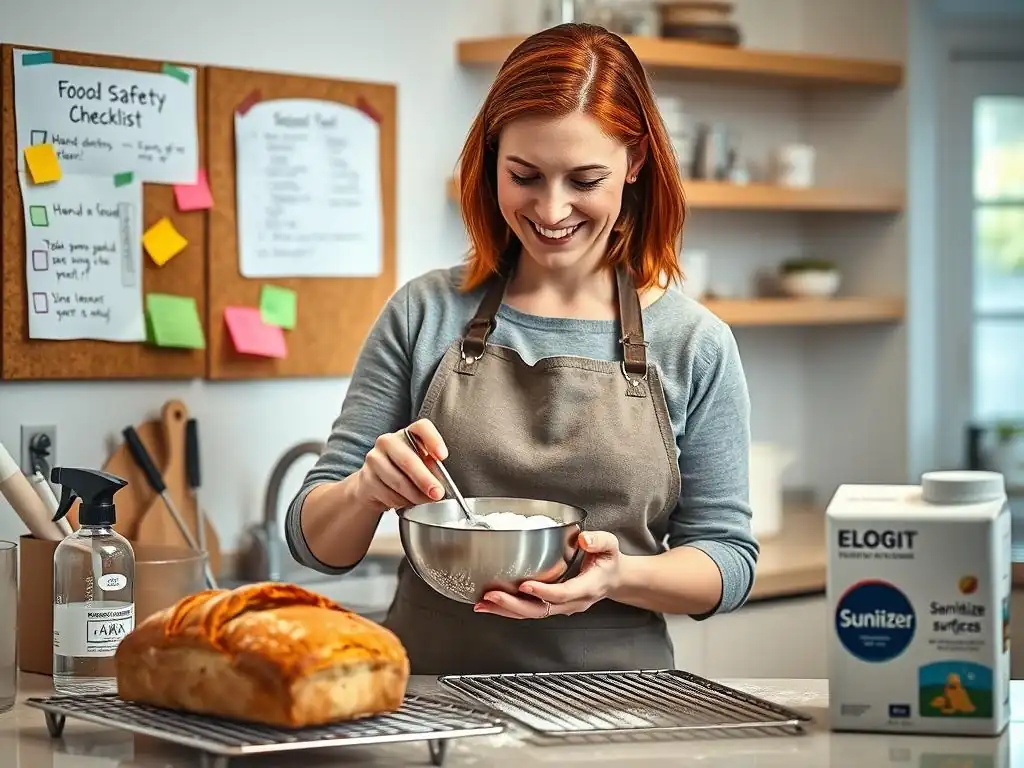
Navigating regulations can feel daunting, but several government agencies offer valuable resources for home bakery food safety. Your primary points of contact will likely be at the state and local levels.
- State Department of Health or Department of Agriculture: These agencies typically oversee cottage food laws and general food safety regulations within your state. Their websites are the best place to find specific information about your state's rules, including permissible foods, sales limits, labeling requirements, and any required permits or registrations. Many provide downloadable guides or FAQs specifically for cottage food operators.
- Local County or City Health Department: Sometimes, local regulations add requirements on top of state laws, such as specific permits or inspections related to operating a business from home. They can provide localized guidance relevant to your specific area.
While not directly regulating cottage food operations in the same way, federal agencies like the Food and Drug Administration (FDA) and the Centers for Disease Control and Prevention (CDC) provide extensive general food safety information. The FDA website has sections on food allergens and safe food handling practices, while the CDC provides information on foodborne illnesses. These resources can deepen your understanding of the underlying principles of safe home baking.
Food Safety Training Programs for Home Bakers
Investing in food safety training is one of the most effective ways to ensure you are equipped to handle home bakery food safety responsibly. Many states require at least basic food handler training for those operating under cottage food laws. These courses cover essential topics like proper handwashing, preventing cross-contamination, temperature control, and identifying foodborne illness risks. They are often available online and can be completed relatively quickly.
Beyond basic food handler certification, consider more comprehensive food safety courses, such as those based on ServSafe principles. While ServSafe Manager certification is often geared towards commercial restaurant managers, the knowledge gained is highly applicable to food safety for home bakers and demonstrates a higher level of commitment to safe practices. Many community colleges or online providers offer these courses. Investing in education not only helps you comply with regulations but also empowers you to make informed decisions daily to protect your customers and your business through robust home baking food safety practices.
Staying Compliant: Maintaining Home Bakery Food Safety Standards
Staying compliant with home bakery food safety regulations and maintaining high standards is an ongoing process, not a one-time task. Regulations can change, and your business operations may evolve. Make it a habit to periodically review your state and local cottage food laws and food safety guidelines – perhaps annually or whenever significant changes occur in your business (e.g., introducing new product lines, changing sales channels). Subscribe to newsletters or updates from your state's relevant departments if available.
Regularly assess your own safe home baking practices. Conduct internal "audits" of your kitchen and processes. Are you still following all the steps in your food safety plan? Is your equipment clean and in good repair? Are your storage temperatures correct? Seek feedback from customers (though focus on quality, safety feedback is paramount). Consider joining local home-based business or food entrepreneur groups; peers can often share insights on navigating local regulations and maintaining food safety for home bakers. Proactive diligence is the key to ensuring your delicious baked goods are consistently safe and your home bakery business thrives responsibly.
Frequently Asked Questions
What are the most important basic food safety regulations I should be aware of when starting a home bakery?
The most important regulations often involve proper hygiene, including handwashing and clean workspaces, as well as safe food handling practices like temperature control and preventing cross-contamination. Local regulations regarding permits and inspections may also apply.
Do I need a special food safety certification to operate a home bakery legally?
It depends on your location. Some areas require a food handler's permit or certification, while others don't. Check with your local health department to determine the specific requirements in your area.
How can I prevent cross-contamination in my home bakery kitchen?
Use separate cutting boards and utensils for raw and cooked foods. Thoroughly wash and sanitize all surfaces and equipment after each use. Always store food at safe temperatures to inhibit bacterial growth.
What are some essential food storage guidelines for ingredients and finished baked goods in a home bakery?
Store ingredients and finished products in airtight containers to prevent spoilage and contamination. Label all containers with the date and contents. Follow recommended temperature guidelines for refrigeration and freezing.
How do I properly sanitize my baking equipment and workspace to ensure food safety?
Use a food-grade sanitizer according to the manufacturer's instructions. Ensure all surfaces are thoroughly cleaned of debris before sanitizing. Allow surfaces to air dry completely after sanitization.
Final Reflection: Baking with Confidence: Food Safety's Sweet Success
The rise of home bakeries reflects a growing desire for personalized, artisanal treats, but this passion must be tempered with a firm understanding of food safety. Ignoring basic regulations isn't just irresponsible; it puts consumers at risk and undermines the very trust that fuels this burgeoning industry. This simple truth underscores the importance of the information presented in this article.
The impact of proper food safety practices extends far beyond individual kitchens; it shapes the overall perception and acceptance of home-based food businesses. It fosters a culture of responsibility and accountability, protecting both the baker and the consumer. As the demand for home-baked goods continues to grow, so too does the need for clear, accessible guidelines. Food safety is not just a matter of compliance; it's a matter of care and respect for those who consume our creations.
This sentiment, though simple, encapsulates the heart of responsible baking.
You, the aspiring or established home baker, now hold the knowledge to elevate your craft. Don't just bake; bake with confidence, knowing you're creating delicious treats and ensuring the safety of your customers. Take the time to review the regulations specific to your area, implement the practices outlined in this article, and build a reputation for both deliciousness and unwavering safety. Your commitment to food safety is not just a legal requirement; it's a testament to your dedication to your craft and your community.
Ready to Bake Safely and Confidently?
Thanks for taking the time to learn about food safety for your home bakery! We hope you found this guide helpful and feel more empowered in your baking journey. Now it’s time to put your newfound knowledge into practice!
- Prioritize your food safety checklist: Create a personalized checklist based on what you've learned, ensuring you address key areas like temperature control and proper hygiene. This will become your go-to guide for every bake.
- Share your baking wisdom: Tell your friends and family about the simple steps you can take to ensure safe and delicious treats. Help them build confidence in their own baking too!
- Challenge yourself: Try baking a new recipe this week, applying the food safety practices you've just learned. What adjustments will you make?
So, what delicious creation are you going to bake first, knowing you're baking safely?