
Your Home Bakery's Food Safety Plan: A StepbyStep Guide (Basic)


Welcome to BakeWithEase, your trusted companion on your baking journey! Are you ready to transform your passion into a thriving home bakery business? Then you've come to the right place. Ensuring the safety of your delicious creations is paramount, and that's why we're diving deep into crafting a robust food safety plan for your bakery. But what steps exactly do you need to take to protect your customers and your reputation? Let's unlock the secrets to safe and successful home baking!
- Introduction to Food Safety for Home Bakeries
- Step 1: Identify Potential Food Safety Hazards in Your Home Bakery
- Step 2: Implement Control Measures to Minimize Food Safety Risks
- Step 3: Establish Monitoring Procedures for Your Food Safety Plan
- Step 4: Corrective Actions: What to Do When Things Go Wrong
- Step 5: Verification and Review of Your Home Bakery Food Safety Plan
- Simple Record Keeping for Your Food Safety Plan
- Conclusion: Maintaining a Safe and Compliant Home Bakery
-
Frequently Asked Questions
- What is a food safety plan for a home bakery, and why is it important?
- What are the key components of a basic food safety plan for a home bakery?
- How often should I review and update my home bakery's food safety plan?
- What are some common food safety hazards in a home bakery setting that my plan should address?
- Where can I find more resources to help me develop and implement a food safety plan for my home bakery?
- Final Reflection: Baking Safety: A Recipe for Success
- Unleash Your Inner Baker: Take the Next Step!
Introduction to Food Safety for Home Bakeries
Why is a Food Safety Plan Essential for Your Home Bakery?
Establishing a solid food safety plan is not just a good idea for your home bakery; it's often a legal requirement under cottage food laws and absolutely crucial for protecting your customers and your business reputation. A single instance of foodborne illness linked to your baked goods could lead to significant financial loss, legal issues, and irreparable damage to the trust you've built with your community. Thinking proactively about potential hazards prevents problems before they occur, ensuring every delicious item you sell is safe to eat.
Beyond legal and ethical obligations, a well-defined food safety plan bakery brings practical benefits. It helps ensure consistency in your processes, reducing waste caused by spoiled ingredients or improperly stored finished products. Implementing clear procedures for hygiene and sanitation leads to a cleaner, more organized workspace. Ultimately, having a structured approach to food safety provides peace of mind, allowing you to focus on your passion for baking while knowing you're minimizing risks.
Understanding Basic Food Safety Principles in Baking
At its core, food safety in baking revolves around controlling the conditions that allow harmful microorganisms to grow. The most critical concept is understanding the "danger zone," which is the temperature range between 40°F and 140°F (approximately 4°C to 60°C). Bacteria multiply most rapidly within this zone. While baking temperatures typically kill pathogens, many ingredients (like eggs, milk, and cream) and finished products (like pastries with fillings) can support bacterial growth if left at unsafe temperatures for too long.
Key principles for your food safety plan bakery include maintaining proper temperatures during storage, cooling, and holding; preventing cross-contamination between raw and ready-to-eat foods; practicing excellent personal hygiene, especially thorough handwashing; and ensuring all equipment and surfaces are properly cleaned and sanitized. Mastering these fundamentals creates a strong foundation for your home bakery's safety practices and helps you produce safe, high-quality baked goods consistently.
Step 1: Identify Potential Food Safety Hazards in Your Home Bakery
Common Biological Hazards in Baking Ingredients
Biological hazards are living organisms, primarily bacteria, viruses, molds, and yeasts, that can cause illness. In baking, raw ingredients like eggs can carry Salmonella, while raw flour has been linked to E. coli outbreaks, though cooking typically eliminates these risks. However, cross-contamination from raw ingredients to finished products or contamination of products that are not heavily baked (like fillings or frostings) remains a significant concern. Molds and yeasts can also grow on ingredients or finished goods if stored improperly, particularly in humid conditions.
To manage these hazards in your food safety plan bakery, purchase ingredients from reputable suppliers and inspect them upon arrival. Store perishable ingredients like dairy and eggs at temperatures below 40°F (4°C). Ensure all baked goods reach adequate internal temperatures to kill pathogens, and cool items requiring refrigeration rapidly to get them out of the danger zone. Proper handling and storage are your primary defenses against biological threats.
Chemical Hazards to Watch Out For in Your Baking Process
Chemical hazards include cleaning supplies, sanitizers, pesticides, or even naturally occurring toxins. The most common chemical risk in a home bakery setting comes from the improper use or storage of cleaning and sanitizing agents. Using non-food-grade chemicals, not rinsing surfaces thoroughly after cleaning, or storing chemicals near food or food contact surfaces can lead to dangerous contamination of your baked goods.
Preventing chemical hazards requires careful attention to detail. Always use cleaning products and sanitizers specifically approved for food contact surfaces and follow the manufacturer's instructions precisely, paying close attention to dilution ratios and required contact time for sanitizers. Store all chemicals, including cleaners, pesticides (if used anywhere in your home), and even pest baits, securely and separately from food, ingredients, and food contact equipment. Proper labeling of cleaning bottles also prevents accidental misuse, strengthening your food safety plan bakery.
Physical Hazards That Can Contaminate Your Baked Goods
Physical hazards are foreign objects that can accidentally get into food and cause injury or illness when consumed. These can include hair, dirt, glass fragments (from broken light bulbs or containers), metal shards (from worn equipment like mixers or sifting screens), plastic pieces, jewelry, buttons, or even pest droppings. While seemingly minor, physical contaminants can be unpleasant at best and dangerous at worst, leading to customer complaints or injuries.
Minimizing physical hazards involves implementing simple but effective procedures. Always tie back long hair or wear a hair net or hat while baking. Avoid wearing jewelry (except a plain wedding band) that could fall into food. Regularly inspect your workspace and equipment for damage, replacing worn parts or cracked containers promptly. Keep your baking area clean and free of debris, and implement robust pest control measures to prevent pests and their droppings from contaminating ingredients or finished products. These steps are vital components of any thorough food safety plan bakery.
Flour: Potential for Mold and Pest Contamination
Flour, being a dry ingredient, might seem low-risk, but it is susceptible to contamination from molds and pests, particularly weevils. Mold can grow if flour absorbs moisture, often due to improper storage in humid conditions or in damaged packaging. Weevil infestations can occur in flour and other dry goods, sometimes even originating from the supplier, and can multiply rapidly if not detected.
To protect your flour, which is central to most baked goods, store it in airtight, food-grade containers made of plastic or metal. Keep these containers in a cool, dry place, ideally off the floor and away from walls to allow for air circulation and easy inspection. Purchase flour in quantities you can use within a reasonable timeframe (check best-by dates) and inspect it before use for any signs of clumping, off odors, mold, or visible pests. Proper flour storage is an easy win for your home bakery food safety plan.
Step 2: Implement Control Measures to Minimize Food Safety Risks
Temperature Control: Baking, Cooling, and Storage
Controlling temperature is arguably the most critical control measure in your food safety plan bakery. Baking at the correct temperature for the specified time ensures that internal temperatures reach levels sufficient to kill most harmful bacteria. For example, cooking fillings like pastry cream to 160°F (71°C) and ensuring baked goods are thoroughly cooked are essential.
Just as important is managing the cooling process for items requiring refrigeration. Perishable goods must be cooled rapidly through the danger zone (140°F to 40°F / 60°C to 4°C) within a limited time frame, typically within 4-6 hours total, with the goal of reaching 70°F (21°C) within the first two hours.
To achieve rapid cooling, avoid leaving large quantities of hot food at room temperature. Divide large batches into smaller, shallow containers. Use cooling racks to allow air circulation around baked goods. Once cooled to below 40°F (4°C), store perishable items in the refrigerator, maintained at or below 40°F (4°C). Freezing below 0°F (-18°C) is excellent for long-term storage. Dry goods should be stored in a cool, dry place, ideally below 70°F (21°C), away from heat sources and direct sunlight. Consistent temperature management prevents bacterial growth and spoilage, solidifying your food safety plan bakery.
Proper Handwashing and Hygiene Practices for Bakers
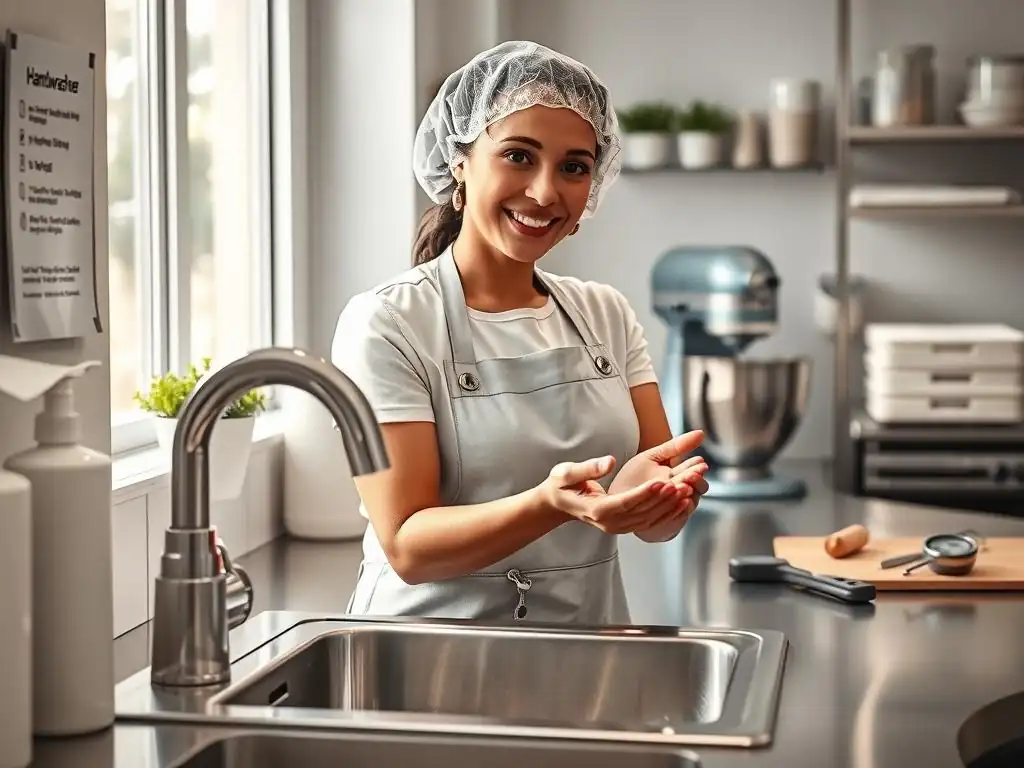
Your hands are the most frequent point of contact with ingredients and finished products, making proper handwashing the single most important step in preventing the spread of bacteria and viruses. Hands should be washed thoroughly with warm water and soap for at least 20 seconds – about the time it takes to sing "Happy Birthday" twice – rinsing well and drying with a clean paper towel or air dryer.
This must be done frequently: before starting any baking activity, after handling raw ingredients (especially eggs or flour), after using the restroom, after touching your face, hair, or clothing, after handling trash, and any time your hands may have become contaminated.
Beyond handwashing, maintaining good personal hygiene is essential for your food safety plan bakery. Wear clean clothing or an apron dedicated to baking. Tie back or cover your hair completely to prevent it from falling into food. Avoid touching your face or hair while working. Cover any cuts or wounds on your hands or arms with a clean, waterproof bandage, and consider wearing single-use gloves over the bandage, changing them frequently. Refrain from eating, drinking (except from a covered container with a straw), or smoking in your baking area, as these activities can easily transfer germs.
Sanitation and Cleaning Procedures for Your Baking Equipment and Workspace
Cleaning removes visible dirt, grease, and food particles, while sanitizing reduces the number of harmful microorganisms to a safe level. Both are crucial steps in your food safety plan bakery. The standard process is: wash, rinse, and sanitize. Wash equipment and surfaces with hot water and detergent. Rinse thoroughly with clean water to remove soap residue. Then, apply a sanitizer solution. Common sanitizers include a diluted bleach solution (approximately 1 teaspoon of plain, unscented bleach per gallon of cool water) or commercial food-grade sanitizers used according to the product label.
Surfaces and equipment that come into direct contact with food, such as countertops, mixing bowls, spatulas, and measuring tools, should be washed, rinsed, and sanitized after each use. Floors should be cleaned daily or as needed to prevent accumulation of dirt and potential pests. Ovens and other non-food contact surfaces should be cleaned regularly to prevent grease buildup, which can be a fire hazard and attract pests. Implementing a consistent cleaning and sanitation schedule is a non-negotiable element of a functional food safety plan bakery.
Daily Sanitizing of Countertops and Utensils with Food-Safe Sanitizer
Focusing specifically on daily practices, the sanitizing of countertops and frequently used utensils is a cornerstone of preventing cross-contamination within your food safety plan bakery. Even after washing and rinsing, invisible bacteria can remain on surfaces. A final sanitizing step significantly reduces this risk. This should be done before you begin baking each day and after you have finished, especially on surfaces that have come into contact with raw ingredients or might touch finished products.
For daily sanitizing, ensure you are using a properly diluted food-safe sanitizer. A spray bottle is convenient for applying sanitizer to countertops. Allow the sanitizer to remain on the surface for the contact time specified on the product label (for bleach solutions, this is often 30 seconds to a minute) before allowing it to air dry or wiping with a clean cloth if the product label permits.
Utensils should be immersed in or sprayed with sanitizer after cleaning and rinsing. This daily routine creates a safe and hygienic environment for preparing your baked goods and reinforces your commitment to your food safety plan bakery.
Step 3: Establish Monitoring Procedures for Your Food Safety Plan
Regularly Inspecting Ingredients for Spoilage or Contamination
Monitoring is about checking that your control measures are working and identifying potential problems early. A simple yet effective monitoring step is the routine inspection of all ingredients before you use them. This involves using your senses: visually checking for signs of spoilage like mold, discoloration, or pest activity (e.g., small holes in packaging, visible insects, or droppings). Smell ingredients for off odors – rancid oil, sour milk, or musty flour are clear indicators of spoilage.
Also, check "best by" or expiration dates on packaging. While these dates are often about quality rather than safety, using ingredients well past their prime can affect the final product and, in some cases (like dairy or eggs), pose a safety risk. By making ingredient inspection a routine part of your process, you catch potential hazards before they end up in your baked goods, saving you time, money, and protecting your customers – a key part of monitoring your food safety plan bakery.
Monitoring Temperatures During Baking and Cooling
Verifying temperatures is a crucial monitoring activity, particularly for items that require specific internal temperatures or rapid cooling. Use an oven thermometer to ensure your oven is heating accurately; many home ovens can be off by 25°F or more. For items like cheesecakes or custards, using an instant-read thermometer to check the internal temperature (e.g., 150-160°F / 65-71°C for custards) ensures they are cooked through.
For cooling perishable items, note the time you start the cooling process. If cooling large quantities, you might periodically check the internal temperature with a thermometer to confirm it's dropping quickly enough to meet the 40°F (4°C) target within the required timeframe (e.g., checking after 2 hours to ensure it's below 70°F / 21°C). This monitoring confirms your cooling methods are effective and that your food safety plan bakery's temperature controls are being met.
Recording Cleaning and Sanitation Activities
Keeping a simple log of your cleaning and sanitation activities is an easy way to monitor that these tasks are being completed consistently. It provides a record that you are following your established procedures and can be helpful for review or if ever needed for regulatory purposes (depending on your local cottage food laws). It doesn't need to be complex – a notebook or a printed sheet works perfectly.
For each cleaning or sanitizing task performed, simply record the date, what was cleaned or sanitized (e.g., "kitchen counter," "mixer bowl," "floor"), the result (e.g., "Completed," "OK"), and your initials. This record serves as a visual reminder to stay on track and documents your commitment to maintaining a clean and safe workspace, proving that you are actively monitoring your food safety plan bakery.
Daily Cleaning Checklist: Countertops, Utensils, and Equipment
Implementing a daily cleaning checklist is a practical application of monitoring your sanitation procedures. It breaks down the necessary daily tasks into an easy-to-follow list, ensuring nothing is forgotten. This checklist should include all food contact surfaces and frequently used equipment that require cleaning and sanitizing after each use or at the end of the day.
Your daily checklist might include items like:
- Wash, rinse, and sanitize main baking countertop.
- Wash, rinse, and sanitize all mixing bowls used.
- Wash, rinse, and sanitize spatulas, whisks, and other small utensils.
- Clean and sanitize measuring cups and spoons used.
- Wipe down exterior of mixer and other equipment used.
- Sweep/clean floor in baking area.
By simply checking off each item as it's completed daily, you create a clear record that these essential cleaning tasks are being performed as part of your food safety plan bakery.
Step 4: Corrective Actions: What to Do When Things Go Wrong
Identifying and Addressing Food Safety Deviations
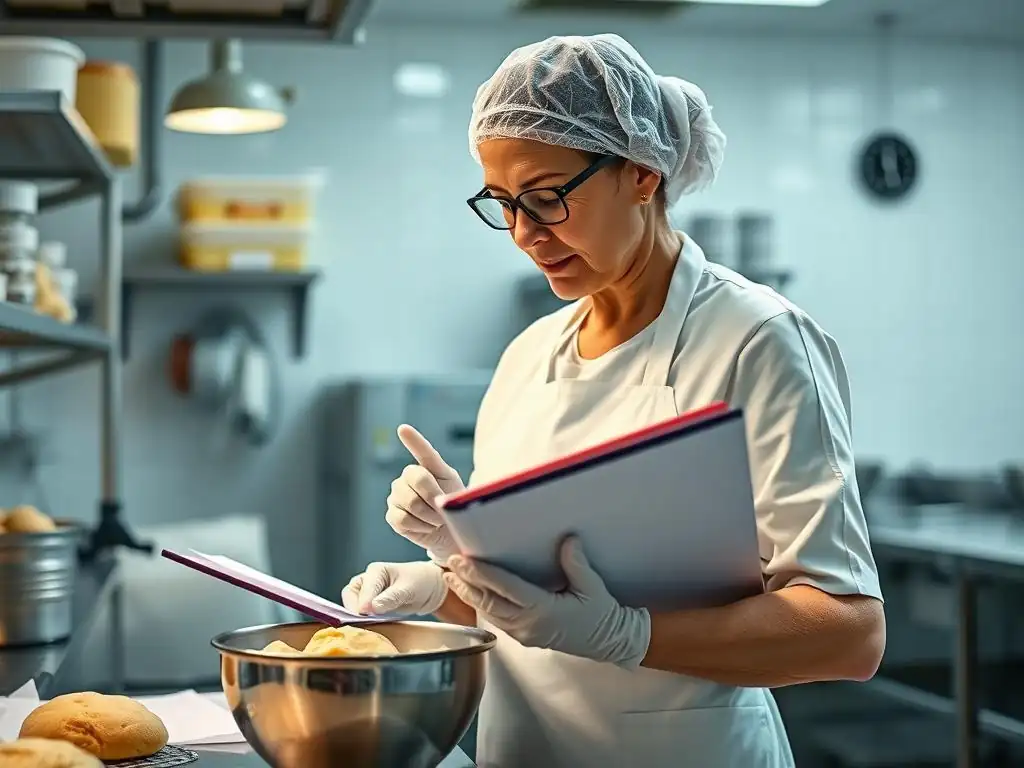
Even with a solid plan and diligent monitoring, things can occasionally go wrong. A food safety deviation occurs when a procedure isn't followed, or a control measure fails (e.g., forgetting to put ingredients away promptly, noticing mold on flour, finding dough left out too long). The first step is to identify the deviation immediately. Recognize that a potential hazard has occurred.
The second step is to address or correct the deviation to prevent unsafe food from reaching the customer. This might involve discarding contaminated ingredients, re-cleaning and sanitizing a surface, or properly storing items that were left out. The goal is to take immediate action to eliminate or reduce the hazard. Having pre-planned corrective actions for common issues makes responding faster and more effective within your food safety plan bakery.
Documenting Corrective Actions Taken
Just as you document your monitoring activities, it's crucial to document any corrective actions you take. This record serves multiple purposes: it helps you track recurring issues, demonstrates your commitment to resolving problems, and provides documentation if ever required. It doesn't need to be elaborate, just clear and factual.
In your food safety log or a separate section, record:
- The date the deviation was discovered.
- A description of the problem (e.g., "Flour container showed signs of weevils").
- The corrective action taken (e.g., "Discarded flour, cleaned and sanitized container").
- The result (e.g., "Problem resolved").
- Your initials.
This documentation is a vital part of refining and verifying your food safety plan bakery.
Discarding Dough Left at Room Temperature for Over Two Hours
A common and critical deviation that requires a specific corrective action is leaving perishable ingredients or dough containing them (like egg-based dough or dough with milk) out at room temperature for too long. The "danger zone" temperature range allows bacteria to multiply rapidly. The general rule is that perishable food left between 40°F and 140°F (4°C and 60°C) for more than two hours should be considered unsafe and discarded. This time limit is reduced to one hour if the ambient temperature is 90°F (32°C) or higher.
Therefore, if you discover dough or ingredients containing eggs, dairy, or cream that have been left at room temperature for two hours or longer, the required corrective action is to discard it immediately. Do not try to salvage it by baking; the toxins produced by some bacteria are heat-resistant. This is a non-negotiable rule for protecting your customers and a critical specific action within your food safety plan bakery.
Step 5: Verification and Review of Your Home Bakery Food Safety Plan
Periodically Reviewing Your Food Safety Plan for Effectiveness
Creating a food safety plan bakery is the first step, but ensuring it remains effective requires periodic review. Set aside time, perhaps every 6 to 12 months, to review your entire plan. Ask yourself: Are the procedures still relevant? Are the monitoring steps easy to follow? Have you encountered any food safety issues that your current plan didn't anticipate or address adequately? This review is an opportunity to identify weaknesses and make improvements.
Consider conducting a self-assessment or a mock inspection of your own process. Walk through each step of your baking operation from ingredient sourcing to packaging, specifically looking for potential hazards and checking if your established controls and monitoring activities are being consistently applied. This verification helps confirm that your food safety plan bakery is a living document that actively contributes to safe practices.
Updating Your Plan Based on Changes in Your Home Bakery Operations
Your home bakery is likely to evolve over time. You might introduce new recipes, source ingredients from different suppliers, purchase new equipment, change your production volume, or even alter your workspace layout. Any significant change in your operation warrants a review and potential update of your food safety plan bakery.
For example, if you purchase a larger mixer, your cleaning and sanitizing procedures for that equipment will need to be added or modified in your plan. If you start making products with new ingredients, you'll need to consider their specific storage requirements and potential hazards. Keeping your food safety plan updated ensures it accurately reflects your current practices and addresses the specific risks present in your evolving home bakery.
Updating the Plan When Introducing New Allergenic Ingredients
Allergen control is a critical component of food safety, and introducing new ingredients that contain major allergens (like peanuts, tree nuts, soy, milk, eggs, wheat, fish, and shellfish) requires a specific update to your food safety plan bakery. Cross-contamination with allergens can cause serious, even life-threatening, reactions in sensitized individuals.
When you decide to use a new allergenic ingredient, you must plan how you will prevent it from contaminating other products. This might involve:
- Storing the new allergen separately and in clearly labeled containers.
- Scheduling baking – for example, baking allergen-free items before items containing the allergen.
- Implementing thorough cleaning and sanitizing procedures for all equipment and surfaces used with the allergen before preparing allergen-free products.
- Ensuring clear and accurate labeling of finished products to declare all allergens present.
Adding these specific steps for allergen management is a crucial update to your food safety plan bakery when new risks are introduced.
Simple Record Keeping for Your Food Safety Plan

Creating a Basic Food Safety Log
Effective record keeping is essential for monitoring and verifying your food safety plan bakery. It doesn't require complex software or fancy binders; a simple notebook, a printed template, or a basic spreadsheet can serve as your food safety log. The purpose is to consistently document key activities and observations, providing proof that you are following your plan and identifying areas for improvement.
Your basic food safety log should be easy to use and readily accessible in your baking area. It should include columns or sections for essential information related to your monitoring and corrective actions. Consistency in filling it out is more important than elaborate detail. This log is your primary tool for demonstrating that your food safety plan bakery is actively being implemented and managed.
Sample Food Safety Log: Date, Task, Result, Initials
Here is an example of how you might structure entries in a basic food safety log for your home bakery:
Food Safety Log

Date       | Task Performed                 | Result/Observation         | Initials
-----------|--------------------------------|----------------------------|----------
YYYY-MM-DD | Sanitize all food-contact surfaces | Completed                  | [Your Initials]
YYYY-MM-DD | Check refrigerator temperature   | 38°F                       | [Your Initials]
YYYY-MM-DD | Inspect flour (AP & Bread)     | OK - No pests or mold      | [Your Initials]
YYYY-MM-DD | Monitor cooling (Large Cake)   | Cooled to <40°F within 5 hrs| [Your Initials]
YYYY-MM-DD | Corrective Action: Dough left out| Discarded dough (2.5 hrs out)| [Your Initials]
This format provides a clear, concise way to record your daily or task-specific food safety checks and any necessary corrective actions, making your food safety plan bakery tangible and trackable.
Conclusion: Maintaining a Safe and Compliant Home Bakery
The Importance of Ongoing Food Safety Practices
Developing a food safety plan bakery is not a one-time project; it's a continuous commitment to safe practices. Consistently implementing your plan, monitoring your procedures, taking corrective actions when necessary, and periodically reviewing and updating your plan are all vital for the long-term success and integrity of your home bakery. By embedding food safety into your daily routine, you protect your customers from potential hazards and build a reputation for quality and reliability.
Maintaining vigilance with your food safety plan bakery demonstrates professionalism and care. It instills confidence in your customers, assuring them that the delicious treats you bake are produced with the highest standards of hygiene and safety. This ongoing dedication is an investment in your business, ensuring you can continue sharing your passion for baking safely and successfully.
Resources for Further Food Safety Information for Home Bakers
While this guide provides a basic framework for your food safety plan bakery, it is essential to seek out more detailed information and resources. Your local or state health department is an excellent resource, as they can provide guidance specific to cottage food operations in your area and any specific regulations you must follow. State or local agricultural extension offices often offer workshops or materials on food safety for small businesses.
Reputable national organizations, such as the U.S. Food and Drug Administration (FDA) and the U.S. Department of Agriculture (USDA), provide extensive resources on food safety principles. While their guidelines are often aimed at larger operations, the core principles regarding time, temperature, hygiene, and sanitation are universally applicable. Consulting these resources will help you deepen your understanding and enhance your home bakery's food safety plan.
Frequently Asked Questions
What is a food safety plan for a home bakery, and why is it important?
A food safety plan is a written document outlining procedures to prevent foodborne illnesses in your baked goods. It's crucial for ensuring your products are safe for consumption and building customer trust.
What are the key components of a basic food safety plan for a home bakery?
The core elements include hazard analysis, critical control points (CCPs), monitoring procedures, corrective actions, verification, and record-keeping. Focusing on these helps maintain a safe baking environment.
How often should I review and update my home bakery's food safety plan?
Your food safety plan should be reviewed and updated at least annually, or whenever there are significant changes to your recipes, processes, or equipment. This ensures its continued effectiveness.
What are some common food safety hazards in a home bakery setting that my plan should address?
Common hazards include cross-contamination from raw ingredients, improper storage temperatures, inadequate handwashing, and pests. Your plan should specifically address these potential risks.
Where can I find more resources to help me develop and implement a food safety plan for my home bakery?
BakeWithEase.com offers step-by-step guides and tips. You can also consult your local health department or food safety organizations for additional information and guidance.
Final Reflection: Baking Safety: A Recipe for Success
The pursuit of delicious baked goods shouldn't come at the cost of public health. A robust food safety plan is not merely a checklist; it's the cornerstone of a thriving and ethical home bakery. Ignoring these crucial steps risks not only the well-being of your customers but also the reputation and longevity of your business.
The impact of foodborne illnesses extends far beyond individual discomfort; it erodes trust in the food industry as a whole. Food safety is not just a matter of compliance; it's a matter of conscience.
This quote underscores the moral responsibility we all share in ensuring the safety of the food we produce and consume. The increasing awareness of food safety standards, driven by both consumer demand and stricter regulations, highlights the importance of proactive measures like those outlined in this guide. My own experience in developing this plan reinforced the need for meticulous attention to detail and the ongoing commitment required to maintain high standards.
Now, it's your turn. Take the knowledge gained from this guide and apply it to your own baking practices. Don't just follow the steps; understand the why behind each one. By embracing a culture of food safety, you're not only protecting your customers but also building a foundation for a successful and sustainable home bakery. Remember, baking is a labor of love – let's ensure that love is shared safely and responsibly.
Unleash Your Inner Baker: Take the Next Step!
Thanks for taking the time to learn about creating a safe and delicious home bakery! You’ve now got the foundational knowledge to bake with confidence. Ready to put your newfound skills into practice?
- Prioritize your top food safety concern: Identify the area you want to focus on improving most (handwashing, temperature control, etc.) and implement one specific change this week.
- Share your baking journey! Post a picture of your creations on social media and tag #BakeWithEase – let's inspire each other!
- Explore our other resources on bakewithease.com for even more tips and recipes! (Note: This bullet point is excluded as per the instructions to not include links)
What's one small step you'll take today to elevate your home baking game?