
Cutting Board Confidential: Preventing CrossContamination with Board Choice

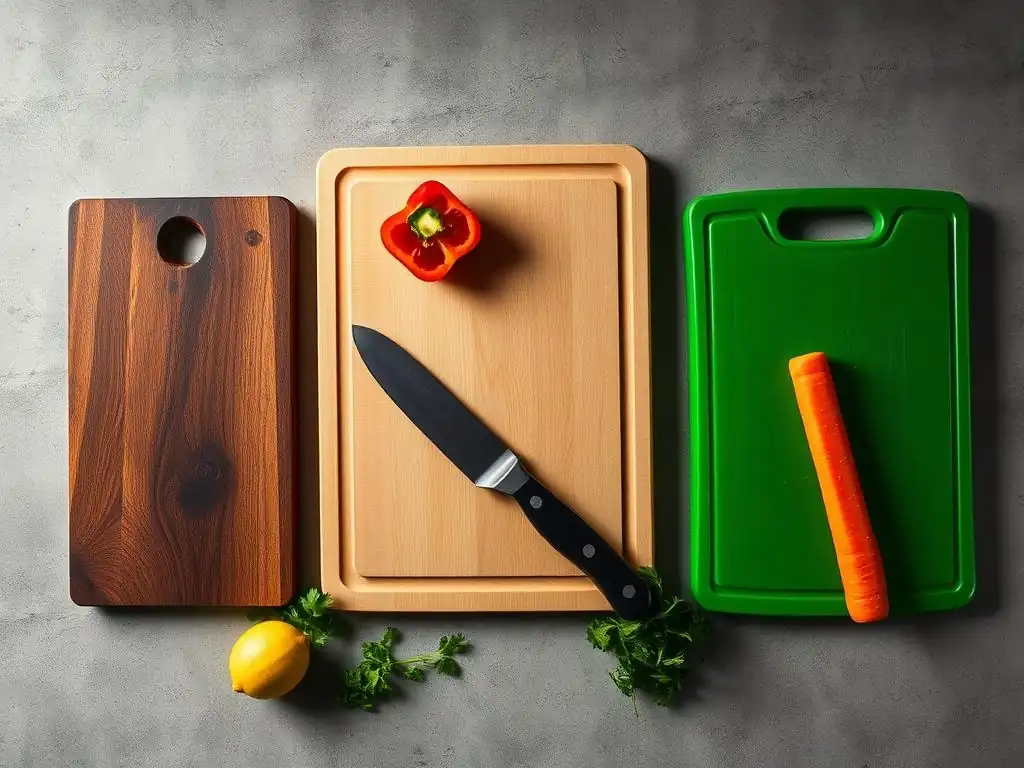
Welcome to BakeWithEase, where we unlock the secrets to baking success! Ever wondered if your cutting board is secretly sabotaging your delicious creations? This week, we're diving into the crucial topic of choosing the best cutting board wood for your home baking business. Beyond aesthetics, the wood you select plays a vital role in food safety and preventing cross-contamination. Intrigued? Keep reading to discover the surprising facts that could transform your baking practices!
- Introduction: Food Safety and the Home Baker
- Choosing the Best Cutting Board Material: A Baker's Guide
- Wood vs. Plastic Cutting Boards: A Head-to-Head Comparison
- Best Wood for Cutting Boards: Detailed Analysis
- Cutting Board Care and Maintenance: Preventing Cross-Contamination
- Alternative Cutting Board Materials for Baking
- Safe Baking Practices: Integrating Cutting Board Choices
- Conclusion: Prioritizing Food Safety Through Informed Cutting Board Choices
-
Frequently Asked Questions
- How does the type of wood in a cutting board affect food safety?
- What are the most hygienic wood options for cutting boards, according to BakeWithEase?
- Can I use any wood cutting board for all types of food, or should I have separate boards?
- How do I properly clean and maintain a wooden cutting board to prevent bacterial growth?
- Does BakeWithEase recommend any specific cutting board features besides the wood type?
- Final Reflection: The Enduring Importance of Safe Food Preparation
- Unlock Your Kitchen's Safety: Choose the Right Cutting Board!
Introduction: Food Safety and the Home Baker
The Importance of Cutting Board Hygiene in Baking
For any home baker, the journey from raw ingredients to a finished masterpiece involves numerous steps, many of which happen on a cutting board. Whether you're chopping nuts for a cake, dicing apples for a pie, or even shaping dough, your cutting board is a central stage.
Ensuring this surface is scrupulously clean isn't just a good habit; it's a fundamental pillar of food safety, particularly in a home baking environment where diverse ingredients, from raw eggs and butter to fresh fruits and cooked fillings, might share the same space. A contaminated cutting board can silently transfer harmful bacteria, allergens, or other pathogens from one ingredient to another, potentially ruining your bake and, more importantly, posing a health risk to anyone who enjoys your treats.
Consider the scenario where you've just finished preparing a savory pastry filling involving raw meat and then move on to chopping herbs for a garnish without properly sanitizing the board. Invisible bacteria like Salmonella or E. coli could easily transfer to the herbs, which are then consumed without further cooking, leading to foodborne illness. Even in baking, where high temperatures kill many pathogens, cross-contamination can occur after baking, such as when slicing a finished cake on a board previously used for raw ingredients.
Maintaining impeccable cutting board hygiene is a non-negotiable step in protecting your loved ones and ensuring the integrity of your delicious baked goods. It's about creating a safe foundation for every recipe.
Understanding Cross-Contamination Risks in the Kitchen
Cross-contamination is the unwelcome transfer of harmful microorganisms, such as bacteria, viruses, or parasites, from one surface or food to another. In a busy kitchen, this can happen in various ways: from raw foods (like uncooked meat, poultry, or eggs) to ready-to-eat foods (like baked bread, fresh fruit, or vegetables), from contaminated hands or utensils, and critically, from cutting boards. A cutting board's surface can harbor pathogens left behind from previous tasks. If not cleaned and sanitized effectively between uses, especially when switching between different types of ingredients, it becomes a vector for contamination.
Imagine you're preparing a batch of lemon bars. You might first use a board to zest and juice lemons (a relatively low-risk activity). Later, you might use the same board to cut cold butter into flour for the crust, and perhaps even slice the finished bars after they've cooled.
If, earlier that day, the board was used to cut raw chicken for a savory dish and wasn't thoroughly cleaned and sanitized, bacteria could linger in knife marks or on the surface, transferring to your baking ingredients. This highlights the critical need for understanding not just how to clean boards, but also the importance of when and why certain cleaning methods or even dedicated boards are necessary to mitigate these ever-present risks in the home kitchen.
Choosing the Best Cutting Board Material: A Baker's Guide
Why Material Matters: Selecting Safe Cutting Boards
The material of your cutting board plays a significant role in both its durability and its ability to be safely cleaned and sanitized, directly impacting the potential for cross-contamination. Different materials have varying porosities, hardness levels, and susceptibility to scoring from knives. These characteristics determine how easily bacteria can penetrate the surface and hide in crevices, making effective cleaning more challenging. For instance, a board material that easily develops deep cuts can become a breeding ground for bacteria, even after washing, because food particles and moisture get trapped in the grooves.
When choosing best cutting board wood or considering other materials, bakers need to think beyond aesthetics or price. The primary concern should be food safety. A material that is easy to clean and sanitize thoroughly after contact with potentially hazardous ingredients is paramount. While some materials might seem more convenient (like dishwasher-safe options), their performance over time in resisting bacterial harboring must be evaluated. Understanding how each material behaves when cut, washed, and exposed to moisture is key to making an informed decision that prioritizes hygiene in your baking endeavors.
Wood vs. Plastic Cutting Boards: A Head-to-Head Comparison
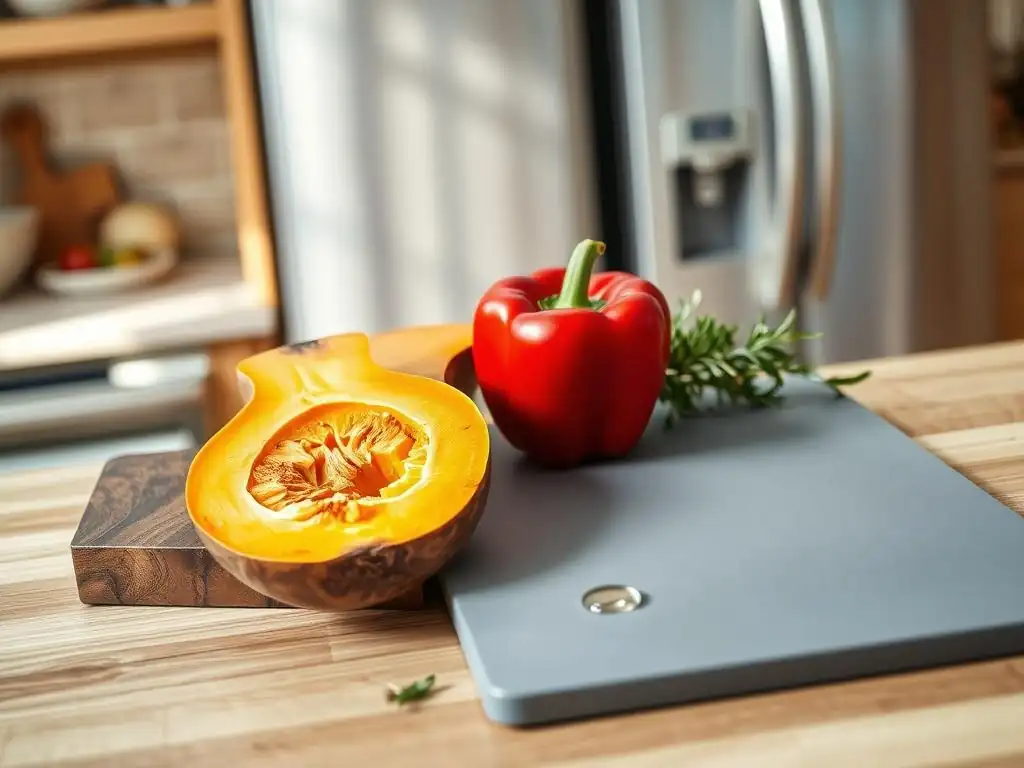
Wooden Cutting Boards: Pros and Cons for Home Baking
Wooden cutting boards have long been a staple in kitchens, admired for their natural beauty and feel. However, their suitability for preventing cross-contamination in a busy home baking environment depends heavily on the type of wood and how well they are maintained. When choosing best cutting board wood, bakers often look for tight-grained hardwoods known for durability and hygiene.
Advantages of Wood Cutting Boards: Natural Antibacterial Properties, Aesthetics
One of the often-cited advantages of wooden cutting boards, particularly those made from dense hardwoods like maple or walnut, is their purported natural antibacterial properties. Studies have suggested that bacteria pulled into the surface of wood by capillary action do not multiply and eventually die, unlike on plastic surfaces where bacteria can thrive in knife cuts. For example, some research from the University of California, Davis, in the early 1990s indicated that wooden boards often had fewer bacteria recovered from them after use and washing compared to plastic boards, suggesting wood's ability to inhibit bacterial survival.
Beyond hygiene, wood offers a pleasant cutting surface that is gentler on knife edges compared to harder materials like glass. The aesthetic appeal of a beautiful wooden board is also undeniable, adding a touch of warmth and tradition to the kitchen.
Disadvantages of Wood Cutting Boards: Maintenance and Sanitization
Despite their advantages, wooden cutting boards require more diligent maintenance than some other materials. They are typically not dishwasher safe, as prolonged exposure to high heat and moisture can cause them to warp, crack, or split. Proper cleaning requires hand washing immediately after use, followed by thorough drying. Sanitization can be more challenging than with plastic; while some methods like using a vinegar solution or hydrogen peroxide are effective (more on this later), they require specific application.
If wood boards are not dried properly, they can harbor mold or mildew. Deep knife cuts in wood, while perhaps less likely to permanently harbor bacteria than plastic in some scenarios, can still trap food particles if not meticulously cleaned. The need for regular oiling to prevent drying and cracking adds another step to their care routine.
Plastic Cutting Boards: Pros and Cons for Home Baking
Plastic cutting boards are ubiquitous in modern kitchens, largely due to their perceived ease of cleaning and often lower cost. They come in a variety of colors and sizes, making them convenient for different tasks.
Advantages of Plastic Cutting Boards: Ease of Cleaning
The primary advantage of plastic cutting boards is their ease of cleaning and sanitization. Many plastic boards, especially those made from high-density polyethylene, are non-porous and dishwasher safe. The high temperatures and strong detergents used in dishwashers are effective at killing most common kitchen bacteria, including Salmonella and E. coli.
This makes plastic boards a convenient option for quick cleanup, particularly after handling potentially risky ingredients like raw eggs or meat (though ideally, separate boards should be used). Their non-porous surface means they don't absorb liquids or stains as readily as some woods, which can be a plus for vibrant ingredients like berries or beets in baking.
Disadvantages of Plastic Cutting Boards: Knife Wear and Bacteria Retention
While easy to wash, plastic cutting boards have significant drawbacks, especially concerning long-term hygiene. They are often harder than wood and can dull knife edges more quickly. More importantly, plastic surfaces tend to score deeply when cut with knives. These grooves are difficult to clean thoroughly, even in a dishwasher.
Bacteria can become lodged in these cuts and multiply, making the board a potential source of contamination over time. Unlike wood, plastic does not possess any natural antibacterial properties. As plastic boards age and accumulate more knife marks, they become increasingly difficult to sanitize effectively, potentially harboring more bacteria than a well-maintained wooden board, especially in heavily scarred areas.
Best Wood for Cutting Boards: Detailed Analysis
When choosing best cutting board wood, bakers should focus on hardwoods known for their density, tight grain, and durability. These properties make them resistant to deep scoring and less likely to absorb moisture and bacteria.
Hardwood Cutting Boards: Maple, Walnut, and Cherry
Hardwoods like maple, walnut, and cherry are popular choices for high-quality cutting boards due to their strength, stability, and attractive appearance. Their tight grain is key to their performance as a cutting surface.
Maple Cutting Boards: Durability and Hygiene
Maple is widely considered one of the best woods for cutting boards, particularly Hard Maple (Sugar Maple). It is incredibly dense, with a Janka hardness rating typically around 1450 lbf (pounds-force). This density means it resists knife cuts very well, minimizing the deep grooves where bacteria can hide.
Its tight grain also makes it less porous than softer woods, reducing the absorption of liquids and stains. Maple is relatively neutral in color, which can be helpful for visibility during detailed prep work. Its durability ensures a maple board can last for many years, even with daily use in a busy baking kitchen, provided it receives proper care and maintenance.
Walnut Cutting Boards: Aesthetics and Functionality
Walnut is another excellent choice for a cutting board, prized for its beautiful rich, dark color and attractive grain patterns. While slightly softer than hard maple, Black Walnut still has a respectable Janka hardness rating of around 1010 lbf, making it durable enough for cutting board use without being excessively hard on knives. Its natural oils offer some water resistance.
The darker color of walnut can be a stylish addition to a kitchen, though it might make it slightly harder to spot light-colored residues. Walnut boards are known for their stability and resistance to warping, making them a reliable option for bakers who value both form and function when choosing best cutting board wood.
Cherry Cutting Boards: A Balance of Beauty and Performance
Cherry wood, specifically Black Cherry, offers a lovely reddish-brown hue that deepens with age and exposure to light. With a Janka hardness of approximately 995 lbf, it is similar in hardness to walnut, providing a good balance between durability and being kind to knife edges. Cherry has a fine, straight grain, which contributes to a smooth cutting surface.
It is less dense than maple but still quite resistant to cuts and moisture absorption compared to softer woods. Cherry boards strike a nice balance, offering good performance and hygiene characteristics along with significant aesthetic appeal, making them a popular choice for those seeking both beauty and functionality in their kitchen tools.
Bamboo Cutting Boards: An Eco-Friendly Option
Bamboo cutting boards have gained popularity as an environmentally friendly alternative to traditional wood. Bamboo is technically a grass, not a wood, but it is processed into a hard, durable material for cutting boards.
Bamboo: Sustainability and Antimicrobial Properties
Bamboo is incredibly fast-growing and renewable, making it a very sustainable resource compared to slow-growing hardwoods. Boards are typically made by laminating strips of bamboo together. Good quality bamboo boards can be quite hard and resistant to knife marks, sometimes even harder than some woods, though this can vary depending on the manufacturing process and the part of the bamboo used.
Some bamboo boards are advertised as having natural antimicrobial properties, similar to wood, although the extent and longevity of these properties can be debated and may differ from those of hardwoods. The relatively low cost and eco-friendly aspect make bamboo an attractive option for many home bakers.
Cutting Board Care and Maintenance: Preventing Cross-Contamination
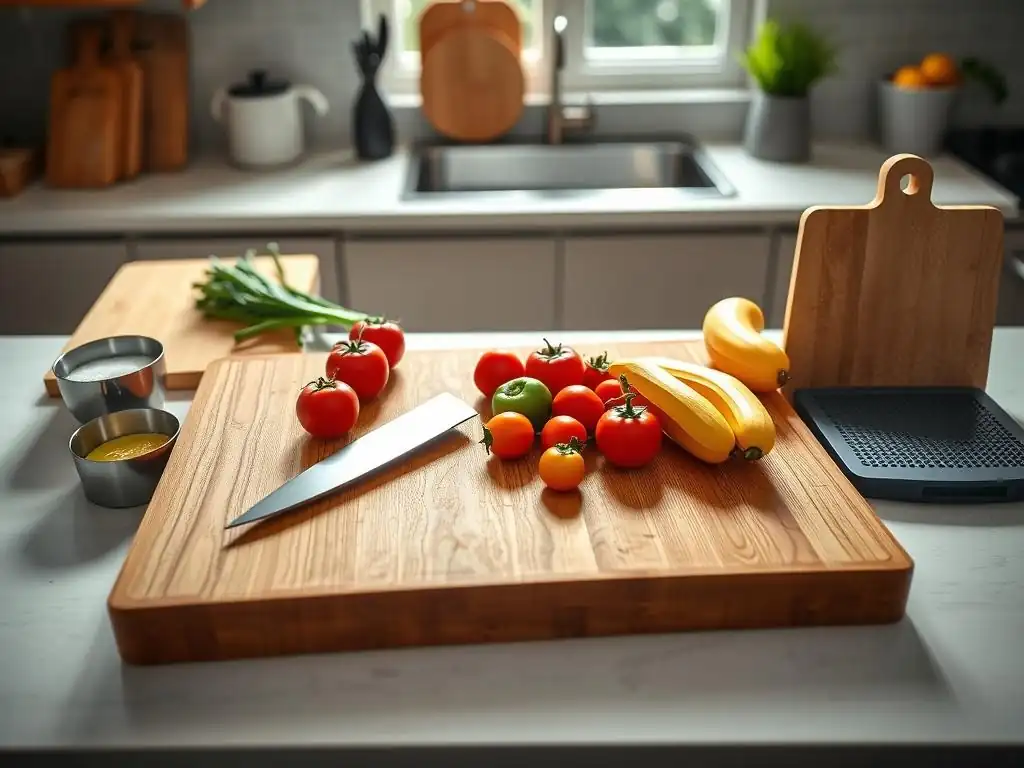
Proper care is crucial regardless of the material when aiming to prevent cross-contamination and extend the life of your cutting boards. Cleaning removes food particles, while sanitizing kills harmful bacteria.
Proper Cleaning Techniques for Wooden Cutting Boards
Cleaning a wooden cutting board immediately after use is vital. Use hot water and mild dish soap. Scrub the surface thoroughly with a stiff brush or sponge, paying attention to any visible marks or grooves. Rinse well with hot water. The most critical step is drying: pat the board dry with a clean towel and then stand it on edge to allow air circulation on all sides. This prevents moisture from lingering, which can lead to warping, cracking, and mold growth. Never soak a wooden board or put it in the dishwasher.
Sanitizing Wooden Cutting Boards: Vinegar Solution, Hydrogen Peroxide
While soap and water clean the surface, sanitizing takes hygiene a step further by killing lingering bacteria. A common method for wooden boards is using a vinegar solution. Mix one part white vinegar with five parts water. Spray or wipe this solution generously over the board's surface after cleaning, let it sit for a few minutes (perhaps 5-10), and then rinse and dry thoroughly.
Another option is using 3% hydrogen peroxide. Apply it directly to the clean surface, let it bubble for a few minutes, then rinse and dry. Avoid using bleach on wooden boards, as it can be harsh, difficult to rinse completely, and can degrade the wood fibers over time.
Oiling Wooden Cutting Boards: Mineral Oil, Beeswax
Regular oiling is essential to keep wooden boards from drying out, cracking, and becoming more susceptible to absorbing moisture and bacteria. Use food-grade mineral oil (also called liquid paraffin) or a board cream containing mineral oil and beeswax. Apply a generous amount to the clean, dry board using a clean cloth or paper towel, rubbing it into the wood grain.
Let it soak in for several hours, or even overnight, then wipe off any excess. Oil your board when it starts looking dry or faded, perhaps every few weeks or months depending on usage and climate. This maintenance not only protects the wood but also creates a barrier against moisture and stains, contributing to better hygiene.
Proper Cleaning Techniques for Plastic Cutting Boards
Plastic cutting boards are often marketed as easier to clean, and in some ways, they are. Immediate cleaning after use with hot water and soap is the first step. For sanitization, several methods are effective.
Dishwasher Safety and Plastic Cutting Boards
Many plastic cutting boards are labeled "dishwasher safe," which is a significant advantage for quick and effective sanitization. The high temperatures in a dishwasher's wash and dry cycles, combined with detergent, can effectively kill most bacteria. Placing your plastic board in the dishwasher after each use, especially after handling raw ingredients, is a reliable way to sanitize it. However, check the manufacturer's instructions, as not all plastics are suitable for dishwashers, and repeated high-heat cycles can sometimes cause warping over time, particularly with thinner boards.
Recognizing Wear and Tear on Plastic Boards
The ease of cleaning plastic boards diminishes as they age and accumulate deep knife cuts. These grooves are where bacteria can hide, protected from washing and even sanitizing agents. Regularly inspect your plastic boards. If you notice deep, numerous knife marks that are difficult to clean, it's time to replace the board. A board that is heavily scarred is a food safety risk that cannot be fully mitigated through cleaning alone. Don't wait until it's visibly stained or warped; the hidden danger lies in those cuts.
Dedicated Cutting Boards: A Color-Coding System for Baking
A highly effective strategy to prevent cross-contamination is to use dedicated cutting boards for specific types of ingredients or tasks. While less common than the raw meat/produce distinction, this is equally valuable in baking.
- Task: Raw Ingredients (Eggs, Butter, etc.)
- Use a specific board for prepping raw or potentially hazardous ingredients.
- Task: Fruits and Vegetables
- Use a separate board for chopping fruits, nuts, or vegetables that will be added to baked goods or used as garnishes without further cooking.
- Task: Cooked/Ready-to-Eat Items
- Dedicate a board for slicing baked goods (bread, cakes, pastries) or cooked fillings.
- Optional: Allergen-Specific
- If baking for individuals with severe allergies (e.g., nuts, gluten), consider a dedicated board only for those allergen-free preparations.
A color-coding system, often used in professional kitchens (e.g., red for raw meat, green for produce, blue for fish, yellow for cooked food, white for dairy/bakery), can be adapted for home baking. You could simply choose different colored plastic boards or even designate specific wooden boards for different purposes. Labeling boards clearly (e.g., "RAW," "PRODUCE," "BAKED GOODS") can also help avoid mix-ups. This simple practice drastically reduces the chance of transferring pathogens from one food item to another.
Alternative Cutting Board Materials for Baking
While wood and plastic are the most common, other materials are sometimes used for cutting surfaces, though their suitability for general baking tasks varies.
Glass Cutting Boards: Are They Suitable for Baking?
Glass cutting boards are non-porous and very easy to wipe clean and sanitize. They are often available in decorative patterns and are highly resistant to stains and odors. However, glass is extremely hard and unforgiving. Using knives on a glass board will very quickly dull and potentially damage the blades.
Furthermore, the hard surface can be slippery, increasing the risk of accidents. For baking tasks involving significant chopping or slicing with knives, glass is generally not recommended due to its detrimental effect on knives and potential safety hazards. They might be acceptable for non-cutting tasks, like placing hot pans or arranging cookies, but not as a primary cutting surface.
Silicone Cutting Mats: Flexibility and Hygiene
Silicone cutting mats are flexible, non-porous, and often dishwasher safe. They are lightweight and easy to store, sometimes rolling or folding up. Their non-slip properties can be helpful. They are excellent for tasks like rolling out dough or kneading, as dough is less likely to stick, and they protect the countertop.
However, as cutting surfaces, they are typically less durable than wood or plastic boards and can be easily cut through with sharp knives. Deep scores in silicone can be difficult to clean. While useful for specific baking tasks like dough work or as a protective layer, they are generally not the best choice for heavy-duty chopping or slicing compared to a quality wooden or plastic board.
Safe Baking Practices: Integrating Cutting Board Choices
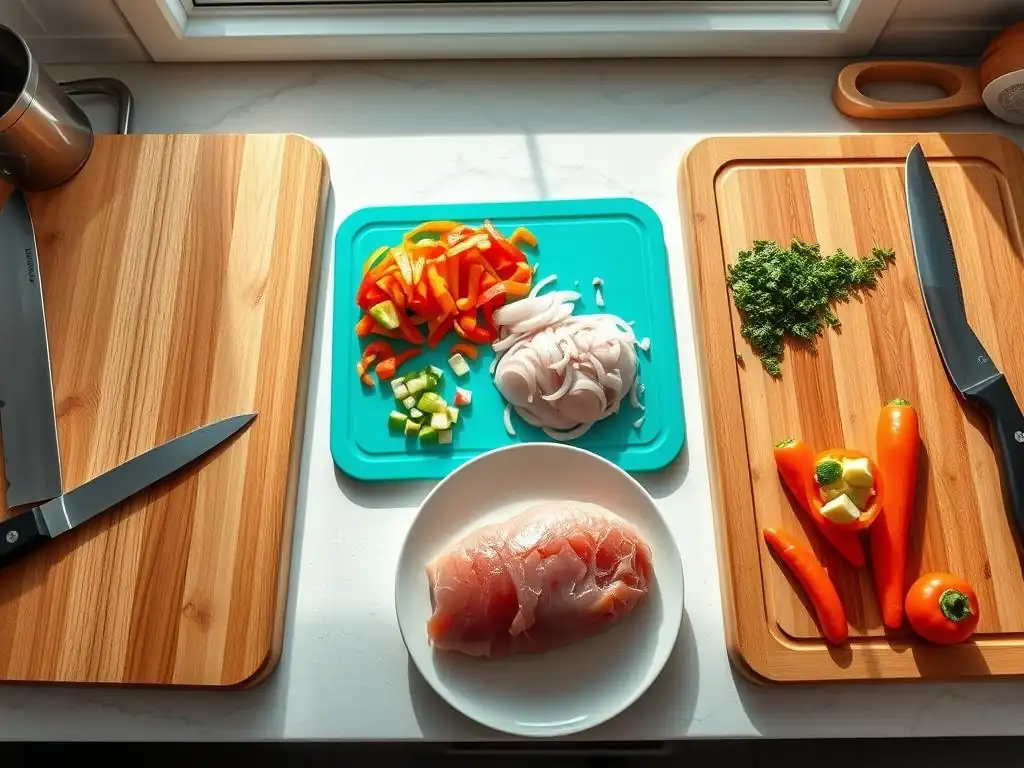
Choosing the right cutting board is just one piece of the food safety puzzle. Integrating your board choices into overall safe baking practices is essential for a hygienic kitchen.
Preventing Cross-Contamination: Raw vs. Ready-to-Eat Ingredients
The golden rule of preventing cross-contamination is keeping raw ingredients separate from ready-to-eat items. In baking, this means never using the same cutting board (or knife or bowl) for raw eggs, raw meat fillings (like for savory pies), or unwashed produce immediately after use for ingredients that won't be cooked further, such as fresh fruit for a tart topping, baked bread for slicing, or finished cookies.
Use dedicated boards, or thoroughly wash and sanitize the board between tasks. For example, if you prepare a quiche filling with raw bacon and eggs, that board needs rigorous cleaning and sanitizing before you use it to slice the finished, baked quiche.
Designated Cutting Boards for Specific Baking Tasks
Beyond the raw/cooked distinction, consider designating boards for specific types of baking ingredients or tasks. As mentioned with the color-coding system, having one board for "wet" or potentially messy tasks (like juicing citrus, chopping sticky dates) and another for "dry" tasks (like rolling out pastry, chopping nuts, slicing finished baked goods) can simplify cleanup and reduce risk.
For instance, using a board solely for kneading and shaping bread dough minimizes the chance of dough picking up flavors or residues from other foods. This systematic approach, combined with proper cleaning, significantly elevates the level of food safety in your home baking.
Best Practices for Maintaining a Hygienic Baking Environment
A clean cutting board is part of a larger commitment to kitchen hygiene. Always wash your hands thoroughly with soap and warm water for at least 20 seconds before you start baking, after handling raw ingredients (especially eggs or meat), after using the restroom, and any time you switch tasks. Keep your countertops and work surfaces clean.
Use clean utensils and bowls for each step of your recipe. Store ingredients properly to prevent spoilage. By combining conscientious ingredient handling, regular handwashing, clean surfaces, and the smart use and care of your cutting boards – including thoughtfully choosing best cutting board wood or other materials – you create a safe and welcoming environment for your baking adventures.
Conclusion: Prioritizing Food Safety Through Informed Cutting Board Choices
Recap of Key Considerations for Selecting the Best Cutting Board
Selecting the best cutting board involves more than just picking one that looks nice or fits your budget. For the home baker focused on food safety, key considerations include the material's resistance to knife cuts, its ability to be effectively cleaned and sanitized, and its long-term durability. Hardwoods like maple, walnut, and cherry are excellent choices for their density, tight grain, and natural properties, provided they are properly maintained through washing, sanitizing, and regular oiling.
Plastic boards offer ease of initial cleaning and are often dishwasher safe, but they can become problematic as they accumulate deep knife marks, which harbor bacteria and require replacement. Bamboo offers a sustainable option with good hardness. Ultimately, the "best" board is one you can and will keep clean and sanitized consistently.
Continued Commitment to Food Safety in Home Baking
Food safety is not a one-time consideration but an ongoing commitment for any baker, whether you're baking for family or running a small home business. Your cutting board choices and care practices are fundamental to this commitment. By understanding the risks of cross-contamination, selecting board materials wisely, adopting rigorous cleaning and sanitizing routines, and utilizing dedicated boards for different tasks, you build a strong foundation for safe baking.
This diligence ensures that the delicious treats you create are not only enjoyable but also safe for everyone to eat. Prioritizing hygiene in every step, from ingredient preparation on your chosen cutting board to the final cooling rack, is the mark of a responsible and caring baker.
Frequently Asked Questions
How does the type of wood in a cutting board affect food safety?
The type of wood influences its porosity and anti-bacterial properties. Some woods are naturally better at inhibiting bacterial growth than others, reducing the risk of cross-contamination.
What are the most hygienic wood options for cutting boards, according to BakeWithEase?
Hardwoods like maple and beech are generally considered more hygienic. They are less porous than softer woods, making them less likely to harbor bacteria.
Can I use any wood cutting board for all types of food, or should I have separate boards?
BakeWithEase recommends using separate cutting boards for raw meats and produce. This practice significantly reduces the risk of cross-contamination and foodborne illnesses.
How do I properly clean and maintain a wooden cutting board to prevent bacterial growth?
Wash your cutting board with hot, soapy water after each use. Periodically sanitize it with a vinegar solution or hydrogen peroxide and oil it to prevent drying and cracking.
Does BakeWithEase recommend any specific cutting board features besides the wood type?
Consider boards with grooves to catch liquids, which prevent spills and further reduce the risk of cross-contamination. Also, look for boards that are easy to handle and store.
Final Reflection: The Enduring Importance of Safe Food Preparation
The choice of cutting board is not merely a matter of aesthetics; it's a critical component of food safety, directly impacting public health and the prevention of cross-contamination. Ignoring this seemingly small detail can have significant consequences, from mild food poisoning to severe illness. The information presented in this article underscores the urgent need for informed decision-making when selecting a cutting board, especially given the rise in foodborne illnesses and the increasing awareness of hygiene practices.
The impact of proper food handling techniques, including the selection of appropriate cutting boards, resonates far beyond the individual kitchen. It touches upon broader societal concerns about food security and public health. Choosing the right cutting board is a small act with potentially large consequences, contributing to a safer and healthier food system for everyone. Food safety is not just a matter of regulations; it's a shared responsibility that begins in our own kitchens.
This simple truth highlights the power of individual choices in creating a safer environment for ourselves and our communities.
Consider the implications of your next cutting board purchase. Will you prioritize convenience over safety? Or will you actively choose a material that minimizes the risk of cross-contamination and protects your family's well-being? Take the time to research the options, understand the benefits and drawbacks of each material, and make an informed decision. Your health, and the health of those you share meals with, depends on it. Let this article serve as a reminder that even the smallest details in our daily lives can have a profound impact on our overall well-being.
Unlock Your Kitchen's Safety: Choose the Right Cutting Board!
Thanks for taking the time to learn about safe food prep practices! You're now equipped to make informed choices about cutting boards and prevent cross-contamination. Ready to put your newfound knowledge to work?
- Invest in a set of color-coded cutting boards: This single step significantly reduces your risk of accidental cross-contamination. Different colors for different food groups (meat, veggies, etc.) makes it simple and effective.
- Share this article with your friends and family: Spread the word about food safety and help others create healthier kitchens!
- Try a new recipe using your new cutting board knowledge: Let us know how it goes in the comments below!
What's your favorite tip for avoiding cross-contamination in your kitchen? Let's discuss!