
Using Food Thermometers: A Home Baker's Guide to Safety

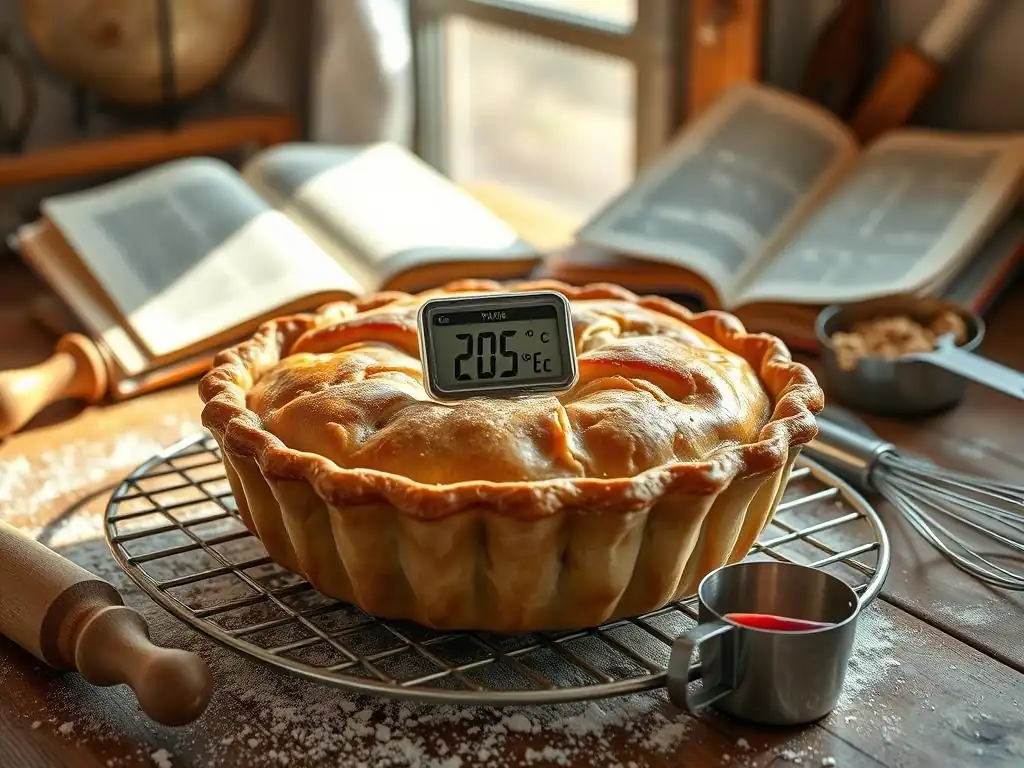
Welcome to BakeWithEase, your secret ingredient to baking success! Ever wondered if your oven is really at the temperature you set? This article dives deep into the crucial role of food thermometers in ensuring perfectly baked goods, every time. Discover the secrets behind achieving professional results at home, and learn why understanding and using food thermometers is vital, particularly when venturing into a home baking business. Are you ready to unlock the science behind perfect baking temperatures explained? Let's get started!
- Introduction: Ensuring Food Safety in Your Home Baking
- Understanding Baking Temperatures: Perfect Baking Temperatures Explained
- Types of Food Thermometers for Baking: Choosing the Right Tool
- How to Use a Food Thermometer for Baking: A Step-by-Step Guide
- Common Mistakes to Avoid When Using Food Thermometers
- Maintaining and Caring for Your Food Thermometer
- Advanced Techniques: Beyond the Basics of Baking Temperatures
- The Benefits of Using a Food Thermometer: Bake with Ease and Confidence
- Conclusion: Mastering Baking Temperatures for Safe and Delicious Results
-
Frequently Asked Questions
- What is the most important reason for using a food thermometer when baking?
- What type of food thermometer is generally recommended for home bakers?
- How does temperature impact the texture of baked goods?
- What are some common foods that require extra attention to temperature during baking?
- Where should I insert the thermometer into a baked good for the most accurate reading?
- Final Reflection: The Sweet Science of Precision Baking
- Unlock Perfectly Baked Treats: Take the Temperature!
Introduction: Ensuring Food Safety in Your Home Baking
Home baking is a delightful pursuit, filling your kitchen with wonderful aromas and your table with delicious treats. However, beyond mastering the perfect crumb or the flakiest crust, there's a crucial element that every home baker must prioritize: food safety. While recipes guide us on ingredients and techniques, ensuring that our baked goods are safe to eat is paramount, especially when incorporating fillings or ingredients that require precise cooking.
This guide will walk you through the essential role of food thermometers in achieving both culinary excellence and, more importantly, safety in your baking. We'll explore why understanding and controlling internal temperatures is key, introduce you to the different types of thermometers available, and provide practical advice on how to use them effectively. By the end, you'll be equipped to tackle any baking project with confidence, knowing you're serving safe, perfectly baked creations.
Why Accurate Baking Temperatures Matter for Food Safety
Achieving perfect baking temperatures is not just about texture and flavor; it's fundamentally about food safety. Many baked goods, particularly those containing eggs, dairy, or meat/poultry fillings (like quiches, cheesecakes, or savory pies), can harbor harmful bacteria if not cooked to a sufficiently high internal temperature. Bacteria like Salmonella, E. coli, and Listeria can cause serious foodborne illness, and relying solely on visual cues or baking time isn't enough to guarantee these pathogens have been eliminated.
The heat of your oven penetrates the food gradually, and different parts of a large or dense item will reach safe temperatures at different rates. A thermometer provides an objective measurement of the internal temperature at the core of the food item, which is the critical factor for killing bacteria. Understanding and hitting the correct perfect baking temperatures explained for specific ingredients ensures that any potential contaminants are neutralized, making your delicious baked goods safe for everyone to enjoy.
Introducing the Essential Tool: The Food Thermometer
For any home baker serious about safety and consistency, a food thermometer is an indispensable tool. It's the only reliable way to know the internal temperature of your baked goods, taking the guesswork out of ensuring they are cooked through and safe. While your oven thermostat regulates the external temperature, only a food thermometer can tell you what's happening inside the food itself.
Think of it as your baking safety net. Whether you're baking a dense pound cake, a delicate custard pie, or yeast bread, a quick check with a calibrated food thermometer provides the critical information needed to prevent undercooking. Incorporating this simple tool into your baking routine is a small step that offers significant peace of mind and helps you consistently achieve those perfect baking temperatures explained in recipes and food safety guidelines.
Understanding Baking Temperatures: Perfect Baking Temperatures Explained
Mastering baking involves understanding how heat transforms ingredients. While oven temperature controls the external cooking environment, the internal temperature dictates the doneness, texture, and crucially, the safety of your baked goods. This is where perfect baking temperatures explained becomes vital – it’s about knowing the target internal heat needed for different types of items.
This section delves into the principles behind why specific internal temperatures are required and provides a guide to the typical temperature ranges you'll aim for when baking common items like bread, cakes, cookies, and pastries. Using a thermometer helps you move beyond simply following a timer and truly understand when your creation has reached its optimal state, both culinarily and safely.
The Science Behind Safe Baking Temperatures
The science behind safe baking temperatures revolves around thermal death points for common pathogens. Most harmful bacteria are killed when exposed to high temperatures for a sufficient amount of time. For example, Salmonella, often associated with eggs and poultry, is typically destroyed when food reaches an internal temperature of 165°F (74°C). Custard fillings, which contain eggs and dairy, are often recommended to reach 160°F (71°C) to ensure egg proteins are set and bacteria are eliminated.
Different foods require different temperatures because of their composition and density. Dense items like meat fillings or thick batters heat up slower than thin cookies. The goal is to ensure that the coldest part of the food – usually the center – reaches a temperature high enough to be safe. Understanding these scientific principles helps explain why achieving perfect baking temperatures explained isn't just a suggestion, but a requirement for food safety, particularly when baking for others or running a home baking business.
Target Internal Temperatures for Common Baked Goods
Knowing the target internal temperatures for various baked goods is key to both safety and quality. While visual cues like golden-brown crusts are helpful, they don't tell the whole story about the interior. Using a thermometer provides the definitive answer. For instance, yeast bread is typically done when the internal temperature reaches 190-210°F (88-99°C), resulting in a fully cooked interior with a good crumb structure.
Custard-based items, like quiches or cheesecakes, often need to reach 160°F (71°C) to set the egg proteins and ensure safety. Pies with fruit fillings are often considered done when the filling is bubbling, indicating it has reached temperatures well above 200°F (93°C) and is safe, though the crust must also be perfectly baked.
For items like muffins or quick breads, while less critical from a safety standpoint unless they contain vulnerable fillings, an internal temperature around 200-210°F (93-99°C) indicates a fully cooked interior without being dry. Achieving these perfect baking temperatures explained for each type of bake guarantees consistent, safe, and delicious results.
Bread Baking Temperature Guide
When baking yeast bread, the internal temperature is a key indicator of doneness. Most standard lean doughs (made from flour, water, yeast, and salt) are considered fully baked when the center reaches an internal temperature between 190°F (88°C) and 210°F (99°C). A reading closer to the lower end of this range often results in a softer, more tender crumb, while temperatures towards the higher end yield a firmer crumb and a crispier crust.
For enriched breads containing ingredients like milk, eggs, or butter (e.g., challah, brioche), the target temperature is often slightly lower, typically between 180°F (82°C) and 190°F (88°C). This prevents the bread from drying out due to the higher fat and sugar content. Using a thermometer ensures your loaf is cooked through, preventing a gummy interior, and helps you consistently achieve the perfect baking temperatures explained for your specific bread recipe, leading to predictable and satisfying results every time.
Cake Baking Temperature Guide
Cakes, especially larger or denser ones like pound cakes or fruitcakes, benefit greatly from temperature checks. While the classic toothpick test is useful, it only tells you if the center is wet, not its actual temperature. For most cakes, there isn't a strict safety temperature unless they contain custard or cream fillings. However, checking the internal temperature is an excellent way to ensure the cake is fully cooked without being overbaked.
A general guideline for many cakes is an internal temperature between 200°F (93°C) and 210°F (99°C). At this temperature, the cake structure is set, and the interior is fully cooked. For cakes with high sugar or moisture content, this range helps confirm doneness. For cheesecakes or cakes with custard layers, aiming for 150-160°F (66-71°C) in the center is common to ensure the custard is set and safe. Using a thermometer helps you achieve the perfect baking temperatures explained for your specific cake type, guaranteeing a moist, tender crumb without the dreaded dry edges.
Cookie Baking Temperature Guide
Checking the internal temperature of cookies isn't as common as with other baked goods, primarily because they are thin and cook relatively quickly. Visual cues like golden edges and set centers are usually sufficient for most standard cookie recipes. However, for cookies containing raw flour (like edible cookie dough that you then bake) or those with fillings (like stuffed cookies or bars with gooey centers), temperature can play a role, especially if the filling contains eggs or dairy.
For standard cookies, doneness is more about texture preference and visual cues rather than a specific internal temperature target. However, if you're baking bar cookies or very thick cookies with fillings that require a safety temperature (e.g., a lemon bar with a custard filling), inserting a thermometer into the center of the filling is crucial. The target temperature would align with custard guidelines, around 160°F (71°C). While not always necessary, understanding the principles of perfect baking temperatures explained can still be applied to ensure fillings are safe and properly set.
Pastry Baking Temperature Guide
Pastries encompass a wide range of items, from flaky croissants to fruit tarts and savory pot pies. The relevant internal temperature varies significantly depending on the filling. For laminated doughs like croissants, doneness is primarily judged by the deep golden-brown color and the crispiness of the layers, indicating the butter has melted and created steam, and the dough is fully cooked. There isn't a standard internal temperature check for the dough itself.
However, if your pastry contains a filling that requires a safety temperature, such as a chicken pot pie or a quiche, using a thermometer is absolutely essential. Savory fillings with meat or poultry must reach 165°F (74°C), while quiche or custard fillings should reach 160°F (71°C). For fruit pies, the filling should be bubbling vigorously, which means it has reached temperatures well over 200°F (93°C), ensuring the fruit is cooked and safe. Knowing these perfect baking temperatures explained for your specific pastry type and filling is critical for both delicious results and food safety.
Types of Food Thermometers for Baking: Choosing the Right Tool
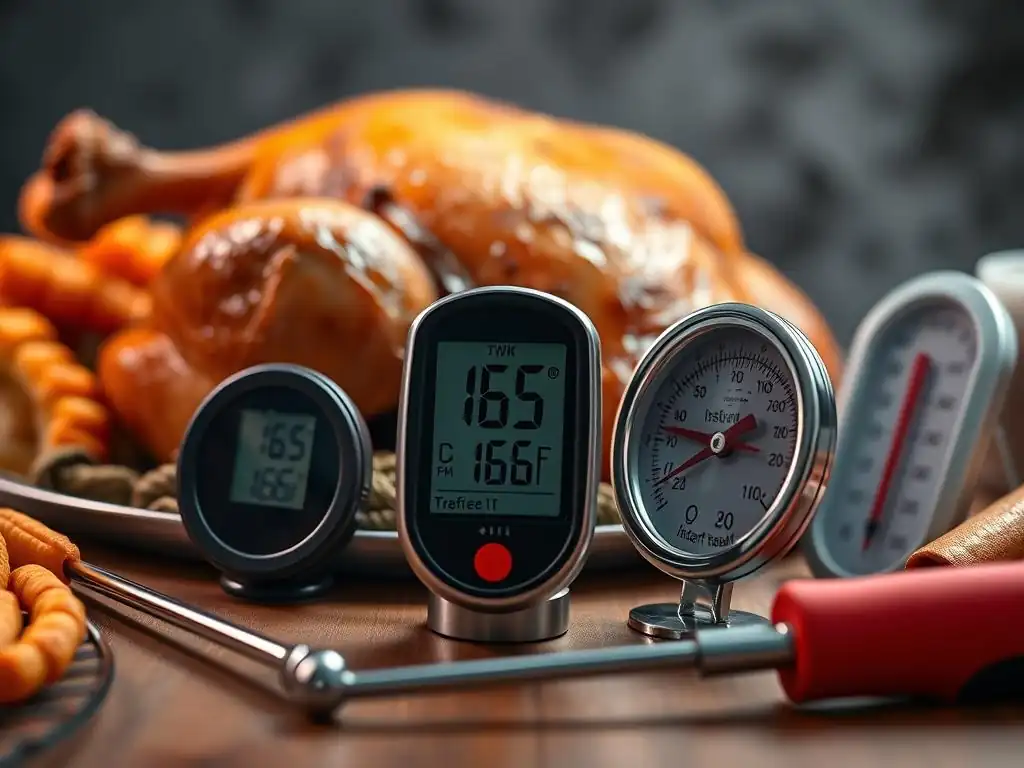
Just as there are different types of baked goods, there are different types of food thermometers, each suited for specific tasks. Choosing the right thermometer can make a significant difference in ease of use, speed, and accuracy when checking those crucial internal temperatures. While some are designed for quick checks, others are built for continuous monitoring in the oven.
Understanding the features and benefits of each type will help you select the best tool for your baking needs, ensuring you can reliably measure perfect baking temperatures explained in your recipes. Let's explore the most common types you'll encounter in a home kitchen setting.
Digital Instant-Read Thermometers: Speed and Accuracy
Digital instant-read thermometers are perhaps the most versatile and popular choice for home bakers. They feature a sharp probe attached to a digital display and provide a temperature reading within a few seconds (often 2-10 seconds). This speed is invaluable when you need to quickly check the temperature of a delicate cake or a loaf of bread without leaving the oven door open for too long and losing heat.
Their accuracy is typically very good, often within ±1°F (±0.5°C). They are excellent for spot-checking the internal temperature of breads, cakes, muffins, or the center of a pie filling after it has been removed from the oven or pulled out for a quick check. This allows you to verify if you've hit those perfect baking temperatures explained without interrupting the baking process for an extended period.
Oven-Safe Thermometers: Continuous Monitoring
Oven-safe thermometers are designed to remain in the food while it bakes in the oven. They typically have a metal probe connected by a heat-resistant wire to an external display unit that sits outside the oven. This allows you to monitor the internal temperature of the food continuously without opening the oven door.
These are particularly useful for larger items that require longer baking times, such as roasting meats that might be part of a savory pastry filling, or for monitoring the internal temperature of dense items like meatloaves baked inside a pastry crust. While perhaps less common for standard cakes or cookies, they are invaluable when perfect baking temperatures explained for safety are critical for fillings cooked over extended periods.
Probe Thermometers with Alarms: Precision Baking
Probe thermometers often combine the features of instant-read and oven-safe thermometers, offering the ability to leave a probe in the food while it cooks, but with the added functionality of a programmable alarm. You can set a target temperature, and the alarm will sound when the food reaches that internal temperature.
This feature is incredibly useful for precision baking and cooking, especially when specific perfect baking temperatures explained are crucial for safety or texture. For example, when baking a large quiche or a filled savory pie, you can set the alarm for 160°F or 165°F, ensuring the filling is cooked to a safe temperature without guesswork. This allows you to focus on other tasks while the oven does its work, confident you'll be alerted the moment your bake is perfectly done internally.
Candy Thermometers: Special Considerations for Sugar Work
While not used for checking the internal temperature of baked doughs or batters, candy thermometers are essential for baking tasks involving sugar syrups, caramel, or tempering chocolate. These thermometers are designed to measure very high temperatures accurately, often up to 400°F (200°C) or more.
They typically feature a long glass or metal stem with markings for different sugar stages (thread, soft ball, firm ball, hard ball, crack, caramel) and clip onto the side of a saucepan. Achieving the correct temperature is critical for the success of confectionery elements used in baking, such as making meringue, frosting, or sugar decorations. While they don't measure perfect baking temperatures explained for the finished baked good itself, they are vital for specific components used in advanced baking techniques.
How to Use a Food Thermometer for Baking: A Step-by-Step Guide
Using a food thermometer correctly is just as important as having one. Incorrect placement or failure to calibrate can lead to inaccurate readings, potentially resulting in undercooked and unsafe food, or overbaked and dry results. Follow these steps to ensure you get reliable readings and consistently achieve perfect baking temperatures explained in your recipes.
This section provides practical guidance on preparing your thermometer, inserting it properly, and knowing where to check the temperature in different types of baked goods.
Calibrating Your Thermometer for Accurate Readings
Before relying on your food thermometer, especially a new one or one that's been dropped, it's crucial to calibrate it to ensure its accuracy. The ice point method is a simple and effective way to do this. Fill a glass with crushed ice and add cold water. Stir the mixture and let it sit for a few minutes. The temperature of a properly made ice bath is 32°F (0°C).
Insert your thermometer probe into the center of the ice bath, making sure not to touch the sides or bottom of the glass. After about 30 seconds (or until the reading stabilizes for digital thermometers), the thermometer should read 32°F (0°C). If it doesn't, most digital thermometers have a calibration feature you can use to adjust it. For analog thermometers, there's usually a nut under the dial that can be adjusted. Regularly calibrating ensures your thermometer is giving you true perfect baking temperatures explained readings.
Inserting the Thermometer Correctly: Avoiding False Readings
Proper probe insertion is critical for getting an accurate internal temperature reading. Always insert the thermometer probe into the thickest part of the food item. Avoid touching bone, fat, or the bottom of the baking pan, as these can give you misleadingly high or low readings. For example, when checking a loaf of bread, insert the probe horizontally into the center of the loaf from the side.
For a cake, insert the probe into the very center. For pies or quiches with fillings, insert the probe into the center of the filling, ensuring it reaches the deepest point. The goal is to measure the temperature of the coolest part of the food, which is typically the center. Correct insertion is key to verifying that you've reached the perfect baking temperatures explained throughout the item.
Taking Multiple Readings for Consistency
Even when inserting the probe correctly, it's a good practice to take multiple readings in different spots within the thickest part of the food item. This helps account for potential temperature variations within the food and ensures that the entire critical area has reached the target temperature.
For example, when checking a large quiche, take a reading in the center, and then maybe one or two more readings a couple of inches away from the center in different directions. If all readings meet or exceed the target perfect baking temperatures explained, you can be confident that the food is safely cooked and done. If one reading is lower, continue baking and recheck until all readings are satisfactory.
When and Where to Check the Temperature in Different Baked Goods
Knowing when and where to check is as important as how to check. For most items, you'll want to start checking the temperature towards the end of the minimum baking time specified in the recipe. Checking too early can cause heat loss from opening the oven and unnecessarily prolong baking.
- Bread: Check when the crust is golden brown and the loaf sounds hollow when tapped on the bottom. Insert the thermometer horizontally into the center from the side. Target: 190-210°F (88-99°C).
- Cakes: Check when a toothpick inserted into the center comes out clean. Insert the thermometer into the very center. Target: 200-210°F (93-99°C) for standard cakes, 150-160°F (66-71°C) for cheesecakes/custard cakes.
- Cookies: Seldom checked with a thermometer unless very thick or filled. Rely mostly on visual cues.
- Pastries (with fillings): Check when the pastry crust is golden brown and the filling appears set or bubbling. Insert the thermometer into the center of the filling, avoiding the bottom crust. Target: 165°F (74°C) for meat/poultry, 160°F (71°C) for quiche/custard.
Following these guidelines helps you confidently use your thermometer to achieve perfect baking temperatures explained for each specific type of baked good.
Bread: Checking the Center for Doneness
Checking the internal temperature of bread is a reliable way to ensure it's fully baked and has the correct internal structure. As mentioned, the target range for most yeast breads is 190-210°F (88-99°C). Insert the thermometer probe horizontally into the thickest part of the loaf, aiming for the center. This is typically done after the loaf has developed a good crust color and feels light for its size.
A temperature reading within this range indicates that the starch in the flour has fully gelatinized and the gluten structure has set, resulting in a properly cooked crumb. If the temperature is below 190°F, the interior may be doughy or gummy. Using a thermometer takes the guesswork out of bread doneness, helping you consistently achieve the perfect baking temperatures explained for a satisfying loaf every time.
Cakes: Ensuring a Fully Baked Interior
For cakes, especially larger or denser ones, checking the internal temperature provides a more objective measure of doneness than the traditional toothpick test. While a clean toothpick indicates the batter is set, the temperature confirms the structure is fully baked throughout. As noted, standard cakes are typically done between 200-210°F (93-99°C) in the center.
For delicate items like cheesecakes or flans, which rely on egg coagulation for setting, a lower target temperature around 150-160°F (66-71°C) prevents overcooking and cracking while ensuring safety. Insert the probe into the center, avoiding any fruit or dense inclusions if possible. Using a thermometer helps prevent the common issue of cakes that look done on the outside but are still gooey or undercooked in the middle, ensuring you hit those perfect baking temperatures explained for a consistently moist and tender result.
Cookies: Assessing Doneness Without Overbaking
While thermometers aren't typically used for thin, standard cookies, they can be helpful for thicker bar cookies or those with specific fillings. For example, if baking blondies or brownies, inserting a thermometer into the center can help determine if they are fudgy (lower temp, around 170-180°F or 77-82°C) or more cake-like (higher temp, around 200°F or 93°C).
For cookies or bars with fillings that require a safety temperature, such as those containing custard, checking the internal temperature of the filling is crucial. The target temperature for such fillings would be around 160°F (71°C). While you might not be checking the cookie dough's temperature itself, understanding the principles of perfect baking temperatures explained still applies to ensuring the safety and desired texture of fillings within cookies and bars.
Pastries: Verifying Proper Lamination and Cooking
For laminated pastries like croissants or puff pastry, doneness is primarily visual – a deep golden color and crisp layers indicate the butter has melted and created steam, puffing the layers. The internal temperature of the dough isn't typically measured.
However, for pastries with fillings, especially savory ones like meat pies or quiches, using a thermometer is essential for safety. Insert the probe into the center of the filling, making sure it doesn't touch the bottom crust. Meat or poultry fillings need to reach 165°F (74°C), while egg-based fillings like quiche need to reach 160°F (71°C). For fruit pies, checking that the filling is actively bubbling indicates it's reached temperatures well over 200°F (93°C), which is sufficient for safety and doneness. A thermometer helps ensure these perfect baking temperatures explained for the filling are met, providing peace of mind.
Common Mistakes to Avoid When Using Food Thermometers
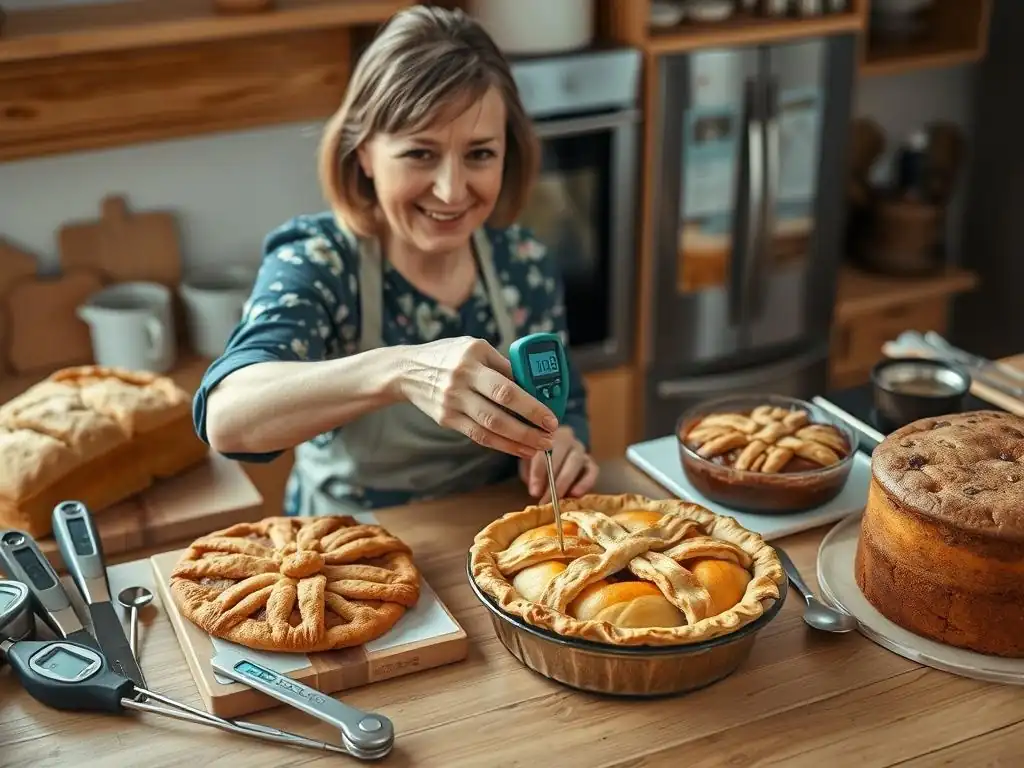
Even with the right tool, missteps can lead to inaccurate readings and compromise your baking results or safety. Being aware of common mistakes helps you use your food thermometer effectively and reliably.
Avoiding these pitfalls ensures that you leverage your thermometer to its full potential, consistently achieving the perfect baking temperatures explained in your recipes and food safety guidelines.
Incorrect Placement of the Thermometer
One of the most frequent errors is inserting the thermometer probe into the wrong spot. Inserting it too close to the edge of the pan, touching the bottom, or hitting a piece of bone (in savory bakes) or a large piece of fruit can give a reading that is significantly different from the true temperature of the coldest part of the food.
For example, if you insert the probe of an instant-read thermometer into the edge of a dense cake, it will register as done much faster than the center, leading you to pull the cake too early and resulting in a raw middle. Always aim for the very center or the thickest part of the food item, away from edges and bones, to get an accurate measurement of the lowest temperature reached. This ensures you're truly verifying the perfect baking temperatures explained for the entire item.
Using a Thermometer That Isn't Calibrated
A thermometer that is out of calibration is worse than no thermometer at all, as it provides a false sense of security. If your thermometer reads too low, you might overbake your item trying to reach the perceived target temperature. If it reads too high, you might pull the item too early, potentially resulting in undercooked and unsafe food, especially with fillings requiring specific safety temperatures like 165°F for poultry.
Regularly calibrating your thermometer, using the ice bath method described earlier, is a simple step that takes only a few minutes but is crucial for ensuring the accuracy of your temperature readings. Make it a habit to check calibration periodically, perhaps every few months or after the thermometer has been subjected to rough handling, to confidently measure perfect baking temperatures explained.
Relying Solely on Time Instead of Temperature
Recipes provide baking times as a guideline, but factors like the actual temperature of your oven (which can vary significantly from the dial setting), the initial temperature of your ingredients, and the density of your specific bake can all affect how long it takes to reach doneness. Relying solely on the timer can lead to inconsistent results and potential safety issues.
While time is a useful estimate for when to start checking for doneness, the internal temperature is the definitive indicator. A recipe might say "bake for 45-50 minutes," but using a thermometer allows you to confirm that your item has reached the target internal temperature, whether that happens at 40 minutes or 60 minutes. This shift from time-based baking to temperature-based baking is key to mastering perfect baking temperatures explained for consistent results.
Overbaking Due to Misinterpreting Readings
Sometimes, bakers might get a reading that is slightly below the target temperature and then drastically overcompensate, leading to overbaked, dry results. Understanding the context of the temperature reading is important. For instance, if a bread is at 185°F (85°C) and the target is 190-210°F (88-99°C), it only needs a few more minutes in a hot oven, not another 15-20 minutes.
Also, remember that temperatures can rise slightly after the item is removed from the oven (carry-over cooking), especially for dense items. If your item is just a few degrees shy of the target perfect baking temperatures explained, you might be able to remove it and let the residual heat finish the job. Learn to interpret the readings in conjunction with visual cues and the recipe's guidance, but always let the temperature be the final word on doneness, especially for safety.
Maintaining and Caring for Your Food Thermometer
Like any kitchen tool, proper maintenance and care will extend the life and ensure the accuracy of your food thermometer. A well-maintained thermometer is a reliable tool for achieving perfect baking temperatures explained and ensuring food safety.
Taking a few simple steps after each use will keep your thermometer in good working order and ready for your next baking adventure.
Cleaning Your Thermometer Properly
Proper cleaning is essential to prevent the transfer of bacteria from raw ingredients to cooked food. Always clean your thermometer probe thoroughly after each use, especially when checking items containing raw eggs, dairy, or meat. Use hot, soapy water and wipe the probe clean.
For most digital thermometers, the probe is waterproof, but the main body with the display may not be. Be careful not to submerge the entire unit unless specifically stated by the manufacturer. Using antibacterial wipes designed for kitchen surfaces is also an option. Ensuring your thermometer is clean before and after use is a critical step in maintaining hygiene and confidently checking perfect baking temperatures explained for safety.
Storing Your Thermometer to Prevent Damage
How you store your thermometer can impact its accuracy and lifespan. Avoid storing it in places where it could be bent, dropped, or exposed to extreme temperatures. Many thermometers come with a protective sheath for the probe, which is useful for both hygiene and preventing the probe from being damaged or damaging other items.
Store it in a drawer where it won't be crushed, or hang it if it has a loop. Keeping it protected helps maintain its calibration and physical integrity, ensuring it's always ready to provide accurate readings for those perfect baking temperatures explained.
Replacing Your Thermometer When Necessary
Even with the best care, thermometers don't last forever. If your thermometer consistently gives inconsistent readings, won't calibrate properly, or shows signs of damage like a bent probe or a cracked display, it's time to replace it.
A faulty thermometer can compromise your ability to ensure food safety and achieve desired baking results. Consider replacing older thermometers periodically, especially if you rely on them for critical safety checks of items containing potentially hazardous ingredients. Investing in a new, reliable thermometer is a small cost compared to the potential risks of undercooked food, ensuring you can always trust your measurements of perfect baking temperatures explained.
Advanced Techniques: Beyond the Basics of Baking Temperatures
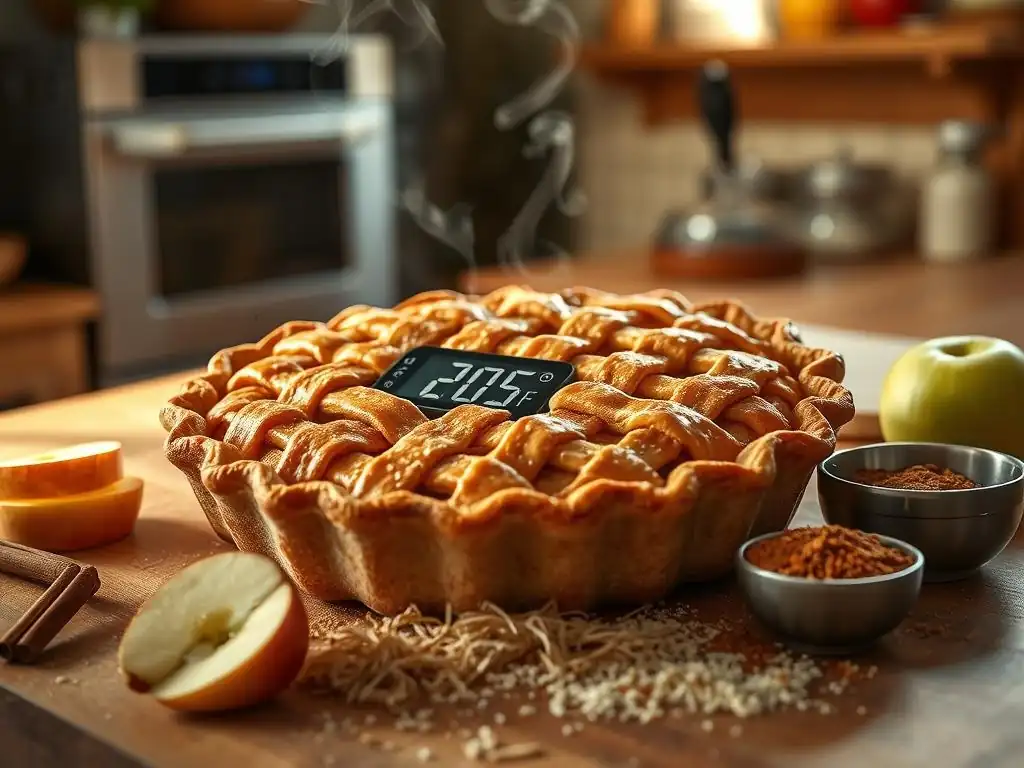
While using a thermometer to check for doneness is fundamental, understanding temperature goes beyond just the final internal reading. Temperature plays a critical role throughout the baking process, from ingredient preparation to troubleshooting.
Exploring these advanced techniques allows you to leverage your thermometer for even greater control and understanding of your baking, helping you consistently achieve and even improve upon perfect baking temperatures explained in recipes.
Using Thermometers for Dough Temperature Control
For yeast bread bakers, controlling dough temperature during fermentation is just as important as checking the final baked temperature. Yeast activity is highly dependent on temperature; too cold and fermentation is slow or stalled, too warm and it can be too rapid, leading to off-flavors or poor structure. Many recipes call for water or milk at a specific temperature range (e.g., 105-115°F or 40-46°C) to activate dry yeast.
Beyond the initial liquid temperature, monitoring the dough temperature throughout bulk fermentation and proofing provides valuable insight into yeast activity. Ideal dough temperatures vary depending on the type of bread, but often fall between 75-80°F (24-27°C). Using an instant-read thermometer to check the dough temperature helps you adjust fermentation times or environment (e.g., moving to a warmer or cooler spot) to keep the yeast happy and ensure a successful rise, contributing to the overall process of achieving perfect baking temperatures explained from start to finish.
Adjusting Baking Times Based on Thermometer Readings
Once you start using a thermometer regularly, you'll develop a better intuition for how your oven performs and how quickly different items reach their target internal temperatures. This allows you to move beyond strict reliance on recipe baking times and adjust based on real-time temperature data.
If your dense cake is taking longer than the recipe suggests to reach 205°F (96°C), you'll know to continue baking without worrying you've done something wrong – your oven might simply run cooler, or the cake might be particularly moist. Conversely, if an item reaches its perfect baking temperatures explained faster than anticipated, you can pull it early, preventing overbaking. This adaptive approach, guided by temperature readings, leads to more consistent and successful results regardless of minor variations in oven performance or ingredient temperatures.
Troubleshooting Baking Issues with Temperature Data
A food thermometer can be a powerful troubleshooting tool when things don't go as planned. Is your bread dense and gummy in the center? A quick check of the internal temperature might reveal it only reached 180°F (82°C) instead of the target 200°F (93°C), indicating it was underbaked. Are your muffins dry? Perhaps they reached 215°F (102°C), suggesting they were baked too long or at too high a temperature.
By correlating internal temperature readings with the final texture and structure of your baked goods, you can diagnose common problems. This data-driven approach helps you understand why a bake failed and what adjustments to make for next time, whether it's increasing baking time, adjusting oven temperature, or ensuring proper ingredient temperatures from the start. Using temperature data helps demystify baking issues and guides you towards consistently achieving perfect baking temperatures explained.
The Benefits of Using a Food Thermometer: Bake with Ease and Confidence
Incorporating a food thermometer into your baking routine offers numerous benefits, enhancing both the safety and the quality of your creations. It's a simple tool that empowers you to take control of a critical aspect of baking that visual cues alone cannot provide.
Embracing the use of a thermometer leads to greater consistency, improved results, and most importantly, the confidence that comes from knowing your baked goods are safe and perfectly cooked.
Preventing Foodborne Illness in Your Home Baked Goods
The most significant benefit of using a food thermometer, especially when baking items with fillings containing eggs, dairy, or meat, is the assurance of food safety. Harmful bacteria are invisible and cannot be detected by sight or smell. The only reliable way to know if they have been neutralized is by ensuring the food reaches and holds a safe internal temperature for a sufficient time.
Using a thermometer to confirm critical perfect baking temperatures explained, like 160°F (71°C) for quiche or 165°F (74°C) for a chicken pot pie filling, provides peace of mind. It allows you to confidently share your delicious baked goods with family and friends, knowing you've taken the necessary steps to prevent foodborne illness. This is particularly important if you sell your baked goods as part of a home baking business.
Achieving Consistent Baking Results
Baking is often described as a science, and temperature is a key variable in that science. Relying on visual cues alone can lead to inconsistency – one batch might be perfect, the next slightly under or overbaked, even if following the same recipe and time.
By using a thermometer to ensure your baked goods consistently reach the target internal perfect baking temperatures explained, you eliminate a major source of variability. Whether it's the perfect spongy crumb of a cake or the ideal structure of a loaf of bread, temperature measurement helps replicate successful results batch after batch, building your confidence and skill as a baker.
Improving the Texture and Flavor of Your Baked Creations
While safety is paramount, hitting the perfect baking temperatures explained also directly impacts the texture and flavor of your baked goods. Undercooked items can be gummy, doughy, or have an unpleasant raw flour taste. Overbaked items are often dry, tough, or have a burnt flavor.
Using a thermometer allows you to bake items precisely to their ideal doneness, optimizing their texture and flavor. Bread achieves the perfect balance of crust and crumb at 190-210°F. A cake baked to 205°F is less likely to be dry than one pushed to 215°F. By controlling the internal temperature, you gain control over the final quality of your bake, leading to more delicious and satisfying results.
Conclusion: Mastering Baking Temperatures for Safe and Delicious Results
Incorporating a food thermometer into your home baking practice is a simple yet powerful step towards mastering your craft. It moves you beyond guesswork and into a realm of precision, ensuring not only that your baked goods are delicious and beautifully textured, but also, crucially, that they are safe to eat.
Understanding and applying the principles of perfect baking temperatures explained for different types of baked goods, choosing the right thermometer for the job, and using it correctly will elevate your baking confidence and consistency. Whether you're baking a simple loaf of bread or a complex savory pie, let your food thermometer be your guide to achieving perfectly baked, safe, and delightful creations every time.
Frequently Asked Questions
What is the most important reason for using a food thermometer when baking?
The most important reason is to ensure food safety by reaching the necessary internal temperatures to kill harmful bacteria. This helps prevent foodborne illnesses and ensures the final product is safe to consume.
What type of food thermometer is generally recommended for home bakers?
An instant-read thermometer is generally recommended. It's versatile, relatively inexpensive, and provides quick and accurate temperature readings for various baked goods.
How does temperature impact the texture of baked goods?
Temperature plays a crucial role in gluten development, sugar caramelization, and protein coagulation. Incorrect temperatures can lead to underbaked, gummy textures, or overbaked, dry results. Perfect baking temperatures ensures the perfect texture.
What are some common foods that require extra attention to temperature during baking?
Foods containing ingredients like eggs and dairy such as custards, cheesecakes, and certain cakes require precise temperature control. This prevents undercooking and ensures a smooth and safe final product.
Where should I insert the thermometer into a baked good for the most accurate reading?
Insert the thermometer into the thickest part of the baked good, avoiding any bones or air pockets. Ensure the probe is inserted deep enough to get a true reading of the internal temperature.
Final Reflection: The Sweet Science of Precision Baking
Mastering baking isn't just about following a recipe; it's about understanding the precise science behind each ingredient and process. A seemingly small detail like temperature can dramatically impact the final product, transforming a potential disaster into a culinary masterpiece. This guide has explored the crucial role of food thermometers in achieving perfect baking temperatures, emphasizing their importance for food safety and consistent results.
The impact of accurate temperature control extends far beyond the individual baker. It influences the entire culinary landscape, from professional kitchens to home bakers striving for perfection. The pursuit of consistent, safe, and delicious baked goods is a universal desire, and the simple act of using a thermometer represents a significant step towards achieving that goal. The difference between something good and something great is attention to detail.
This quote, often attributed to various sources, perfectly encapsulates the essence of precise baking, and the role of a food thermometer in that process.
Now, consider your own baking journey. What small changes can you implement to elevate your skills? Will you invest in a reliable food thermometer and embrace the precision it offers? Remember, the journey to perfect baking is a continuous process of learning and refinement. Embrace the challenge, experiment with different recipes, and most importantly, enjoy the delicious rewards of your efforts. The perfect bake awaits!
Unlock Perfectly Baked Treats: Take the Temperature!
Thanks for diving into the world of food safety with us! You've now got the knowledge to bake confidently and ensure delicious, perfectly cooked results every time. Ready to put your new skills into practice?
- Invest in a reliable food thermometer: This is the single most important step to baking success and safety. Find one that suits your needs and start experimenting!
- Share your baking triumphs (and challenges!) with our community on BakeWithEase's social media pages – we'd love to see your perfectly baked creations!
- Explore more of our baking guides on bakewithease.com – perhaps you'll discover a new favorite recipe or technique!
What's the first recipe you're going to perfect with your new food thermometer skills? Let us know in the comments!