
PestProof Your Pantry: Keeping Unwanted Guests Out of Your Ingredients

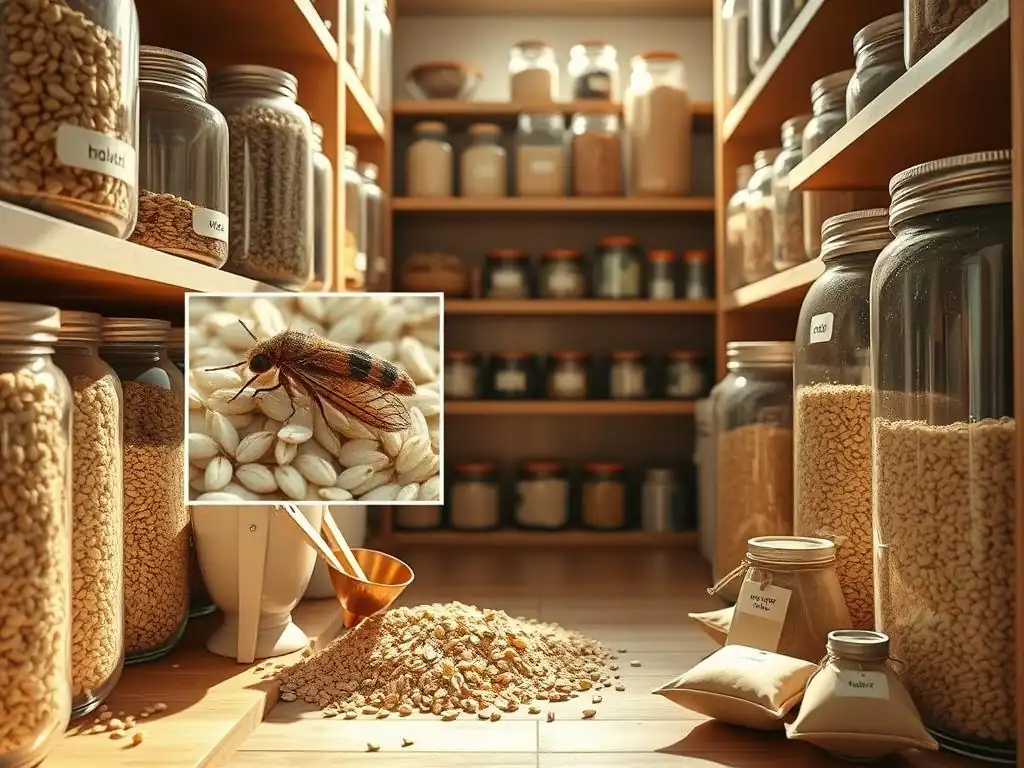
Welcome to BakeWithEase, your haven for all things baking! Discover the joy of creating delectable treats with our easy-to-follow guides and expert advice. But before you embark on your next baking adventure, are tiny invaders threatening your precious ingredients? Read on to learn How to Keep Pantry Pests away and ensure your baking supplies remain fresh and pest-free. Intrigued? Let's dive in and safeguard your pantry!
- Understanding Pantry Pests and Their Impact on Your Baking Ingredients
- Prevention is Key: Proactive Strategies to Keep Pests Away from Your Pantry
- How to Keep Pantry Pests Away: Natural and Effective Pest Control Methods
- Dealing with an Infestation: Eradicating Existing Pantry Pests
- Long-Term Pest Control Strategies for Home Bakers
- Keeping Your Baking Ingredients Safe: A Summary of Pest Prevention
- Frequently Asked Questions
- Final Reflection: A Pantry's Peace: Protecting Our Food, Protecting Ourselves
- Unleash Your Inner Pantry Pro!
Understanding Pantry Pests and Their Impact on Your Baking Ingredients
Keeping your baking ingredients safe and free from contamination is crucial for any home baker, whether you're making treats for your family or running a small home baking business. Unwanted guests in your pantry, commonly known as pantry pests, can quickly turn your carefully sourced flour, sugar, and grains into an unusable mess, impacting both your wallet and potentially your health. Learning how to keep pantry pests out begins with understanding who they are and the damage they can cause.
These tiny invaders are often brought into the home undetected within packaged goods purchased from the grocery store. Once inside your pantry, they can multiply rapidly, spreading from one package to another. A seemingly small problem can escalate quickly, leading to significant waste and frustration, making effective strategies for keeping pantry pests away absolutely essential for maintaining a clean and safe baking environment.
Identifying Common Pantry Pests: What Are You Dealing With?
Several types of insects are notorious for infesting pantries and targeting baking supplies. Knowing your enemy is the first step in figuring out how to keep pantry pests from taking over your ingredients. The most frequent culprits include various beetles and moths.
One of the most common is the Indian Meal Moth. You might first notice small, brown-tipped moths fluttering around your kitchen, especially in the evenings. Their larvae are small, off-white worms that spin silky webs, often visible in grain products, flour, cereals, and even dried fruit.
Flour Beetles (Red Flour Beetles and Confused Flour Beetles) are tiny reddish-brown beetles, about 1/8 inch long, that infest flour, cake mixes, and dry pet food. Weevils, particularly Rice Weevils and Granary Weevils, are small brown or black beetles with distinctive snouts, often found in whole grains, pasta, and cornmeal. Identifying these pests accurately helps you tailor your approach to keeping pantry pests under control.
The Economic and Health Impacts of Pantry Pest Infestations in Home Bakeries
A pantry pest infestation can be surprisingly costly for a home baker. Beyond the sheer unpleasantness, you'll likely need to discard significant quantities of contaminated ingredients.
Imagine having to throw away a 25-pound bag of premium bread flour, several pounds of sugar, nuts, and specialty grains – the financial loss can add up quickly, potentially totaling hundreds of dollars depending on the extent of the infestation and the cost of your ingredients. For a home baking business, this isn't just a personal inconvenience; it's a direct hit to your bottom line, impacting profitability and potentially delaying orders while you restock and clean.
While generally not considered a severe health threat, consuming food contaminated with pantry pests, their larvae, waste, or webbing can cause mild allergic reactions or digestive upset in some individuals. More importantly, their presence indicates unsanitary conditions and can potentially introduce bacteria or mold. Ensuring you know how to keep pantry pests out of your baking supplies is not just about protecting your investment in ingredients; it's also about maintaining the highest standards of food safety and hygiene for yourself, your family, and your customers.
Prevention is Key: Proactive Strategies to Keep Pests Away from Your Pantry

Preventing pantry pests from entering your home in the first place and creating an environment where they cannot thrive is the most effective long-term strategy. Relying solely on dealing with infestations after they occur is a constant uphill battle. Implementing proactive measures is fundamental to successfully keeping pantry pests out of your valuable baking ingredients and saving you time, money, and stress in the long run.
A multi-faceted approach that combines cleanliness, proper storage, and regular vigilance is the backbone of a pest-resistant pantry. These strategies work together to minimize attractants, block entry points, and disrupt the life cycle of potential invaders. Mastering these prevention techniques is essential for anyone serious about protecting their baking supplies and ensuring food safety.
Maintaining a Clean Pantry: The First Line of Defense Against Pests
A clean pantry is significantly less attractive to pantry pests. Spilled flour, sugar dust, forgotten crumbs, and sticky residues are like a welcome mat and an all-you-can-eat buffet for these insects. Regular cleaning removes potential food sources and breeding grounds, making it difficult for pests to establish themselves.
Schedule a thorough cleaning of your pantry shelves at least every few months, ideally more frequently if you have a large inventory or high turnover of ingredients. Remove all items from the shelves, vacuum up crumbs and dust from shelves, corners, and crevices, and then wipe down surfaces with warm, soapy water. Pay special attention to cracks and gaps where pests might hide or lay eggs. Allowing shelves to dry completely before returning items is also important. This diligent cleaning routine is a fundamental step in how to keep pantry pests from settling in.
Proper Food Storage Techniques for Bakers: Sealing Out Pests
Even the cleanest pantry can become infested if ingredients are stored in their original, permeable packaging. Cardboard boxes, paper bags, and flimsy plastic bags are easily chewed through or may already contain pest eggs. Transferring ingredients to secure containers is a critical step in preventing infestations and keeping pantry pests contained if they somehow get in.
Investing in quality storage solutions creates a physical barrier that pests cannot penetrate. This not only protects your ingredients from pests but also helps maintain freshness by keeping moisture and air out. Different types of containers and storage methods offer varying levels of protection and are suited for different types of baking staples and storage durations.
Using Airtight Containers for Flour, Sugar, and Other Baking Staples
Airtight containers are the gold standard for storing most dry baking ingredients like flour, granulated sugar, brown sugar, powdered sugar, oats, pasta, rice, and cornmeal. Look for containers made of durable plastic or glass with tight-fitting lids, often featuring rubber or silicone seals. These seals are crucial for preventing pests from crawling in or out.
When you bring home a new bag of flour or sugar, immediately transfer the contents to a clean, airtight container. This prevents any potential pests or eggs present in the original packaging from spreading to other items in your pantry. Containers are available in various sizes to accommodate common quantities, such as 5-pound bags of flour or 4-pound bags of sugar, making them practical for home bakers. This simple switch from original packaging is one of the most effective methods for keeping pantry pests out of your core ingredients.
Vacuum Sealing: An Effective Method for Long-Term Storage
For ingredients you plan to store for extended periods, such as bulk grains, nuts, dried fruits, or even specialty flours you use infrequently, vacuum sealing offers superior protection. Vacuum sealing removes oxygen from the packaging, which is essential for the survival and development of many pantry pests, particularly larvae and eggs.
Using a vacuum sealer machine and appropriate bags, you can create a completely sealed, oxygen-deprived environment. This method is excellent for preserving freshness and preventing pest infestations in items that might sit in your pantry for months. While not practical for frequently used items like everyday flour or sugar, it's an invaluable tool for long-term storage and another layer of defense in how to keep pantry pests from compromising your less-used ingredients.
Regular Pantry Inspections: Catching Pest Problems Early
Even with the best prevention strategies, occasional pests can still find their way in. Regular inspections are vital for detecting the first signs of an infestation before it becomes widespread and difficult to manage. Early detection is key to minimizing damage and simplifying eradication efforts.
Make it a habit to visually inspect your pantry shelves and ingredient containers frequently, perhaps weekly or bi-weekly. Look for common signs like small beetles crawling on shelves or walls, tiny moths flying around, or webbing inside containers, especially in the corners or along the edges of packaging. Pay close attention to items that have been in the pantry the longest or those stored in original packaging. This proactive vigilance is a crucial component of how to keep pantry pests from establishing a foothold in your valuable food stores.
How to Keep Pantry Pests Away: Natural and Effective Pest Control Methods
If you discover early signs of pests or simply want extra layers of defense, several natural methods can help deter these unwelcome guests without resorting to harsh chemicals. These approaches are generally safe to use around food storage areas, making them suitable for home bakers.
Incorporating natural repellents and simple traps can complement your cleaning and storage efforts, creating a less inviting environment for pests. While no single method is a guaranteed solution on its own, using a combination of these techniques can significantly improve your chances of keeping pantry pests out of your ingredients.
Natural Pest Repellents for the Pantry: Safe Options for Home Bakers
Certain natural substances have properties that many pantry pests find unpleasant, encouraging them to stay away. These methods are non-toxic and can be used safely around your food storage areas, provided they don't come into direct contact with your ingredients.
Using natural repellents is a gentler approach compared to chemical insecticides and aligns well with a focus on food safety in the kitchen. They work primarily by scent or physical irritation, creating a deterrent effect rather than killing pests outright.
Bay Leaves: A Simple and Effective Pest Deterrent
A traditional and widely recommended natural repellent is the common bay leaf. Placing a few dried bay leaves inside containers of dry goods like flour, rice, pasta, and cereals is believed to deter weevils and other beetles. While the exact mechanism isn't fully understood, the scent is thought to be off-putting to these pests.
Place 1-2 bay leaves directly into large containers of flour or grain, or scatter a few on pantry shelves. Replace them every few months to ensure the scent remains potent. This is a simple, inexpensive method that many home bakers swear by as part of their strategy for keeping pantry pests away.
Essential Oils: Using Scents to Keep Pests Away
Certain essential oils, particularly peppermint, tea tree, and eucalyptus, are known for their strong scents that can repel various insects, including pantry pests. However, it's crucial to use essential oils safely and correctly in a food storage area.
Never apply essential oils directly to food or food containers. Instead, place a few drops of a chosen oil onto cotton balls and place the cotton balls on pantry shelves, in corners, or near potential entry points, away from your ingredient containers. Refresh the cotton balls weekly as the scent dissipates. Always ensure good ventilation and keep oils out of reach of children and pets. This aromatic barrier can be a helpful addition to your pest prevention efforts.
Diatomaceous Earth: A Natural Insecticide for the Pantry
Food-grade diatomaceous earth (DE) is a fine powder made from the fossilized remains of tiny aquatic organisms called diatoms. On a microscopic level, it consists of sharp, abrasive particles. When insects crawl over DE, the particles can scratch their exoskeletons, causing them to dehydrate and die.
Food-grade DE can be lightly dusted in cracks, crevices, and along the edges of pantry shelves where pests might travel, but never directly onto food or food containers. Wear a mask when applying DE to avoid inhaling the fine powder. This method provides a physical means of pest control and is a natural option for how to keep pantry pests from moving freely within your pantry space.
DIY Pantry Pest Traps: Simple Solutions for Pest Control
Simple homemade traps can help monitor for the presence of pests and can catch some flying insects like Indian Meal Moths. While not a solution for a full-blown infestation, they are useful tools for early detection and reducing small populations.
One common DIY trap for moths involves using a shallow dish of vinegar mixed with a few drops of dish soap. The moths are attracted to the vinegar but get trapped by the soap's effect on the surface tension. Placing these traps on pantry shelves can help you identify if you have a moth problem. These traps are easy and inexpensive to make and offer a non-toxic way to help with keeping pantry pests in check.
Dealing with an Infestation: Eradicating Existing Pantry Pests
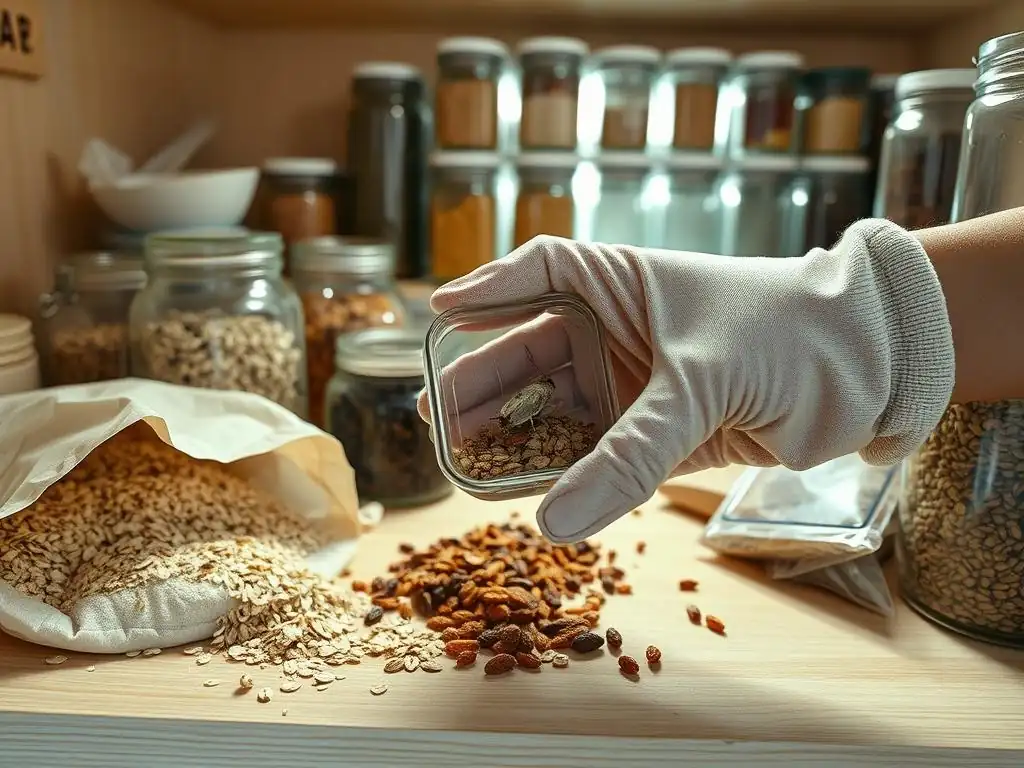
Despite your best efforts, you might still discover an infestation. When this happens, swift and thorough action is necessary to eradicate the pests and prevent them from spreading further. Dealing with an infestation requires a systematic approach to ensure all life stages of the pest are eliminated.
This phase involves not just cleaning but also identifying the source, removing contaminated items, and treating the affected areas. Knowing the correct steps to take is crucial for effectively getting rid of pests once they have established themselves and returning your pantry to a safe state for baking.
Identifying the Source of the Infestation: Where Are They Coming From?
The first and most critical step in tackling an infestation is finding the source. Pests rarely infest every item in your pantry simultaneously; they usually originate from one or two contaminated packages. Common culprits include flour, grains, cereals, pasta, birdseed, pet food, dried fruit, nuts, and even spices.
Carefully inspect every package in your pantry, especially those that have been stored for a long time or are in paper or cardboard packaging. Look for webbing, larvae, adult insects, small holes in packaging, or dust-like material. Pay close attention to seams and folds. Finding and removing the primary source is essential; otherwise, pests will continue to reappear no matter how much you clean. This focused inspection is key to effectively knowing how to keep pantry pests from reinvading after cleanup.
Thorough Cleaning and Disinfection: Eliminating Pests and Their Eggs
Once the source is removed, a deep clean of the entire pantry area is necessary. This goes beyond a regular tidy-up and aims to eliminate any remaining pests, larvae, eggs, and food residues that could sustain them.
Remove all items from the pantry. Vacuum shelves, walls, corners, baseboards, and even the ceiling, paying extra attention to cracks and crevices. The vacuum cleaner bag should be immediately sealed in a plastic bag and taken outside to an outdoor trash bin to prevent pests from escaping back into your home. Wipe down all surfaces with hot, soapy water. A solution of one part white vinegar to one part water can also be used as a natural disinfectant that may help kill eggs and repel pests. Ensure all surfaces are completely dry before returning items.
Discarding Infested Ingredients: Minimizing the Spread of Pests
Any food item found to be infested must be discarded. While it might be tempting to try and salvage some items, especially expensive ones, it's the safest and most effective way to ensure you eliminate the infestation. Keeping even slightly contaminated items risks the problem returning.
Seal the infested packages in a sturdy plastic bag immediately after identifying them. Tie the bag tightly and take it outside to an outdoor trash bin as soon as possible. Do not leave infested items in indoor trash cans, as this can allow pests to escape and infest other areas of your home. Prompt and proper disposal is a non-negotiable step in eradicating pantry pests.
Freezing Infested Items: A Practical Method for Killing Pests
For items that are only lightly infested or if you wish to attempt salvage (though caution is advised), freezing can be an effective method for killing pests at all life stages. This works best for dry goods like grains or nuts that won't be negatively affected by freezing.
Place the sealed package of the potentially infested item in a freezer set at 0°F (-18°C) or below for at least 3 to 4 days. This temperature and duration are sufficient to kill adult pests, larvae, and eggs. After freezing, you can sift the ingredient if desired to remove visible signs of the pests, although discarding is still the safest approach for heavily infested items. Freezing is a chemical-free way to neutralize pests in certain ingredients if you choose not to discard them entirely.
Long-Term Pest Control Strategies for Home Bakers

Successfully eradicating an infestation is a significant step, but maintaining a pest-free pantry requires ongoing effort. Implementing long-term strategies ensures that your pantry remains a safe and clean space for your baking ingredients, preventing future outbreaks. This is where you solidify your knowledge of how to keep pantry pests out for good.
These strategies focus on creating a consistently unfavorable environment for pests through routine maintenance, smart storage choices, and proactive scheduling. By making these practices a regular part of your kitchen routine, you significantly reduce the likelihood of facing another infestation.
Maintaining a Pest-Resistant Pantry: Ongoing Prevention Techniques
Keeping your pantry pest-resistant is not a one-time task but an ongoing commitment. It involves consistently applying the preventative measures discussed earlier as part of your regular kitchen maintenance. This includes diligent cleaning, proper storage, and mindful purchasing.
Regularly check the expiration dates of ingredients and use older items first to ensure turnover. Avoid buying excessively large quantities of ingredients unless you have appropriate long-term storage like vacuum sealing. When stocking up, inspect packaging before putting items into your pantry. These habits, combined with using airtight containers for everything possible, form the core of maintaining a pantry that actively resists pests.
Creating a Pantry Cleaning Schedule: Staying Ahead of Pest Problems
Just as you schedule regular oven cleaning or refrigerator defrosting, establishing a routine cleaning schedule for your pantry is crucial for preventing pests. A scheduled approach ensures that cleaning doesn't get forgotten and that you stay ahead of potential issues.
Decide on a frequency that works for you – perhaps a quick wipe-down of shelves every month and a full empty-and-clean every three months. Mark these dates on your calendar or set reminders. A consistent schedule helps prevent the accumulation of spills and crumbs and provides regular opportunities for inspection, catching any signs of pests before they multiply. This systematic approach is key to mastering how to keep pantry pests from becoming a recurring problem.
Choosing Pest-Resistant Storage Solutions: Investing in Long-Term Protection
The storage containers you use play a vital role in long-term pest prevention. Investing in high-quality, durable, airtight containers is an investment in protecting your ingredients and your peace of mind. While initial cost might be higher than using original bags or flimsy plastic bins, the long-term benefits outweigh the expense.
Opt for containers made from thick plastic or glass with secure, locking lids and rubber seals. Ensure the seals are intact and the lids close tightly. Transparent containers are helpful as they allow you to see the contents and easily spot any potential pest activity during your regular inspections without opening the container. Gradually replacing less secure storage with pest-resistant options is a smart strategy for any home baker serious about keeping pantry pests out.
Keeping Your Baking Ingredients Safe: A Summary of Pest Prevention
Protecting your baking ingredients from pantry pests is an essential aspect of food safety and maintaining a functional home bakery. Understanding the pests, implementing preventative measures, and knowing how to respond to an infestation are key skills for any baker. By taking proactive steps, you can save yourself the frustration and expense of dealing with contaminated ingredients.
From vigilant cleaning and smart storage to using natural deterrents and having a plan for eradication, a comprehensive approach is the most effective way to keep your pantry pest-free. Regularly reviewing your practices and staying diligent will ensure your ingredients remain safe and ready for your next baking adventure.
Key Takeaways: Preventing Pantry Pests in Your Home Baking Space
- Identify the Pests: Know what common pantry pests look like (moths, beetles, weevils) to spot them early.
- Clean Regularly: Maintain a clean pantry by vacuuming and wiping shelves frequently to remove food sources.
- Store Properly: Transfer ingredients from original packaging to airtight containers made of glass or sturdy plastic with tight seals.
- Inspect Often: Regularly check all items and pantry corners for signs of pest activity like webbing, insects, or damaged packaging.
- Use Natural Deterrents: Consider placing bay leaves in containers or using essential oils (safely, away from food) on shelves.
- Know When to Discard: Be prepared to discard infested items immediately by sealing them and taking them to an outdoor trash bin.
- Clean After Infestation: Thoroughly clean and vacuum the entire pantry after removing infested items.
- Freeze to Kill: For salvageable items, freezing at 0°F (-18°C) for several days can kill pests.
- Maintain a Schedule: Implement a routine cleaning and inspection schedule to prevent future infestations.
- Invest in Storage: Use high-quality, pest-resistant storage containers for long-term protection.
Resources for Home Bakers: Further Information on Food Safety
For more detailed information on specific pantry pests, food safety guidelines, and best practices for food storage in a home environment, reputable sources such as university extension offices (like those from state universities offering agricultural or home economics advice), government food safety websites (like the FDA in the US or equivalent agencies in other countries), and established pest control resources often provide extensive guides and fact sheets. These resources can offer region-specific advice and in-depth details on pest biology and control methods, complementing your efforts in keeping pantry pests away from your delicious creations.
Frequently Asked Questions
How do pantry pests get into my food?
Pantry pests often enter your home through contaminated food products purchased from the store. They can also sneak in through tiny cracks and openings in your pantry or packaging.
What are some common signs of a pantry pest infestation?
Look for live insects in your pantry or food, small holes in packaging, or larvae or webbing in your stored ingredients. You might also find insect droppings.
What are the best ways to prevent pantry pests from infesting my pantry?
Practice good pantry hygiene by regularly cleaning shelves and floors. Store food in airtight containers, and inspect new groceries for signs of infestation before storing them.
What types of food are most susceptible to pantry pests?
Grains, flour, cereals, nuts, and dried fruits are particularly attractive to pantry pests. These items should be stored carefully in sealed containers.
What should I do if I find pantry pests in my pantry?
Immediately discard any infested food items. Thoroughly clean your pantry with soap and water, and consider using pantry pest traps to capture any remaining insects.
Final Reflection: A Pantry's Peace: Protecting Our Food, Protecting Ourselves
The battle against pantry pests is far from over; it's a constant vigilance that protects not only our food but also our health and well-being. A seemingly small infestation can quickly escalate into a significant problem, leading to wasted food, potential health risks, and considerable frustration. This fight requires proactive strategies and consistent effort, as detailed throughout this article.
The impact of pantry pests extends beyond simple inconvenience; it speaks to our relationship with food, its preservation, and our responsibility towards minimizing waste. The very act of protecting our stored food connects us to a longer history of food preservation techniques, reminding us of the importance of resourcefulness and respect for the food we consume. Waste not, want not
– this age-old adage rings truer than ever when considering the impact of unchecked pantry pests. The knowledge gained in preventing infestations empowers us to take control and build a more sustainable relationship with our food.
Now, consider your own pantry. What steps can you take today to ensure its continued pest-free status? Perhaps it's a thorough cleaning, a reassessment of your storage methods, or simply a renewed commitment to regular inspection. Take action, and you'll not only safeguard your food but also cultivate a sense of accomplishment and peace of mind knowing you're actively participating in the preservation of your resources. Let's work together to keep our pantries pest-proof and our food safe.
Unleash Your Inner Pantry Pro!
Thanks for taking the time to learn how to pest-proof your pantry! We hope you now feel confident in keeping your precious ingredients safe and sound. Ready to take action?
- Prioritize a Deep Clean: Start by thoroughly cleaning your pantry, removing all items and discarding anything past its prime. This is the most impactful step!
- Share your pest-proofing tips with friends and family – let's build a community of pantry protectors!
- Consider a fun challenge: See how long you can keep your pantry pest-free – and share your success story in the comments below!
Ready to conquer those pantry pests once and for all? What's your biggest pantry pest challenge, and how will you tackle it?