
Clean Equipment, Safe Baking: Essential Practices for Home Bakeries

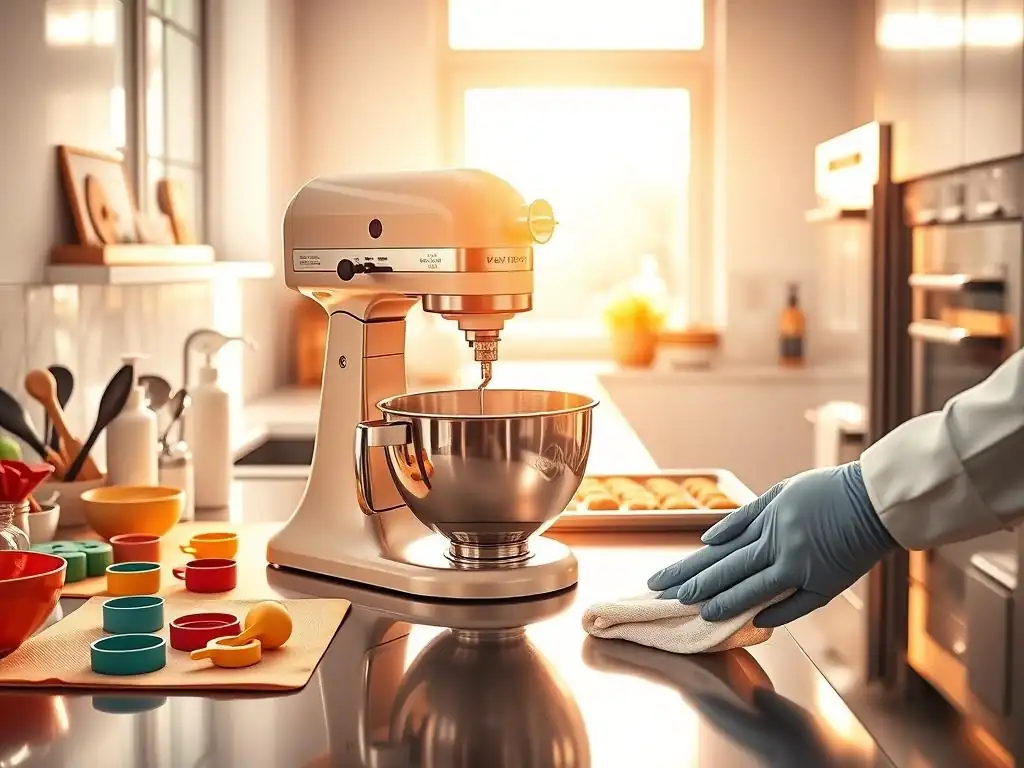
Welcome to BakeWithEase, your trusted guide to a world of delicious possibilities! Are you ready to elevate your baking skills and perhaps even turn your passion into a thriving home bakery? Beyond crafting delectable treats, ensuring clean baking equipment is paramount for both safety and success. In this article, we'll dive into essential practices that guarantee a safe and hygienic baking environment. Discover how proper cleaning contributes to the quality and longevity of your baked goods – and your business. Intrigued? Let's get started!
- Safe Baking Practices: Essential Guide for Home Bakeries
- Introduction: Prioritizing Food Safety for Your Baking Business
- The Importance of Clean Baking Equipment
- Essential Cleaning Practices for Baking Equipment
- Sanitizing Baking Equipment: Eliminating Bacteria
- Maintaining a Clean Baking Environment
- Safe Food Handling Practices
- Storing Clean Baking Equipment
- Troubleshooting Baking Equipment Cleaning
- Regular Inspections and Maintenance
- Clean Baking Equipment Checklist
- Conclusion: Baking with Confidence Through Cleanliness
-
Frequently Asked Questions
- How important is cleaning baking equipment for home bakers?
- What are some common mistakes home bakers make when cleaning their equipment?
- What's the best way to clean baking pans and sheets?
- Can I put all my baking equipment in the dishwasher?
- Besides cleaning, what other safety practices should home bakers consider?
- Final Reflection: The Enduring Legacy of Clean Baking Equipment
- Unleash Your Inner Baker: Take Charge of Your Kitchen!
Safe Baking Practices: Essential Guide for Home Bakeries
Introduction: Prioritizing Food Safety for Your Baking Business
As a home baker transitioning your passion into a business, mastering recipes and techniques is just one part of the equation. Equally, if not more critical, is establishing robust food safety practices. This isn't just about following regulations; it's about building customer trust and ensuring every treat you sell is safe, delicious, and worry-free. A strong foundation in food safety, starting with clean baking equipment safety, is the bedrock of a sustainable home baking business.
[Your Home Bakery Name] Food Safety Commitment: Ensuring Quality and Customer Trust
At [Your Home Bakery Name], our commitment to food safety is paramount, woven into every step of our baking process. We understand that our customers place their trust in us to provide wholesome, high-quality baked goods. This trust is upheld by meticulously adhering to strict hygiene standards, ensuring that from ingredient sourcing to the final product, safety is never compromised. This dedication is particularly evident in our rigorous approach to clean baking equipment safety, guaranteeing that every tool, pan, and surface meets the highest standards before it touches your food.
Our commitment extends beyond basic requirements; it's a promise of transparency and care. We prioritize ongoing education for ourselves, staying updated on best practices in food handling, storage, and sanitation. This proactive stance on clean baking equipment safety and overall hygiene demonstrates our unwavering dedication to the well-being of our customers, solidifying our reputation as a reliable and responsible home bakery. It’s this level of care that transforms first-time buyers into loyal patrons.
The Importance of Clean Baking Equipment
Having pristine equipment isn't merely about aesthetics; it's a fundamental pillar of food safety in any baking operation, especially in a home setting where space might be shared. Dirty equipment can harbor harmful bacteria, allergens, and even chemical residues, all of which pose significant risks to consumer health. Ensuring clean baking equipment safety is the first line of defense against potential hazards that could undermine your business and reputation.
Preventing Allergen Cross-Contamination: A Key to Safe Home Baking
Cross-contamination of allergens is a serious concern for any food business, and home bakeries are no exception. Common allergens like nuts, gluten, dairy, soy, and eggs can linger on uncleaned surfaces, utensils, and equipment. Even trace amounts, sometimes as little as a few milligrams for highly sensitive individuals, can trigger severe, life-threatening allergic reactions. Thorough cleaning and designated equipment or strict cleaning protocols are essential after handling ingredients containing major allergens.
Implementing rigorous cleaning procedures specifically designed to remove allergen residues is vital for clean baking equipment safety. This means washing all equipment that came into contact with an allergen with hot, soapy water, rinsing thoroughly, and potentially sanitizing. For instance, a mixer used for gluten-free batter needs meticulous cleaning if it was previously used for wheat-based dough. Maintaining separate sets of some tools or scheduling baking of allergen-free products before those containing allergens can further minimize risk.
Reducing the Risk of Foodborne Illnesses with Effective Sanitation
Unclean baking equipment can become breeding grounds for harmful microorganisms such as Salmonella, E. coli, and Listeria. These pathogens, if ingested, can cause foodborne illnesses characterized by symptoms ranging from mild discomfort to severe gastrointestinal distress, hospitalization, or worse. Bacteria can multiply rapidly, potentially doubling their population every 20 minutes under favorable conditions (like room temperature). This underscores the urgency of effective sanitation.
Cleaning removes visible dirt and grease, but sanitation goes a step further by reducing harmful microorganisms to safe levels. Proper sanitation of all food-contact surfaces and equipment is a critical step in preventing the spread of bacteria and viruses. Without this step, even seemingly clean equipment can still pose a significant food safety risk, directly impacting your clean baking equipment safety protocols and the health of your customers.
Essential Cleaning Practices for Baking Equipment
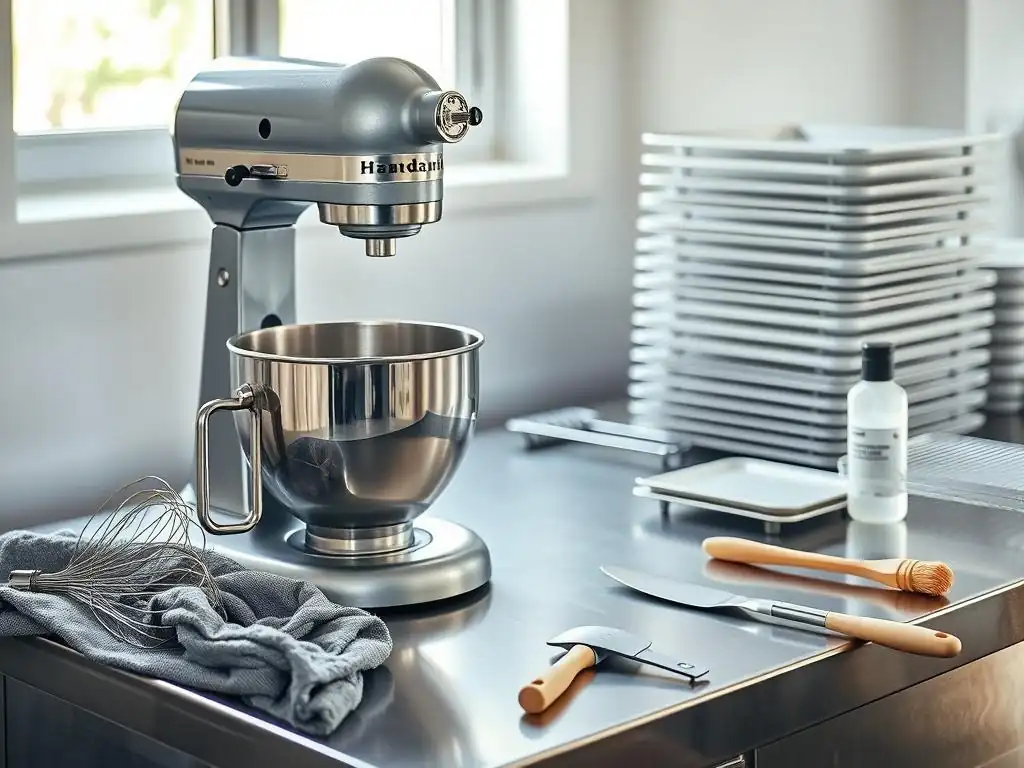
Establishing a consistent and thorough cleaning routine is non-negotiable for a home baking business. Each piece of equipment requires specific attention to ensure all residues are removed and it is ready for safe use. This systematic approach to clean baking equipment safety is more effective than sporadic cleaning and helps maintain a high standard of hygiene.
Step-by-Step Guide to Cleaning Baking Pans and Measuring Cups
Baking pans, especially those used for sticky doughs or caramelized sugars, require immediate attention after use. Start by scraping off any large residue with a spatula. Then, soak the pans in hot, soapy water to loosen stubborn bits. Use a non-abrasive sponge or brush to scrub away all remaining food particles, paying close attention to corners and edges. Rinse thoroughly under hot running water to remove all soap residue.
Measuring cups and spoons, while seemingly simple, can harbor sticky residues that attract bacteria. After each use, especially with ingredients like honey, syrups, or fats, rinse them immediately. Wash them in hot, soapy water, ensuring all corners and measuring lines are free from residue. Use a small brush if necessary for tight spots. A final rinse with hot water helps ensure they are completely clean and ready for drying, contributing to overall clean baking equipment safety.
Deep Cleaning Your Mixer: A Comprehensive Approach
Your stand mixer is likely one of your most valuable and frequently used pieces of equipment, but its various attachments and crevices can trap food particles. Begin by unplugging the mixer. Remove all attachments (whisk, paddle, dough hook) and the mixing bowl. Wash these separately according to their material, typically in hot, soapy water, ensuring no dough or batter is left behind. For stubborn residue on attachments, a soak may be needed.
The mixer head and base also require cleaning. Use a damp cloth dipped in soapy water to wipe down the exterior, being careful not to let water drip into vents or electrical components. Pay special attention to the attachment hub and the area where the head meets the base, as these spots can accumulate flour and dough dust. Dry all parts thoroughly before reassembling or storing to prevent rust and maintain clean baking equipment safety.
Choosing Food-Safe Cleaning Products: A Guide
Selecting the right cleaning products is crucial for clean baking equipment safety. Not all cleaning agents are suitable for use on surfaces that come into contact with food. Look for products specifically labeled as "food-safe" or approved for use in commercial kitchens (even if you're a home baker, these standards are good to follow). Avoid harsh chemicals, abrasive cleaners that can damage surfaces, or products with strong fragrances that could transfer to food.
Common food-safe cleaning agents include unscented dish soap for general washing and approved sanitizing solutions like diluted bleach or commercial food-grade sanitizers. When using any chemical cleaner or sanitizer, always follow the manufacturer's instructions regarding dilution ratios, contact time, and rinsing requirements. Proper rinsing is essential to ensure no chemical residues are left on your equipment, upholding clean baking equipment safety standards.
Sanitizing Baking Equipment: Eliminating Bacteria
Cleaning removes visible dirt, but sanitizing is the critical step that significantly reduces the number of harmful microorganisms on surfaces. Both cleaning and sanitizing are indispensable components of a comprehensive clean baking equipment safety protocol. Skipping the sanitizing step leaves your equipment vulnerable to bacterial growth.
Understanding Cleaning vs. Sanitizing for Food Safety
Cleaning is the process of removing food particles, dirt, grease, and other debris from a surface using soap and water. Think of it as making something look clean. While cleaning removes the environment where bacteria thrive, it doesn't necessarily kill the bacteria themselves. For example, scrubbing a cutting board removes visible food scraps and stains.
Sanitizing, on the other hand, is the process of reducing the number of microorganisms on a clean surface to a safe level. This is typically achieved through heat or chemicals. Sanitizing is done after cleaning. So, after scrubbing the cutting board clean, you would then sanitize it using hot water or a sanitizing solution to kill remaining bacteria. This distinction is vital for effective clean baking equipment safety.
Effective Sanitizing Methods for Baking Tools
There are two primary methods for sanitizing baking tools and equipment: heat and chemical. Heat sanitizing is often preferred when practical, as it leaves no chemical residue. This can involve immersing cleaned items in hot water at a minimum temperature of 171°F (77°C) for at least 30 seconds, or running them through a high-temperature dishwasher cycle. Ensure the water reaches and maintains the required temperature.
Chemical sanitizing involves using approved chemical solutions, such as chlorine, iodine, or quaternary ammonium compounds. These are typically diluted with water according to manufacturer instructions. Equipment is either immersed in the solution for a specified contact time (often 1-2 minutes) or the solution is applied to surfaces. It is crucial to use the correct concentration and contact time for effectiveness and to follow rinsing instructions, if required, to maintain clean baking equipment safety.
Maintaining a Clean Baking Environment
Clean equipment is essential, but it exists within a larger environment. The cleanliness of your workspace directly impacts the safety of your baked goods and reinforces the importance of clean baking equipment safety as part of a holistic approach. A clean environment prevents contamination from surrounding surfaces and air.
Cleaning and Disinfecting Countertops and Ovens Regularly
Countertops are primary food preparation surfaces and require frequent cleaning and disinfection. After each use, especially after handling raw ingredients, clean countertops with hot, soapy water to remove spills and debris. Follow this with a food-safe disinfectant or sanitizing solution to kill bacteria. A simple solution of one teaspoon of bleach per gallon of water is an effective and economical disinfectant for non-porous surfaces, provided it is used correctly and rinsed if necessary.
Ovens, while using high heat for baking, can accumulate grease and burnt food residues that can harbor bacteria and attract pests when cool. Regular cleaning of oven interior and exterior is important. Follow the manufacturer's instructions for cleaning your specific oven model. Wipe down spills as they happen, and schedule deeper cleans to remove built-on grime. A clean oven contributes to overall kitchen hygiene and supports clean baking equipment safety.
Proper Handwashing: A Crucial Step in Food Safety
Perhaps the single most important step in preventing the spread of foodborne illness is proper handwashing. Hands come into contact with ingredients, equipment, and surfaces, making them potential carriers of bacteria and viruses. Wash your hands thoroughly with warm water and soap for at least 20 seconds (about the time it takes to sing "Happy Birthday" twice) before starting to bake, after handling raw ingredients (especially eggs and meat, if applicable), after using the restroom, after touching your face or hair, and after handling waste.
Ensure you dry your hands using a clean paper towel or a clean, designated cloth towel that is laundered frequently. Avoid using shared towels that could recontaminate your hands. Proper hand hygiene is non-negotiable and complements all efforts towards clean baking equipment safety and overall food safety in your home bakery.
Safe Food Handling Practices
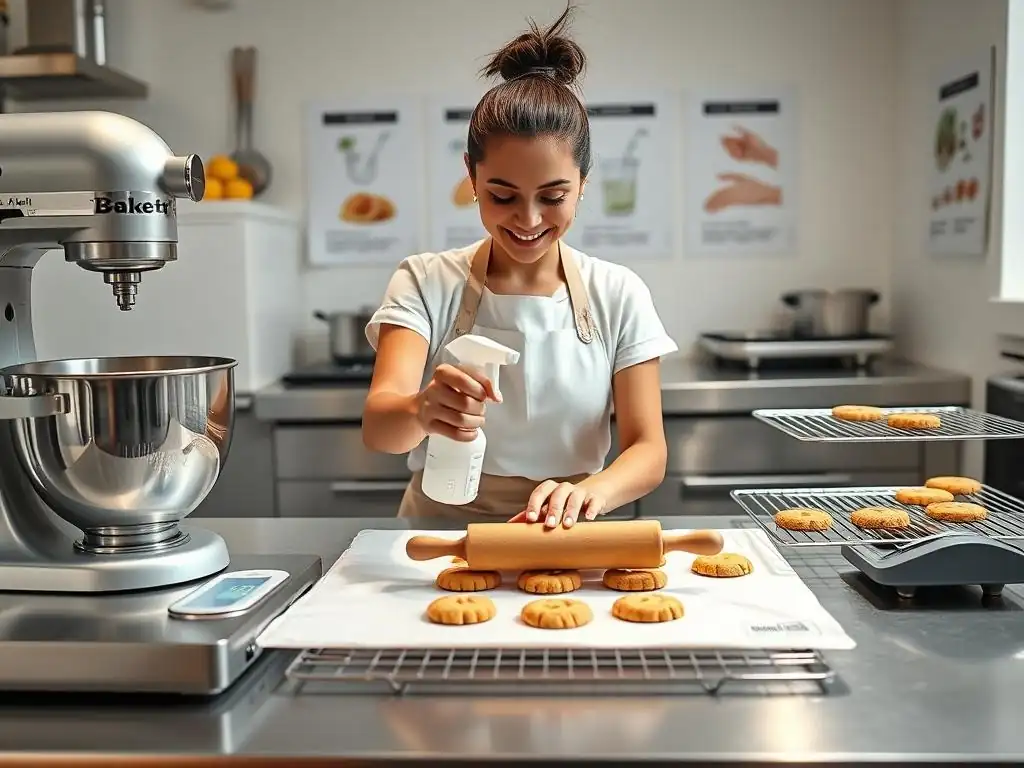
Beyond clean equipment, how you handle ingredients and finished products is vital for safety. Understanding temperature control and proper storage minimizes bacterial growth and prevents contamination, working hand-in-hand with clean baking equipment safety.
Preventing Foodborne Illness: Temperature Control and Storage Guidelines
Bacteria multiply most rapidly in the "Danger Zone," which is between 40°F (4°C) and 140°F (60°C). Perishable ingredients like dairy, eggs, and fillings must be kept out of this temperature range. Refrigerate ingredients promptly, ensuring your refrigerator is kept at or below 40°F (4°C). Use an appliance thermometer to verify the temperature. For freezing, the temperature should be 0°F (-18°C) or below.
When cooling baked goods that require refrigeration (like cheesecakes or cream-filled pastries), cool them quickly to pass through the danger zone as fast as possible. Divide large quantities into smaller containers for faster cooling. Store raw ingredients separately from ready-to-eat items to prevent cross-contamination. Proper temperature management is as crucial as clean baking equipment safety in ensuring product safety.
Safe Practices for Handling Eggs and Dairy
Eggs and dairy are common ingredients in baking and require careful handling. Always purchase eggs from a reputable source and check for cracks before buying. Store eggs in their original carton in the coldest part of the refrigerator, not the door, which is subject to temperature fluctuations. Avoid using raw eggs in recipes that are not cooked thoroughly, unless using pasteurized eggs.
Dairy products like milk, butter, and cream should also be stored in the refrigerator at the proper temperature. Use products before their expiration date. Avoid leaving dairy products out at room temperature for extended periods. When measuring milk or cream, avoid dipping used utensils back into the original container if they have touched other ingredients. These simple practices, combined with clean baking equipment safety, significantly reduce the risk of contamination.
Storing Clean Baking Equipment
Once equipment is clean and sanitized, proper storage is essential to keep it that way until its next use. Storing equipment correctly prevents re-contamination and maintains the integrity of your clean baking equipment safety efforts.
Protecting Equipment from Dust and Pests
Clean equipment left exposed can quickly gather dust and become vulnerable to contamination from airborne particles or pests. Store cleaned and dried equipment in clean, closed cabinets or drawers whenever possible. For larger items like mixers or seldom-used appliances, consider covering them with clean cloths or plastic covers. Ensure storage areas are clean, dry, and free from pests like rodents or insects, which can carry pathogens.
Storing equipment upside down (like mixing bowls) can help prevent dust accumulation inside. Pans can be stacked, but consider placing a clean paper towel between them to protect surfaces and absorb any residual moisture. Taking these steps ensures that the effort put into clean baking equipment safety isn't undone during storage.
Creating an Organized Storage System
An organized storage system not only makes your kitchen more efficient but also contributes to clean baking equipment safety. Knowing where everything belongs reduces clutter, makes cleaning storage areas easier, and minimizes the chances of clean equipment coming into contact with dirty surfaces or items.
Group similar items together – all baking pans in one area, measuring tools in a drawer, mixing attachments stored neatly. Use drawer dividers, shelf liners, and storage containers to keep items tidy and protected. A well-organized space allows for easier access for cleaning and inspection, reinforcing your commitment to clean baking equipment safety.
Troubleshooting Baking Equipment Cleaning
Even with regular cleaning, some issues like burnt-on food or stubborn stains can arise. Knowing how to tackle these specific problems effectively is part of maintaining clean baking equipment safety and prolonging the life of your tools.
Removing Burnt-On Food from Baking Sheets
Burnt-on spills on baking sheets are a common challenge. Avoid scraping aggressively with metal tools, which can damage the finish. For tough spots, try soaking the pan in hot water with a generous amount of dish soap for several hours or even overnight. A paste made from baking soda and water can also be applied to the burnt area; let it sit for an hour or two before scrubbing with a non-abrasive sponge or nylon brush.
For very stubborn residue on metal pans, some suggest a method of boiling water in the pan with a little soap or baking soda (check if your pan material is suitable for this). Another technique involves using oven cleaner (ensure it's safe for the pan material and follow instructions meticulously, rinsing thoroughly afterwards). Persistence and the right technique are key to restoring your pans and maintaining clean baking equipment safety.
Addressing Stains on Silicone Baking Mats
Silicone baking mats are fantastic for non-stick baking but can sometimes develop greasy residues or stains over time. Regular washing with hot, soapy water is usually sufficient. For greasy build-up, try wiping the mat with a little white vinegar before washing, or make a paste of baking soda and water, spread it on the mat, let it sit for 15-20 minutes, then wash and rinse.
Avoid using sharp objects on silicone mats, as cuts can harbor bacteria and make cleaning difficult. Ensure mats are thoroughly dry before storing to prevent mold or mildew. Proper care and cleaning keep your silicone mats functional and hygienic, supporting your overall clean baking equipment safety practices.
Regular Inspections and Maintenance
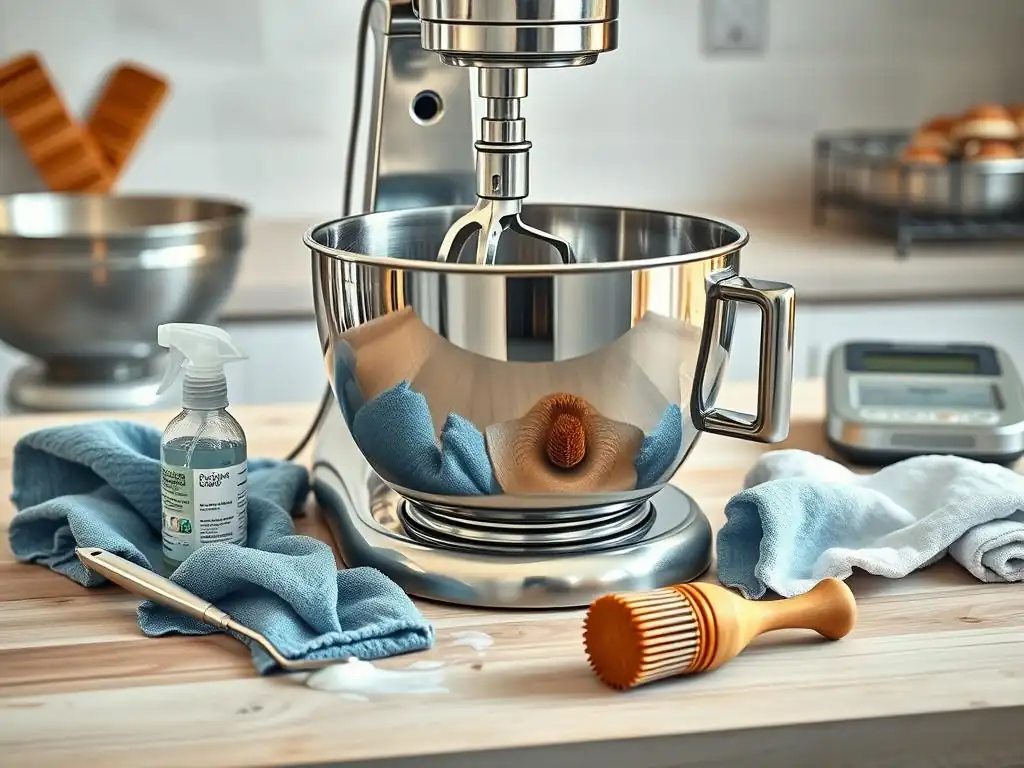
Cleaning is a daily task, but regular inspections and maintenance are equally important for ensuring the ongoing safety and functionality of your baking equipment. This proactive approach helps identify potential issues before they become food safety hazards, reinforcing clean baking equipment safety.
Implementing a Schedule for Equipment Checks and Cleaning
Establish a routine schedule for cleaning and inspecting your equipment. Daily tasks should include washing and sanitizing all food-contact surfaces and frequently used tools after each use. Weekly tasks might involve deep cleaning the mixer, oven, and refrigerator interior. Monthly checks could include inspecting pans for damage, checking oven calibration (a temperature variance of even 25°F can affect baking and potentially food safety), and evaluating the condition of smaller tools.
Documenting your cleaning and inspection schedule can be helpful, especially as your business grows. This ensures consistency and provides a record of your commitment to clean baking equipment safety. A visual checklist posted in your workspace can serve as a handy reminder.
Identifying and Addressing Potential Food Safety Hazards
During inspections, look for signs of wear and tear that could pose food safety risks. Chipped or scratched surfaces on pans or bowls can harbor bacteria and become difficult to clean effectively. Worn-out seals on refrigerator doors can affect temperature control. Cracks in plastic handles or tools can trap food particles.
Address any identified hazards promptly. Replace damaged equipment that cannot be properly cleaned or repaired. Ensure your refrigerator and freezer maintain correct temperatures consistently. Being vigilant about the condition of your tools and equipment is a crucial part of maintaining high standards for clean baking equipment safety.
Clean Baking Equipment Checklist
Here is a checklist to help ensure your clean baking equipment safety practices are consistently followed:
- Wash and sanitize all mixing bowls, whisks, paddles, and dough hooks after each use.
- Scrape, soak, wash, and rinse baking pans after every use.
- Clean and sanitize measuring cups and spoons after each use.
- Wipe down the exterior of the stand mixer daily.
- Deep clean mixer attachments and interior crevices weekly.
- Use only food-safe cleaning products according to instructions.
- Sanitize all food-contact surfaces (bowls, utensils, countertops) after cleaning.
- Ensure sanitizing solution is at the correct concentration and contact time is met.
- Wash hands thoroughly for 20 seconds with soap and warm water frequently.
- Clean and disinfect countertops after preparing ingredients and after baking.
- Wipe down oven interior regularly and perform deep cleans as needed.
- Store clean, dry equipment in closed cabinets or covered.
- Organize storage areas to prevent contamination and facilitate cleaning.
- Inspect equipment regularly for damage (chips, scratches, cracks).
- Check refrigerator and freezer temperatures daily.
- Follow a cleaning schedule for daily, weekly, and monthly tasks.
Conclusion: Baking with Confidence Through Cleanliness
Establishing and maintaining rigorous cleaning and sanitation practices for your baking equipment is not just a regulatory requirement; it's a cornerstone of running a successful and trusted home baking business. Prioritizing clean baking equipment safety protects your customers from allergens and foodborne illnesses, safeguarding their health and your reputation.
Reinforcing Food Safety for a Successful Baking Business
Consistency in your cleaning routine builds a strong foundation for food safety. Every time you meticulously clean and sanitize a baking sheet or a mixing bowl, you are reinforcing your commitment to quality and safety. This dedication translates into customer confidence, knowing that the delicious treats they purchase are made in a safe, hygienic environment. Investing time and effort in clean baking equipment safety pays dividends in customer loyalty and positive word-of-mouth.
Ultimately, baking with confidence comes from knowing you've taken every possible step to ensure the safety and quality of your products. By making clean baking equipment safety and overall hygiene top priorities, you not only comply with best practices but also demonstrate genuine care for your customers' well-being. This level of commitment is what sets exceptional home bakeries apart and fosters long-term success.
Frequently Asked Questions
How important is cleaning baking equipment for home bakers?
It's absolutely essential! Clean equipment prevents the spread of bacteria, ensuring your baked goods are safe to eat and extends the lifespan of your equipment.
What are some common mistakes home bakers make when cleaning their equipment?
Many bakers neglect to thoroughly clean hard-to-reach areas or don't allow equipment to completely dry before storing, leading to mold or rust.
What's the best way to clean baking pans and sheets?
Generally, warm soapy water and a non-abrasive sponge are sufficient. For stubborn residue, try a paste of baking soda and water or soaking overnight.
Can I put all my baking equipment in the dishwasher?
Not all equipment is dishwasher-safe. Always check the manufacturer's instructions. Items like wooden spoons and cast iron skillets should typically be hand-washed.
Besides cleaning, what other safety practices should home bakers consider?
Proper food handling, like washing hands frequently, and using oven mitts to prevent burns are critical for a safe and enjoyable baking experience.
Final Reflection: The Enduring Legacy of Clean Baking Equipment
Maintaining impeccably clean baking equipment isn't just a matter of aesthetics; it's the cornerstone of safe and successful baking, a practice that directly impacts both the quality of your products and the health of those who consume them. The rise of home bakeries, fueled by social media and a renewed appreciation for handcrafted goods, underscores the critical need for understanding and implementing robust cleaning protocols. Ignoring this fundamental aspect can lead to compromised food safety and ultimately, a negative impact on your reputation and the well-being of your customers.
The impact of clean baking equipment extends far beyond the immediate act of baking. It speaks to a broader cultural shift towards mindful food production, a movement that values transparency and prioritizes the health and safety of consumers. Food safety is not just a matter of compliance; it's a matter of trust and responsibility.
This quote encapsulates the profound ethical implications of maintaining a clean and sanitary baking environment. The increasing awareness of foodborne illnesses and the demand for higher standards of hygiene within the food industry have made this topic more relevant than ever before. My own experience, witnessing the transformative power of meticulous cleaning on the final product, reinforces this conviction.
You, the home baker, hold the power to elevate your craft and contribute to a safer food landscape. Consider this article a springboard for continuous learning and improvement. Don't just bake; bake with intention, ensuring that every step, from prepping ingredients to cleaning your equipment, reflects a commitment to excellence and safety. Embrace the principles outlined here, and let them guide you in creating not only delicious treats, but also a legacy of responsible and conscientious baking.
Unleash Your Inner Baker: Take Charge of Your Kitchen!
Thanks for taking the time to learn about essential baking safety and hygiene! We hope you now feel more confident and prepared to create delicious treats in a clean and safe environment. Ready to put your new knowledge into action?
- Prioritize a deep clean of your baking equipment today. This is the most impactful step you can take to improve your baking safety and results. Don't forget those often-overlooked areas!
- Share your favorite cleaning tips and tricks with fellow bakers in the comments below – let's build a supportive community!
- Explore additional resources on our site for even more baking tips and recipes.
What's the one area of your baking equipment you'll focus on cleaning first, and why?