
The Danger Zone: Why Temperature Control is Crucial for Home Bakers

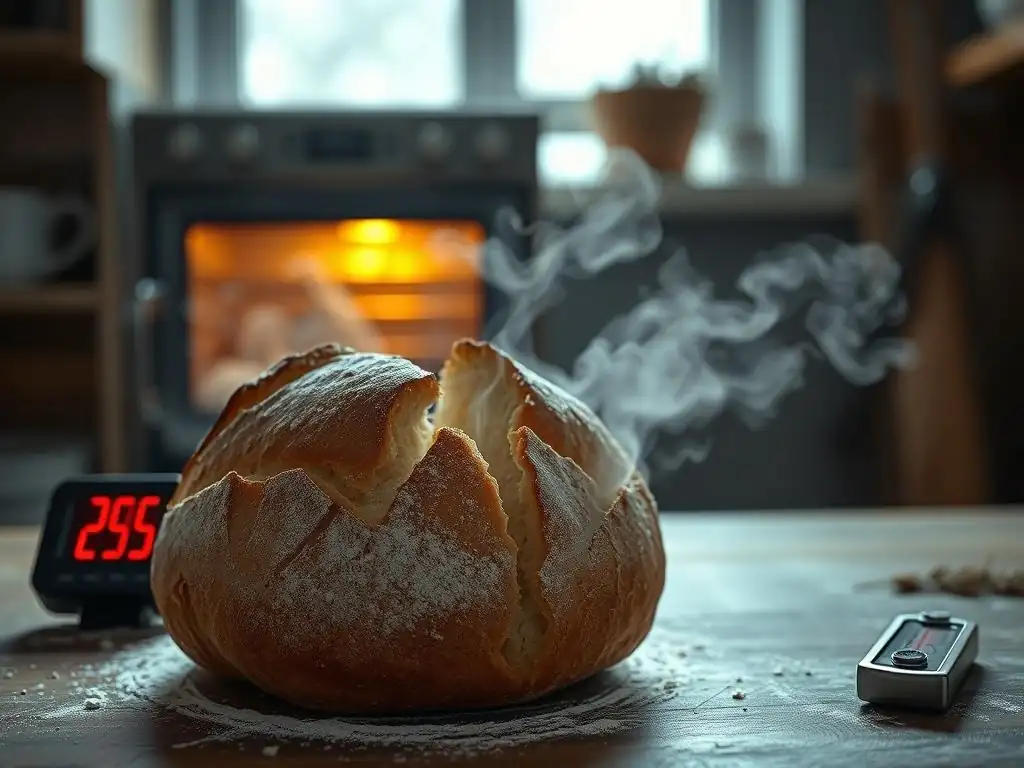
Welcome to BakeWithEase, your trusted guide to baking bliss! Discover the secrets to consistently perfect results and transform your kitchen into a haven of delicious creations. Ever wondered why temperature control is the unsung hero of truly exceptional baking? Prepare to unlock the crucial role it plays, especially in the context of a home baking business, and learn how mastering this vital skill can elevate your baking from good to unforgettable. Get ready to delve into "The Danger Zone" – and learn how to stay out of it!
- Introduction: Temperature Control - The Unsung Hero of Home Baking
- Understanding the Temperature Danger Zone in Baking
- The Impact of Temperature on Baking Ingredients and Processes
- Practical Tips for Maintaining Safe Temperatures in Your Home Bakery
- Temperature Control and Common Baking Problems
- Temperature Control in Specific BakeWithEase.com Recipes
- Tools and Equipment for Precise Temperature Management in Baking
- Beyond the Oven: Temperature Control in Ingredient Handling
- Conclusion: Mastering Temperature Control for Safe and Delicious Baking
-
Frequently Asked Questions
- Why is temperature control so important in baking?
- What are some common temperature-related mistakes home bakers make?
- How does temperature affect different types of baked goods (e.g., cakes vs. cookies)?
- What tools can help me better control temperature when baking?
- How can I troubleshoot baking problems that might be related to temperature?
- Final Reflection: The Sweet Science of Temperature Control
- Unlock Your Baking Potential: Master the Art of Temperature Control
Introduction: Temperature Control - The Unsung Hero of Home Baking
Baking is often seen as a precise science, a delicate balance of ingredients transforming through heat. While ratios of flour, sugar, and fat are fundamental, there's an unsung hero in the process: temperature control. It dictates everything from how your yeast behaves to the structural integrity of your finished product and, most importantly, its safety. Understanding why temperature control baking is so vital is the first step towards consistent, delicious, and safe results in your home kitchen.
Mastering temperature isn't just about preventing burnt edges; it's about ensuring chemical reactions happen correctly, textures develop as intended, and harmful microorganisms are kept at bay. From the moment you measure your ingredients to the final cooling process, temperature plays a critical role. Ignoring this can lead to disappointing bakes and, in some cases, pose significant food safety risks.
Why Accurate Temperature Matters in Baking: More Than Just Taste
Accurate temperature control is paramount in baking because it directly influences the chemical and physical transformations that occur. For instance, oven temperature affects how quickly your cake rises, how crusts brown, and whether the interior cooks through evenly. A difference of just 25°F (approx. 14°C) from the recipe's specified temperature can mean the difference between a light, airy loaf and a dense, gummy failure.
Beyond the aesthetic and textural outcomes, precise temperature management is a cornerstone of food safety. Many ingredients commonly used in baking, such as eggs, dairy, and even flour, can harbor bacteria. Heating these ingredients to specific internal temperatures is necessary to kill potential pathogens. Conversely, keeping certain perishable ingredients too long at room temperature can allow bacteria to multiply rapidly, creating a hazard even before baking begins. This highlights a key aspect of why temperature control baking is non-negotiable for safe food handling.
BakeWithEase.com's Guide to Food Safety and Temperature
At BakeWithEase.com, we believe that delicious baking goes hand-in-hand with safe baking. Our guides and recipes emphasize not just the steps to create wonderful treats but also the critical importance of temperature control at every stage. We provide tips on using thermometers, understanding ingredient temperatures, and recognizing the visual cues that indicate proper cooking.
Our commitment is to empower home bakers with the knowledge needed to bake confidently and safely. This includes detailed information on topics like the temperature danger zone, safe handling of perishable ingredients, and proper cooling and storage techniques. By focusing on temperature control in baking, we help you avoid common pitfalls and ensure that your creations are not only delightful to eat but also completely safe for you and your loved ones.
Understanding the Temperature Danger Zone in Baking
Food safety is a critical component of home baking, especially if you share your creations or plan to sell them. A fundamental concept in food safety is the "Temperature Danger Zone," a range where bacteria are most likely to multiply rapidly. Understanding this zone is essential for any baker who handles perishable ingredients.
Ignoring the principles of the danger zone can turn potentially harmless ingredients into sources of foodborne illness. While baking at high temperatures kills most bacteria, the time ingredients spend before baking or after cooling within this zone is crucial. This is a key aspect of why temperature control baking from start to finish is so important.
What is the Temperature Danger Zone? A Definition for Home Bakers
The Temperature Danger Zone is the temperature range between 40°F (4°C) and 140°F (60°C). Within this range, bacteria like Salmonella, E. coli, and Listeria can double in number in as little as 20 minutes. Foods that are left in this zone for too long can accumulate dangerous levels of these pathogens, making them unsafe to consume even after baking, as some toxins produced by bacteria are heat-resistant.
For home bakers, understanding this means being mindful of how long ingredients like eggs, milk, butter, and cream are left at room temperature. While some recipes call for softened butter or room-temperature eggs, minimizing the time these ingredients spend in the danger zone before being incorporated and baked is vital. Generally, perishable foods should not remain in the danger zone for more than two hours total (including preparation time).
The Role of Temperature in Bacteria Growth: Food Safety 101 for Bakers
Temperature is the primary factor influencing the rate of bacterial growth in food. Bacteria are living organisms that require specific conditions to thrive, including moisture, nutrients, and a favorable temperature. The Temperature Danger Zone provides the ideal warm, moist environment for rapid multiplication.
Heating food to temperatures above 140°F (60°C), and specifically to recommended internal temperatures (e.g., 160°F / 71°C for egg-based products), kills most harmful bacteria. Conversely, chilling food to temperatures below 40°F (4°C) significantly slows down bacterial growth, although it doesn't typically kill the bacteria already present. This fundamental principle underscores why temperature control baking involves both heating and cooling processes.
Common Mistakes: Home Baking Practices That Increase the Risk
Several common practices in home baking can inadvertently increase food safety risks by allowing ingredients to linger in the danger zone. One frequent mistake is leaving perishable ingredients like butter, eggs, or cream cheese out on the counter for extended periods, often longer than the recommended two hours, especially in warm kitchens.
Another risk factor is improper cooling. Large baked goods, like dense cakes or bread puddings, can take a long time to cool down. If left at room temperature for too long, the center can remain in the danger zone, allowing bacteria to multiply before the entire item is cool enough to refrigerate. Similarly, cooling items in covered containers while still warm traps heat, extending the time in the danger zone. These habits highlight the critical need for understanding why temperature control baking extends beyond just oven time.
The Impact of Temperature on Baking Ingredients and Processes
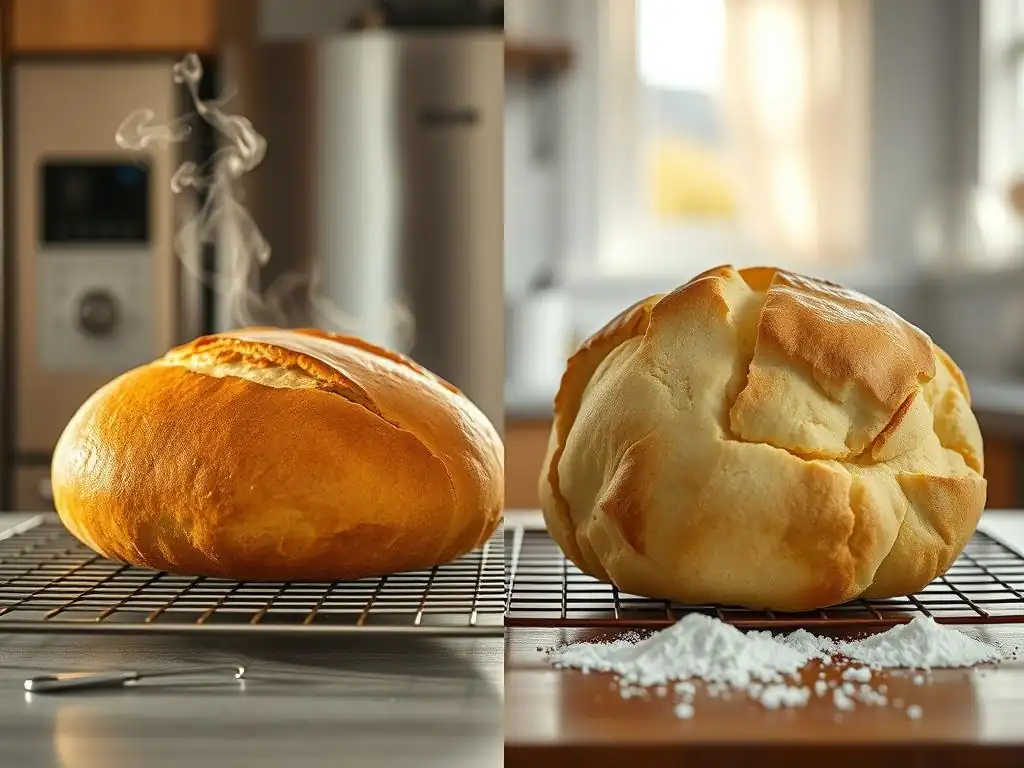
Temperature control isn't just about safety; it's also fundamental to the desired outcome of your baked goods. Different ingredients react to temperature in specific ways, and understanding these reactions is key to successful baking.
From the delicate process of yeast activation to the precise melting points of chocolate, temperature dictates texture, rise, spread, and overall quality. This demonstrates the multifaceted importance of why temperature control baking is a core skill for any baker.
Yeast Activation and Temperature: Getting the Right Proof
Yeast is a living microorganism that requires specific temperature conditions to become active and produce the carbon dioxide gas that makes bread and other doughs rise. For active dry yeast, the ideal water temperature for proofing is typically between 105°F and 115°F (40°C to 46°C). Water that is too cold (below 70°F / 21°C) will not activate the yeast effectively, resulting in a slow or non-existent rise.
Conversely, water that is too hot (above 130°F / 54°C) can kill the yeast, rendering it inactive and preventing the dough from rising at all. The dough itself also has an ideal temperature range for rising, often between 75°F and 85°F (24°C to 29°C). Maintaining this temperature range during proofing ensures the yeast works efficiently, producing a light, airy crumb structure. This precise temperature management is a prime example of why temperature control baking is essential for working with leavening agents.
Egg Safety: Temperature's Effect on Salmonella Risk in Baked Goods
Eggs are a common source of Salmonella bacteria. While the risk is relatively low, it's still important to handle them safely. The primary way to mitigate this risk in baking is through proper heating. Most recipes involve baking at temperatures high enough to kill Salmonella, which is typically achieved when the internal temperature of the egg-containing product reaches 160°F (71°C).
However, some recipes, like certain mousses, custards, or glazes, may use raw or lightly cooked eggs. In these cases, using pasteurized eggs is highly recommended, as pasteurization heats the eggs to a temperature sufficient to kill bacteria without fully cooking them. For recipes requiring raw eggs that cannot be substituted, ensuring the eggs spend minimal time in the danger zone before consumption is critical, reinforcing why temperature control baking includes careful ingredient handling.
Dairy and Temperature: Preventing Spoilage in Cream-Based Fillings
Dairy products like milk, cream, butter, and cream cheese are highly perishable and must be kept at safe temperatures to prevent spoilage and bacterial growth. Milk and cream should be stored at or below 40°F (4°C). When used in recipes, they should be returned to refrigeration promptly if not being actively used.
Fillings, custards, and frostings made with dairy are particularly susceptible to bacterial growth if left at room temperature. A cream cheese frosting, for example, should not be left out for more than two hours total. Once a cake or pastry with a dairy-based filling is assembled, it should be refrigerated until serving. This strict adherence to cold temperatures is vital for maintaining safety and quality, illustrating why temperature control baking means managing ingredients and finished products.
Chocolate Tempering: Crucial Temperatures for a Perfect Finish
Tempering chocolate is a precise process that involves melting, cooling, and slightly reheating chocolate to specific temperatures to stabilize its crystal structure. This results in chocolate that sets firmly, has a glossy finish, a crisp snap, and resists blooming (the formation of grey streaks). The exact temperatures vary slightly depending on the type of chocolate (dark, milk, or white).
For dark chocolate, typical temperatures involve melting around 115°F (46°C), cooling to about 82°F (28°C), and then reheating slightly to 88-91°F (31-33°C) for working. Milk and white chocolate have slightly lower ranges. Deviating from these specific temperature points will prevent the chocolate from tempering correctly, resulting in a soft, dull, or streaky finish. This technical process is a perfect example of why temperature control baking is essential for achieving specific textural and visual results.
Practical Tips for Maintaining Safe Temperatures in Your Home Bakery
Ensuring proper temperature control in your home bakery doesn't require a professional kitchen setup, but it does require attention to detail and the right tools. Simple practices can significantly improve both the quality and safety of your baked goods.
Integrating these tips into your routine will help you master temperature control baking and avoid common pitfalls, leading to more consistent and safer results every time you bake.
Investing in a Reliable Food Thermometer: A Must-Have for Every Baker
A reliable food thermometer is arguably the most important tool for why temperature control baking is emphasized. It allows you to accurately measure the internal temperature of baked goods, confirming they are cooked through and have reached a safe temperature. Instant-read digital thermometers are highly recommended for their speed and accuracy.
Use a thermometer to check the internal temperature of items like bread (typically done around 190-210°F / 88-99°C depending on the type), cakes (some denser cakes benefit from a temperature check, often done around 200-210°F / 93-99°C in the center), custards (usually need to reach 160°F / 71°C), and meat-filled pastries. Relying solely on visual cues like browning can be misleading, as the outside may appear done while the inside remains undercooked and potentially unsafe.
Proper Cooling Techniques: Preventing Bacteria Growth After Baking
Once baked, many items need to cool, but this phase can be a food safety risk if not managed correctly. Large items, in particular, cool slowly, potentially spending extended periods in the danger zone. Always cool baked goods on wire racks to allow air circulation around the entire item, promoting faster cooling.
Avoid cooling large, dense items like loaves of bread or large cakes in enclosed spaces or covering them tightly while they are still warm. This traps heat and slows the cooling process dramatically. For items that require refrigeration, ensure they cool significantly at room temperature until they reach below 140°F (60°C) before placing them in the refrigerator. Aim to get them to 40°F (4°C) as quickly as possible after this point. This step is a crucial part of why temperature control baking continues even after the oven is off.
Safe Storage Practices: Maintaining Temperature Control During Storage
Proper storage is essential for maintaining the quality and safety of your baked goods. Items that contain perishable ingredients like dairy, eggs, or fresh fruit fillings must be stored in the refrigerator at 40°F (4°C) or below. This includes cheesecakes, cream pies, pastries with custard or cream fillings, and cakes with cream cheese or whipped cream frostings.
Baked goods that are shelf-stable, like most cookies, brownies, and lean bread (made without dairy or eggs in the dough), can typically be stored at room temperature in airtight containers. However, even these benefit from proper temperature control; storing them in a cool, dry place extends their freshness. Freezing is an excellent option for longer-term storage, keeping items safely below 0°F (-18°C), effectively halting bacterial growth.
Cooling Time Examples for Different Baked Goods
- Small Cookies/Brownies: Typically cool on a wire rack for 10-15 minutes before handling, then transfer to a rack to cool completely, usually within 30-60 minutes.
- Standard Loaf Bread (approx. 1.5 lb): Needs to cool completely on a wire rack before slicing, which can take 2-3 hours to reach room temperature (below 70°F / 21°C). Slicing while hot can damage the crumb structure and release steam, potentially making it gummy.
- Standard Layer Cake (9-inch rounds): Cool in pans for 10-15 minutes, then invert onto a wire rack to cool completely. This can take 1-2 hours. Do not frost until fully cooled.
- Large Bundt Cake: Cool in the pan for 15-20 minutes, then invert onto a wire rack. May take 2-3 hours to cool completely.
- Custard Pie: Must be cooled significantly at room temperature (until below 140°F / 60°C, often around 1-2 hours) then refrigerated promptly to cool completely to 40°F (4°C) or below, which can take several more hours.
Temperature Control and Common Baking Problems
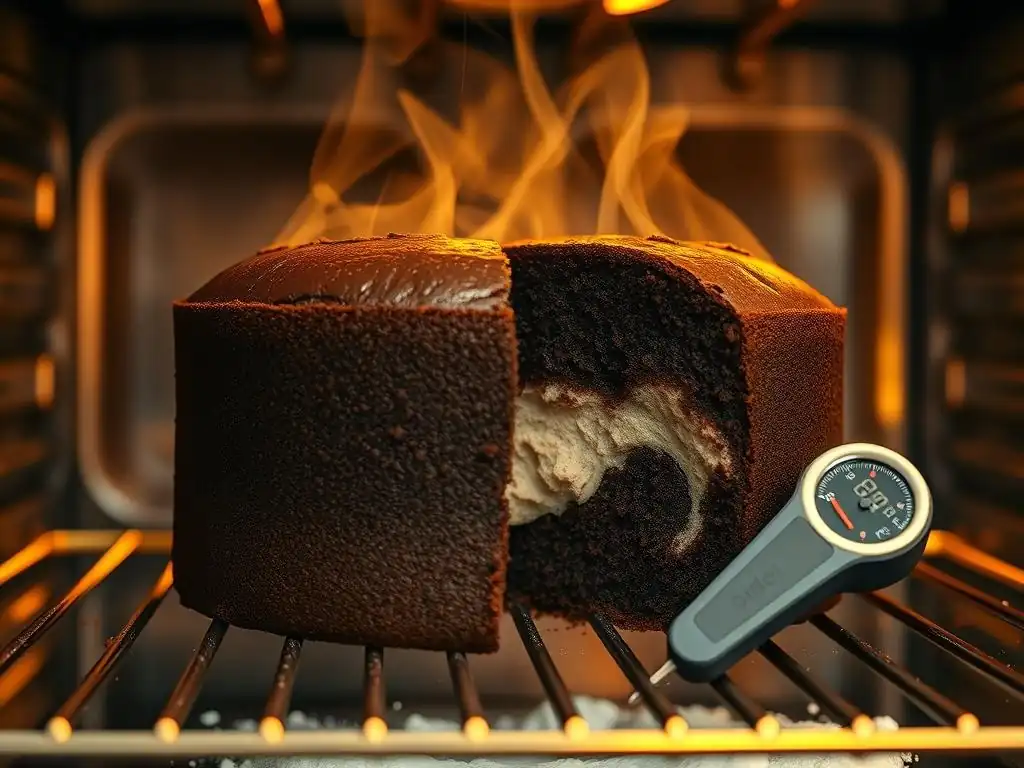
Many common frustrations in baking can be traced back to issues with temperature control. From a pie crust that refuses to crisp up to a cake that's dry and crumbly, temperature plays a significant role in the outcome.
Understanding the link between temperature and these problems is key to troubleshooting and improving your baking skills. This highlights another practical reason why temperature control baking is so important for achieving desired results.
Soggy Bottoms: Temperature's Role in Crisp Crusts
A classic baking woe is the dreaded soggy bottom, particularly common in pies and tarts. This often occurs because the bottom crust doesn't cook through and crisp up before the filling is fully set or the top crust is browned. Oven temperature plays a crucial role here. If the oven is too cool, or if the pie is placed on a cold baking sheet or rack without preheating it sufficiently, the bottom heat isn't intense enough to set the pastry quickly.
One technique to combat this is baking the pie on a preheated baking stone or steel, or placing the pie directly on the bottom rack of the oven (if safe for your oven and pie dish). Starting the bake at a slightly higher temperature (e.g., 400-425°F / 200-220°C) for the first 15-20 minutes before lowering it can also help the bottom crust set quickly. This demonstrates how precise temperature application is fundamental to texture, showing why temperature control baking needs careful attention to oven setup.
Undercooked Centers: Achieving Even Baking Temperatures
Undercooked centers, especially in cakes, muffins, or quick breads, are frequently a result of uneven oven temperature or incorrect baking time at the specified temperature. Ovens often have hot spots or may not maintain the set temperature accurately. If the oven is running cooler than indicated, the outside might brown while the inside hasn't reached the temperature required for starches to gelatinize and proteins to set.
Using an oven thermometer to verify your oven's actual temperature is a simple step that can prevent this. Rotating your baked goods halfway through the baking time can also help ensure even heat exposure. For large or dense items, baking at a slightly lower temperature for a longer time can promote more even cooking from the edges to the center. This deliberate adjustment based on the oven and item size illustrates why temperature control baking involves not just setting a temperature, but understanding how heat distributes.
Dry Cakes: Avoiding Over-Baking with Precise Temperature Monitoring
A dry cake is often a sign of over-baking, which removes too much moisture. While baking time is a factor, it's directly linked to temperature. If the oven temperature is too high, the cake's edges and exterior will cook and set too quickly, potentially becoming dry, while the interior struggles to catch up. By the time the center is done, the outer parts are significantly overcooked.
Using a toothpick or cake tester is a common method to check for doneness, but for consistent results, checking the internal temperature can be even more reliable. Most cakes are done when the internal temperature in the center reaches between 200°F and 210°F (93°C to 99°C). Pulling the cake from the oven within this range ensures the interior is cooked through but still retains moisture. This precise monitoring is a perfect example of why temperature control baking helps achieve the desired moist texture.
Temperature Ranges for Common Baking Issues
- Soggy Bottoms (Pies/Tarts): Often linked to oven temperature too low (e.g., consistently below 350°F / 175°C for too long) or lack of sufficient bottom heat.
- Undercooked Centers (Cakes/Muffins): Can result from oven temperature too low (e.g., set to 350°F but actually baking at 325°F / 160°C) or baking time too short based on actual oven performance.
- Dry Cakes: Frequently caused by oven temperature too high (e.g., set to 350°F but baking at 375°F / 190°C) leading to over-baking, or baking too long even at the correct temperature.
- Bread Not Rising: Yeast water too cold (below 100°F / 38°C) or too hot (above 130°F / 54°C), or proofing environment too cold (below 70°F / 21°C).
Temperature Control in Specific BakeWithEase.com Recipes
Let's look at how temperature control applies specifically to some popular types of baked goods you might find on BakeWithEase.com, highlighting why temperature control baking is key to their success.
Temperature Considerations for Red Velvet Cake
Red Velvet Cake relies on precise temperature for its signature tender crumb and deep color. The chemical reaction between the buttermilk, vinegar, and baking soda, often enhanced by a small amount of cocoa powder's acidity, is sensitive to temperature. Baking the cake at the correct oven temperature, typically around 350°F (175°C), ensures a gentle rise and prevents the outside from setting too quickly while the inside is still raw.
Over-baking a Red Velvet cake at too high a temperature can easily result in a dry, crumbly texture and a less vibrant color. Checking for doneness usually involves the toothpick test (comes out with moist crumbs, not wet batter) or, for more accuracy, checking the internal temperature which should reach around 205°F (96°C). Proper cooling on a wire rack is also crucial to prevent the layers from becoming dense or collapsing.
Temperature Considerations for Sourdough Bread
Sourdough bread baking is a prime example of why temperature control baking is a continuous process from start to finish. The health and activity of your sourdough starter depend heavily on temperature; ideal storage is typically in the refrigerator (around 40°F / 4°C), while it's most active at warmer room temperatures (70-80°F / 21-27°C). Bulk fermentation and proofing of the dough also require specific temperature ranges to develop flavor and structure.
Baking sourdough typically involves a very hot oven, often preheated to 450-500°F (230-260°C), often using a Dutch oven or baking stone to trap steam and create a crisp crust. The high initial temperature creates oven spring, while the internal temperature needs to reach 200-210°F (93-99°C) for the bread to be fully cooked. Cooling completely on a wire rack is essential; cutting too early traps steam and results in a gummy crumb.
Achieving the perfect chocolate chip cookie texture – chewy centers, slightly crisp edges, melted chocolate – is highly dependent on baking temperature and time. A common baking temperature is 350-375°F (175-190°C). Baking at a lower temperature for longer can result in a more uniformly crisp cookie, while a higher temperature for a shorter time encourages spread and creates chewier centers with set edges.
The temperature of the dough before baking also matters. Chilling cookie dough (to around 40°F / 4°C) before baking helps prevent excessive spreading, resulting in thicker cookies. The melting point of the chocolate chips (typically around 85-90°F / 29-32°C) is also key; baking at the correct temperature ensures they melt sufficiently during baking while the cookie structure sets around them. This interplay of dough and oven temperature demonstrates why temperature control baking is crucial even for seemingly simple recipes.
Tools and Equipment for Precise Temperature Management in Baking
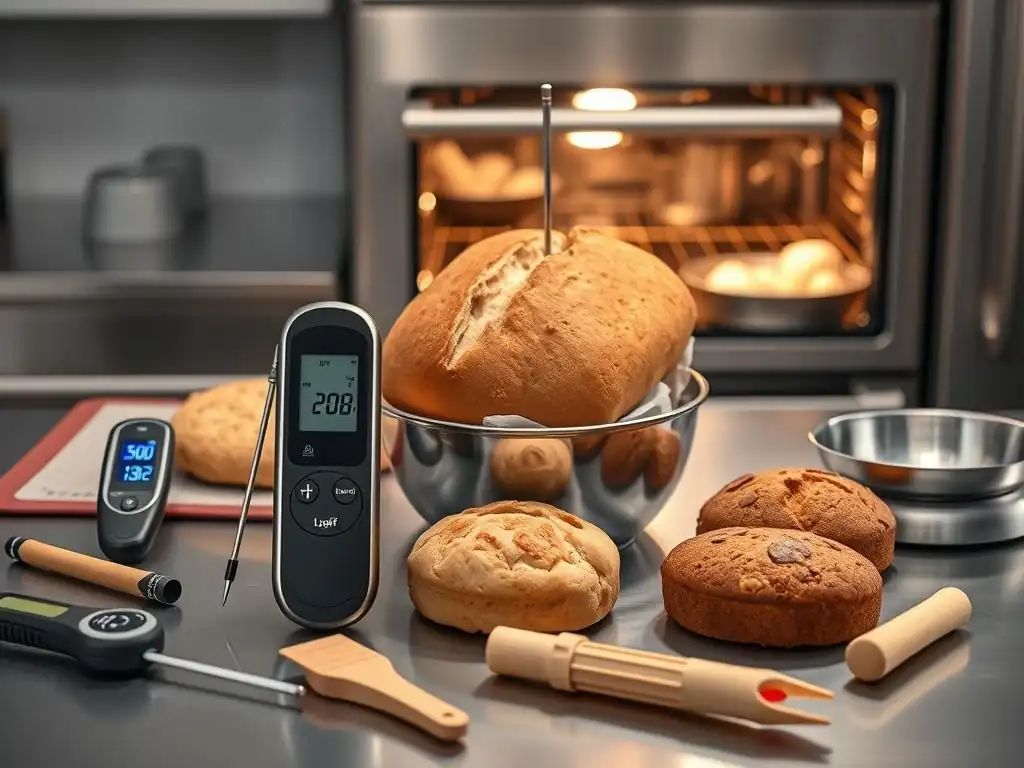
Having the right tools can make a significant difference in your ability to control temperature effectively and consistently. Investing in a few key pieces of equipment is a smart move for any baker serious about improving their results and ensuring food safety.
These tools are indispensable allies in your quest to master temperature control baking.
Recommended Food Thermometers for Home Baking
- Instant-Read Digital Thermometer: Provides rapid, accurate readings (within seconds). Essential for checking the internal temperature of baked goods, roasted items, and liquids. Look for one with a thin probe that won't damage delicate items. Examples include Thermapen or budget-friendly alternatives from brands like ThermoPro or Lavatools.
- Oven Thermometer: A simple, inexpensive thermometer that hangs or sits on an oven rack. It provides the actual temperature inside your oven, which can often differ significantly from the oven's display setting (sometimes by 25-50°F / 14-28°C). Checking this regularly helps you calibrate your baking times and temperatures.
- Infrared Thermometer (Optional but useful): Measures surface temperature without contact. Can be useful for checking the temperature of baking stones/steels, melted chocolate on a surface, or the surface of dough during proofing, though less critical than internal or oven thermometers for safety checks.
Ovens and Temperature Calibration: Ensuring Accuracy
Even the best recipes assume your oven is baking at the temperature you set. Unfortunately, oven thermostats can become inaccurate over time. Using an oven thermometer is the easiest way to check your oven's accuracy.
If your oven consistently runs hot or cold, you have a few options:
- Adjust Recipes: Simply set your oven higher or lower than the recipe calls for based on the difference you observe (e.g., if your oven bakes 25°F cold, set it 25°F higher than the recipe).
- Oven Calibration: Some modern ovens allow you to calibrate the thermostat through the control panel. Consult your oven's manual.
- Professional Service: For significant discrepancies, a technician can recalibrate your oven's thermostat.
Understanding your oven's true temperature is fundamental to successful temperature control baking.
Using Ice Baths and Other Temperature-Controlling Techniques
Beyond heating, controlling cooling is also vital. An ice bath is a simple but effective technique for rapidly cooling mixtures like custards, pastry cream, or sauces that are prone to bacterial growth or need to be cooled quickly for the next step (like adding whipped cream).
- Simply fill a larger bowl with ice and a little water.
- Place the bowl containing the hot mixture into the ice bath.
- Stir the mixture frequently to distribute the cold and speed up cooling.
Other techniques include spreading hot mixtures thinly on a baking sheet to cool faster, or using cooling racks for baked goods as mentioned earlier. These methods actively manage temperature downwards, just as ovens manage it upwards, reinforcing why temperature control baking is a holistic process.
Beyond the Oven: Temperature Control in Ingredient Handling
Temperature control in baking begins long before your ingredients ever see the inside of an oven. How you store and handle ingredients significantly impacts their safety, freshness, and performance in your recipes.
Paying attention to the temperature of your ingredients, from pantry staples to perishables, is a crucial part of mastering temperature control baking.
Storing Flour and Other Dry Ingredients at the Right Temperature
While dry ingredients like flour, sugar, salt, and baking powder are less prone to rapid bacterial growth than moist perishables, proper storage temperature is still important for maintaining their quality and preventing spoilage or pest infestations. These ingredients should be stored in a cool, dry place, away from direct sunlight or heat sources like ovens or stovetops.
Ideal storage temperature for dry goods is typically between 50°F and 70°F (10°C to 21°C). Temperatures that are too warm can degrade the quality of flours (especially whole grain flours due to their oil content) and leavening agents over time. Keeping them cool and dry prevents moisture absorption, which can lead to clumping and spoilage. This initial step in ingredient care is part of the broader scope of why temperature control baking starts at the pantry.
Handling Dairy and Eggs Safely: Best Practices for Home Bakers
Dairy products and eggs are highly perishable and require strict temperature control to remain safe. Always store milk, cream, butter, cheese, and eggs in the refrigerator at 40°F (4°C) or below. Avoid storing eggs in the door of the refrigerator, as the temperature fluctuates more there; the main body of the fridge is more stable.
When a recipe calls for room-temperature butter or eggs, take out only the amount needed and allow them to sit at room temperature just until they reach the desired state (softened but still cool for butter, about 68-70°F / 20-21°C for eggs). This typically takes 30-60 minutes for eggs and slightly longer for butter, depending on room temperature. Avoid leaving them out for hours. Any unused portions should be returned to the refrigerator promptly. This careful handling of cold ingredients is a core element of why temperature control baking is linked to food safety.
Defrosting Fruit Purees Properly: Preventing Unwanted Fermentation in Baking
Frozen fruit purees or fruits are often used in fillings, sauces, or batters. Proper defrosting is essential to prevent bacterial growth or unwanted fermentation. The safest way to defrost is in the refrigerator. This allows the fruit to thaw slowly while remaining at a safe, cold temperature (below 40°F / 4°C).
Avoid thawing frozen fruit at room temperature, as the surface can enter the danger zone and begin to ferment or grow bacteria while the interior is still frozen. If you need to defrost more quickly, use the microwave on a defrost setting or place the sealed package in a bowl of cold water, changing the water every 30 minutes. Once thawed, use the fruit promptly or store it in the refrigerator. This attention to ingredient state before mixing highlights why temperature control baking encompasses all stages of the process.
Conclusion: Mastering Temperature Control for Safe and Delicious Baking
Temperature control is far more than a minor detail in baking; it is a critical factor influencing everything from the texture and appearance of your baked goods to their overall safety. Understanding the science behind why temperature control baking matters empowers you to troubleshoot problems, achieve consistent results, and protect yourself and others from foodborne illness.
From accurately measuring oven temperature to properly cooling your finished products and safely handling ingredients, every step where temperature is managed contributes to your success as a home baker. Embrace the thermometer, respect the danger zone, and watch your baking reach new heights of both quality and safety.
Temperature Control: A Cornerstone of Food Safety for Home Bakers
For anyone baking at home, especially those considering selling their goods, food safety must be a top priority. Mastering temperature control in baking is perhaps the single most important practice in this regard. It involves preventing bacterial growth in raw ingredients by keeping them cold, killing bacteria through proper heating during baking, and minimizing time spent in the danger zone during cooling and storage.
By consistently applying safe temperature practices, you build confidence in your baking and ensure that your delicious creations are also safe to share and enjoy. This foundation of food safety, built on temperature control, is non-negotiable for responsible home baking.
Resources for Further Learning on Food Safety and Baking Temperatures
For those who wish to delve deeper into the principles of food safety and the specifics of why temperature control baking is vital, numerous resources are available:
- Government food safety websites (like the FDA or USDA in the United States) offer comprehensive guides on safe food handling, temperature guidelines, and preventing foodborne illness.
- Culinary schools and food safety certification programs (like ServSafe) provide detailed training on temperature control, cross-contamination, and other critical food safety practices.
- Reputable baking books and websites often include sections dedicated to food safety and the science of baking temperatures. BakeWithEase.com will continue to provide practical tips and information in this area.
Investing time in understanding these principles will not only make you a safer baker but also a more skilled and confident one.
Frequently Asked Questions
Why is temperature control so important in baking?
Temperature control is crucial because it directly impacts the chemical reactions that make baking successful. Incorrect temperatures can lead to under-baked or over-baked goods, affecting texture and taste. Achieving the right internal temperature also ensures food safety.
Common mistakes include relying solely on oven dials (ovens can be inaccurate), not using an oven thermometer, and opening the oven door frequently. Ignoring recipe instructions regarding specific baking temperatures is also a frequent error.
Different baked goods require different temperatures to achieve optimal results. Cakes typically bake at lower temperatures for a longer time to ensure even cooking, while cookies often need higher temperatures for a shorter period to achieve a crispy exterior and soft interior.
What tools can help me better control temperature when baking?
Essential tools include an oven thermometer to verify your oven's accuracy, a digital kitchen thermometer for checking internal temperatures, and timers to prevent over-baking. Also, consider using baking stones or sheets for even heat distribution.
If your baked goods are consistently under-baked, your oven might be running cold; consider increasing the temperature slightly or extending the baking time. Conversely, if items are burning on the outside but raw inside, your oven might be too hot; reduce the temperature or use an oven shield.
Final Reflection: The Sweet Science of Temperature Control
Mastering temperature control isn't just about perfectly browned cakes; it's the cornerstone of consistent, delicious baking, a skill crucial for both novice and experienced bakers alike. In a world increasingly focused on precision and repeatable results, understanding the nuanced relationship between heat and ingredients elevates baking from a hobby to a true craft. The impact of even a few degrees on final product quality is undeniable, highlighting the importance of accurate measurement and consistent heat distribution.
The pursuit of the perfect bake has always been a journey of experimentation and refinement, a testament to the enduring human desire for both sustenance and artistry. Baking is a science, but it's also an art. The best bakers understand both.
This quote perfectly encapsulates the delicate balance between precise measurements and intuitive understanding that successful baking demands. The ongoing influence of temperature control extends beyond the kitchen, mirroring our broader societal need for precision and control in various aspects of life, from climate change mitigation to technological advancements.
Now, consider your own baking journey. What adjustments can you make to your techniques to better control temperature? Do you invest in reliable thermometers and timers? Are you willing to experiment with different methods to achieve consistent results? Embrace the challenge of mastering temperature control; the reward is a world of consistently delicious baked goods and a deeper understanding of the science behind the art. The journey to baking perfection starts with a single degree, a single adjustment, a single commitment to precision.
Unlock Your Baking Potential: Master the Art of Temperature Control
Thanks for taking the time to explore the crucial role of temperature in baking! We hope you gained valuable insights into achieving consistently delicious results. Ready to put your new knowledge into practice?
- Master your oven's quirks: Take a few minutes to test your oven's accuracy with an oven thermometer. This simple step will significantly improve your baking outcomes.
- Share your baking triumphs (and challenges!): Join our BakeWithEase community on social media and share your experiences using the hashtag #BakeWithEaseTempControl. Let's learn from each other!
- Bake something amazing! Choose your favorite recipe and apply your newfound temperature control skills.
What's your favorite temperature-sensitive recipe, and what adjustments will you make to bake it perfectly now?